Motion Strike Sample For Job In Collin
Description

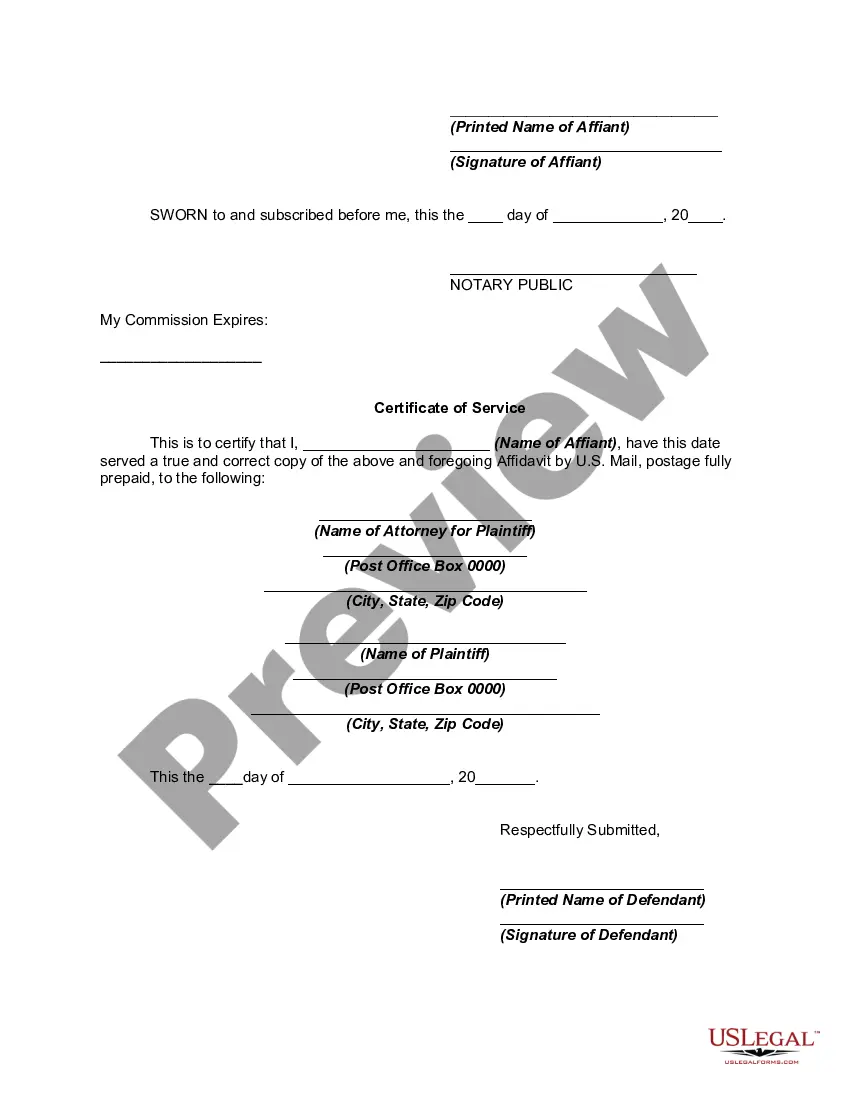




Get your form ready online
Our built-in tools help you complete, sign, share, and store your documents in one place.
Make edits, fill in missing information, and update formatting in US Legal Forms—just like you would in MS Word.
Download a copy, print it, send it by email, or mail it via USPS—whatever works best for your next step.
Sign and collect signatures with our SignNow integration. Send to multiple recipients, set reminders, and more. Go Premium to unlock E-Sign.
If this form requires notarization, complete it online through a secure video call—no need to meet a notary in person or wait for an appointment.
We protect your documents and personal data by following strict security and privacy standards.

Make edits, fill in missing information, and update formatting in US Legal Forms—just like you would in MS Word.

Download a copy, print it, send it by email, or mail it via USPS—whatever works best for your next step.

Sign and collect signatures with our SignNow integration. Send to multiple recipients, set reminders, and more. Go Premium to unlock E-Sign.

If this form requires notarization, complete it online through a secure video call—no need to meet a notary in person or wait for an appointment.

We protect your documents and personal data by following strict security and privacy standards.
Looking for another form?


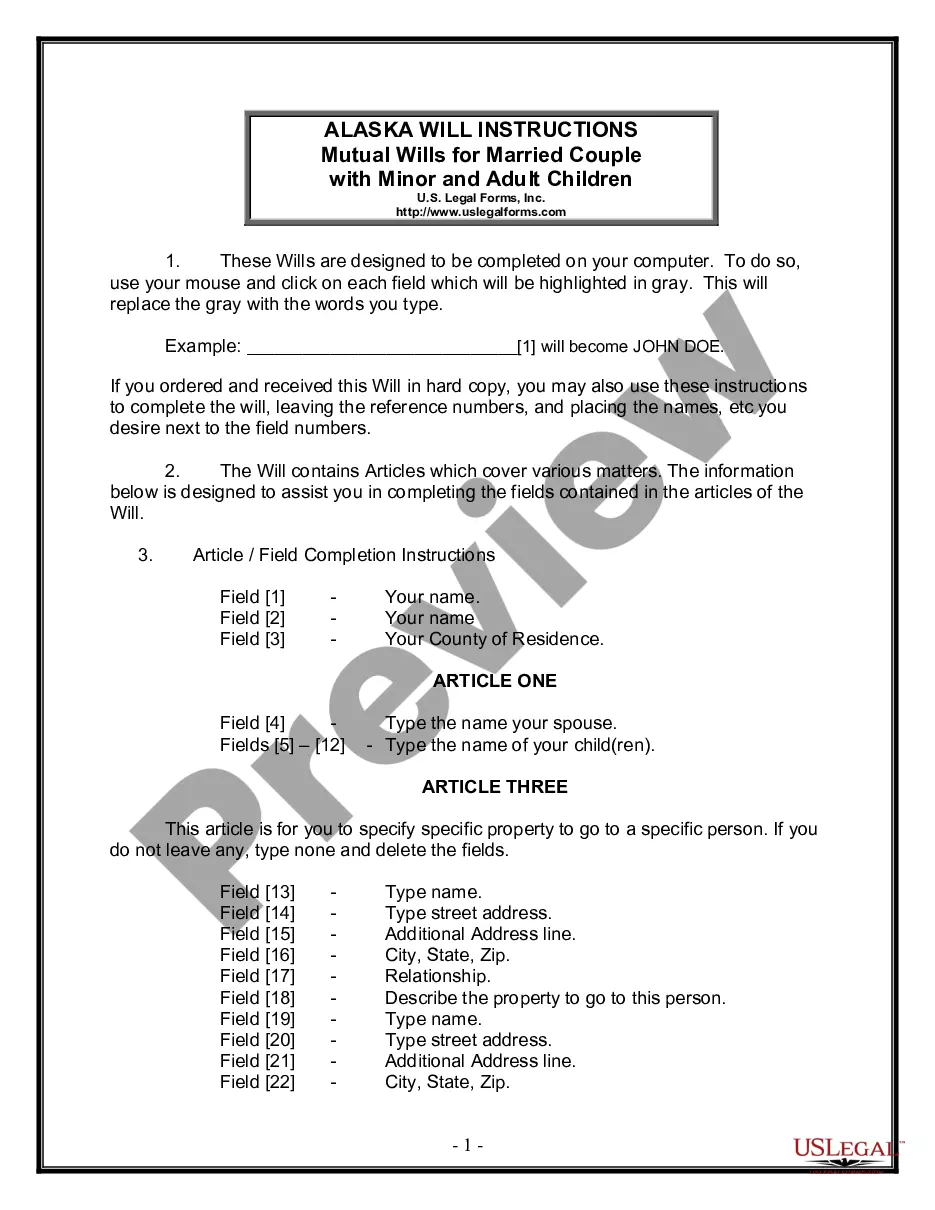





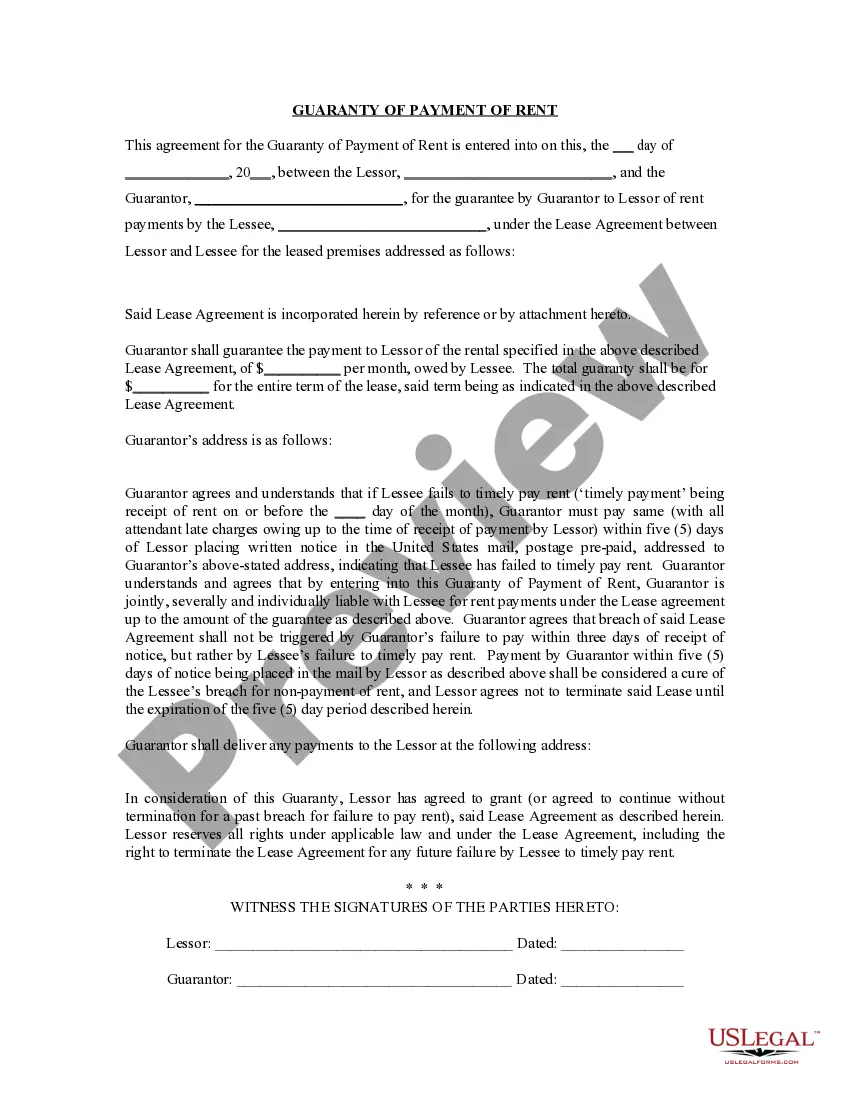
Form popularity
FAQ
Contact the Student Technical Support via phone (972-377-1777) or email elc@collin. In the email, please include your CWID (Campus-wide ID), your full legal name and the course(s) that are not showing.
For general HR help, please call the HR General Help Line at 972.985. 3783.
Need help with a HR related question? We got you covered! Contact the EEC team at 972-860-5119 between a.m. and p.m. or email AskHR.
What are the GPA requirements? Cumulative GPAs are generated from the Admissions department. If you do not have a GPA with Collin College, the system will generate a GPA from your previous high school, college or university. All applicants are required to have a minimum GPA of at least 2.5.
For details, please contact Academic Advising at 972.881. 5778 or AcademicAdvising@collin.
Core Values Learning. Service and Involvement. Creativity and Innovation. Academic Excellence. Dignity and Respect. Integrity.
A motion to strike is a request by one party in a United States trial requesting that the presiding judge order the removal of all or part of the opposing party's pleading to the court.
C.C.P. § 436 allows for a motion to strike “any irrelevant, false, or improper matter asserted in any pleading” or portion of a pleading “not drawn of filed in conformity with the laws of this state.” A motion to strike is proper “when a substantive defect is clear from the face of a complaint.” (PH II, Inc.
General format - each motion generally consists of a case caption, a title that briefly identifies the relief sought, a series of numbered paragraphs that explains -- in a logical way -- why you are entitled to that relief, a prayer for relief, a signature block, a certification that a copy of the motion was sent to ...
What happens next? If we filed the motion to strike in a trial court, then we will set the motion to be heard by a judge or magistrate, and be ruled upon. If we filed it in an appeals court, the appeals court will read the motion and offending document and will rule on it without hearing.
