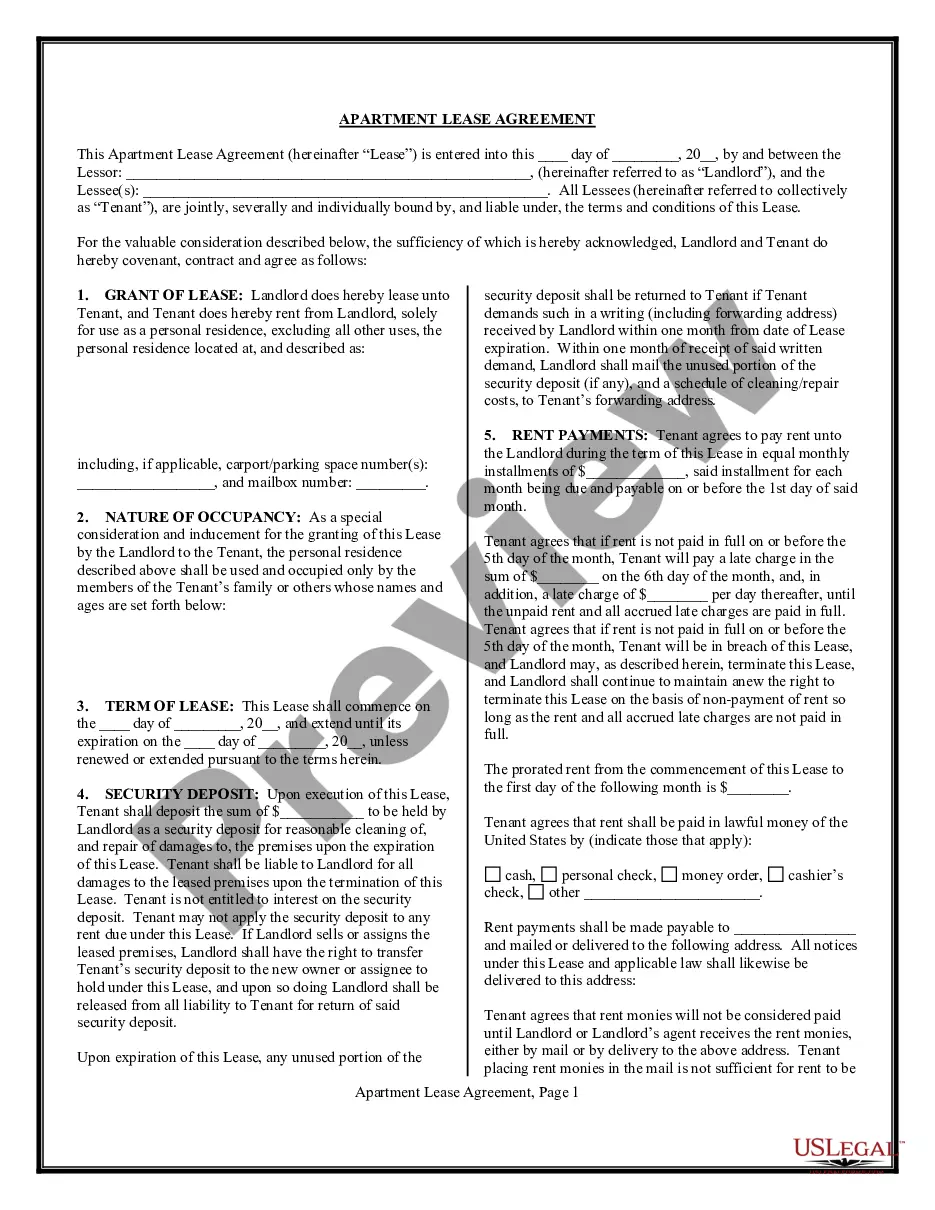
Housing With Lease In Ohio
Description

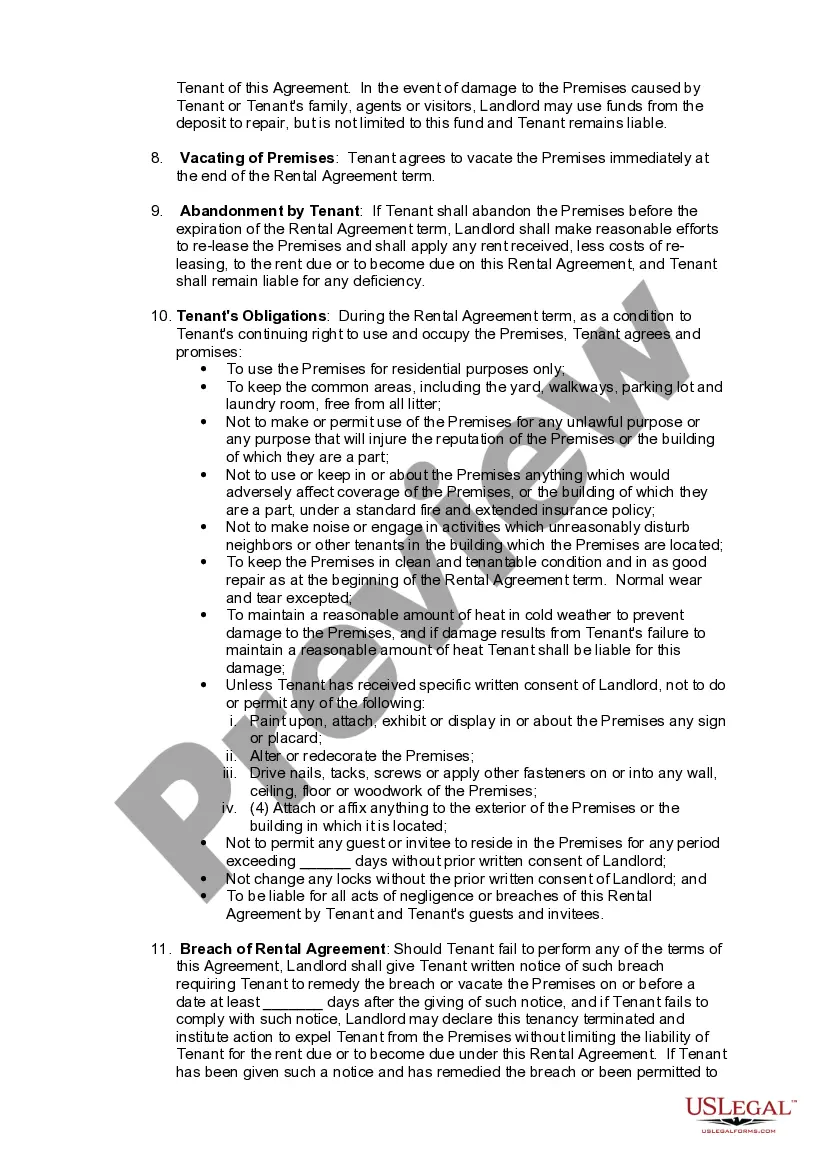
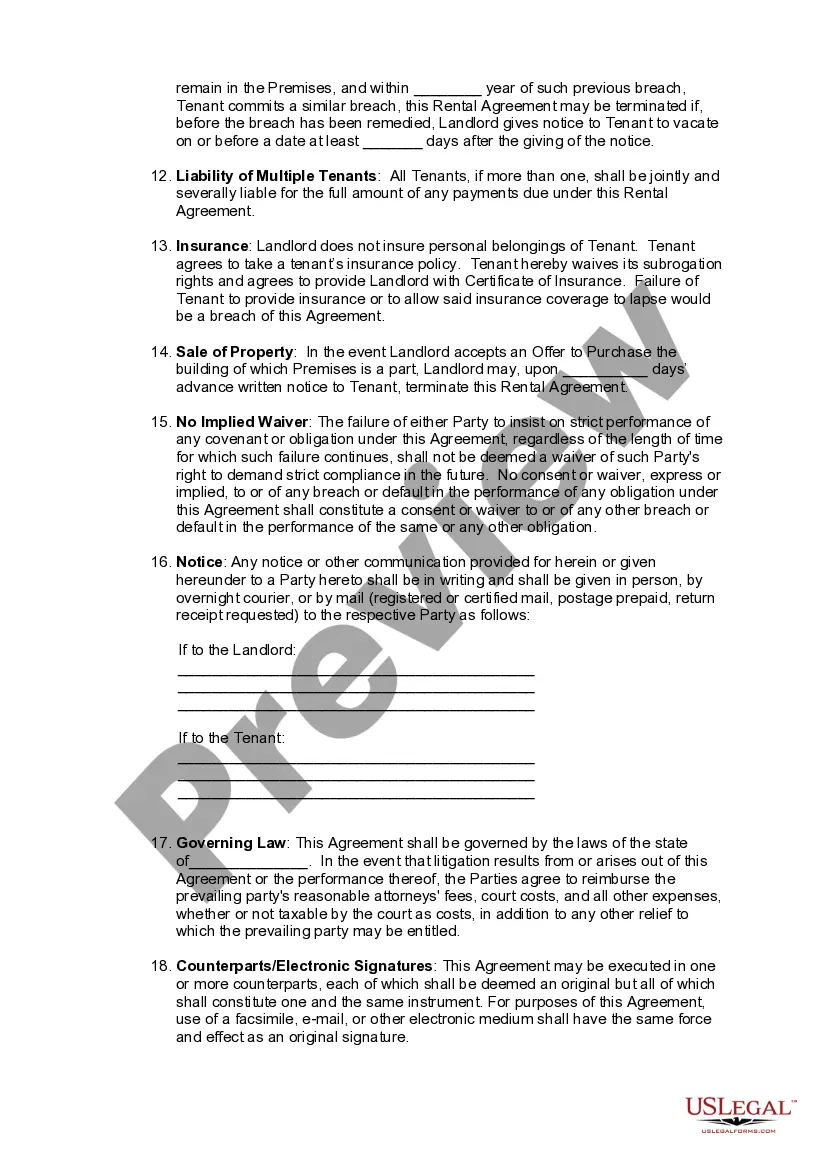
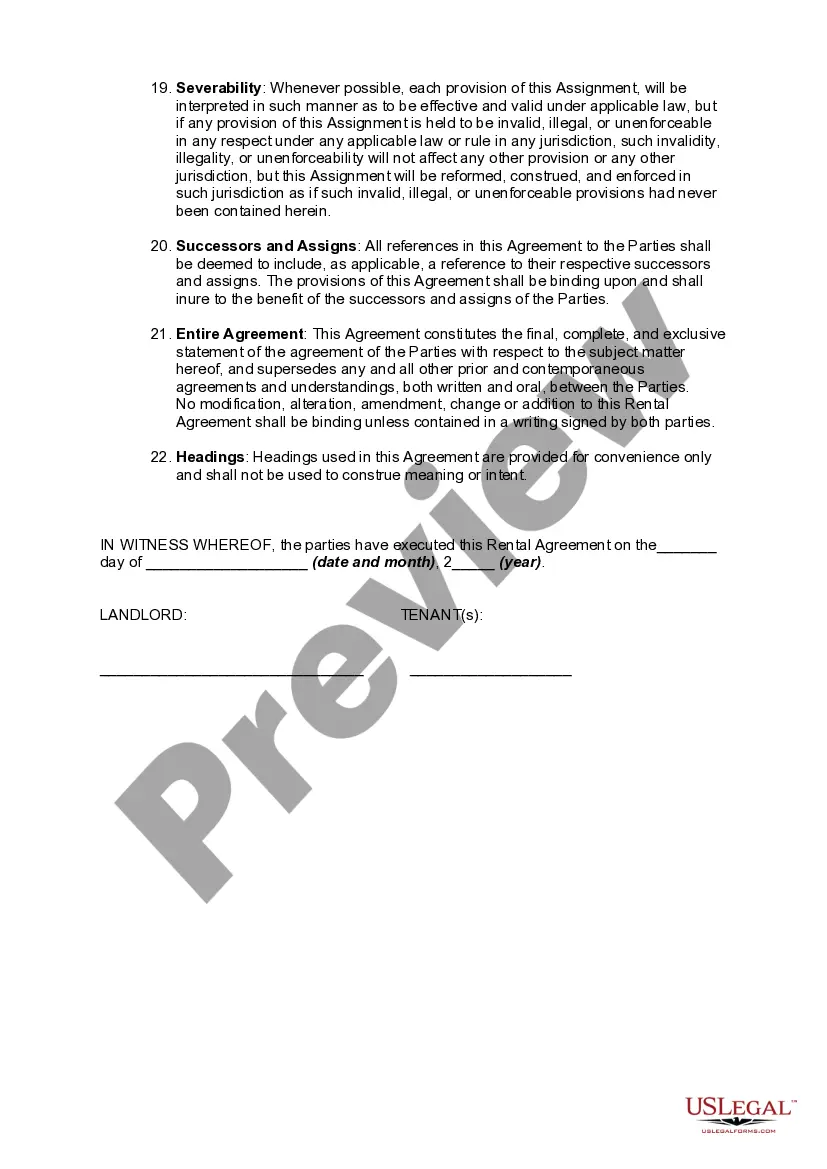
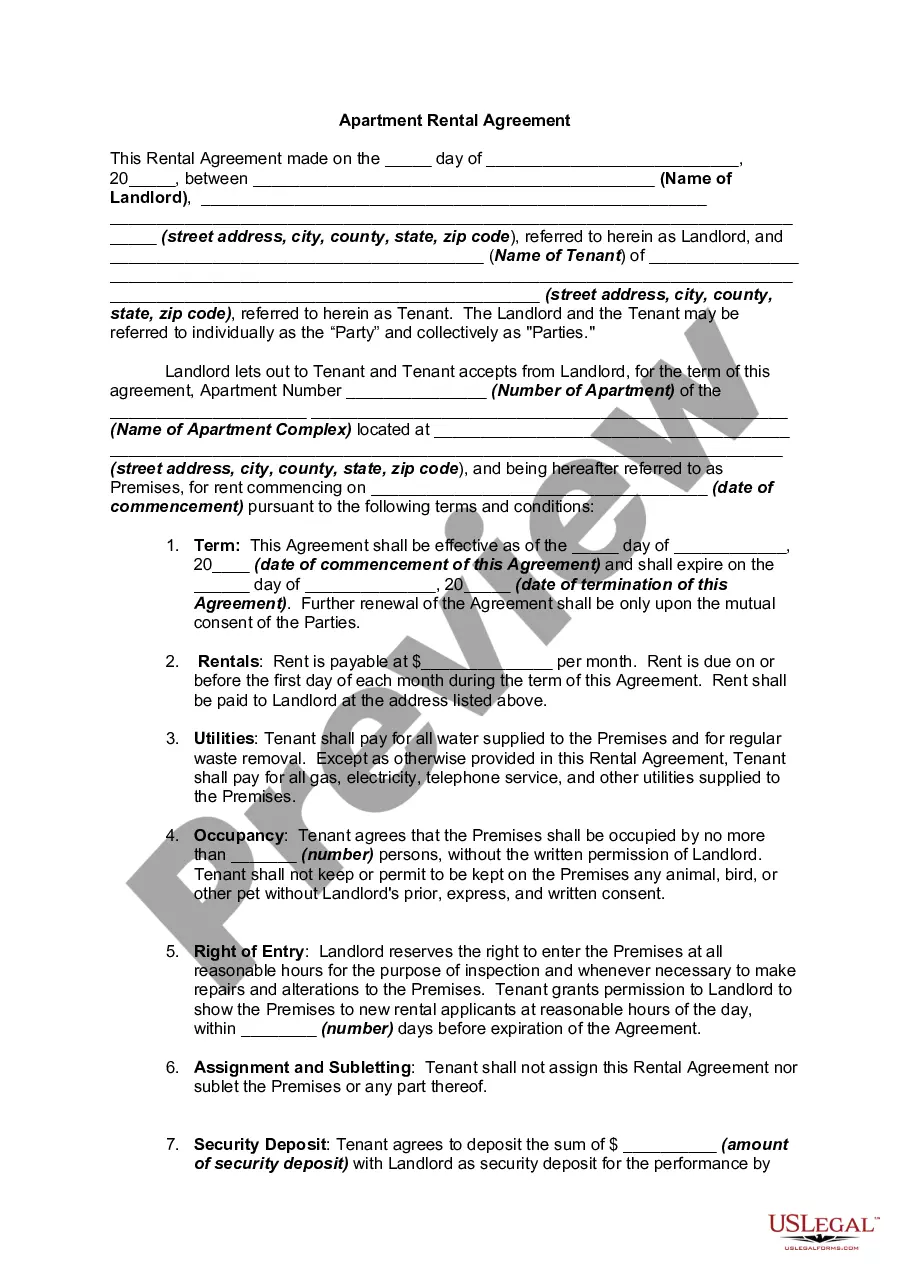
Get your form ready online
Our built-in tools help you complete, sign, share, and store your documents in one place.
Make edits, fill in missing information, and update formatting in US Legal Forms—just like you would in MS Word.
Download a copy, print it, send it by email, or mail it via USPS—whatever works best for your next step.
Sign and collect signatures with our SignNow integration. Send to multiple recipients, set reminders, and more. Go Premium to unlock E-Sign.
If this form requires notarization, complete it online through a secure video call—no need to meet a notary in person or wait for an appointment.
We protect your documents and personal data by following strict security and privacy standards.

Make edits, fill in missing information, and update formatting in US Legal Forms—just like you would in MS Word.

Download a copy, print it, send it by email, or mail it via USPS—whatever works best for your next step.

Sign and collect signatures with our SignNow integration. Send to multiple recipients, set reminders, and more. Go Premium to unlock E-Sign.

If this form requires notarization, complete it online through a secure video call—no need to meet a notary in person or wait for an appointment.

We protect your documents and personal data by following strict security and privacy standards.
Looking for another form?

Form popularity
FAQ
A lease agreement is a legally binding contract outlining the terms under which one party agrees to rent property, whether real or personal, from another party. This agreement includes important details such as the rent amount, duration, responsibilities of both parties, and conditions for terminating the agreement.
Here are 16 steps on how to make a lease agreement: Include the contact information of both parties. Include property details. Outline property utilities and services. Define the lease term. Disclose the monthly rent amount and due date. Detail the penalties and late fees. Describe any additional or services fees.
Start by noting the basic identifying information: List the date, property address, and tenant details. Proceed room by room: Document each item in every room, including its condition. Be thorough and include all elements like walls, floors, ceilings, fixtures, and any appliances or furniture.
It is possible to draft your own lease agreement, but you are leaving yourself open to issues.
tomonth lease agreement offers flexibility. It allows either party to modify the lease terms or terminate the contract with appropriate notice. This type of lease is ideal for tenants or landlords seeking flexible arrangements. Ohio lease agreements must comply with local laws and regulations.
In Ohio, if the person is not named on the lease, they may be considered a ``tenant-at-will,'' which could make it easier for you to evict them. However, it's important to follow the proper legal procedures, which may involve giving the person written notice and filing a complaint with the court.
Housing (rent or mortgage) should not be more than 1/3 of your income before taxes. If you work full time (40 hours) at $12 per hour, that's $2000 per month, so you shouldn't spend more than $667 per month on housing. That's definitely going to restrict where you can live.
Lifestyle and Flexibility Renting suits those who value the freedom to move on short notice. On the other hand, leasing is better for those seeking a stable, long-term home and are willing to commit to a fixed period.
Renting, especially on a short-term basis, can sometimes come with higher monthly costs due to the increased flexibility it offers the landlord. For instance, a studio apartment for rent on a month-to-month basis might be more expensive per month than the same apartment under a lease agreement.
Apartment lease payments aren't reported to the credit bureaus like monthly mortgage payments are.
