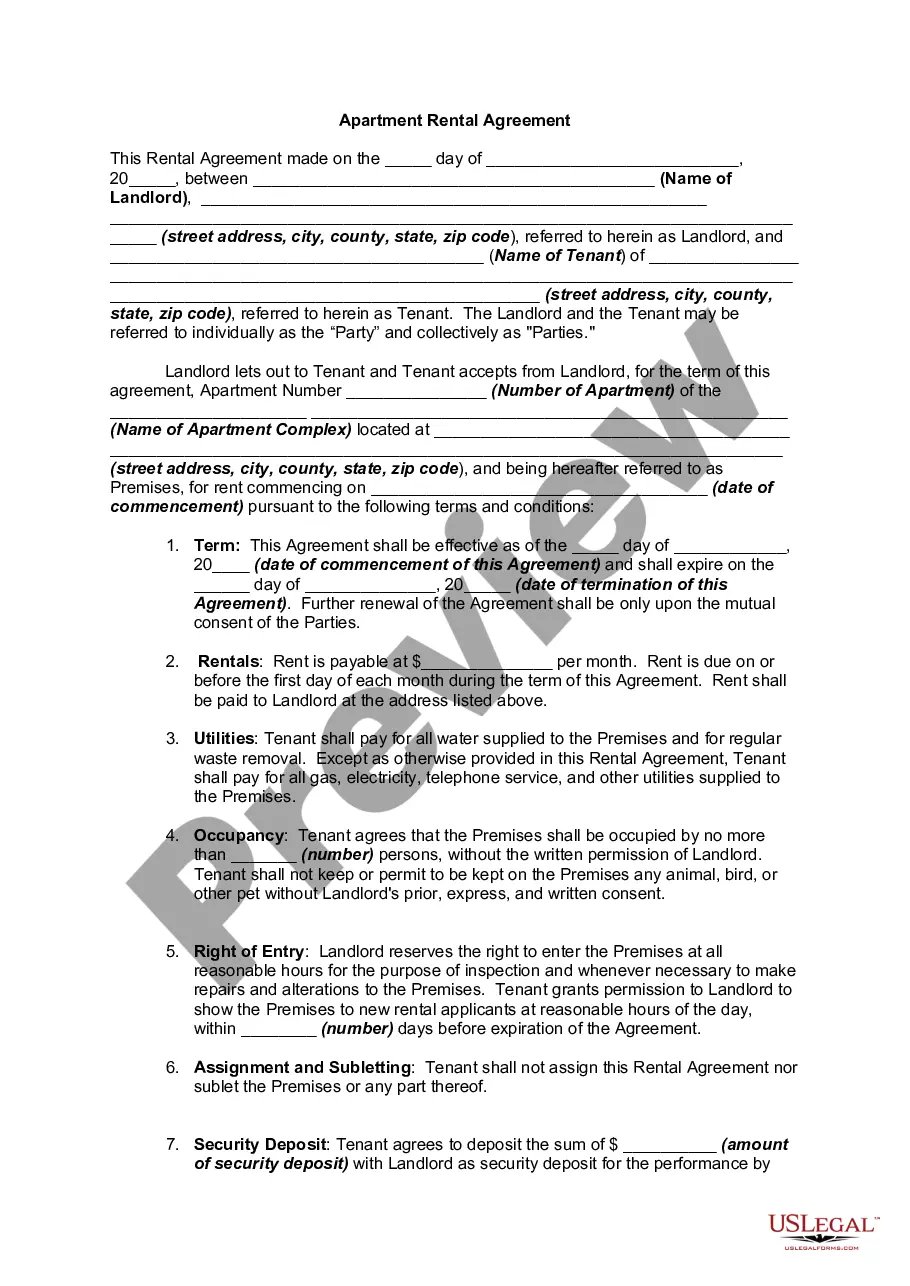
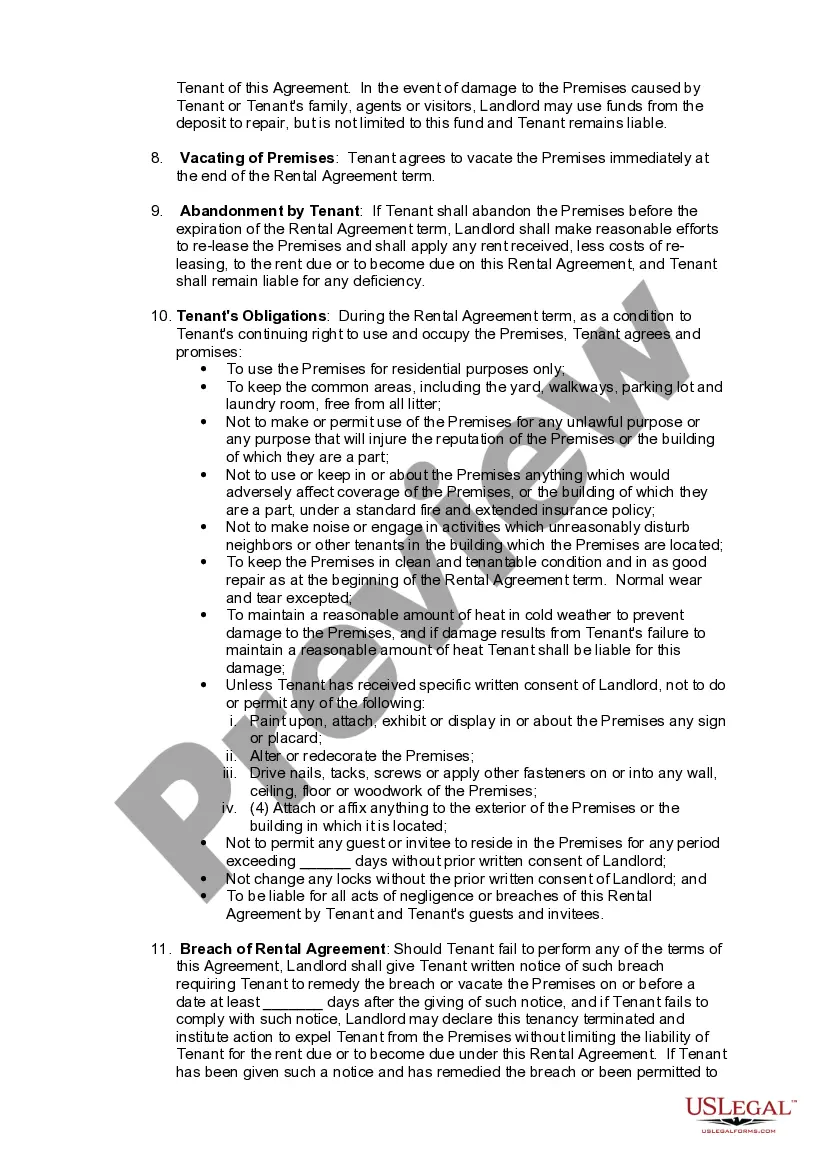
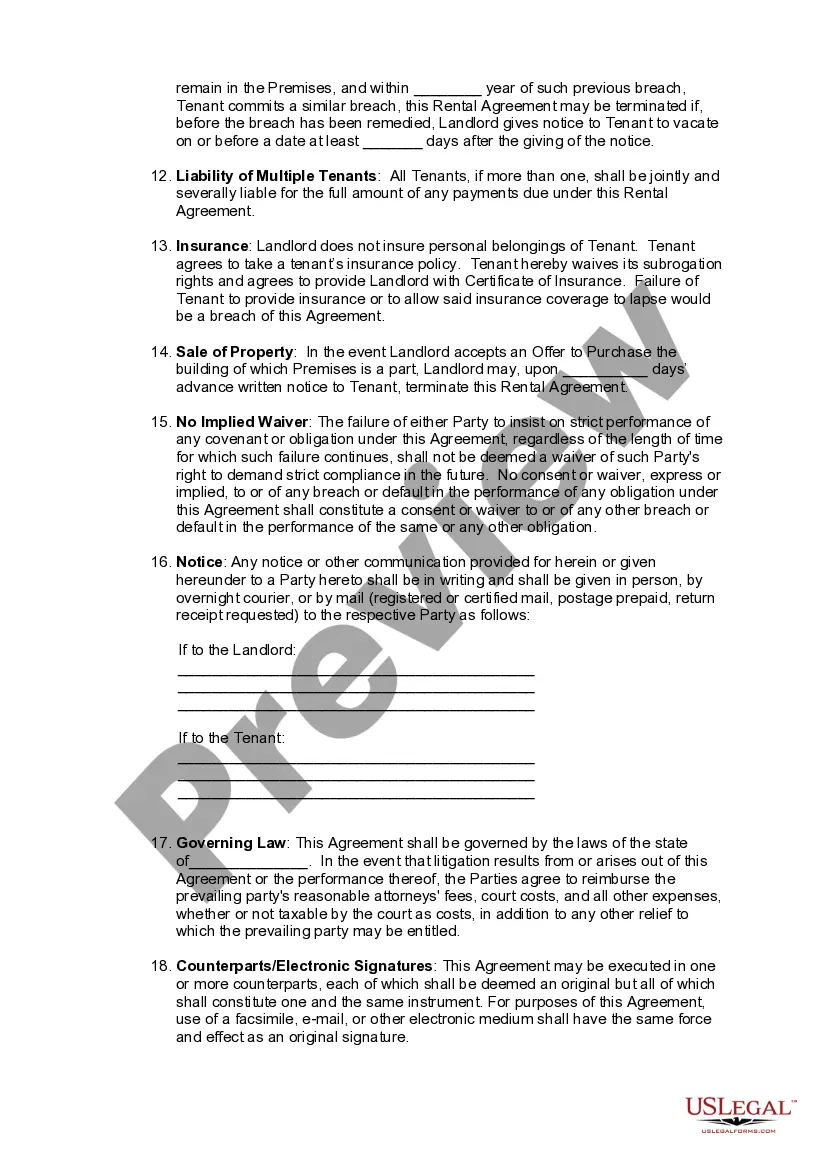
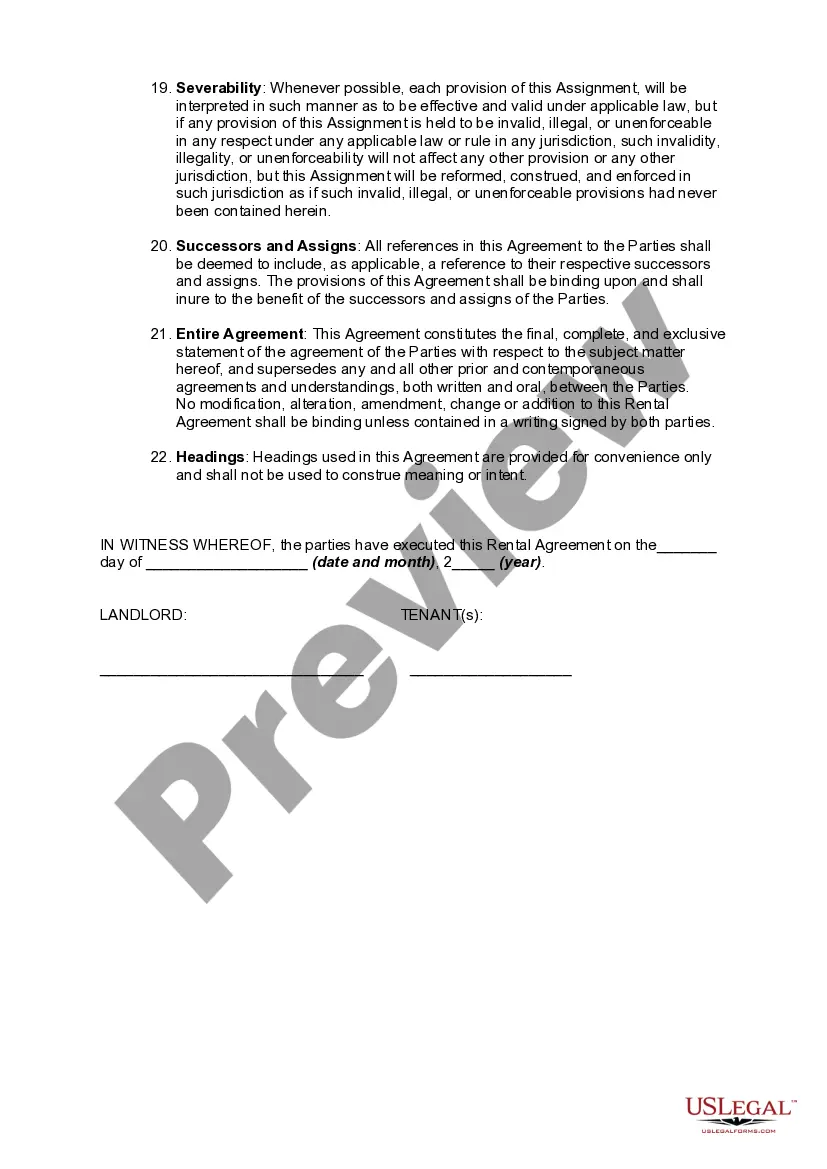
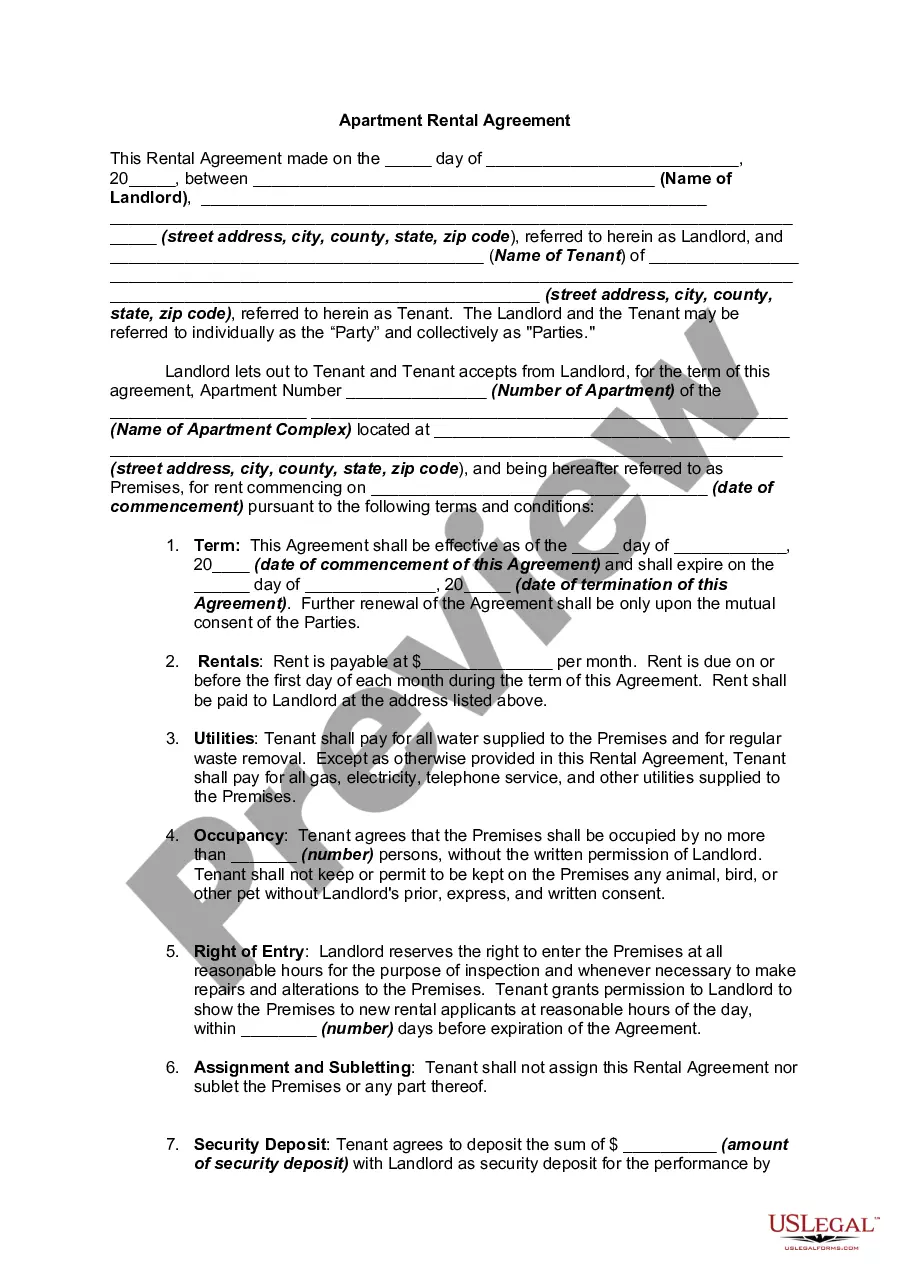
Apartment Lease Format In Ohio
Description
Get your form ready online
Our built-in tools help you complete, sign, share, and store your documents in one place.
Make edits, fill in missing information, and update formatting in US Legal Forms—just like you would in MS Word.
Download a copy, print it, send it by email, or mail it via USPS—whatever works best for your next step.
Sign and collect signatures with our SignNow integration. Send to multiple recipients, set reminders, and more. Go Premium to unlock E-Sign.
If this form requires notarization, complete it online through a secure video call—no need to meet a notary in person or wait for an appointment.
We protect your documents and personal data by following strict security and privacy standards.

Make edits, fill in missing information, and update formatting in US Legal Forms—just like you would in MS Word.

Download a copy, print it, send it by email, or mail it via USPS—whatever works best for your next step.

Sign and collect signatures with our SignNow integration. Send to multiple recipients, set reminders, and more. Go Premium to unlock E-Sign.

If this form requires notarization, complete it online through a secure video call—no need to meet a notary in person or wait for an appointment.

We protect your documents and personal data by following strict security and privacy standards.
Looking for another form?







Form popularity
FAQ
Written leases must be signed by the landlord and should be signed by the tenant. Leases for four years or more must be notarized to be valid. Additionally, a lease memorandum should be recorded for long-term leases to protect the tenant in the event the land is sold.
Signing a lease is a fairly common business transaction. It can also result in a fairly common mistake – not fully executing the lease and making it invalid. Lease laws in Ohio require all leases of three years or more to be acknowledged and witnessed by an official, such as a notary public.
Where parties execute a lease without notarizing it, the lease is considered defectively executed. A defectively executed lease is invalid and does not create the exact lease sought to be created.
Here are 16 steps on how to make a lease agreement: Include the contact information of both parties. Include property details. Outline property utilities and services. Define the lease term. Disclose the monthly rent amount and due date. Detail the penalties and late fees. Describe any additional or services fees.
Let me say that again: if your lease has a term longer than three years, including options to renew or extend, then you need to have a memorandum of lease recorded.
Completion The lease and any other lease documents will be dated by both parties' respective solicitors and will then be completed. Your solicitor will send the completion monies to the landlord's solicitor. You will then be able to collect the keys to the property (normally from the estate agent/selling agent).
Start by noting the basic identifying information: List the date, property address, and tenant details. Proceed room by room: Document each item in every room, including its condition. Be thorough and include all elements like walls, floors, ceilings, fixtures, and any appliances or furniture.
A lease agreement is a legally binding contract outlining the terms under which one party agrees to rent property, whether real or personal, from another party. This agreement includes important details such as the rent amount, duration, responsibilities of both parties, and conditions for terminating the agreement.
Leases for four years or more must be notarized to be valid. Additionally, a lease memorandum should be recorded for long-term leases to protect the tenant in the event the land is sold. Verbal leases are fraught with risk from misunderstandings and breaches. Ohio law requires leases to be in writing to prevent fraud.
