Contrato Alquiler Descargar Within In New York
Description
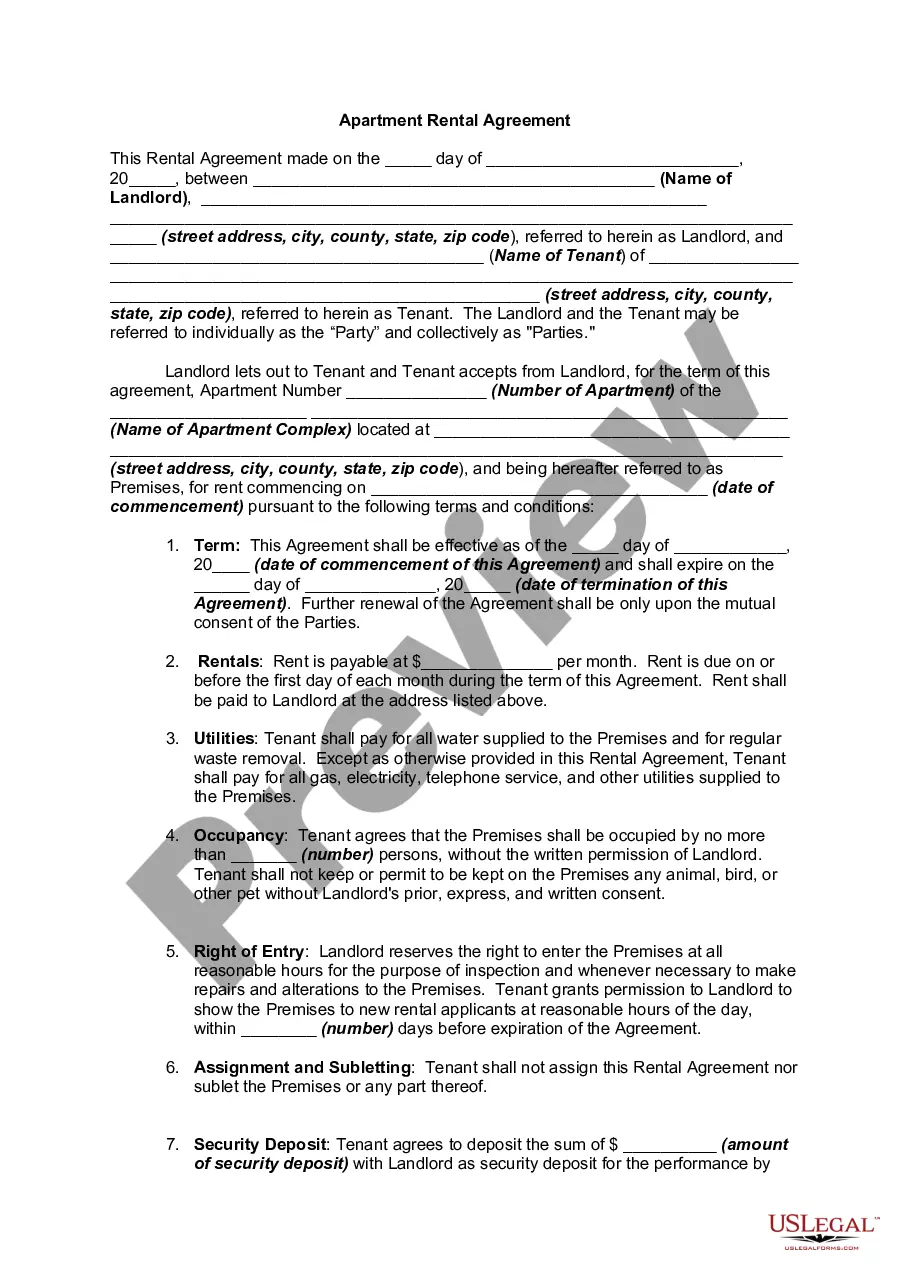
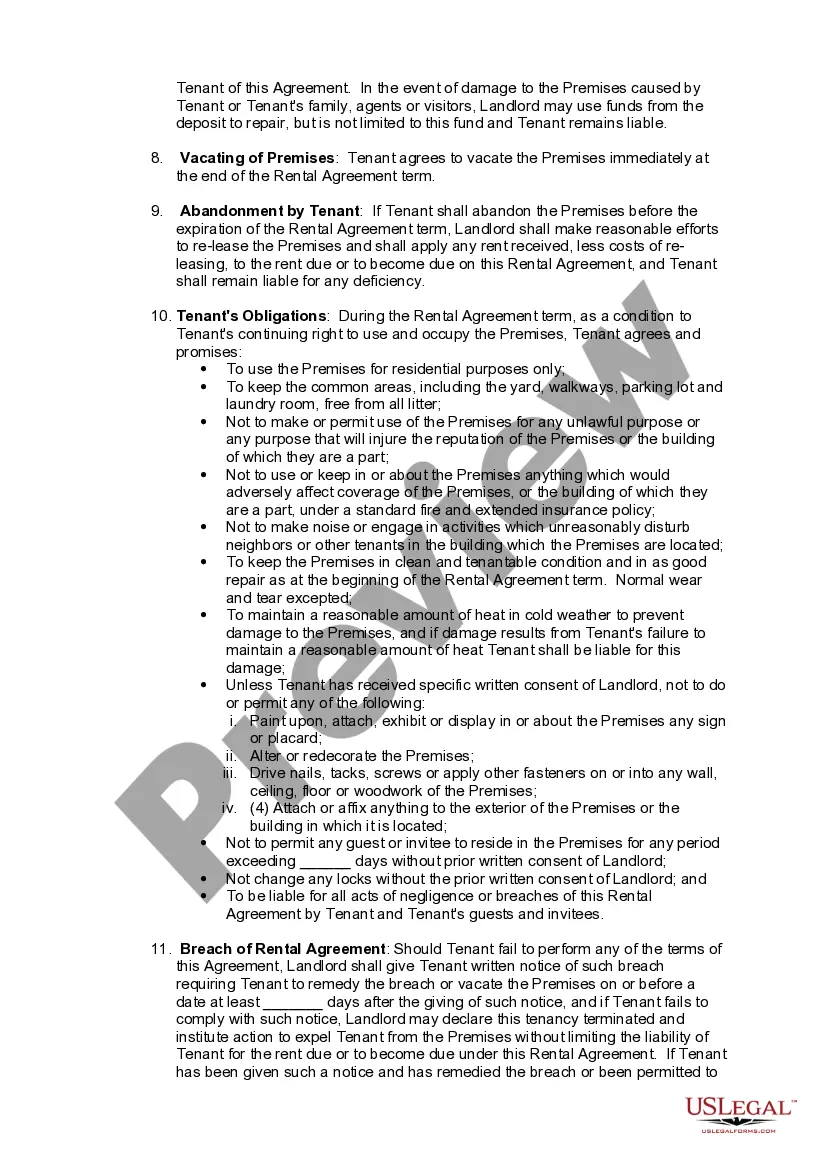
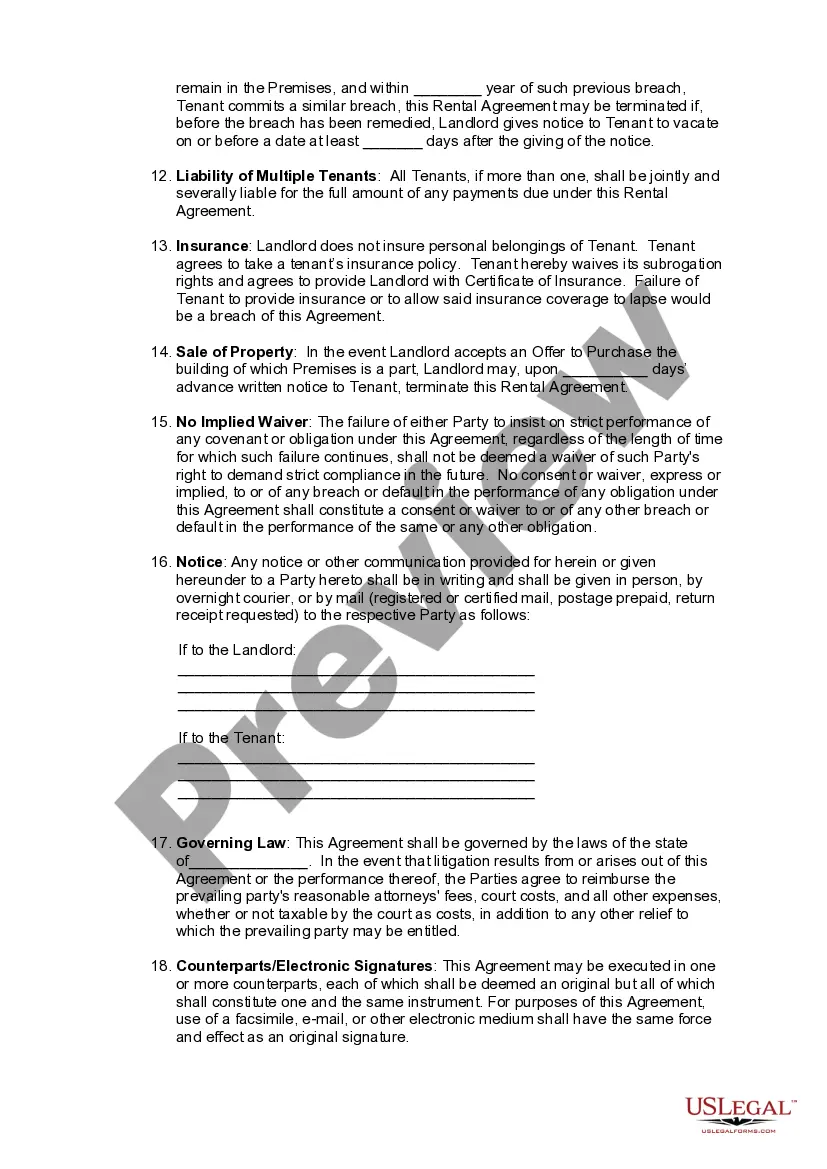
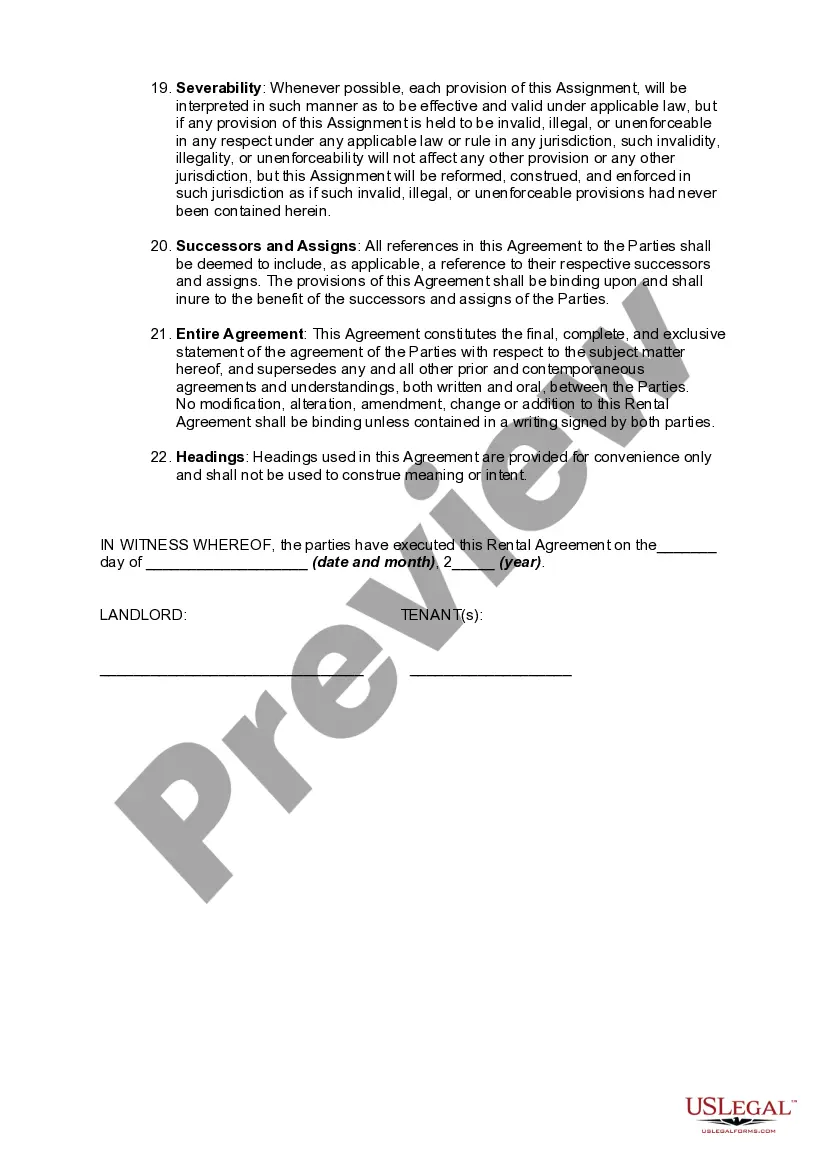
Get your form ready online
Our built-in tools help you complete, sign, share, and store your documents in one place.
Make edits, fill in missing information, and update formatting in US Legal Forms—just like you would in MS Word.
Download a copy, print it, send it by email, or mail it via USPS—whatever works best for your next step.
Sign and collect signatures with our SignNow integration. Send to multiple recipients, set reminders, and more. Go Premium to unlock E-Sign.
If this form requires notarization, complete it online through a secure video call—no need to meet a notary in person or wait for an appointment.
We protect your documents and personal data by following strict security and privacy standards.

Make edits, fill in missing information, and update formatting in US Legal Forms—just like you would in MS Word.

Download a copy, print it, send it by email, or mail it via USPS—whatever works best for your next step.

Sign and collect signatures with our SignNow integration. Send to multiple recipients, set reminders, and more. Go Premium to unlock E-Sign.

If this form requires notarization, complete it online through a secure video call—no need to meet a notary in person or wait for an appointment.

We protect your documents and personal data by following strict security and privacy standards.
Looking for another form?

Form popularity
FAQ
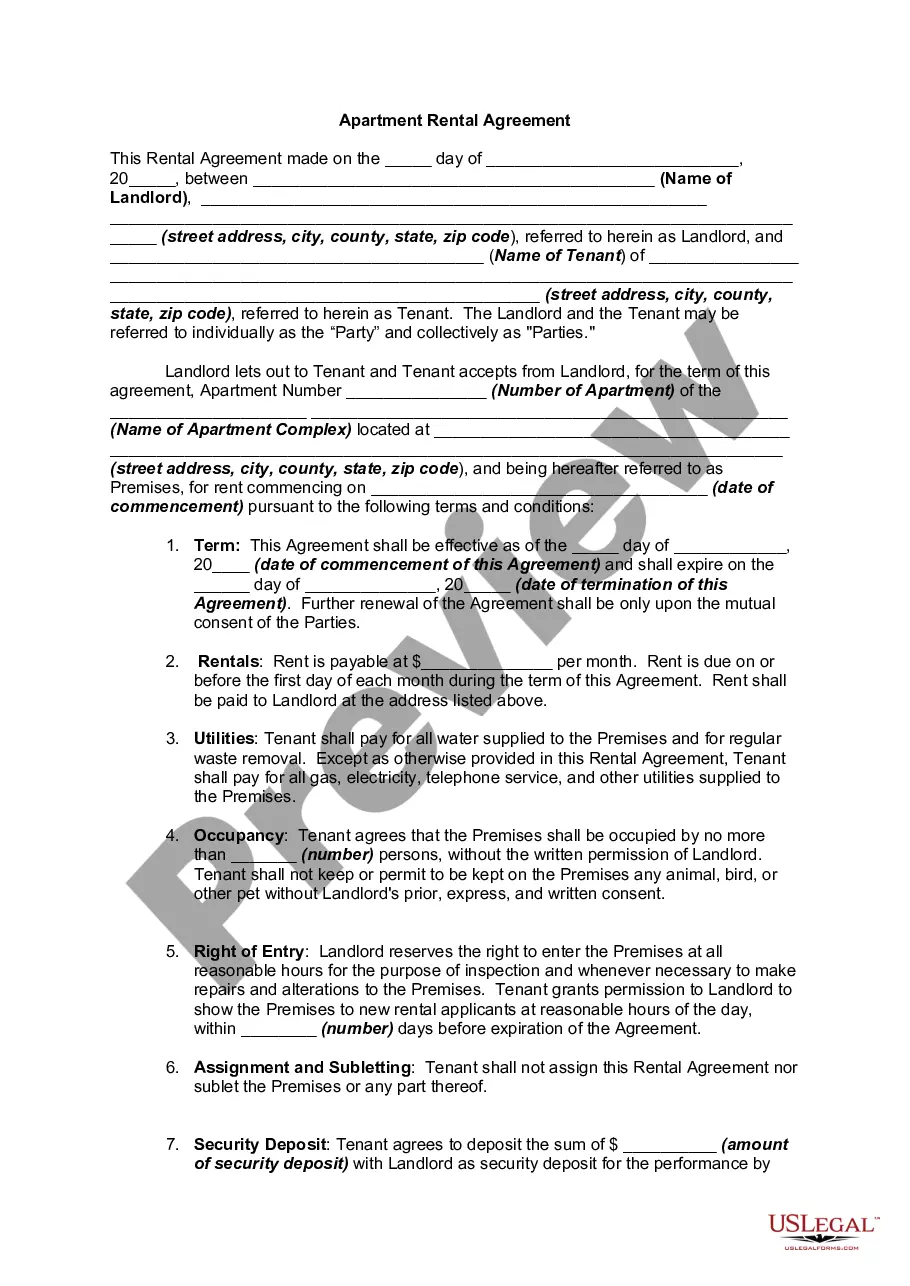
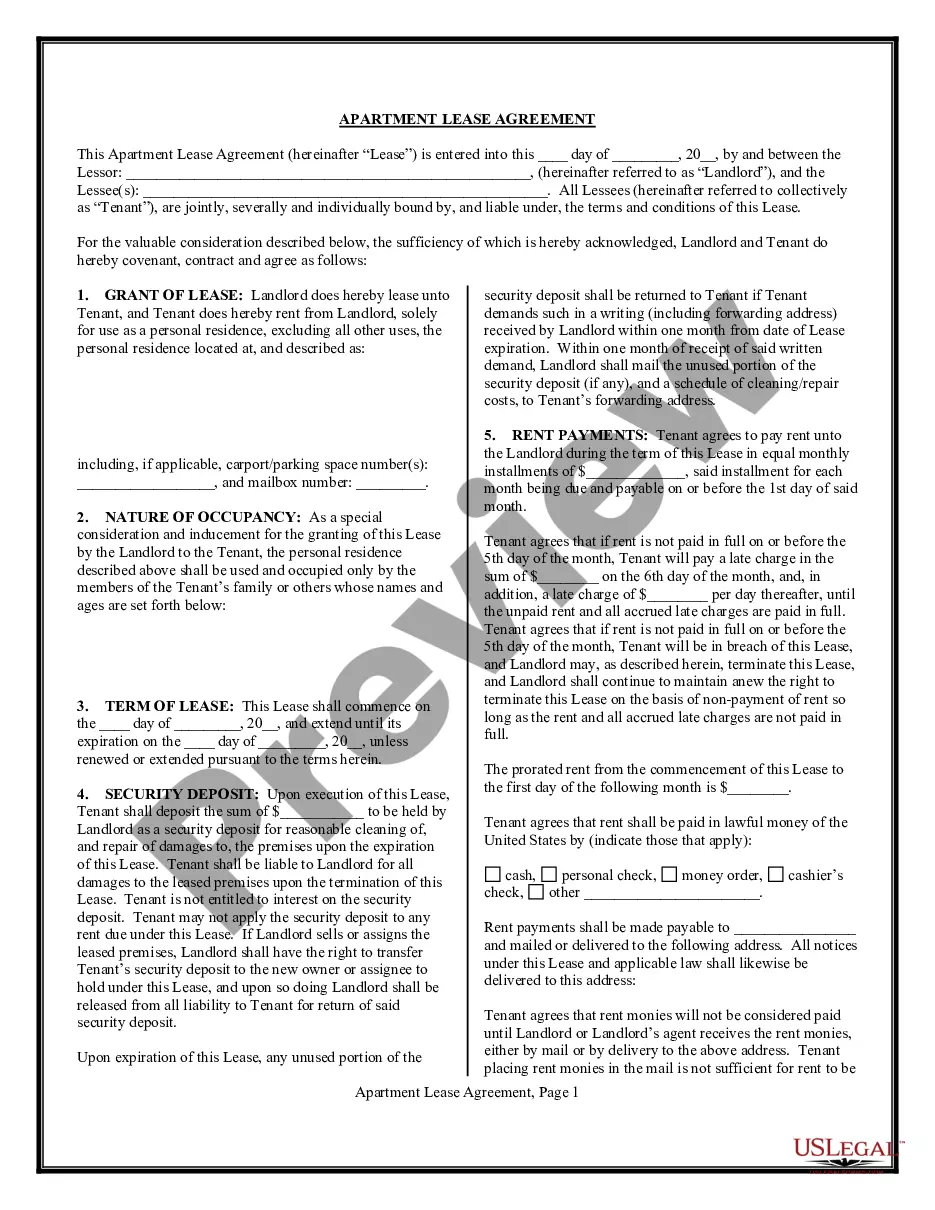
A New York standard residential lease agreement is a form that allows a landlord and tenant to enter into a legally binding arrangement for leasing residential space. The term "standard" means a fixed term that usually lasts one year. Updated October 17, 2024.
Under the rent stabilization rules, your landlord must mail you a lease renewal 90 to 150 days prior to the expiration of your current lease. If you do not return the lease within 60 days, the landlord may refuse to renew your lease and could move to evict you after the lease expires.
Can you evict a tenant after the lease expires? Yes, if the new lease is provided to you as the landlord and you do not agree to it or return it within 60 days, the landlord can evict you.
Yes, in California landlords have the right to not renew a lease and terminate the tenancy at the end of the lease term. However, they must provide proper written notice as required by state law and cannot refuse to renew as a form of retaliation or discrimination against the tenant.
For renewal leases beginning between October 1, 2024 and September 30, 2025, the rent increase for rent stabilized apartment and loft renewals is: For a one-year lease beginning on or after October 1, 2024, and on or before September 30, 2025: 2.75%
Any changes to the lease should be initialed by both parties. New York City rent stabilized tenants are entitled to receive a fully executed copy of their signed lease from their landlords within 30 days of the landlord's receipt of the lease signed by the tenant. The lease's beginning and ending dates must be stated.
Landlords may refuse to renew a lease only under certain enumerated circumstances, such as when the tenant is not using the premises as a primary residence.
A 60-day notice is required for tenants who have lived in an apartment for more than one year, but less than two years, or have a lease of at least one year, but less than two years. Tenants who have lived in a unit for more than two years, or have a lease of at least two years, must get a 90-day notice.
Rent control is the older of the two systems of rent regulation. It dates back to the housing shortage immediately following World War II and generally applies to buildings constructed before 1947. Rent stabilization generally covers buildings built after 1947 and before 1974, and apartments removed from rent control.
Rent control and rent stabilization are the two types of rent regulation in New York State. An apartment not subject to these regulations is considered “unregulated.” An individual tenant's rights will depend, in part, upon which regulations apply, although some apartments may fall under more than one category.