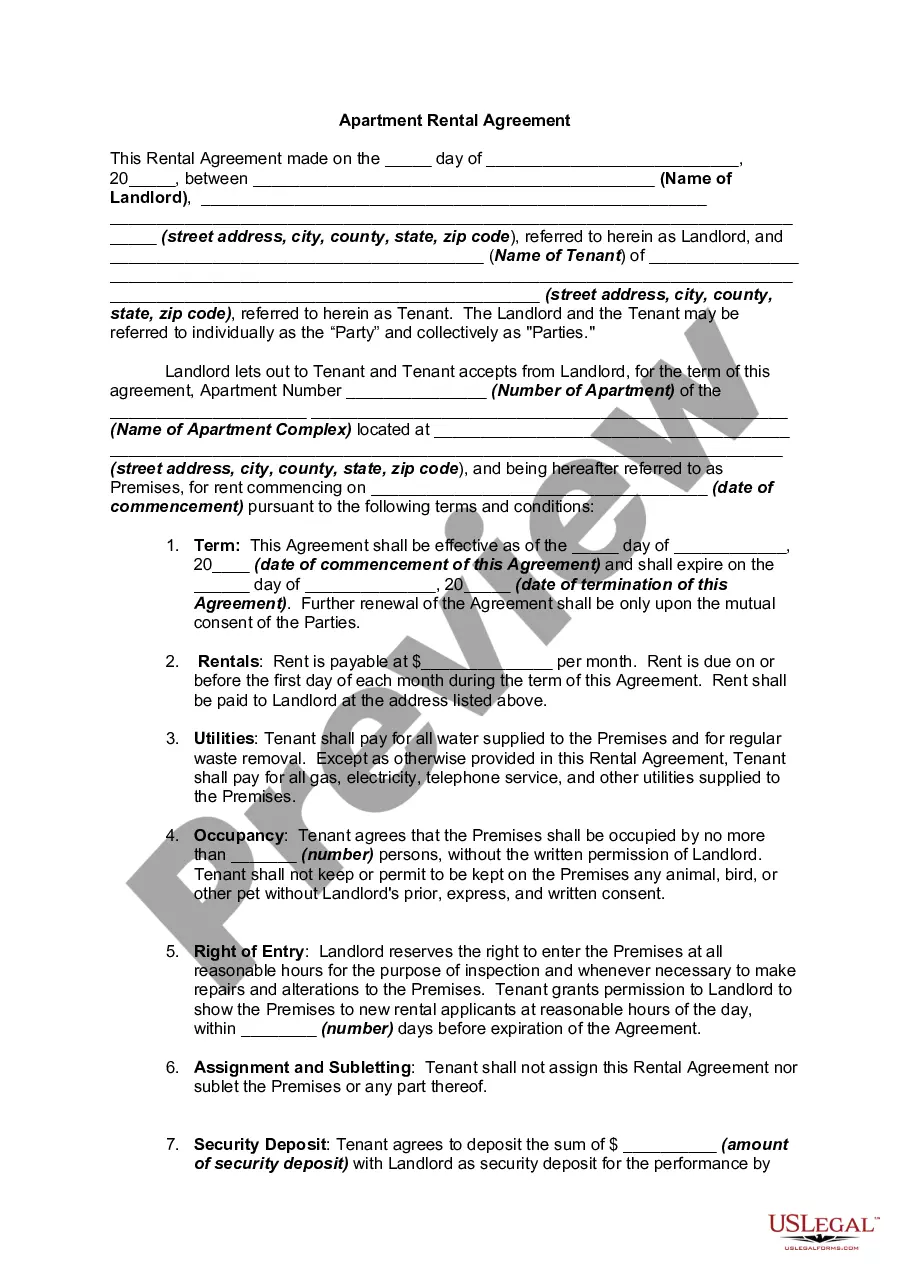
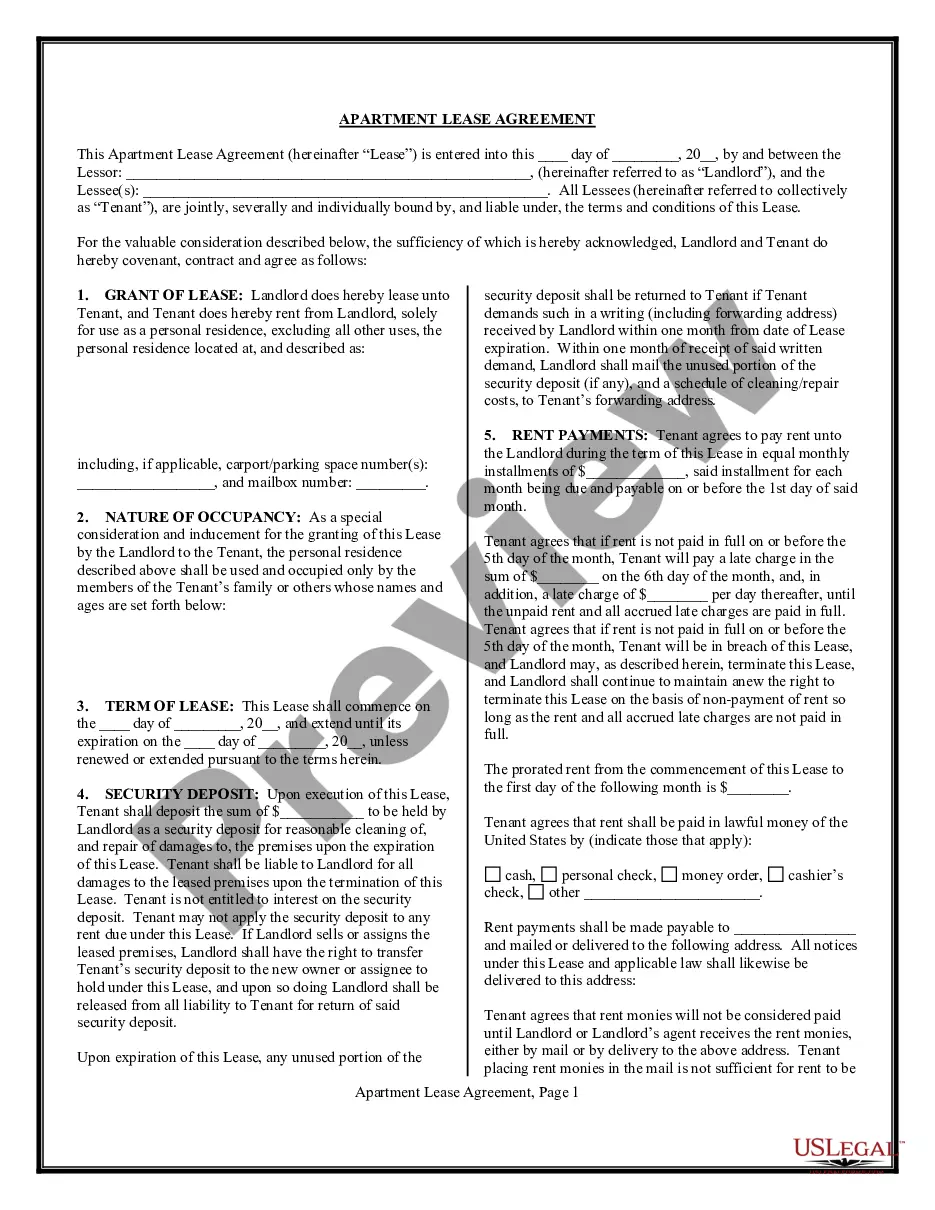
Apartment Lease Format In Middlesex
Description
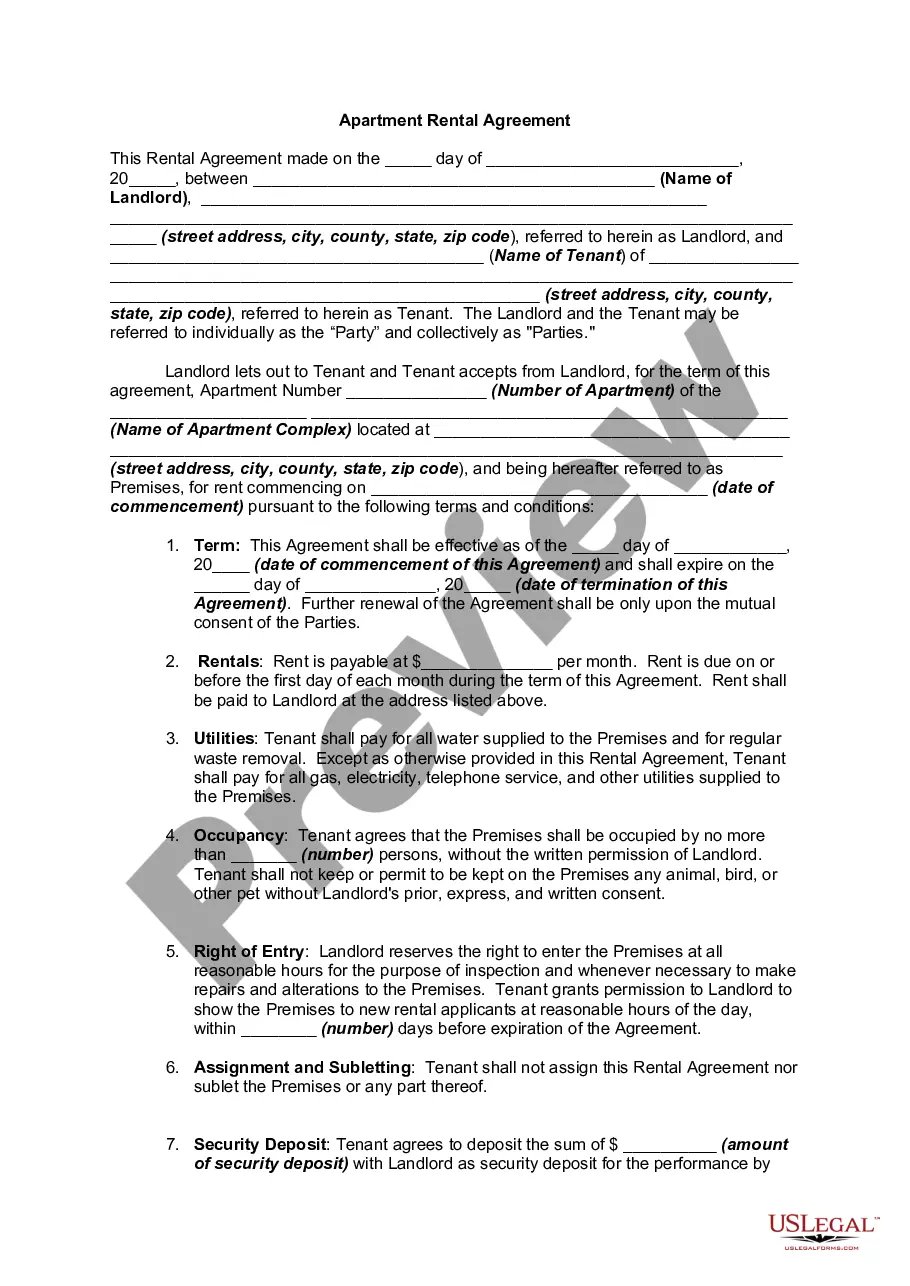
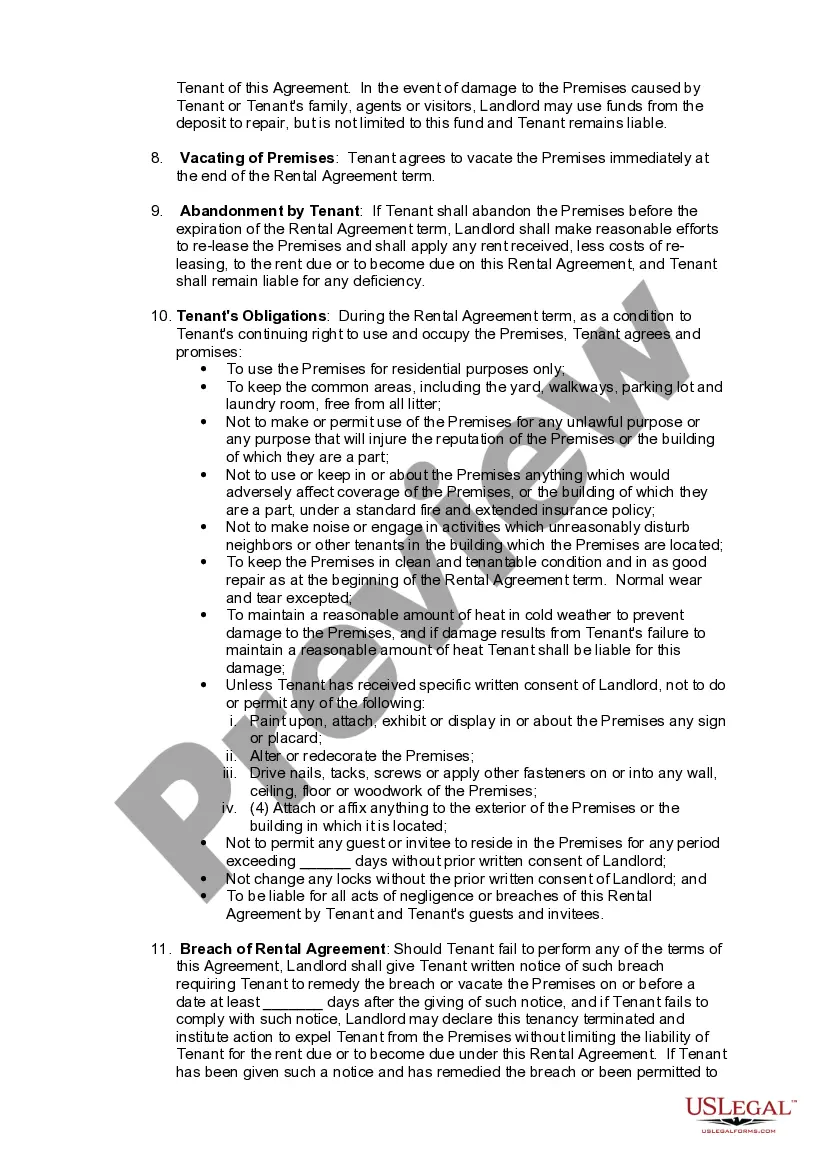
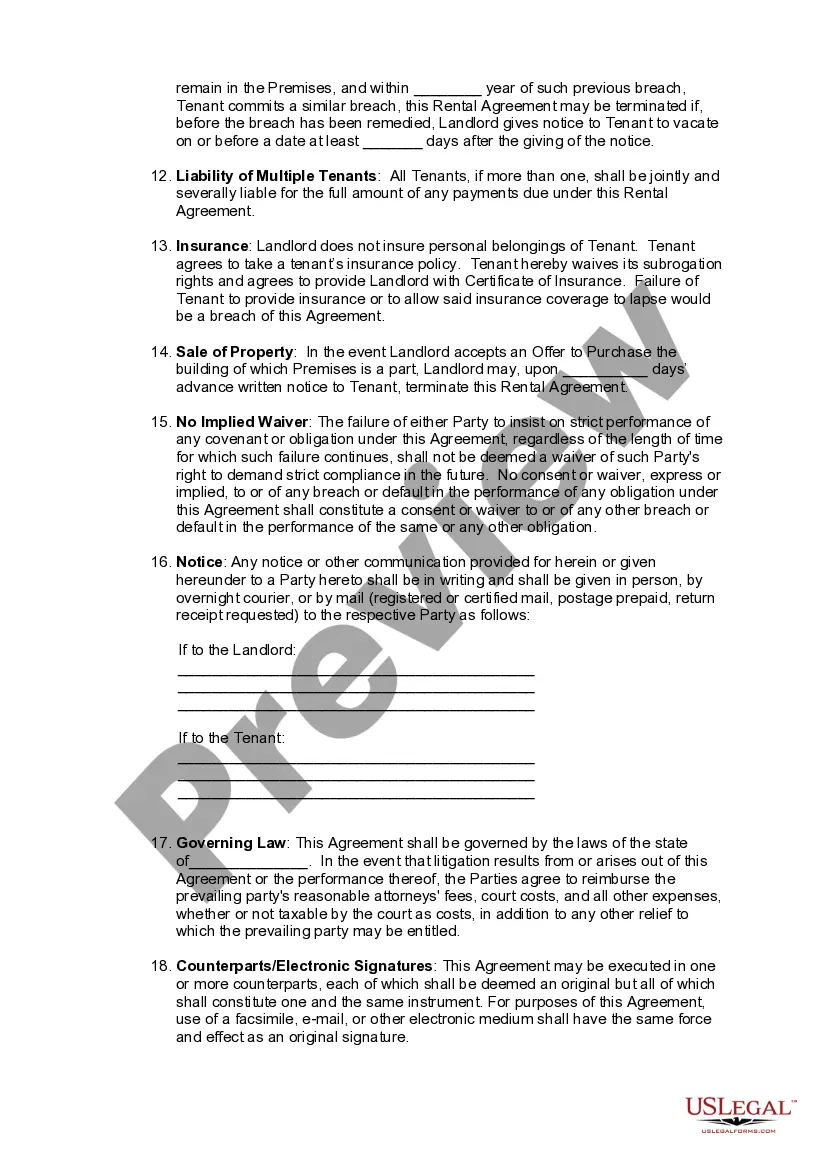
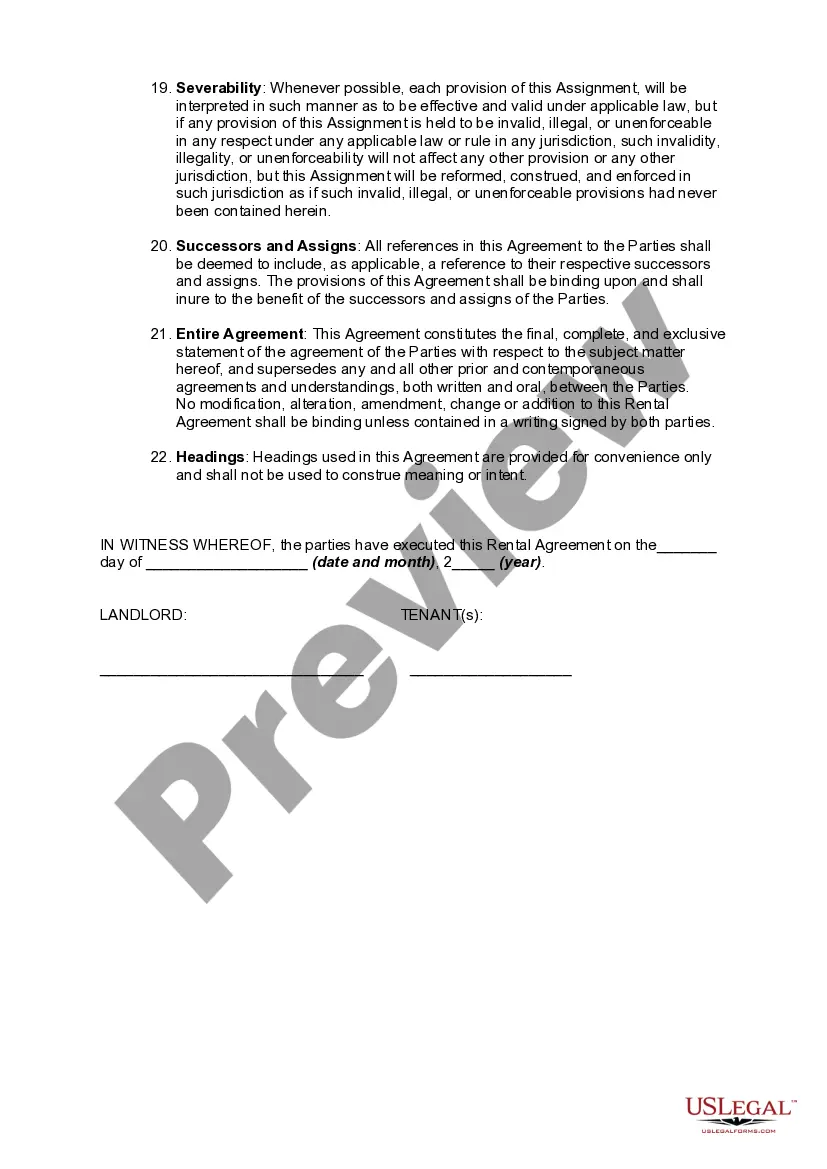
Get your form ready online
Our built-in tools help you complete, sign, share, and store your documents in one place.
Make edits, fill in missing information, and update formatting in US Legal Forms—just like you would in MS Word.
Download a copy, print it, send it by email, or mail it via USPS—whatever works best for your next step.
Sign and collect signatures with our SignNow integration. Send to multiple recipients, set reminders, and more. Go Premium to unlock E-Sign.
If this form requires notarization, complete it online through a secure video call—no need to meet a notary in person or wait for an appointment.
We protect your documents and personal data by following strict security and privacy standards.

Make edits, fill in missing information, and update formatting in US Legal Forms—just like you would in MS Word.

Download a copy, print it, send it by email, or mail it via USPS—whatever works best for your next step.

Sign and collect signatures with our SignNow integration. Send to multiple recipients, set reminders, and more. Go Premium to unlock E-Sign.

If this form requires notarization, complete it online through a secure video call—no need to meet a notary in person or wait for an appointment.

We protect your documents and personal data by following strict security and privacy standards.
Looking for another form?








Form popularity
FAQ
Both the landlord and the tenant should retain original, signed copies.
Create and share an online lease To get started, select "Create a New Lease" on the property you've set up your resident on. Our online lease wizard will guide you step-by-step and you'll answer guided questions about your rental property and lease preferences.
State laws on leases and rental agreements can vary, but a landlord or property management company should provide you with a copy of your signed lease upon request. You should make your request in writing, so you have proof if there is a dispute later.
What's my Lease ID? Your Lease ID is the 3-5 digit account number that may be found on your apartment lease agreement followed by the first 3 letters of the primary lease holder's first name and the first 3 letters of the primary lease holder's last name.
Go To Your Landlord or Management Company Not only is the person or company you signed the lease with the most likely to have a copy for themselves, many states legally require landlords to provide tenants a copy of the lease.
Steps to Add a Tenant to an Existing Lease Acquire a Written Request to Add a Tenant. Check the Unit's Occupancy Limit. Require a Completed Rental Application. Screen and Approve/Deny the New Tenant. Review the Details With Each Tenant.
How to Structure a Lease Purchase Step One: Determine Lease Agreement Length. One of the most important aspects of a lease agreement is how long it will last. Step Two: Consider a Security Deposit. Step Three: Tax and Insurance Responsibility. Step Four: Include Rent Credit Details. Step Five: Address Miscellaneous Terms.
What to include in a lease renewal letter Date of the lease renewal letter. Name and information of tenant and landlord. Property address and unit number (if applicable). Reference expiration date of the existing lease. Rent amount of the new lease. Term of the new lease (such as renewing for another 12 months).
When you sign a joint lease, you and your roommates' names are on the same lease. Usually, your rent payments are combined, but you should ask your landlord how they prefer to receive payments. To decide if co-signing a lease is right for you, consider the benefits and drawbacks that may apply.
Start by noting the basic identifying information: List the date, property address, and tenant details. Proceed room by room: Document each item in every room, including its condition. Be thorough and include all elements like walls, floors, ceilings, fixtures, and any appliances or furniture.
