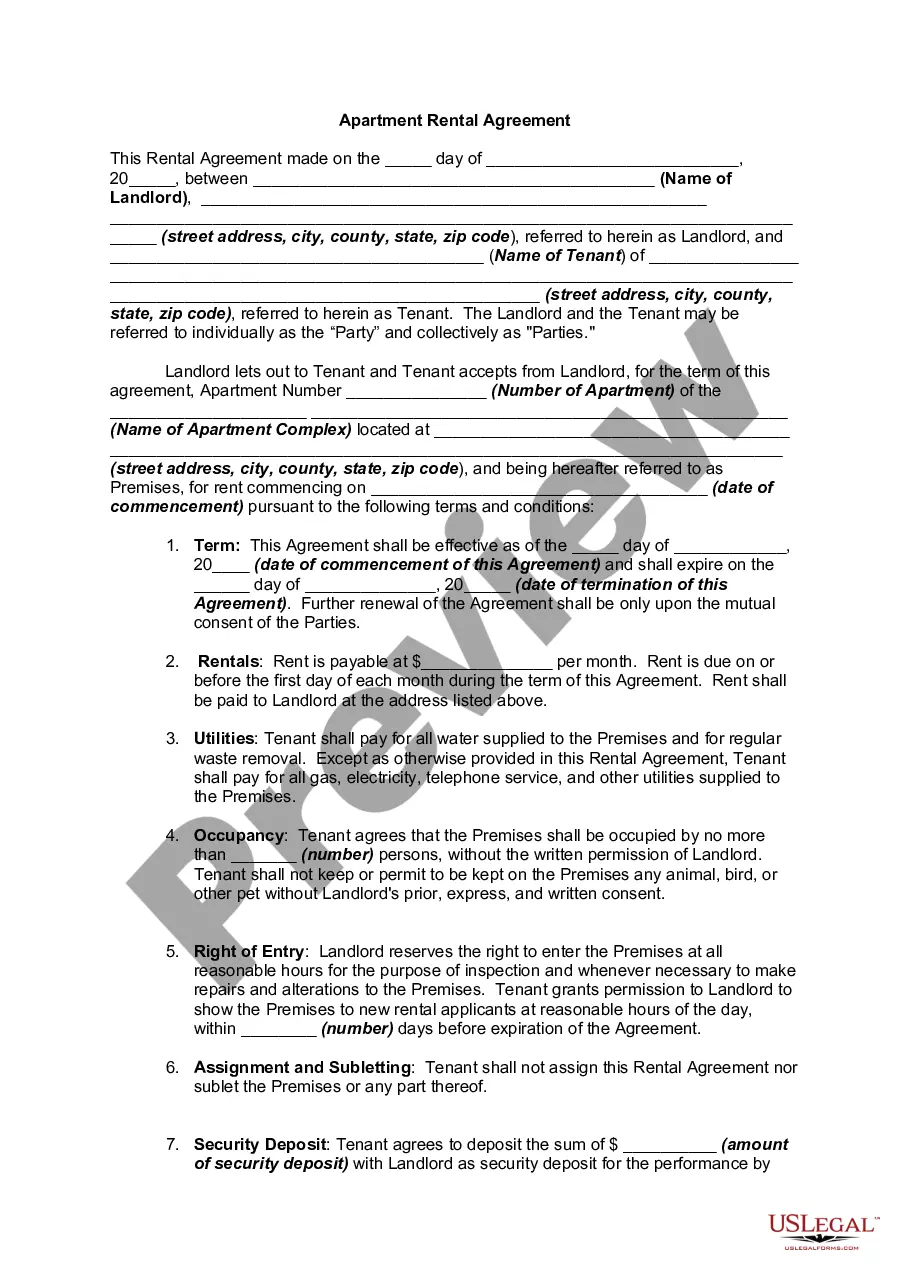
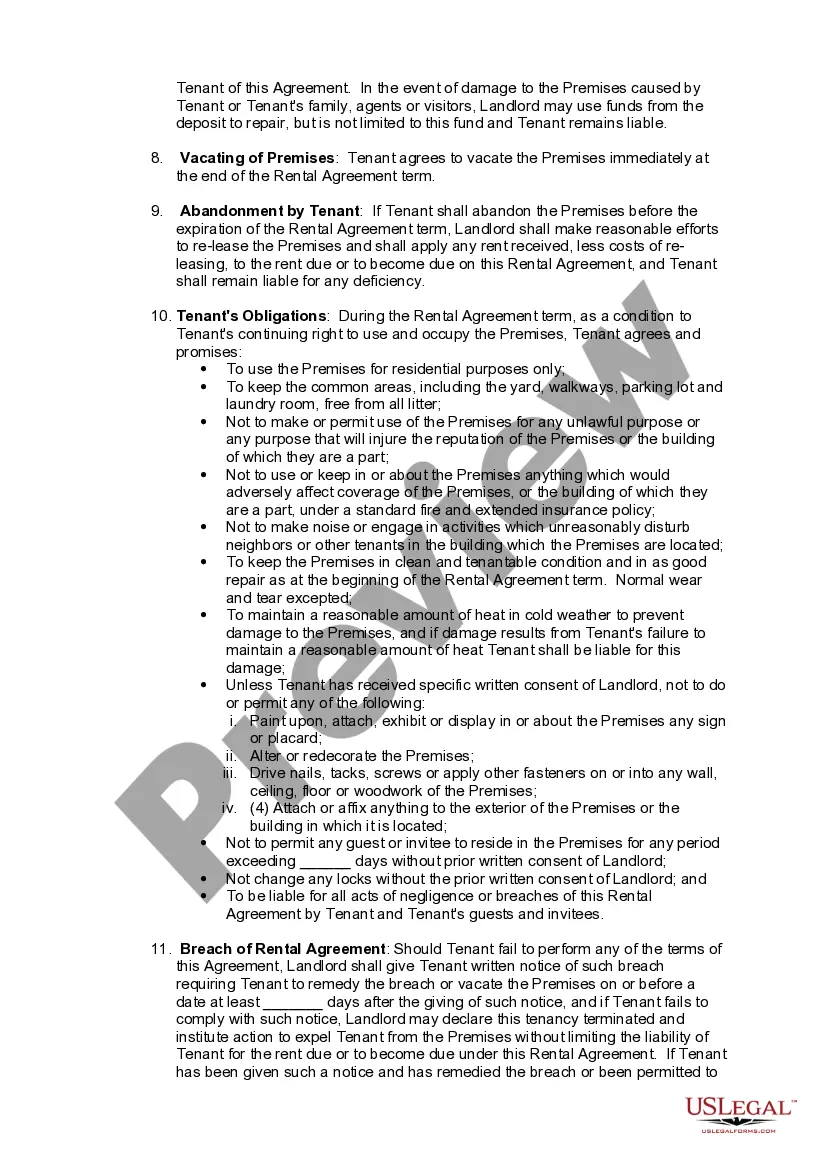
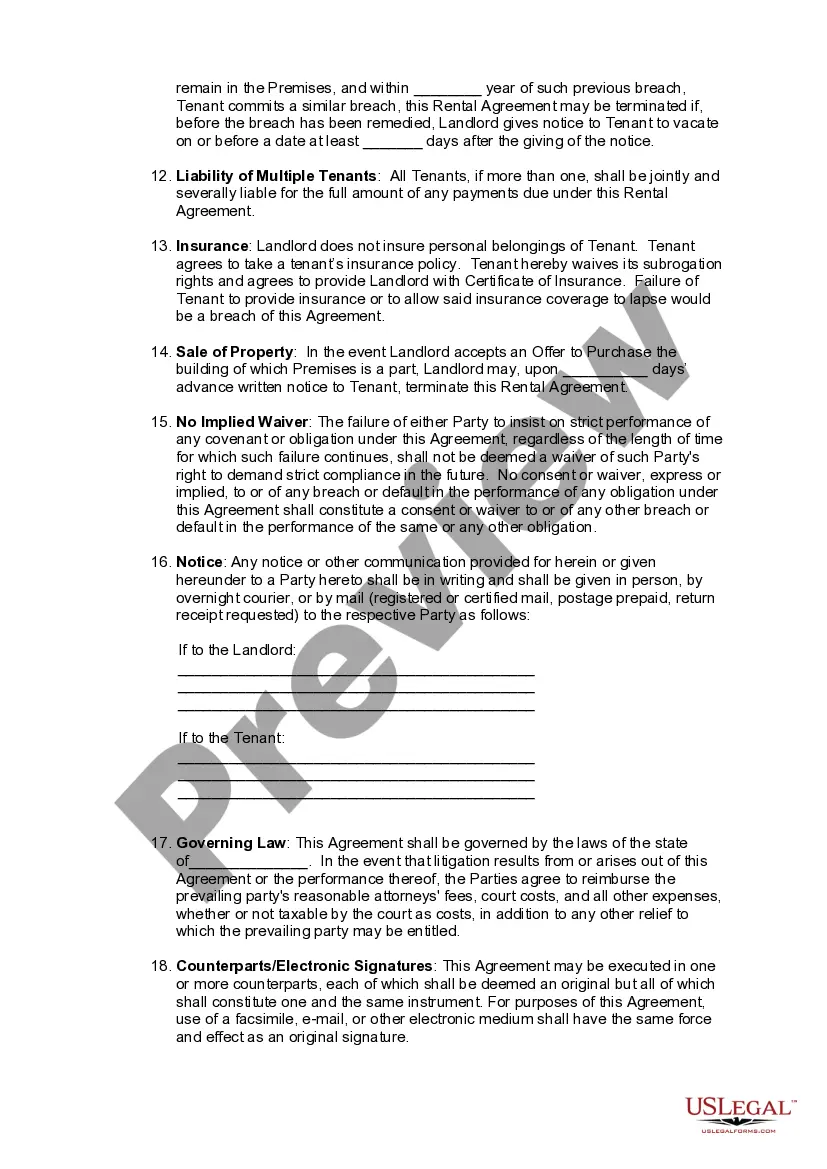
Contrato Apartamento Formato In Illinois
Description
Get your form ready online
Our built-in tools help you complete, sign, share, and store your documents in one place.
Make edits, fill in missing information, and update formatting in US Legal Forms—just like you would in MS Word.
Download a copy, print it, send it by email, or mail it via USPS—whatever works best for your next step.
Sign and collect signatures with our SignNow integration. Send to multiple recipients, set reminders, and more. Go Premium to unlock E-Sign.
If this form requires notarization, complete it online through a secure video call—no need to meet a notary in person or wait for an appointment.
We protect your documents and personal data by following strict security and privacy standards.

Make edits, fill in missing information, and update formatting in US Legal Forms—just like you would in MS Word.

Download a copy, print it, send it by email, or mail it via USPS—whatever works best for your next step.

Sign and collect signatures with our SignNow integration. Send to multiple recipients, set reminders, and more. Go Premium to unlock E-Sign.

If this form requires notarization, complete it online through a secure video call—no need to meet a notary in person or wait for an appointment.

We protect your documents and personal data by following strict security and privacy standards.
Looking for another form?

Form popularity
FAQ
Both involve the meeting of minds and exchange of promises, but a contract typically entails a more formalized arrangement, often documented in writing, and carries legal enforceability. Conversely, an agreement can be informal and may not always be legally binding.
A rental agreement is a contract (written or oral) under which a landlord allows a tenant to use and occupy its property for short time periods. Commonly, a rental agreement has a monthly duration to the extent it expires and is renewed by the parties each month.
Your landlord cannot make you move by turning off your utilities. Also, your landlord may not evict you by locking you out, changing the locks or removing your personal property from the rental unit.
The lease agreement acts as a legal, binding contract between the landlord and tenant and will be used as such by the court if any legal proceedings arise between the two parties.
Does a Lease Need to Be Notarized in Illinois? No, Illinois lease laws do not require that an Illinois Rental Agreement be notarized. The Lease just needs to be signed by both the Landlord, the lessor, and the Tenant, the lessee.
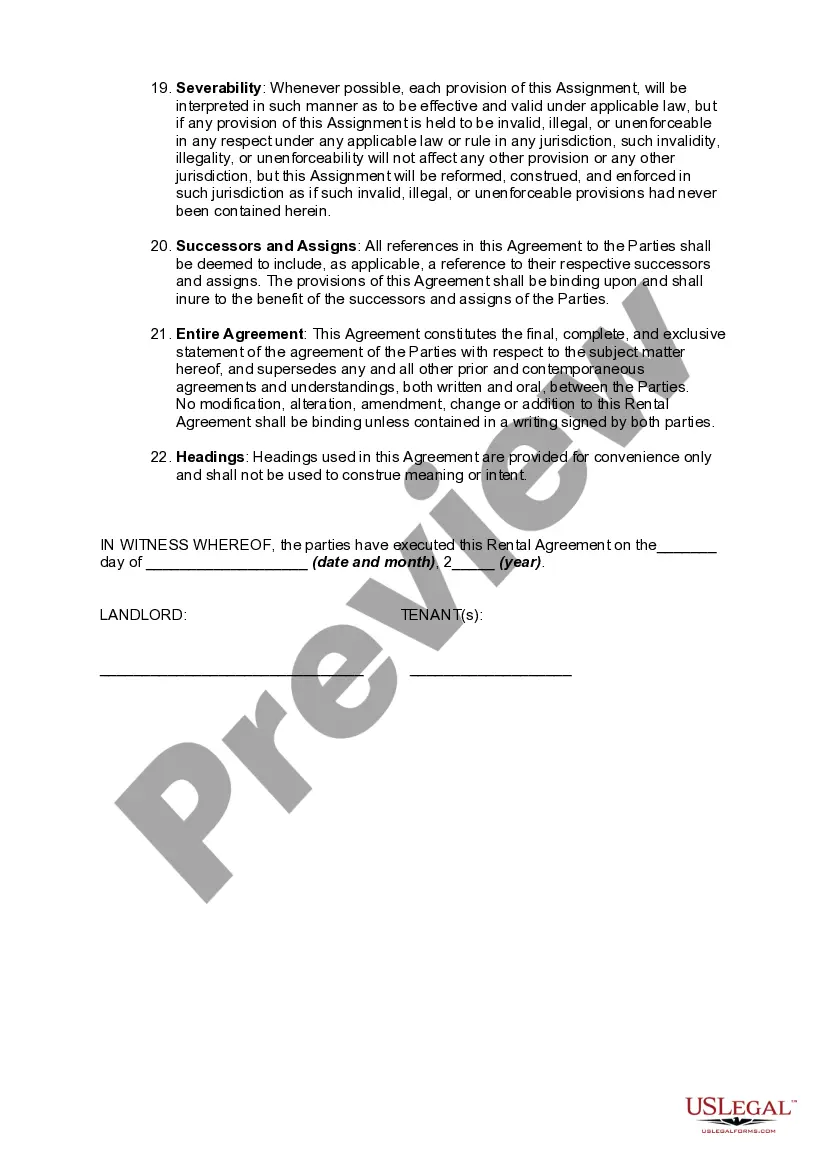
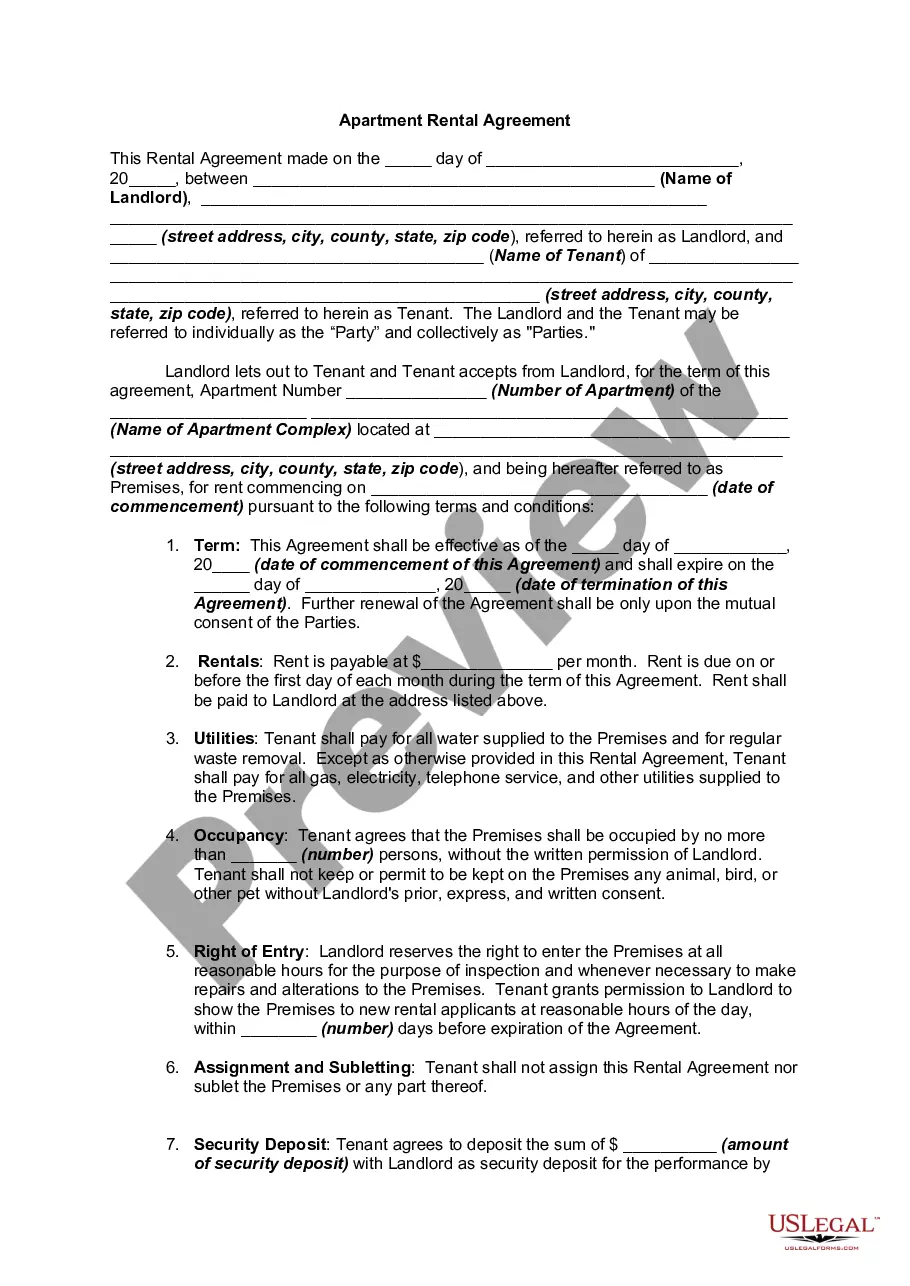
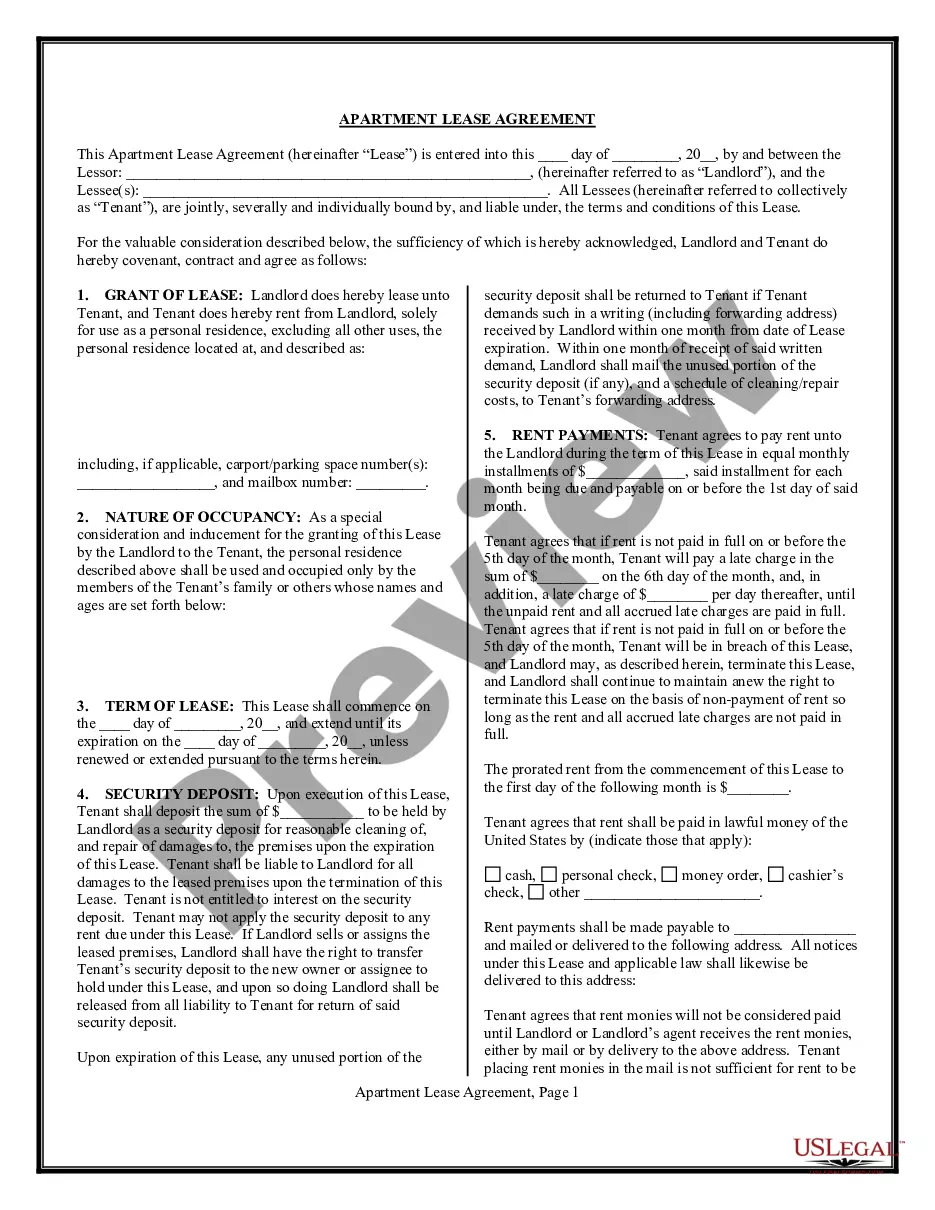
Here's a list of standard fields that you should include in your lease agreement: Tenant information. Include each tenant's full name and contact information. Rental property description. Security deposit. Monthly rent amount. Utilities. Lease term. Policies. Late fees.
The truth is, while notarization can add a layer of authenticity and protection, it isn't always required for a contract to be legally binding. Notarization involves a certified notary public witnessing the signing of a document, ensuring the signers' identities, and confirming their willingness to enter the agreement.
Handwritten contracts are legally binding if they meet the necessary conditions that apply to all contracts: mutual agreement, capacity, consideration, and legal validity. There are no legal differences between typed and handwritten agreements when it comes to enforceability.
When should you notarize Lease Agreements? If the lease term is over a year, it needs to be notarized. On the other hand, if the lease term is less than a year, the lease may not have to be notarized. Still, most leases are over a year and go through the notarization process to ensure legal recognition.