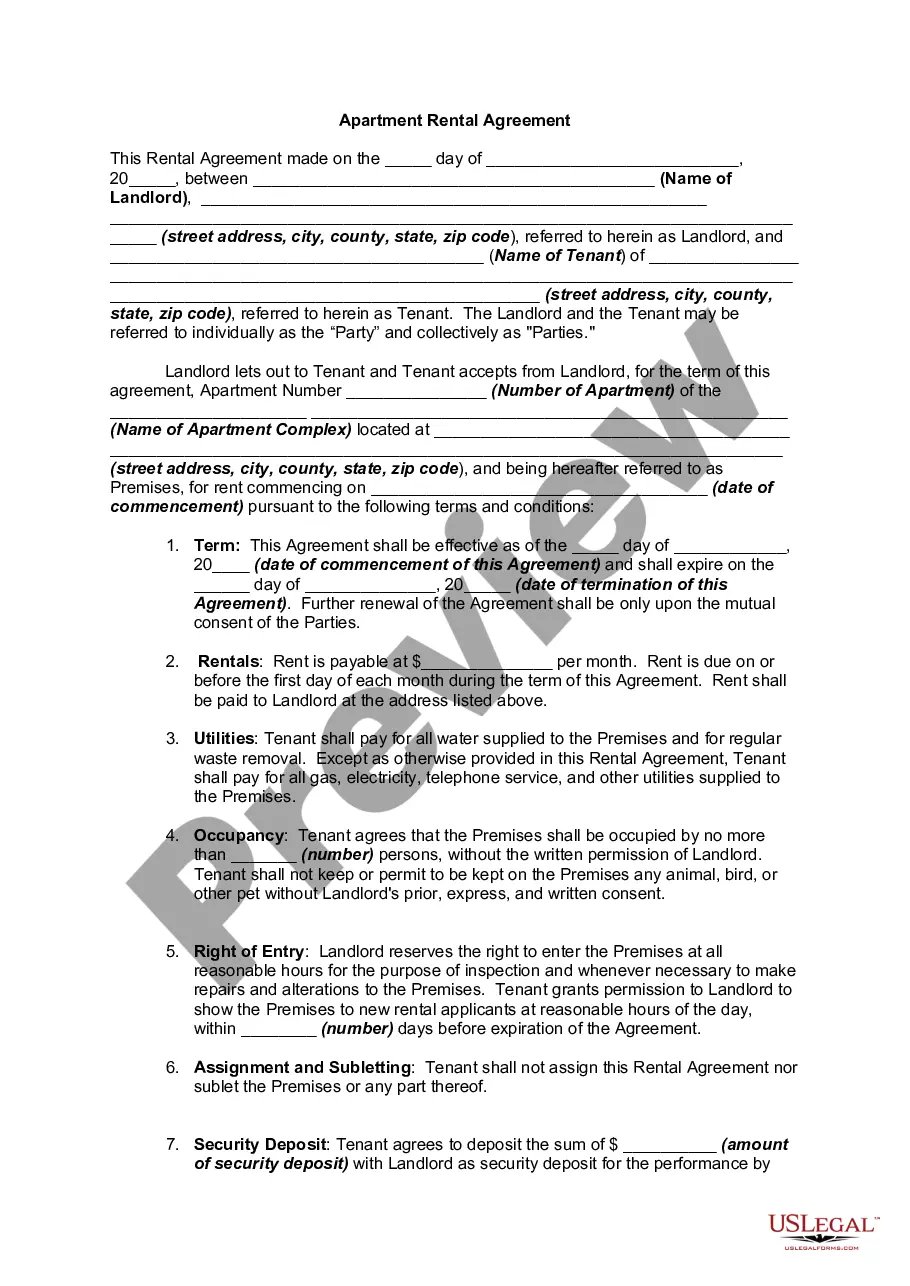
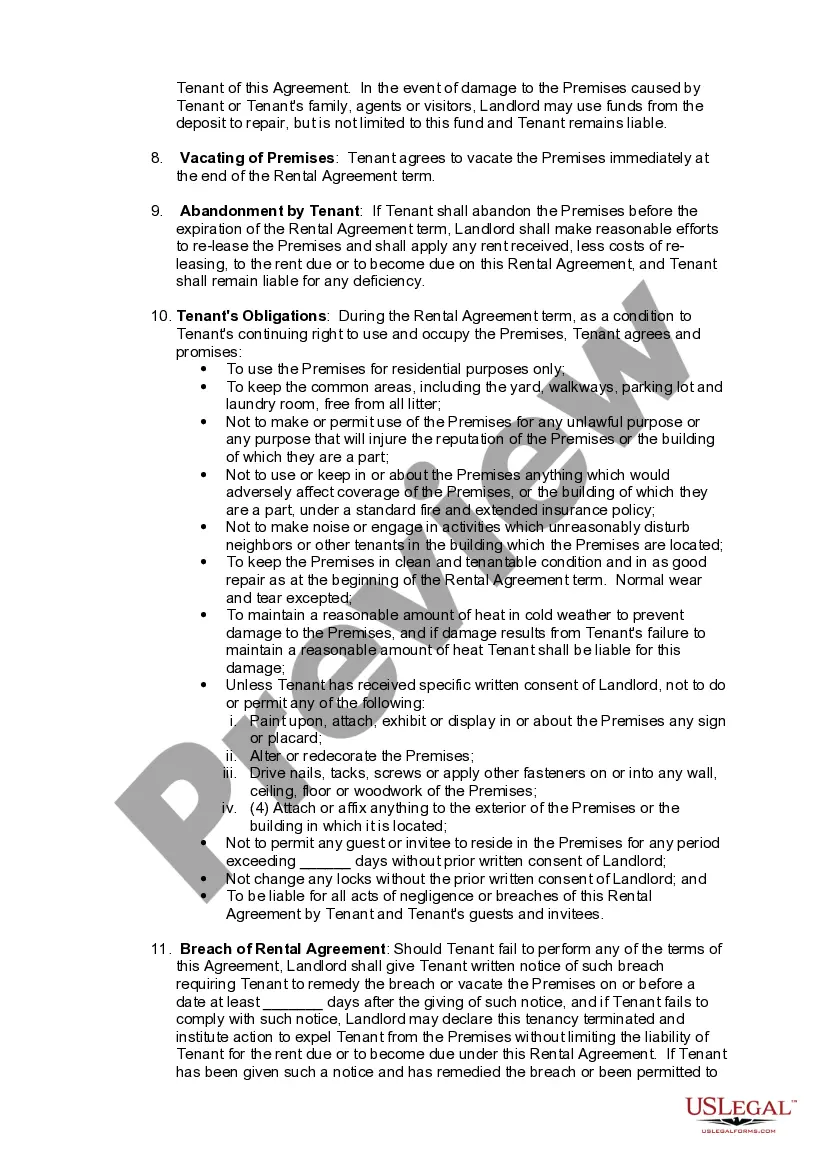
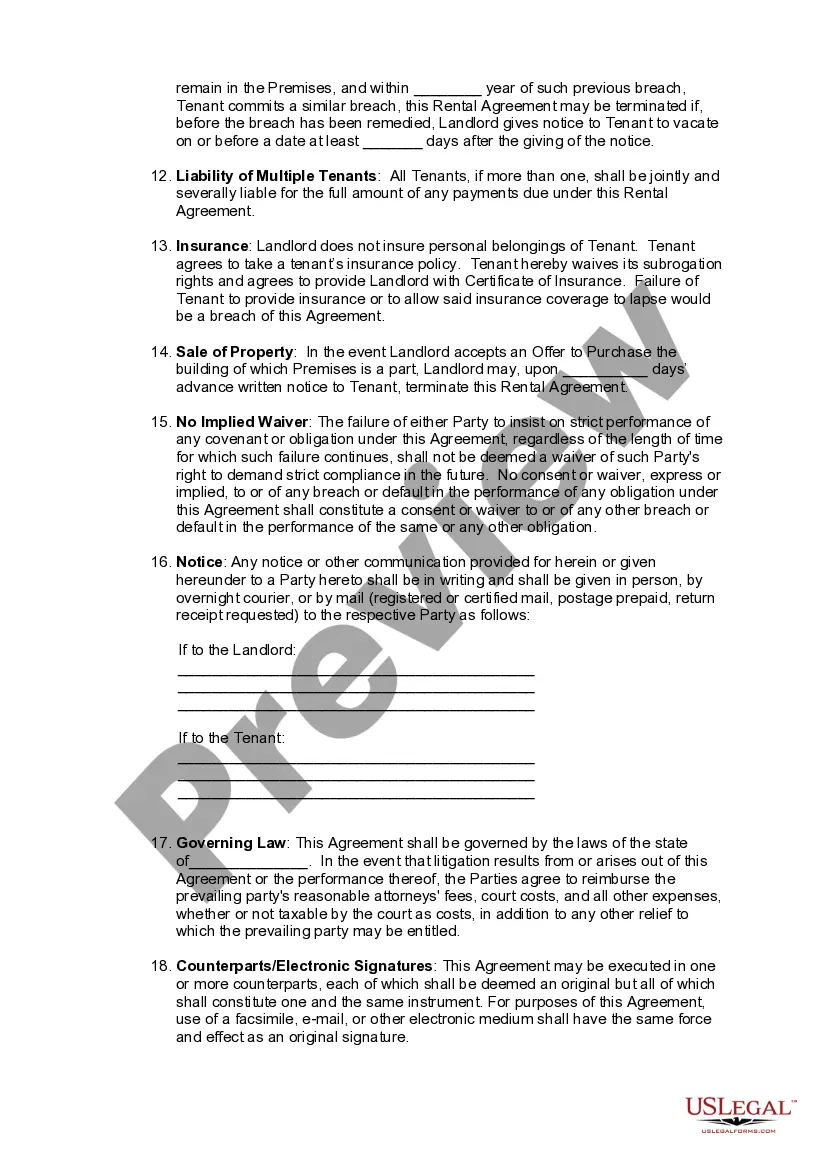
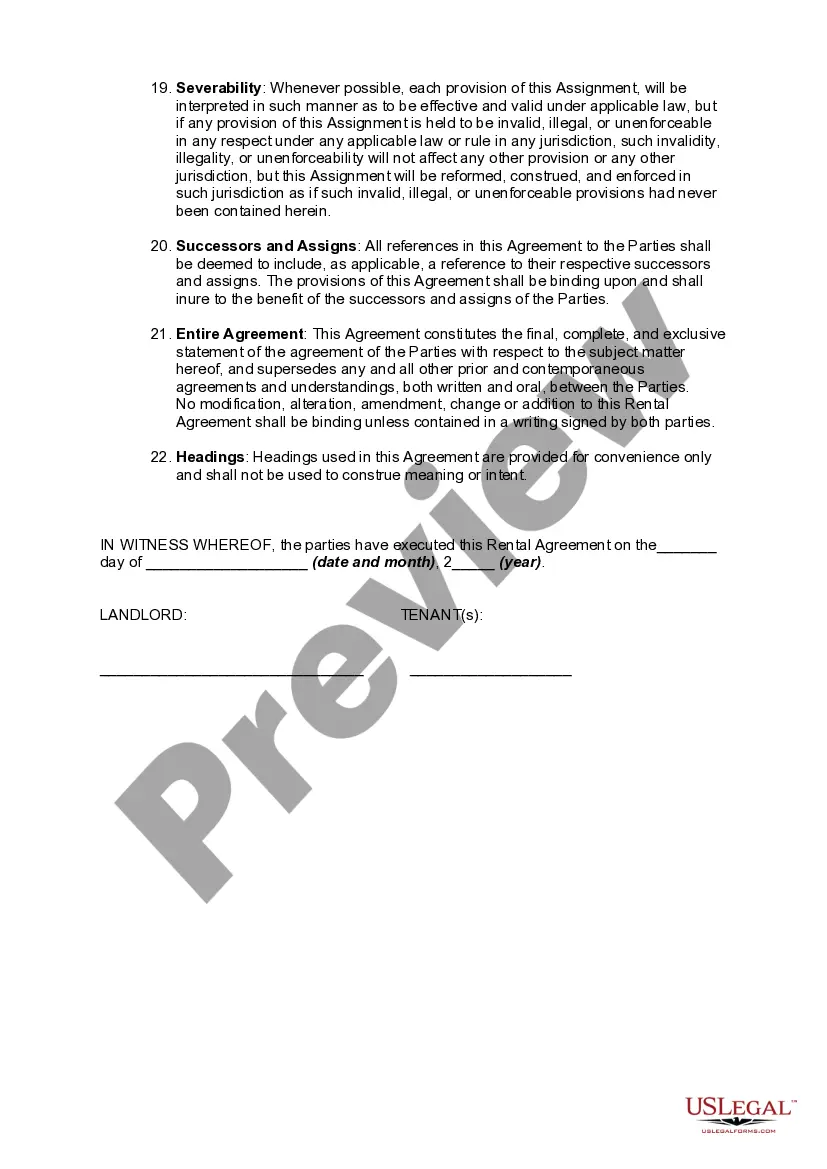
Apartment Lease For A Month In Florida
Description
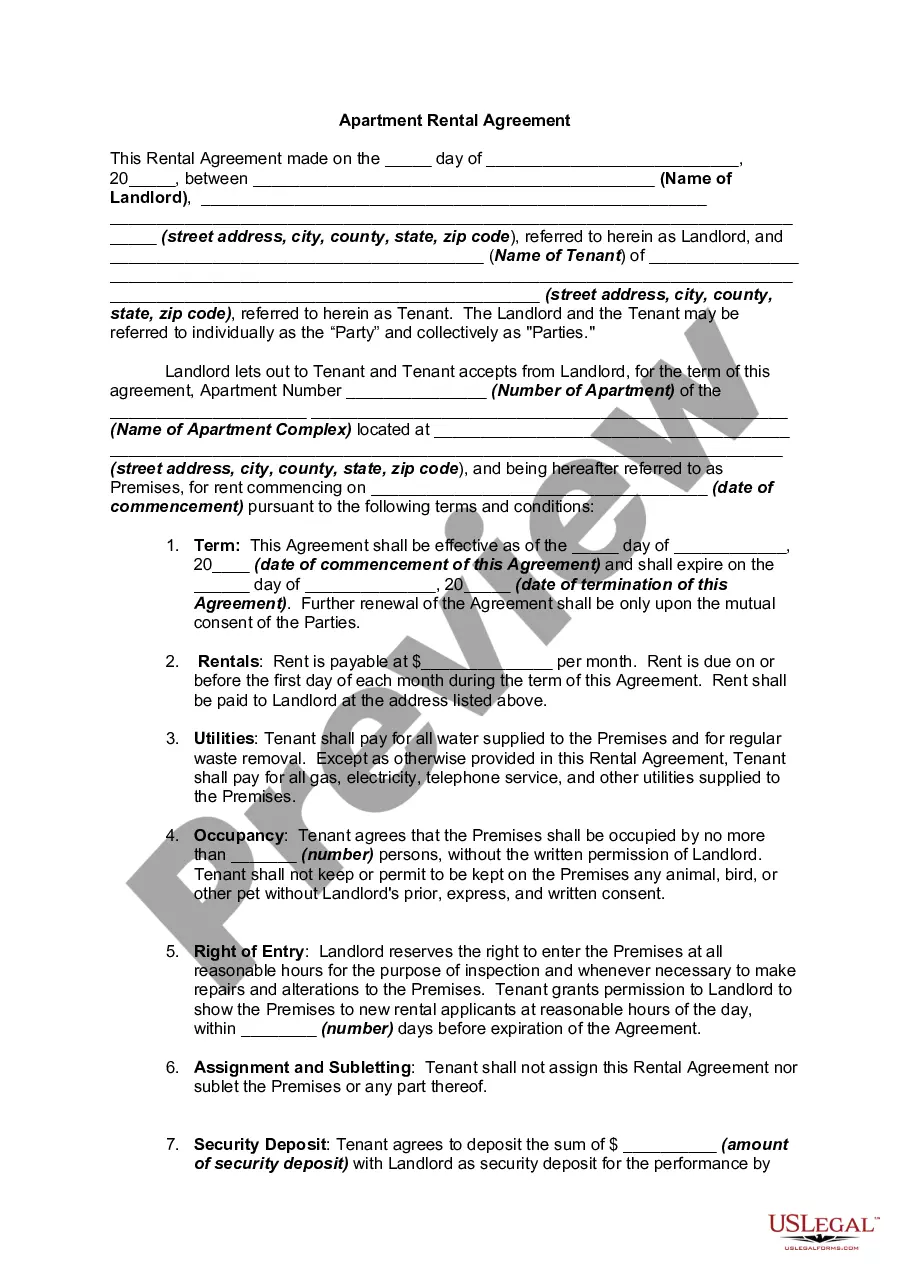
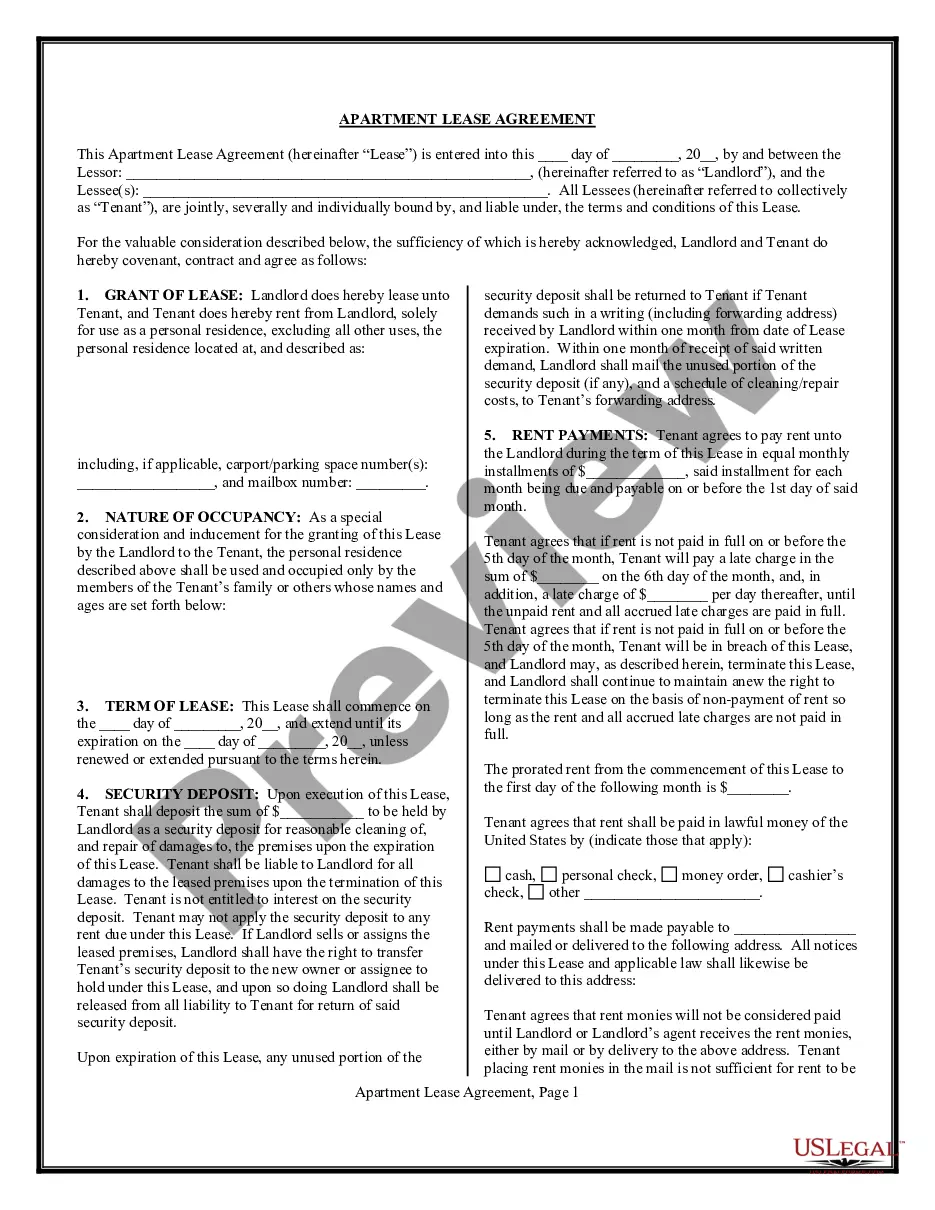
Get your form ready online
Our built-in tools help you complete, sign, share, and store your documents in one place.
Make edits, fill in missing information, and update formatting in US Legal Forms—just like you would in MS Word.
Download a copy, print it, send it by email, or mail it via USPS—whatever works best for your next step.
Sign and collect signatures with our SignNow integration. Send to multiple recipients, set reminders, and more. Go Premium to unlock E-Sign.
If this form requires notarization, complete it online through a secure video call—no need to meet a notary in person or wait for an appointment.
We protect your documents and personal data by following strict security and privacy standards.

Make edits, fill in missing information, and update formatting in US Legal Forms—just like you would in MS Word.

Download a copy, print it, send it by email, or mail it via USPS—whatever works best for your next step.

Sign and collect signatures with our SignNow integration. Send to multiple recipients, set reminders, and more. Go Premium to unlock E-Sign.

If this form requires notarization, complete it online through a secure video call—no need to meet a notary in person or wait for an appointment.

We protect your documents and personal data by following strict security and privacy standards.
Looking for another form?








Form popularity
FAQ
A Florida month-to-month rental agreement is a short-term lease document between a landlord and a tenant. The agreement can be terminated within a minimum of 30 days in ance with state law or a longer time period as determined by the lease.
Pursuant to Florida Statute 83.57(3), a Landlord or a Tenant can terminate a month-to-month lease. This occurs by giving 15 days' notice prior to the beginning of the next rental period.
Given the stakes, it's common for property owners to consider whether they can draft this document themselves. While it is legally possible to write your own commercial lease agreement in Florida, doing so involves careful consideration of legal, business, and practical factors.
Proper Notice for Rent Increases in Florida Following Florida rental increase laws, landlords must give a 30-day notice for month-to-month leases, known as a rent increase notice. We recommend sending these notices by certified mail. Landlords must follow these rent increase notice Florida guidelines to stay compliant.
It is possible to draft your own lease agreement, but you are leaving yourself open to issues.
Month-to-month lease terms may be ideal if you're looking for more flexibility on who you rent to throughout the year or planning on renting the property out for a short period. This can also be a great option if an active fixed-term lease ends, but the tenants need more time to find their next home.
If you simply continue to occupy the rental property and your landlord keeps accepting rent after the lease has expired, your tenancy will typically convert to a month-to-month agreement without the need for a new, signed contract.
How to Rent an Apartment in One Month: 7 Tips for a Quick Move-In Plan ahead — and do it thoroughly. Get your online search on, but also keep an eye on offline listings. Word of mouth is underrated, so let all your friends know you're apartment hunting. Prepare your documents in advance. Stay flexible.
Leases typically run for one year or more. Any lease for less than 12 months is considered short-term. You can find short-term apartment leases for three months, six months, nine months or even month-to-month. Monthly leases generally renew automatically each month as long as you and your landlord both agree.
