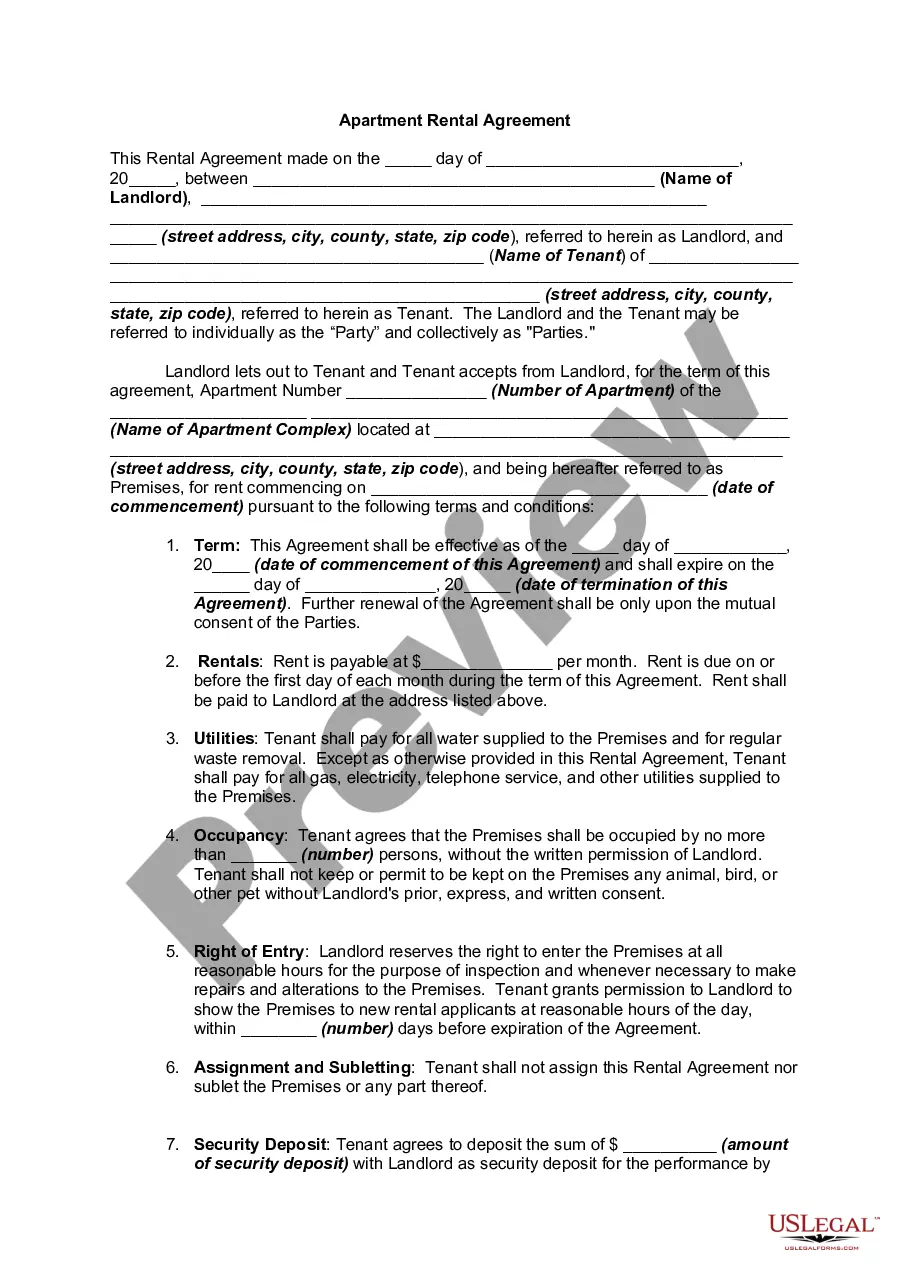
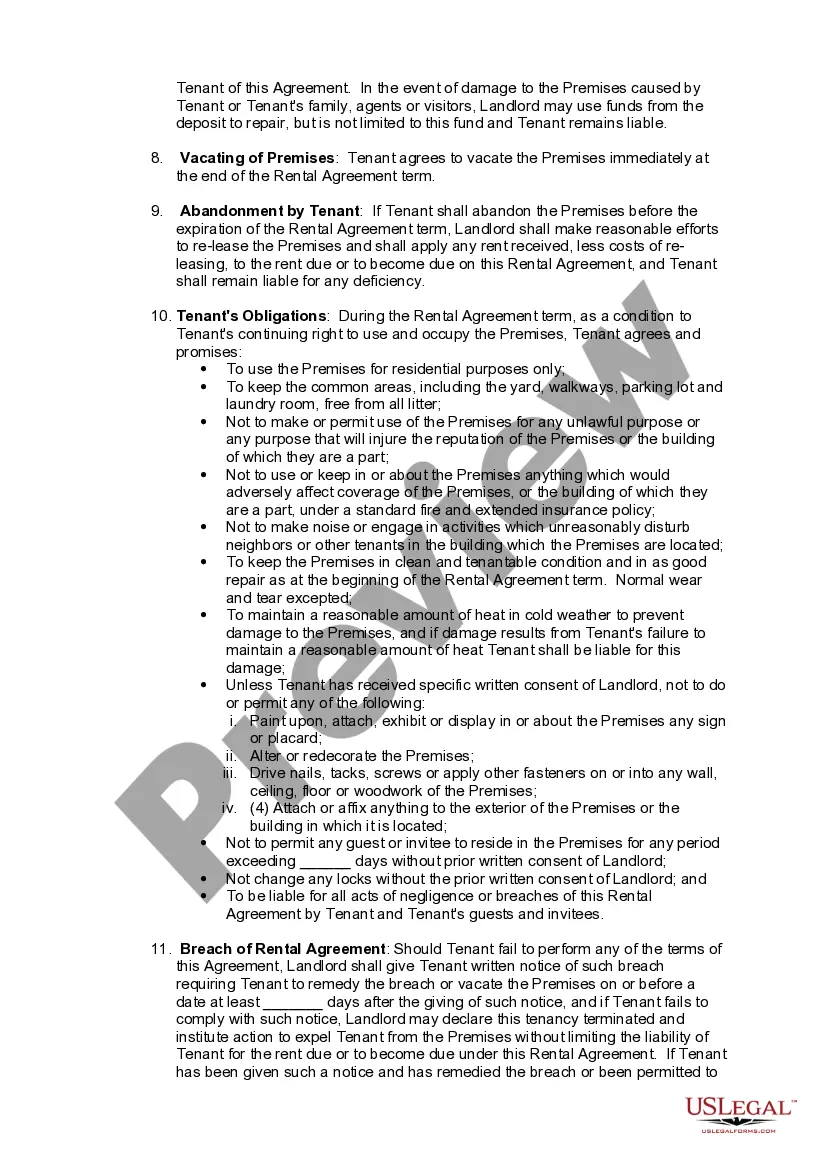
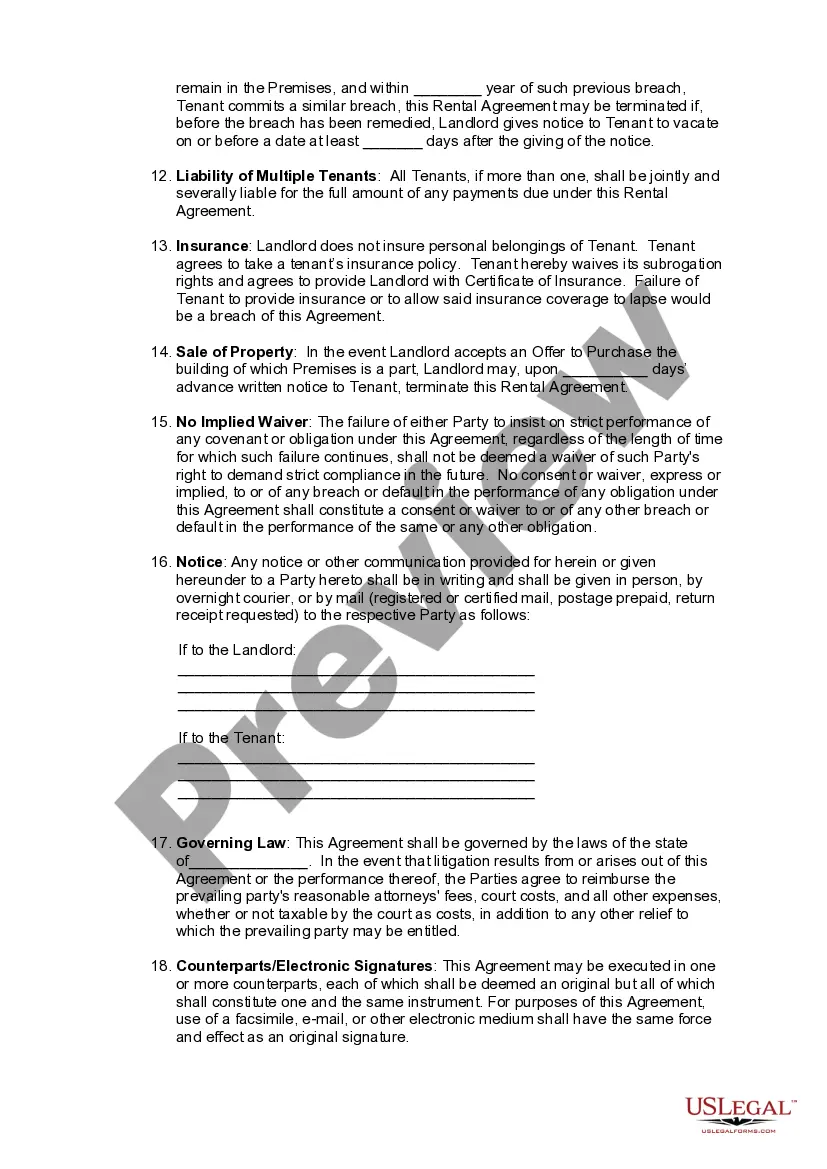
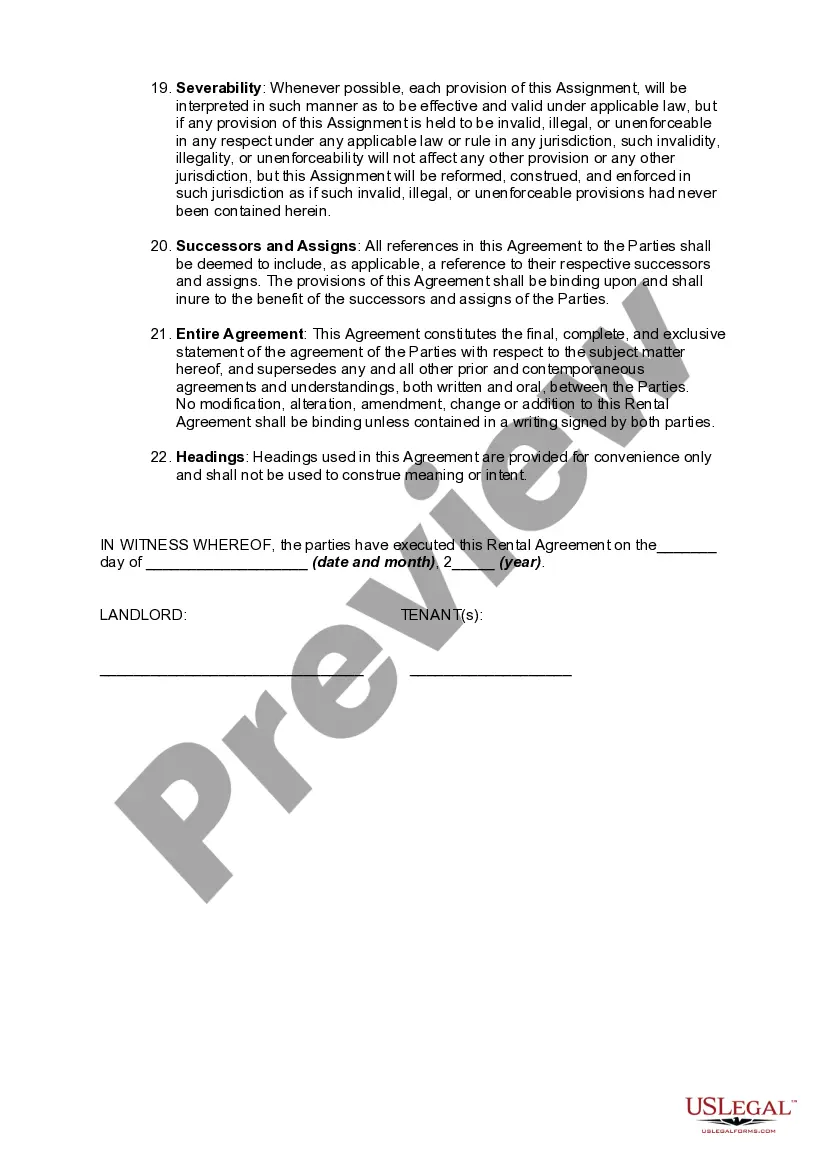
Apartment Lease For 6 Months In California
Description
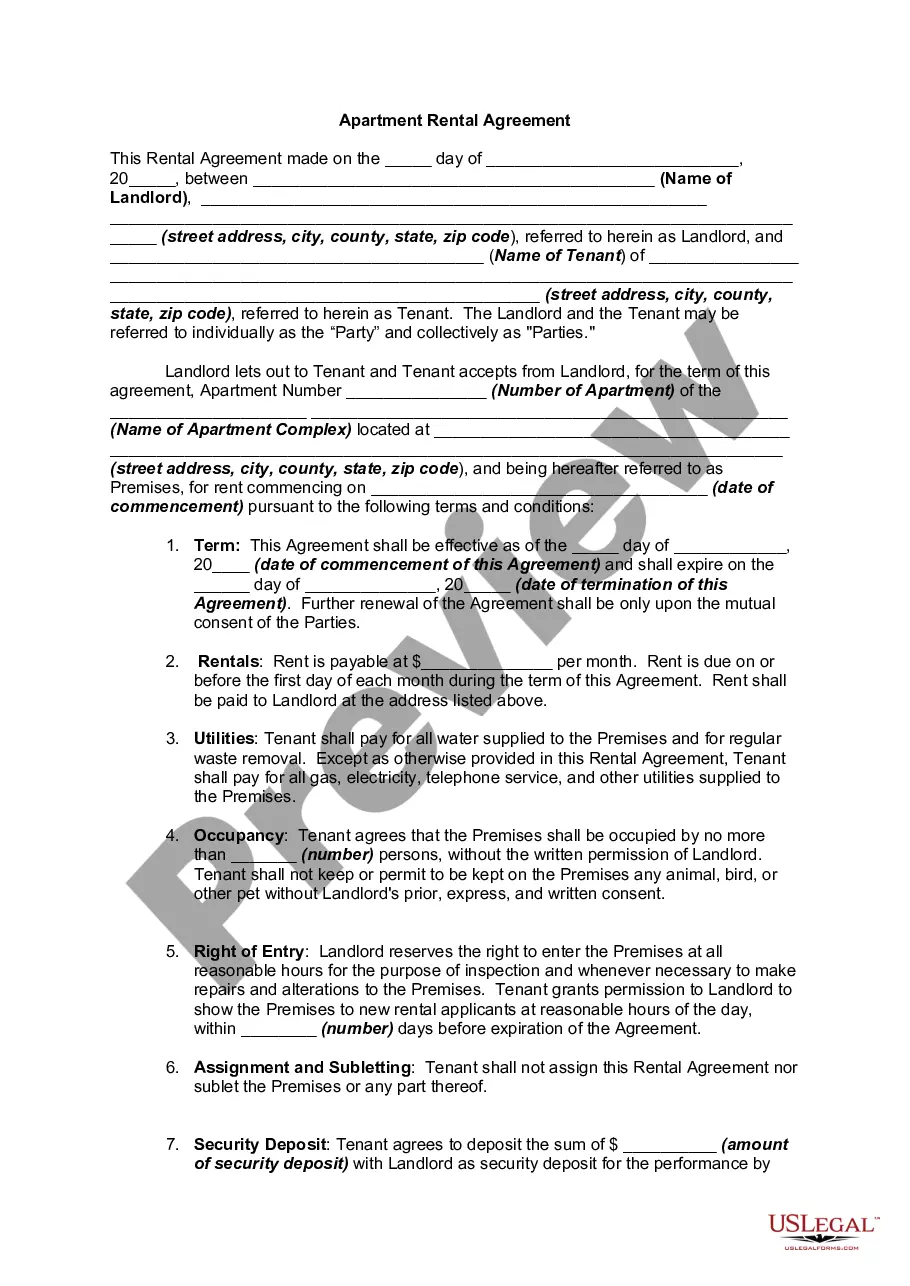
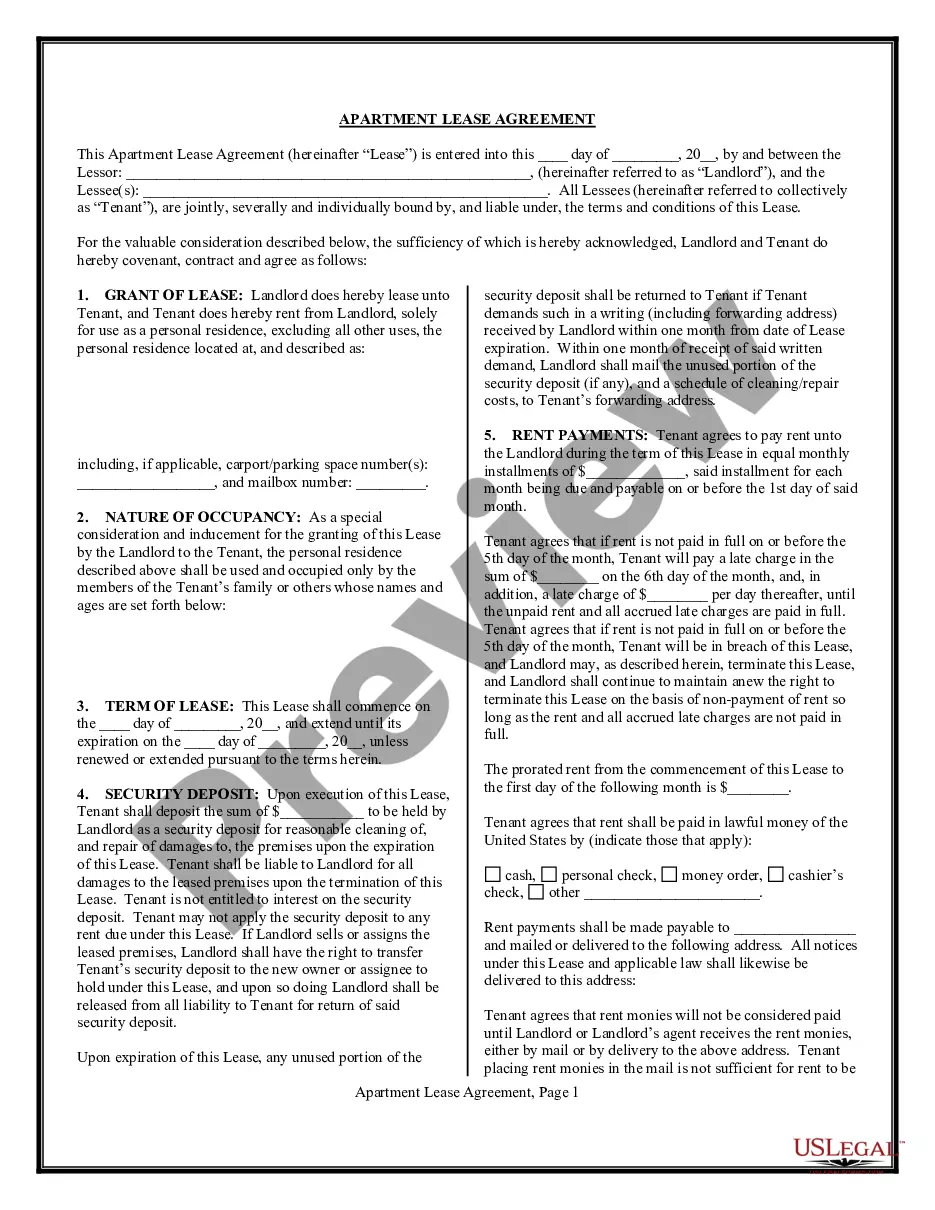
Get your form ready online
Our built-in tools help you complete, sign, share, and store your documents in one place.
Make edits, fill in missing information, and update formatting in US Legal Forms—just like you would in MS Word.
Download a copy, print it, send it by email, or mail it via USPS—whatever works best for your next step.
Sign and collect signatures with our SignNow integration. Send to multiple recipients, set reminders, and more. Go Premium to unlock E-Sign.
If this form requires notarization, complete it online through a secure video call—no need to meet a notary in person or wait for an appointment.
We protect your documents and personal data by following strict security and privacy standards.

Make edits, fill in missing information, and update formatting in US Legal Forms—just like you would in MS Word.

Download a copy, print it, send it by email, or mail it via USPS—whatever works best for your next step.

Sign and collect signatures with our SignNow integration. Send to multiple recipients, set reminders, and more. Go Premium to unlock E-Sign.

If this form requires notarization, complete it online through a secure video call—no need to meet a notary in person or wait for an appointment.

We protect your documents and personal data by following strict security and privacy standards.
Looking for another form?
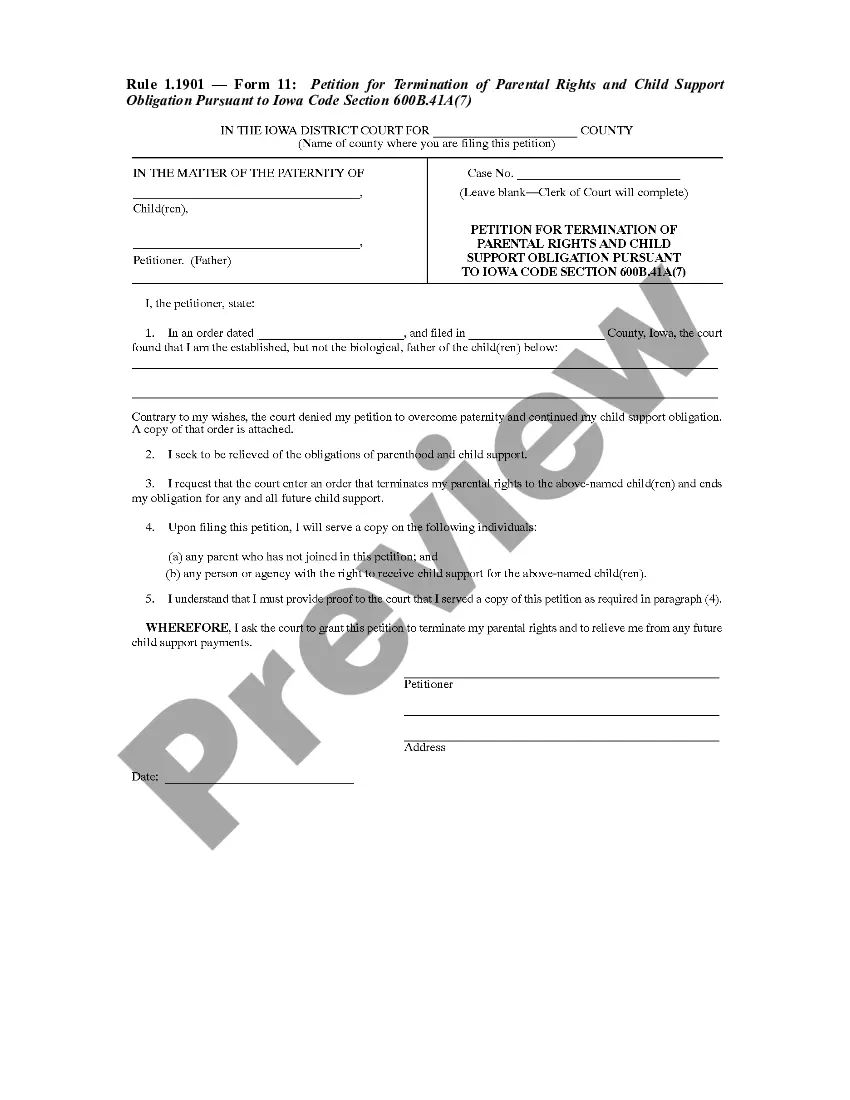
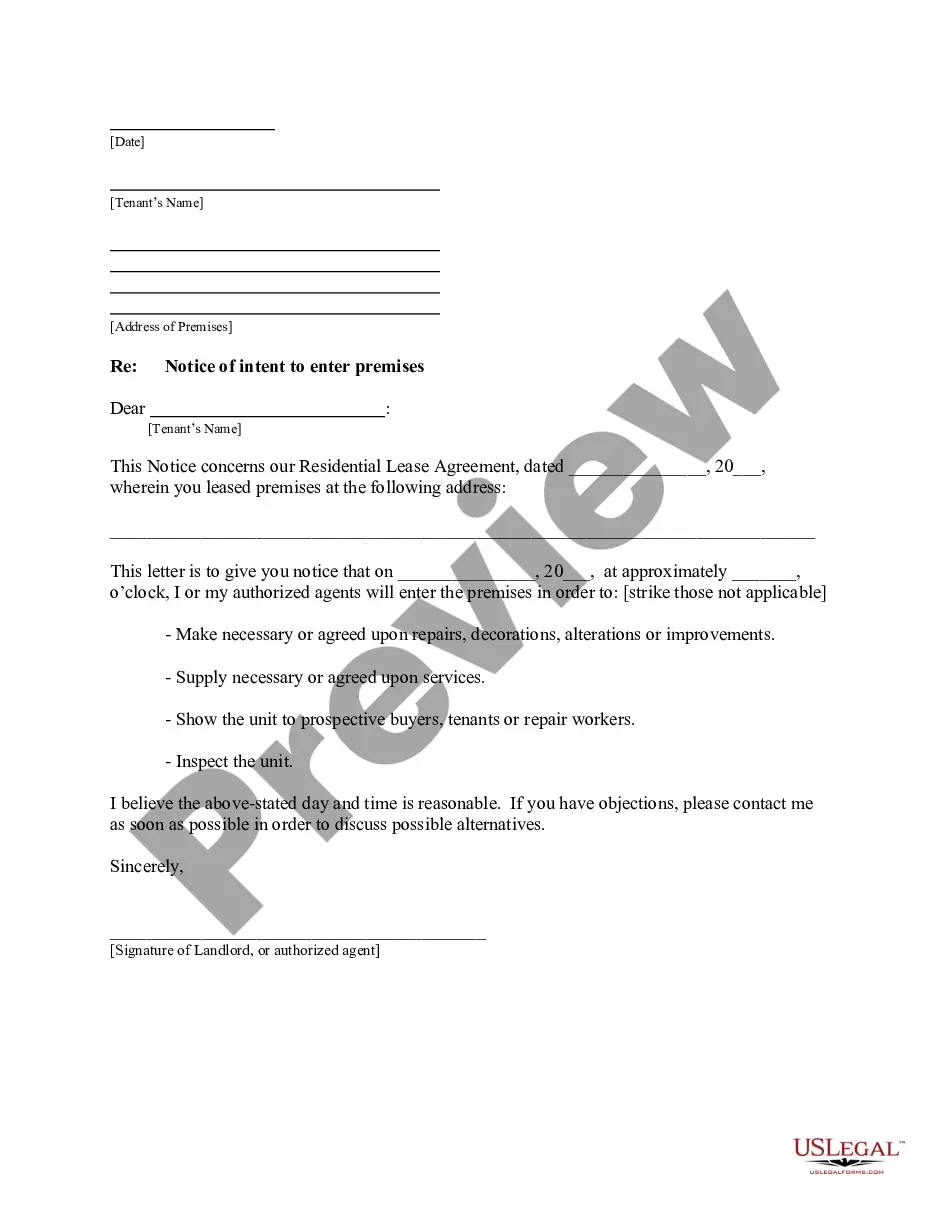
Form popularity
FAQ
6 month leases are common in communities that have high rental housing vacancy rates. NYC has historically had a very low rental vacancy rate, implying that landlords can more easily dictate their terms, and they have preferred 12-24 month contracts in this hot market.
You can find 6-month lease apartments through rental websites, like ApartmentGuide, real estate apps like Redfin, or by contacting local property management companies. Some landlords may be open to negotiating a shorter lease term, even if it's not advertised, so it's worth asking.
Yes, furnished apartments are often available for shorter lease terms, including 6-month leases. These are great options for people who need temporary housing without the hassle of buying or moving furniture.
A California month-to-month rental agreement allows property owners and tenants to enter into a lease under state landlord-tenant laws. Therefore, both parties must uphold the contract's terms. With this type of agreement, either the landlord or the tenant can terminate the lease at any time or for any reason.
Leases typically run for one year or more. Any lease for less than 12 months is considered short-term. You can find short-term apartment leases for three months, six months, nine months or even month-to-month. Monthly leases generally renew automatically each month as long as you and your landlord both agree.
Harder to Find: Short-term leases are hard to find because they aren't as lucrative as long-term rentals and generally cause landlords more hassle. Set aside plenty of time to find a short-term rental _before _making your move. Moving More Often: Shorter leases means moving more often.
Section 21 of the Housing Act stipulates that a landlord cannot legally obtain possession of a property in the first 6 months. In the unfortunate event a tenant refused to leave at the end of a 4 month fixed term for instance, this would pose problems by making landlords unable to legally regain possession.
Registered Hosts are only able to host for up to 120 days per calendar year. You can apply for an extended home-sharing permit (EHS) that allows for short term rentals 365 days per year. It is available for Hosts who have been registered for 6 months or who have hosted for 60 days.
Ing to the California Senate Bill No. 60, Chapter, 307, a “short-term rental” (sometimes shortened to “STR”) in the state refers to any residential property or portion of a residential property that is rented to an individual or group for 30 consecutive days or less.
What is a Short-Term Rental in California? The state of California defines a short-term rental (STR) as a residential property or portion of such property that is rented to an individual or group for not more than 30 consecutive days.