Contrato Alquiler Descargar Forma In Arizona
Description
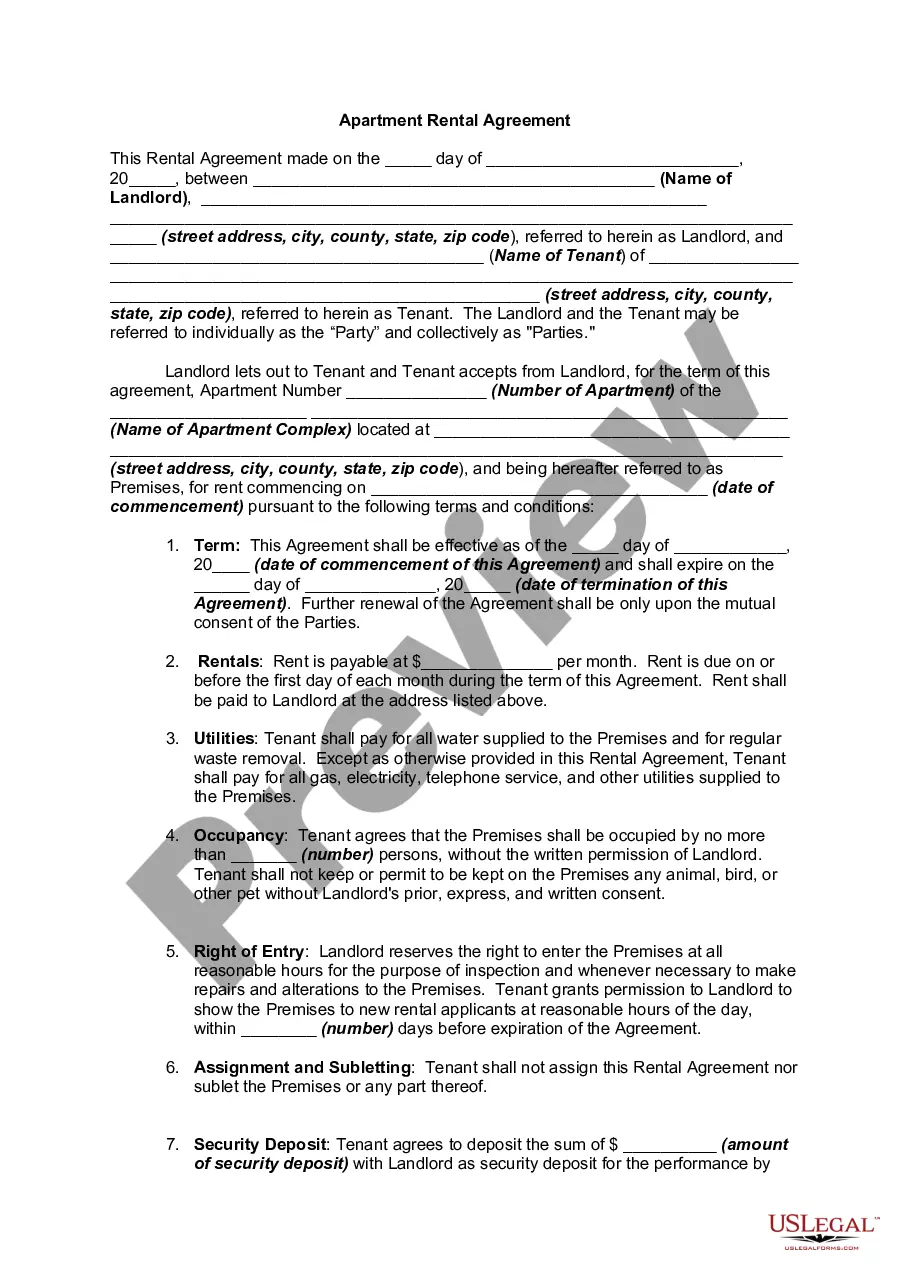
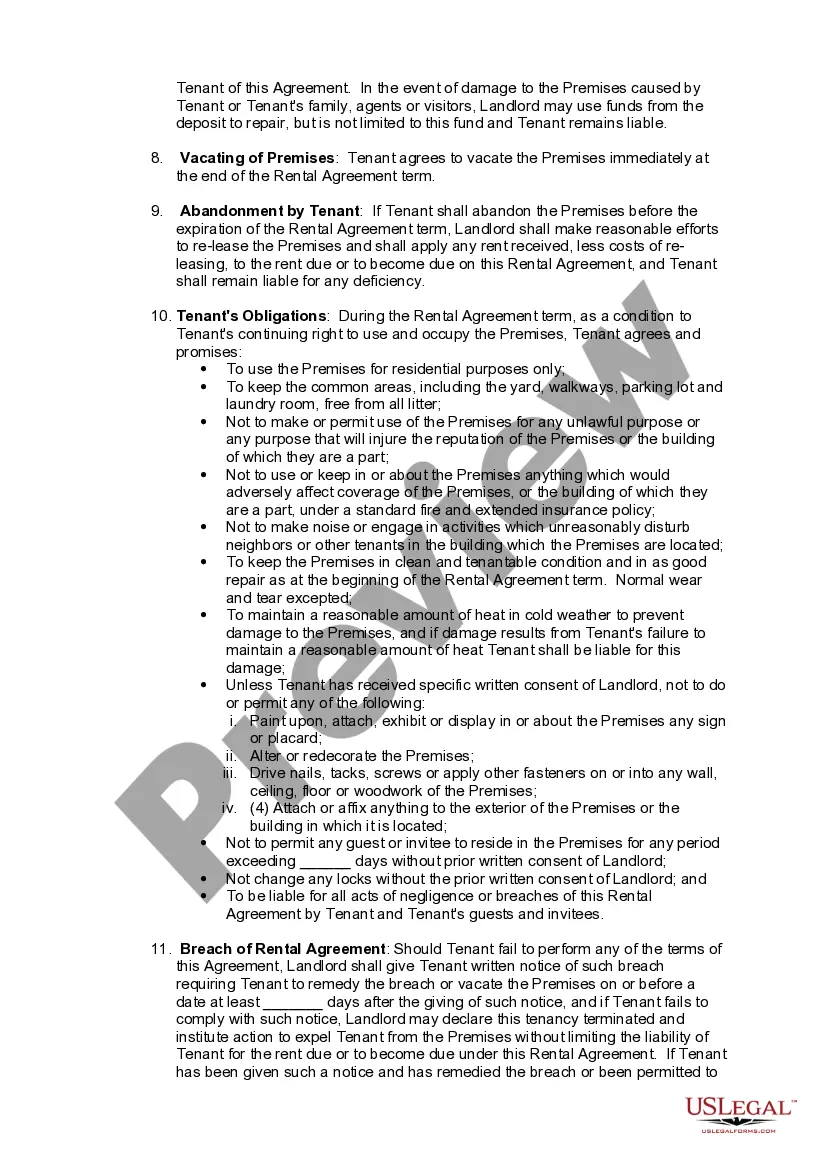
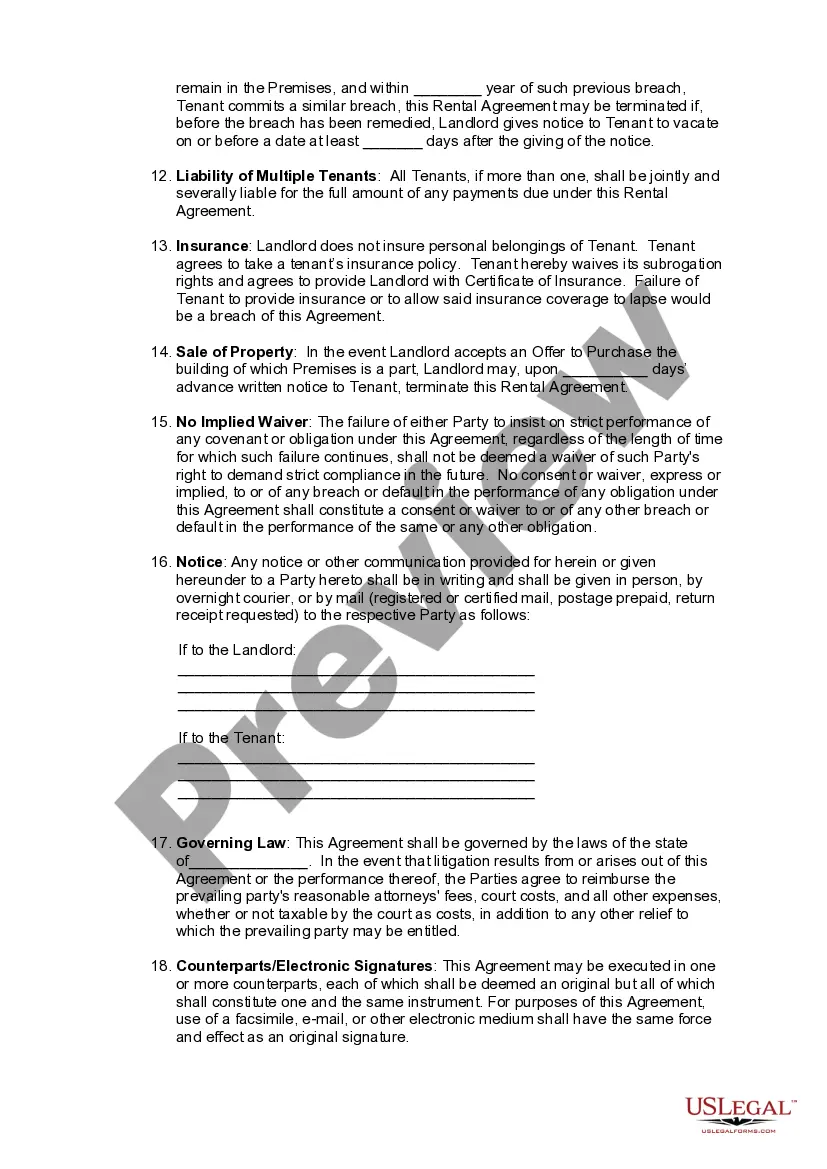
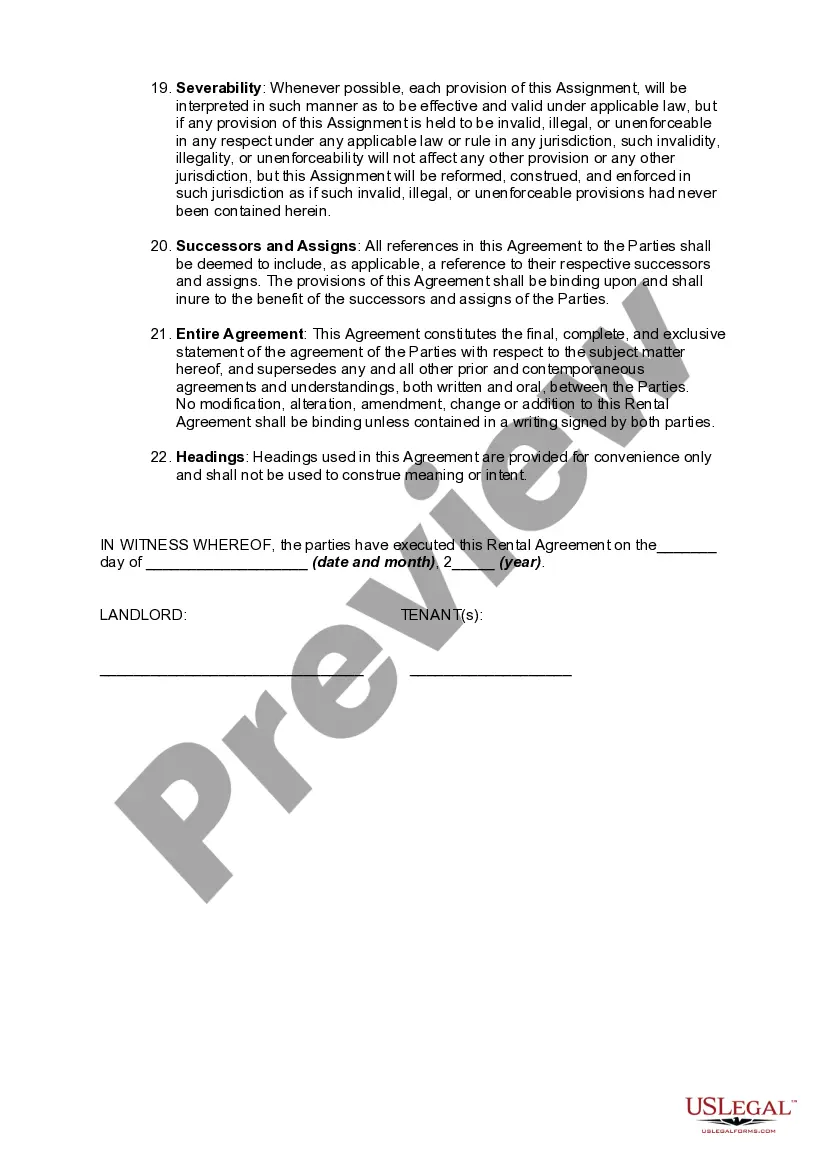
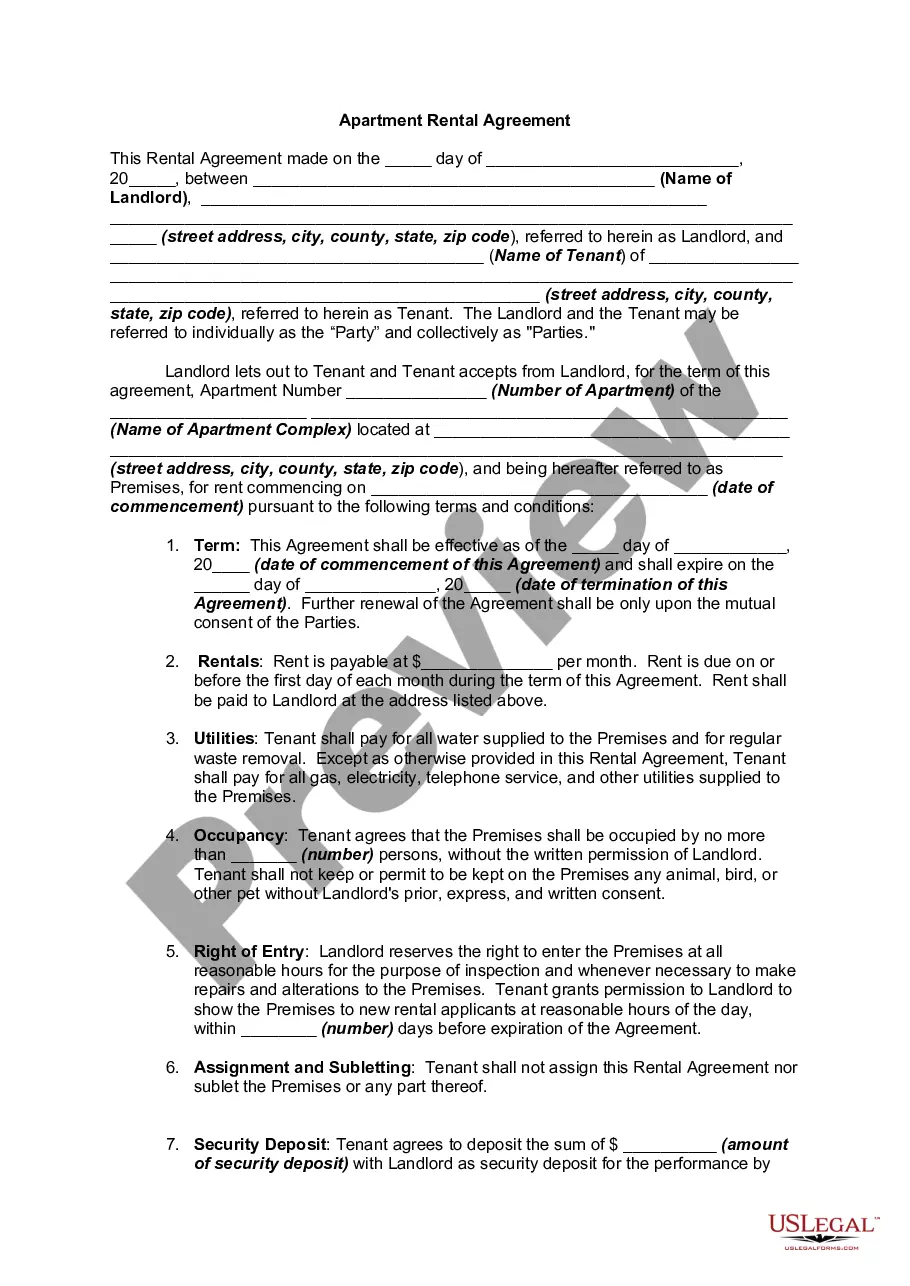
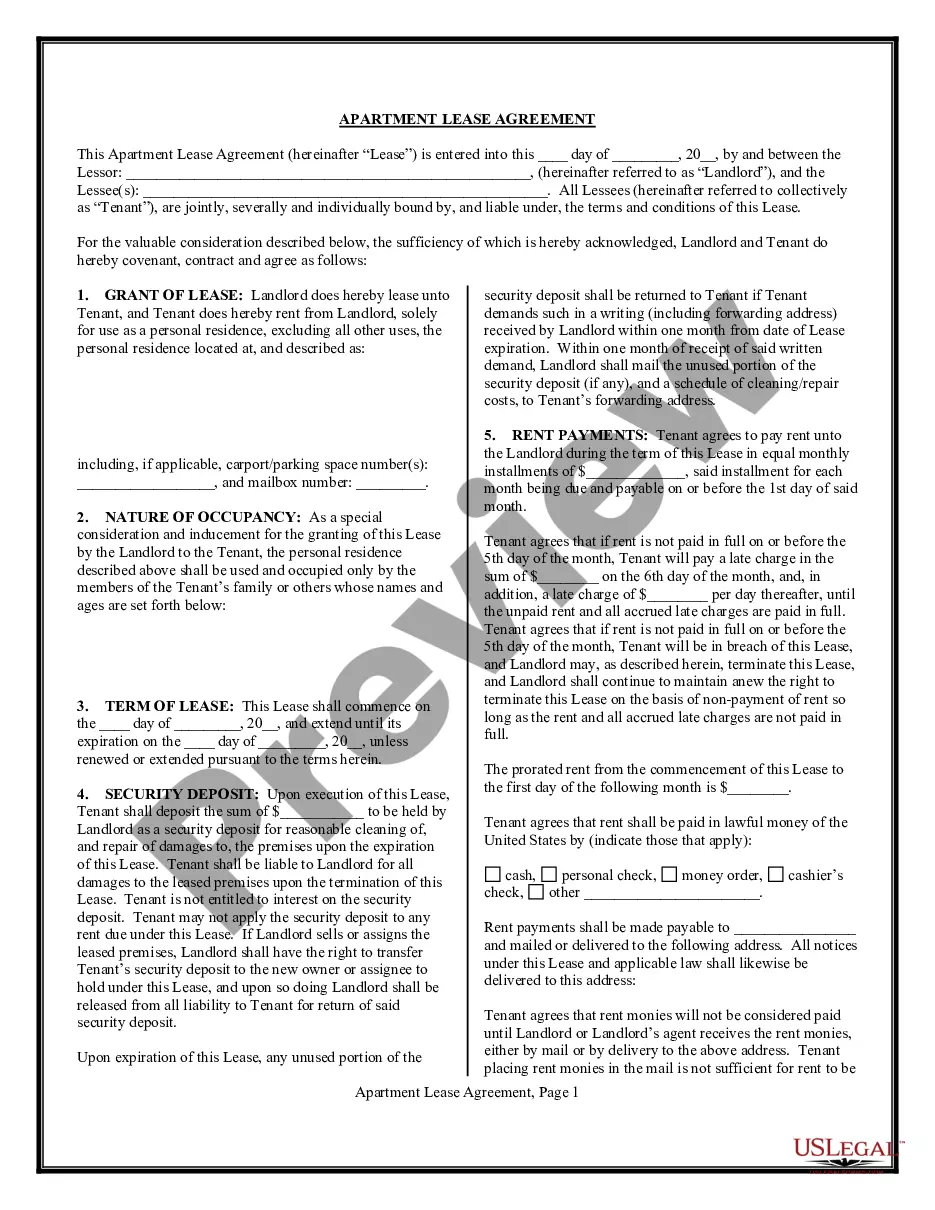
Get your form ready online
Our built-in tools help you complete, sign, share, and store your documents in one place.
Make edits, fill in missing information, and update formatting in US Legal Forms—just like you would in MS Word.
Download a copy, print it, send it by email, or mail it via USPS—whatever works best for your next step.
Sign and collect signatures with our SignNow integration. Send to multiple recipients, set reminders, and more. Go Premium to unlock E-Sign.
If this form requires notarization, complete it online through a secure video call—no need to meet a notary in person or wait for an appointment.
We protect your documents and personal data by following strict security and privacy standards.

Make edits, fill in missing information, and update formatting in US Legal Forms—just like you would in MS Word.

Download a copy, print it, send it by email, or mail it via USPS—whatever works best for your next step.

Sign and collect signatures with our SignNow integration. Send to multiple recipients, set reminders, and more. Go Premium to unlock E-Sign.

If this form requires notarization, complete it online through a secure video call—no need to meet a notary in person or wait for an appointment.

We protect your documents and personal data by following strict security and privacy standards.
Looking for another form?
Form popularity
FAQ
The landlord or the tenant may terminate a month-to-month tenancy by a written notice given to the other at least thirty days prior to the periodic rental date specified in the notice.
If a tenant is on a month-to-month tenancy, or is nearing/at the expiration of a term tenancy, a landlord can effectively kick them out for no reason at all by utilizing a proper No Cause Termination Notice.
Gross lease - A gross lease, the most common, has a predetermined rent coverage in which the landlord maintains the property. A net lease has a set rent amount covering the occupancy but may not include maintenance work and even property taxes or insurance.
Answer: As a general rule, the answer is yes. Under the Arizona Residential Landlord and Tenant Act, a verbal rental agreement concerning the use and occupancy of a dwelling unit is just as enforceable as a written rental agreement (or lease) is (A.R.S. 33-1310(13)).
Un contrato sencillo debe ser directo y fácil de entender para ambas partes. Incluye detalles básicos como nombres, dirección del inmueble, monto de la renta, responsabilidades de cada parte y las condiciones de terminación. Para mayor validez, considera agregar testigos o notarizar el documento, según el caso.
Contrato de Arriendo Simple: Elementos Clave que Debe Incluir Identificación de las Partes: Nombres completos y RUT de arrendador y arrendatario. Descripción de la Propiedad: Ubicación exacta, tipo de propiedad y características relevantes. Duración del Arriendo: Fecha de inicio y término del contrato.
¿Qué se necesita para hacer un contrato de arriendo? Identificación de las partes involucradas. Descripción de la propiedad. Duración del arrendamiento. Condiciones de pago. Depósito de seguridad. Responsabilidades del arrendador y del arrendatario. Cláusulas adicionales. Firma y fecha.
¿Qué se necesita para elaborar un contrato de renta? Datos personales de propietario e inquilino. Descripción del inmueble (ubicación y características). Monto de la renta y condiciones de pago. Duración del contrato y condiciones de renovación o finalización. Condiciones específicas según el uso del inmueble.
Cita: Es imprescindible solicitar una cita previa en la Oficina de Registro de la propiedad correspondiente, ya sea de forma online o presencial. Formularios: En la Oficina de Registro de la propiedad, completar los formularios necesarios para registrar el contrato de alquiler.
¿Cómo Redactar un Contrato de Alquiler de Casa Sólido y Legalmente Válido? Identificación de las partes. Descripción de la propiedad. Duración del contrato. Monto del alquiler y condiciones de pago. Depósito de seguridad. Uso y restricciones de la propiedad. Mantenimiento y reparaciones. Cláusulas especiales.