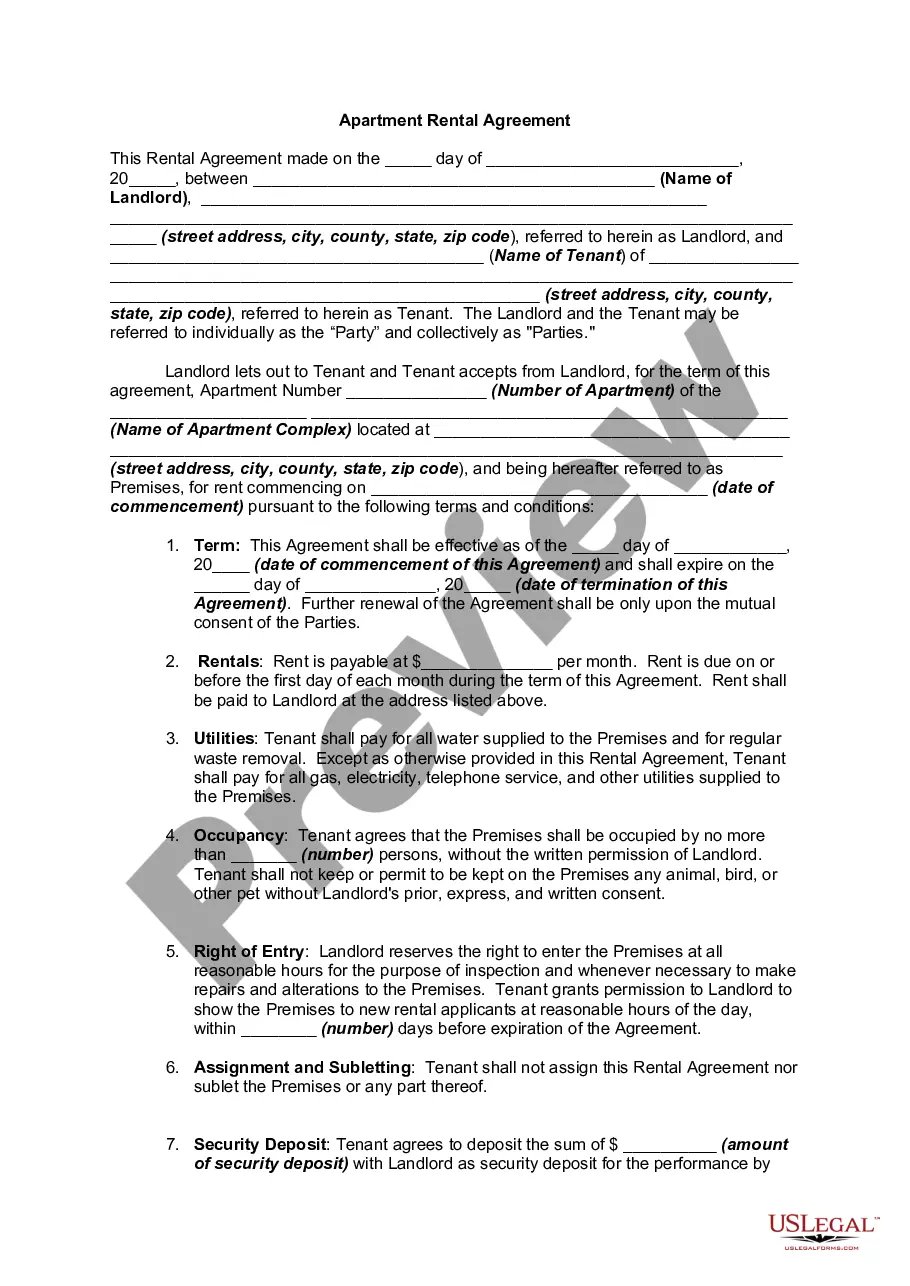
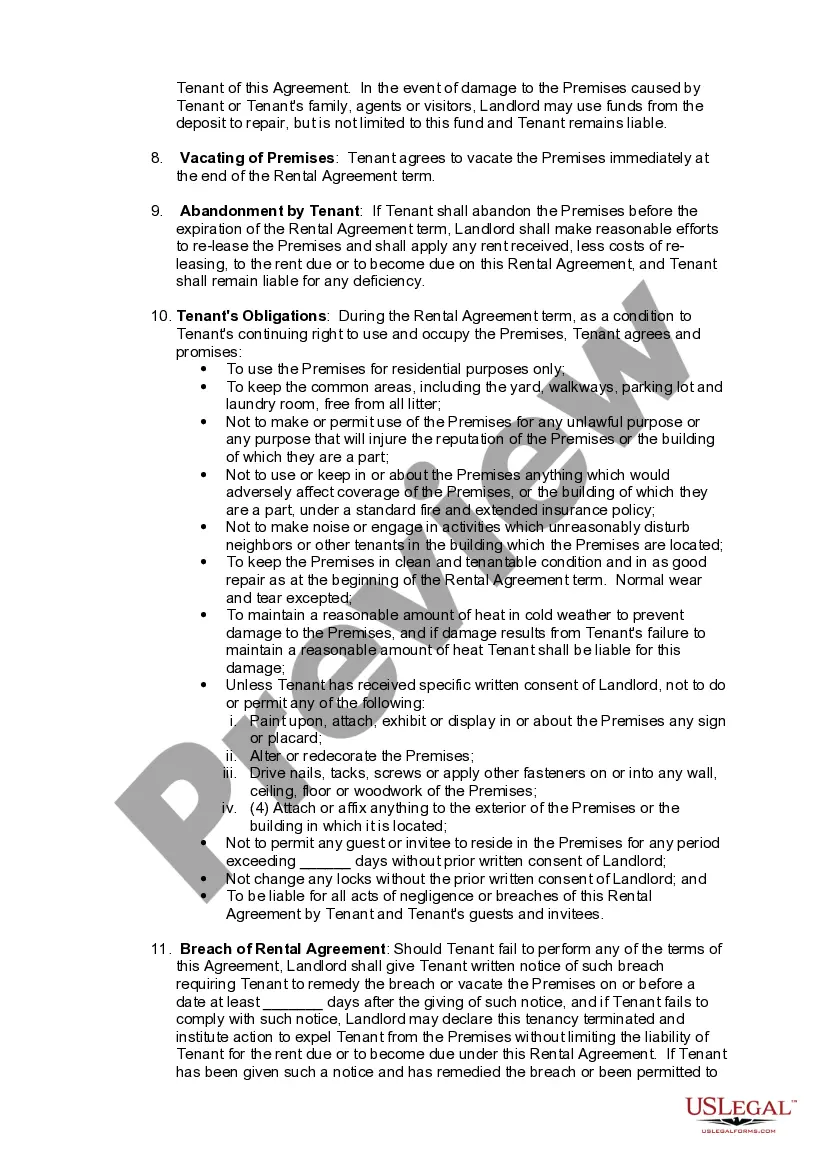
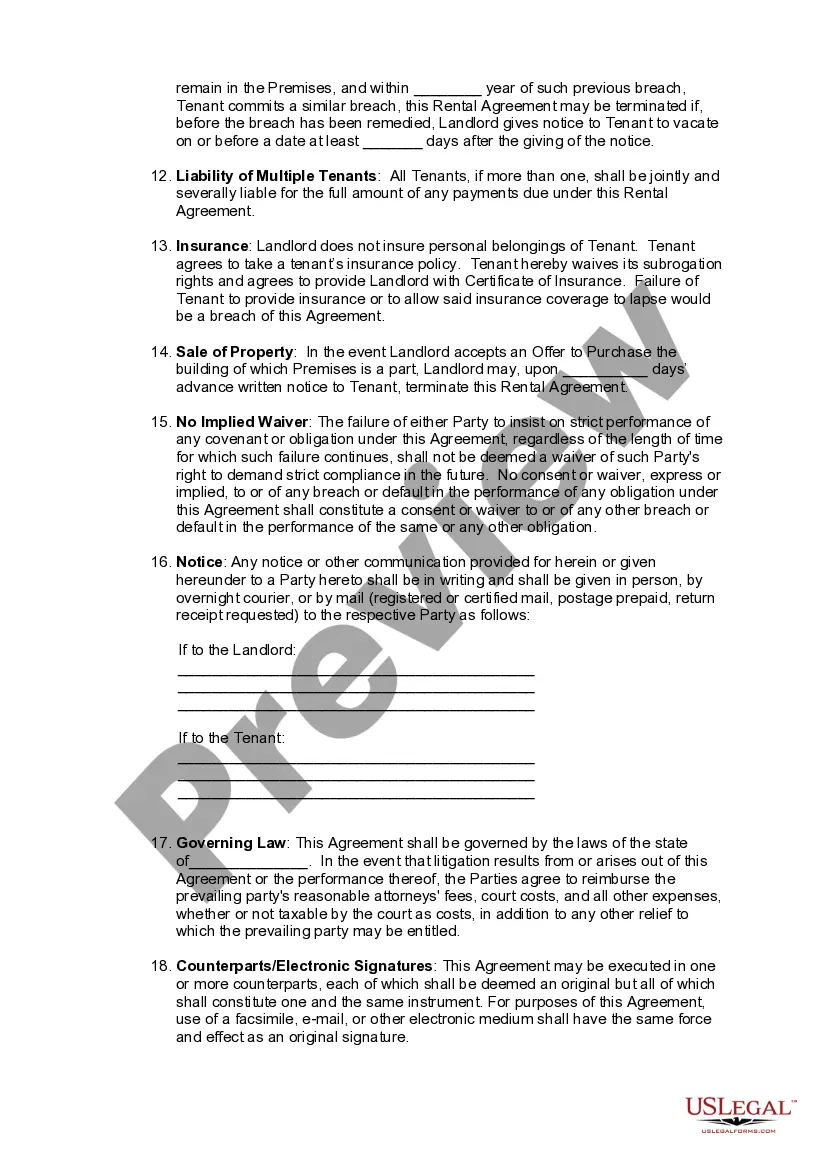
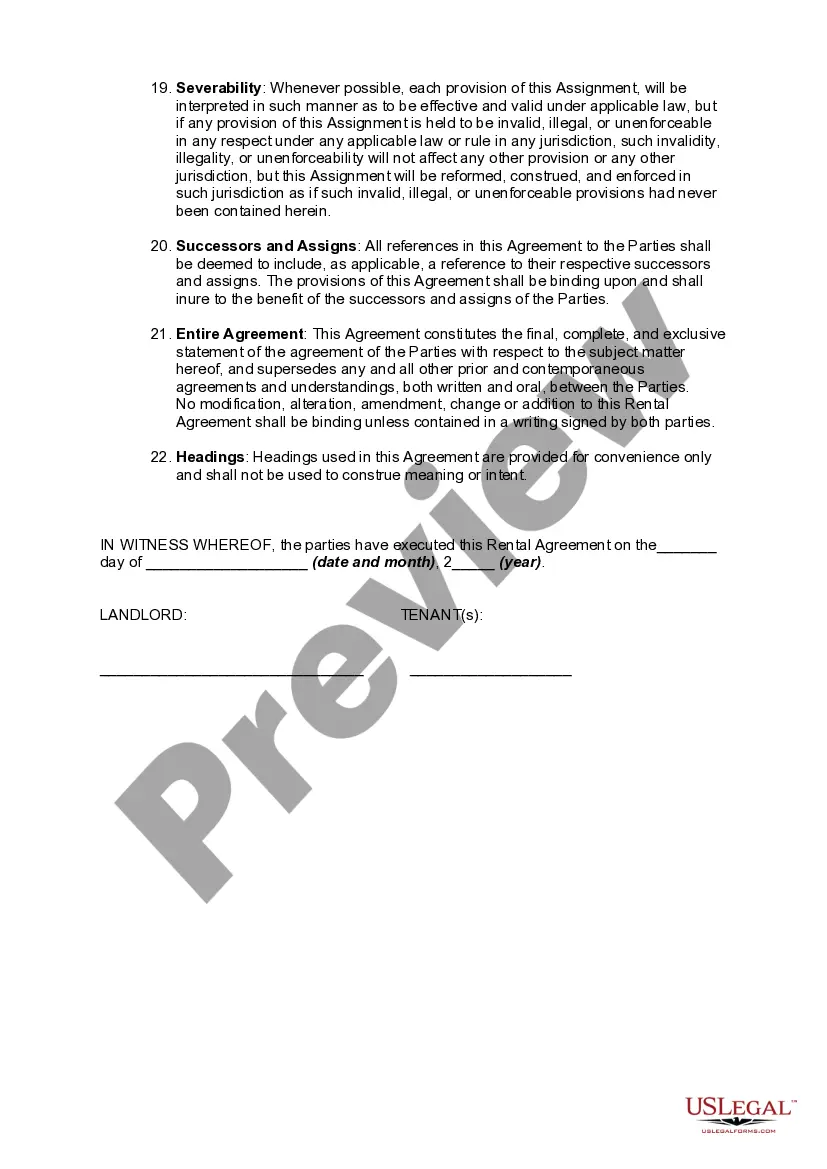
Apartment Lease For In Allegheny
Description
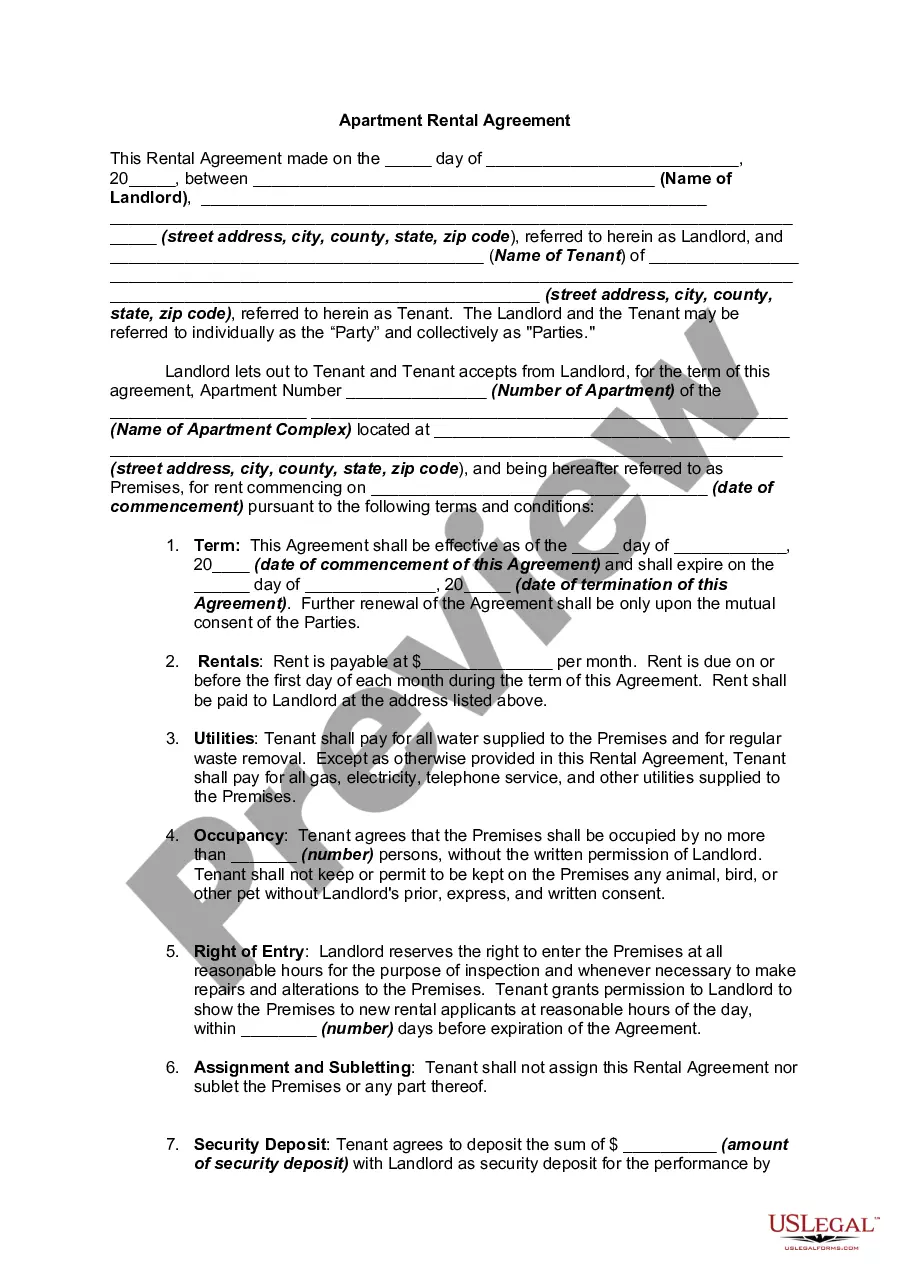
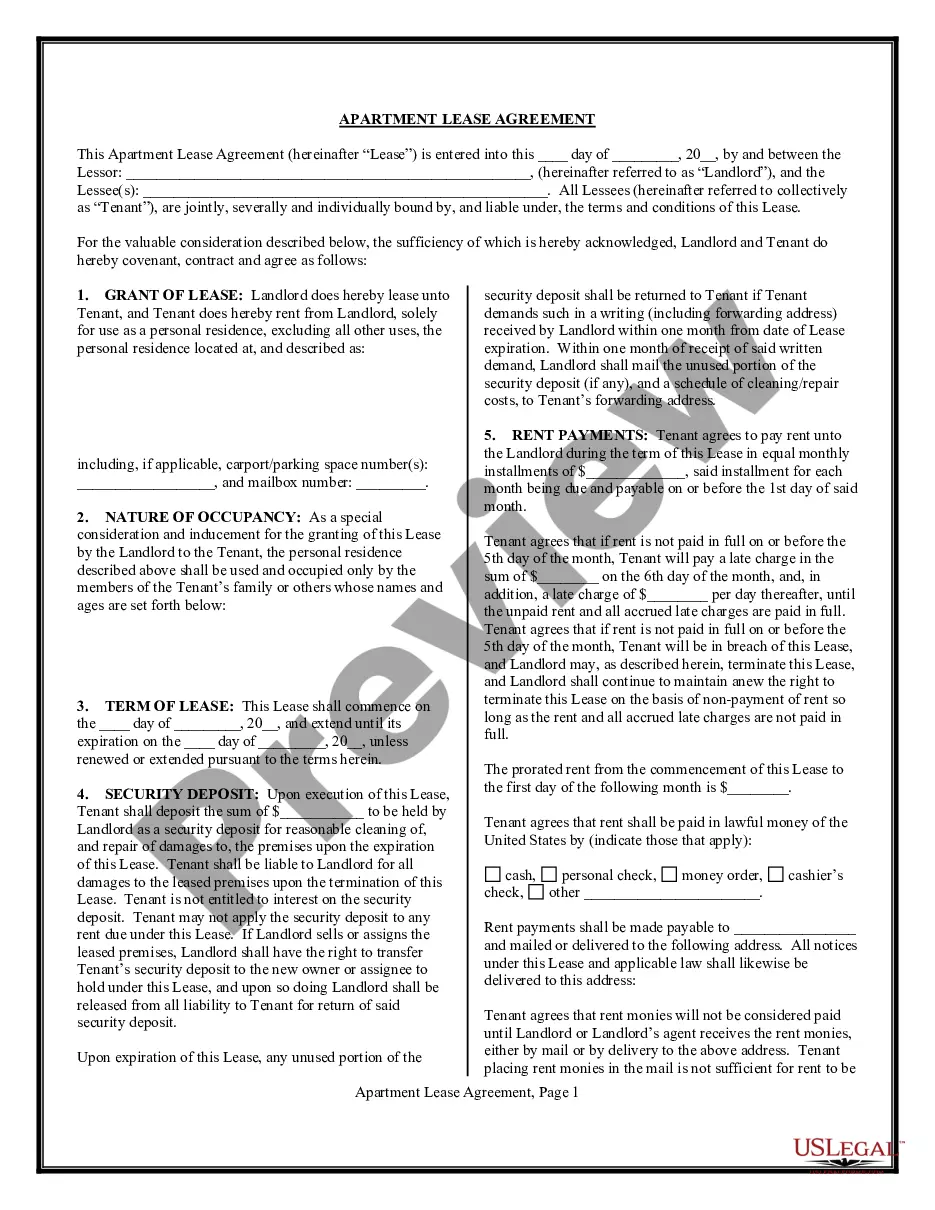
Get your form ready online
Our built-in tools help you complete, sign, share, and store your documents in one place.
Make edits, fill in missing information, and update formatting in US Legal Forms—just like you would in MS Word.
Download a copy, print it, send it by email, or mail it via USPS—whatever works best for your next step.
Sign and collect signatures with our SignNow integration. Send to multiple recipients, set reminders, and more. Go Premium to unlock E-Sign.
If this form requires notarization, complete it online through a secure video call—no need to meet a notary in person or wait for an appointment.
We protect your documents and personal data by following strict security and privacy standards.

Make edits, fill in missing information, and update formatting in US Legal Forms—just like you would in MS Word.

Download a copy, print it, send it by email, or mail it via USPS—whatever works best for your next step.

Sign and collect signatures with our SignNow integration. Send to multiple recipients, set reminders, and more. Go Premium to unlock E-Sign.

If this form requires notarization, complete it online through a secure video call—no need to meet a notary in person or wait for an appointment.

We protect your documents and personal data by following strict security and privacy standards.
Looking for another form?
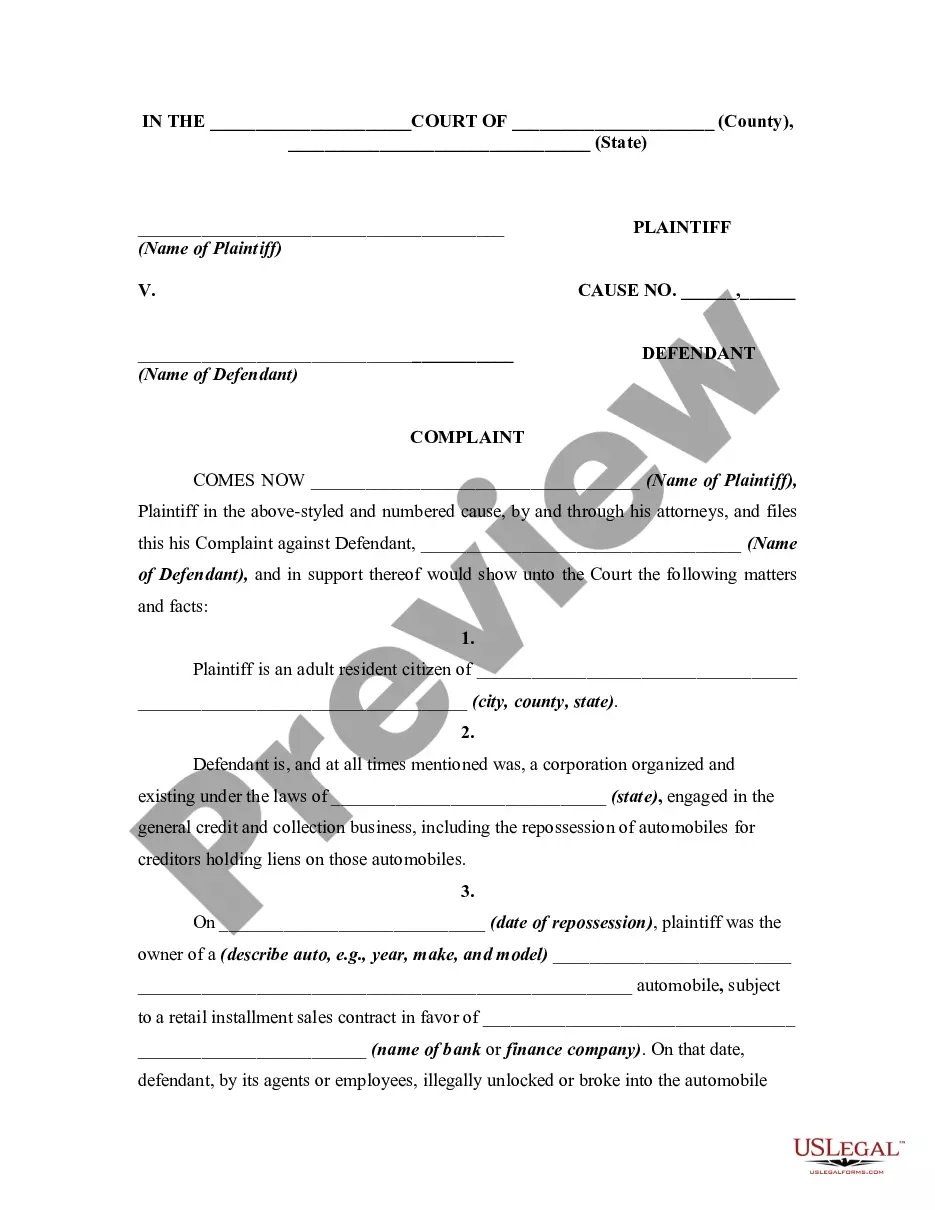


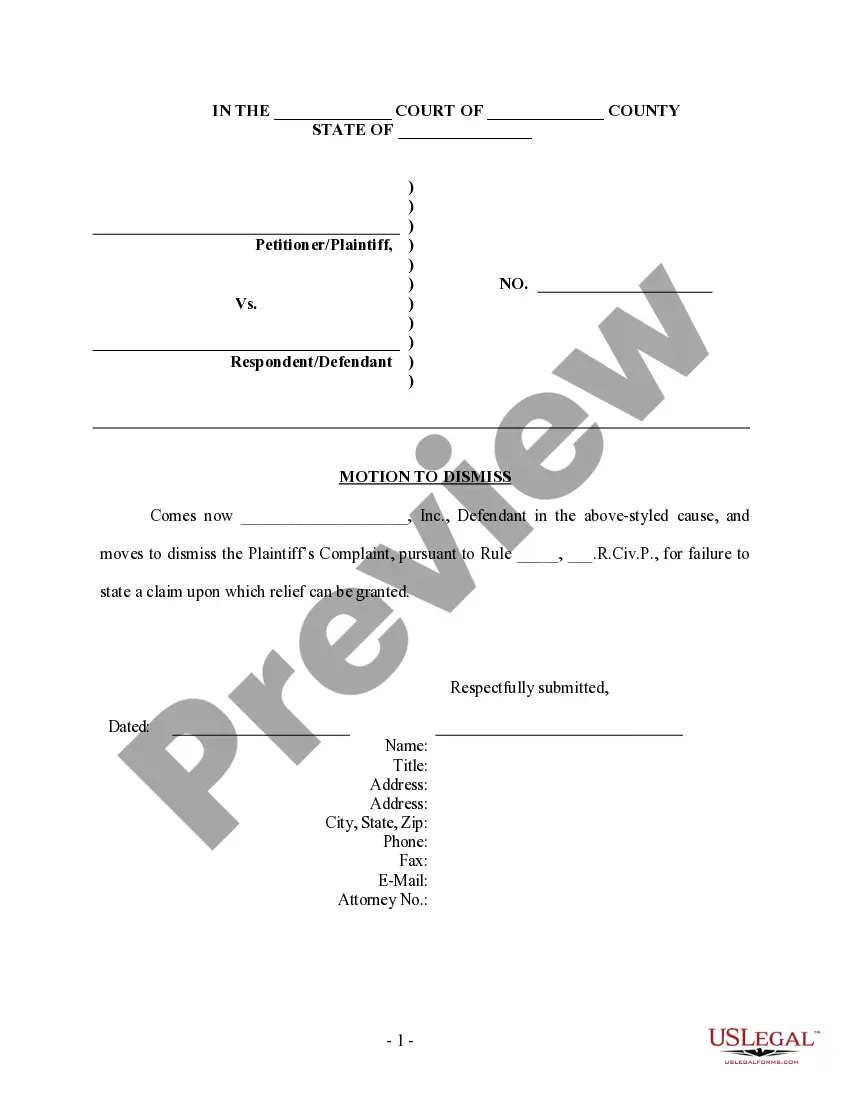
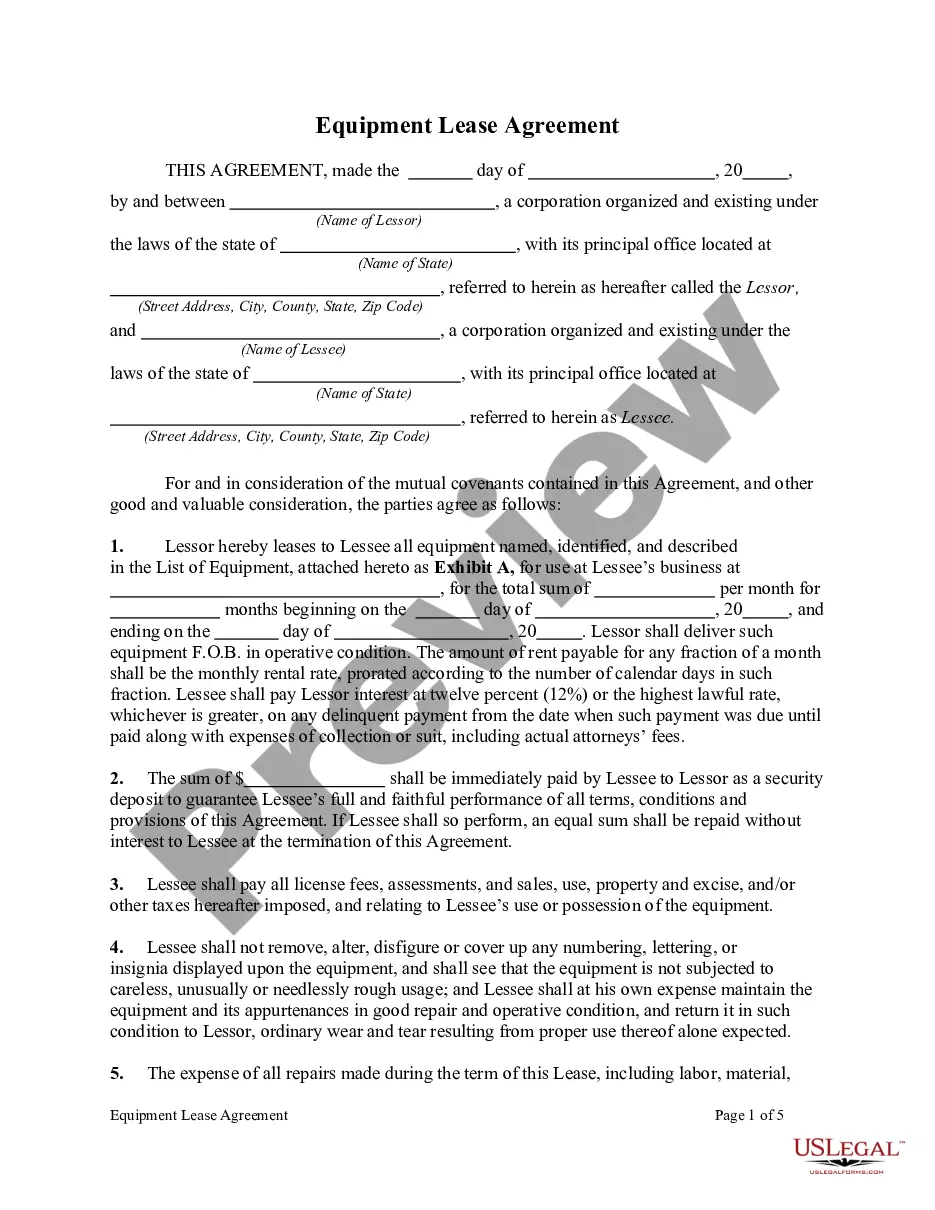



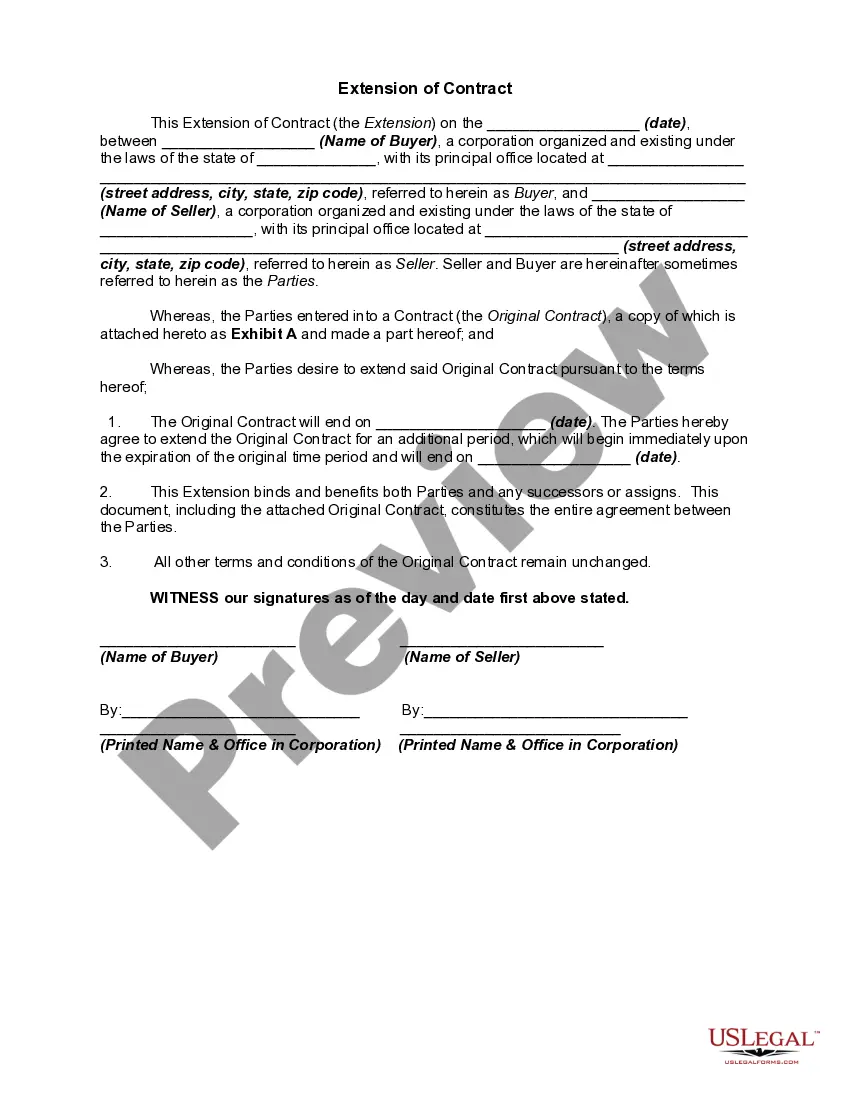
Form popularity
FAQ
Renting, especially on a short-term basis, can sometimes come with higher monthly costs due to the increased flexibility it offers the landlord. For instance, a studio apartment for rent on a month-to-month basis might be more expensive per month than the same apartment under a lease agreement.
If you plan to stay long-term, two-year will be much cheaper a decade or more down the line (compound interest, and the two-year increases are always less than double the one-year increases). But you might want the flexibility of a one-year lease or just don't plan to stay long enough for it to be worthwhile.
Month-to-Month Leases Renters can expect the monthly rent rate to be much higher than that of a fixed-term lease. However, renting month-to-month gives you the flexibility to move out with far less notice than with other lease types.
The lowest rental rates are usually found between October and April, particularly right after the December holiday season. Fewer people are interested in moving—the weather's bad, schools are in session, etc. So individuals renting between the months of December and March typically find the best rental bargains.
Longer leases are best for situations where you and any roommates know you want to stay in the apartment for a year or more. Ideally, you're already familiar with the neighborhood and have a stable work or school situation. Shorter leases or month-to-month leases are better for renters who need a bit more flexibility.
To Landlords out there - how long do you prefer to lease to tenants? Most landlords prefer 1 year leases, at least to start off with. Some landlords don't mind long term leases or even prefer it. A tenant who becomes extremely difficult despite having good references and prior rental history is very much a possibility.
Apartment Walkthrough Checklist Test every appliance to ensure it works correctly. Check the oven and stovetop. Check the temperature of the fridge and freezer and make sure they are cold. Does the kitchen sink drain? ... Open and close all the cabinets and drawers. Test the range hood's light and fan.
Instructions: Tenant(s) should complete this checklist at or around the time of move-in. Tenants should e-mail a complete copy to the landlord. and keep a copy for themselves. The form should also be completed at move-out.
The move-in inspection checklist should include space for documenting flooring, ceiling, walls, baseboard, windows, doors, lighting, and outlet condition. Additionally, leave space for property-specific items such as a fireplace.
Completion The lease and any other lease documents will be dated by both parties' respective solicitors and will then be completed. Your solicitor will send the completion monies to the landlord's solicitor. You will then be able to collect the keys to the property (normally from the estate agent/selling agent).
