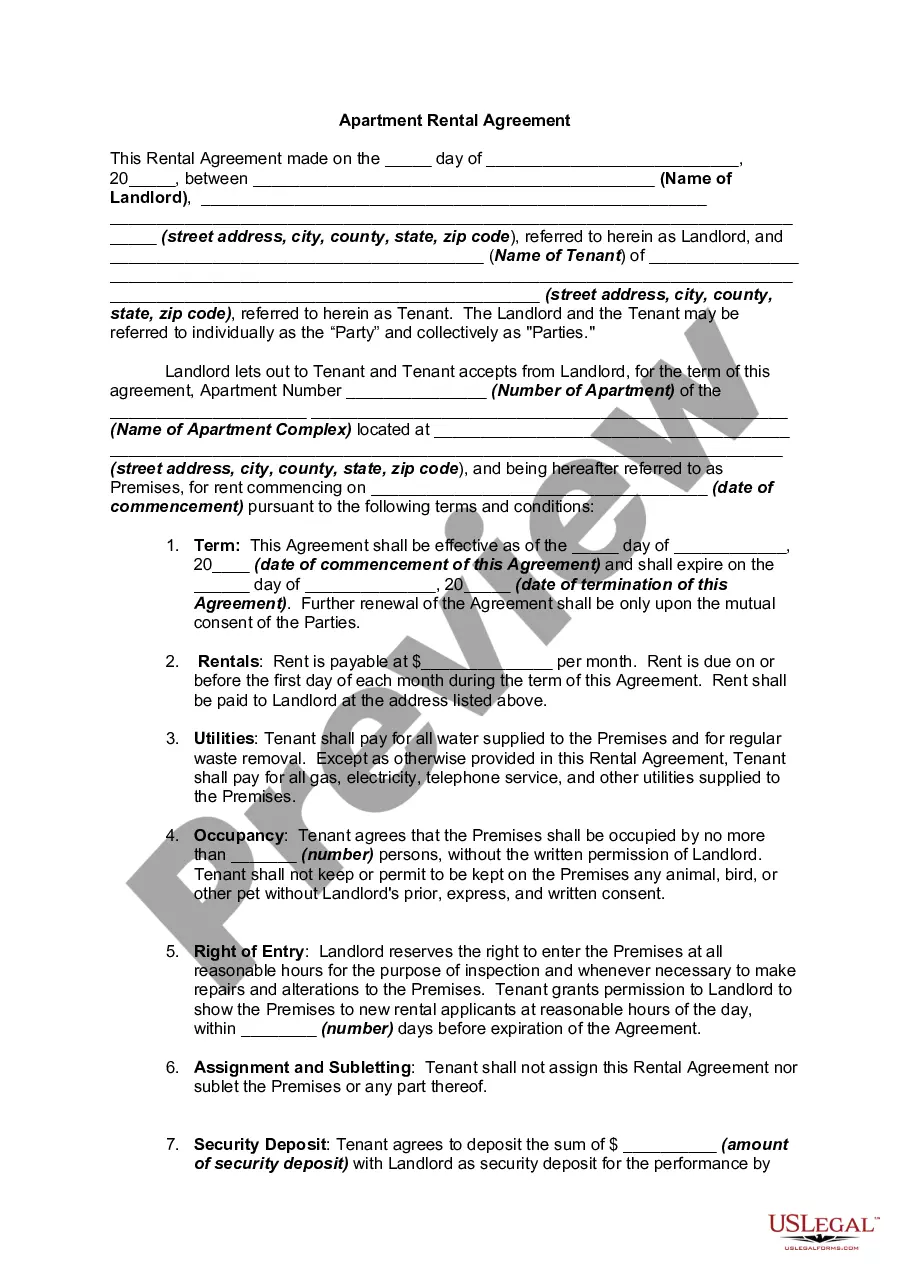
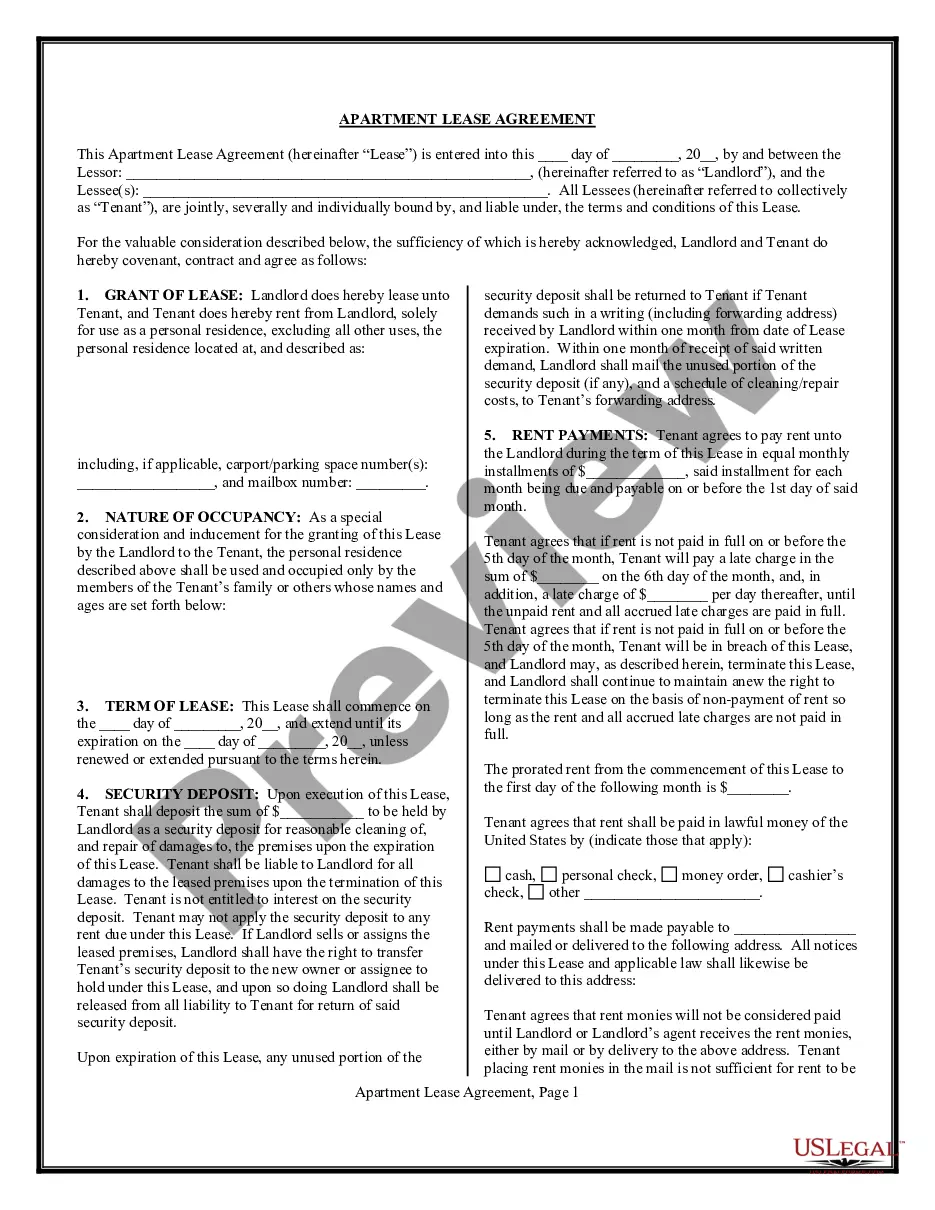
Rental Agreement For Apartment Sample In Alameda
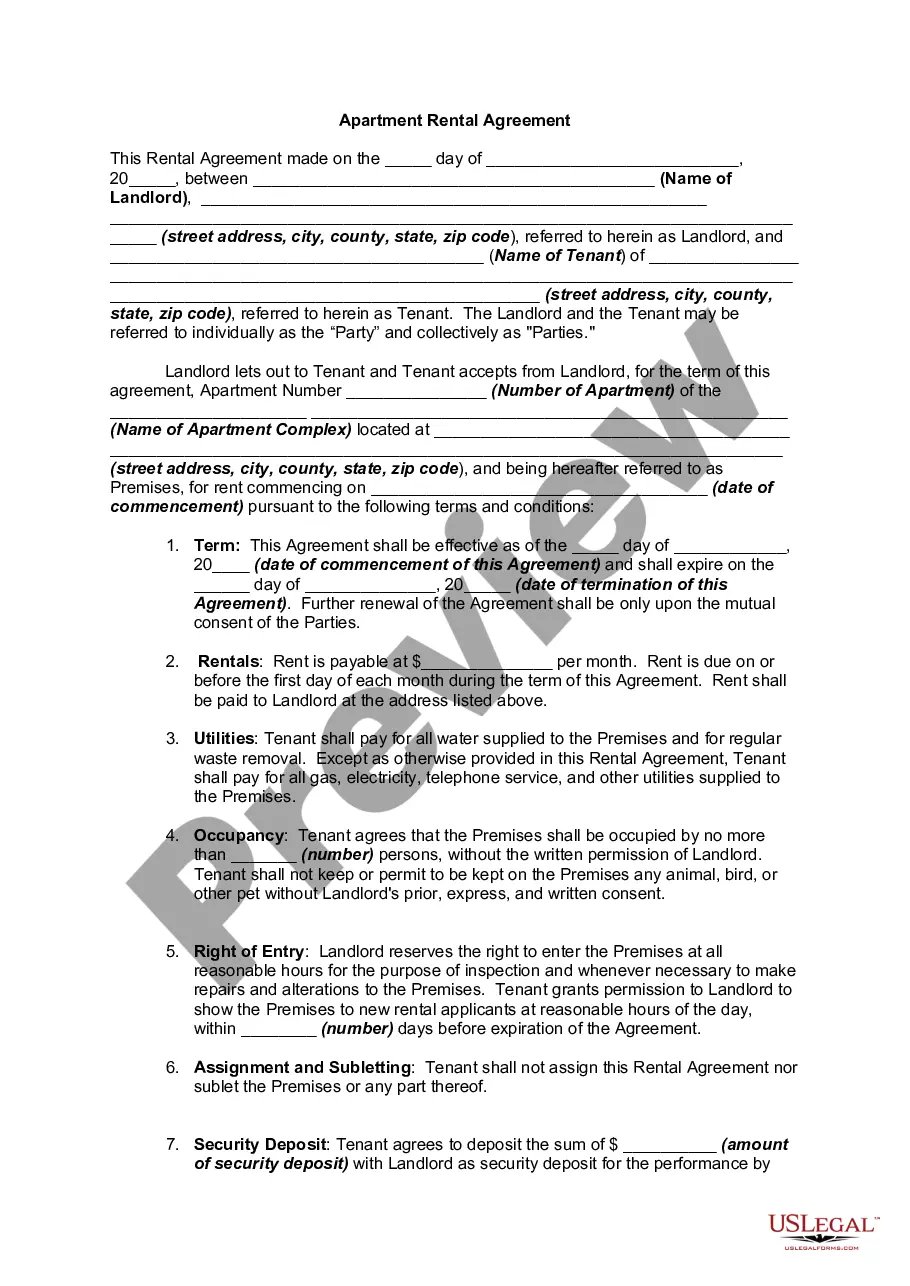
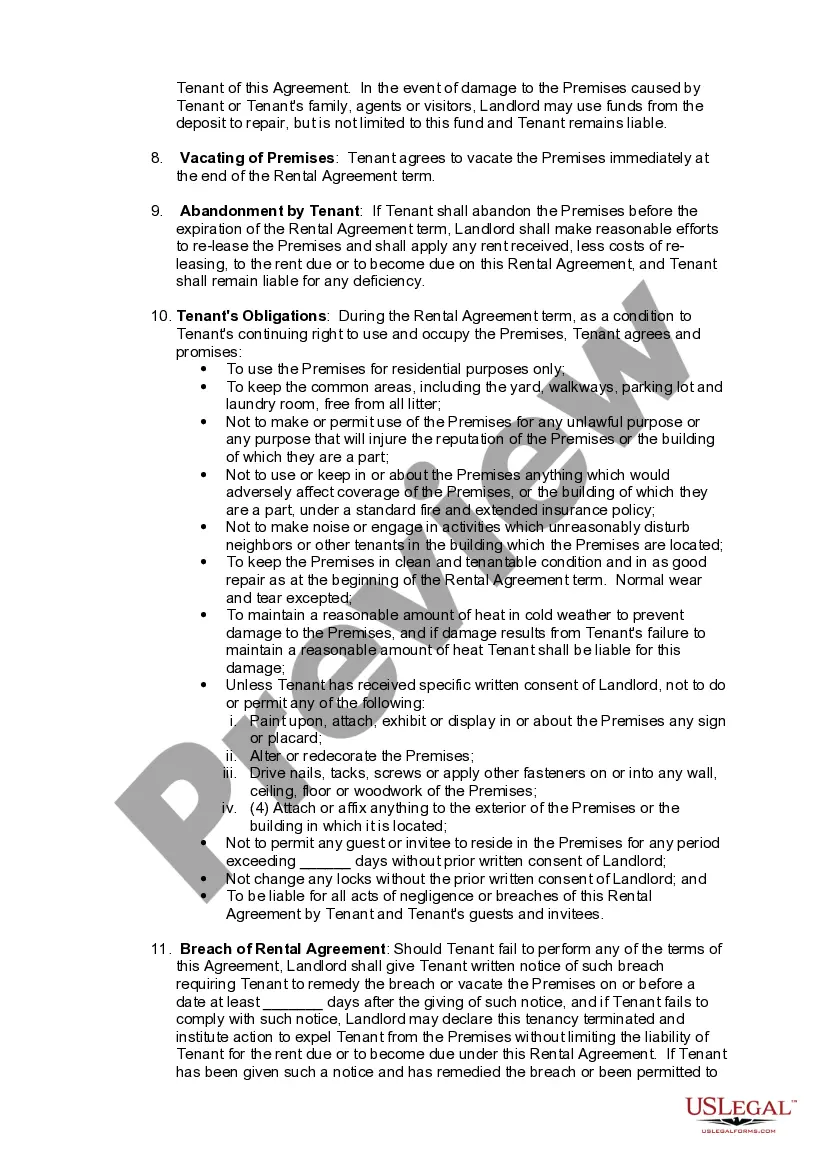
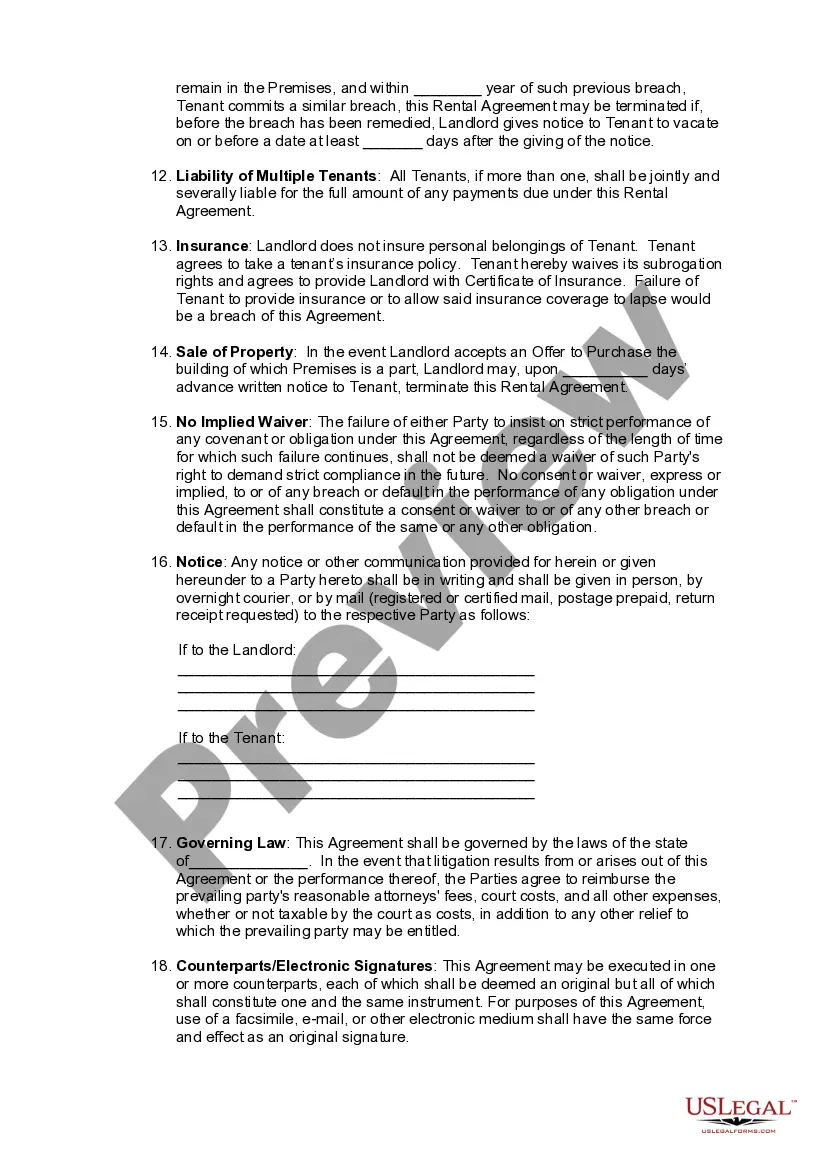
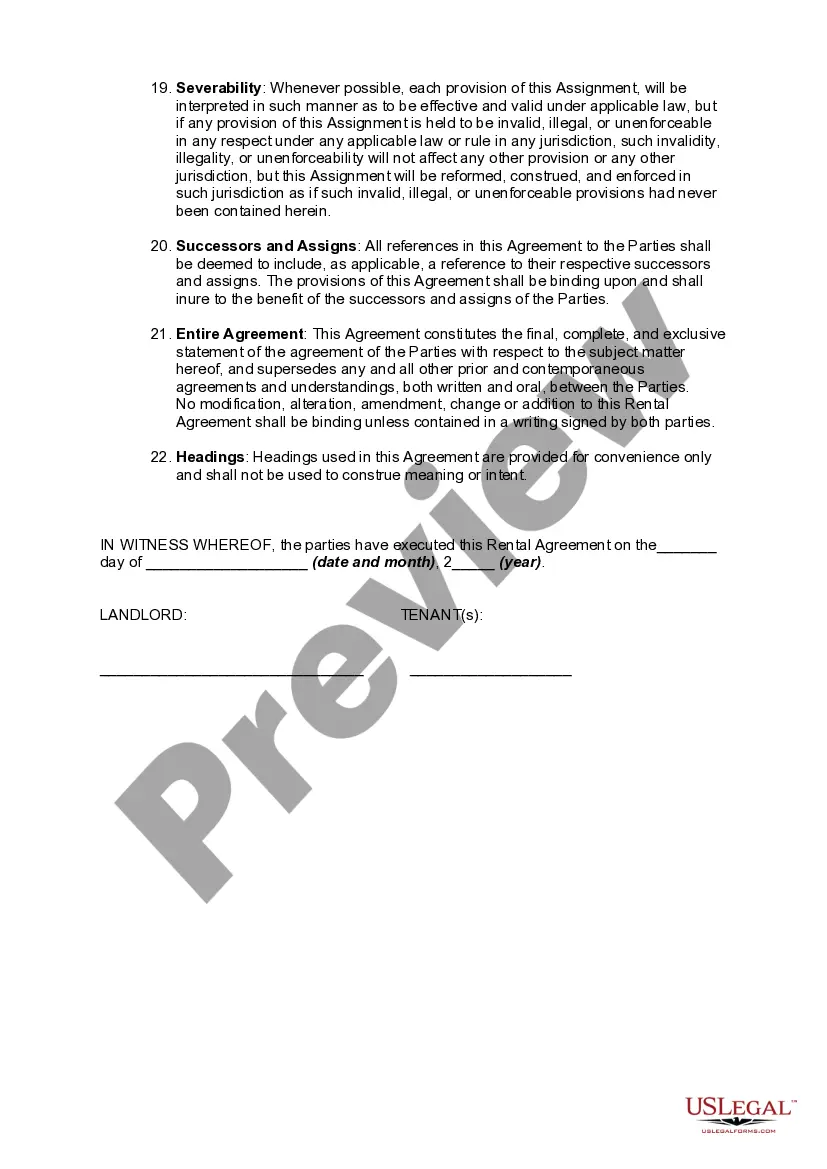
Description
Get your form ready online
Our built-in tools help you complete, sign, share, and store your documents in one place.
Make edits, fill in missing information, and update formatting in US Legal Forms—just like you would in MS Word.
Download a copy, print it, send it by email, or mail it via USPS—whatever works best for your next step.
Sign and collect signatures with our SignNow integration. Send to multiple recipients, set reminders, and more. Go Premium to unlock E-Sign.
If this form requires notarization, complete it online through a secure video call—no need to meet a notary in person or wait for an appointment.
We protect your documents and personal data by following strict security and privacy standards.

Make edits, fill in missing information, and update formatting in US Legal Forms—just like you would in MS Word.

Download a copy, print it, send it by email, or mail it via USPS—whatever works best for your next step.

Sign and collect signatures with our SignNow integration. Send to multiple recipients, set reminders, and more. Go Premium to unlock E-Sign.

If this form requires notarization, complete it online through a secure video call—no need to meet a notary in person or wait for an appointment.

We protect your documents and personal data by following strict security and privacy standards.
Looking for another form?




Form popularity
FAQ
Tenant(s) agree to rent this dwelling on a month-to-month basis for $ _______ per month, payable in advance on the ______ day of the calendar month for which Owner(s) will give Tenant(s) a rebate/discount of $ _____________. The first month's rent for this dwelling is $ ______________.
Here's a list of standard fields that you should include in your lease agreement: Tenant information. Include each tenant's full name and contact information. Rental property description. Security deposit. Monthly rent amount. Utilities. Lease term. Policies. Late fees.
The rental lease agreement is a formal contract between a tenant and a property owner, or a representative of the owner, like a property manager, outlining the terms and conditions for living at a rental property in exchange for rent. In order for a lease agreement to be valid, both parties must sign the contract.
Start by noting the basic identifying information: List the date, property address, and tenant details. Proceed room by room: Document each item in every room, including its condition. Be thorough and include all elements like walls, floors, ceilings, fixtures, and any appliances or furniture.
State laws on leases and rental agreements can vary, but a landlord or property management company should provide you with a copy of your signed lease upon request.
Here are 16 steps on how to make a lease agreement: Include the contact information of both parties. Include property details. Outline property utilities and services. Define the lease term. Disclose the monthly rent amount and due date. Detail the penalties and late fees. Describe any additional or services fees.
It is possible to draft your own lease agreement, but you are leaving yourself open to issues.
Handwritten contracts are legally binding if they meet the necessary conditions that apply to all contracts: mutual agreement, capacity, consideration, and legal validity. There are no legal differences between typed and handwritten agreements when it comes to enforceability.
How To Structure A Lease Purchase Agreement Set The Lease Period. The lease should outline how long the lease period will be and the monthly rent amount. Include Special Clauses. Allocate Portion Of Rent To The Down Payment. Include A Contract Of Sale. Have A Professional Review Your Contract.
How to Fill Out a Family Member Lease Agreement Step 1: Identify the Parties. Step 2: Describe the Property. Step 3: Define the Lease Term. Step 4: Outline Rent, Deposit, and Payment Terms. Step 5: Establish Utilities and Additional Costs. Step 6: Address Pet Policies. Step 7: Include Parking and Vehicle Provisions.
