Texas Estate Form With You
Description
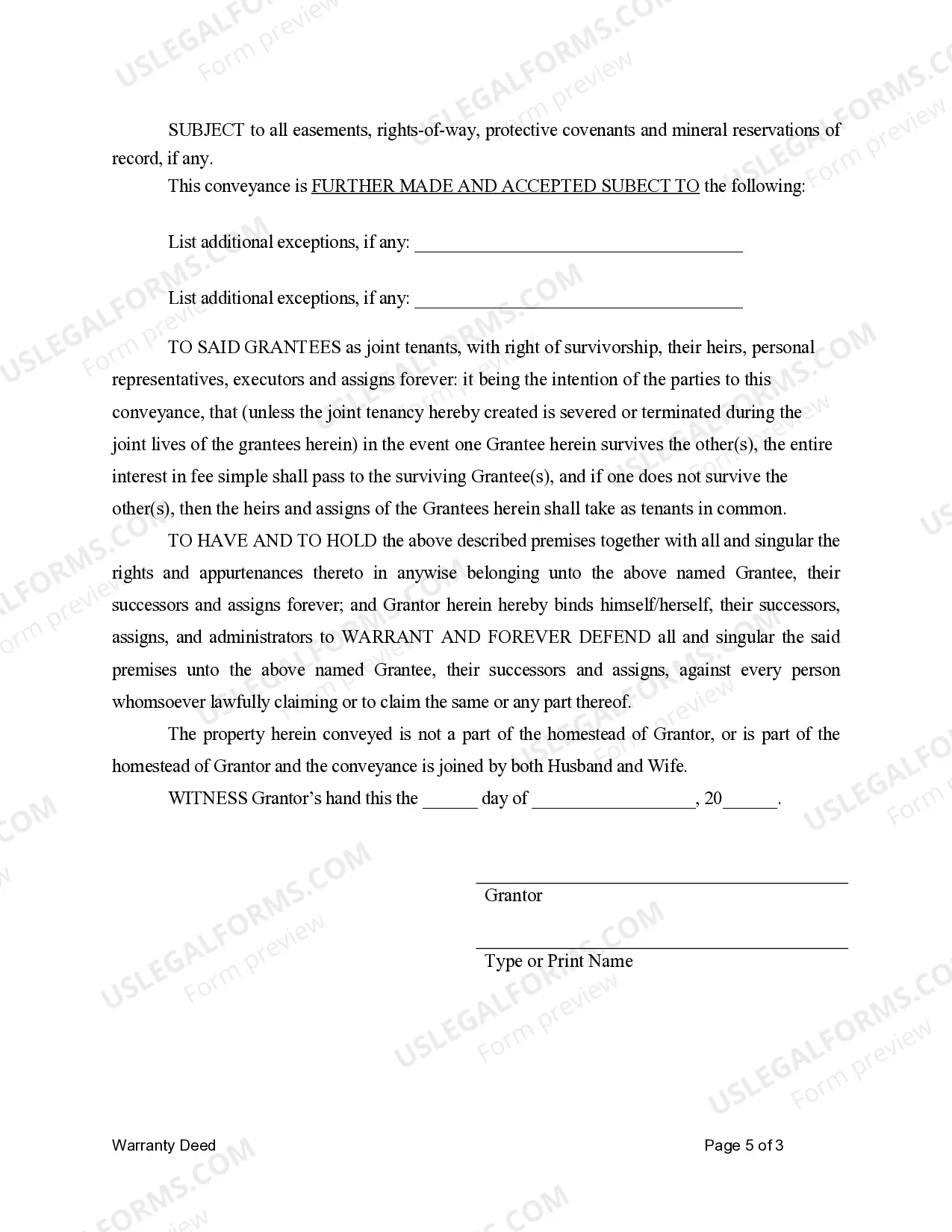
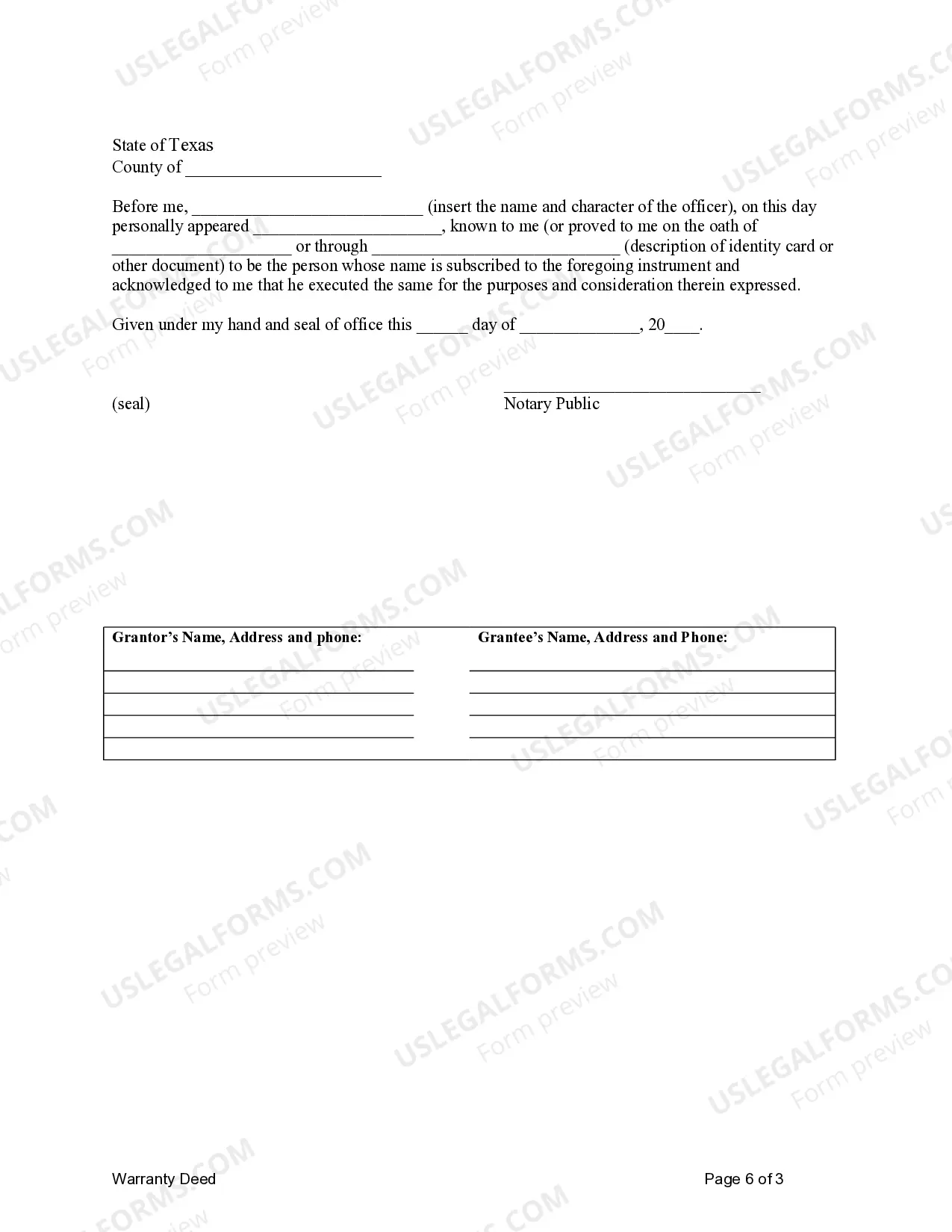
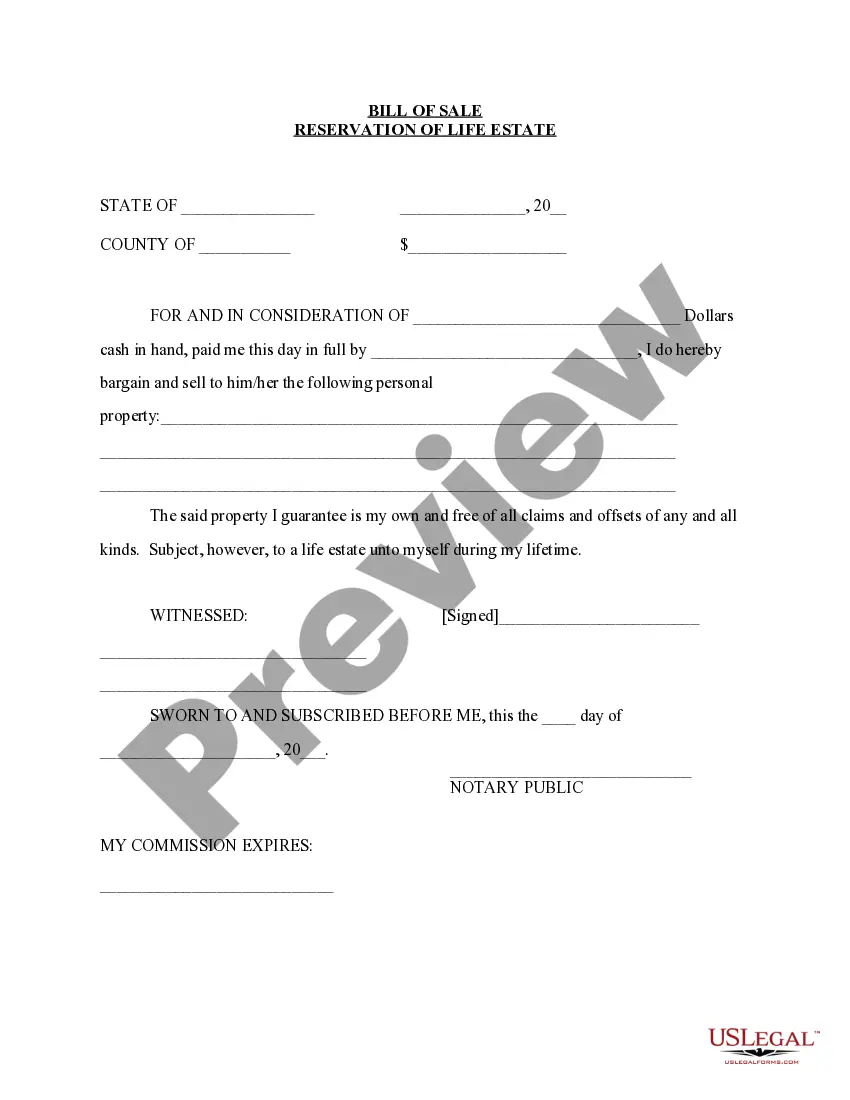
Get your form ready online
Our built-in tools help you complete, sign, share, and store your documents in one place.
Make edits, fill in missing information, and update formatting in US Legal Forms—just like you would in MS Word.
Download a copy, print it, send it by email, or mail it via USPS—whatever works best for your next step.
Sign and collect signatures with our SignNow integration. Send to multiple recipients, set reminders, and more. Go Premium to unlock E-Sign.
If this form requires notarization, complete it online through a secure video call—no need to meet a notary in person or wait for an appointment.
We protect your documents and personal data by following strict security and privacy standards.

Make edits, fill in missing information, and update formatting in US Legal Forms—just like you would in MS Word.

Download a copy, print it, send it by email, or mail it via USPS—whatever works best for your next step.

Sign and collect signatures with our SignNow integration. Send to multiple recipients, set reminders, and more. Go Premium to unlock E-Sign.

If this form requires notarization, complete it online through a secure video call—no need to meet a notary in person or wait for an appointment.

We protect your documents and personal data by following strict security and privacy standards.
Looking for another form?
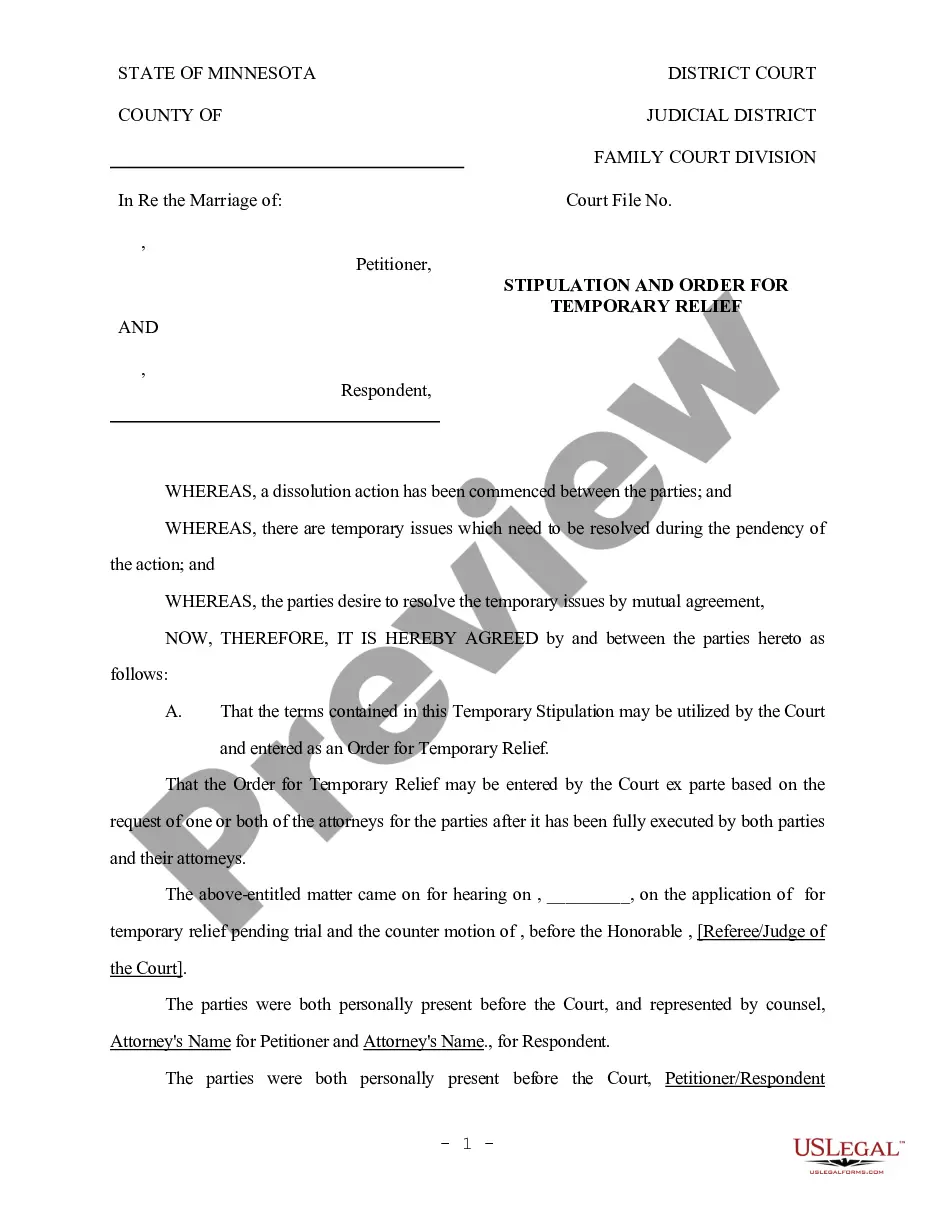






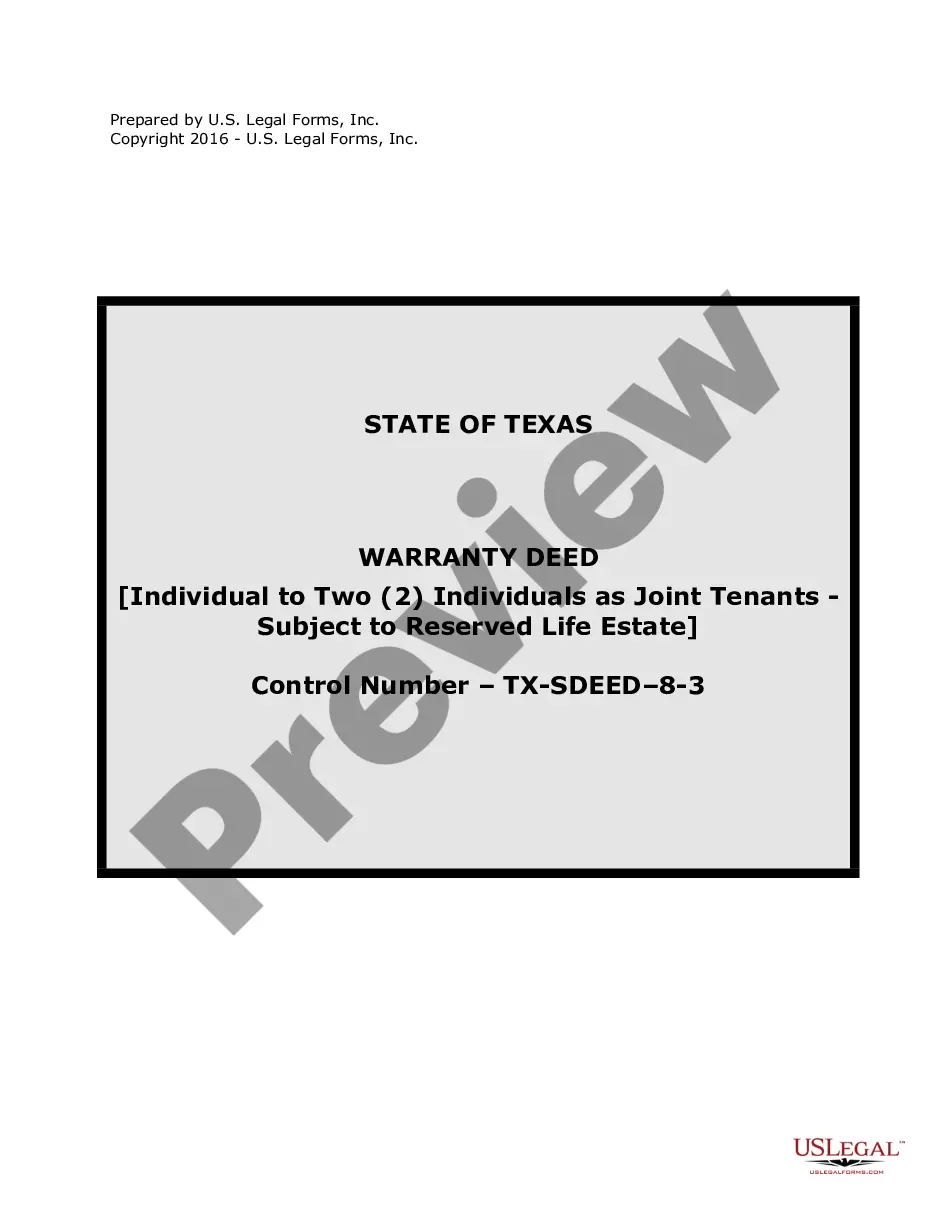
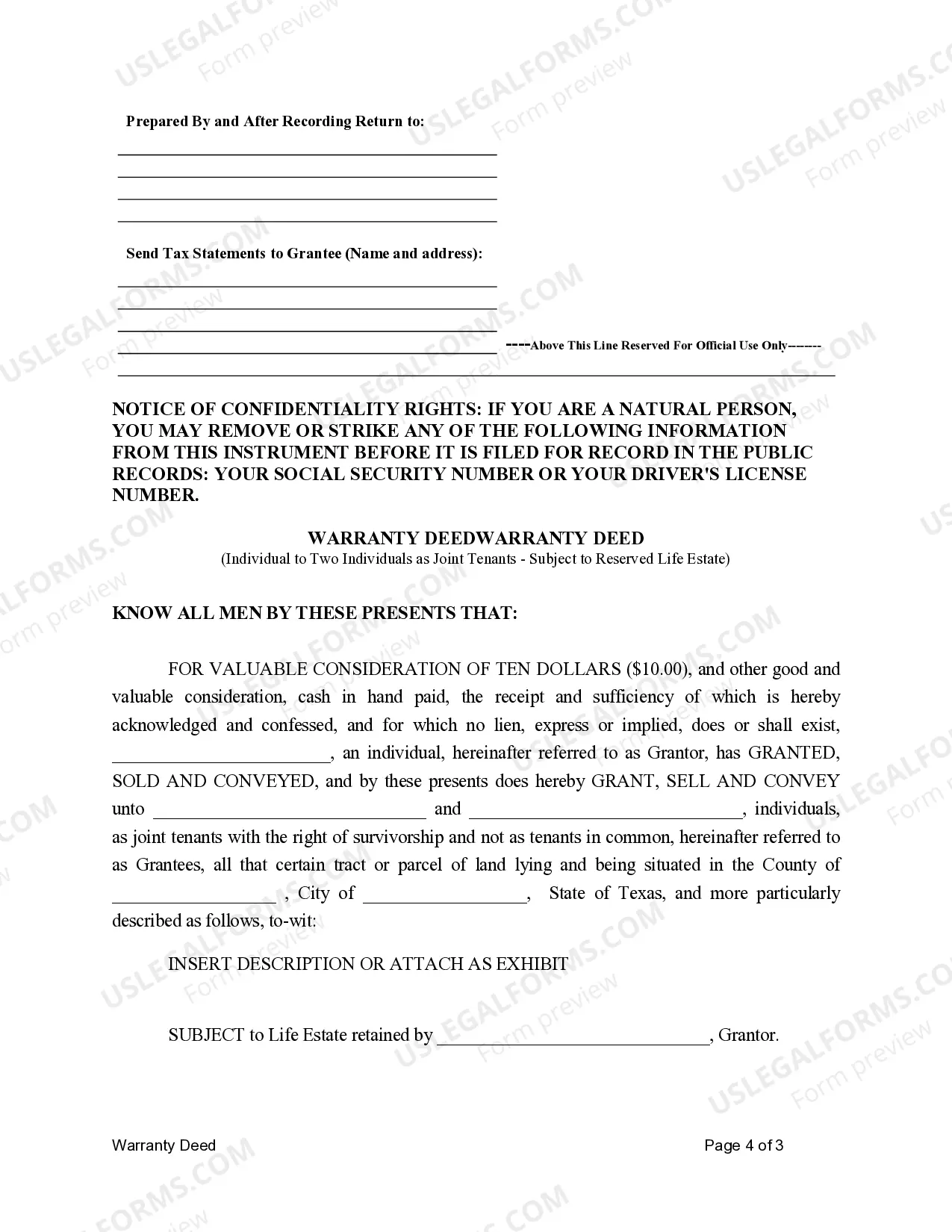
How to fill out Texas Warranty Deed For Individual To Two (2) Individuals As Joint Tenants Subject To Reserved Life Estate?
- If you are a returning user, log in to your account and download the Texas estate form template by clicking the Download button. Ensure your subscription is still valid; if not, renew as per your payment plan.
- For first-time users, begin by exploring the Preview mode to assess the form’s description. Confirm it aligns with your requirements and satisfies your local jurisdiction's standards.
- Should you need another template or spot any inconsistencies, utilize the Search tab at the top to locate the correct document.
- Once you have identified the proper form, click on the Buy Now button and select your desired subscription plan. You will need to create an account to access the full library.
- Finalize your purchase by entering your credit card information or using your PayPal account to complete the subscription process.
- After your payment is processed, download the form directly to your device and access it anytime via the My Forms section of your profile.
Using US Legal Forms, you gain access to a robust collection of forms at competitive prices, along with the option for expert assistance to ensure your document is completed correctly.
Start your journey towards legal empowerment today by exploring the extensive library of US Legal Forms, and ensure you have the right Texas estate form with you.
Form popularity
FAQ
When probating a will in Texas, ensure you have the original will, the death certificate, and proof of identity for the executor. You might also need to provide financial information about the estate and contact details for beneficiaries. By following the Texas estate form with you, you can efficiently gather all necessary documents and navigate through the probate process with ease.
To probate a will, you need essential documents such as the original will, the death certificate, and identification for the executor. Additionally, you may also need to prepare a list of beneficiaries and their contact information. Having these documents readily available will streamline your process, especially when assisted by Texas estate form with you.
In Texas, you will require specific forms, including the Application for Probate, the Will itself, and a Death Certificate. It is also vital to complete and submit the necessary citation to notify all interested parties. Utilizing the Texas estate form with you can help simplify the process, providing you with the appropriate templates and guidance.
To probate a will in Texas, the first step is to file the will with the probate court in the county where the deceased lived. After filing, you will need to provide a death certificate and other necessary paperwork. Next, a hearing will be scheduled to validate the will and appoint an executor. Lastly, you should follow the Texas estate form with you to ensure all guidelines are met for proper estate administration.
No, you do not have to hire an attorney to probate a will in Texas. You can navigate the process using a Texas estate form with you to ensure all necessary documentation is included. While it's feasible to handle it independently, hiring a professional might provide peace of mind, especially for complicated estates.
Yes, you can file probate in Texas without a lawyer, but it may be complex. Utilizing a Texas estate form with you can simplify the process significantly. You must complete the required forms accurately and file them with the court. However, consider seeking guidance if you encounter challenges.
Filling out a small estate affidavit in Texas involves gathering necessary information about the deceased's assets and beneficiaries. This form allows you to bypass probate for smaller estates, typically those below $75,000. You can benefit from a Texas estate form with you to guide you through the specifics of the affidavit. Completing this correctly can significantly expedite the estate settlement process.
In Texas, assets that typically must go through probate include real estate, bank accounts in the deceased's name, and personal property exceeding specific values. However, assets with designated beneficiaries, such as life insurance or retirement accounts, may bypass probate. By utilizing a Texas estate form with you, you can determine which of your assets will require probate and plan accordingly. Effective planning is essential to streamline the process.
A will typically goes to probate in Texas when the estate exceeds the probate threshold and there are assets requiring official distribution. The process helps validate the will and manages the distribution according to your wishes. Choosing a Texas estate form with you can make this process clearer and more manageable. Knowing the specifics can help provide peace of mind for you and your family.
In Texas, an estate generally must be worth over $75,000 for probate to be required if there is a will. If you're dealing with real estate, that threshold could differ as it involves separate considerations. To navigate these regulations effectively, consider using a Texas estate form with you to streamline your understanding and actions. Proper planning can ensure that your estate is handled as smoothly as possible.