Mortgage Holder Lender With Lowest Closing Costs
Description
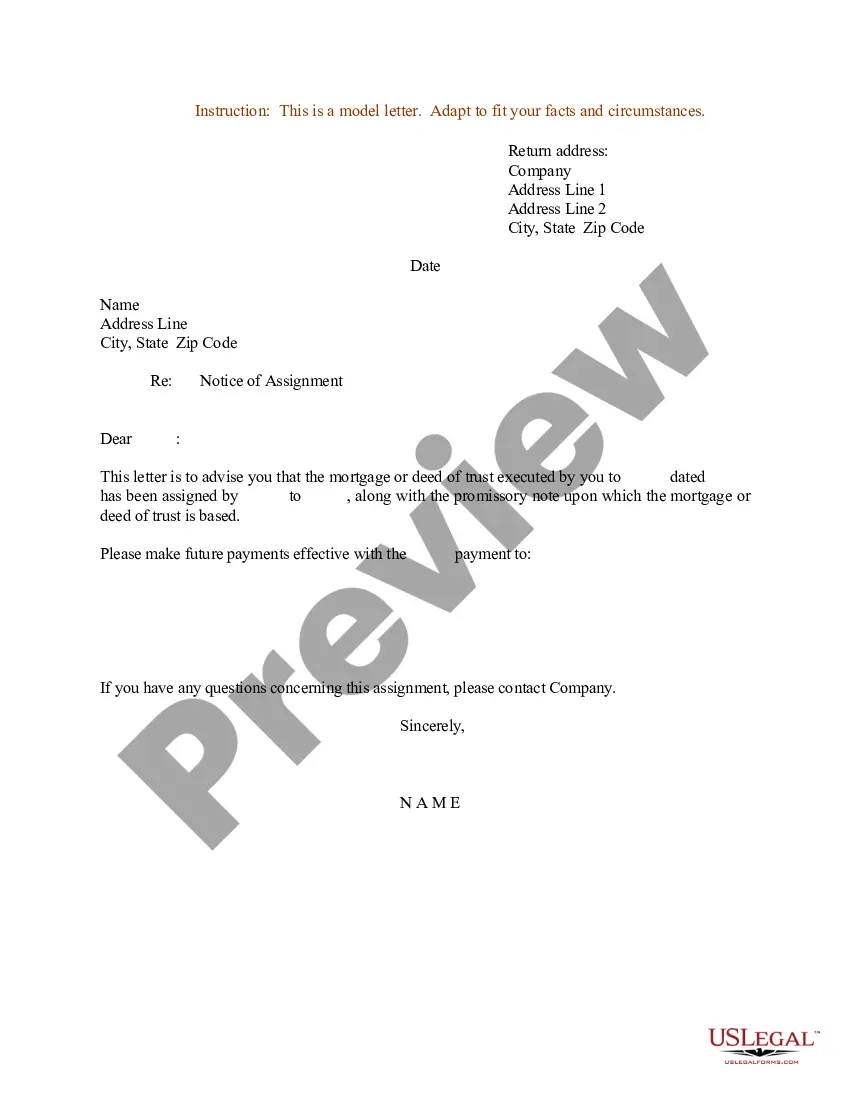
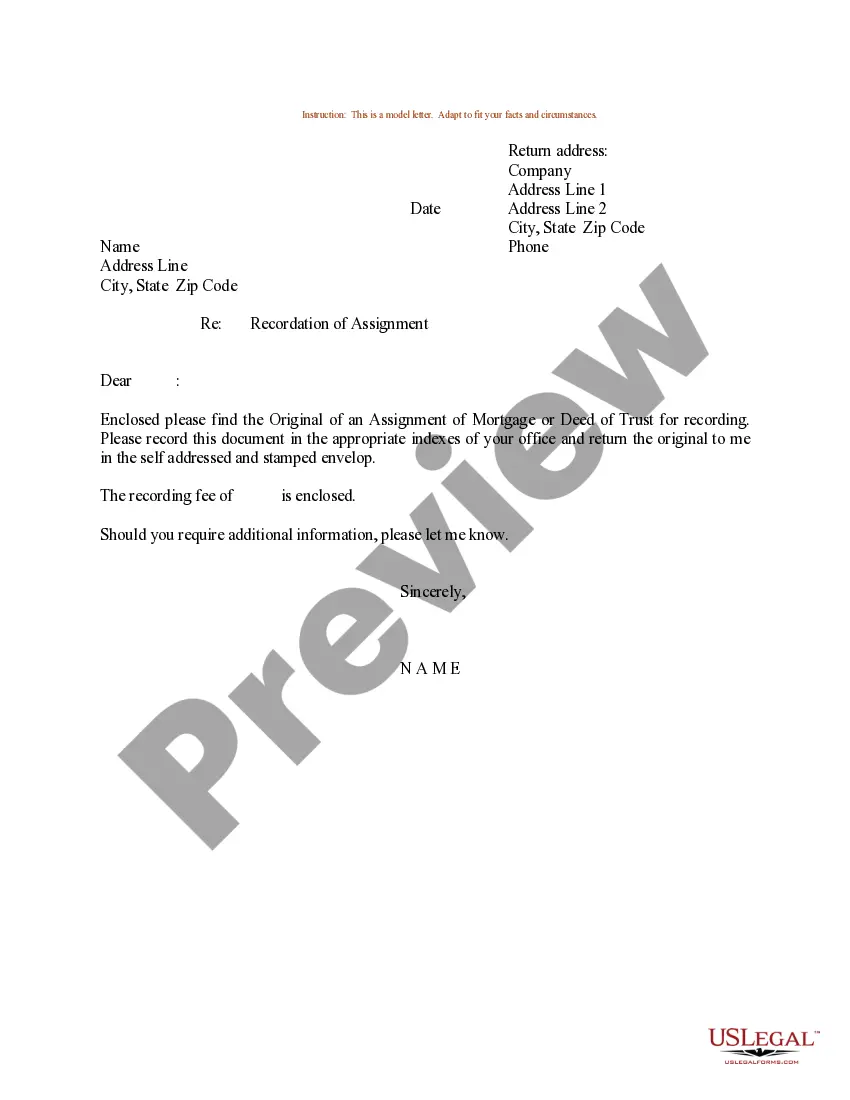
Get your form ready online
Our built-in tools help you complete, sign, share, and store your documents in one place.
Make edits, fill in missing information, and update formatting in US Legal Forms—just like you would in MS Word.
Download a copy, print it, send it by email, or mail it via USPS—whatever works best for your next step.
Sign and collect signatures with our SignNow integration. Send to multiple recipients, set reminders, and more. Go Premium to unlock E-Sign.
If this form requires notarization, complete it online through a secure video call—no need to meet a notary in person or wait for an appointment.
We protect your documents and personal data by following strict security and privacy standards.

Make edits, fill in missing information, and update formatting in US Legal Forms—just like you would in MS Word.

Download a copy, print it, send it by email, or mail it via USPS—whatever works best for your next step.

Sign and collect signatures with our SignNow integration. Send to multiple recipients, set reminders, and more. Go Premium to unlock E-Sign.

If this form requires notarization, complete it online through a secure video call—no need to meet a notary in person or wait for an appointment.

We protect your documents and personal data by following strict security and privacy standards.
Looking for another form?


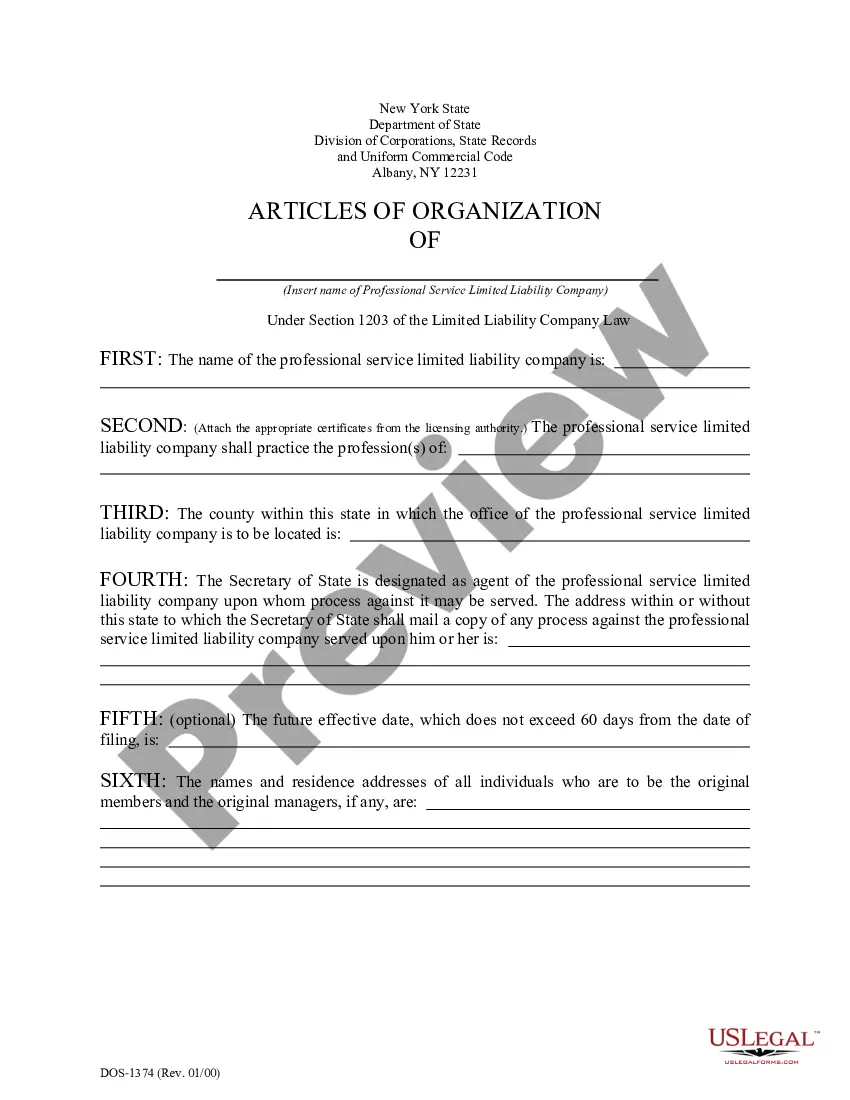


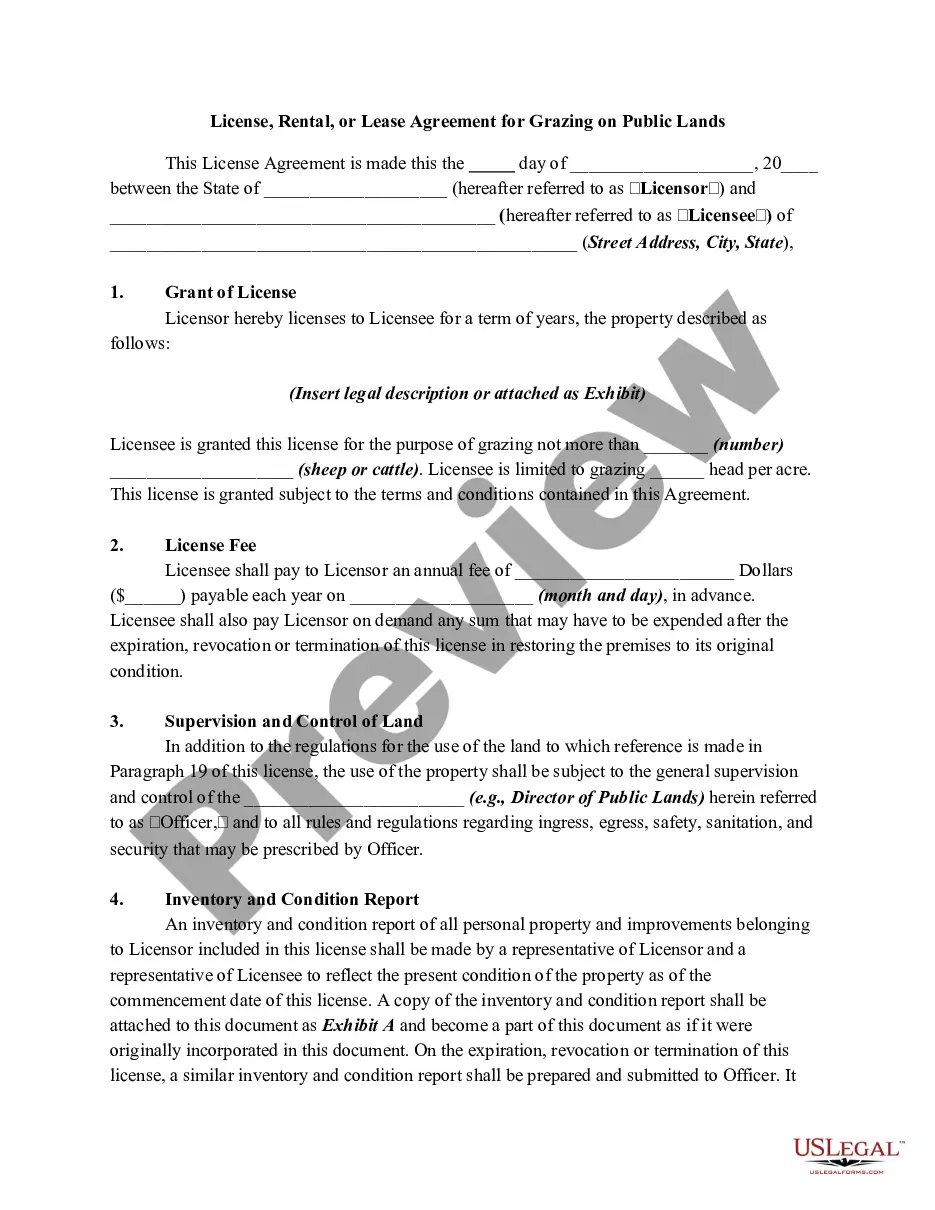



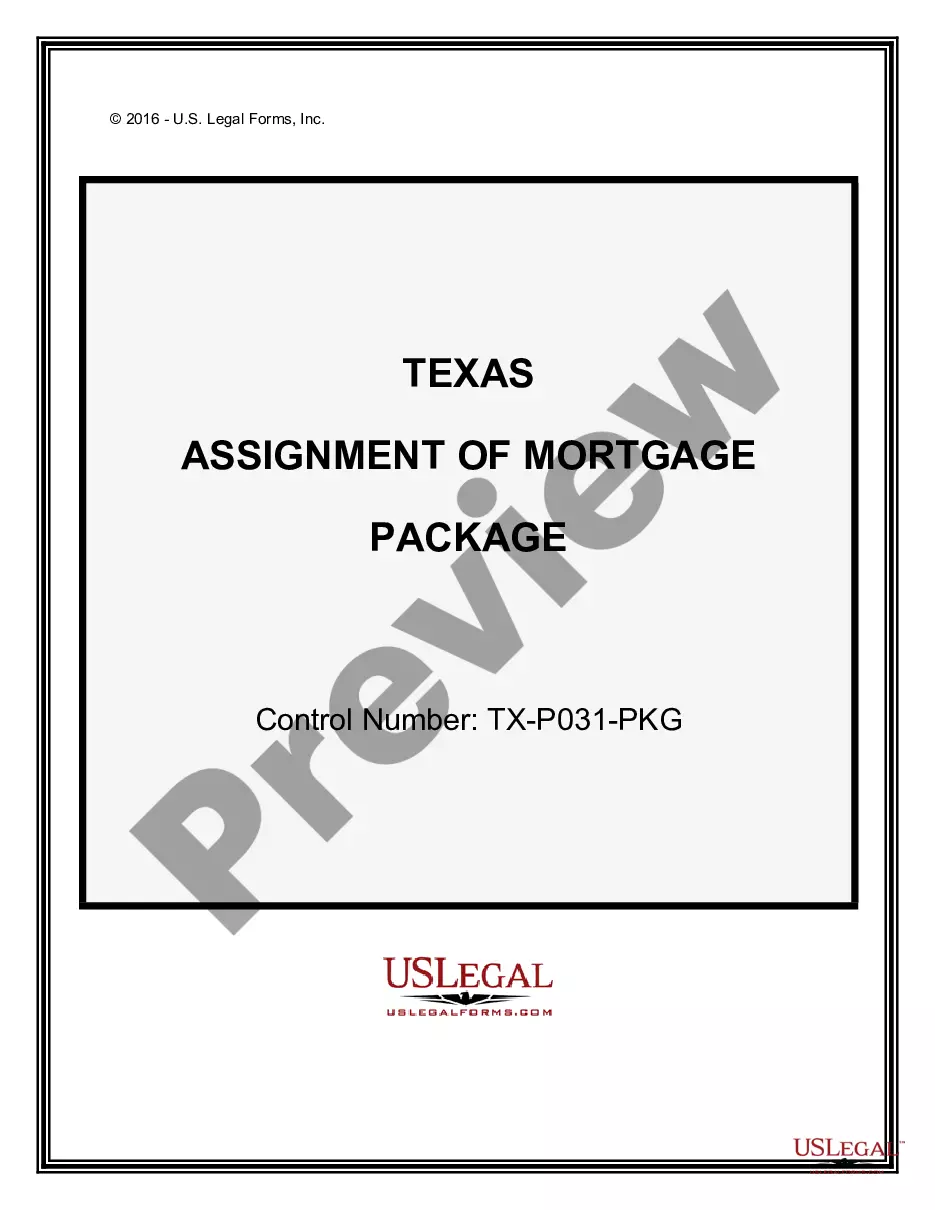
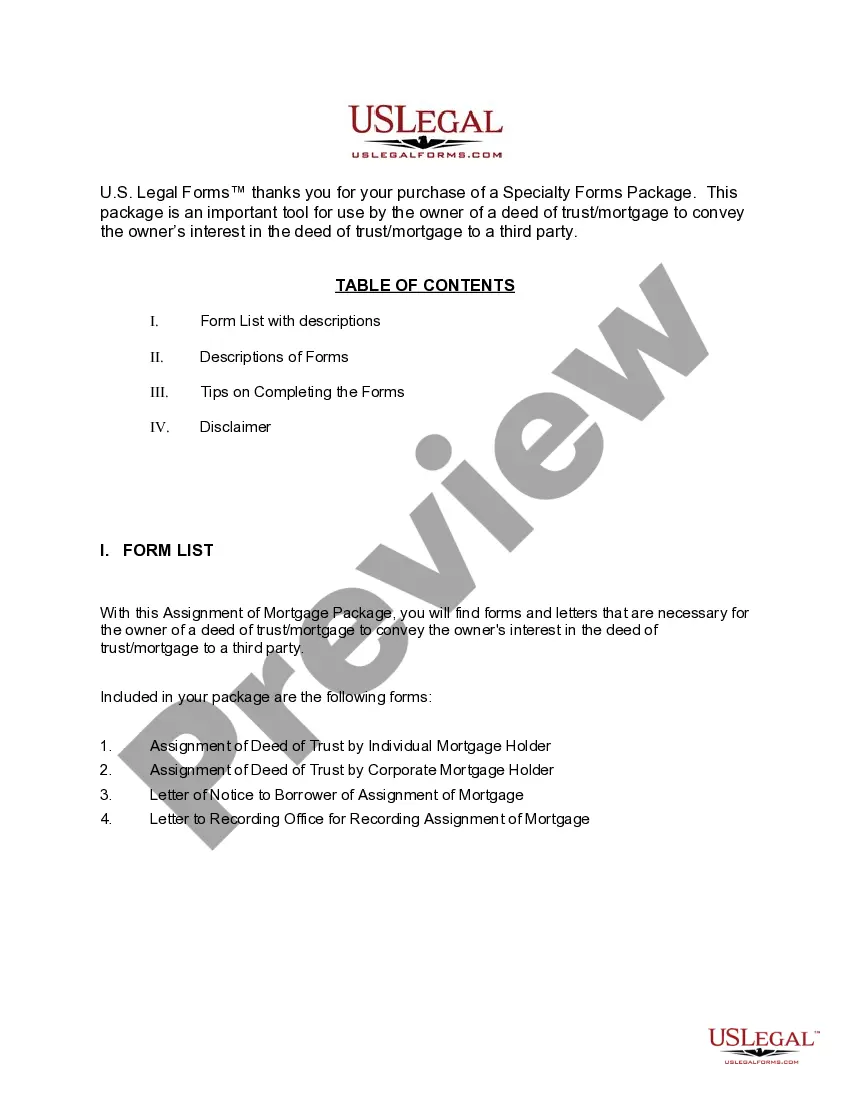
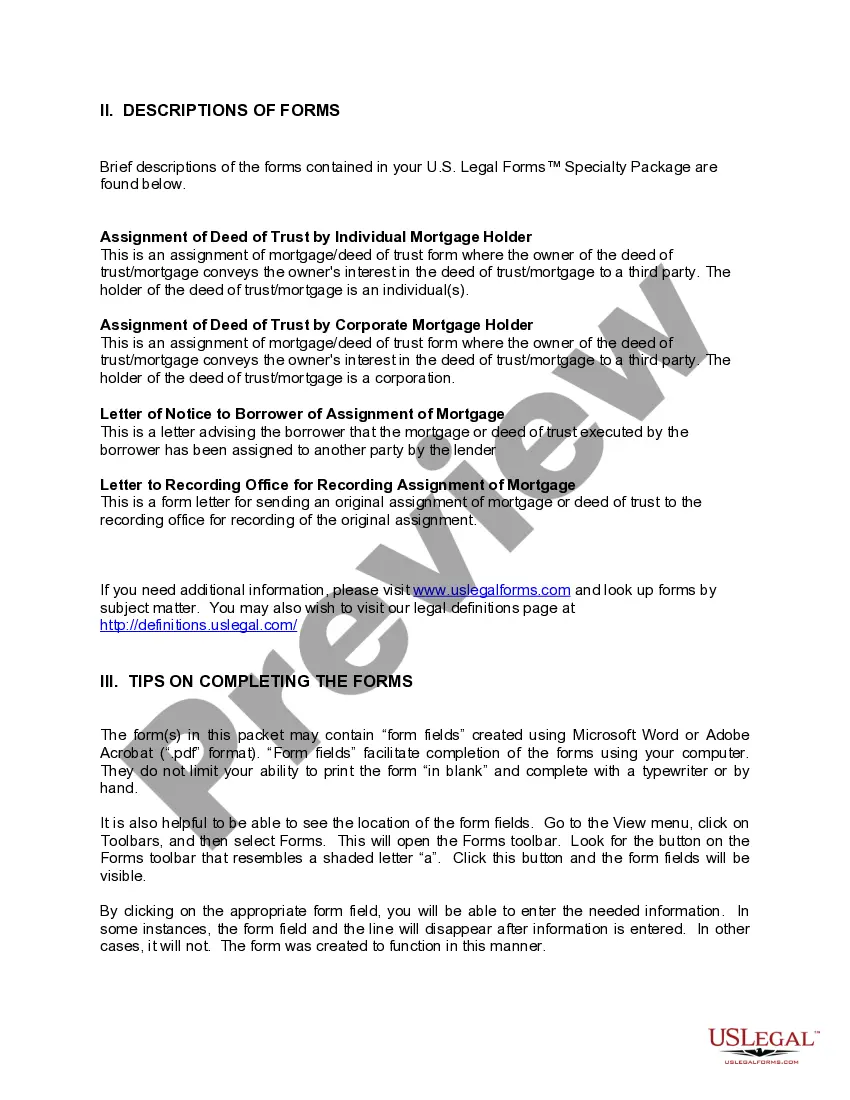
How to fill out Texas Assignment Of Mortgage Package?
Whether for professional reasons or for private matters, everyone eventually has to deal with legal issues at some point in their lives.
Filling out legal paperwork necessitates meticulous consideration, starting with selecting the appropriate form template.
Once downloaded, you can complete the form using editing software or print it to finish it by hand. With an extensive US Legal Forms library available, you need not waste time searching for the correct sample online. Utilize the library’s simple navigation to find the right template for any circumstance.
- For instance, if you choose an incorrect version of the Mortgage Holder Lender With Lowest Closing Costs, it will be rejected when you submit it.
- Thus, it is vital to have a trustworthy source of legal documents like US Legal Forms.
- If you need to acquire a Mortgage Holder Lender With Lowest Closing Costs template, adhere to these straightforward steps.
- Locate the sample you require using the search box or catalog browsing.
- Review the form’s details to confirm it suits your circumstances, location, and county.
- Click on the form’s preview to inspect it.
- If it is not the right document, return to the search tool to find the Mortgage Holder Lender With Lowest Closing Costs template you need.
- Obtain the file once it aligns with your needs.
- If you possess a US Legal Forms account, simply click Log in to access previously stored templates in My documents.
- If you have yet to create an account, you can download the form by clicking Buy now.
- Choose the appropriate pricing option.
- Complete the account registration form.
- Select your payment method: use a credit card or PayPal account.
- Choose the document format you prefer and download the Mortgage Holder Lender With Lowest Closing Costs.
Form popularity
FAQ
Yes, closing costs can often be negotiated, offering you potential savings. When working with mortgage holder lenders with the lowest closing costs, you may have the opportunity to discuss fees and ask for reductions. Being informed and prepared to negotiate can lead to a more favorable outcome, so don’t hesitate to advocate for yourself in these discussions.
If you find that you can't afford closing costs, explore options like negotiating with your lender to reduce these fees. Some lenders, particularly those categorized as mortgage holder lenders with the lowest closing costs, might be willing to offer incentives or credits. Additionally, you may be eligible for assistance programs that help with upfront costs. Investigating these options can alleviate some financial burdens.
To find mortgage holder lenders with the lowest closing costs, consider comparing offers from various lenders. Many online platforms provide tools to give quotes from multiple lenders, making it easier to identify those with the best rates. Competition among lenders often leads to lower fees, so be sure to shop around. Additionally, regional credit unions might offer attractive options worth exploring.
Yes, you can negotiate closing costs with your lender. Many lenders are open to discussions about reducing fees or offering credits to make their services more attractive. By comparing quotes from multiple mortgage holder lenders with the lowest closing costs, you can gain leverage in negotiations. Engaging in this process helps ensure you secure the best possible financial terms for your mortgage.
Closing costs are typically 3% ? 6% of the loan amount. This means that if you take out a mortgage worth $200,000, you can expect to add closing costs of about $6,000 ? $12,000 to your total cost. Closing costs don't include your down payment, but you may be able to negotiate them.
Typically, government-backed loans tend to offer some of the lowest mortgage rates. This includes loans from the Federal Housing Administration (FHA) and the Department of Veterans Affairs (VA). An FHA loan is insured by the federal government, allowing lenders to offer lower rates.
Usually, it is the responsibility of the buyer to pay the closing cost at the end of a real estate deal.
You can generally expect the total to be between 1 and 5% of the price you are paying to buy your home. Payment for closing costs can sometimes be financed with your loan, in which case it will be subject to interest charges. Alternatively, you can pay your closing costs in cash, similar to your down payment.
The key to successfully negotiating with your lender is to have a recent history of on-time payments. If you've made 12 to 24 consecutive payments on time, and you've used your account but shown an ability to control your balances, you'll be well-positioned to ask for a better rate.