Texas V Johnson 1989
Description
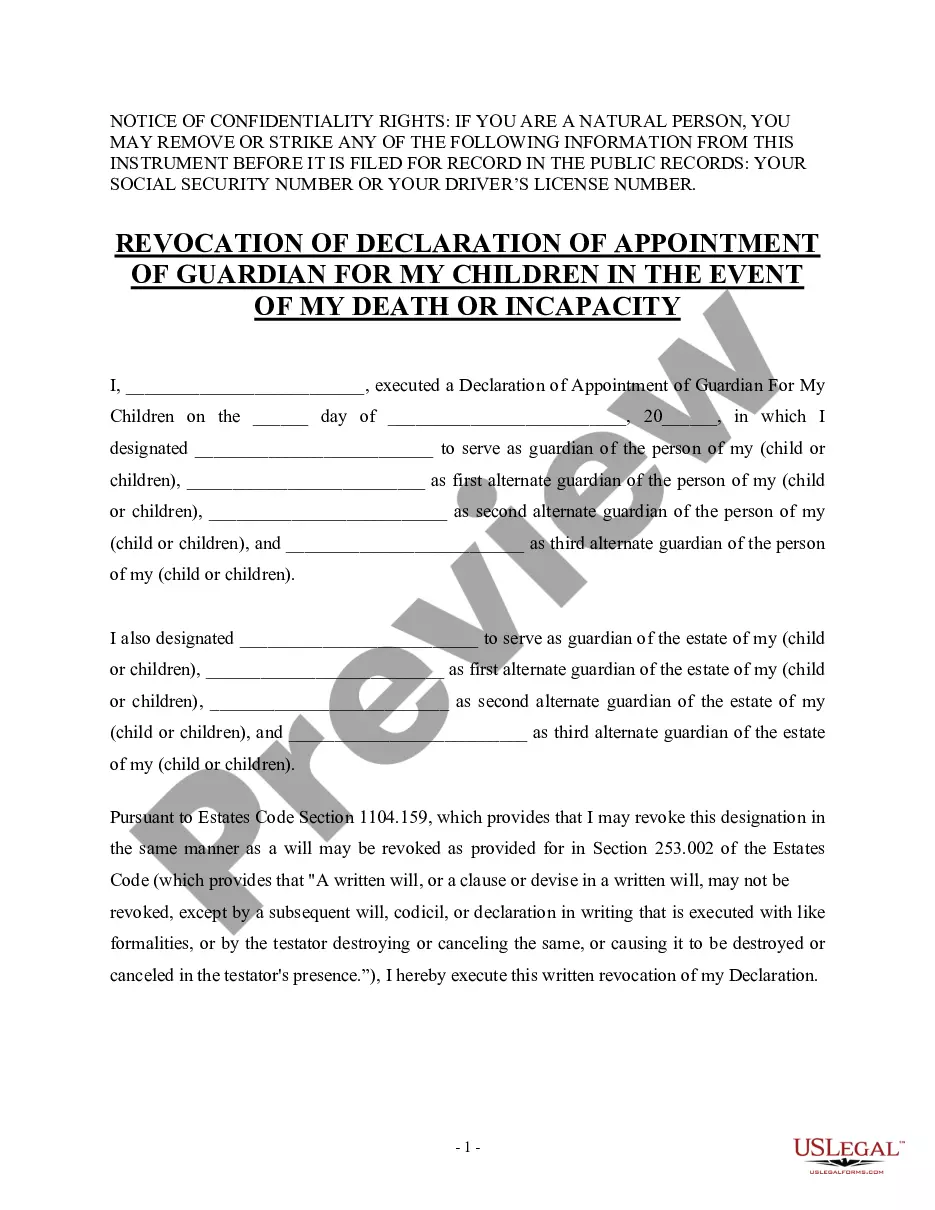
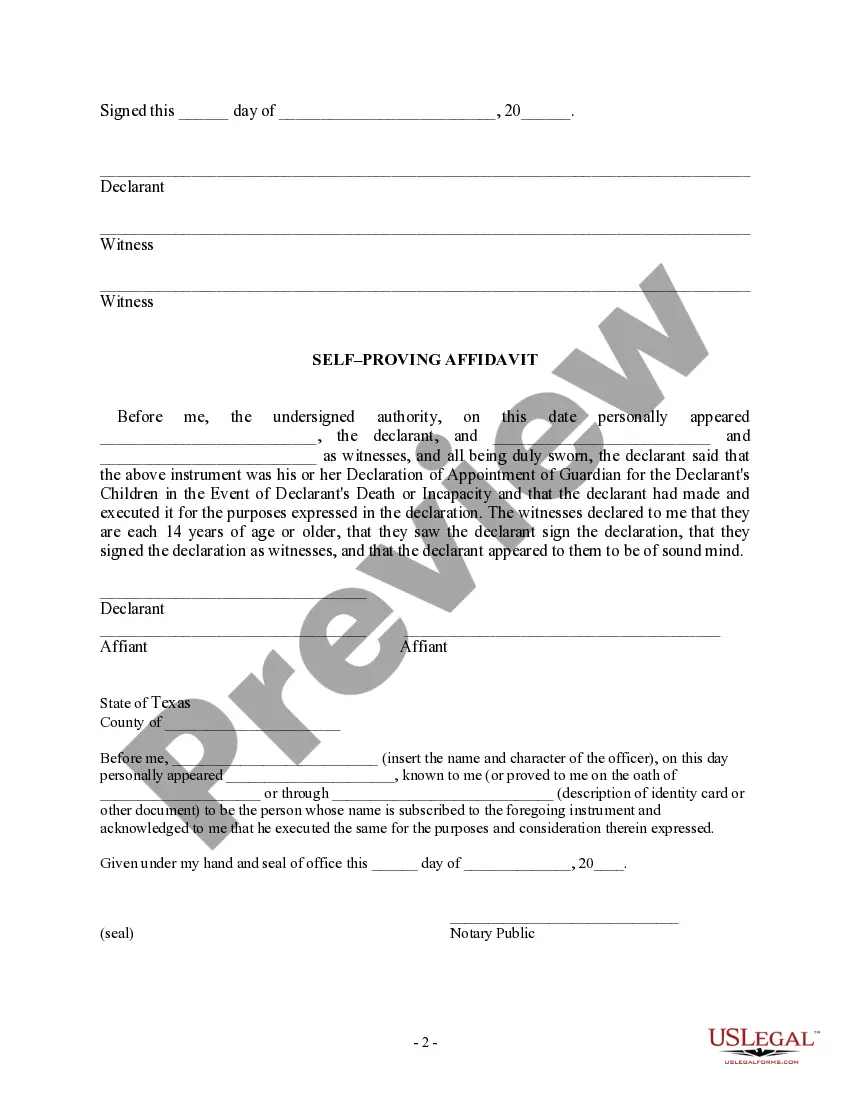
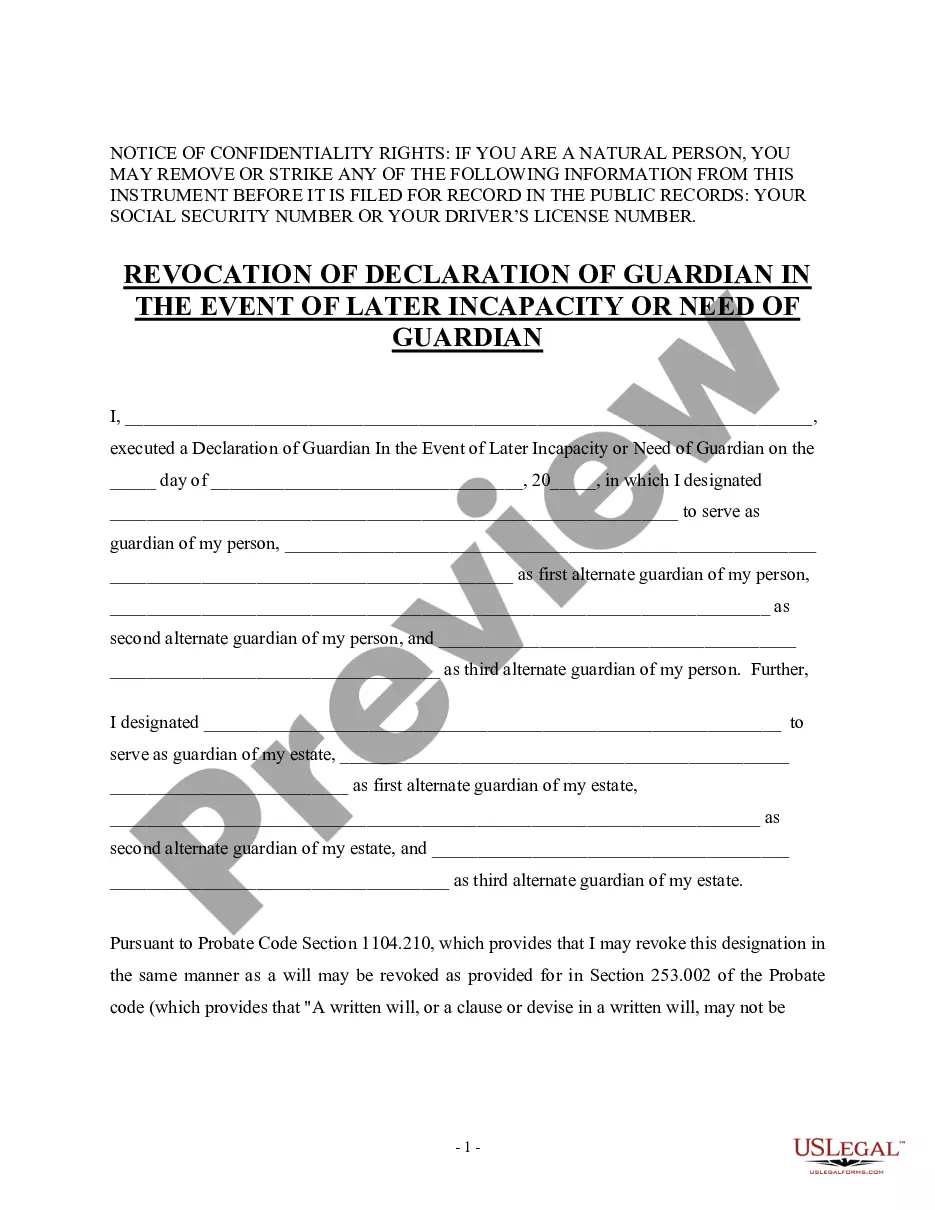
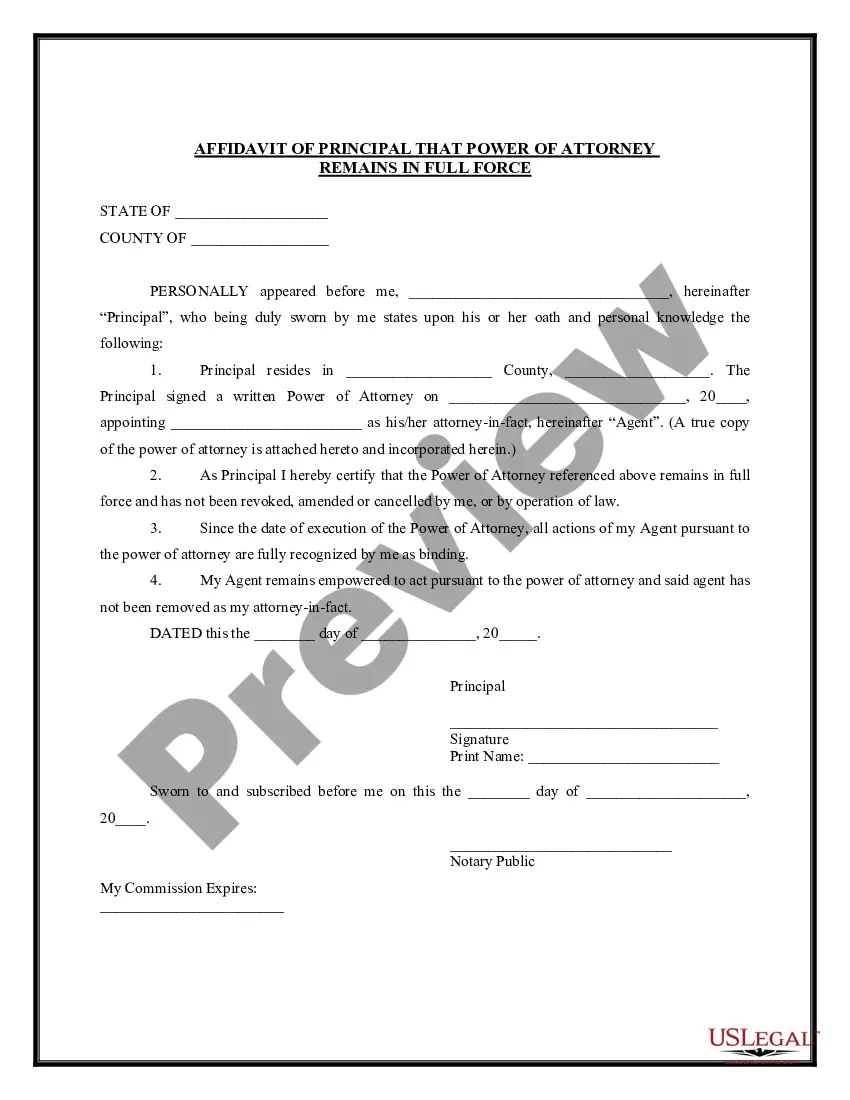
Get your form ready online
Our built-in tools help you complete, sign, share, and store your documents in one place.
Make edits, fill in missing information, and update formatting in US Legal Forms—just like you would in MS Word.
Download a copy, print it, send it by email, or mail it via USPS—whatever works best for your next step.
Sign and collect signatures with our SignNow integration. Send to multiple recipients, set reminders, and more. Go Premium to unlock E-Sign.
If this form requires notarization, complete it online through a secure video call—no need to meet a notary in person or wait for an appointment.
We protect your documents and personal data by following strict security and privacy standards.

Make edits, fill in missing information, and update formatting in US Legal Forms—just like you would in MS Word.

Download a copy, print it, send it by email, or mail it via USPS—whatever works best for your next step.

Sign and collect signatures with our SignNow integration. Send to multiple recipients, set reminders, and more. Go Premium to unlock E-Sign.

If this form requires notarization, complete it online through a secure video call—no need to meet a notary in person or wait for an appointment.

We protect your documents and personal data by following strict security and privacy standards.
Looking for another form?
How to fill out Texas Revocation Of Statutory Declaration Of Appointment Of Guardian For My Child In The Event Of My Death Or Incapacity?
- If you are a returning user, log in to your account and ensure your subscription is current to download the desired form easily.
- For first-time users, start by browsing the available legal forms. Check the preview mode and descriptions to confirm the form fits your local jurisdiction requirements.
- If necessary, use the search feature to find another template that better meets your needs.
- Choose the desired document and click the Buy Now button, selecting the appropriate subscription plan. You will need to create an account to continue.
- Complete your purchase using your credit card or PayPal to finalize your subscription.
- Download your document to your device, and you can also access it in the My Forms section whenever necessary.
Utilizing US Legal Forms has numerous benefits, including access to over 85,000 editable legal forms and packages. This extensive library ensures that you can find accurately vetted documents for any legal situation.
By leveraging US Legal Forms, you empower yourself or your practice to draft legally sound documents quickly. Don't wait—get started today to simplify your legal processes!
Form popularity
FAQ
The significance of Texas v. Johnson as noted in Quizlet resources lies in its demonstration of how freedoms protected by the First Amendment are applied in challenging circumstances. Engaging with this case through Quizlet allows individuals to grasp the complexities of constitutional protections and understand their relevance today. This case emphasizes the enduring values of expression and dissent in American democracy.
The significance of Texas v. Johnson 1989, as highlighted in various educational platforms, such as Quizlet, lies in its examination of First Amendment protections. This case serves as a crucial example for understanding constitutional rights and the limits of governmental power over personal expression. By using interactive study tools, users can engage with the legal principles established in this case, making it easier to grasp its lasting impact.
The final vote in Texas v. Johnson 1989 was 5-4 in favor of Gregory Lee Johnson, the appellant. This narrow margin highlighted the divided opinions on interpretations of the First Amendment. The decision underscored the judicial commitment to protecting individual liberties, despite differing views on symbolic acts like flag burning.
To properly cite the landmark case Texas v. Johnson, you should use the format: Texas v. Johnson, 491 U.S. 397 (1989). This citation includes the case name, the volume number, the reporter series, the page number, and the year of the decision. Accurate citation is important for legal documents and references. If you need help with legal form citations, platforms like USLegalForms can provide the necessary resources.
Yes, flag burning was considered illegal in various contexts prior to the 1989 ruling in Texas v. Johnson. Laws in some states made it a criminal offense to desecrate the flag, leading to several arrests and convictions. However, following the Supreme Court's decision, such laws were struck down as unconstitutional. This landmark ruling clarified that flag burning is a form of protected expression under the First Amendment.
Initially, Joseph Johnson faced criminal charges for burning the American flag during a protest in 1984, which led to a conviction and a punishment of community service. However, following the Supreme Court's ruling in Texas v. Johnson 1989, that conviction was overturned. The Court found that his actions were a form of symbolic speech protected under the First Amendment. Thus, Johnson did not serve time in jail for his flag-burning act.
Under the current law, there is no penalty for burning the American flag due to the landmark Supreme Court decision in Texas v. Johnson 1989. This decision affirmed that flag burning constitutes protected speech under the First Amendment. While many people find flag burning disrespectful, the ruling ensures individuals maintain their right to express dissent. Therefore, any legal penalties related to flag desecration have been deemed unconstitutional.