Land Trust Example For Tennessee
Description
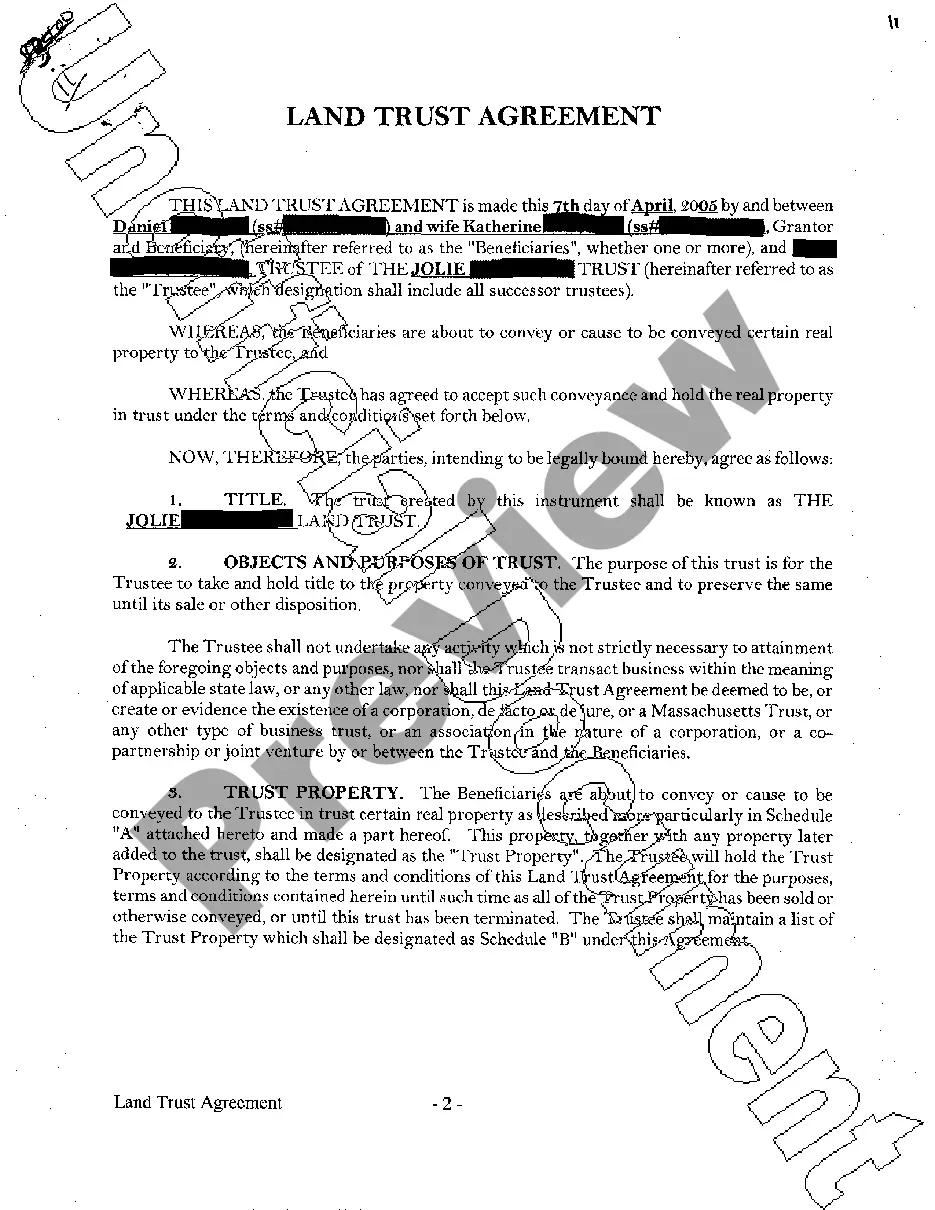
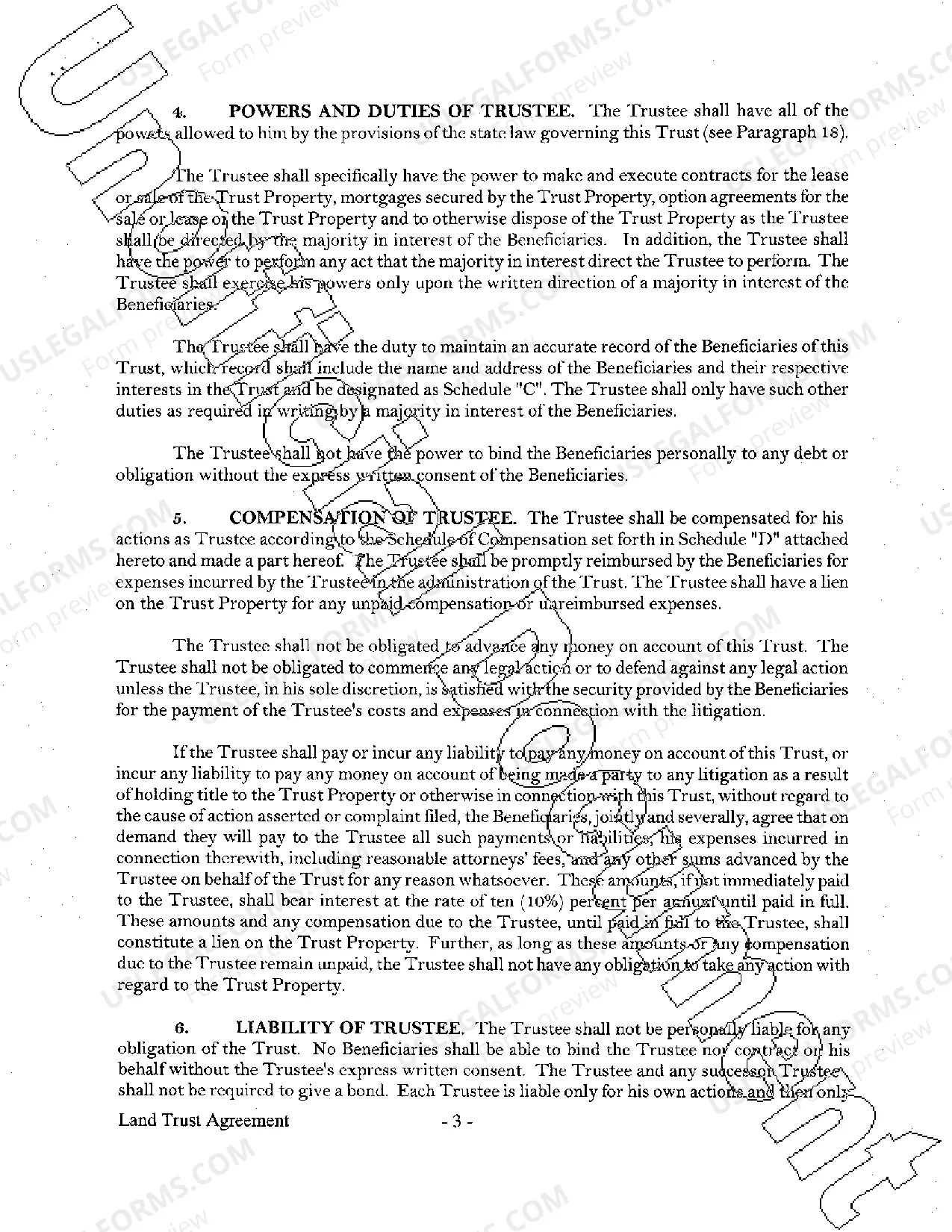
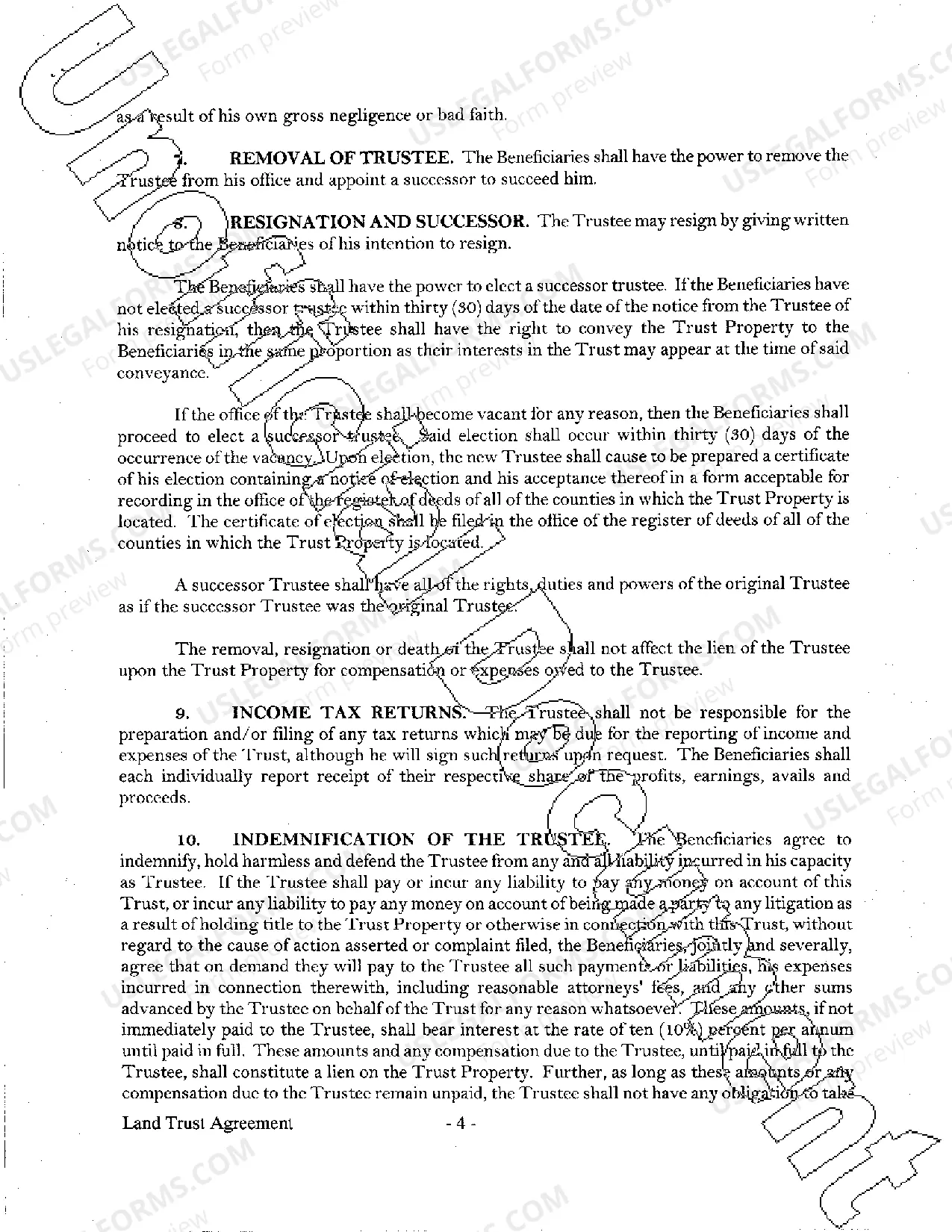
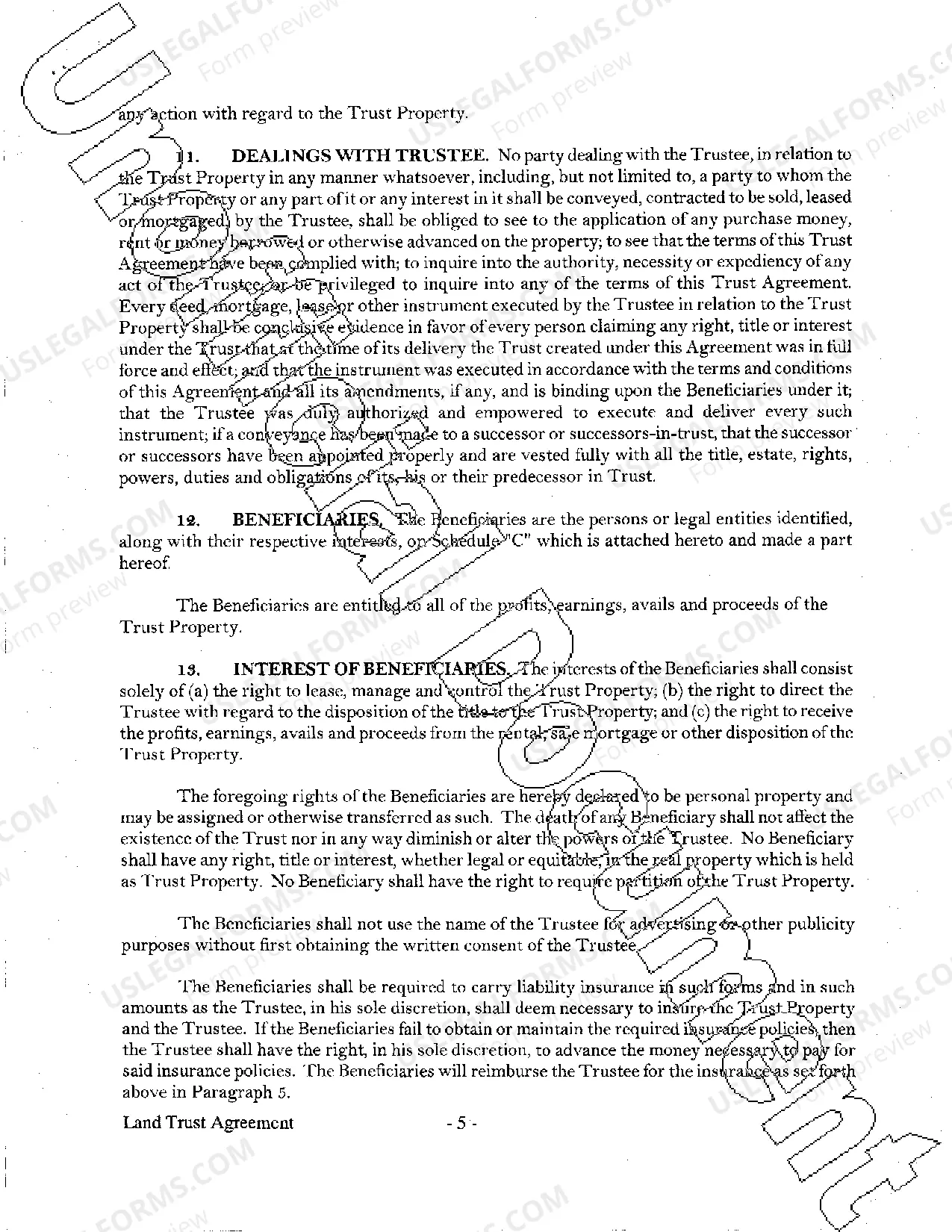
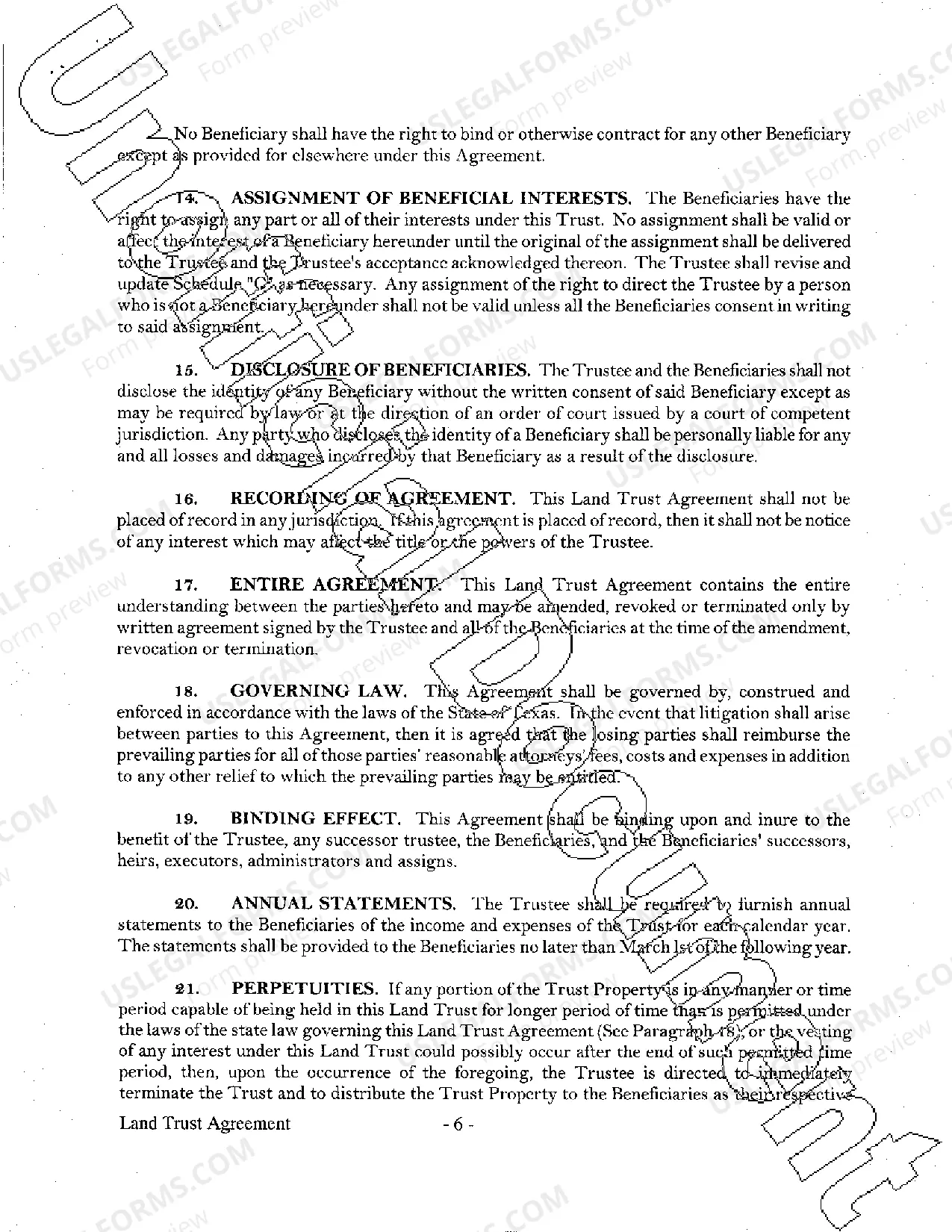
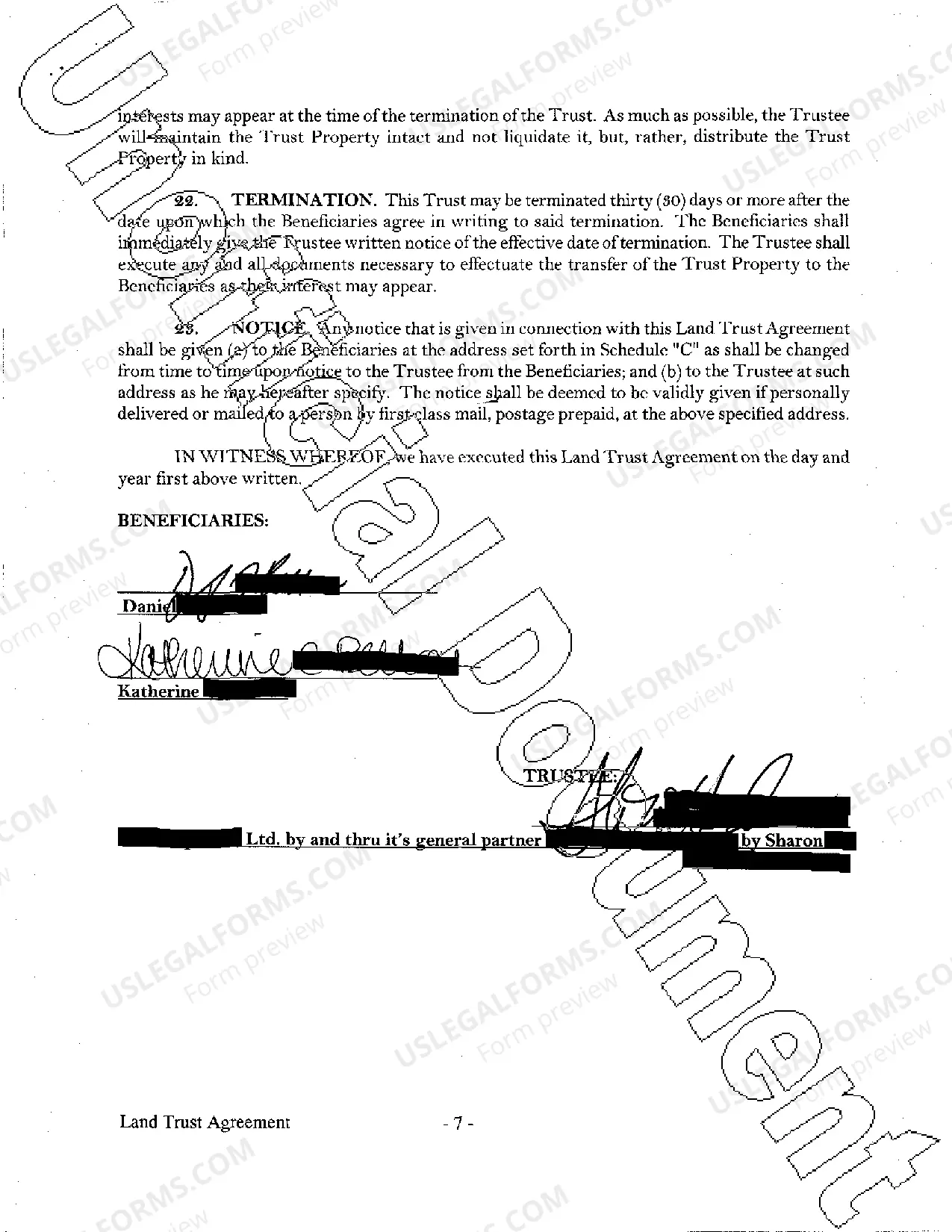
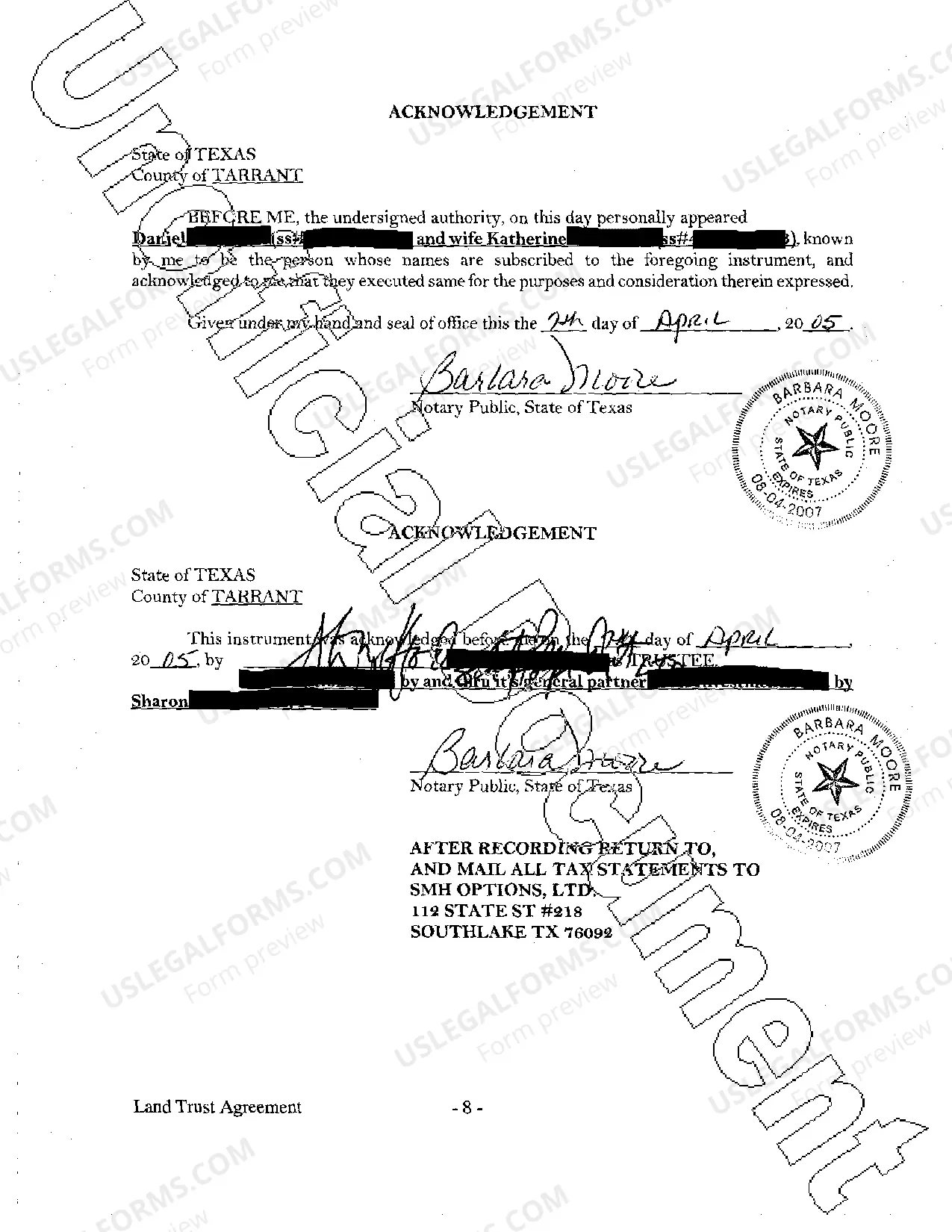
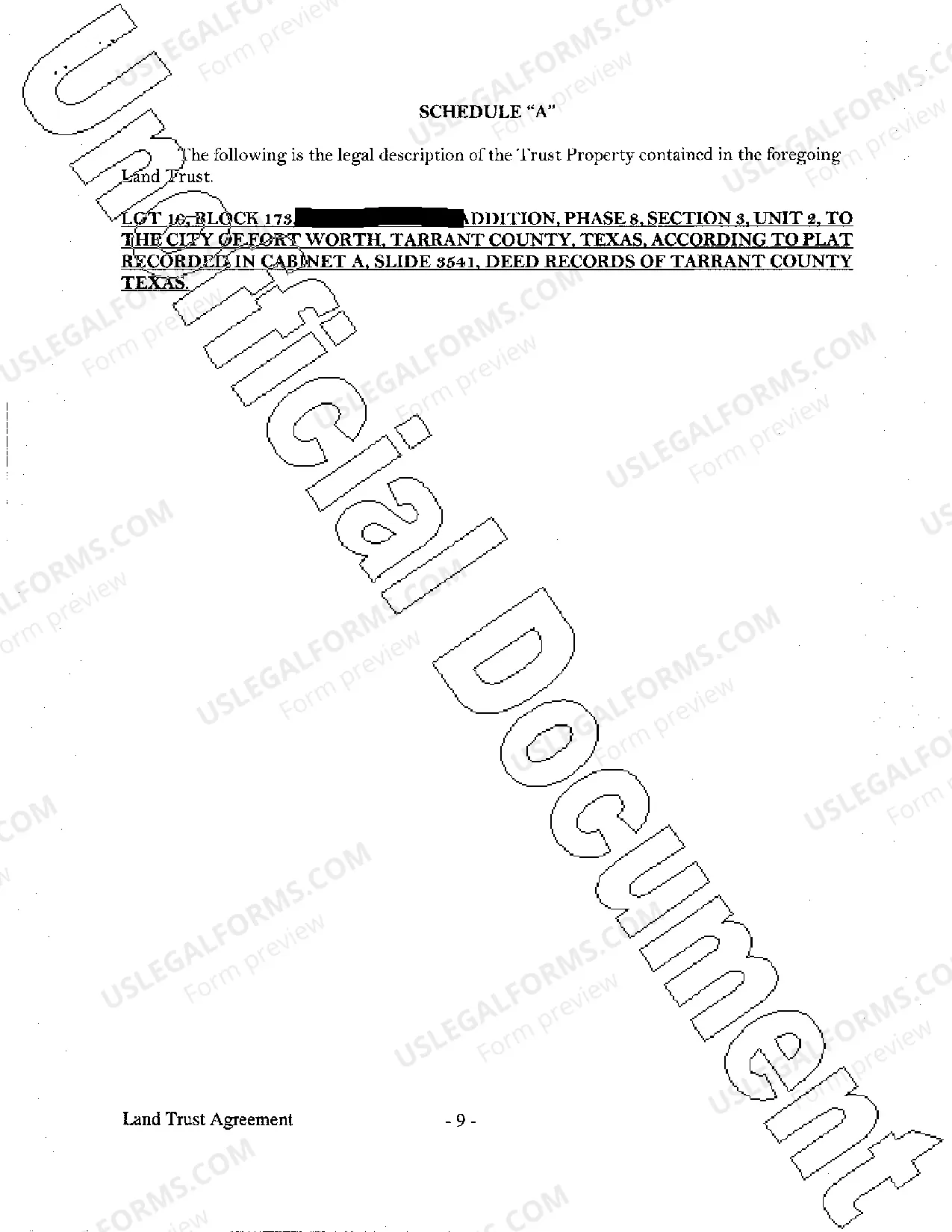

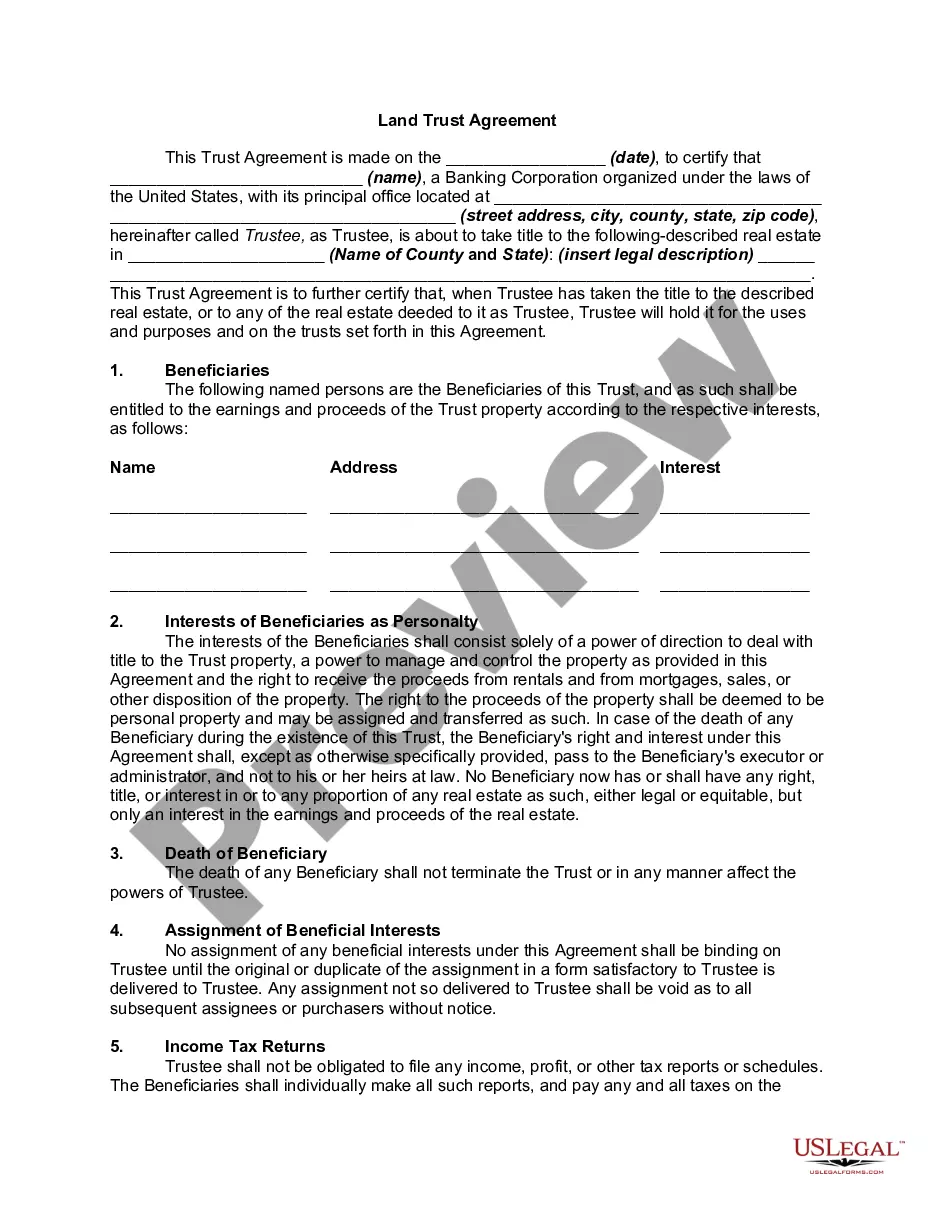
How to fill out Texas Land Trust Agreement?
Managing legal documents and procedures can be a lengthy addition to your schedule.
Land Trust Example For Tennessee and similar forms typically require you to search for them and figure out how to fill them out correctly.
Therefore, whether you are dealing with financial, legal, or personal issues, having a comprehensive and user-friendly online archive of forms readily available will be incredibly beneficial.
US Legal Forms is the premier online platform for legal templates, featuring over 85,000 state-specific forms and various tools to assist you in completing your documents effortlessly.
Simply Log In to your account, find Land Trust Example For Tennessee, and download it directly from the My documents section. You can also access forms you have previously saved.
- Explore the collection of pertinent documents available to you with just a single click.
- US Legal Forms grants you access to state- and county-specific forms readily available for download at any time.
- Safeguard your document handling procedures with a top-notch service that enables you to prepare any form in just minutes without any extra or hidden fees.
Form popularity
FAQ
Putting land in a trust can offer many benefits, such as simplifying the transfer of property and protecting it from probate. A land trust example for Tennessee can help you manage your assets more efficiently while maintaining privacy regarding ownership. This option is often a sound strategy for those looking to secure their land for future generations.
To write up a land trust, you should start by defining the trust's purpose, identifying the beneficiaries, and selecting a trustee. You can use a land trust example for Tennessee as a guide to structure your document properly. Including clear explanations of each party's roles can prevent misunderstandings in the future.
The 2 year rule for trusts in Tennessee refers to the timeline for contesting a trust after its creation. Beneficiaries have two years to challenge the validity of a trust, including land trusts. Understanding this rule helps you plan effectively and ensure your land trust example for Tennessee remains secure from potential disputes.
Yes, you can write your own trust in Tennessee. Many individuals choose to create a land trust example for Tennessee, which allows them to customize their estate plans. However, ensuring that it meets legal requirements is crucial. It may be beneficial to consult with a legal professional to avoid common pitfalls.
In Tennessee, a land trust operates by having a trust fund hold ownership of the land while allowing the original owner to retain certain rights. This arrangement ensures the land is managed according to the trust's goals, such as conservation or community benefit. Individuals interested in utilizing a land trust for their property may find platforms like USLegalForms helpful for navigating the legal requirements.
A notable disadvantage of a land trust involves complexity in setup and management. Individuals may face challenges in understanding the legal obligations and processes associated with creating a land trust example for Tennessee. Additionally, if not managed properly, land trusts may lead to disputes among beneficiaries regarding land use.
The land trust law in Tennessee allows property owners to transfer their real estate into a land trust. This legal framework provides guidelines for the establishment and operation of land trusts, facilitating the protection and conservation of land resources. It also enables property holders to maintain privacy regarding ownership while enjoying tax benefits.
A common land trust example for Tennessee is when individuals form a nonprofit organization to manage their property collectively. In such cases, the trust holds the title to the land, allowing members to benefit from its use while preserving its natural resources. This model helps in promoting sustainable land use and community development.
While trusts offer many benefits, there are some downsides to consider. Setting up a trust can involve initial costs, and some types of trusts may require ongoing management. Additionally, a land trust example for Tennessee may not offer the same tax benefits as other estate planning tools. It's important to weigh these factors and consult with professionals to determine if a trust is right for you.
To place your property in a trust in Tennessee, start by choosing the type of trust that fits your needs. You may consider a land trust, which is a great land trust example for Tennessee. Consult with a legal professional to draft the trust document and ensure it meets state requirements. Finally, transfer the property title to the trust, which can protect your assets and provide privacy.