Land Trust Example For Santa Barbara County
Description
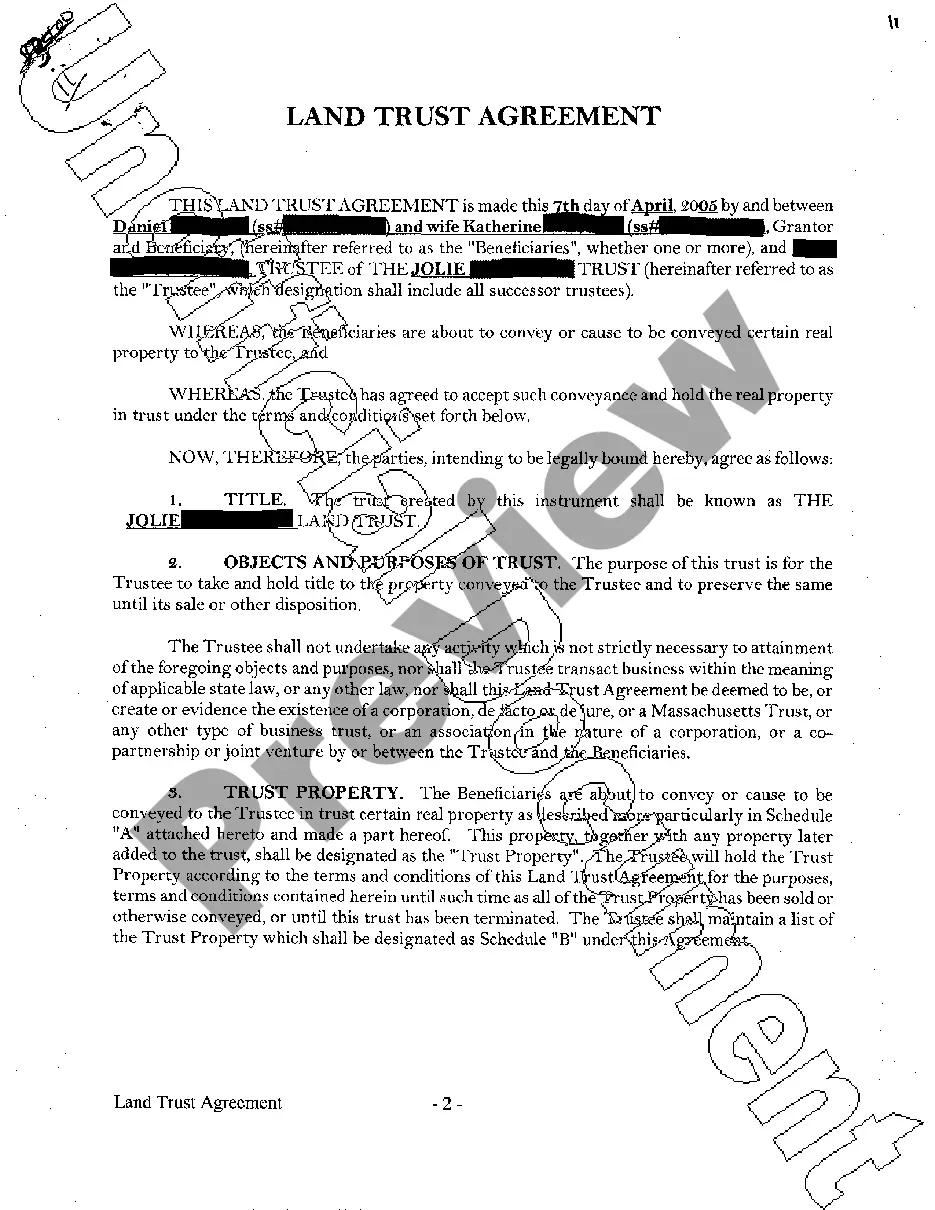
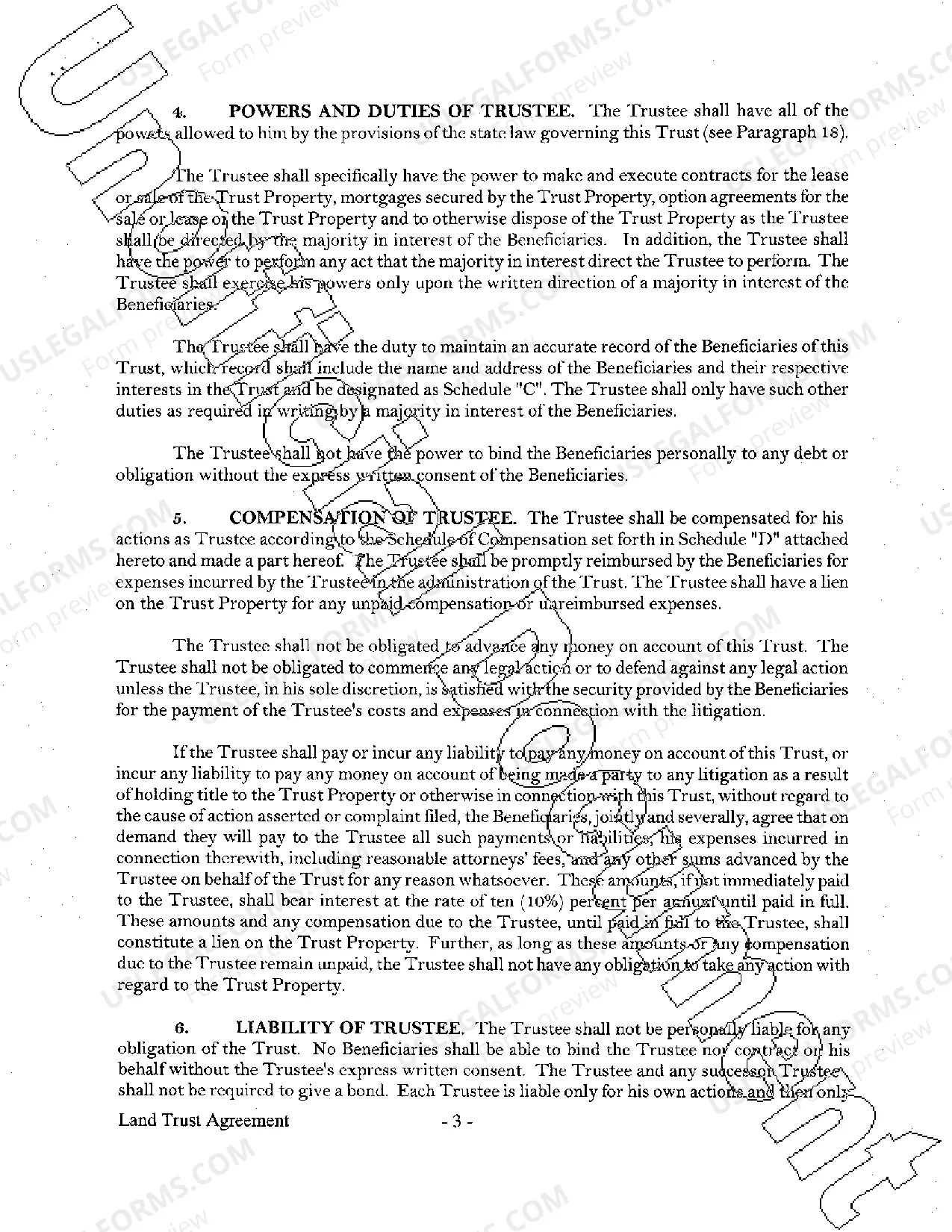
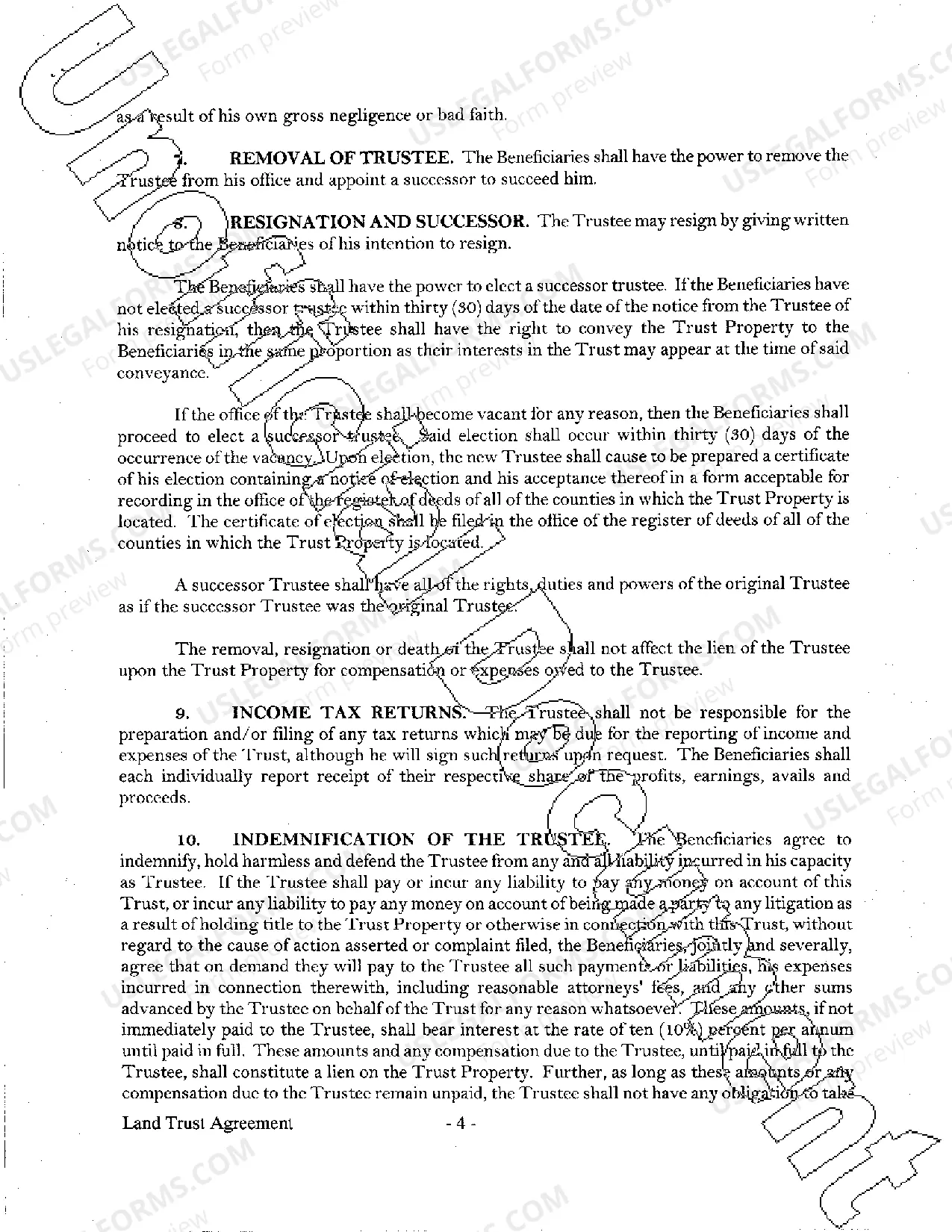
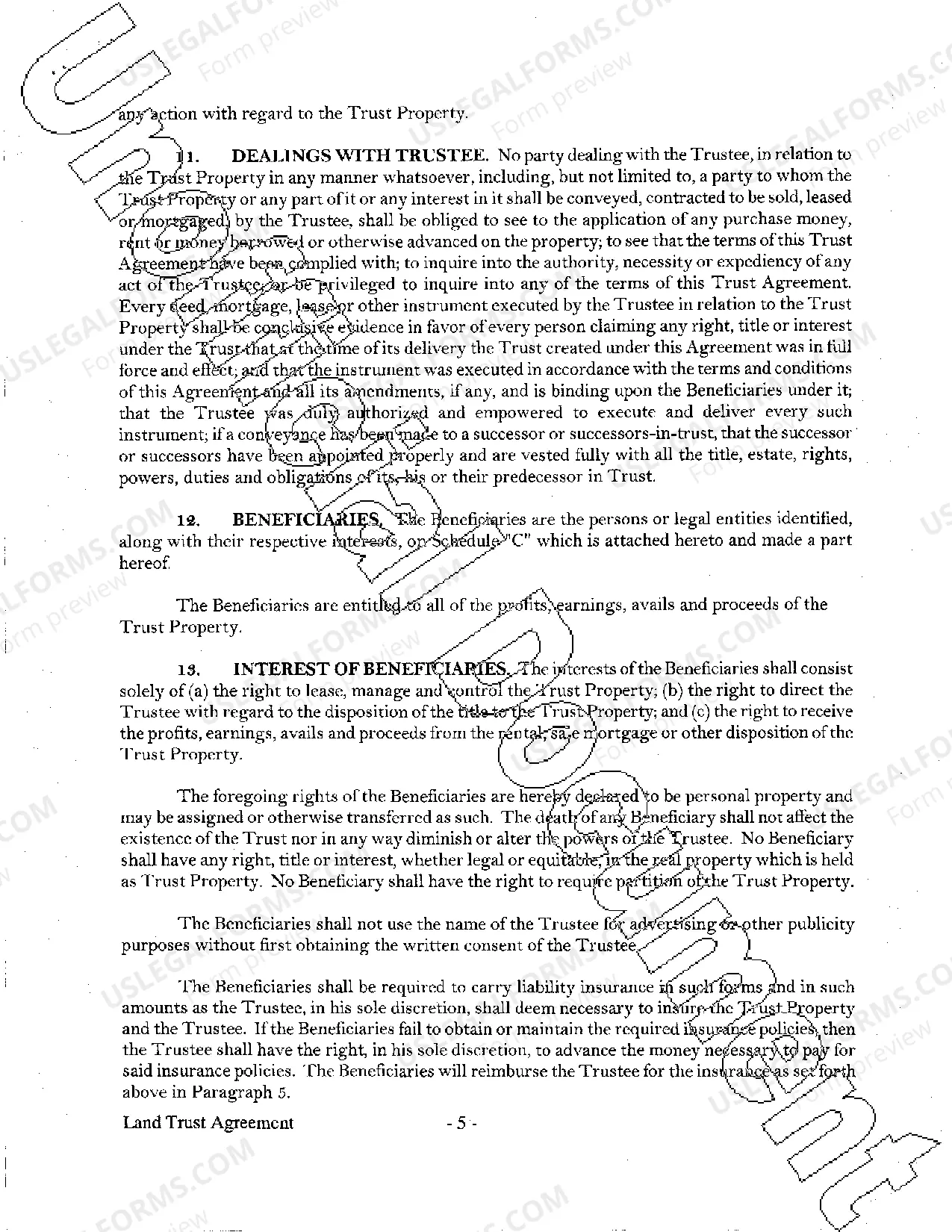
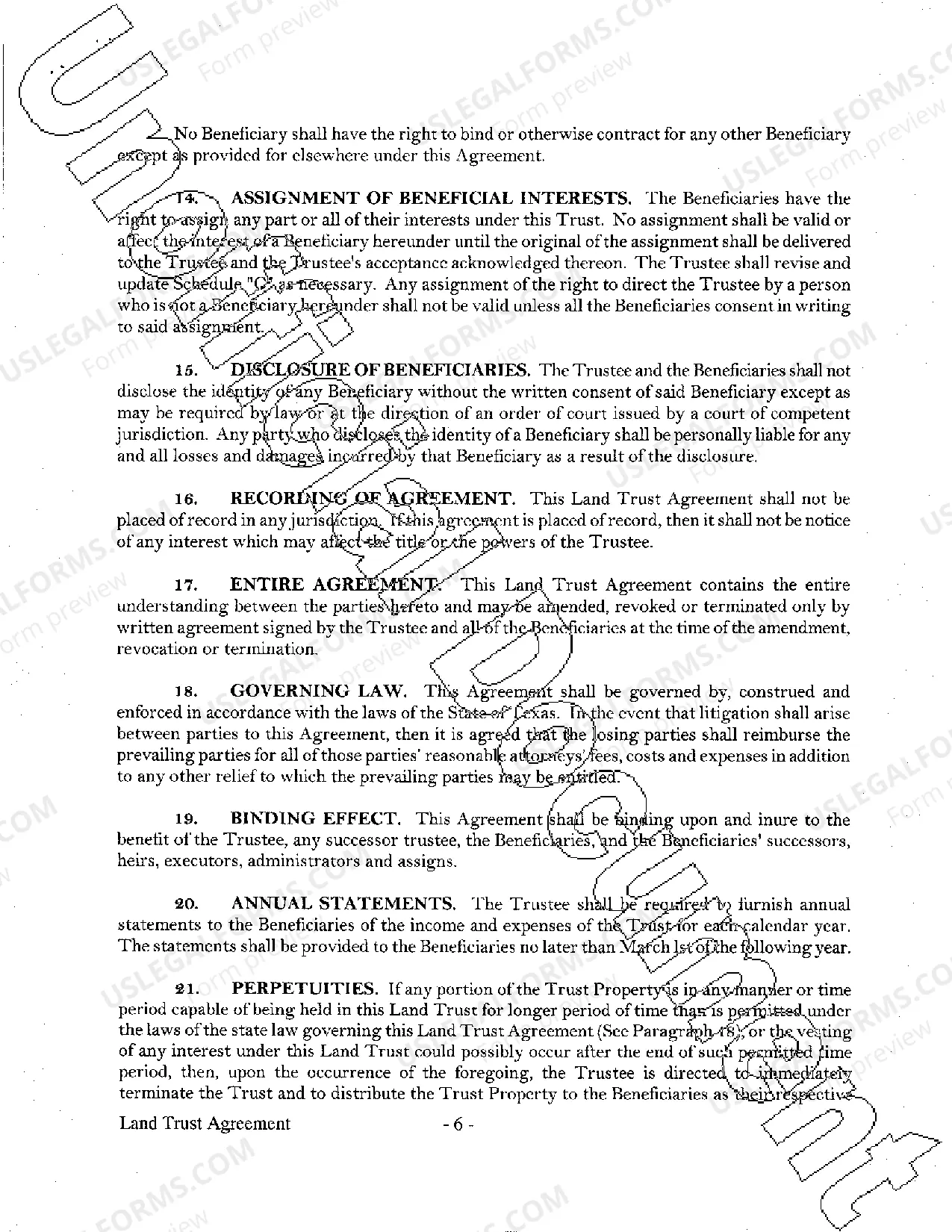
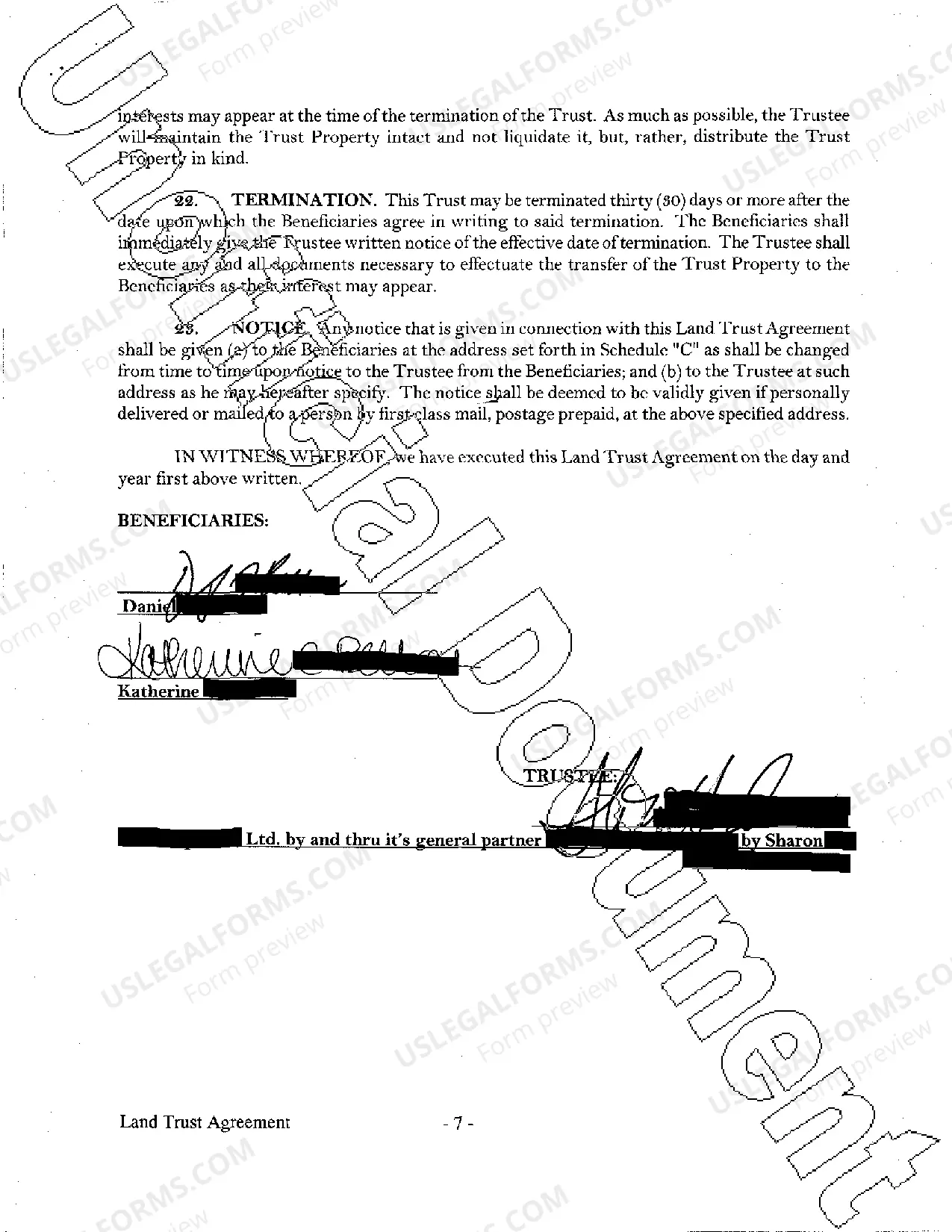
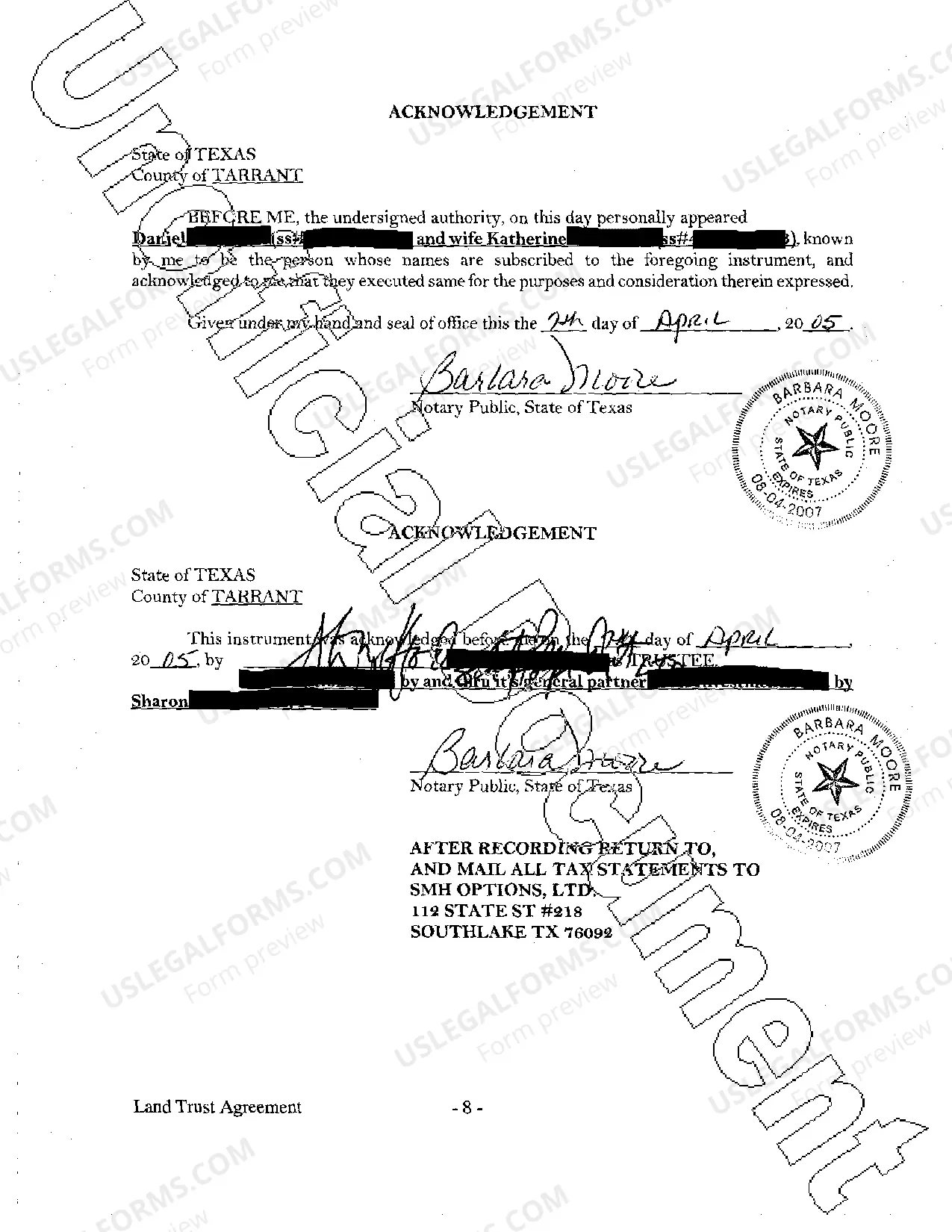


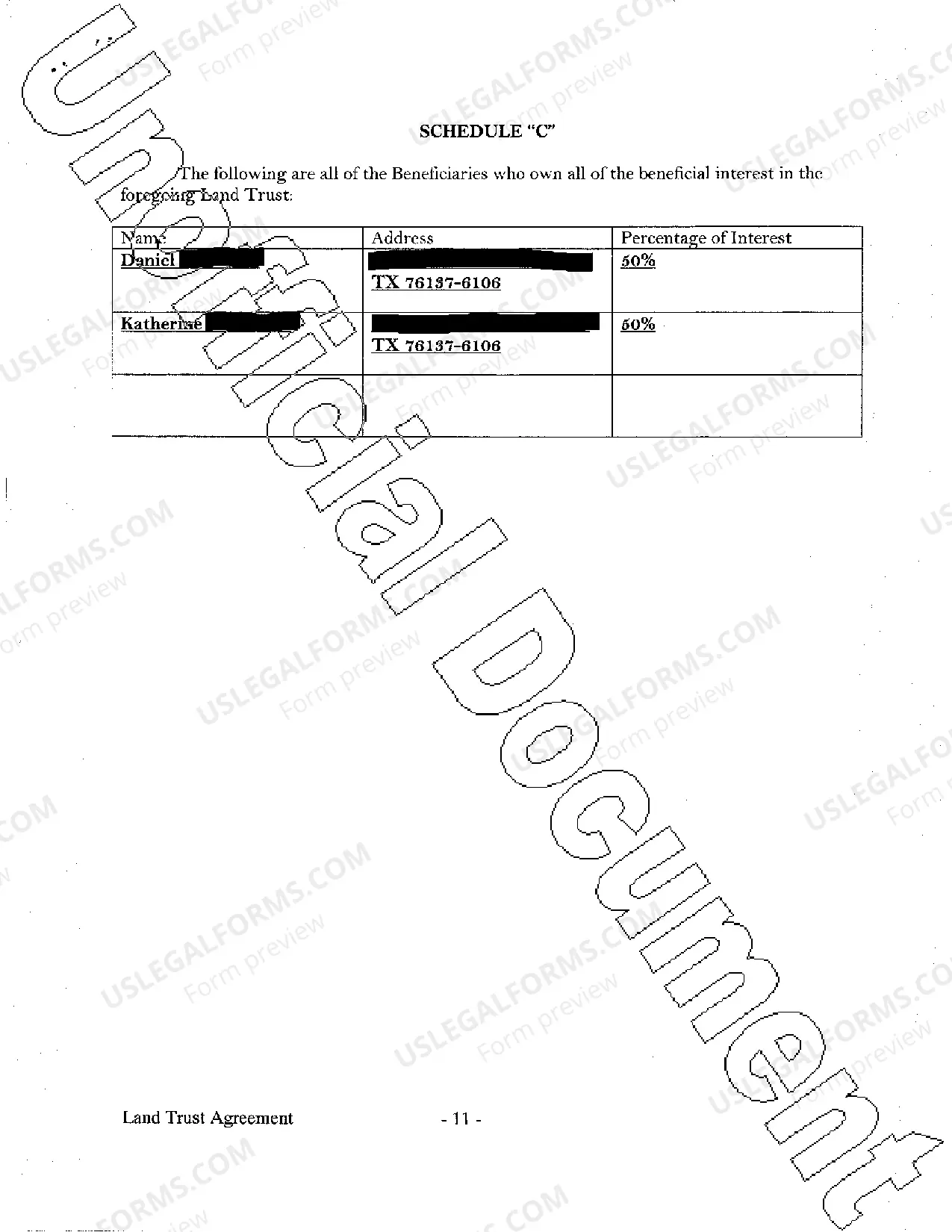








How to fill out Texas Land Trust Agreement?
Managing legal documents can be exasperating, even for the most experienced individuals.
When you need a Land Trust Example For Santa Barbara County and lack the time to seek out the suitable and current version, the tasks may become stressful.
Use cutting-edge tools to complete and oversee your Land Trust Example For Santa Barbara County.
Tap into a valuable resource repository filled with articles, guides, manuals, and materials pertinent to your situation and needs.
Review your selection for accuracy by previewing it and reading its description prior to purchasing.
- Conserve time and minimize effort in locating the documents you need, and utilize US Legal Forms’ sophisticated search and Review feature to find Land Trust Example For Santa Barbara County and acquire it.
- If you hold a membership, Log In to your US Legal Forms account, locate the form, and obtain it.
- Visit the My documents section to check the documents you have previously saved and manage your folders as you wish.
- If you are new to US Legal Forms, create a free account to gain unlimited access to all the resources available in the library.
- After obtaining the necessary form, follow these steps.
- Implement a comprehensive web form collection that may significantly enhance the management of these circumstances.
- Access state-specific or county-specific legal and business documents through US Legal Forms.
- Cover all your requirements, from personal to business paperwork, conveniently in one location.
Form popularity
FAQ
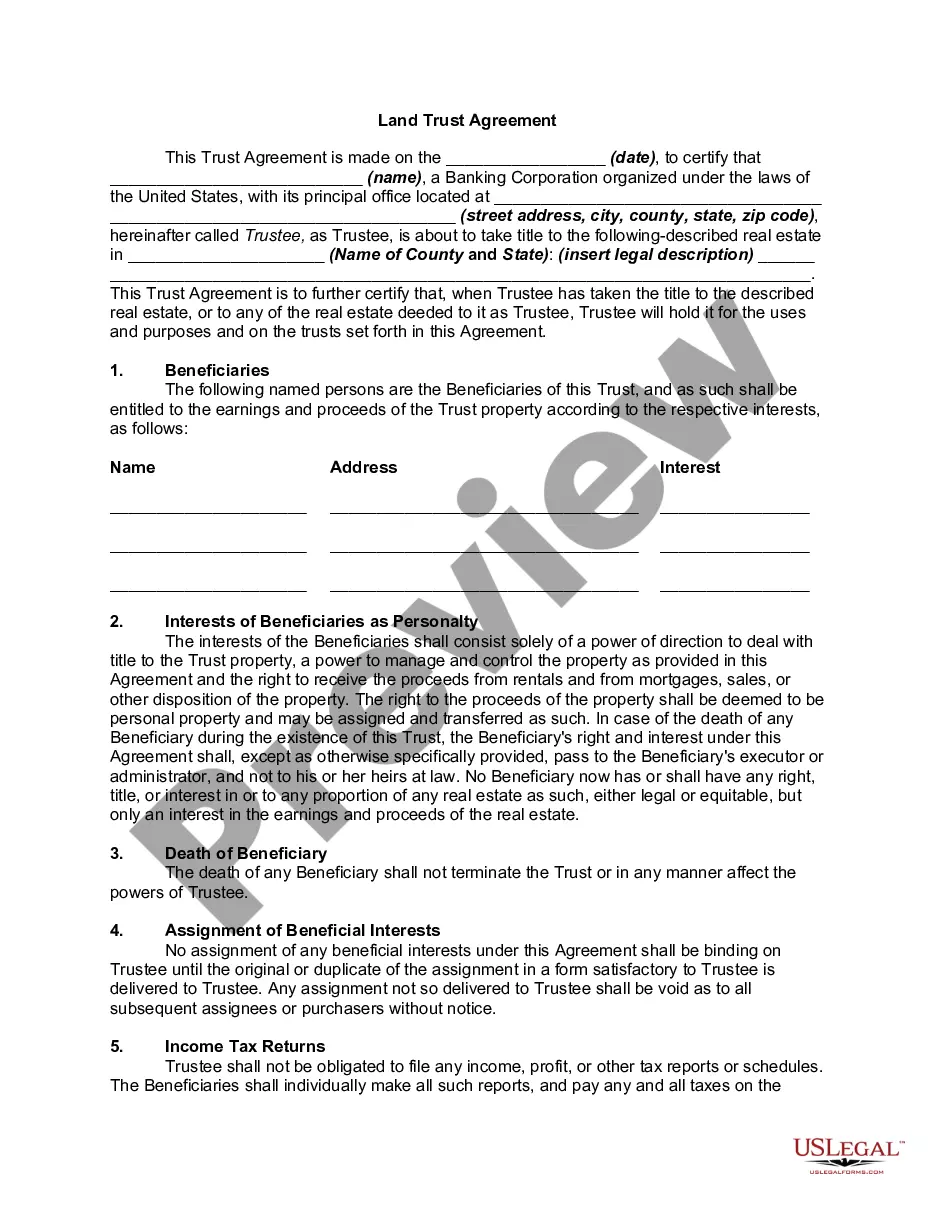
To put your land into a trust, you first need to create the trust document that outlines the terms and beneficiaries. After that, you must transfer the title of the land to the trust. This process generally involves filling out a new deed and filing it with the county recorder's office. For a clear, effective approach tailored specifically for Santa Barbara County, you can explore a land trust example for Santa Barbara County.
Creating a trust format involves drafting a document that outlines the key components of your trust, such as the trustee, beneficiaries, and the property involved. You should also detail the terms under which the trust will operate. For a trustworthy and comprehensive land trust example for Santa Barbara County, explore US Legal Forms. Their resource library can help you design a trust format that meets legal requirements and suits your unique situation.
To write up a land trust, begin by clearly identifying the property you wish to place in the trust. Next, outline the roles of the trustee and the beneficiaries, ensuring you specify their rights and responsibilities. You can also include instructions for the management and distribution of the property. For a solid land trust example for Santa Barbara County, consider using a user-friendly platform like US Legal Forms, which provides templates and guidance tailored to your needs.
Yes, California recognizes land trusts and has numerous established organizations dedicated to land conservation. A land trust example for Santa Barbara County exists within a framework of legislation that supports the establishment and operation of these trusts. This framework helps ensure that land trusts effectively protect vital landscapes and promote sustainable land use throughout the state.
The downside of a land trust often revolves around restrictions on land use. For example, in a land trust example for Santa Barbara County, the landowner may have to adhere to specific conservation guidelines that limit development options. While these restrictions align with conservation goals, they may not suit every landowner’s long-term plans.
One disadvantage of setting up a land trust is the potential for loss of control over the property, as the land trust takes on the responsibility for managing it. In the context of a land trust example for Santa Barbara County, this means that once a trust acquires the land, the original owner may have limited say in how that land is used. Additionally, there can be upfront costs associated with establishing a trust.
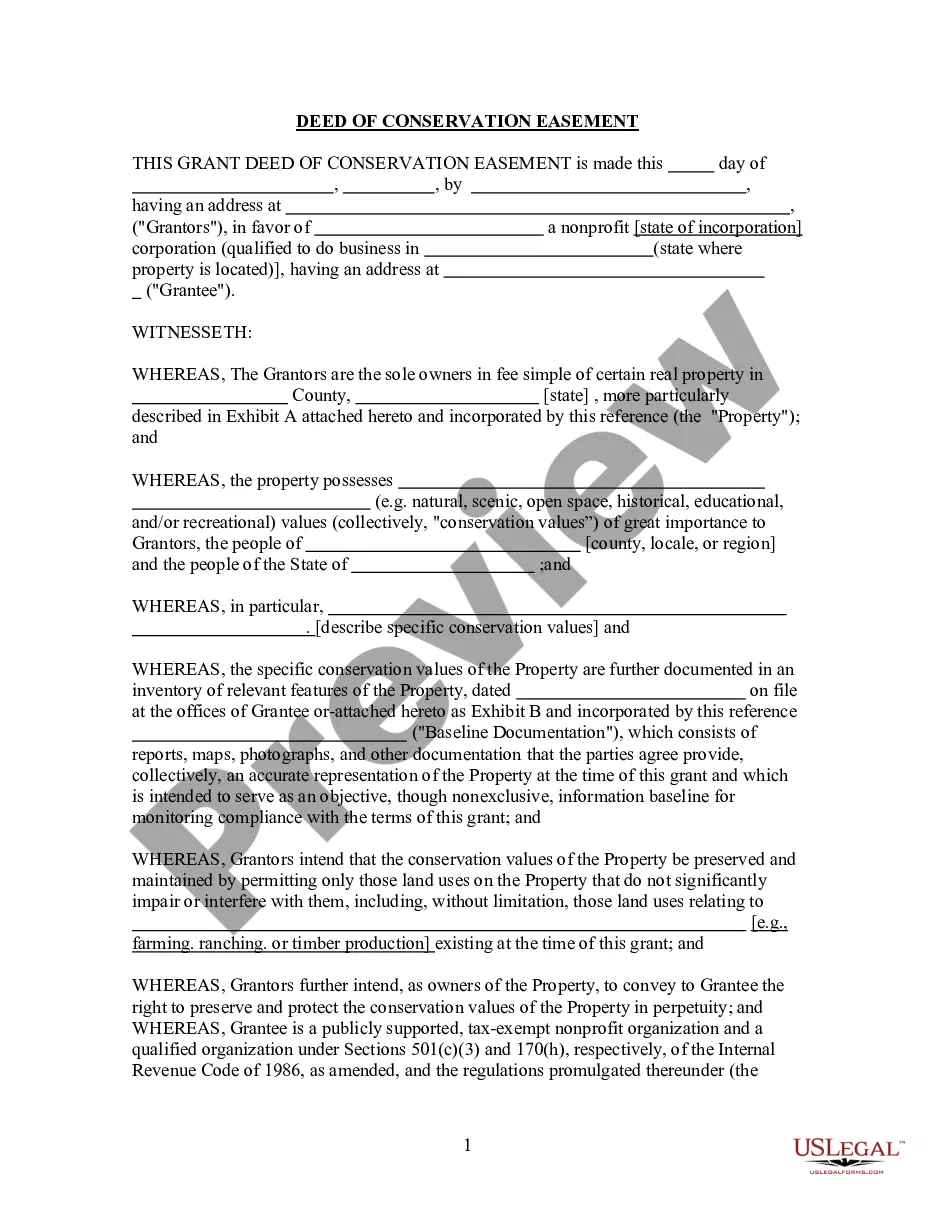
An example of a land trust can be seen in organizations that focus on local ecosystems, such as those that work in Santa Barbara County. These trusts often partner with landowners to secure land for public enjoyment, wildlife habitats, and agricultural preservation. As they acquire property, they create opportunities for environmental education and community engagement.
Individuals may choose a land trust to protect their land from commercial development, ensuring it remains a natural or agricultural area. A land trust example for Santa Barbara County illustrates how landowners can work with these organizations to maintain the beauty and integrity of their property. Furthermore, land trusts can help with estate planning and provide financial incentives through tax deductions.
A land trust example for Santa Barbara County might involve a nonprofit organization that acquires land for conservation and public access. These groups work with local governments and communities to permanently protect important landscapes. They often create conservation easements, allowing for limited development while preserving essential habitats and scenic views.
The primary purpose of a land trust is to hold property for the benefit of individuals or organizations, protecting land from development while preserving its natural value. A land trust example for Santa Barbara County allows property owners to maintain control over their land, ensuring it remains used for its intended purpose. Additionally, it can provide tax benefits and serve as a tool for conservation.