Texas Motion To Dismiss One Defendant Civil Sample Without Notice
Description

Form popularity
FAQ
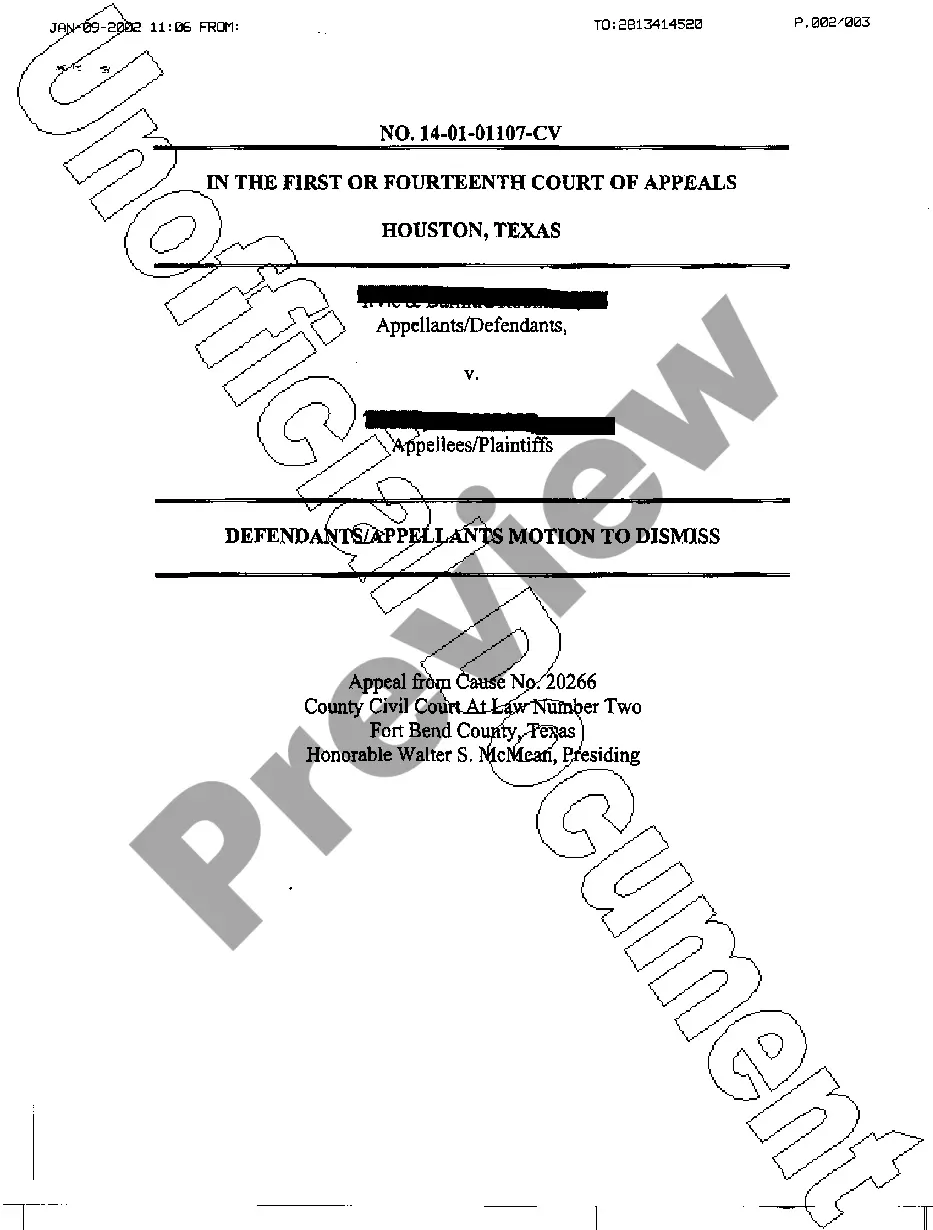
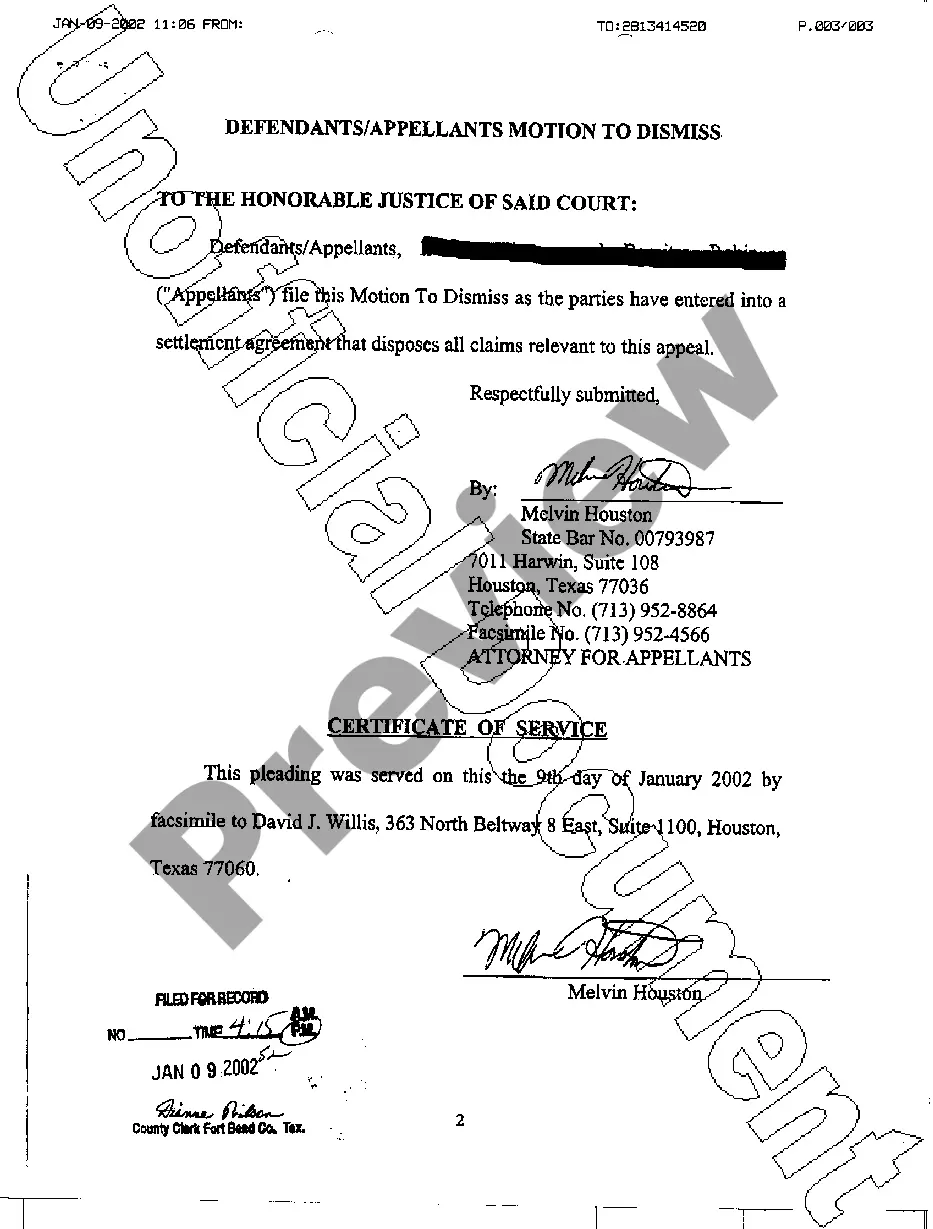
In Texas, a motion to dismiss can be based on various grounds, including lack of jurisdiction, failure to state a claim, or improper venue. When preparing a Texas motion to dismiss one defendant civil sample without notice, it is essential to identify the specific reason for the request. Each ground has its own legal requirements and implications, so understanding them is key to effectively pursuing a dismissal. Utilize resources offered by platforms like UsLegalForms to ensure you have the right documentation and guidance.
Rule 10 in Texas allows an attorney to withdraw from a case by filing a motion. When considering a Texas motion to dismiss one defendant civil sample without notice, it's crucial to understand how withdrawing can impact your defense strategy. This motion must provide sufficient reasons for the attorney’s withdrawal and ensure that it does not adversely affect the client. Always consult legal resources to ensure compliance with the rules during this process.
The 180 day rule in Texas refers to the time frame within which a defendant must file a motion for summary judgment or a motion to dismiss. Specifically, this rule impacts the timeline for filing a motion to dismiss one defendant in a civil case without notice. Failing to adhere to this timeline can result in the loss of the opportunity to challenge the case effectively. Understanding this rule is vital when navigating a civil suit in Texas.
Rule 47 outlines the requirements for pleadings in civil cases, specifically detailing what must be included in the original petition. This rule requires plaintiffs to state their claims in a clear and concise manner, specifying the nature of the relief sought. Compliance with this rule ensures that all parties understand the basis of the claims, promoting fairness in legal proceedings. For clear examples, explore a Texas motion to dismiss one defendant civil sample without notice to enhance your understanding.
The two primary dismissal rules in Texas are Rule 91 and Rule 162. Rule 91 allows a defendant to challenge the legal sufficiency of the plaintiff's claims, while Rule 162 focuses on dismissing cases due to non-compliance with court orders or other procedural issues. Understanding these rules can help in crafting effective strategies to eliminate unwarranted legal claims. For further insights, look at a Texas motion to dismiss one defendant civil sample without notice.
Yes, a defendant can file a motion to dismiss in Texas if they believe that the legal claims against them are unfounded or unsupported by facts. This motion can address several issues, such as jurisdiction, improper service, or failure to state a claim. Filing this motion can save considerable time and resources by potentially ending the lawsuit early. For successful drafting, consider reviewing a Texas motion to dismiss one defendant civil sample without notice.
A motion to dismiss in Texas is a legal request to terminate a lawsuit before it goes to trial. This type of motion argues that the opposing party has not provided enough legal basis for their claims. It serves as a protective measure for defendants against unwarranted legal actions. For examples and templates, a Texas motion to dismiss one defendant civil sample without notice can guide you effectively.
Rule 91 outlines the procedure for filing a motion to dismiss a case when certain legal standards are not met. This rule provides a structured process for defendants to challenge the legal sufficiency of the plaintiff’s claims. It is essential for ensuring that only legitimate cases proceed in court. If you need a reference, check out a Texas motion to dismiss one defendant civil sample without notice for a clearer understanding.
A Rule 91 motion to dismiss is a specific motion that allows a defendant to request that the court dismiss a case for various reasons, such as lack of jurisdiction or failure to state a valid claim. This rule is designed to expedite the dismissal of baseless lawsuits at an early stage. By filing this motion, defendants can efficiently clear themselves of unfounded claims. For practical assistance, consider using a Texas motion to dismiss one defendant civil sample without notice.
In Texas, you typically have 21 days to respond to a motion to dismiss after it has been filed. However, this timeframe may vary based on specific court rules or individual cases. It is crucial to file your response in a timely manner to prevent a default judgment. For detailed guidance, a Texas motion to dismiss one defendant civil sample without notice can help streamline the process.