Texas Motion To Quash Deposition On Written Questions
Description
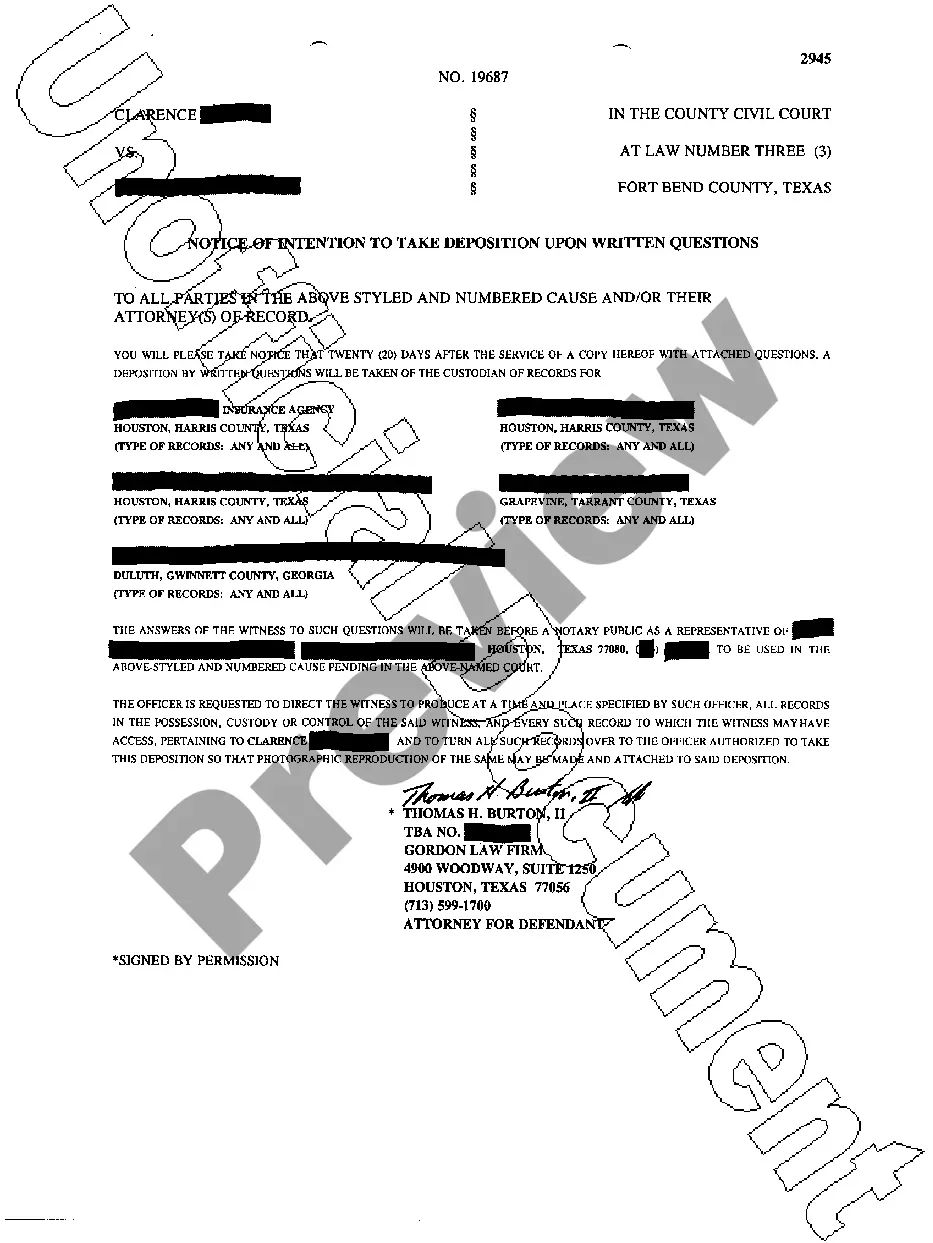
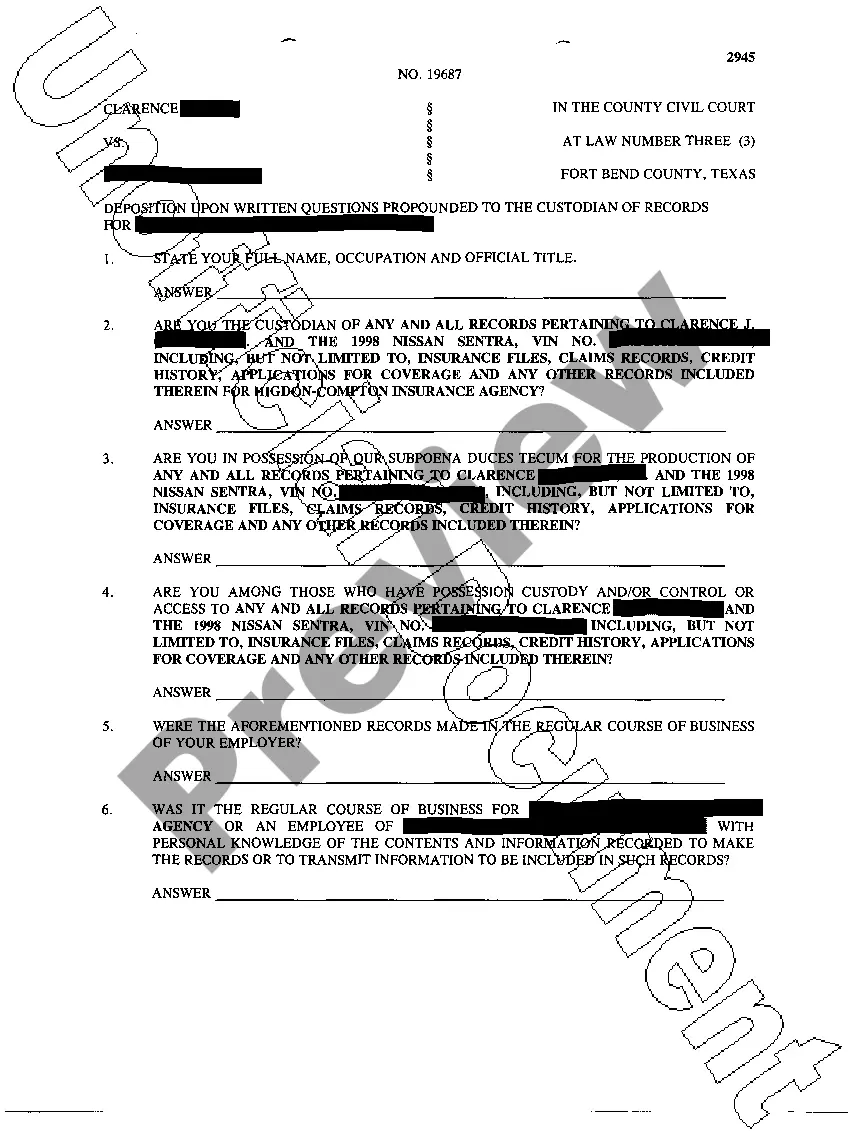
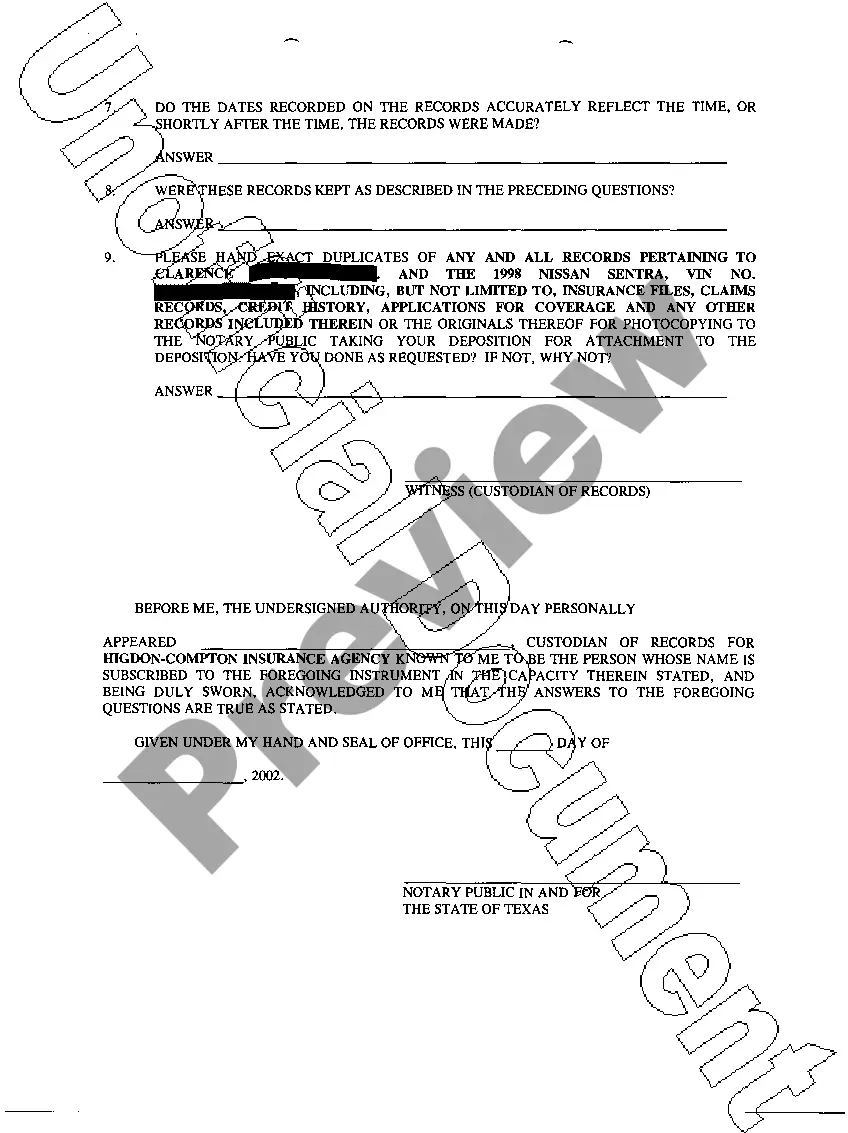
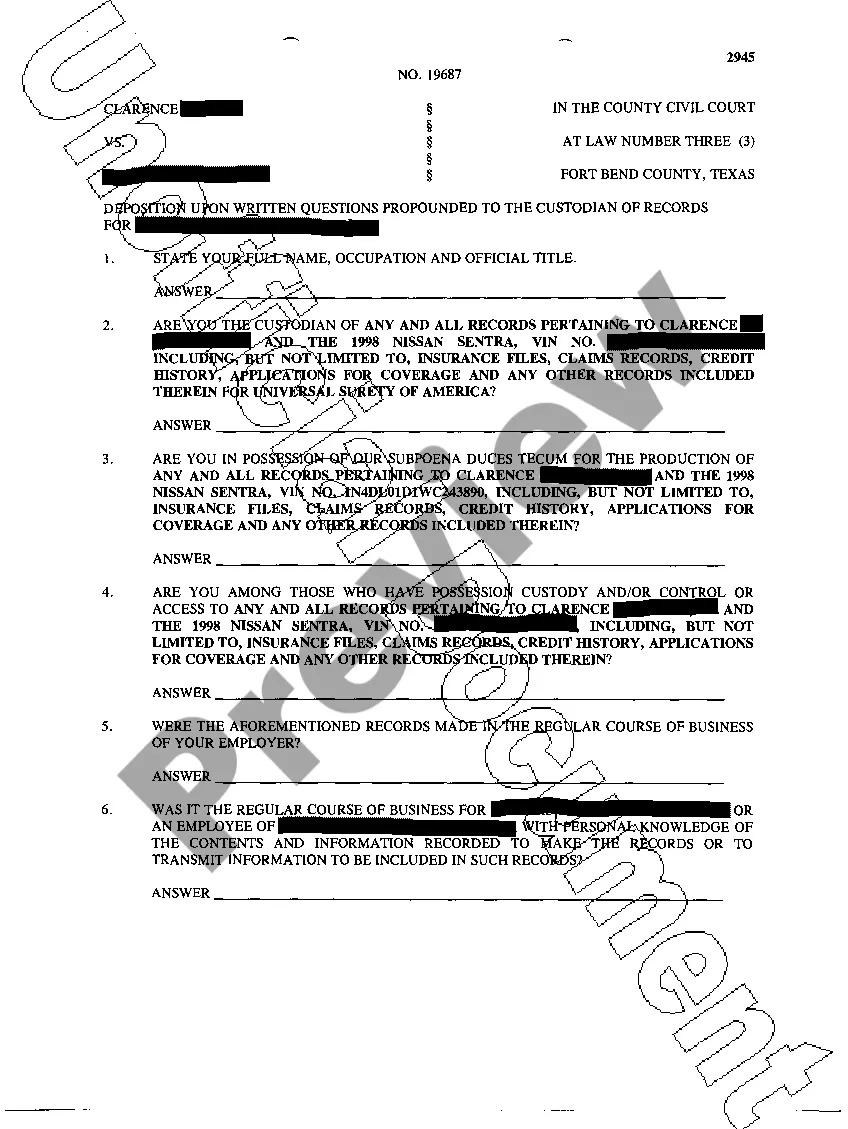
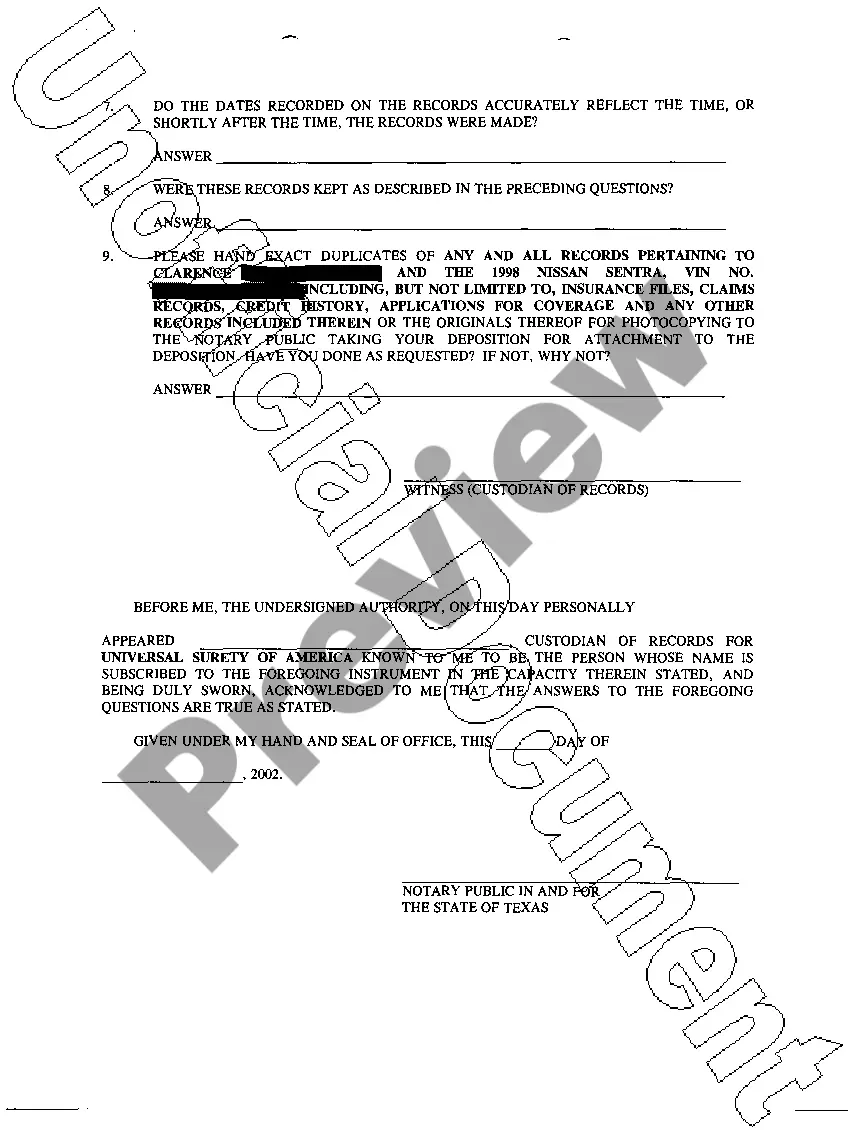
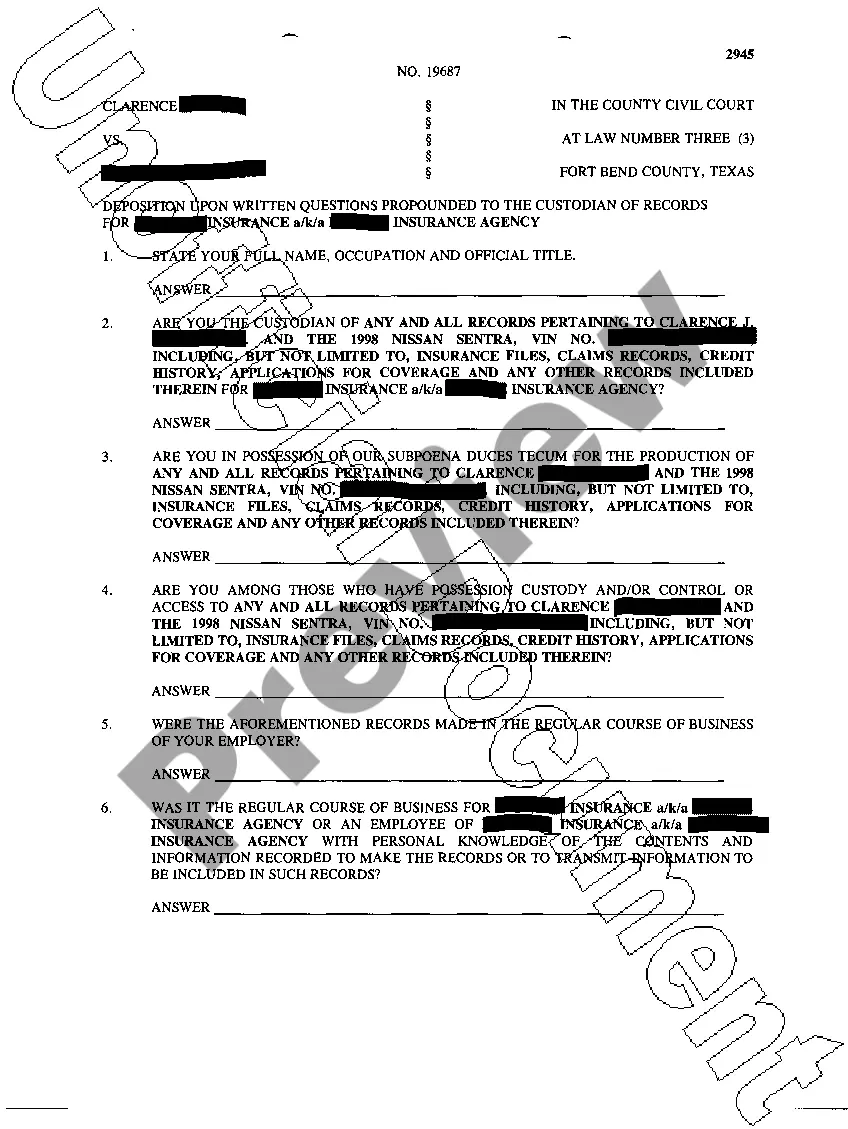
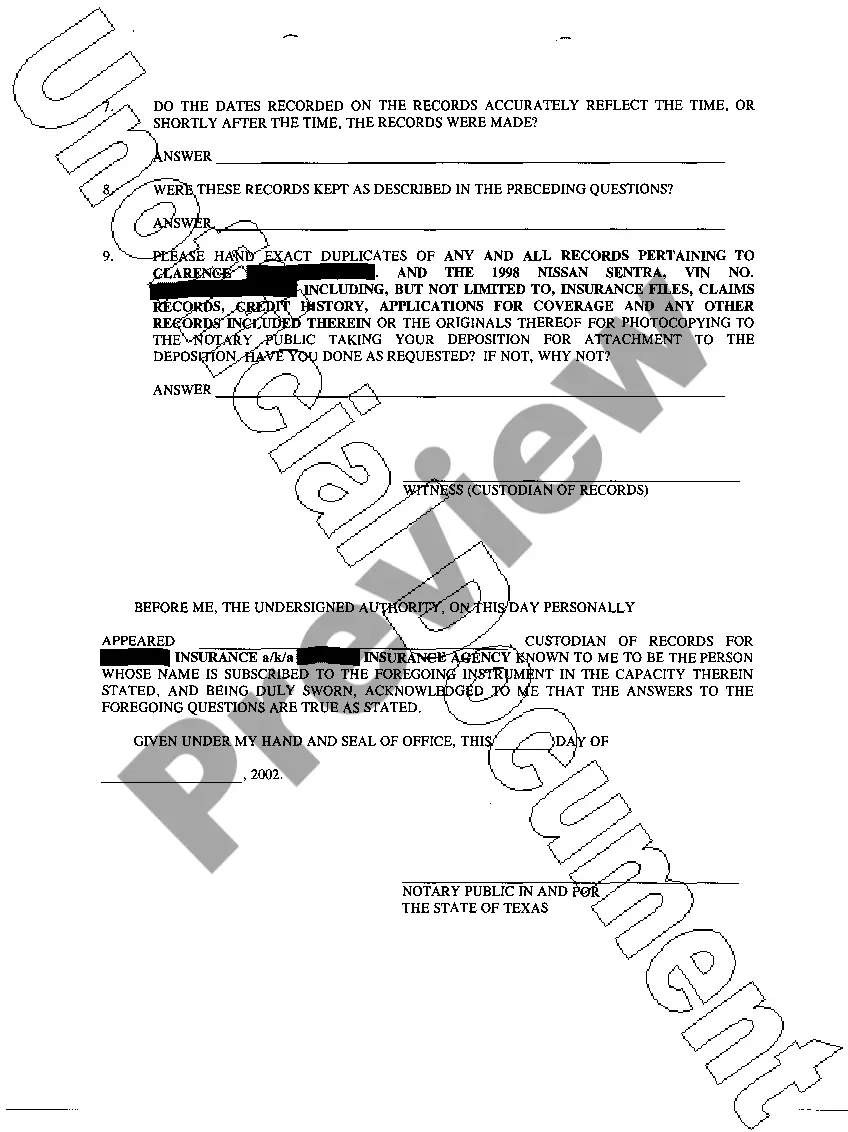
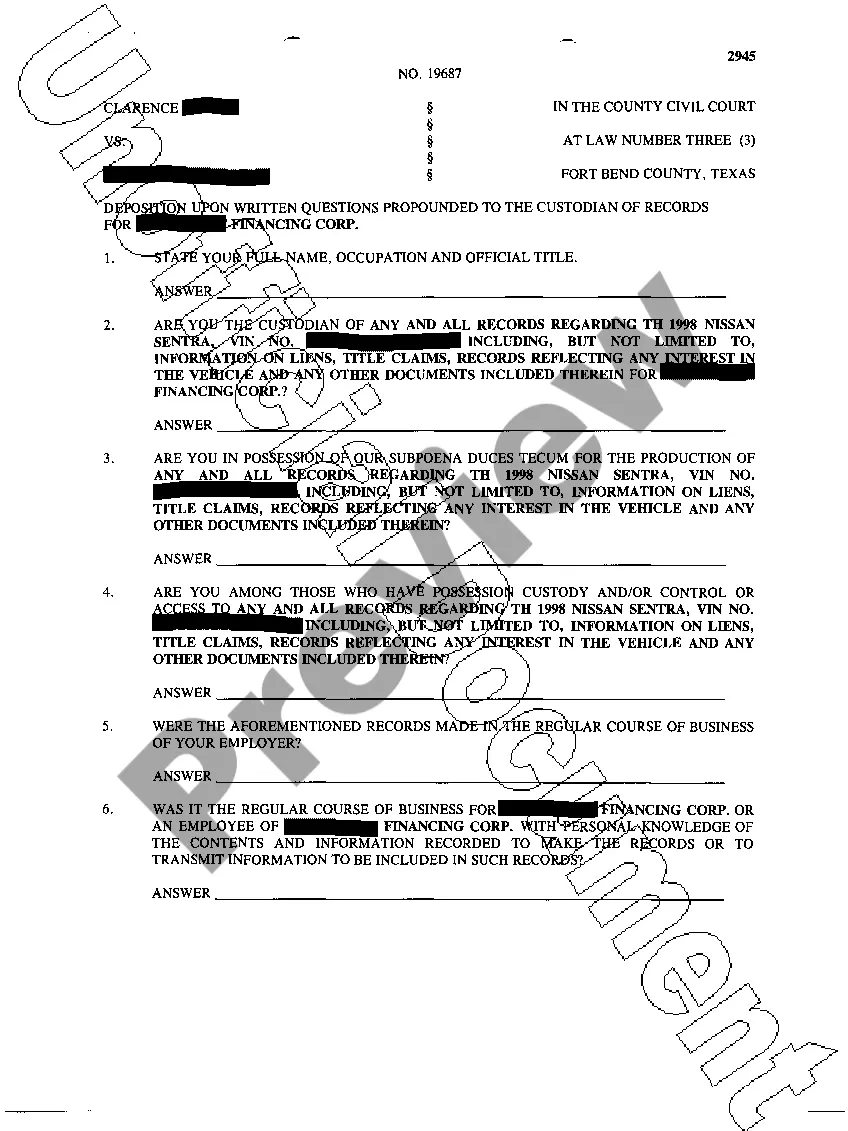
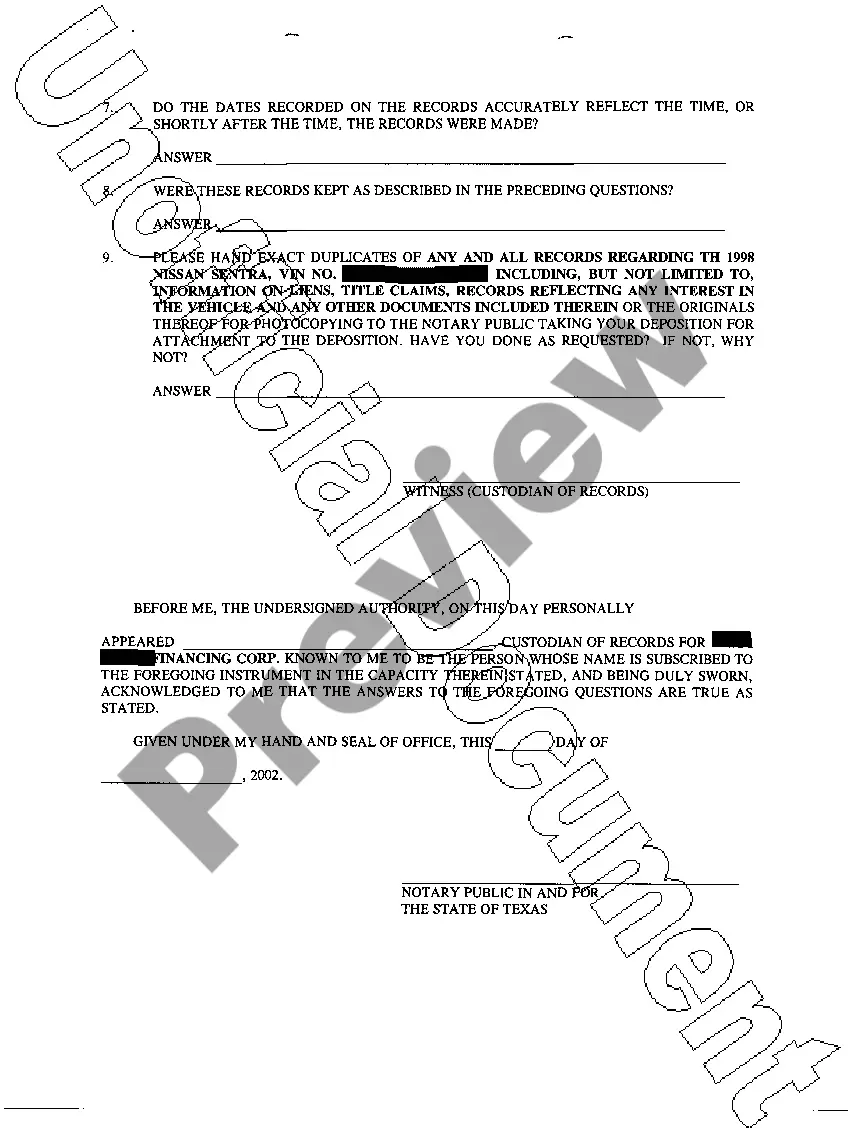

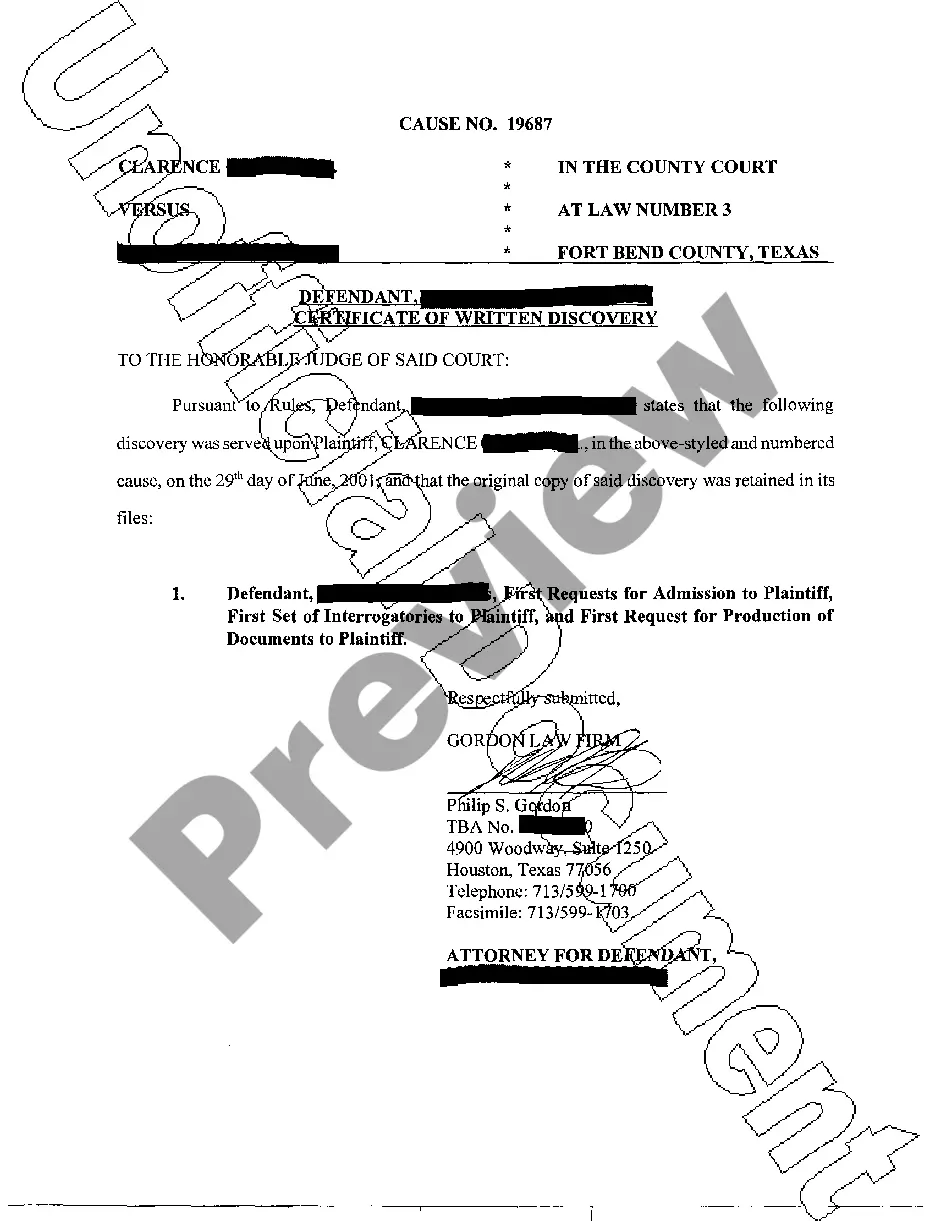
How to fill out Texas Notice Of Deposition Upon Written Questions?
Legal documentation organization can be overwhelming, even for the most seasoned professionals.
When you are looking for a Texas Motion To Quash Deposition On Written Questions and lack the time to dedicate to finding the appropriate and updated version, the process can be challenging.
Access a collection of articles, guides, and handbooks pertinent to your circumstances and requirements.
Save time and energy searching for the necessary documents, and utilize US Legal Forms’ advanced search and Preview feature to find Texas Motion To Quash Deposition On Written Questions and acquire it.
Select a subscription plan, choose the format you desire, and Download, complete, eSign, print, and deliver your document. Leverage the US Legal Forms online directory, supported by 25 years of experience and reliability. Transform your daily document management into a simple and user-friendly procedure today.
- If you hold a subscription, Log In to your US Legal Forms account, search for the form, and obtain it.
- Check your My documents section to locate the documents you previously saved and to organize your folders as needed.
- If it's your first experience with US Legal Forms, create an account and gain unlimited access to all the benefits of the library.
- Once you access the desired form, confirm it is the correct document by previewing it and reviewing its details.
- Ensure that the sample is accepted in your state or county.
- Click Buy Now when you are prepared.
- Access state- or county-specific legal and corporate documents.
- US Legal Forms encompasses any requirements you may have, from personal to commercial papers, in one location.
- Utilize state-of-the-art resources to complete and manage your Texas Motion To Quash Deposition On Written Questions.
Form popularity
FAQ
Rule 174 of the Texas Rules of Civil Procedure deals with the venue and jurisdiction for depositions and other discovery-related matters. It establishes which court has the authority to preside over depositions and how to handle conflicts. If you find yourself in a complicated situation, leveraging a Texas motion to quash deposition on written questions can help clarify jurisdictional issues and protect your case.
In Texas, you generally have a specific timeframe to file a motion to quash a deposition, typically within 20 days of receiving notice of the deposition. This period allows you to assess the circumstances and prepare a clear challenge. Remember, acting quickly ensures your ability to effectively articulate your concerns in a Texas motion to quash deposition on written questions.
The 50 foot rule in Texas refers to the requirement that attorneys must ensure their depositions occur within 50 feet of the courthouse without special permission. This rule is intended to minimize the burden on witnesses and streamline legal proceedings. If you face a deposition that violates this rule, you may consider a Texas motion to quash deposition on written questions to challenge its legitimacy.
The new disclosure rule in Texas mandates that parties must share relevant information and documents with each other at the beginning of litigation. This change aims to promote transparency and streamline the discovery process. If you feel the disclosure is inadequate, knowing how to file a Texas motion to quash deposition on written questions can protect your rights during this process.
Rule 199.5 of the Texas Rules of Civil Procedure outlines the process and requirements for taking depositions, including the notice required for depositions on written questions. This rule establishes essential guidelines for parties involved in litigation, ensuring that everyone understands their rights and responsibilities. Understanding how this rule interacts with a Texas motion to quash deposition on written questions can be vital for proper legal strategy.
In Texas, a party generally has a limited period, often 30 days from the date of the discovery deadline, to file a motion to compel a deposition. This timeline is crucial as it can affect your ability to secure necessary testimony or information. If you are facing challenges with depositions, a Texas motion to quash deposition on written questions may also be relevant in your strategy to obtain the required information.
A timely motion to quash is one filed within the required timeframe set by Texas law, typically before the deposition occurs or immediately after receiving the notice. It is essential to act quickly because delays may limit your ability to challenge the deposition effectively. In the context of a Texas motion to quash deposition on written questions, filing timely helps ensure your concerns are addressed before the actual deposition takes place.
Rule 176 of the Texas Rules of Civil Procedure governs the procedure for obtaining a motion to quash a deposition on written questions. This rule outlines the requirements and timelines for challenging depositions, ensuring that parties can protect their rights during the discovery process. A Texas motion to quash deposition on written questions can be filed if the party believes the requests are improper or overly burdensome.
The motion to quash rule in Texas allows a party to challenge the validity of a discovery request, including depositions by written questions. This legal mechanism can help protect parties from excessive or improper questioning. Understanding how to navigate this process can be crucial when seeking a Texas motion to quash deposition on written questions.
Rule 31 governs depositions taken by written questions in Texas, detailing how parties should formulate and submit those questions. This rule ensures that the deposition process runs smoothly and that all parties understand their obligations. If you are facing disputes, knowing about the Texas motion to quash deposition on written questions is essential.