Deposition By Written Questions Vs Interrogatories
Description
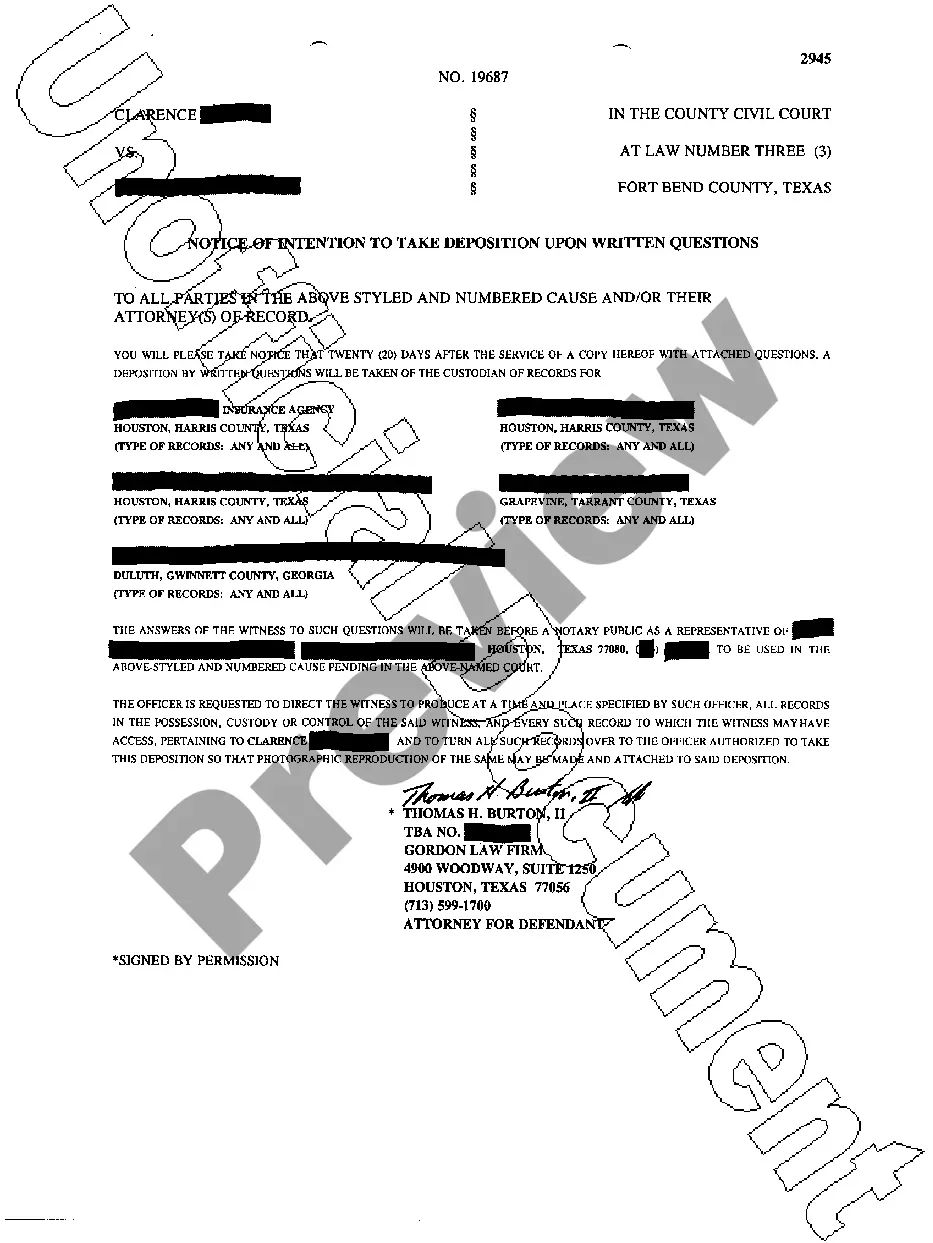

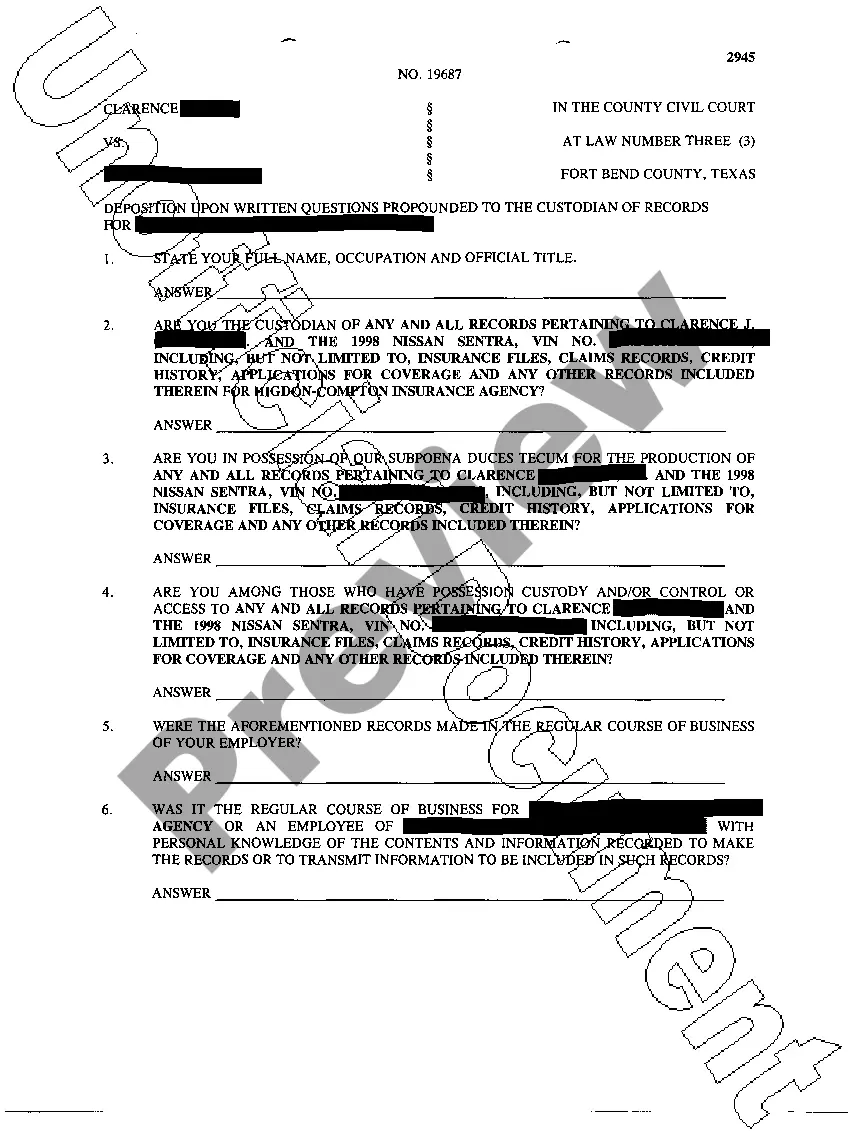
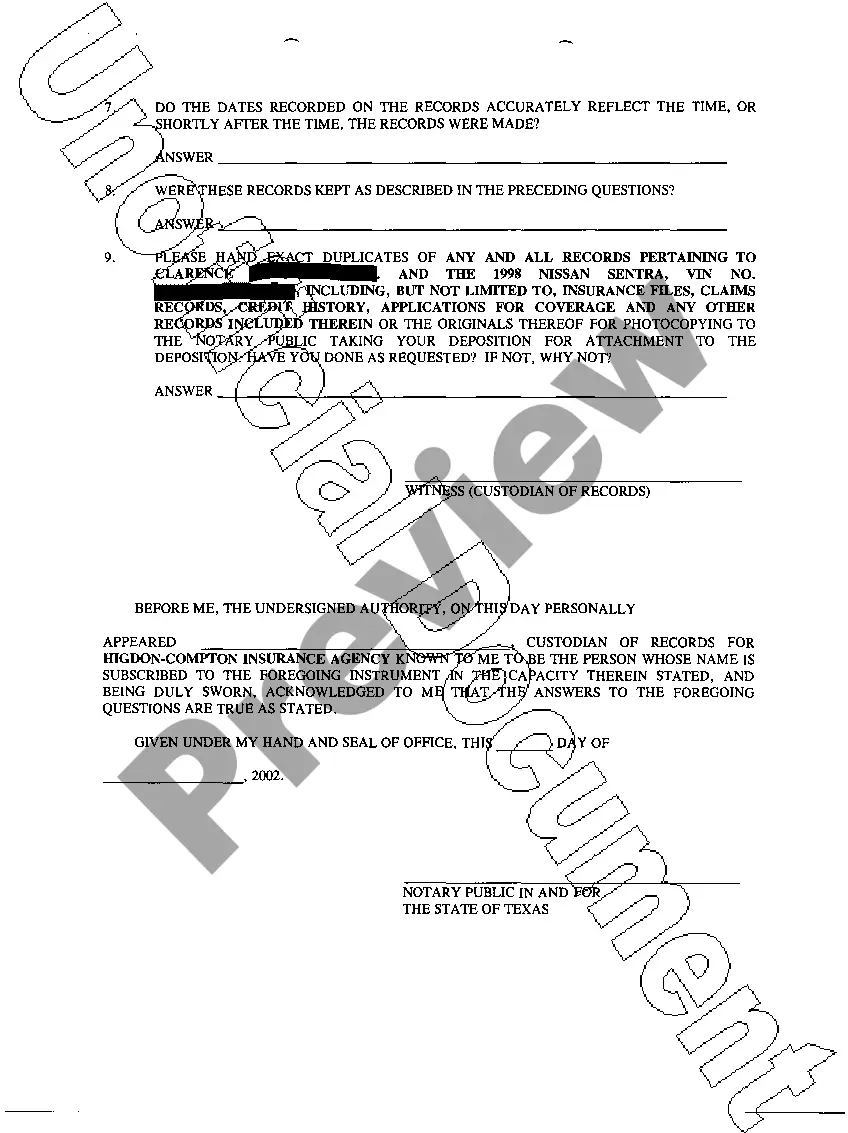
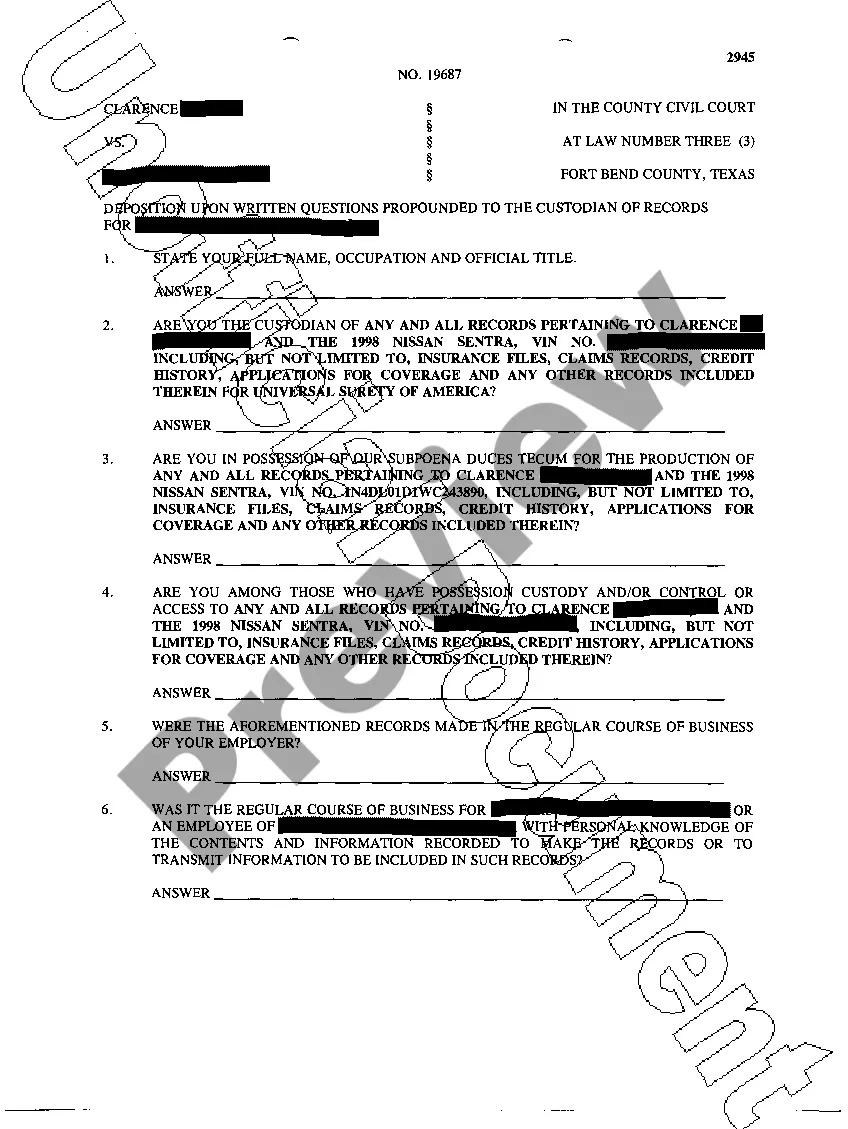
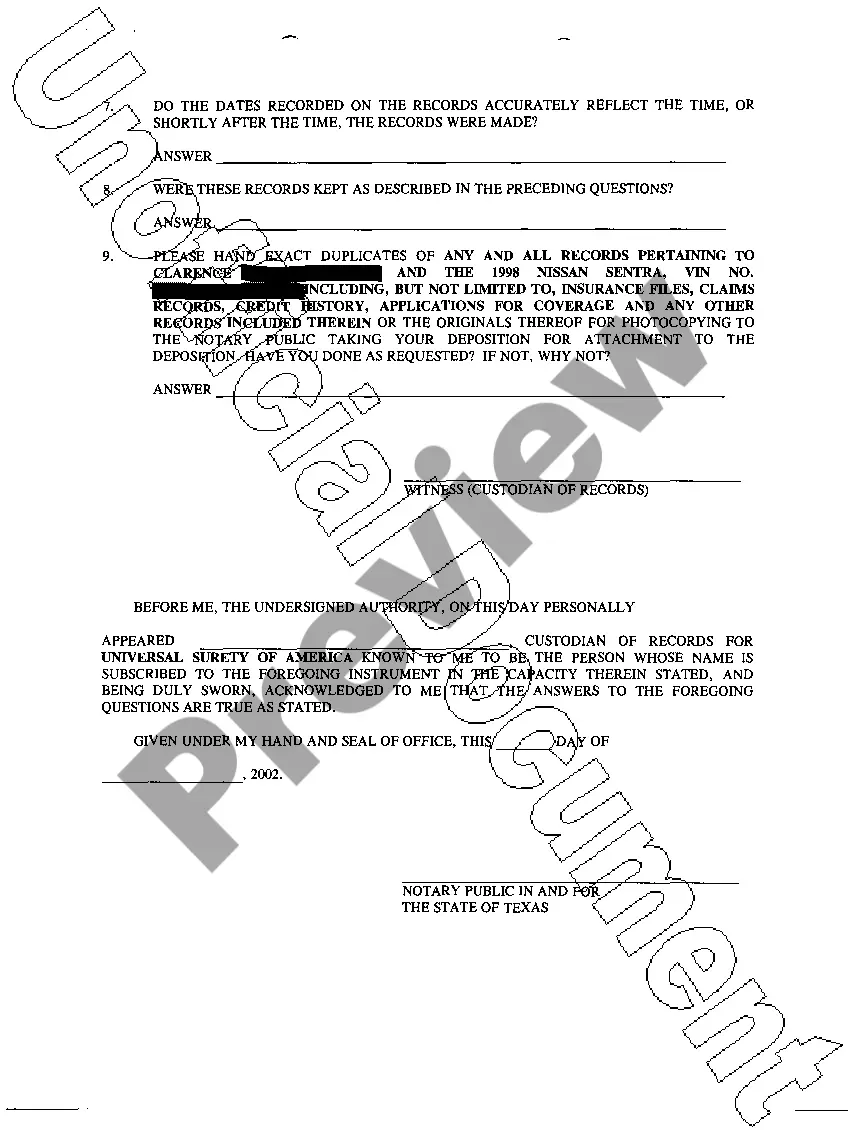
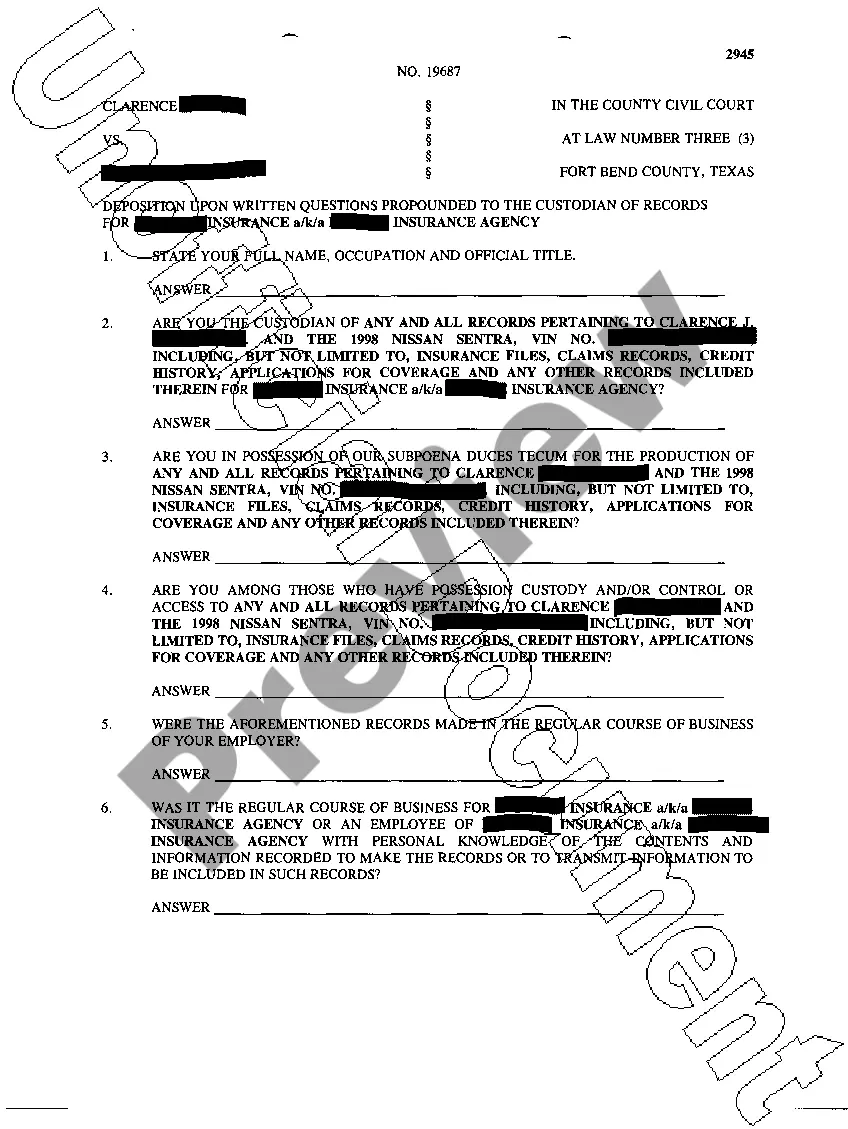
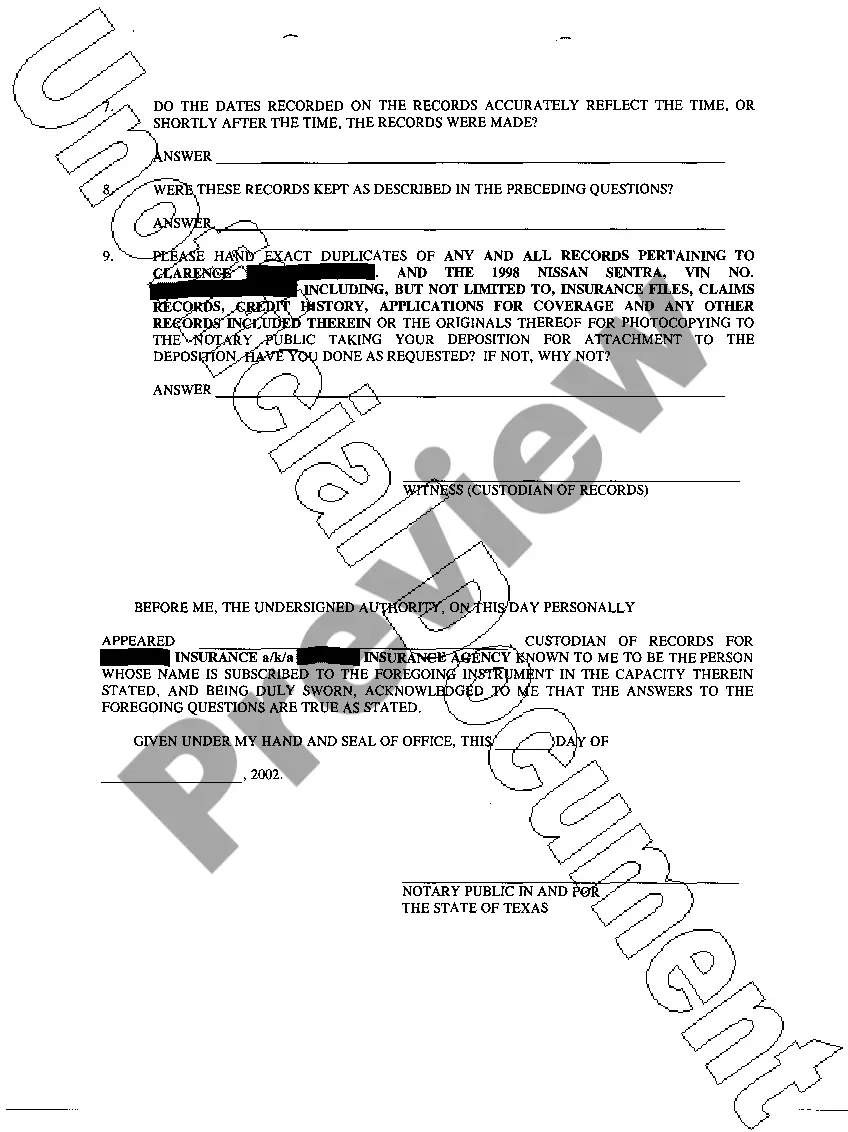
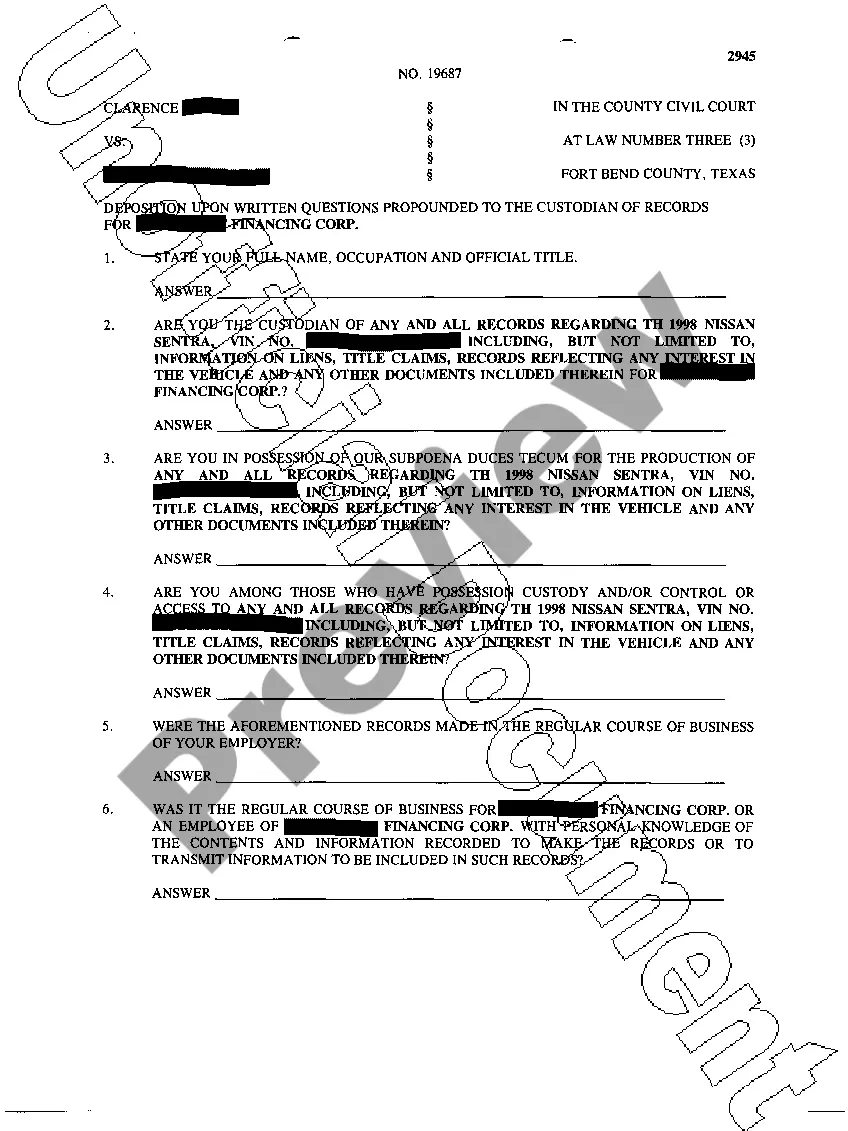

How to fill out Texas Notice Of Deposition Upon Written Questions?
Regardless of whether for commercial aims or personal matters, everyone must manage legal circumstances at some stage in their lives.
Completing legal paperwork necessitates meticulous attention, starting with choosing the suitable form example.
With a vast US Legal Forms repository available, you never have to waste time looking for the right sample across the web. Take advantage of the library’s user-friendly navigation to find the appropriate form for any situation.
- Acquire the sample you seek by using the search bar or catalog browsing.
- Review the form’s details to ensure it aligns with your situation, state, and locality.
- Select the form’s preview to examine it.
- If it is the incorrect document, return to the search function to locate the Deposition By Written Questions Vs Interrogatories sample you need.
- Obtain the template when it satisfies your criteria.
- If you already possess a US Legal Forms account, simply click Log in to access previously saved documents in My documents.
- If you do not have an account yet, you may download the form by clicking Buy now.
- Select the suitable pricing option.
- Fill out the account registration form.
- Select your payment method: you can use a credit card or PayPal account.
- Select the file format you desire and download the Deposition By Written Questions Vs Interrogatories.
- Once it is downloaded, you can fill in the form using editing software or print it and complete it manually.
Form popularity
FAQ
The primary difference lies in the formal setting and nature of the responses. A deposition by written questions occurs under the oath of a witness, ensuring the authenticity of testimony, while interrogatories are answered in writing, usually without any immediate follow-up. Additionally, the deposition process allows for greater exploration of responses, making it more adaptable to complex cases. Thus, the choice between a deposition by written questions vs interrogatories often hinges on the need for depth and verification.
A deposition by written questions involves a witness answering questions in a formal setting, often under oath, while interrogatories are simply written questions with answers submitted without the same level of verification. The deposition process allows for follow-up questions and clarification, providing a richer dialogue. Furthermore, a deposition by written questions can be transcribed, creating a legal record, whereas interrogatories do not offer this benefit. This distinction makes the deposition method preferable in many legal situations.
Using interrogatories can limit the depth of responses, as they are typically written questions that may not capture the full context of a situation. This limitation may lead to incomplete answers, making it difficult to assess the credibility of the responses. Additionally, interrogatories usually have strict time limits for responses, which can constrict the amount of information gathered. In contrast, a deposition by written questions allows for greater clarity and detail, enhancing the overall discovery process.
Using depositions offers several compelling benefits compared to interrogatories. First, they provide an opportunity for an interactive dialogue, allowing attorneys to ask follow-up questions based on the witness's initial responses. This can uncover deeper insights and critical information that written questions may miss. Additionally, depositions can foster a sense of urgency and seriousness, motivating witnesses to provide complete and honest answers.
Depositions are often more effective than interrogatories when the case requires in-depth, immediate insight from a witness. They allow for dynamic, real-time questioning, enabling attorneys to adapt and pursue additional areas of inquiry as they arise. Moreover, depositions can help clarify ambiguous issues that written responses might overlook. Thus, if your case demands thorough exploration, opt for depositions over interrogatories.
While interrogatories provide a structured way to gather information, they also have notable disadvantages. One key issue is that responses can be limited in detail, as parties may have the opportunity to avoid complicated or sensitive topics. Additionally, they can be time-consuming and may delay the discovery process as parties wait for responses. Hence, understanding these limitations is crucial when considering deposition by written questions vs interrogatories.
Yes, depositions can indeed be taken by written questions. This method involves having a party submit questions in writing, which the witness answers under oath, usually in a recorded format. While this approach can streamline the process, especially in scheduling, it may not capture the full scope of information due to the lack of interaction. Therefore, weigh your options carefully when choosing between deposition by written questions vs interrogatories.
Interrogatories are often preferred in cases where parties seek straightforward, factual information. They can be especially useful in civil litigation to clarify specific points before depositions take place. Additionally, interrogatories provide a written record that parties can reference during the court case, offering certainty in the responses. Therefore, consider incorporating interrogatories when you need clear, concise answers to specific questions.
The primary difference lies in the purpose and formality of each tool. A written deposition captures a witness's responses to specific questions, while interrogatories are structured queries requiring direct responses from the parties involved. Interrogatories tend to be less formal and can limit detail. In discussions about deposition by written questions vs interrogatories, it’s crucial to consider which method better suits your case’s needs.
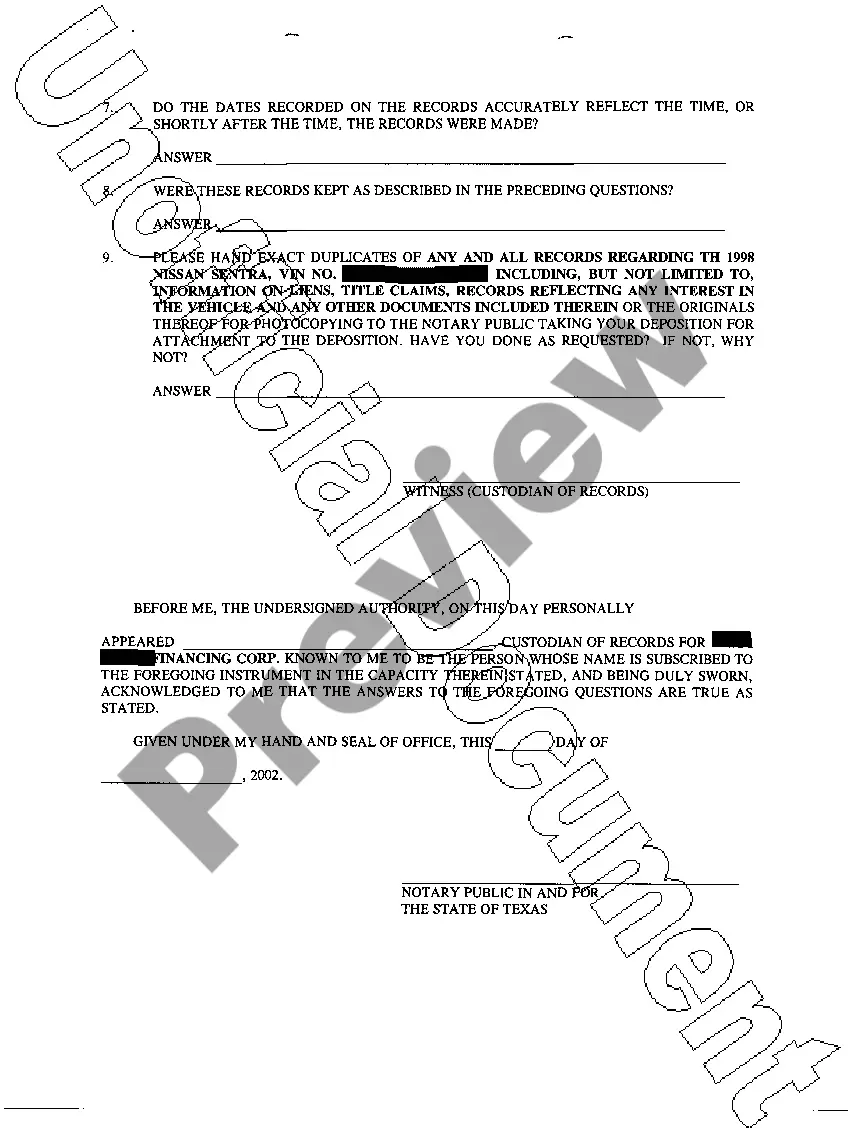
A deposition by written questions is a legal process where a party submits written inquiries that a witness must answer in writing under oath. This method allows attorneys to gather essential information without needing the witness present. It is often used in situations where live testimony is impractical or impossible. Understanding deposition by written questions vs interrogatories can help you make informed choices in your legal strategy.