Motion To Compel Discovery Texas Example
Description
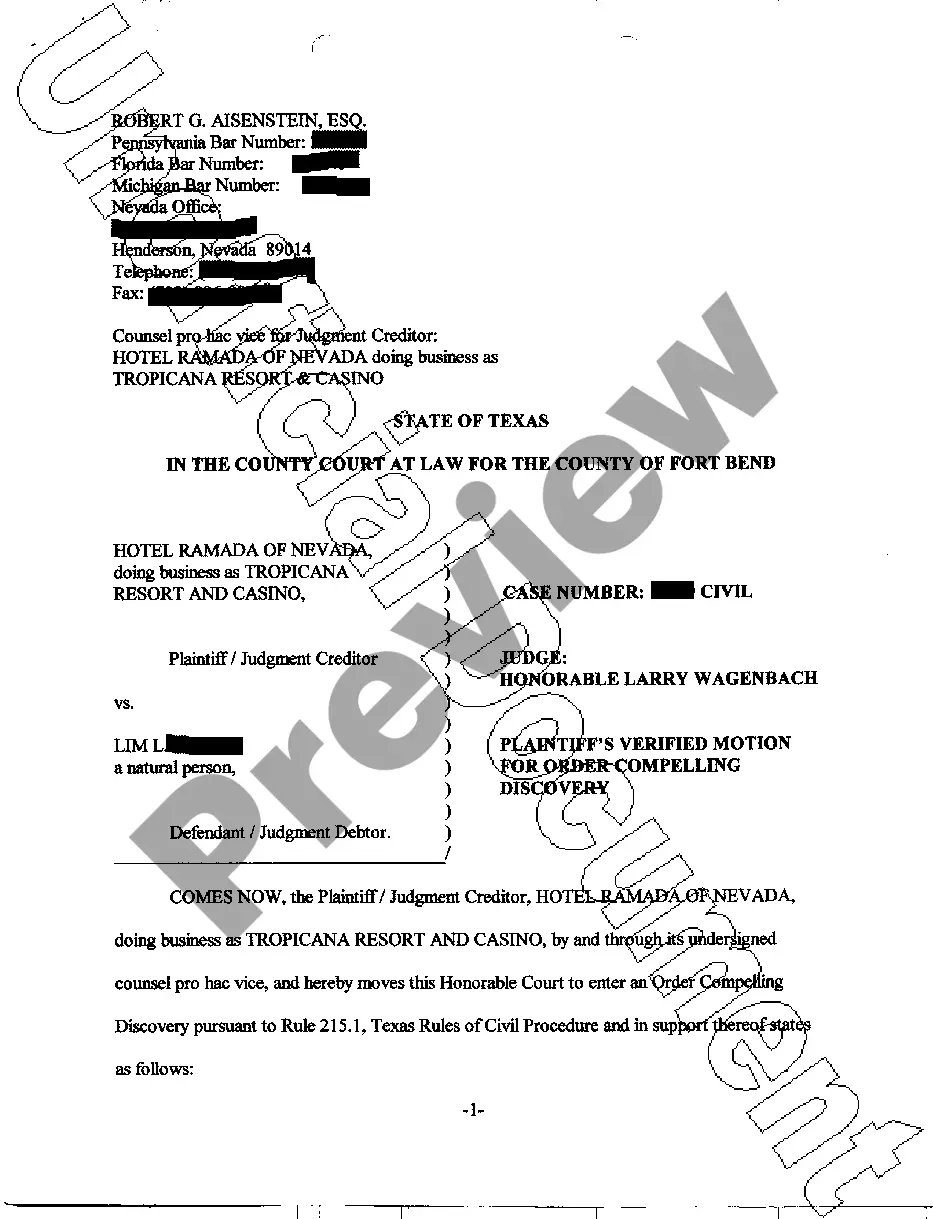
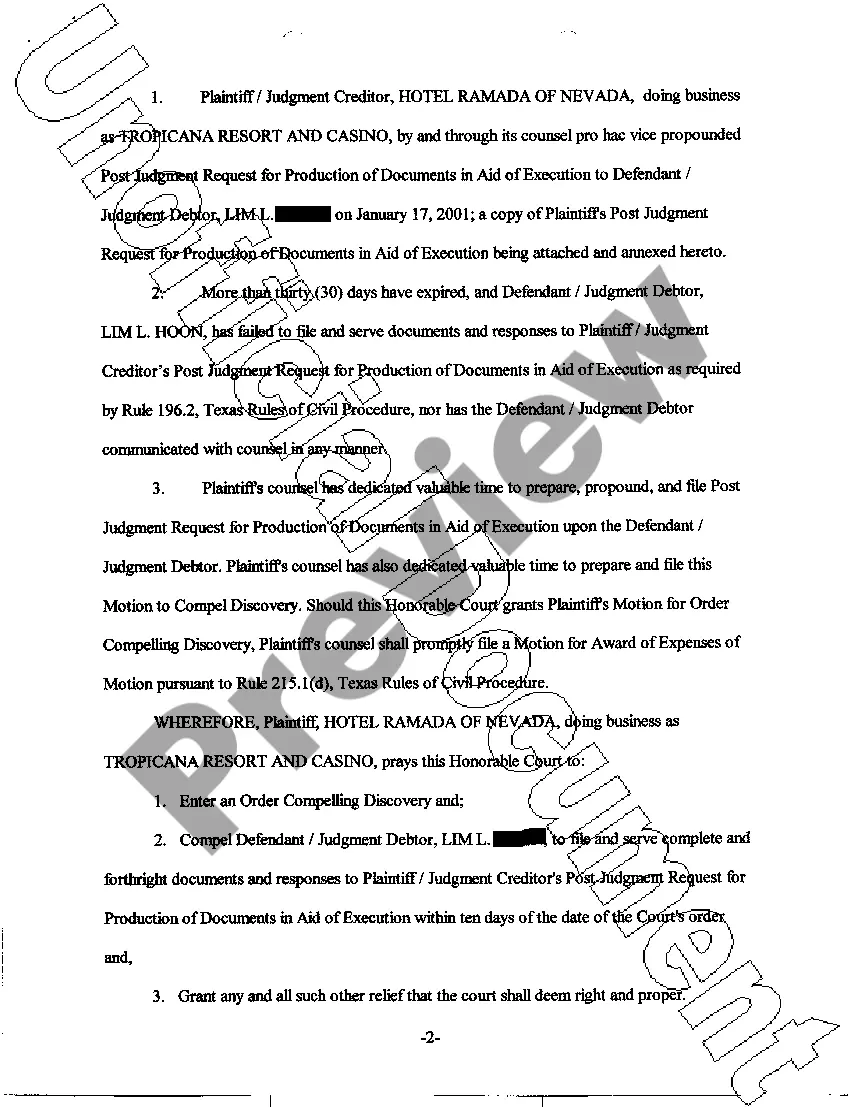
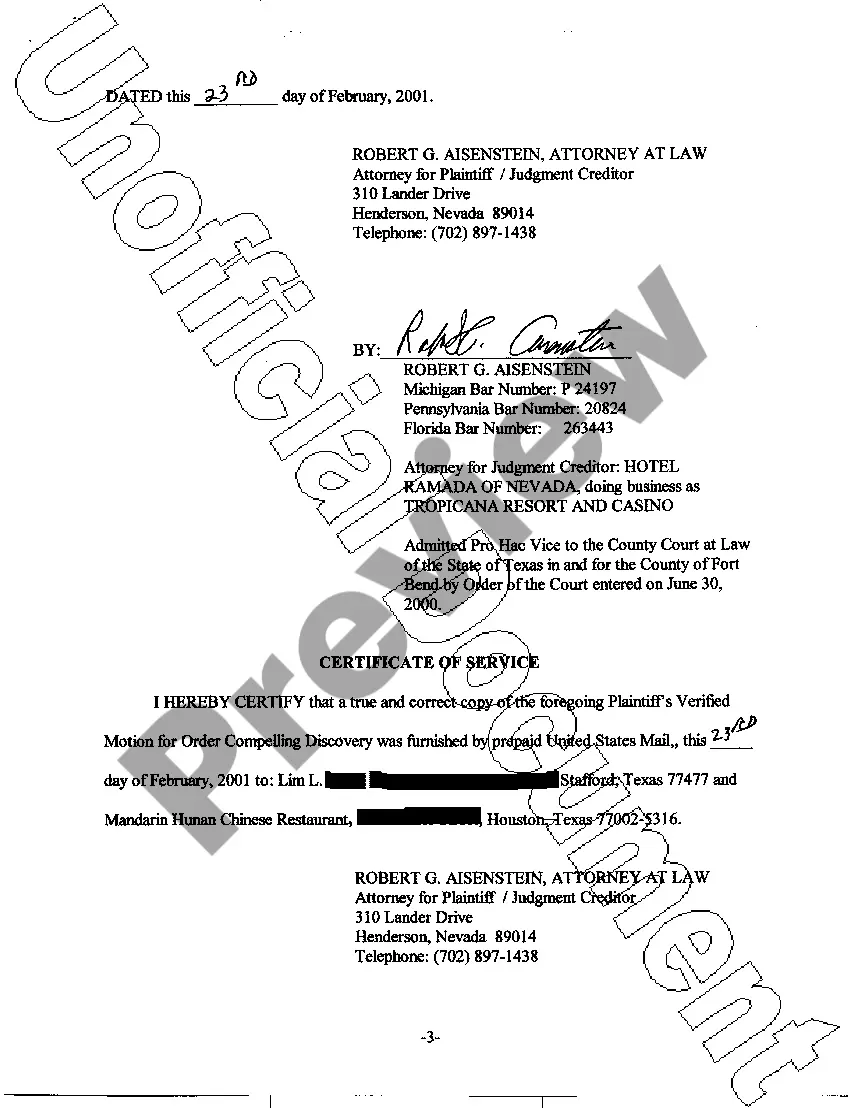
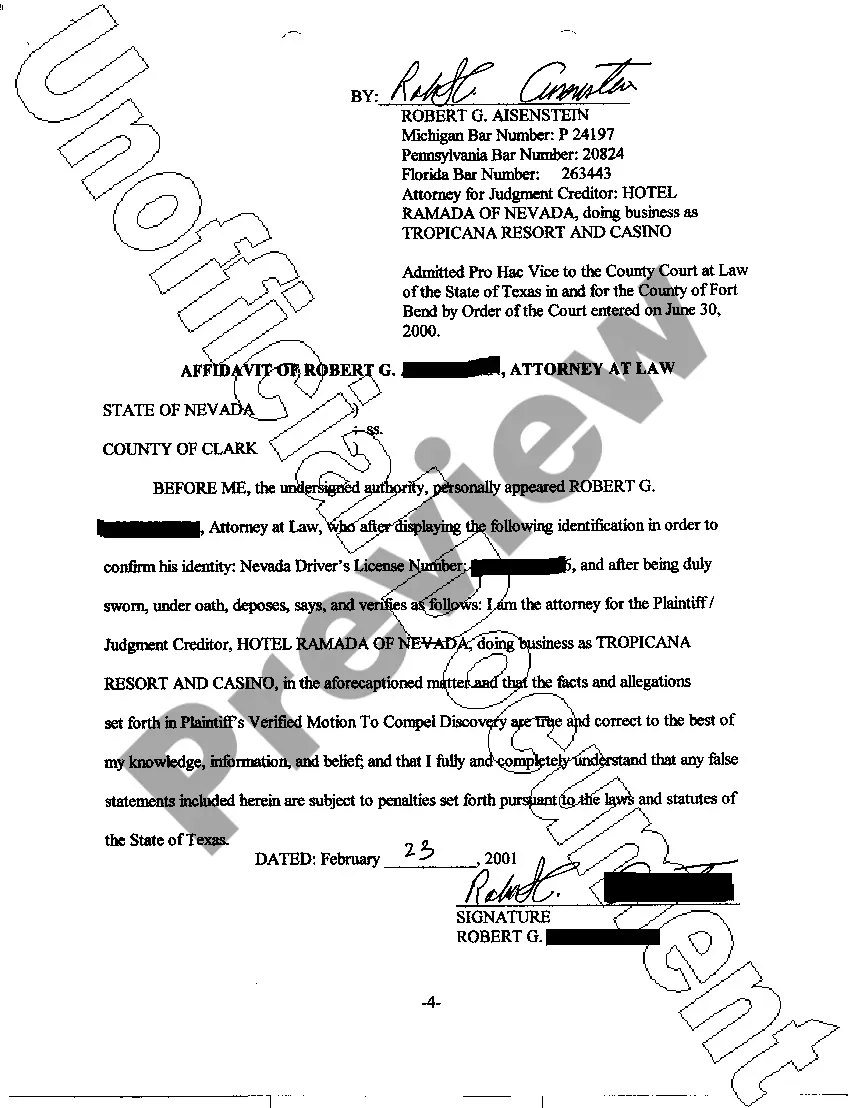
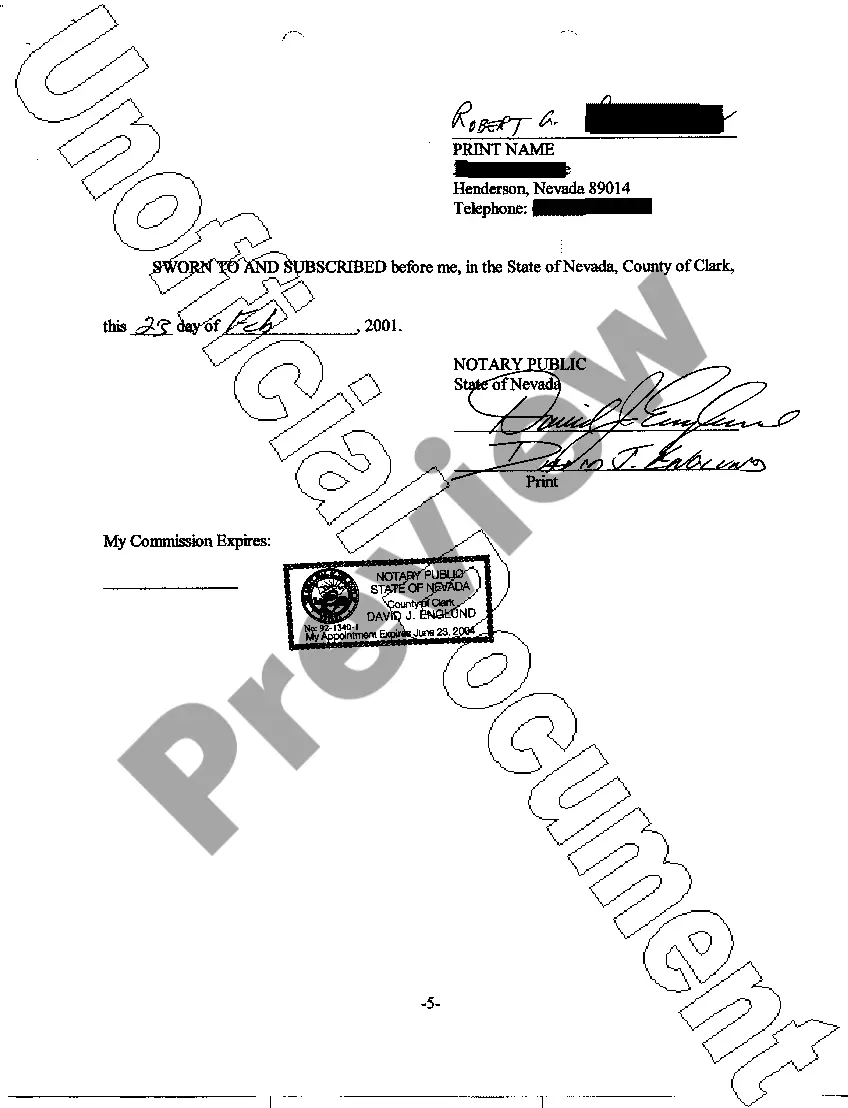
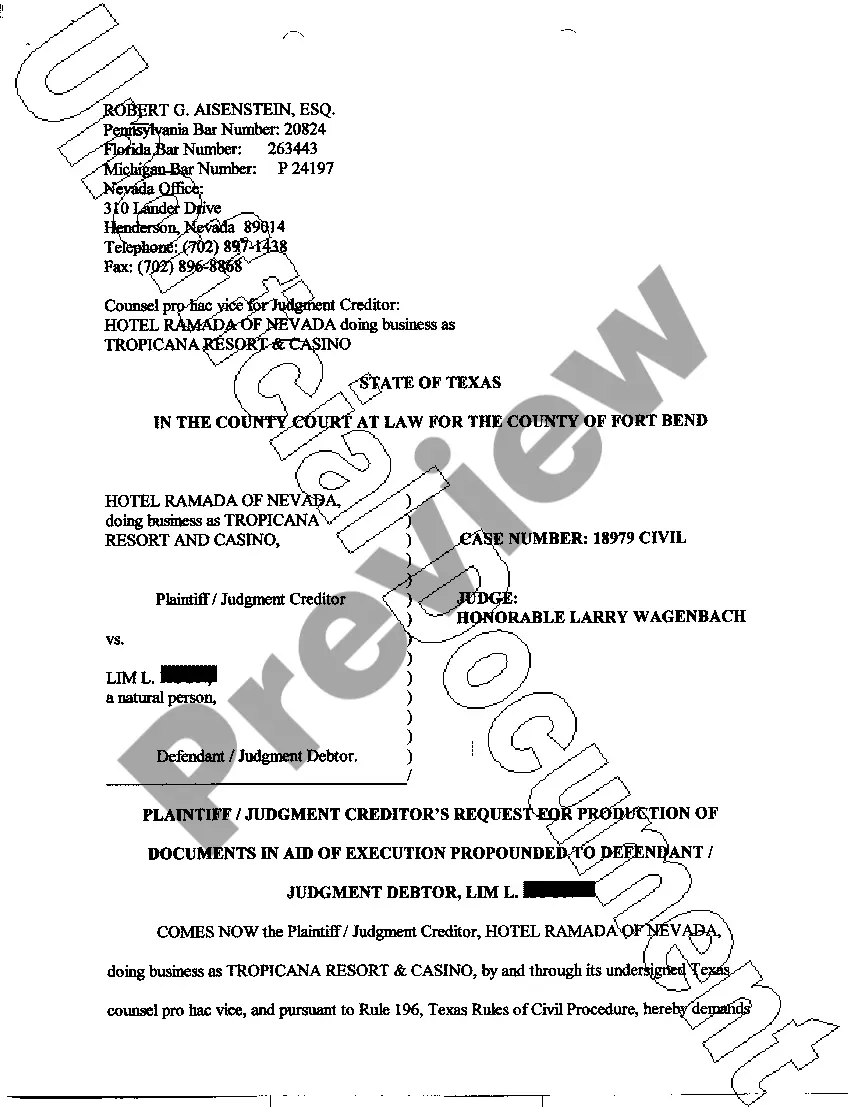
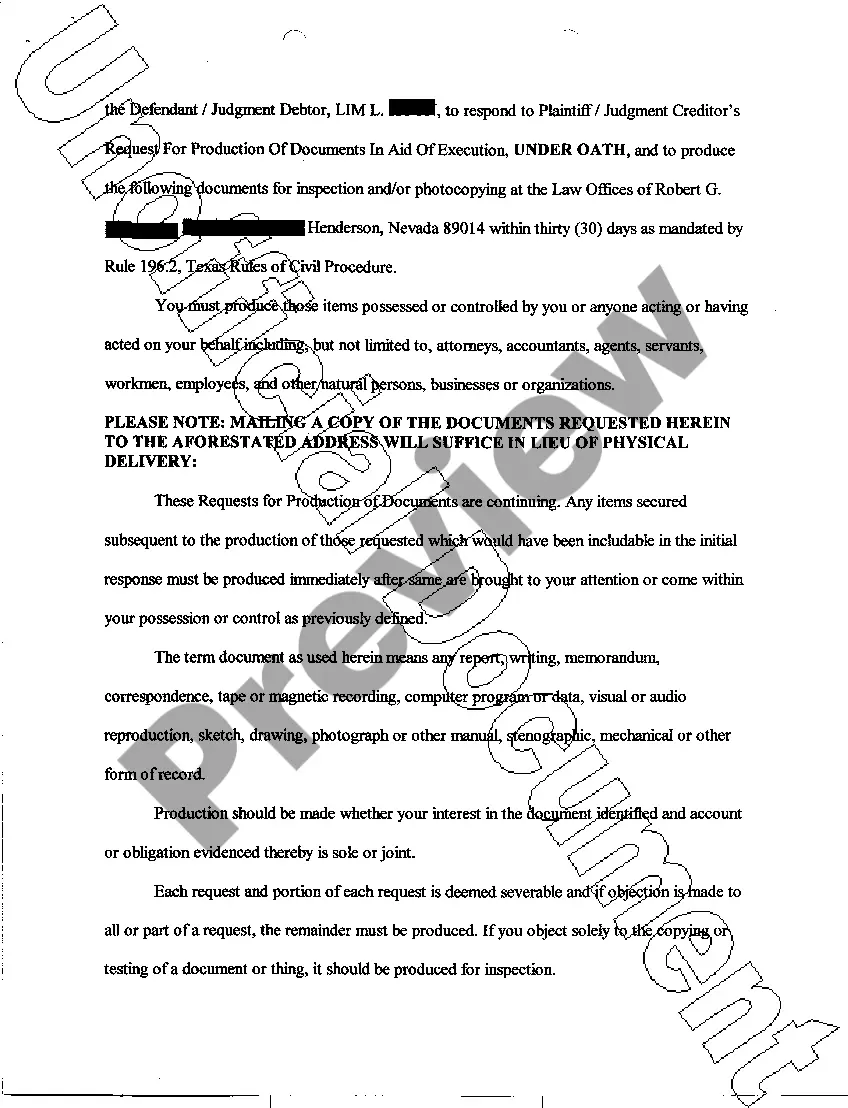
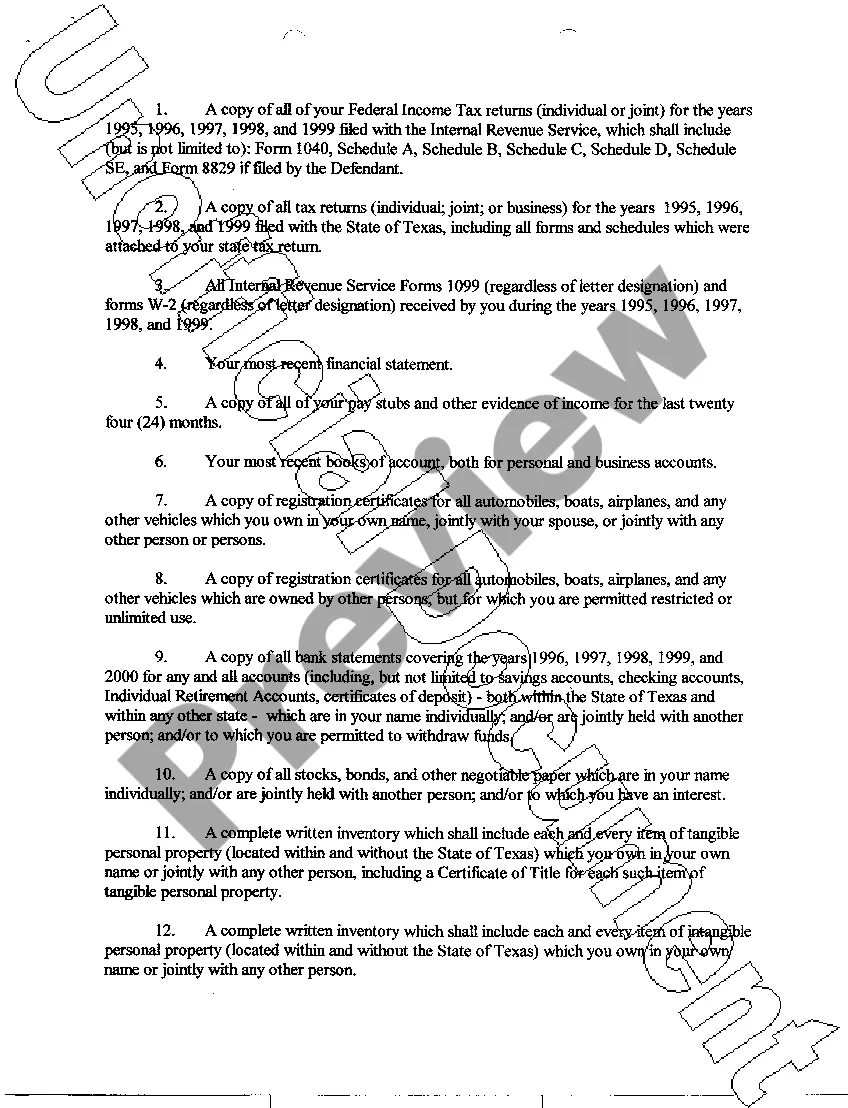
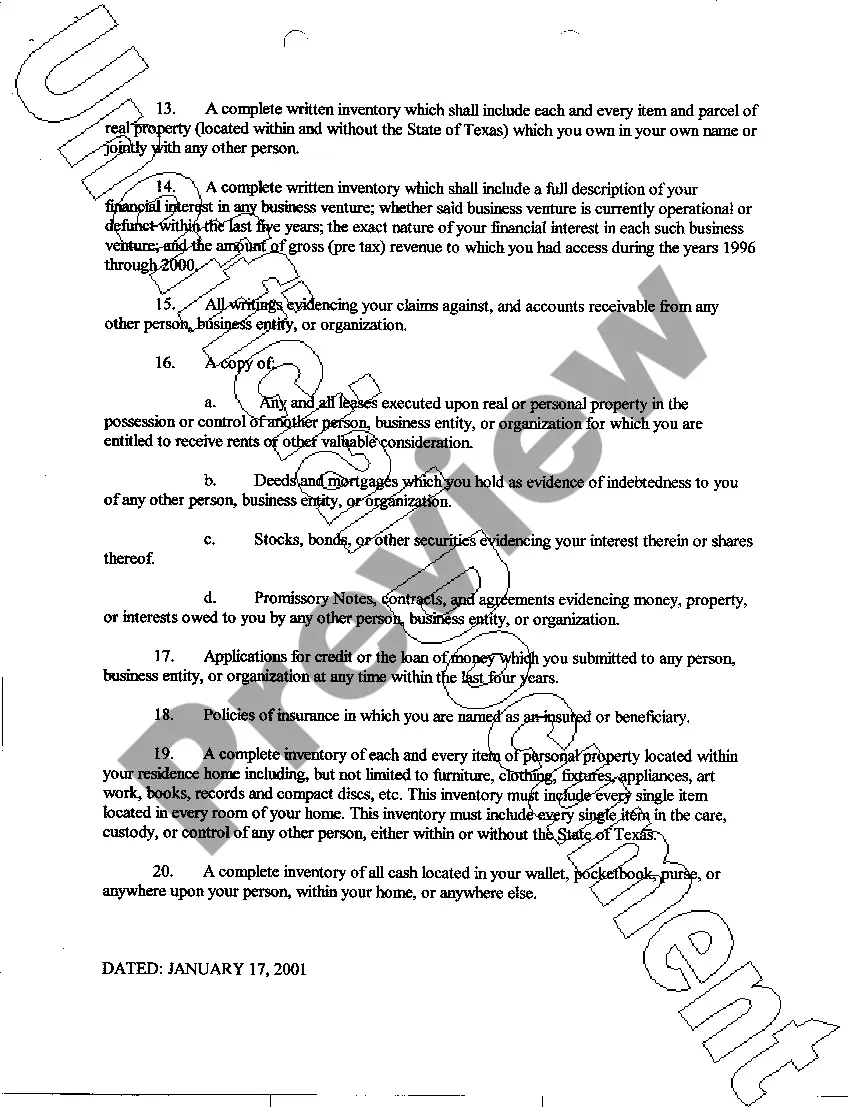
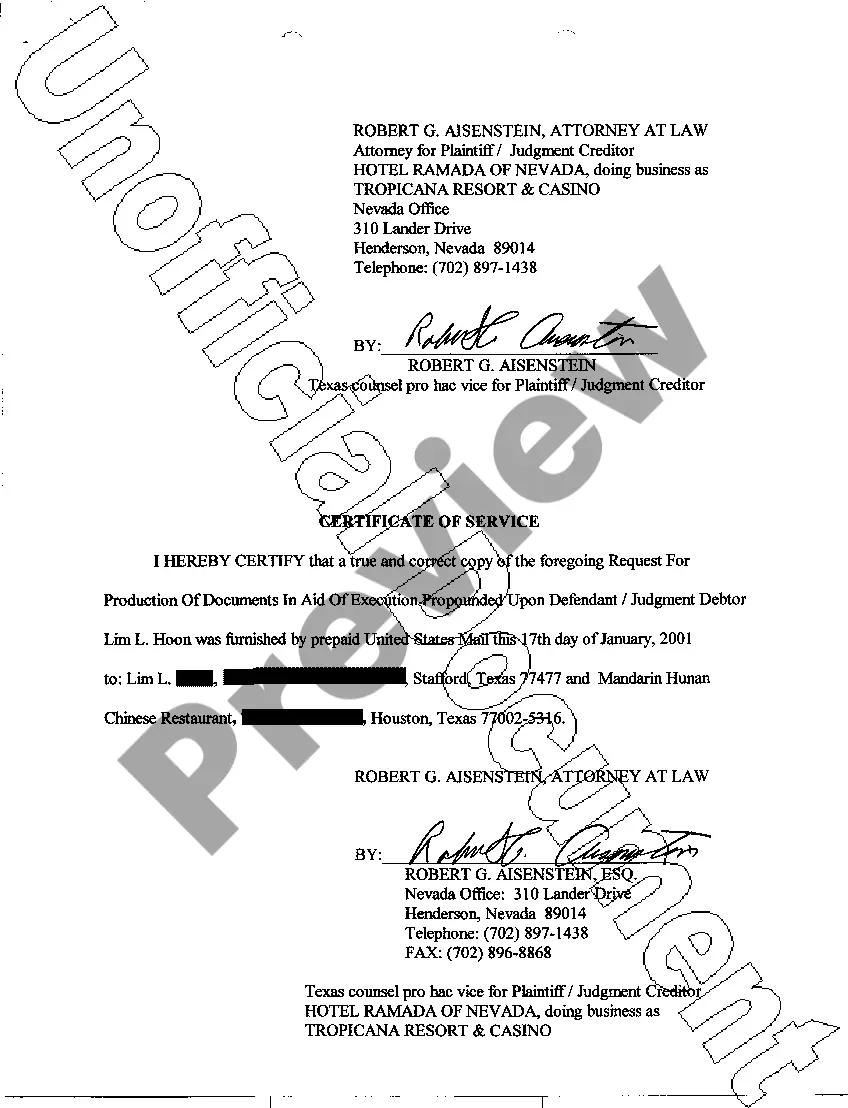

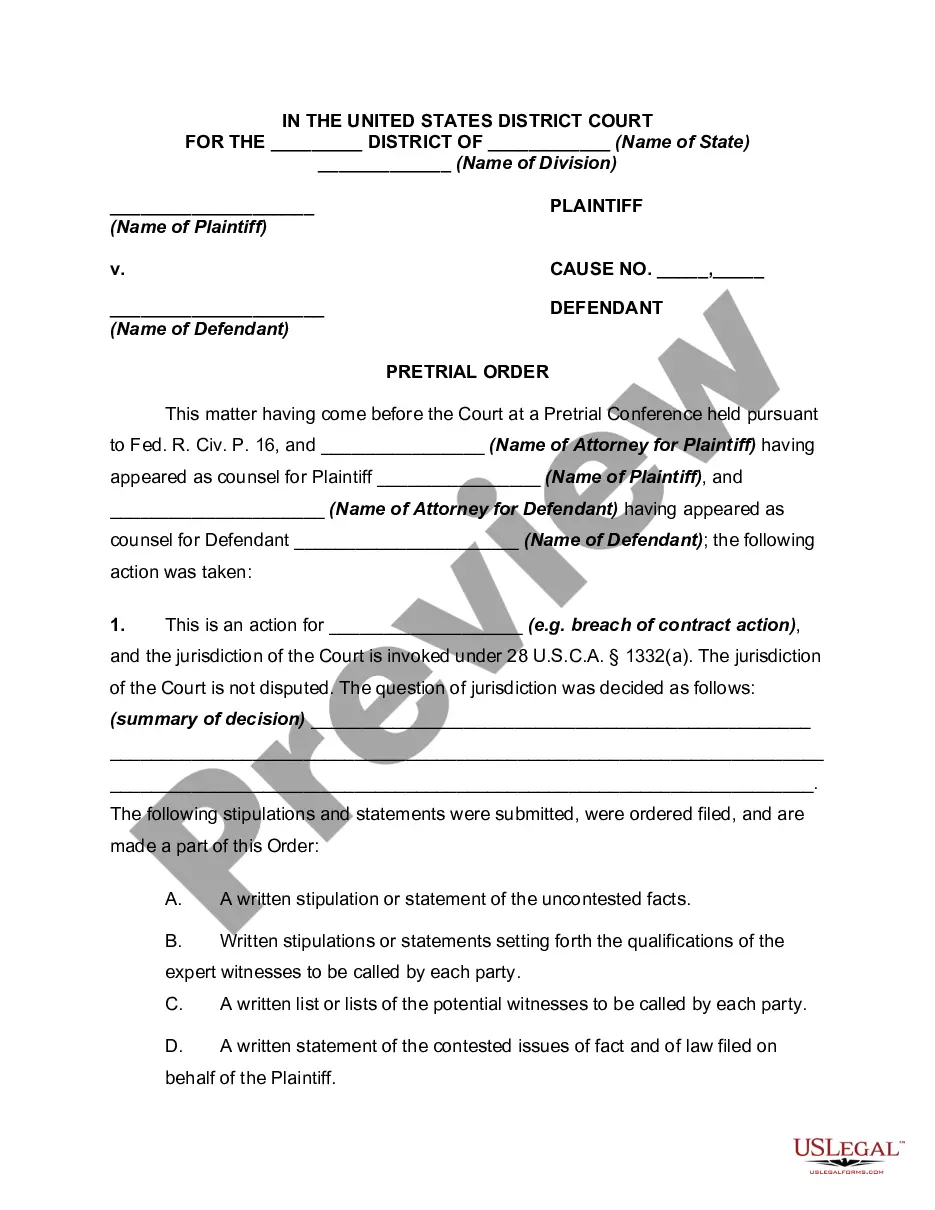
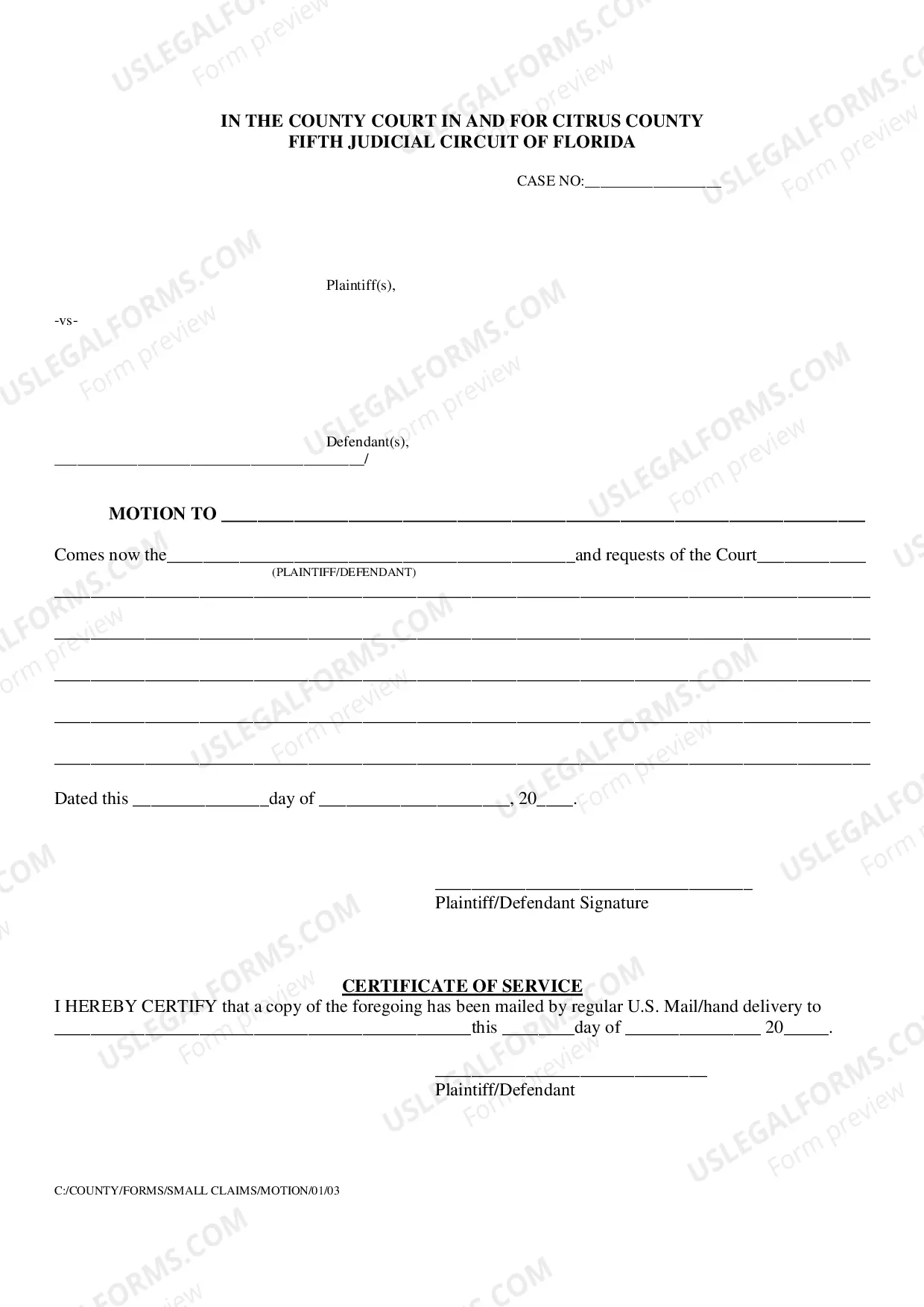
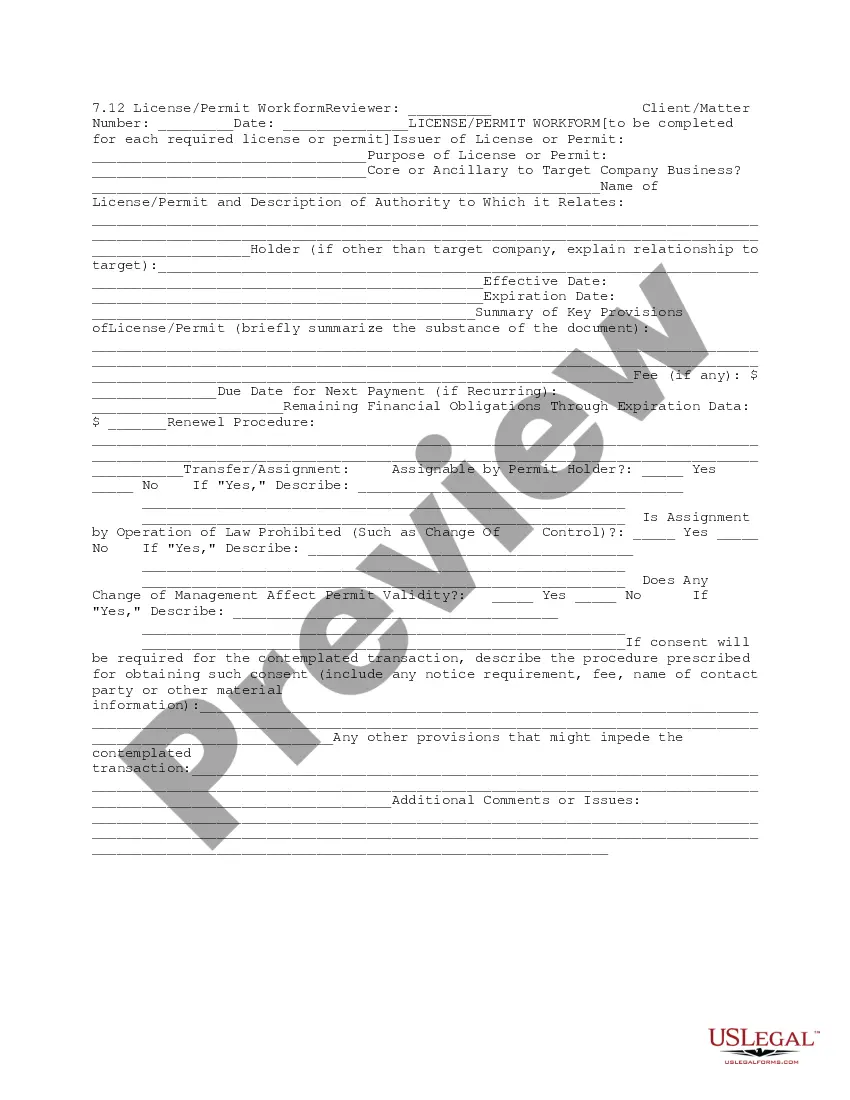

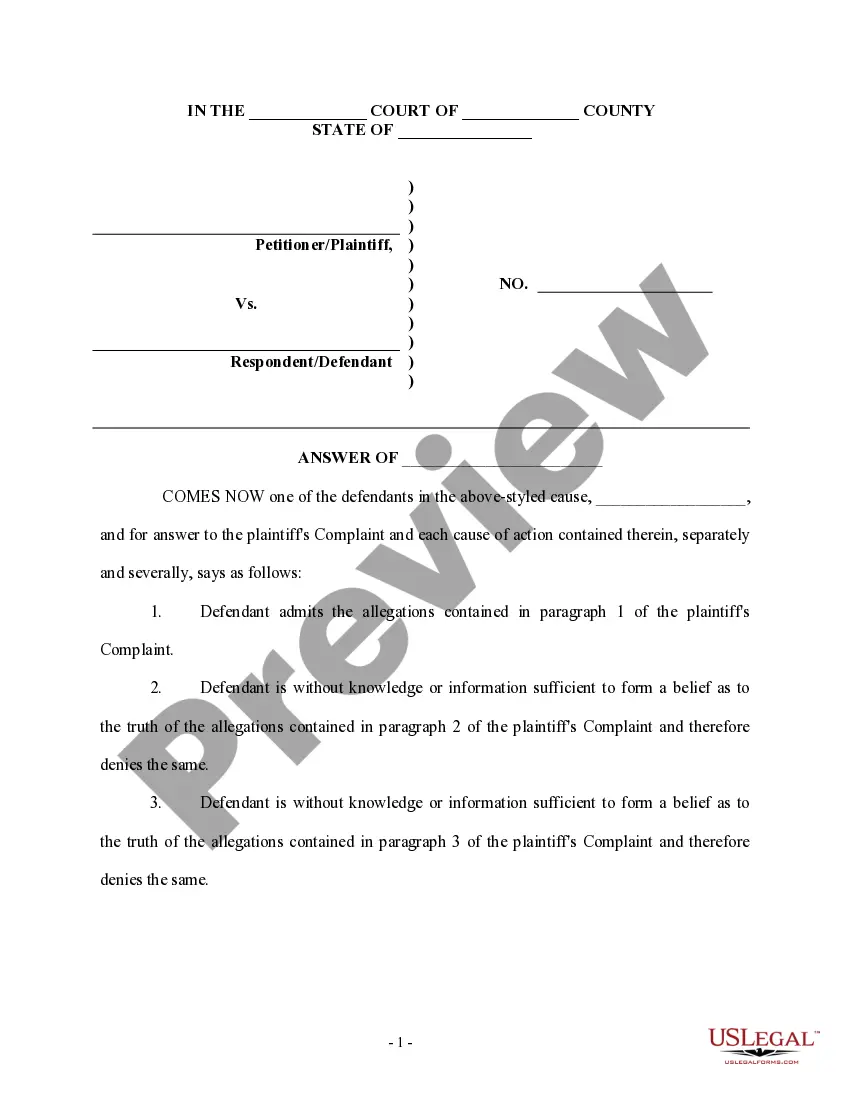
How to fill out Texas Motion To Compel Discovery?
Drafting legal documents from scratch can often be intimidating. Certain scenarios might involve hours of research and hundreds of dollars invested. If you’re searching for a simpler and more cost-effective way of creating Motion To Compel Discovery Texas Example or any other paperwork without the need of jumping through hoops, US Legal Forms is always at your disposal.
Our virtual library of over 85,000 up-to-date legal documents addresses virtually every aspect of your financial, legal, and personal affairs. With just a few clicks, you can quickly get state- and county-specific forms carefully put together for you by our legal professionals.
Use our platform whenever you need a trustworthy and reliable services through which you can easily find and download the Motion To Compel Discovery Texas Example. If you’re not new to our services and have previously created an account with us, simply log in to your account, locate the template and download it away or re-download it anytime later in the My Forms tab.
Not registered yet? No problem. It takes little to no time to set it up and navigate the library. But before jumping directly to downloading Motion To Compel Discovery Texas Example, follow these recommendations:
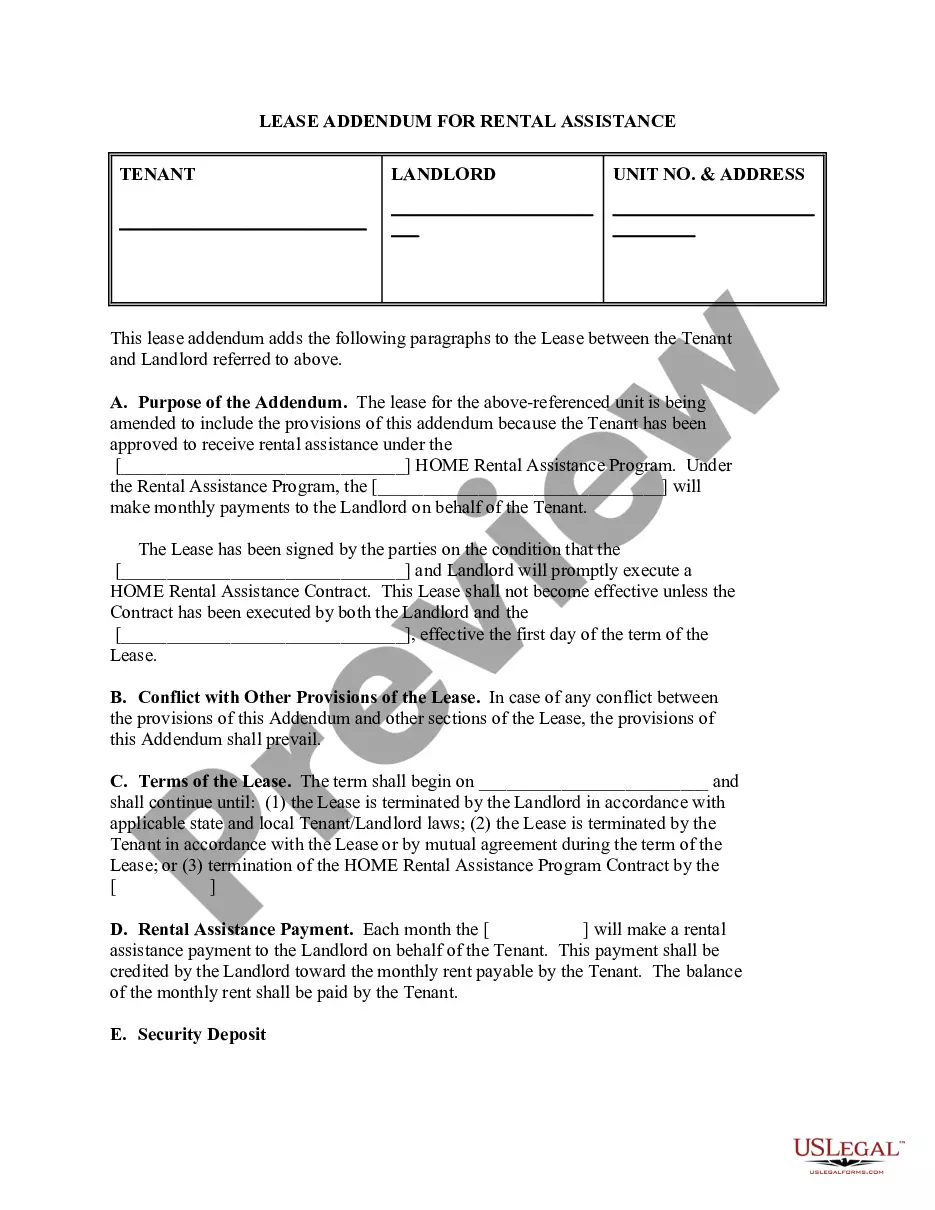
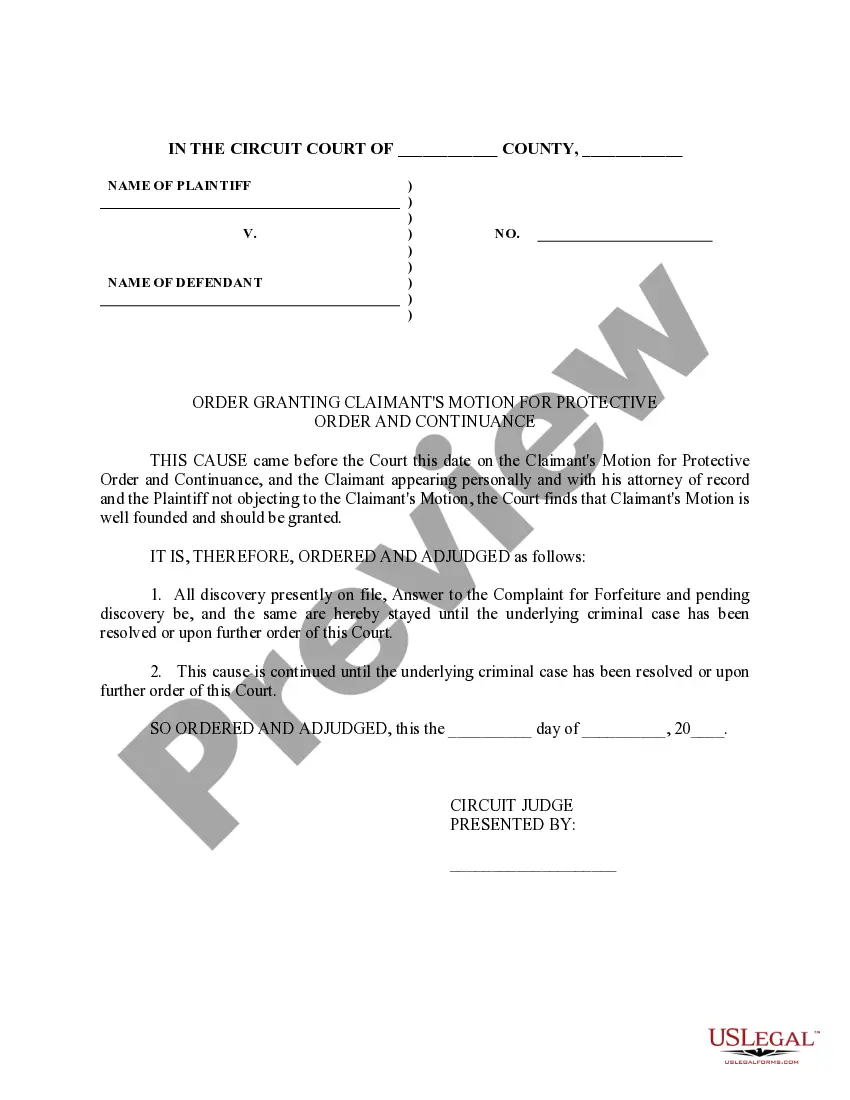
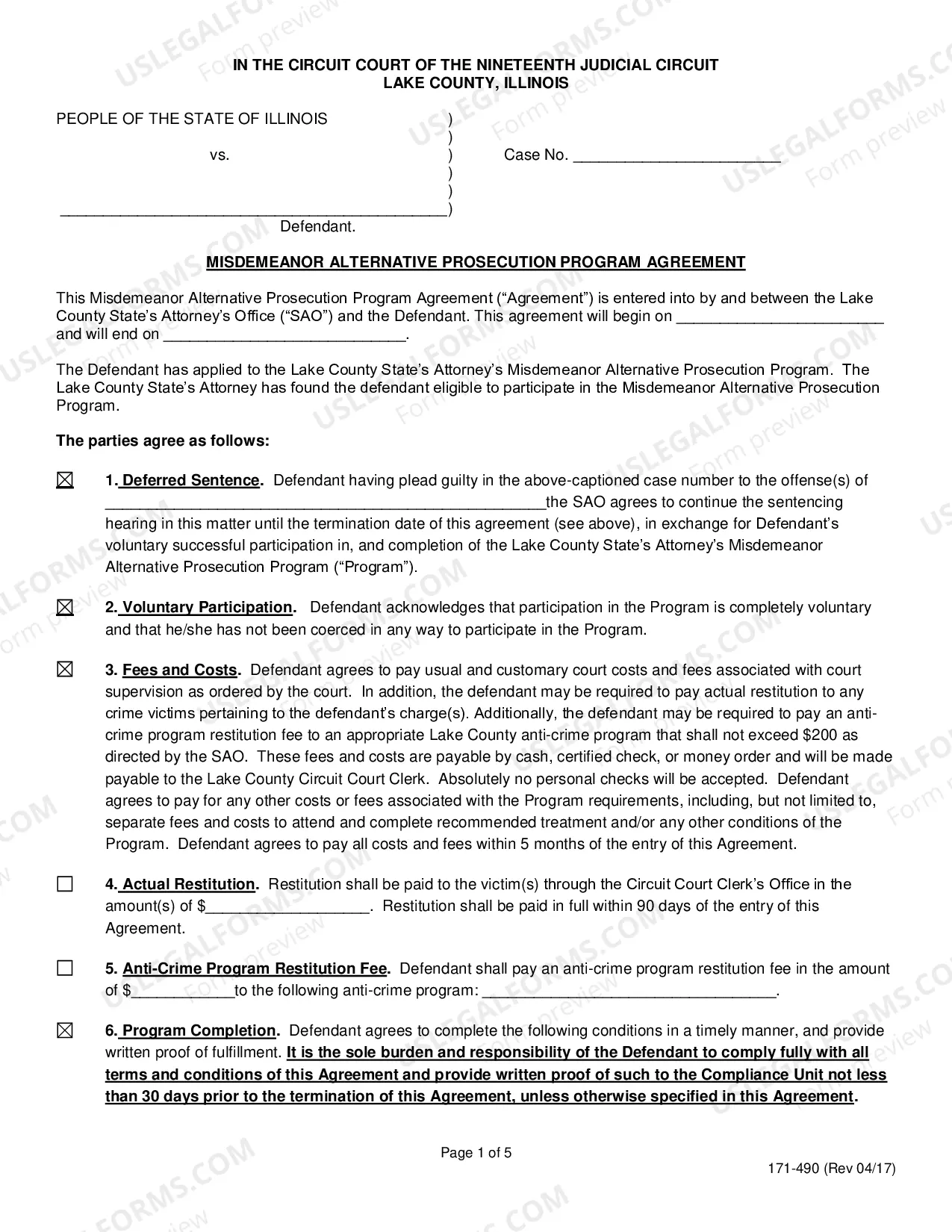
- Check the document preview and descriptions to make sure you have found the form you are searching for.
- Check if template you select conforms with the regulations and laws of your state and county.
- Pick the best-suited subscription option to purchase the Motion To Compel Discovery Texas Example.
- Download the form. Then complete, certify, and print it out.
US Legal Forms has a good reputation and over 25 years of experience. Join us now and transform form completion into something simple and streamlined!
Form popularity
FAQ
Consider Filing a Motion to Compel if: A party fails to answer an interrogatory. A party's response to a discovery request is incomplete or evasive. A person fails to answer a question during a deposition. A non-party objects to a request for documents under a subpoena.
A motion to compel discovery from a party should be made in the court in which the action is pending or in any district court in the district in which the deposition is being taken. Tex. R. Civ.
(b) Good Faith Efforts to Confer Before a party files a motion to compel a response to discovery, the party must make a good faith effort to confer with the person or party allegedly failing to properly respond to a request for discovery in an effort to secure information or material without action by the ALJ.
A motion to compel asks the court to order either the opposing party or a third party to take some action. This sort of motion most commonly deals with discovery disputes, when a party who has propounded discovery to either the opposing party or a third party believes that the discovery responses are insufficient.
For example, a party may file a motion asking the court to: Order another party or person to: ... Quash a subpoena that improperly seeks documents or testimony. Order the parties to maintain the confidentiality of commercially sensitive, trade secret, proprietary, or personal information.