Tenants Getting Evicted
Description
Get your form ready online
Our built-in tools help you complete, sign, share, and store your documents in one place.
Make edits, fill in missing information, and update formatting in US Legal Forms—just like you would in MS Word.
Download a copy, print it, send it by email, or mail it via USPS—whatever works best for your next step.
Sign and collect signatures with our SignNow integration. Send to multiple recipients, set reminders, and more. Go Premium to unlock E-Sign.
If this form requires notarization, complete it online through a secure video call—no need to meet a notary in person or wait for an appointment.
We protect your documents and personal data by following strict security and privacy standards.

Make edits, fill in missing information, and update formatting in US Legal Forms—just like you would in MS Word.

Download a copy, print it, send it by email, or mail it via USPS—whatever works best for your next step.

Sign and collect signatures with our SignNow integration. Send to multiple recipients, set reminders, and more. Go Premium to unlock E-Sign.

If this form requires notarization, complete it online through a secure video call—no need to meet a notary in person or wait for an appointment.

We protect your documents and personal data by following strict security and privacy standards.
Looking for another form?

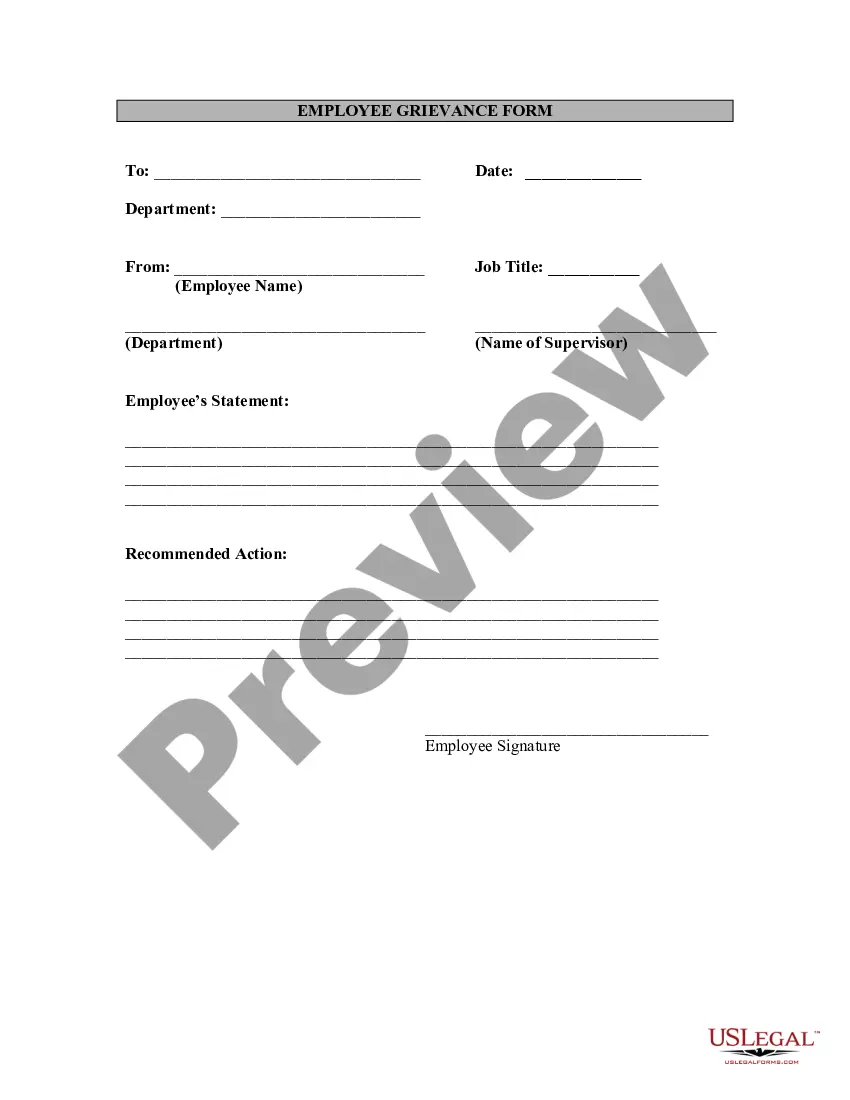

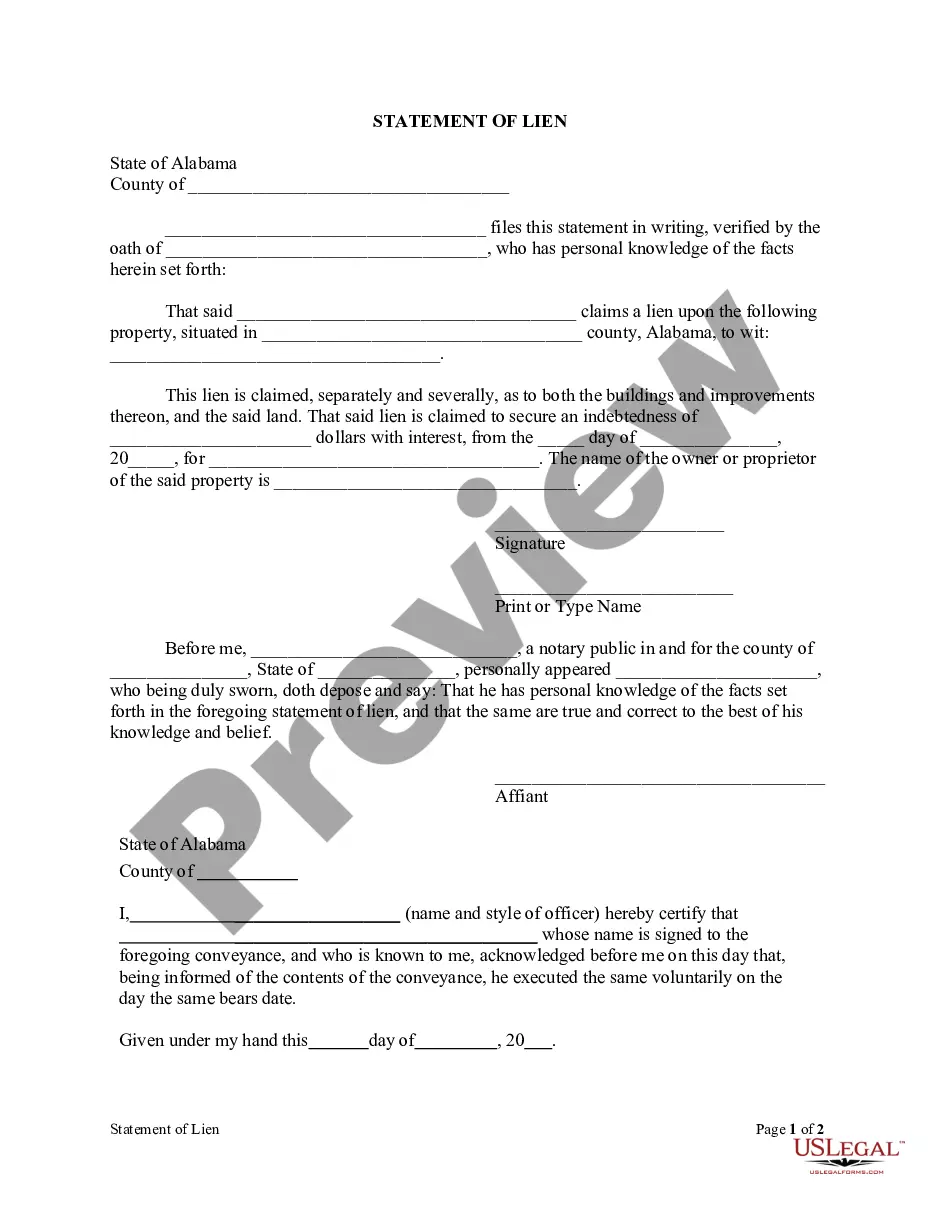
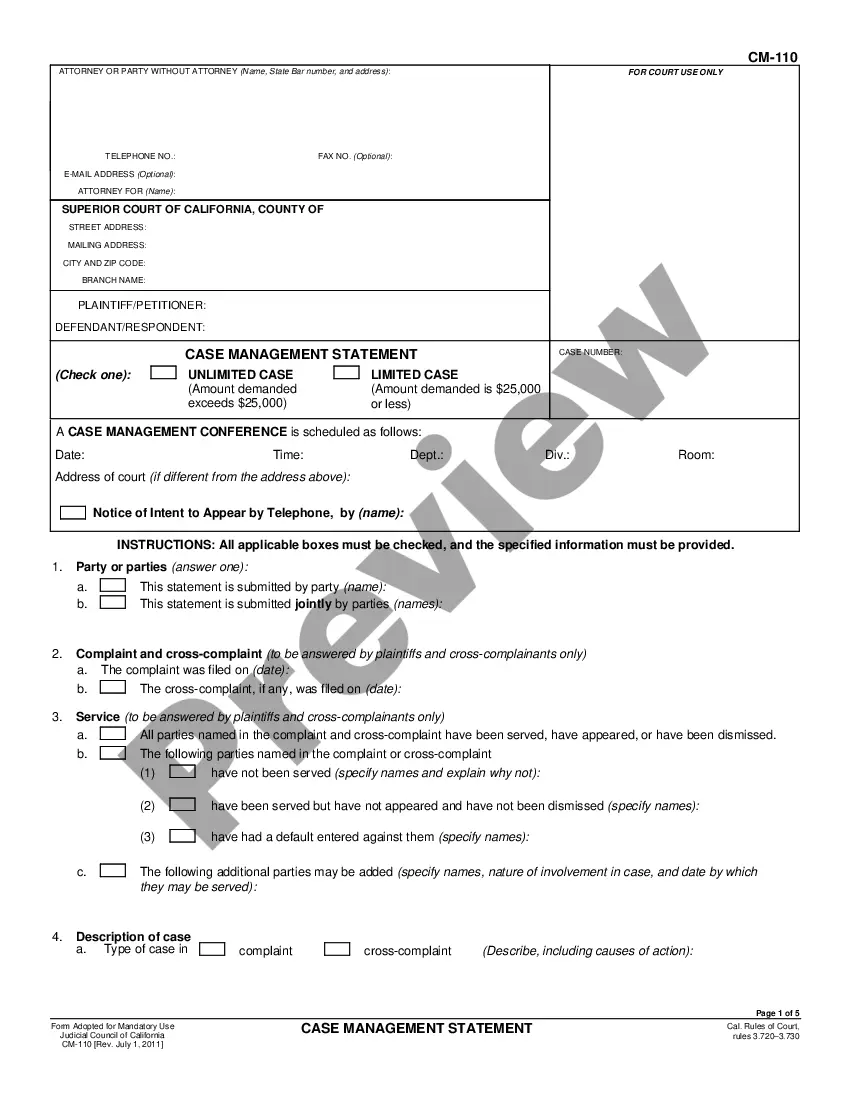
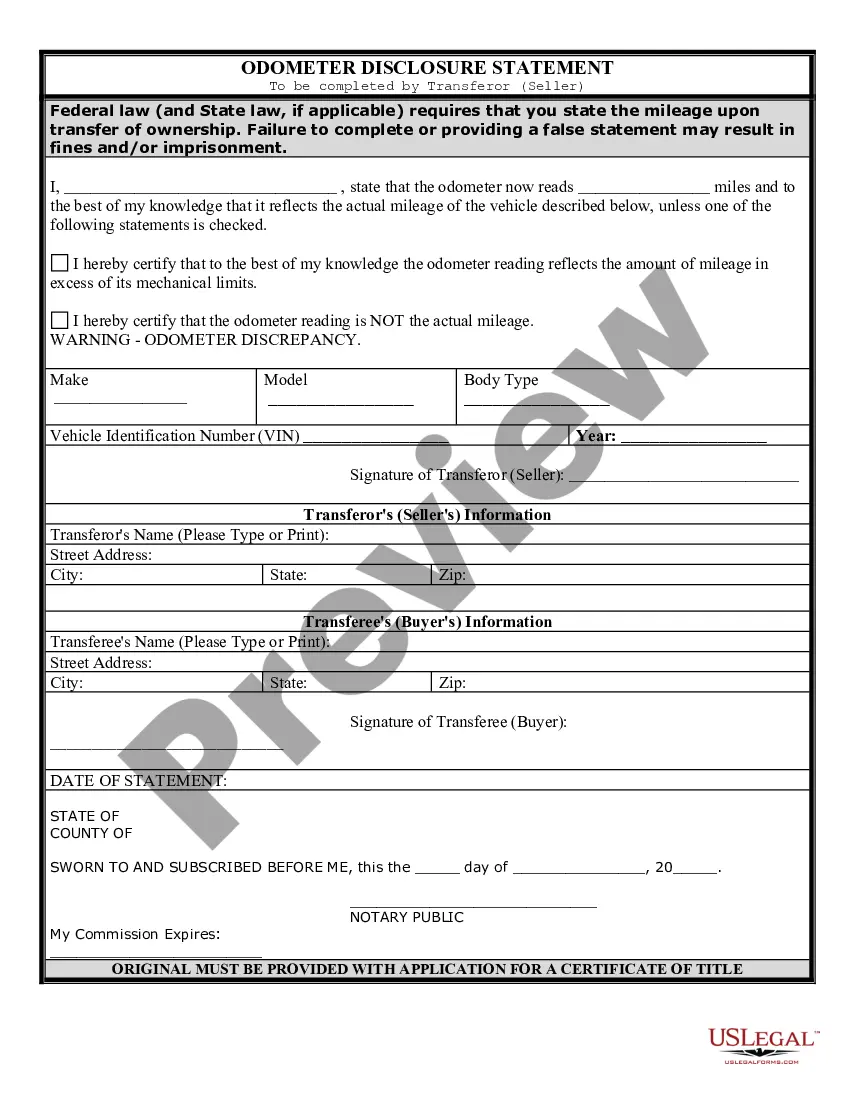

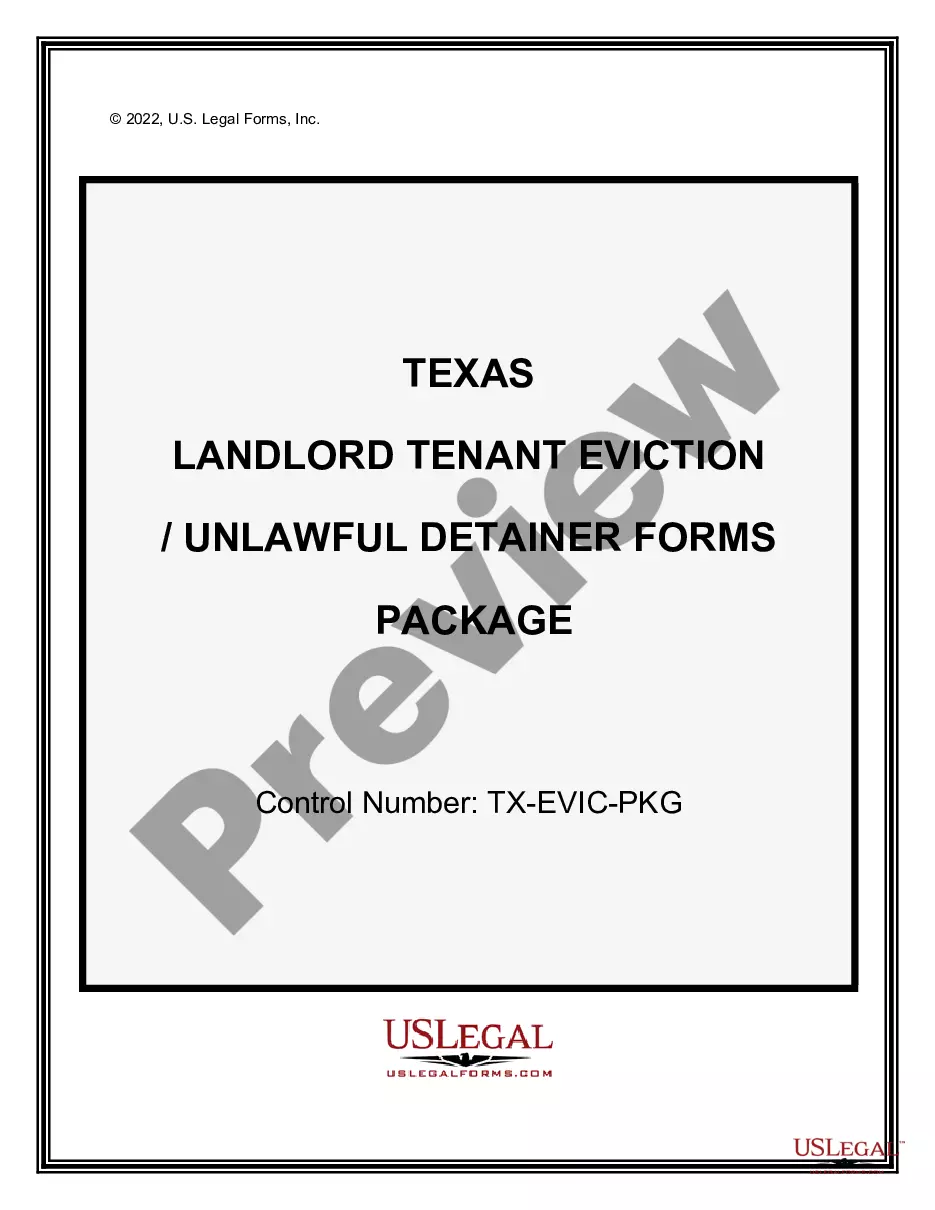
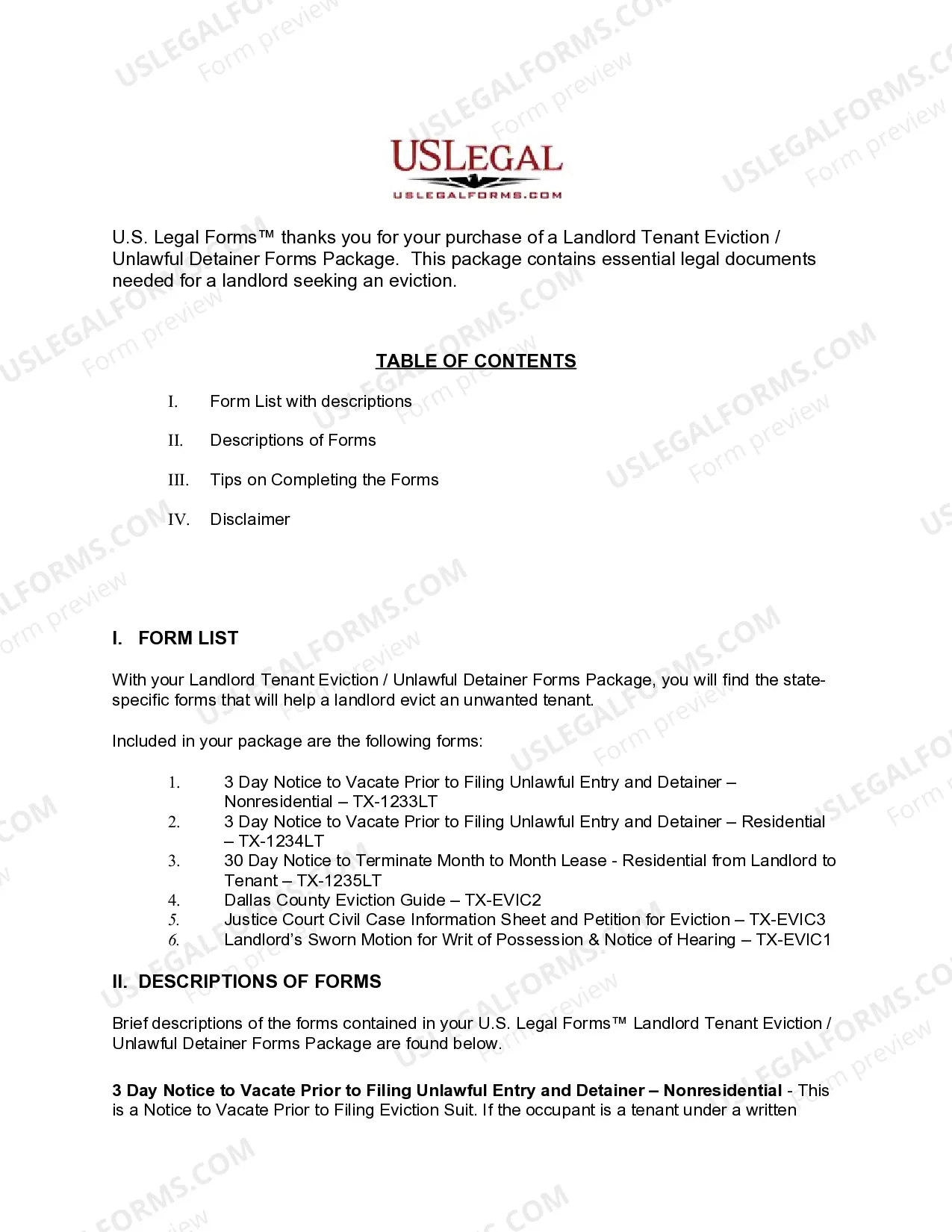
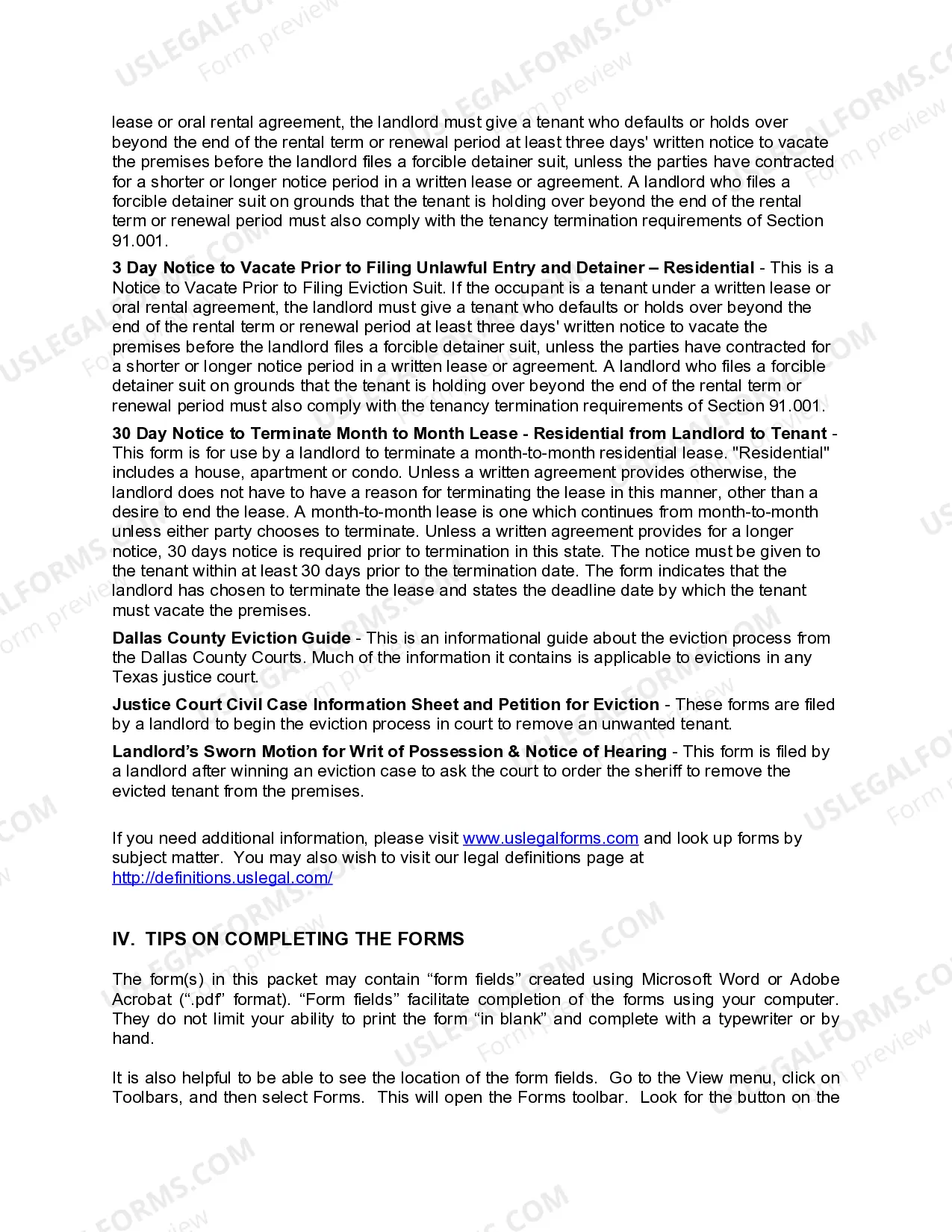
How to fill out Texas Landlord Tenant Eviction / Unlawful Detainer Forms Package?
- If you are a returning user, log into your account and locate the required form template. Ensure your subscription is current; otherwise, renew it according to your plan.
- For first-time users, explore the preview mode available for each form. Confirm that the selected document meets your needs and adheres to your local jurisdiction's regulations.
- If the desired form is not suitable, utilize the Search tab at the top of the page to find a more appropriate template.
- Once you’ve found the correct form, select the Buy Now button, choose your preferred subscription plan, and create an account for full access to legal resources.
- Complete your purchase by providing payment details via credit card or through your PayPal account.
- Download the form to your device for completion. You can access it at any time in the My Forms section of your profile.
Conclusion: By using US Legal Forms, tenants subjected to eviction can navigate the legal documentation process efficiently, ensuring their rights are protected. With a vast array of forms and access to expert advice, you can feel confident in managing your situation expertly.
Don't hesitate—visit US Legal Forms today to find the forms you need.
Form popularity
FAQ
The new tenant eviction law in California introduces various measures aimed at protecting tenants from unfair evictions, including extended notice periods and specific lawful grounds for eviction. These changes mean tenants getting evicted have more rights and can often fight against wrongful terminations. Using platforms like US Legal Forms can assist you in understanding these laws and preparing the necessary documentation.
The eviction process in California can take anywhere from a few weeks to several months, depending on various factors such as the court's schedule and whether the tenant contests the eviction. Tenants getting evicted often face additional delays if they seek legal counsel or challenge the eviction notice. Having the right resources and knowledge can help streamline the process.
In California, a landlord may begin the eviction process after providing adequate notice to the tenant, typically ranging from 3 to 60 days, depending on the reason for eviction. Once a notice is served, the timeline can be swift, and tenants getting evicted should be prepared to respond promptly. Understanding your rights and responsibilities is crucial in navigating this situation.
The new law for eviction in California includes tenant protections that aim to limit the reasons for eviction and extend notice periods. This law creates requirements for landlords, ensuring they provide valid documentation before initiating eviction proceedings. As a result, tenants getting evicted may have more time and resources to respond to eviction notices effectively.
Delaware has specific rules regarding eviction that protect all parties involved. For tenants getting evicted, landlords must provide proper notice and may need to show cause for the eviction in court. Understanding these rules is crucial for landlords to ensure compliance and for tenants to know their rights during the eviction process.
The time it takes to evict a tenant in Vermont can vary based on several factors, including court schedules and tenant responses. Typically, the process may take several weeks to a couple of months from the initial notice to the actual eviction. It's essential to remain patient and follow legal procedures to avoid delays.
Eviction laws in Vermont protect both landlords and tenants. These laws dictate the steps landlords must take when they seek to evict tenants, including proper documentation and notice periods. Landlords must also comply with court procedures, ensuring the eviction process is conducted fairly and legally.
Tenants in Vermont typically need to give at least 30 days' notice if they wish to end a month-to-month lease. This notice must be in writing and should clearly state the tenant's intent to vacate the property. Understanding this requirement helps both landlords and tenants manage the eviction process more smoothly.
Evicting tenants in New Mexico involves several steps that landlords must follow. First, landlords must provide tenants with a written notice specifying the reason for eviction. Then, if the tenant does not comply, the landlord can file an eviction lawsuit in the local court, adhering to state regulations throughout the process.
In Vermont, there are clear rules governing tenants getting evicted. Landlords must provide a valid reason for eviction, such as non-payment of rent or lease violations. Additionally, landlords must follow the appropriate notice periods and court procedures to ensure that the process complies with state laws.