Texas Trust Amendment Form For Revocable Living Trust
Description
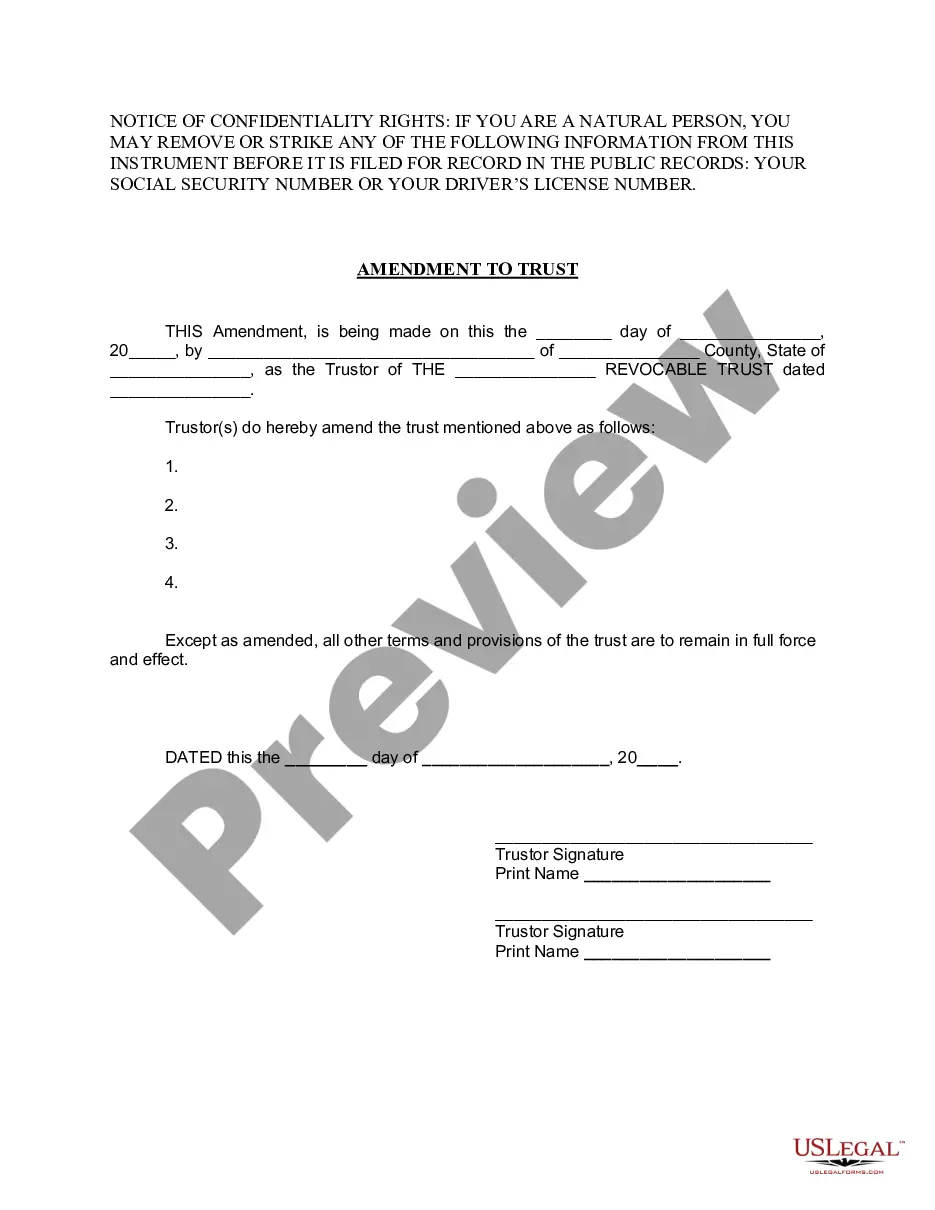
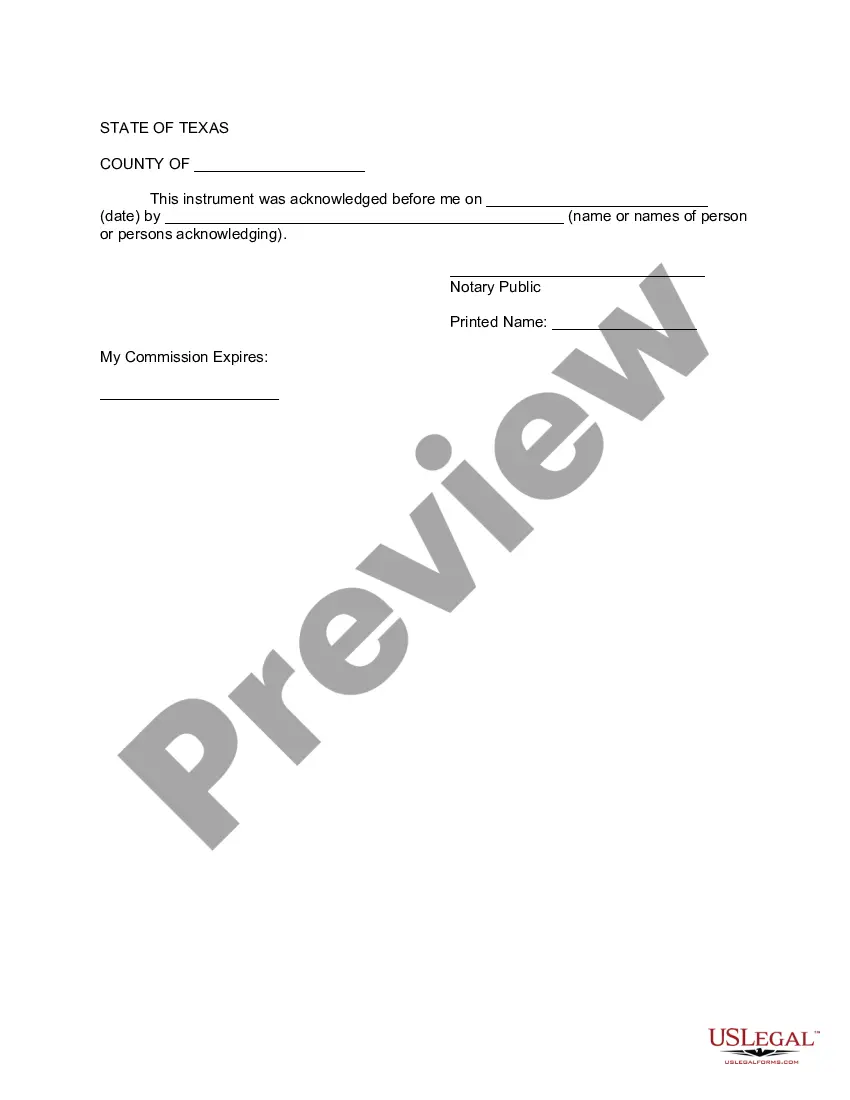


Get your form ready online
Our built-in tools help you complete, sign, share, and store your documents in one place.
Make edits, fill in missing information, and update formatting in US Legal Forms—just like you would in MS Word.
Download a copy, print it, send it by email, or mail it via USPS—whatever works best for your next step.
Sign and collect signatures with our SignNow integration. Send to multiple recipients, set reminders, and more. Go Premium to unlock E-Sign.
If this form requires notarization, complete it online through a secure video call—no need to meet a notary in person or wait for an appointment.
We protect your documents and personal data by following strict security and privacy standards.

Make edits, fill in missing information, and update formatting in US Legal Forms—just like you would in MS Word.

Download a copy, print it, send it by email, or mail it via USPS—whatever works best for your next step.

Sign and collect signatures with our SignNow integration. Send to multiple recipients, set reminders, and more. Go Premium to unlock E-Sign.

If this form requires notarization, complete it online through a secure video call—no need to meet a notary in person or wait for an appointment.

We protect your documents and personal data by following strict security and privacy standards.
Looking for another form?






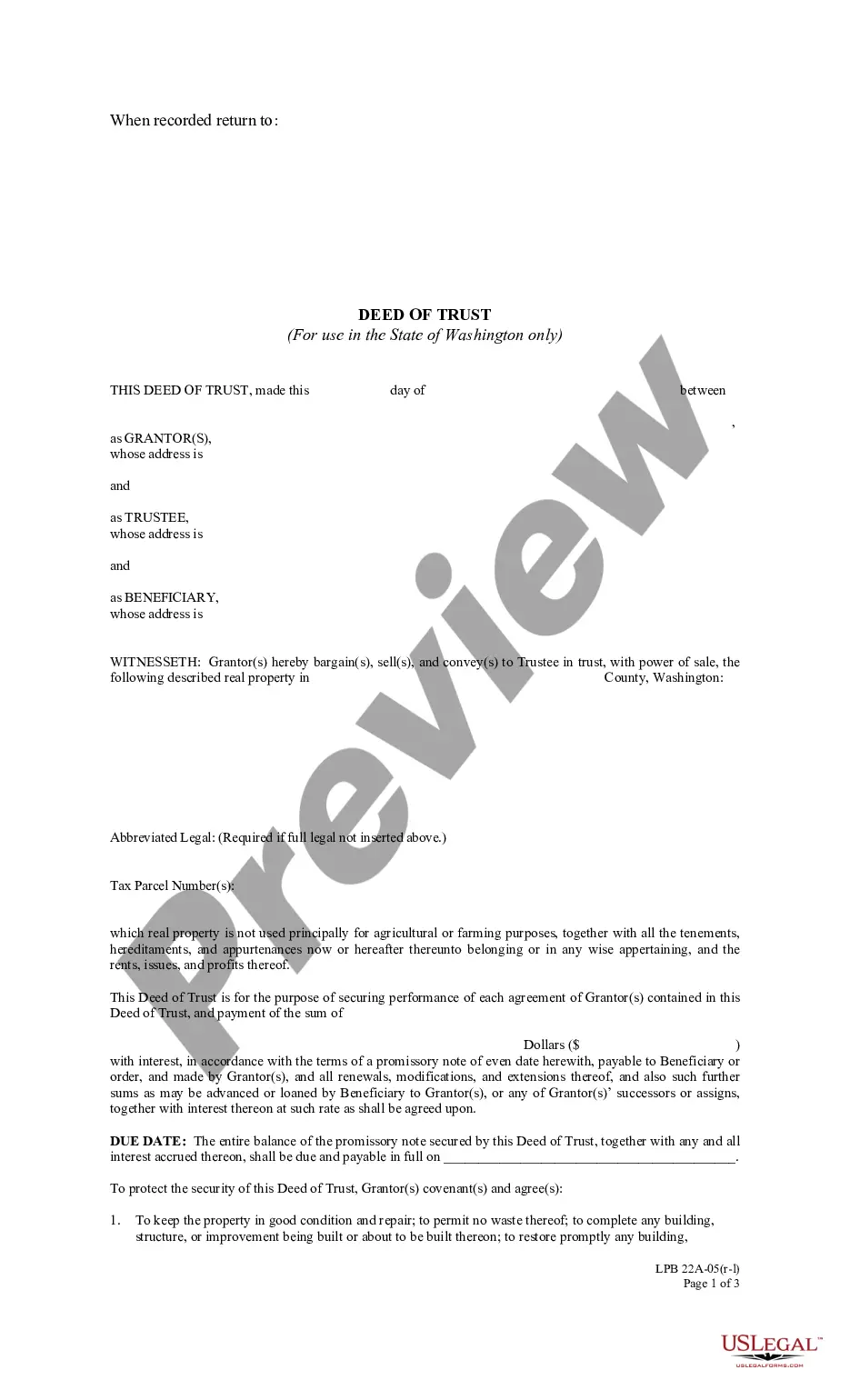

How to fill out Texas Amendment To Living Trust?
Whether for business purposes or for personal matters, everyone has to deal with legal situations sooner or later in their life. Filling out legal papers demands careful attention, starting with selecting the appropriate form sample. For example, when you choose a wrong version of a Texas Trust Amendment Form For Revocable Living Trust, it will be declined once you send it. It is therefore essential to get a dependable source of legal files like US Legal Forms.
If you have to obtain a Texas Trust Amendment Form For Revocable Living Trust sample, follow these easy steps:
- Get the template you need using the search field or catalog navigation.
- Examine the form’s description to ensure it matches your case, state, and county.
- Click on the form’s preview to view it.
- If it is the incorrect document, go back to the search function to find the Texas Trust Amendment Form For Revocable Living Trust sample you need.
- Download the file when it matches your requirements.
- If you already have a US Legal Forms profile, click Log in to access previously saved templates in My Forms.
- If you don’t have an account yet, you may download the form by clicking Buy now.
- Select the proper pricing option.
- Complete the profile registration form.
- Pick your transaction method: you can use a bank card or PayPal account.
- Select the file format you want and download the Texas Trust Amendment Form For Revocable Living Trust.
- When it is downloaded, you are able to fill out the form by using editing software or print it and complete it manually.
With a substantial US Legal Forms catalog at hand, you don’t need to spend time searching for the right template across the internet. Take advantage of the library’s easy navigation to find the proper template for any situation.
Form popularity
FAQ
Ease of Management Even when done correctly, sometimes it is simply a hassle to execute a new will or codicil when all you want to do is make a minor change to your plan. Amending a revocable trust, however, requires at most a notarized signature.
To create a living trust in Texas, you must find a licensed attorney familiar with the laws of trusts in Texas. The attorney will advise you on how best to manage your property through the trust and help you develop a document that outlines your wishes.
It's important to know what you want to change and where in your trust document this information lives (such as the article number you're amending). Fill out the amendment form. Complete the entire form. It's important to be clear and detailed in describing your changes.
An estate planning attorney must review the trust to ensure it can be amended. If the trust allows the surviving settlor to amend the trust, the authority to amend it may only be given to the surviving settlor. The mother may be permitted to amend the trust. However, it can't be anyone acting on her behalf.
To make a living trust in Texas, you: Choose between establishing an individual or shared trust. Determine which assets will be included in the trust. Select a successor trustee. Determine the trust's beneficiaries or those who will receive the trust's assets. Create the trust document.