Form For Successor Trustee
Description


Form popularity
FAQ
Yes, a trustee must file Form 56 when they take control over trust assets. This form notifies the IRS of your position and authority, ensuring that you can manage the trust without legal hurdles. Filing Form 56 is crucial to maintaining compliance and protecting the trust's interests. Consider using our platform to simplify the process of completing and submitting the form for successor trustee.
Failing to file Form 56 can lead to complications such as the IRS not recognizing your authority as a trustee. This might result in penalties or delays in managing trust assets. It is essential to submit Form 56 to ensure your role is legally recognized and to avoid any disruptions in your duties. Utilizing the form for successor trustee promptly helps avoid these issues.
A successor trustee usually does not need a new Employer Identification Number (EIN) if they are managing the trust designated with an existing EIN. However, if the trust's tax status changes or if a new business operation is started, a new EIN may be necessary. For clarity, checking with a tax professional is wise. Make sure you follow the right procedures and file the appropriate form for successor trustee if needed.
To prove a successor trustee, you typically need to present the trust document that names you as the successor trustee. This document should clearly outline your role and responsibilities. If the previous trustee has passed away or is unable to serve, you may also need a death certificate or a court order. Ensure that you have the proper form for successor trustee ready to provide verification.
The procedure for appointing a new trustee typically involves filling out a form for successor trustee. You should specify the name of the new trustee and outline their responsibilities in your estate plan. After completing the form, inform the new trustee and confirm they accept the role. Finally, consider consulting with a legal professional to ensure that all necessary steps are properly followed.
Whether a successor trustee's appointment needs notarization depends on state laws, but generally, it's a good practice to have the form for successor trustee notarized. Notarization adds an extra layer of authenticity and can help prevent disputes later. Be sure to check your state’s requirements to ensure compliance. This step can provide peace of mind knowing your documents are legally sound.
You can assign a successor trustee by completing a form for successor trustee. This document should clearly state your chosen trustee and outline their duties. Once filled out, ensure that your successor trustee receives a copy for their records. It's important to keep your estate plan updated to reflect this assignment.
To appoint a successor trustee, you need to fill out a form for successor trustee, which documents your decision. This form ensures that your chosen individual or institution understands their responsibilities. After completing the form, provide it to your successor trustee and inform them of their new role. Remember to review your estate plan to ensure all details align with this appointment.
The first step a successor trustee should take is to locate the trust documents and review the instructions carefully. Understanding the terms of the trust and the specific responsibilities outlined is essential for effective management. Next, they should begin organizing the trust's assets and communicating with beneficiaries about their roles. Starting with this solid foundation will ensure a smoother process as they navigate their responsibilities outlined in the form for successor trustee.
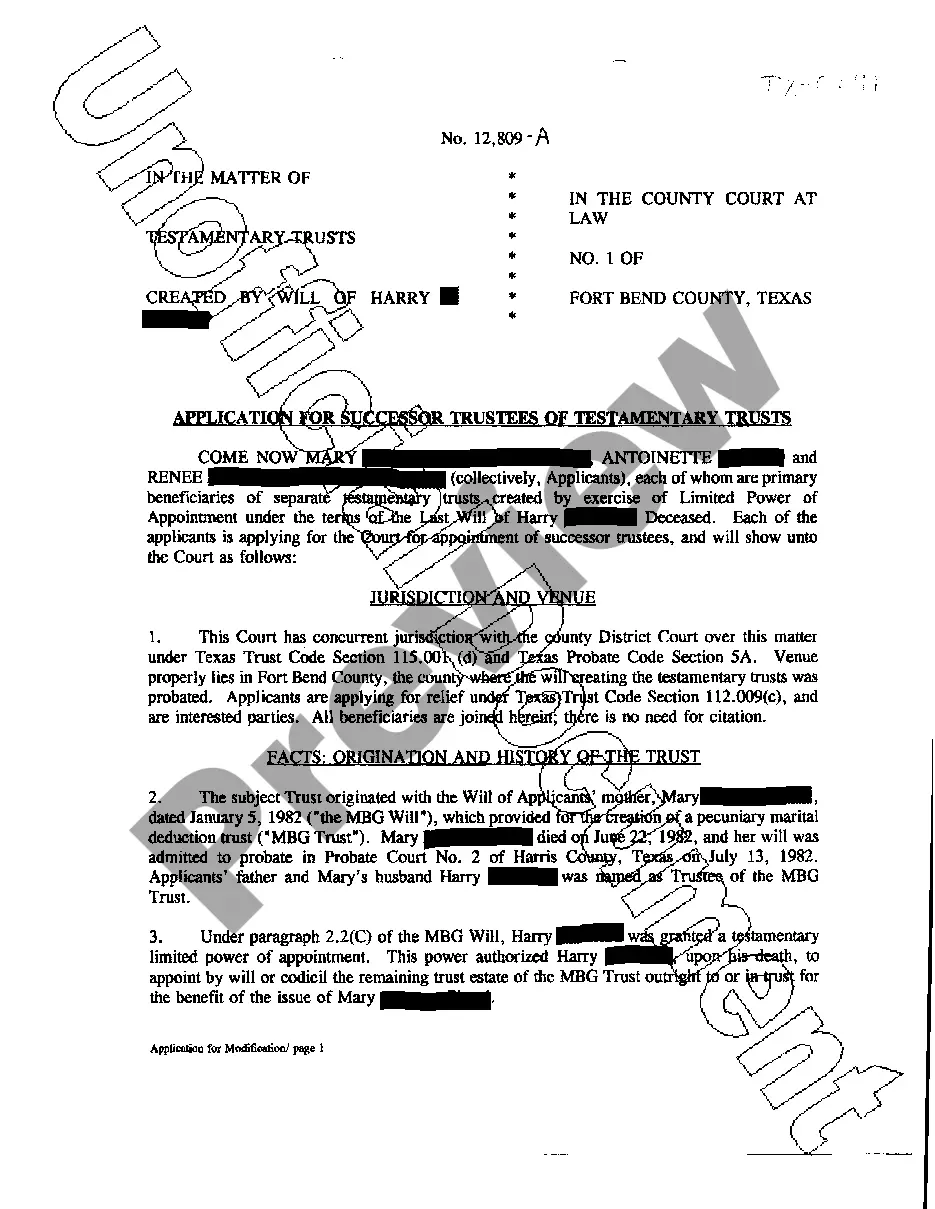
A successor trustee is the person or entity designated to manage a trust upon the death or incapacity of the original trustee. This individual or organization has a fiduciary duty to act in the best interest of the beneficiaries. They handle the distribution of assets, manage debts, and ensure compliance with legal requirements. When creating your form for successor trustee, it’s crucial to remember the significant responsibilities that come with this role.