Inventory And Condition Form For Rental Property Texas
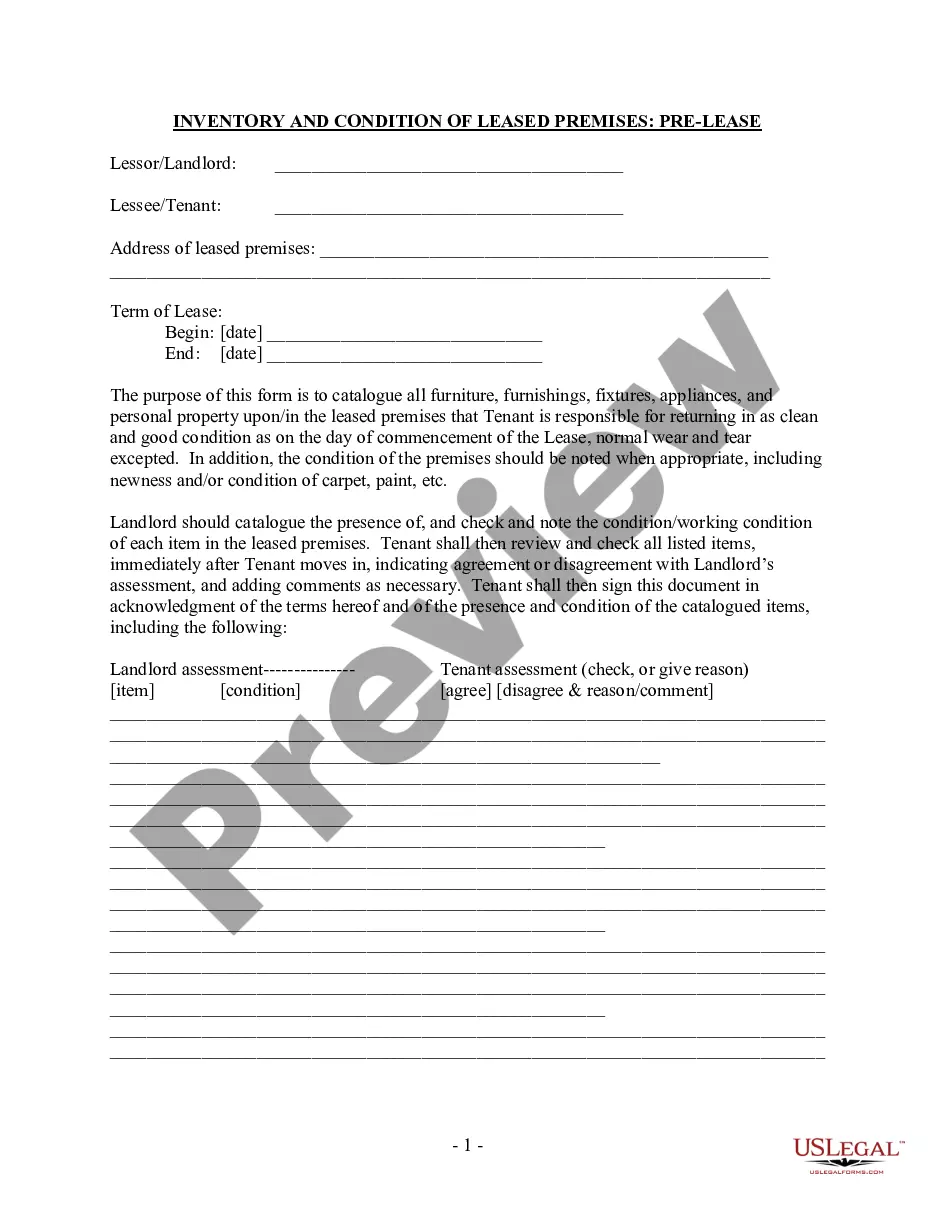
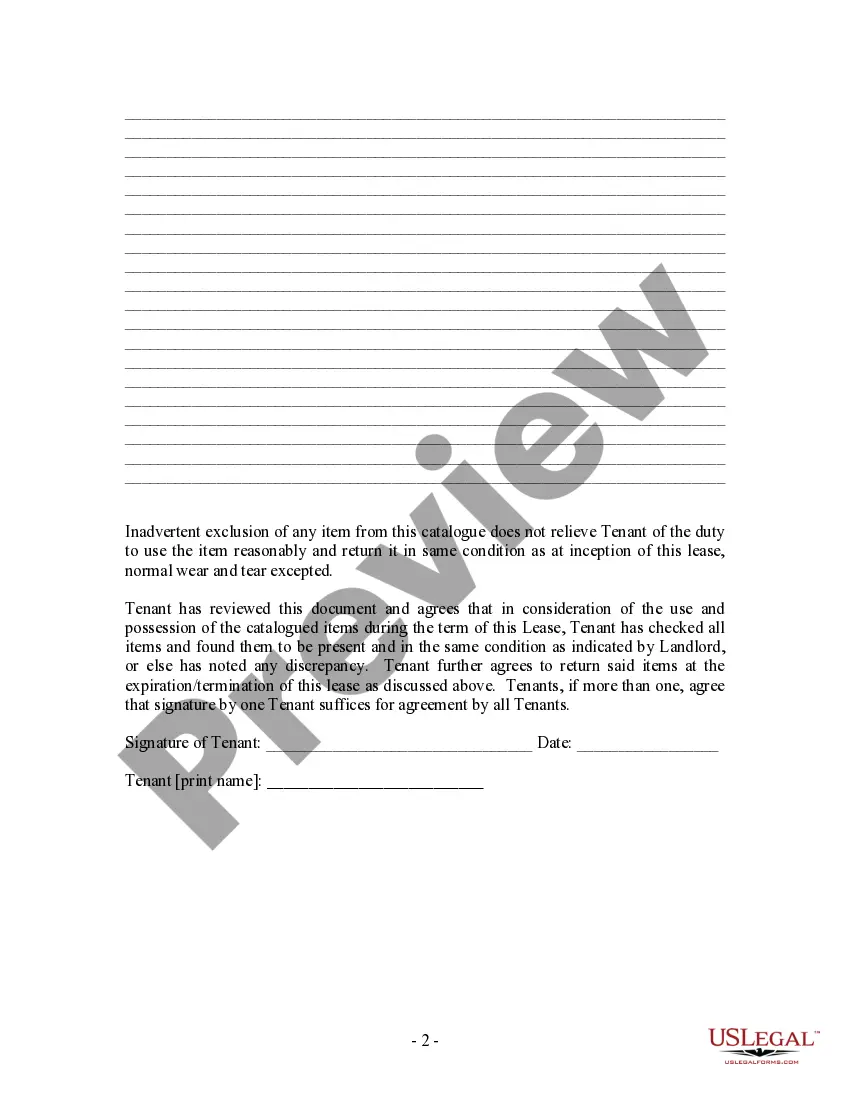
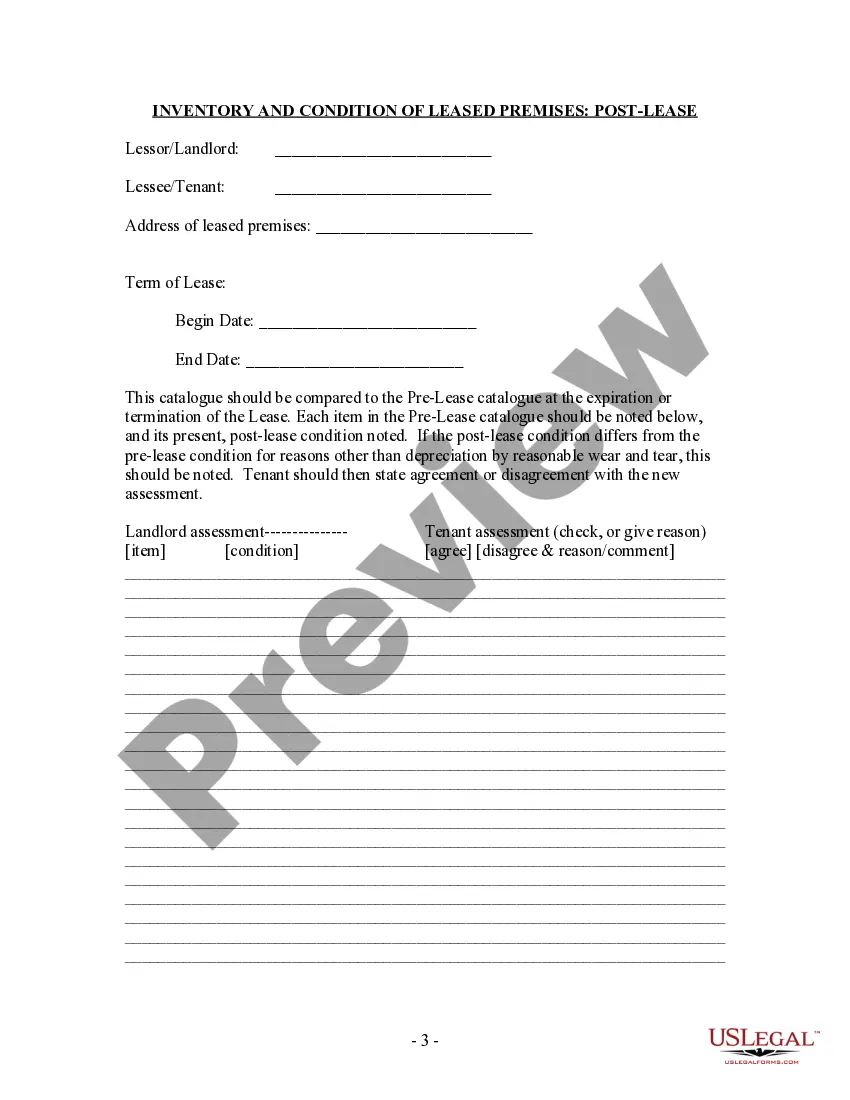
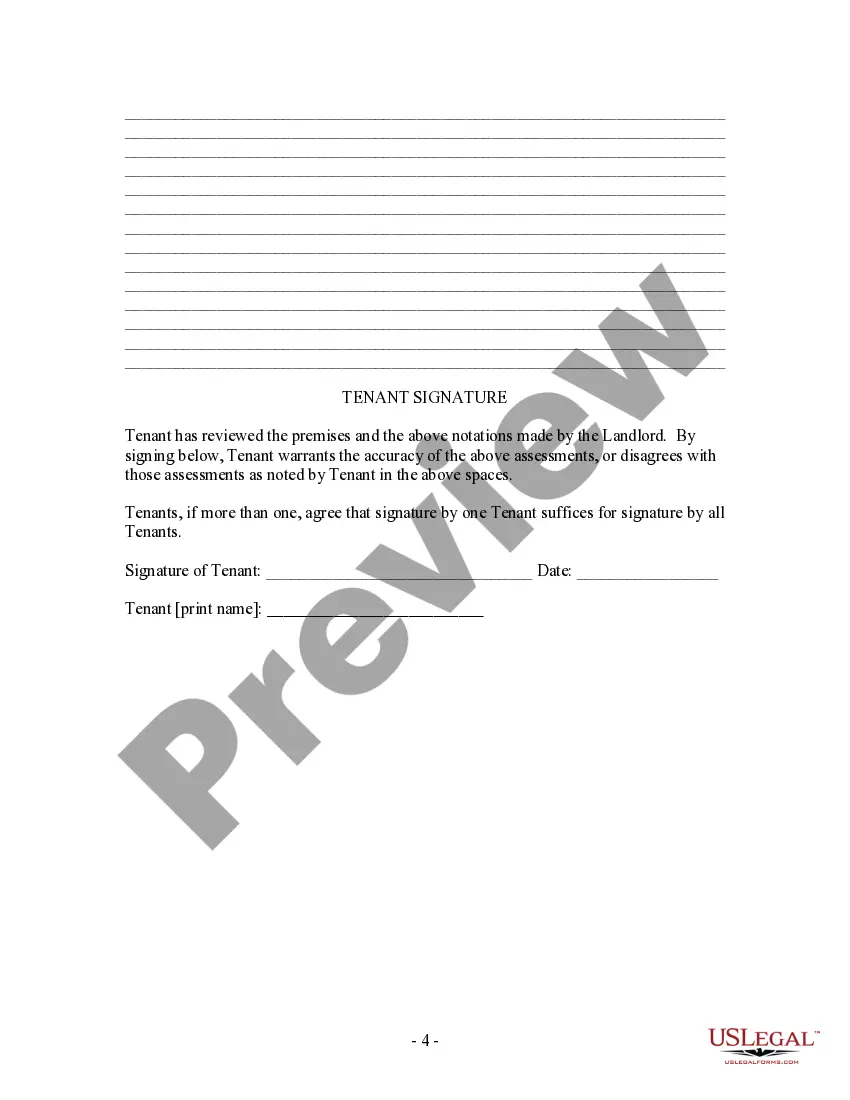
Description
Get your form ready online
Our built-in tools help you complete, sign, share, and store your documents in one place.
Make edits, fill in missing information, and update formatting in US Legal Forms—just like you would in MS Word.
Download a copy, print it, send it by email, or mail it via USPS—whatever works best for your next step.
Sign and collect signatures with our SignNow integration. Send to multiple recipients, set reminders, and more. Go Premium to unlock E-Sign.
If this form requires notarization, complete it online through a secure video call—no need to meet a notary in person or wait for an appointment.
We protect your documents and personal data by following strict security and privacy standards.

Make edits, fill in missing information, and update formatting in US Legal Forms—just like you would in MS Word.

Download a copy, print it, send it by email, or mail it via USPS—whatever works best for your next step.

Sign and collect signatures with our SignNow integration. Send to multiple recipients, set reminders, and more. Go Premium to unlock E-Sign.

If this form requires notarization, complete it online through a secure video call—no need to meet a notary in person or wait for an appointment.

We protect your documents and personal data by following strict security and privacy standards.
Looking for another form?
Form popularity
FAQ
Filling out an inventory and condition form for an apartment involves documenting every room, noting the state of each item and surface. Start at the entrance and work your way through, using a clear layout to make the process easier. Make sure to include photos if possible, as this adds an extra layer of verification. With the help of the right Inventory and condition form for rental property Texas, you can ensure your records are accurate and comprehensive.
To fill out a condition of rental property checklist, begin by reviewing each area of the property systematically. Check off items as you assess their condition, and be specific about any damages or issues. This checklist helps protect you and the landlord, serving as a reference during move-in and move-out. An Inventory and condition form for rental property Texas can assist you in effectively compiling this information.
Creating a property inventory starts with a thorough walk-through of the rental unit. Inspect each room carefully, noting the condition of fixtures, appliances, and any existing damages. It’s essential to document your findings in a detailed manner, as this helps establish a clear record. Utilizing an Inventory and condition form for rental property Texas can simplify this process, ensuring you cover all important details.
Filling out a residential lease inventory and condition form involves a meticulous inspection of all rental property aspects. Note every room and item, and assess their condition as you go. Ensuring accuracy is crucial, so consider using a checklist to streamline the process. When using the inventory and condition form for rental property Texas, you establish a strong foundation for your rental agreement.
On an inventory and condition form, clearly list each item in the property, along with a description of its condition. Don't forget to include major areas like living rooms, kitchens, and bathrooms. Also, document any existing damage, noting specifics such as scratches or stains. This transparency helps both landlords and tenants stay on the same page throughout the lease term.
A property condition report serves as a detailed record of a rental property's state at the beginning of a lease. For landlords, this report provides evidence of the property's condition, which can help in case of disputes concerning damages at the end of tenancy. By utilizing an inventory and condition form for rental property Texas, landlords can protect their investment and establish clear expectations with tenants.
When completing an apartment condition statement, start with a walkthrough of the entire apartment. Check each item listed in the form including appliances, fixtures, and amenities. Note any signs of damage or issues directly on the statement. This attention to detail is essential for creating a comprehensive record for the inventory and condition form for rental property Texas.
To fill out the inventory and condition form for rental property Texas, begin by carefully assessing each room of the property. Document the condition of walls, floors, and appliances, noting any existing damages or wear. Be thorough in your observations to avoid disputes later. Including clear descriptions and taking photos can enhance clarity for both landlords and tenants.
To complete an inventory and condition form, systematically assess every room in the property. Note the condition of each item and any pre-existing damages meticulously. This thorough documentation, captured in your Inventory and condition form for rental property Texas, facilitates a smooth rental process and helps either party understand their obligations. Utilizing platforms like US Legal Forms simplifies this task, providing templates tailored for your needs.
Creating a property inventory requires you to list all items and their conditions in your rental property. Start by taking photos and noting any existing wear and tear. This detailed account serves as an effective Inventory and condition form for rental property Texas, which can help in establishing accountability during your tenancy. A clear inventory protects both you and your landlord from potential misunderstandings.