Impairs Contracted Deadline With The Eu
Description
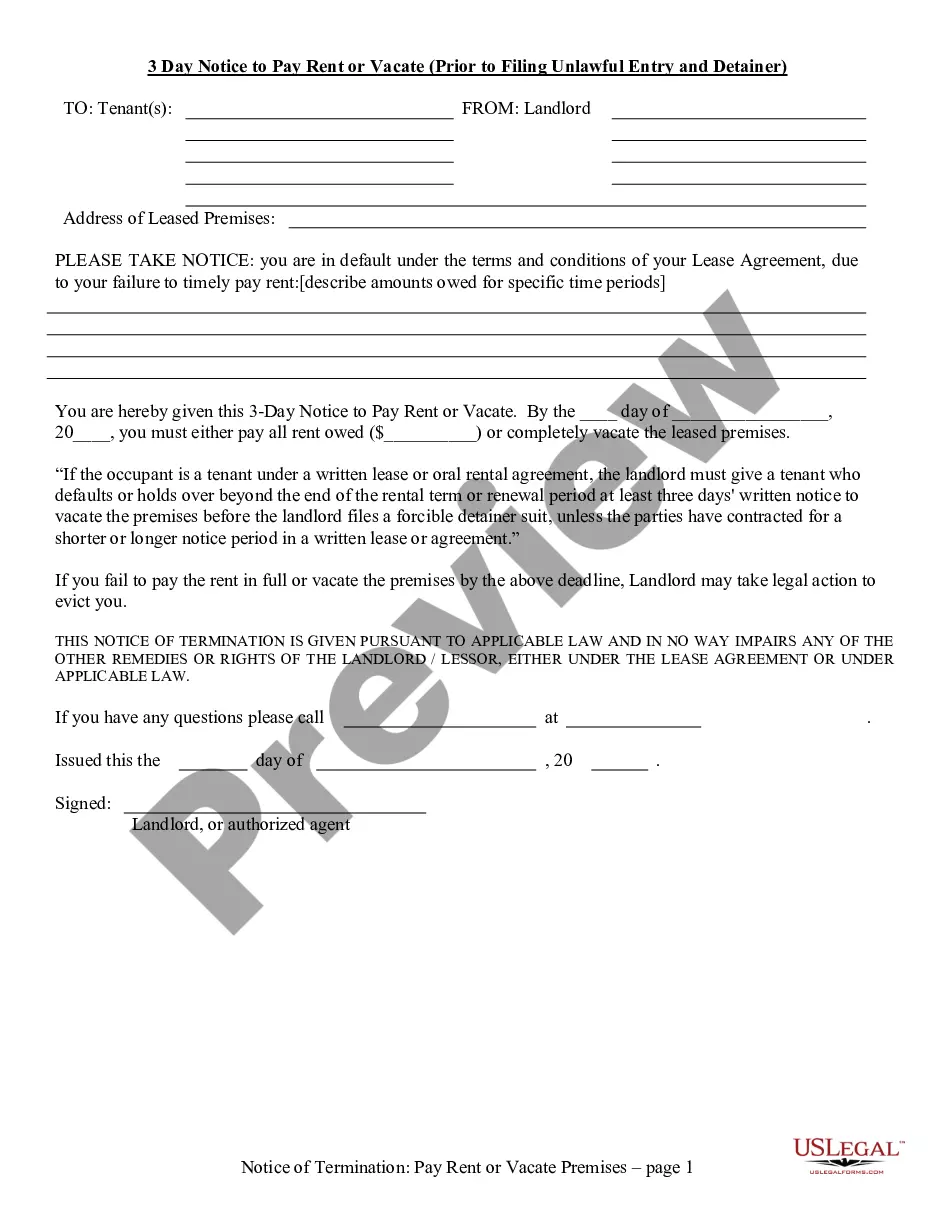
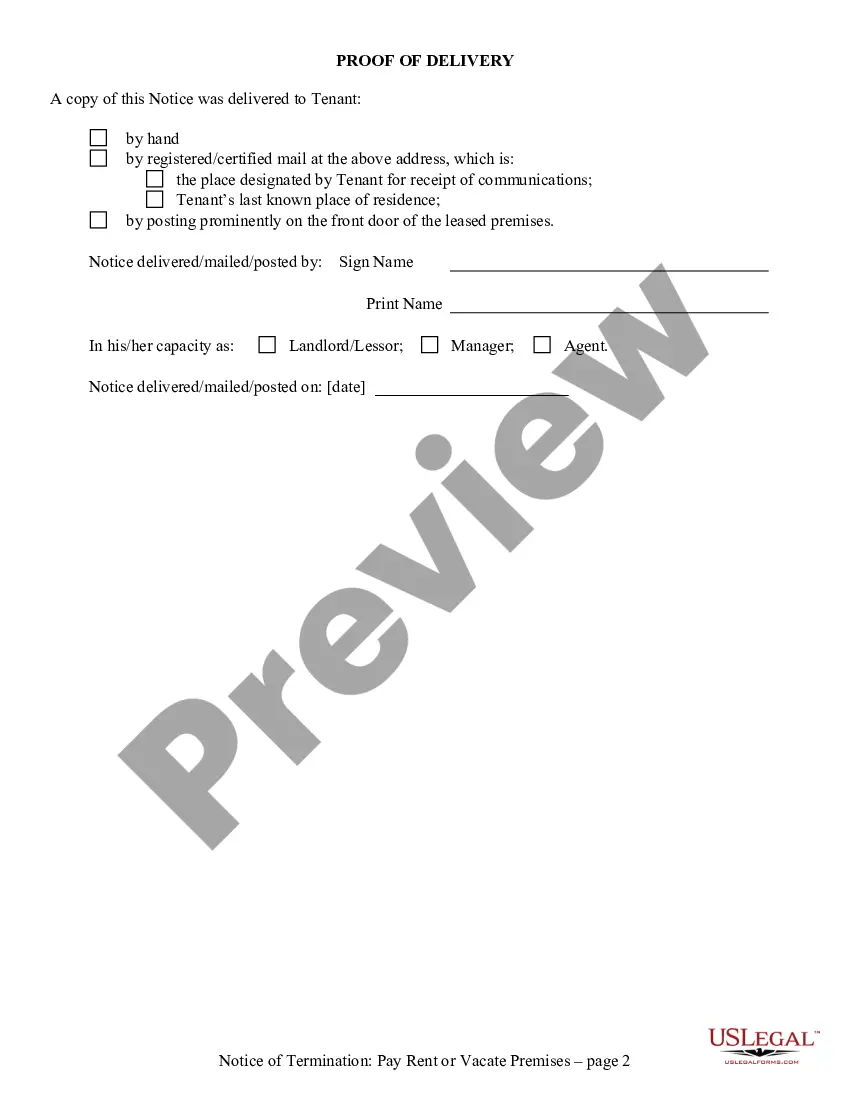
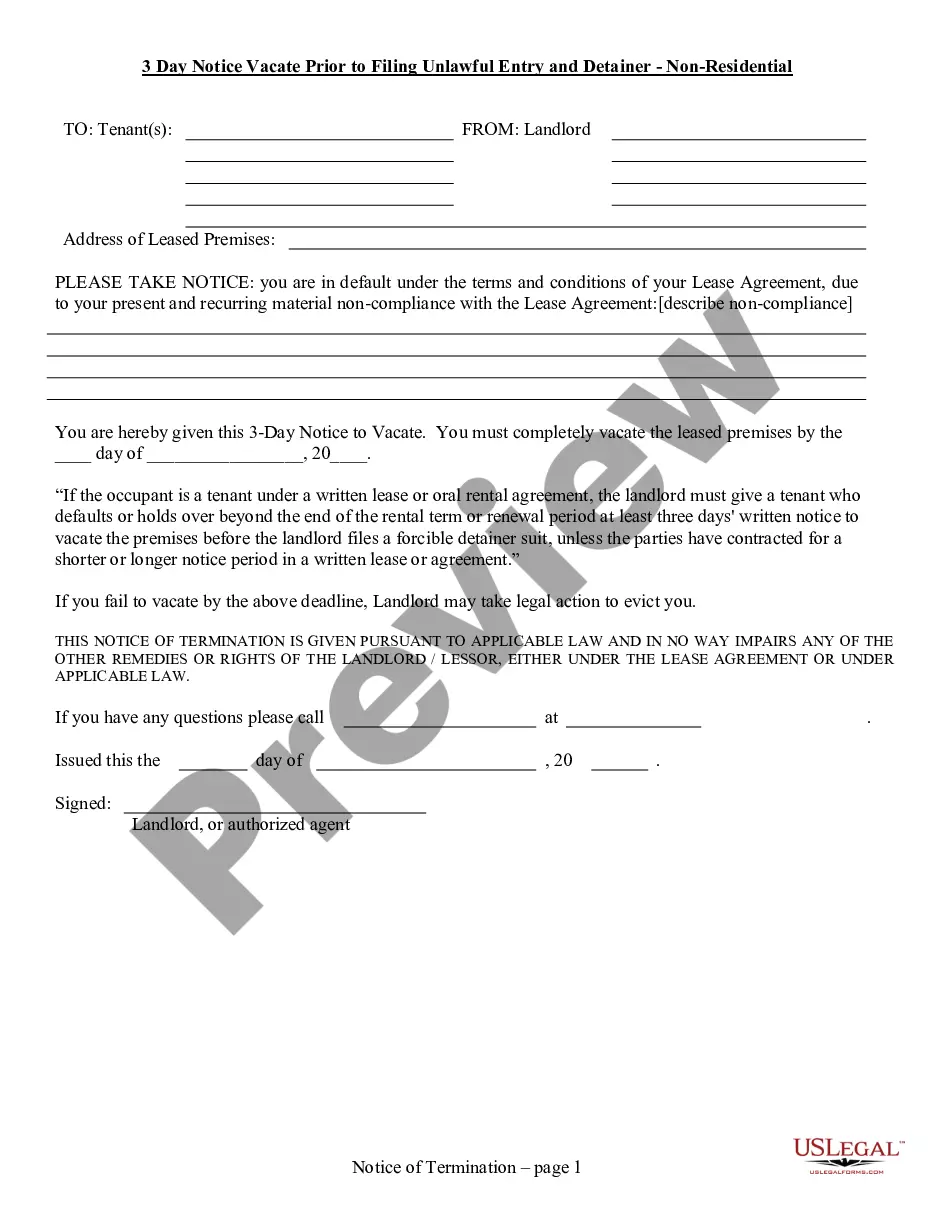
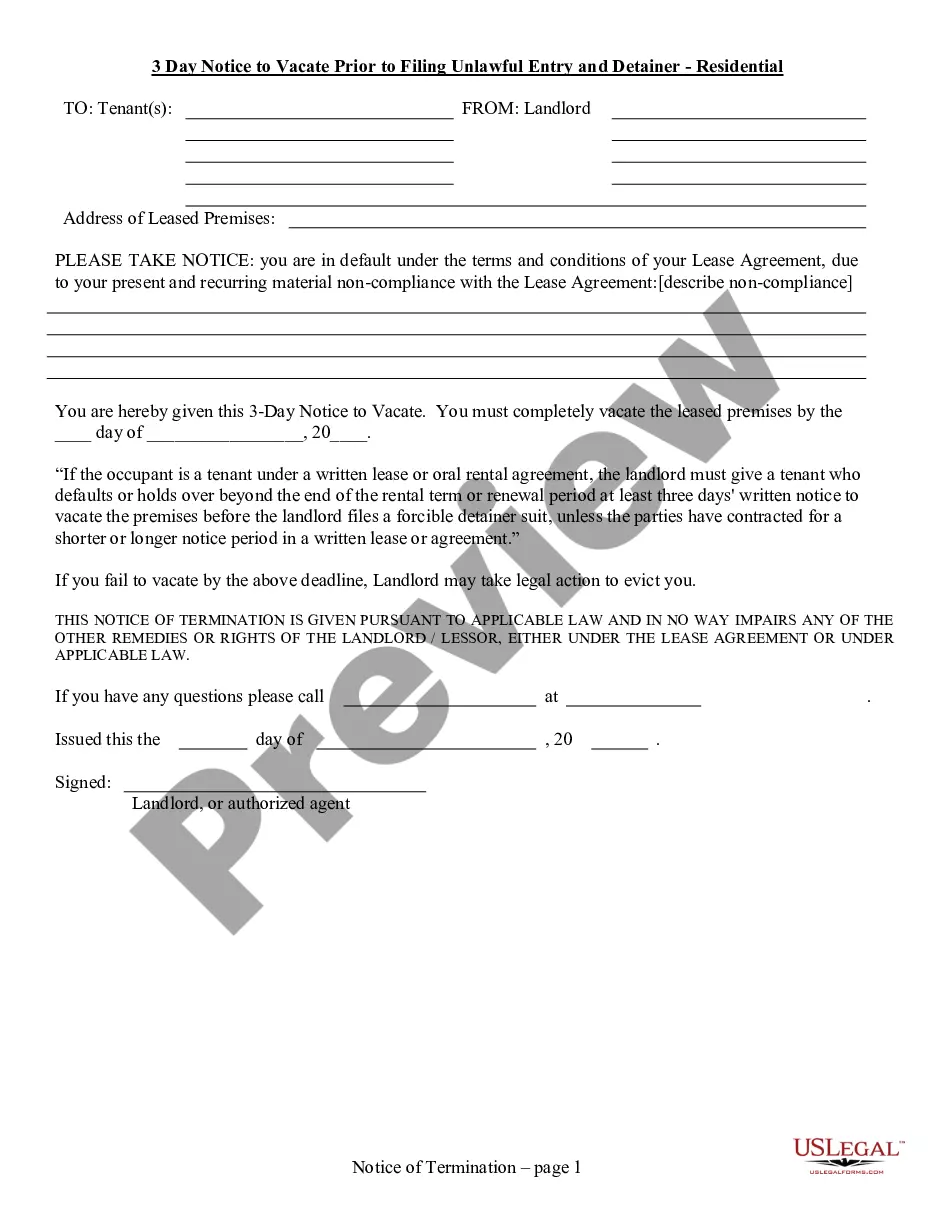


Get your form ready online
Our built-in tools help you complete, sign, share, and store your documents in one place.
Make edits, fill in missing information, and update formatting in US Legal Forms—just like you would in MS Word.
Download a copy, print it, send it by email, or mail it via USPS—whatever works best for your next step.
Sign and collect signatures with our SignNow integration. Send to multiple recipients, set reminders, and more. Go Premium to unlock E-Sign.
If this form requires notarization, complete it online through a secure video call—no need to meet a notary in person or wait for an appointment.
We protect your documents and personal data by following strict security and privacy standards.

Make edits, fill in missing information, and update formatting in US Legal Forms—just like you would in MS Word.

Download a copy, print it, send it by email, or mail it via USPS—whatever works best for your next step.

Sign and collect signatures with our SignNow integration. Send to multiple recipients, set reminders, and more. Go Premium to unlock E-Sign.

If this form requires notarization, complete it online through a secure video call—no need to meet a notary in person or wait for an appointment.

We protect your documents and personal data by following strict security and privacy standards.
Looking for another form?









How to fill out Texas 3 Day Notice To Pay Rent Or Vacate (Prior To Filing Unlawful Entry And Detainer) - Residential?
- If you're a returning user, simply log in to your account to access your previous subscriptions. Verify your subscription status to ensure it’s active. If it isn't, renew it according to your payment plan.
- For first-time users, begin by previewing the available forms. Review the descriptions carefully to select the one that best meets your unique requirements.
- Utilize the Search tab to find alternative templates if necessary. If you've identified a form that aligns with your needs, proceed to the next step.
- Purchase your selected document by clicking the Buy Now button and choosing your preferred subscription plan. You will need to create an account for full access.
- Finalize your purchase by entering your payment details via credit card or PayPal to activate your subscription.
- After completing the payment, download the form to your device. You can also find it later in the My Forms section of your profile.
With over 85,000 fillable templates and packages, US Legal Forms stands out by offering more forms than competitors at a similar cost. Plus, users can consult premium experts for assistance, ensuring precision and legality in all documents.
Experience the convenience of US Legal Forms today. Streamline your legal needs and take the first step towards effective document management.
Form popularity
FAQ
The 4 P's of a contract include Parties, Purpose, Performance, and Payment. Clearly identify who is involved in the contract and outline the purpose of the agreement. Specify how and when the obligations will be fulfilled and the payment terms. Understanding these elements can be essential when navigating issues that impair contracted deadlines with the EU.
When writing a force majeure clause, clearly outline the circumstances that would qualify as a force majeure event, like natural disasters or government actions. Specify how these events will affect the obligations of the parties and the process for notifying each other. Including this clause is crucial for addressing situations that may impair contracted deadlines with the EU.
To ensure a contract is enforceable at law, you need competence, mutual consent, lawful object, and consideration. All parties must have the legal capacity to enter the agreement and must clearly understand the terms. Moreover, all terms should be legal and provide value to both sides. This clarity is particularly important when circumstances arise that impair contracted deadlines with the EU.
Certain contracts, such as real estate agreements, contracts that cannot be completed within one year, agreements involving the sale of goods over a certain amount, and contracts that involve real property leases for more than a year, must be in writing to be enforceable. Failing to adhere to these requirements may jeopardize your rights, especially in contexts where delays or non-compliance impair contracted deadlines with the EU.
A valid enforceable contract requires offer, acceptance, consideration, and mutual intent to create legal obligations. Each party must agree on the contract's terms and provide something of value. When these elements are fulfilled, the contract can withstand challenges, even if issues arise that impair contracted deadlines with the EU.
The standard contractual clause released by the EU Commission generally pertains to data protection and privacy regulations. These clauses help regulate the transfer of personal data outside the EU, ensuring compliance with the General Data Protection Regulation (GDPR). Understanding these clauses is vital, particularly when an agreement impairs contracted deadlines with the EU.
Contracts can be discharged by agreement in several ways, such as mutual consent, rescission, or novation. When both parties agree to terminate the contract, they can do so without penalties. It is essential to document the agreement to avoid any disputes later. This process is crucial, especially when an event impairs contracted deadlines with the EU.
A supply contract is an agreement that defines the terms under which goods or services are provided by a supplier to a buyer. This contract ensures that both parties are on the same page regarding what is to be delivered and when. Knowing its meaning is important, especially in contexts that can affect the timing and success of your transactions, such as those that impair contracted deadlines with the EU.
The purpose of a supplier contract is to clearly outline the expectations and responsibilities of both parties involved in a supply agreement. This contract helps prevent misunderstandings and provides a legal framework for resolving disputes. When constructed carefully, it can also minimize risks associated with delays or issues that impair contracted deadlines with the EU.
A supply contract is a legally binding agreement between a buyer and a supplier. It outlines the terms under which goods or services will be provided to the buyer. Understanding how a supply contract functions is crucial, as any issues, like those that impair contracted deadlines with the EU, can lead to significant complications in business operations.