Texas Condominium Insured For Homeowners
Description
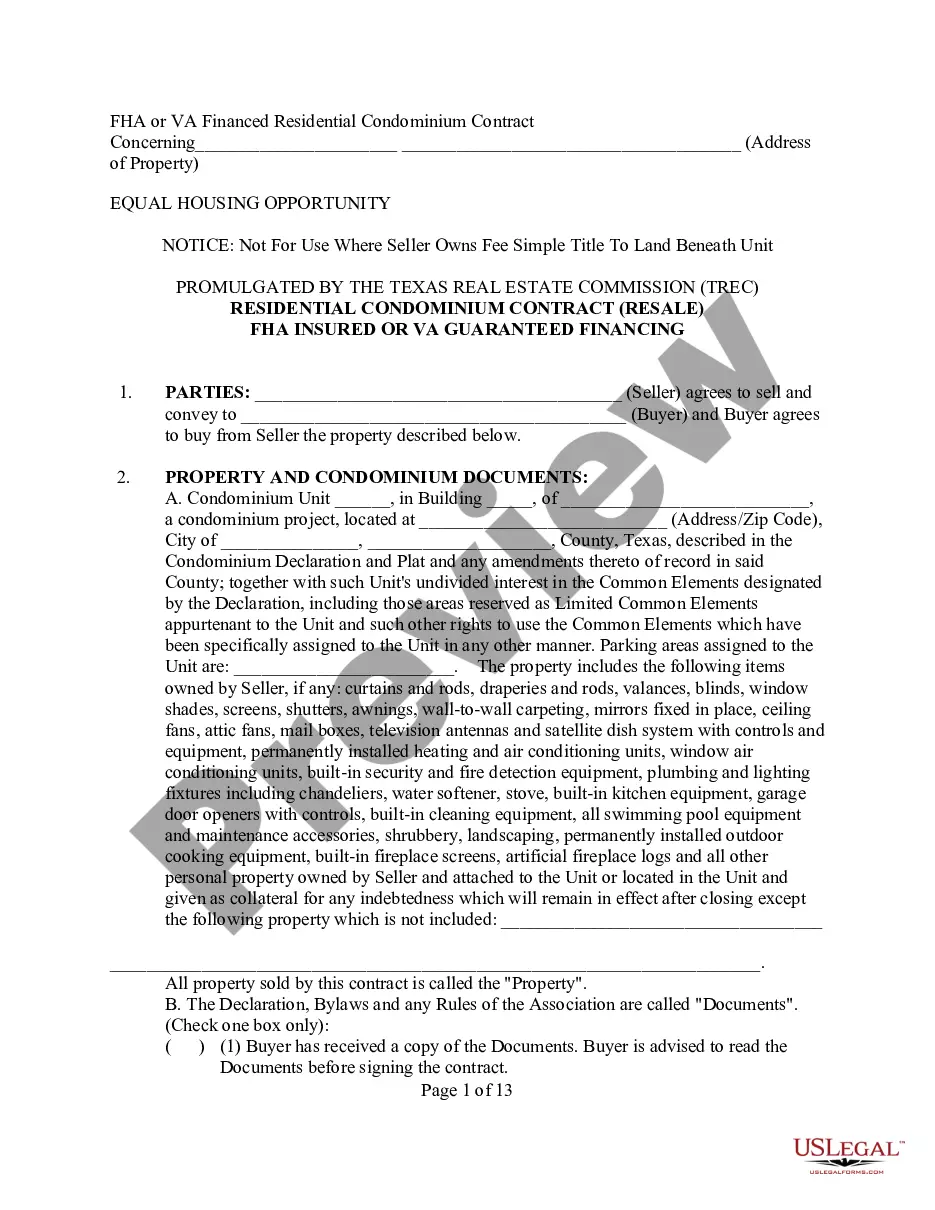


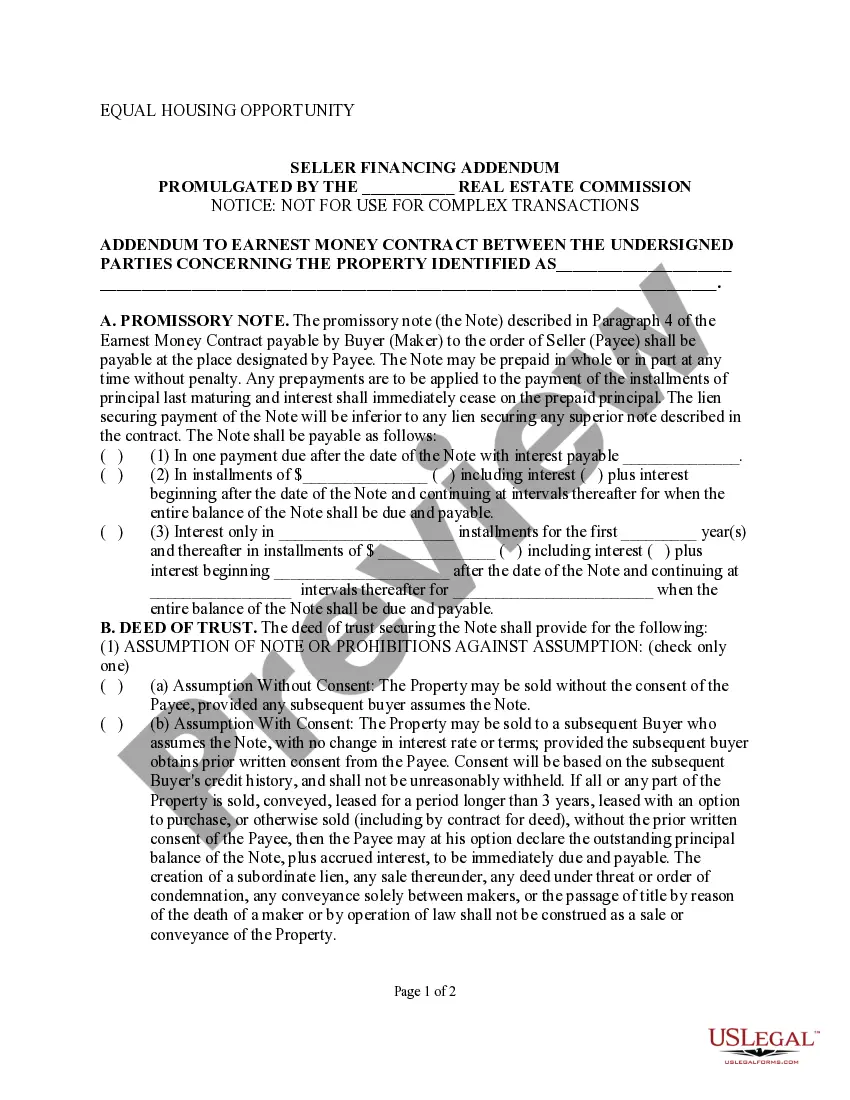
Get your form ready online
Our built-in tools help you complete, sign, share, and store your documents in one place.
Make edits, fill in missing information, and update formatting in US Legal Forms—just like you would in MS Word.
Download a copy, print it, send it by email, or mail it via USPS—whatever works best for your next step.
Sign and collect signatures with our SignNow integration. Send to multiple recipients, set reminders, and more. Go Premium to unlock E-Sign.
If this form requires notarization, complete it online through a secure video call—no need to meet a notary in person or wait for an appointment.
We protect your documents and personal data by following strict security and privacy standards.

Make edits, fill in missing information, and update formatting in US Legal Forms—just like you would in MS Word.

Download a copy, print it, send it by email, or mail it via USPS—whatever works best for your next step.

Sign and collect signatures with our SignNow integration. Send to multiple recipients, set reminders, and more. Go Premium to unlock E-Sign.

If this form requires notarization, complete it online through a secure video call—no need to meet a notary in person or wait for an appointment.

We protect your documents and personal data by following strict security and privacy standards.
Looking for another form?










How to fill out Texas Financing?
- If you're an existing user, log in to your account and click the Download button for the necessary form, ensuring your subscription is current.
- For first-time users, start by browsing the available templates. Review the Preview and description to confirm it matches your requirements and complies with local regulations.
- Should you need a different form, utilize the Search function to find the appropriate template and proceed if it meets your criteria.
- Select your desired document by clicking the Buy Now button. Choose the subscription plan best suited for your needs and create an account for full access.
- Complete your purchase by entering your payment details or utilizing PayPal.
- Download the form and save it to your device. You can access it anytime through the My Forms section in your profile.
With US Legal Forms, creating legally sound documents is streamlined and accessible. Their extensive collection and expert support ensure you always have the tools to protect your interests.
Start your journey today with US Legal Forms and ensure you have the right protections in place for your Texas condominium.
Form popularity
FAQ
While condo insurance is not legally mandated in Texas, many homeowners associations require it. Even if it's not required, having insurance is a wise decision to protect your assets. This ensures that your Texas condominium is insured for homeowners and provides peace of mind in case of unexpected events.
Homeowners insurance for a condo, specifically through the HO6 policy, covers personal property and liability within your unit. It typically does not cover common areas, as those are usually covered by the condo association's master policy. Thus, knowing how your Texas condominium is insured for homeowners can help you make informed decisions about your coverage.
Yes, you can have homeowners insurance on a condo, but it's essential to use the appropriate policy type. The HO6 policy is the standard form designed for condominium coverage. This helps ensure your Texas condominium is insured for homeowners properly while covering your interests.
A condo insurance policy is primarily the HO6 form, designed specifically for condominium owners. This form covers your personal contents and provides liability protection. It is essential for ensuring that your Texas condominium is insured for homeowners and can safeguard your investment.
Condo insurance is categorized under the HO6 policy, unlike traditional homeowners insurance, which often uses the HO3 form. The HO6 is tailored for condominium owners, covering personal property and specific risks. If you reside in a Texas condominium insured for homeowners, this is the policy you will want.
Condo owners need personal property insurance, which is typically covered under the HO6 policy. They should also consider liability coverage and loss assessment coverage. Together, these components ensure that your Texas condominium is properly insured for homeowners.
Homeowners should use the HO6 form to insure their condominium. This form provides the coverage necessary for the specific risks associated with owning a Texas condominium insured for homeowners. It includes coverage for personal belongings, improvements, and special assessments.
For condominium owners, the most commonly used insurance form is the HO6. This form is specifically designed to meet the needs of owners of Texas condominiums insured for homeowners. Using the correct form ensures that you receive the right coverage for your unit, including personal property and liability.
Condo insurance is not the same as homeowners insurance; they cater to different living arrangements. Homeowners insurance covers an entire house and the surrounding property, while condo insurance is specific to the interior of a unit in a building. For a Texas condominium insured for homeowners, you’ll need the unique protections that a condo policy offers, ensuring you are covered for personal property and liability.
Condo insurance generally does not cover damages to the building’s exterior or liabilities that arise from communal areas, as these are covered by your homeowners association. Additionally, natural disasters like floods and earthquakes may require separate policies. It’s essential to review your Texas condominium insured for homeowners policy to understand its limitations and supplement with any necessary coverage.