Texas Condominium Insured For A Small Business
Description
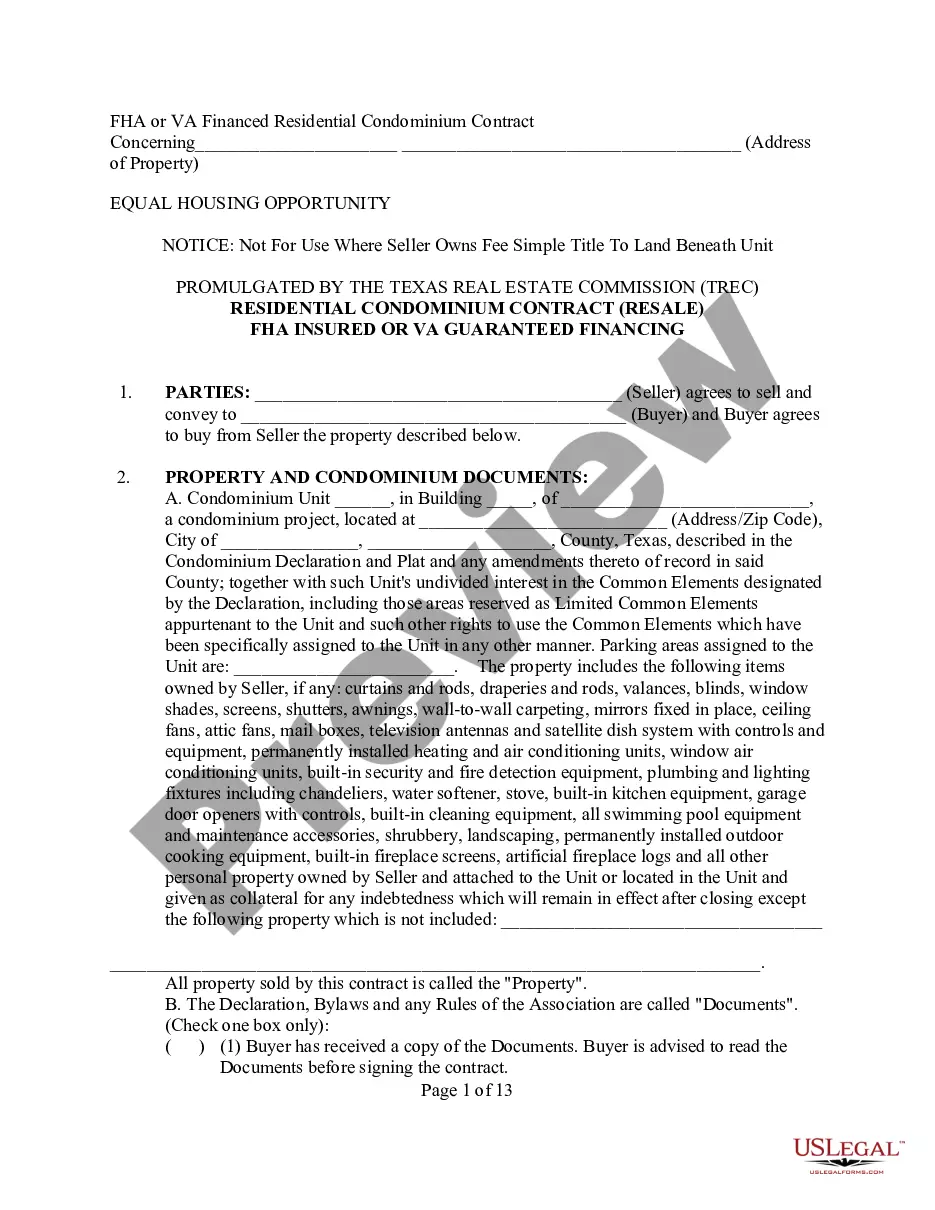


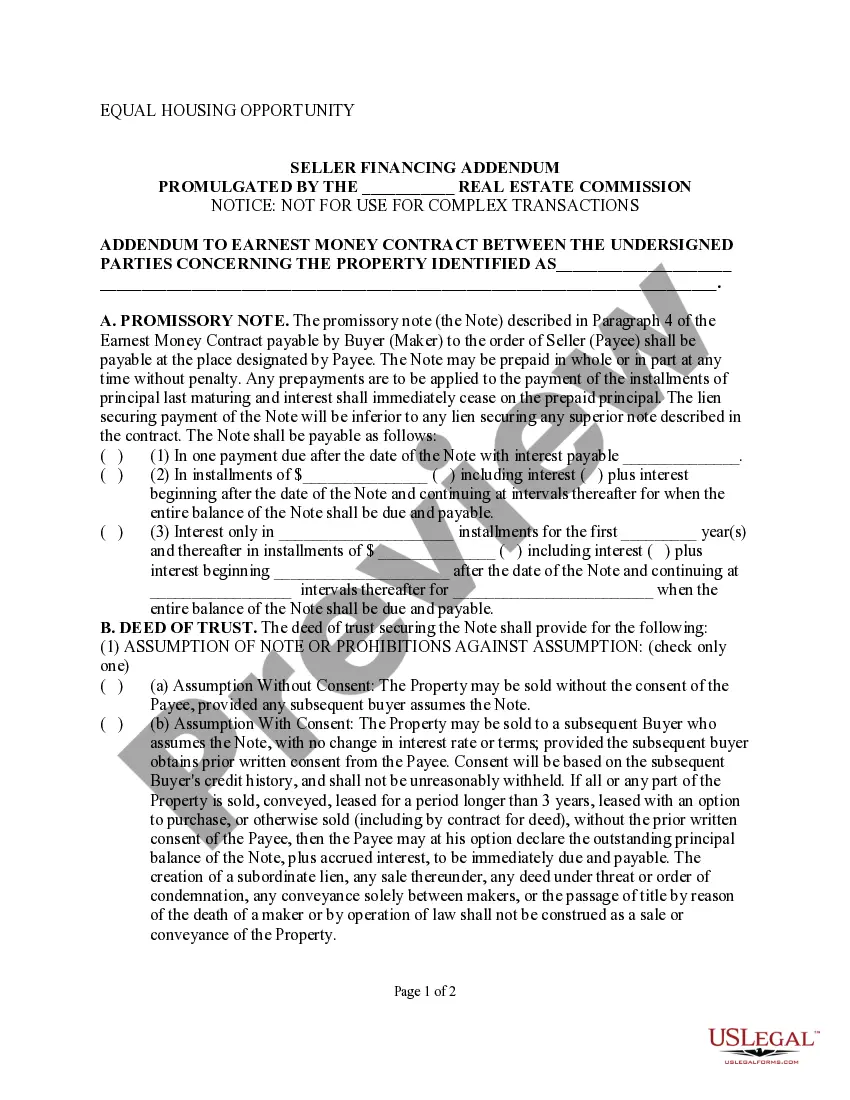
Get your form ready online
Our built-in tools help you complete, sign, share, and store your documents in one place.
Make edits, fill in missing information, and update formatting in US Legal Forms—just like you would in MS Word.
Download a copy, print it, send it by email, or mail it via USPS—whatever works best for your next step.
Sign and collect signatures with our SignNow integration. Send to multiple recipients, set reminders, and more. Go Premium to unlock E-Sign.
If this form requires notarization, complete it online through a secure video call—no need to meet a notary in person or wait for an appointment.
We protect your documents and personal data by following strict security and privacy standards.

Make edits, fill in missing information, and update formatting in US Legal Forms—just like you would in MS Word.

Download a copy, print it, send it by email, or mail it via USPS—whatever works best for your next step.

Sign and collect signatures with our SignNow integration. Send to multiple recipients, set reminders, and more. Go Premium to unlock E-Sign.

If this form requires notarization, complete it online through a secure video call—no need to meet a notary in person or wait for an appointment.

We protect your documents and personal data by following strict security and privacy standards.
Looking for another form?



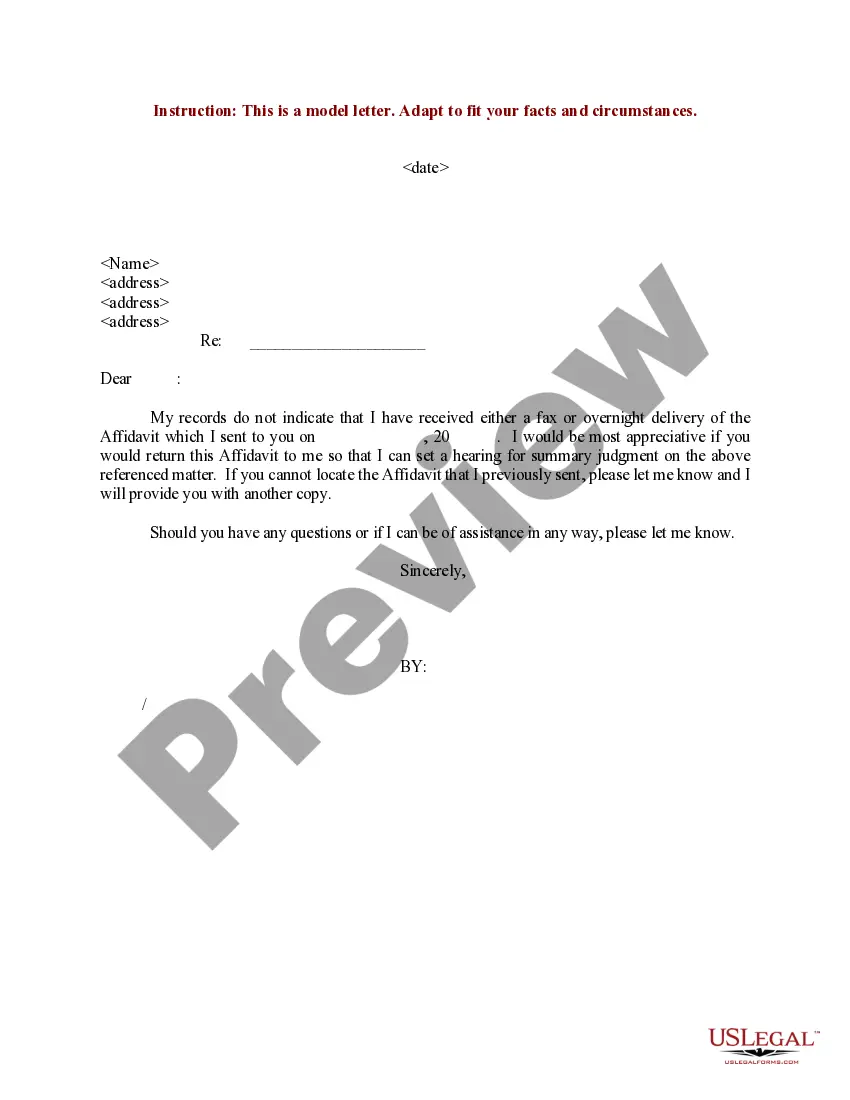





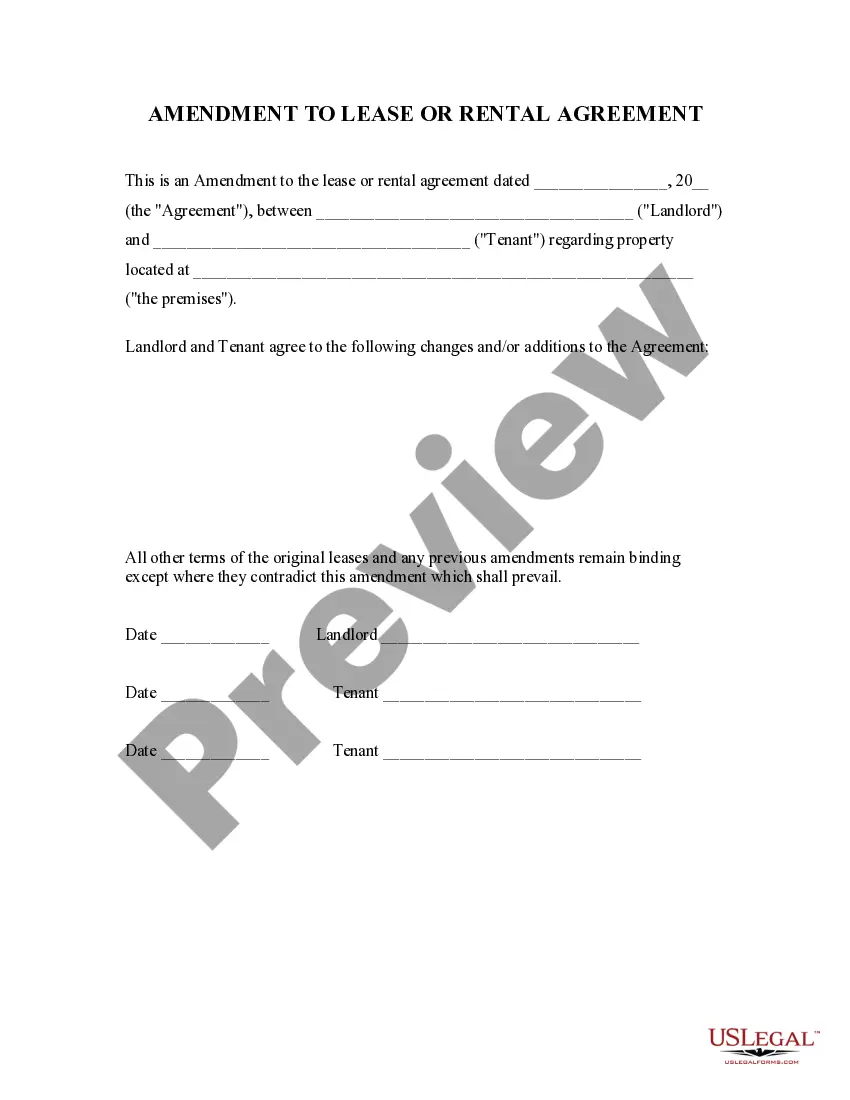
How to fill out Texas Financing?
- Log in to your US Legal Forms account to download your desired form template, ensuring your subscription is current. If it needs renewing, do so as per your payment plan.
- For first-time users, explore the Preview mode and read the form description to confirm it aligns with your requirements and complies with local regulations.
- Search for alternative templates if needed. Use the Search tab to find the correct form if the initial choice doesn't fit your needs.
- Click on the 'Buy Now' button for your selected document and choose your preferred subscription plan. Registering an account is necessary for accessing library resources.
- Complete your purchase by entering your credit card information or connecting your PayPal account to pay for the subscription.
- Finally, download your form and save it on your device. You can access it anytime through the 'My Forms' section of your profile.
US Legal Forms significantly simplifies the legal document acquisition process. With access to an extensive library of over 85,000 editable forms, users can find exactly what they need quickly. Plus, premium support is available to ensure your documents are accurate and compliant.
Make sure your Texas condominium business is protected with the right legal documents. Start today with US Legal Forms and experience the benefits of a reliable legal resource!
Form popularity
FAQ
Condo insurance typically comes in the form of an HO6 policy. This insurance form is specifically designed to cover the individual condo unit and personal property of the owner. If you operate a small business in a Texas condominium, this form will ensure that you have the necessary protection tailored to your unique needs.
Proof of insurance for a small business is a document that demonstrates your business is covered by insurance policies. This often includes certification that details the coverage types, limits, and policy effective dates. For those with a Texas condominium insured for a small business, having proof of insurance is vital for compliance and may be required by landlords or lenders.
The primary difference between HO3 and HO6 insurance lies in what the policies cover. HO3 policies cover the structure of single-family homes, while HO6 policies focus on condos, covering the individual unit and personal property. For a Texas condominium insured for a small business, choosing HO6 is usually beneficial, as it is tailored to meet the unique needs of condo living.
For a Texas condominium insured for a small business, the ideal type of insurance is the HO6 policy. This coverage protects personal property and improvements made to the unit, which may not be covered by the condo association's master policy. Additionally, consider liability coverage to protect against potential lawsuits emanating from incidents in your condo.
Condo insurance can be either HO3 or HO6, but typically, HO6 is the more common option for condominium owners. The HO6 policy specifically covers the interior of the condo unit and personal property, while HO3 is generally for single-family homes. For a Texas condominium insured for a small business, an HO6 might be more appropriate to cover the unique risks associated with condos.
Yes, you can write a Texas condominium insured for a small business on an HO3 policy, although it is more common for owner-occupied properties. An HO3 policy provides broad coverage for the structure and personal property, but it's important to check specific policy details. Ensure that you understand the coverage limits and exclusions relevant to your condominium.
Filing a claim on your Texas condominium insured for a small business could potentially affect your insurance premiums. Insurers often take claims history into account when assessing risk for renewal. However, first-time claims or minor incidents may not lead to significant increases, so assess your situation and consult with your insurance agent for specifics.
Filing an insurance claim against a business often involves contacting your own insurer first, especially if you have a Texas condominium insured for a small business. Your insurance company can guide you on how to proceed with claims related to third-party liability. Be prepared to provide evidence supporting your claim, including contracts and communications.
Filing an insurance claim for your Texas condominium insured for a small business begins with contacting your insurance provider. Ensure you have all relevant details at hand, including policy numbers and incident descriptions. After you've reported the incident, submit any required forms and documents, and follow up to ensure your claim moves forward.
To make an insurance claim for your Texas condominium insured for a small business, start by notifying your insurance company as soon as possible. Gather all necessary documentation, such as photos of the damage, a list of affected items, and relevant receipts. Your insurer will guide you through the claims process, which typically includes a claims adjuster evaluating the situation.