Third Party Financing Agreement
Description

Get your form ready online
Our built-in tools help you complete, sign, share, and store your documents in one place.
Make edits, fill in missing information, and update formatting in US Legal Forms—just like you would in MS Word.
Download a copy, print it, send it by email, or mail it via USPS—whatever works best for your next step.
Sign and collect signatures with our SignNow integration. Send to multiple recipients, set reminders, and more. Go Premium to unlock E-Sign.
If this form requires notarization, complete it online through a secure video call—no need to meet a notary in person or wait for an appointment.
We protect your documents and personal data by following strict security and privacy standards.

Make edits, fill in missing information, and update formatting in US Legal Forms—just like you would in MS Word.

Download a copy, print it, send it by email, or mail it via USPS—whatever works best for your next step.

Sign and collect signatures with our SignNow integration. Send to multiple recipients, set reminders, and more. Go Premium to unlock E-Sign.

If this form requires notarization, complete it online through a secure video call—no need to meet a notary in person or wait for an appointment.

We protect your documents and personal data by following strict security and privacy standards.
Looking for another form?







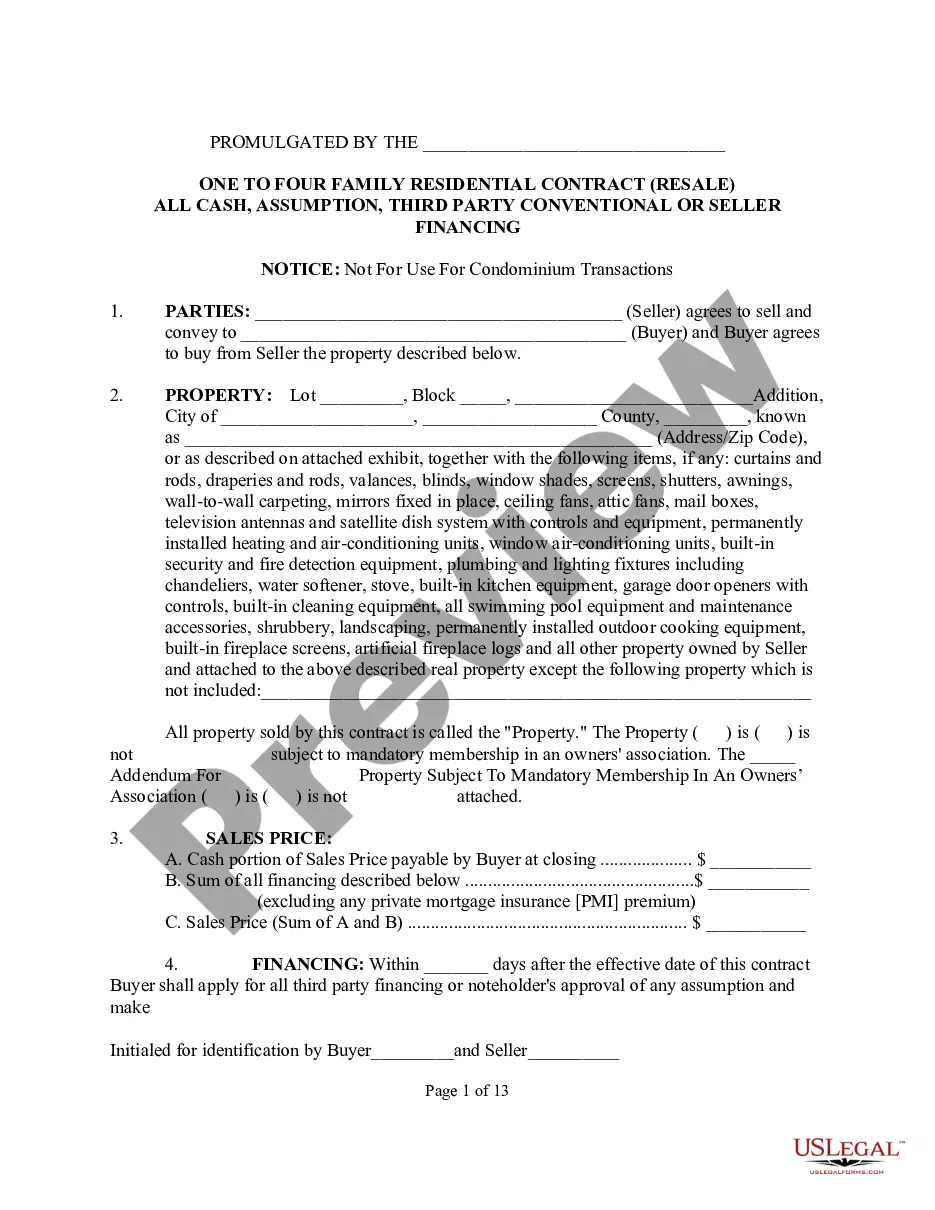
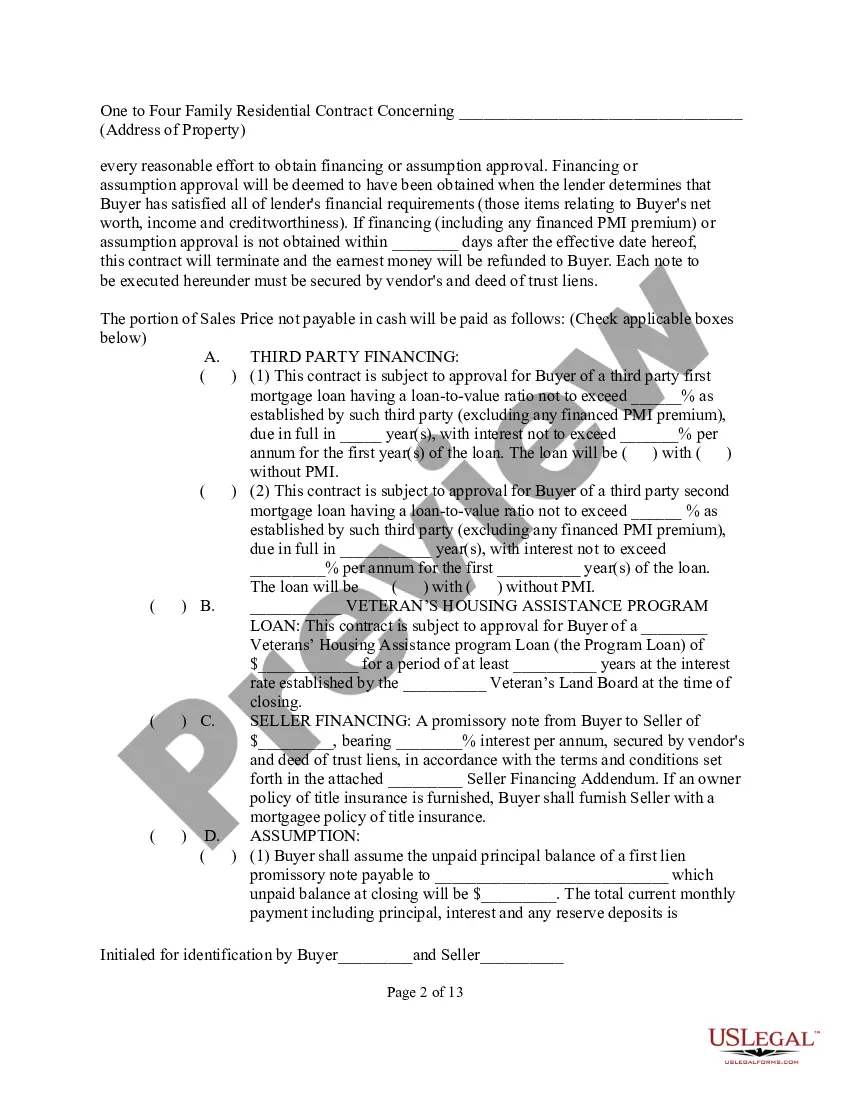
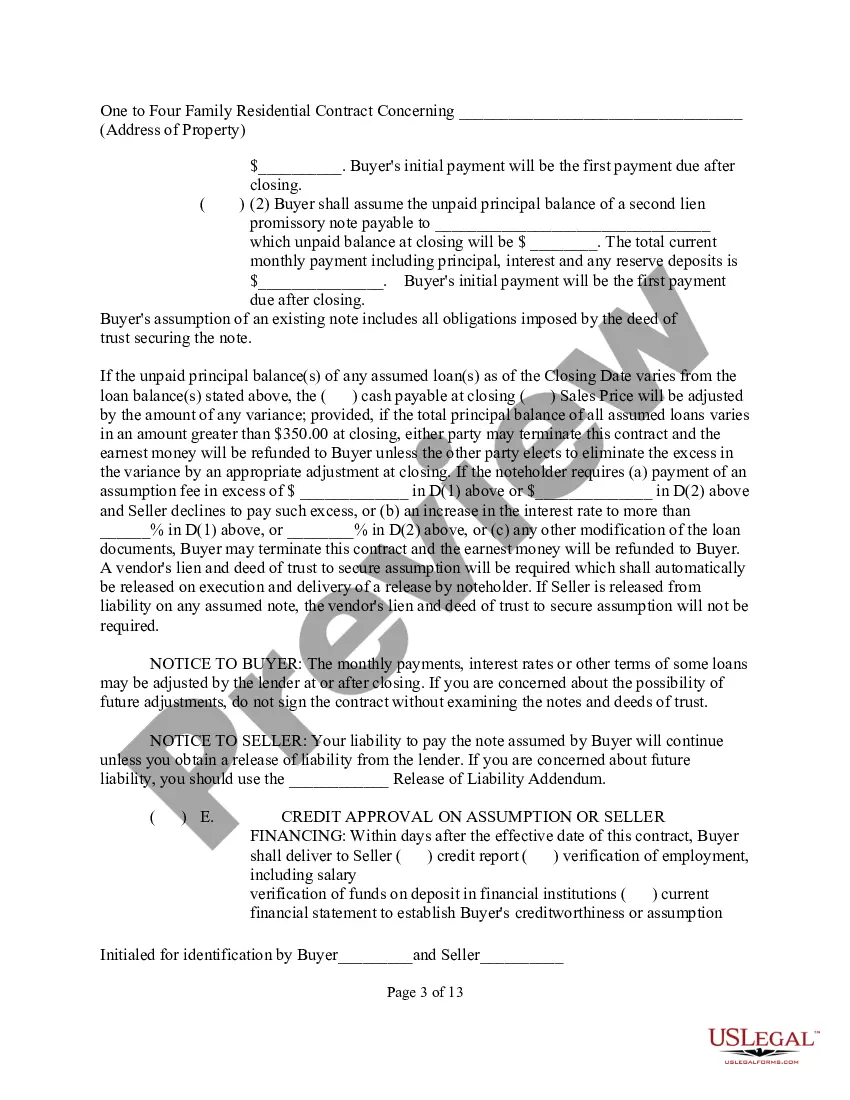
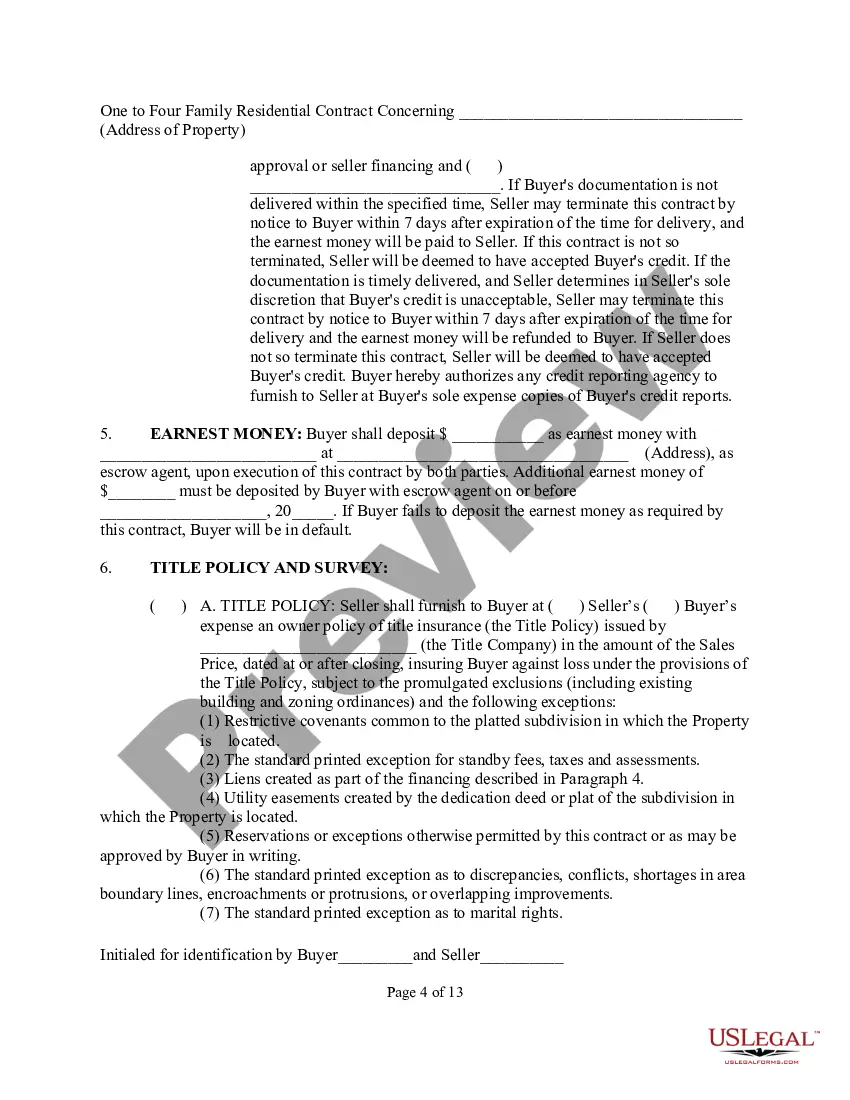
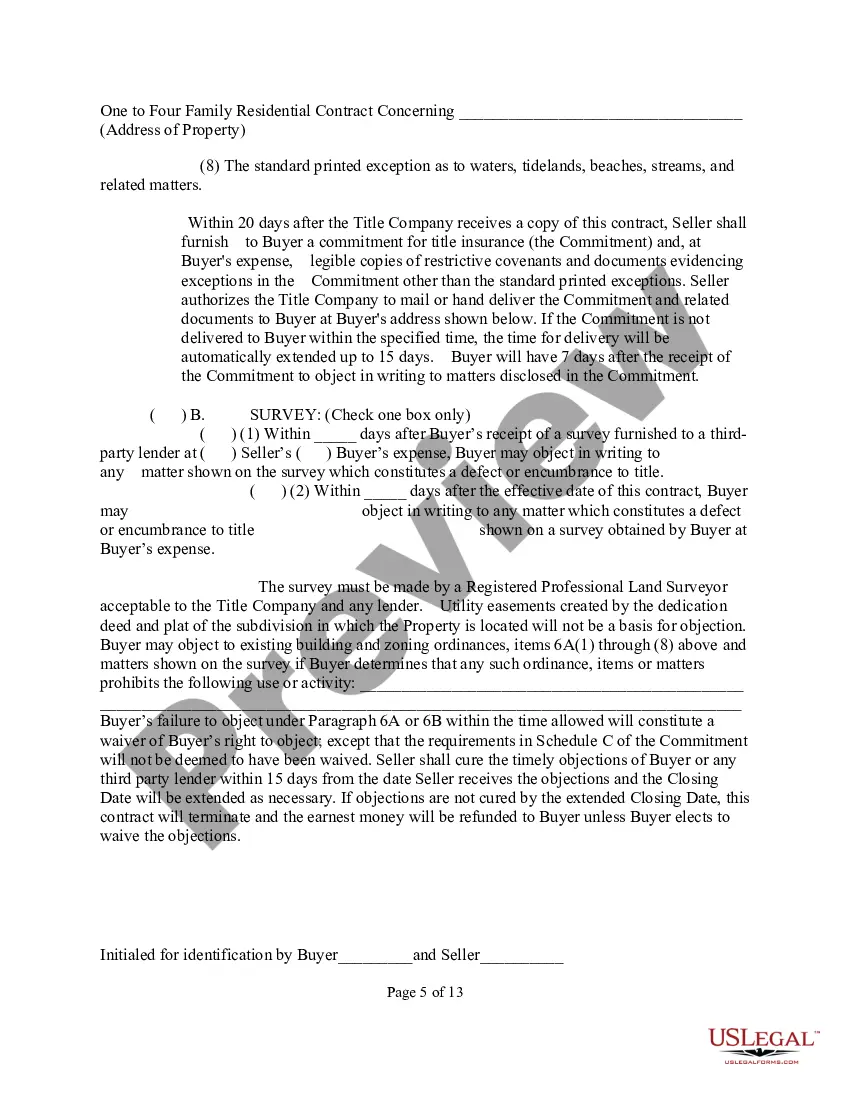
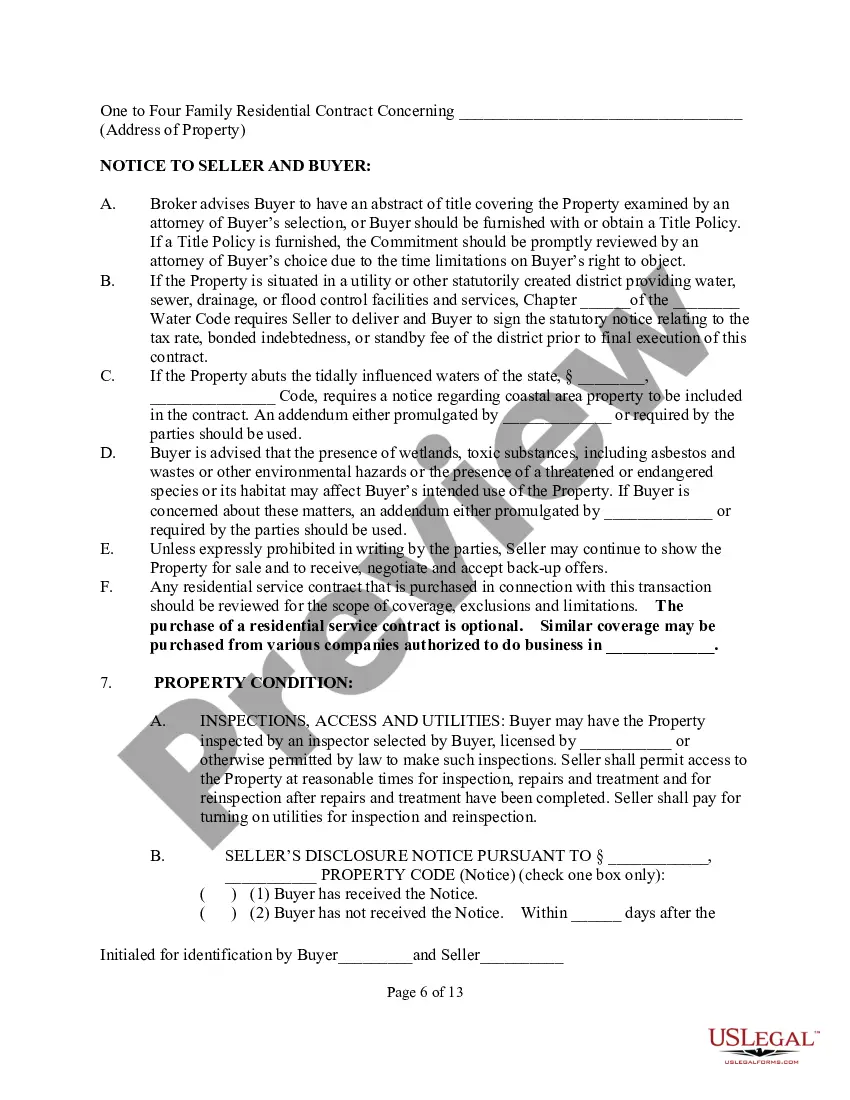
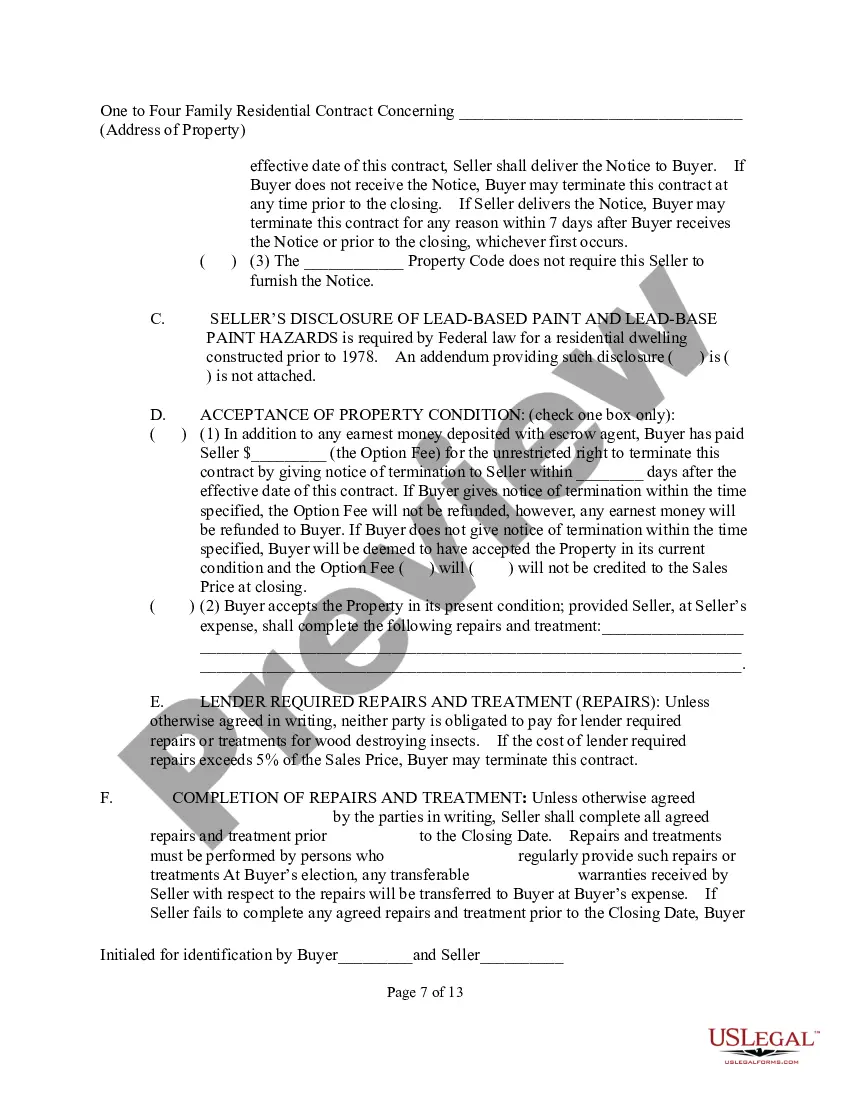
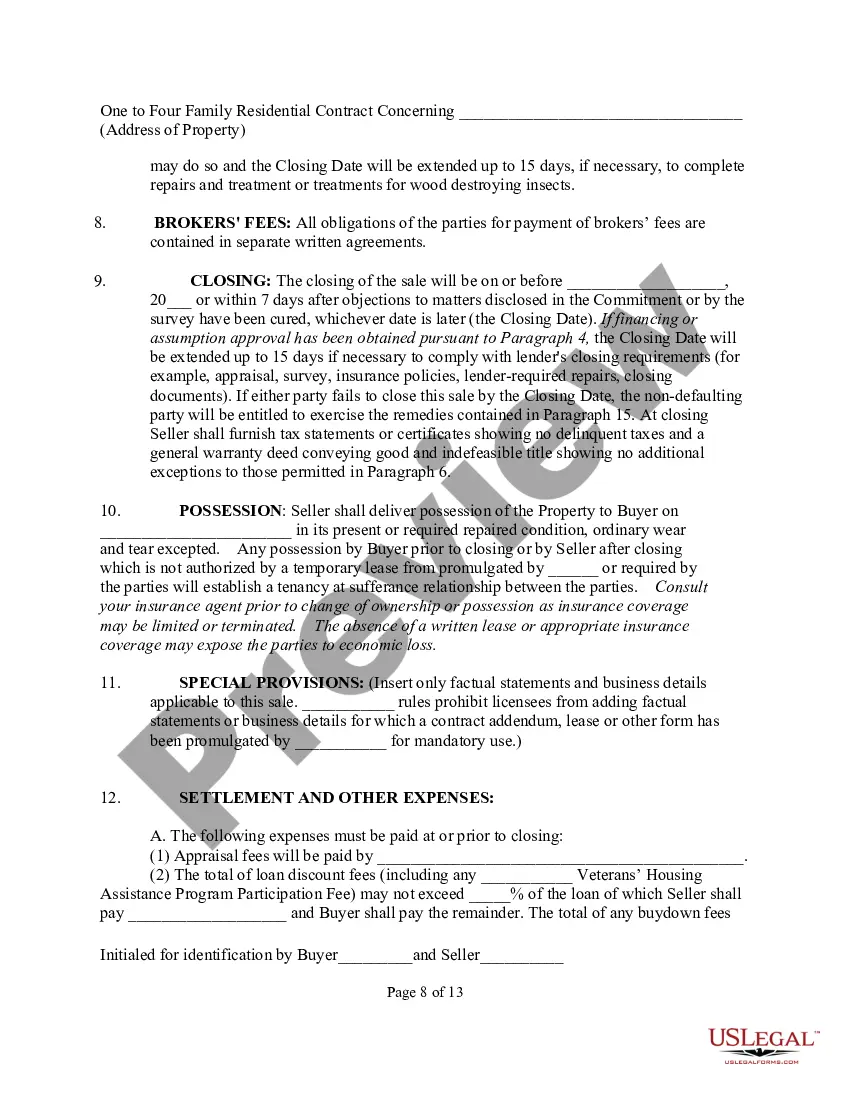
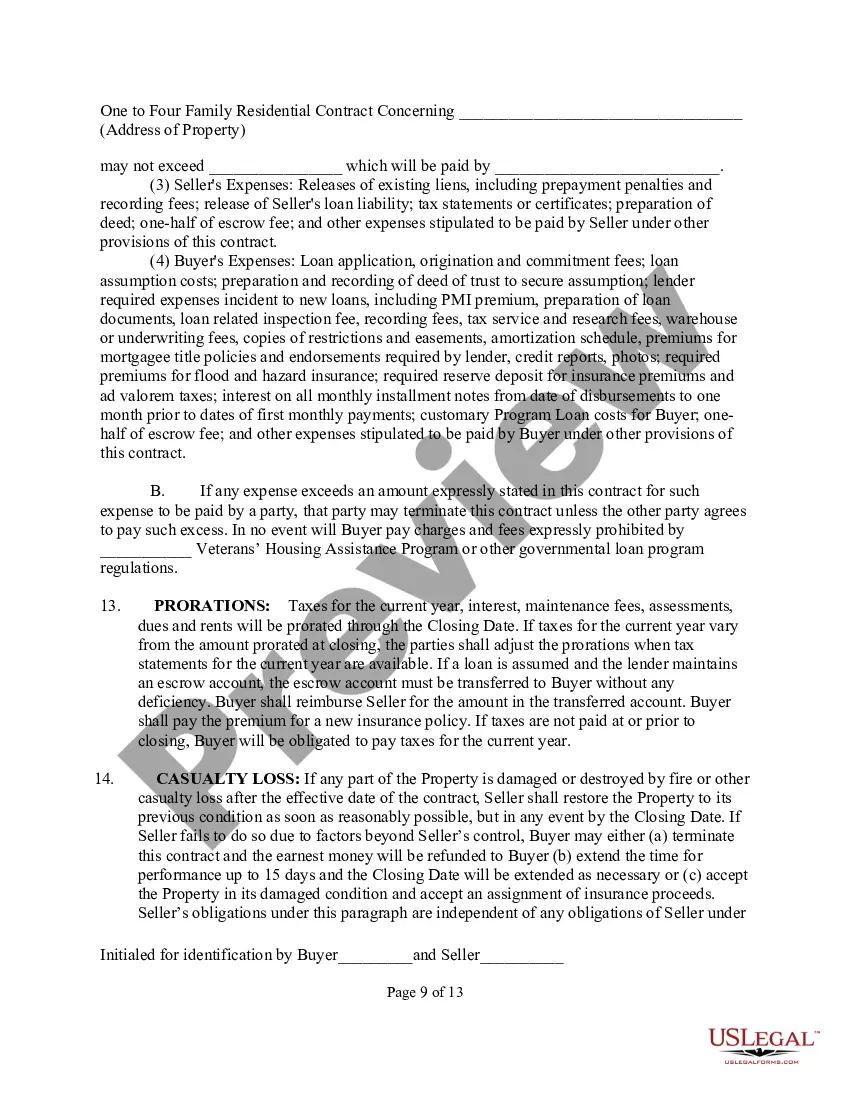
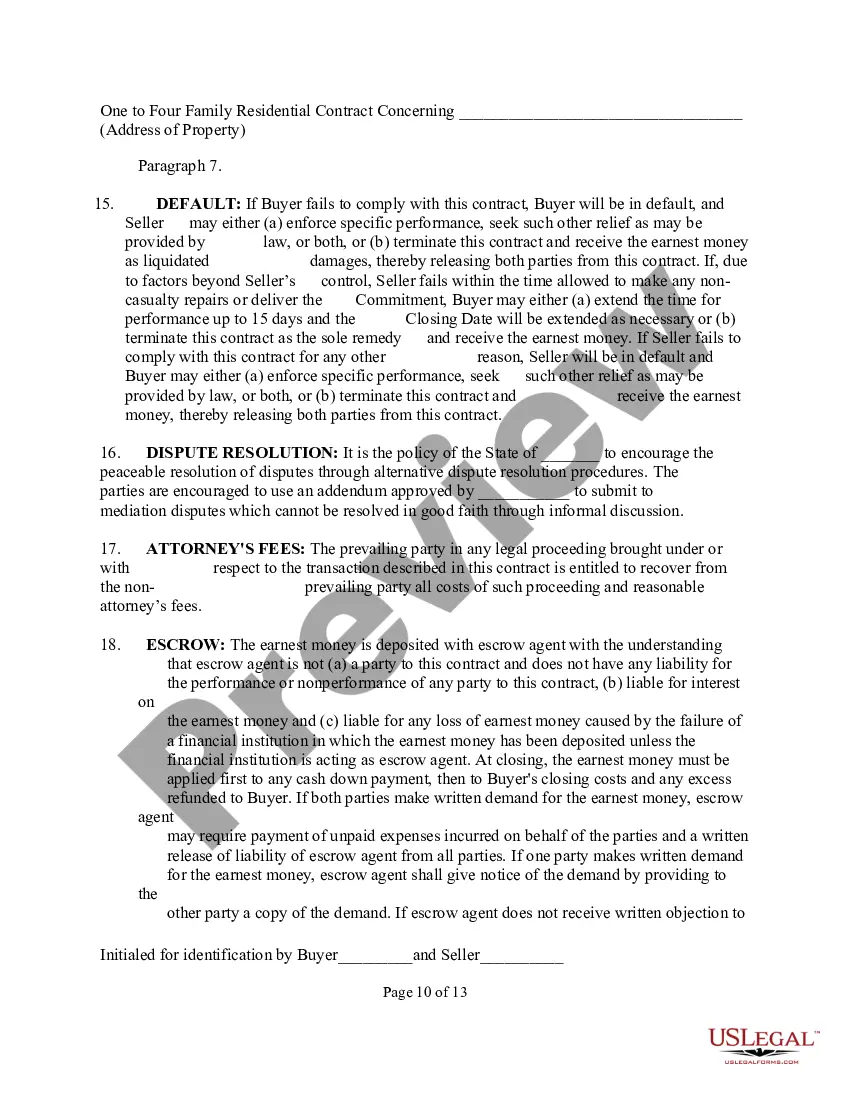
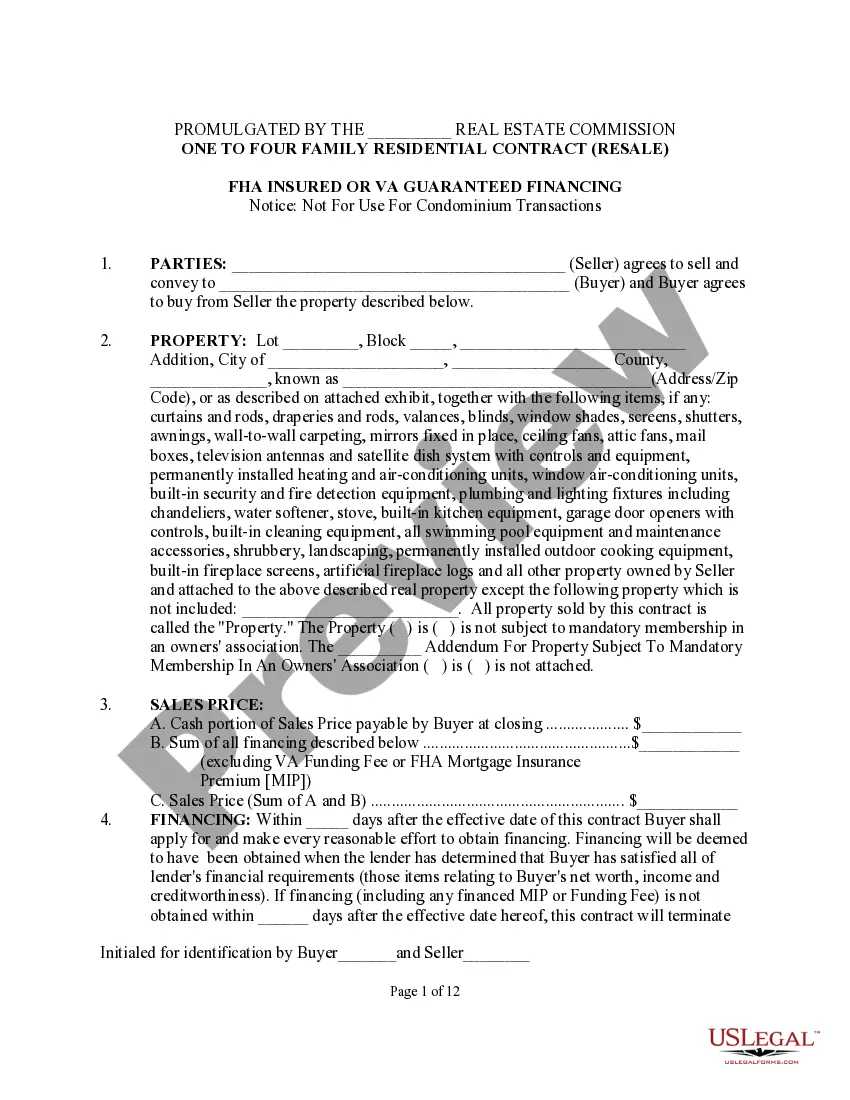
How to fill out Texas One To Four Family Residential Contract - Resale - All Cash, Assumption, Third Party Conventional Or Seller Financing?
- Log in to your US Legal Forms account if you are a returning user. Ensure your subscription is active to access your needed templates.
- For first-time users, start by browsing the extensive library. Utilize the Preview mode and form descriptions to select the third party financing agreement that aligns with your requirements and jurisdiction.
- Use the Search feature if you encounter any difficulties in finding the correct form. If adjustments are necessary, scan for alternative templates that meet your criteria.
- Purchase your desired document by clicking the Buy Now button and selecting a subscription plan. This step requires account registration to unlock the full range of resources.
- Complete your transaction by entering your payment details or using PayPal for a smooth checkout experience.
- After purchase, download the form to your device. You can later access it anytime via the 'My Forms' section of your profile.
In conclusion, US Legal Forms empowers users to efficiently acquire legal documents like the third party financing agreement, thanks to its user-friendly library and expert support. Simplifying your legal needs has never been so achievable.
Start your journey with US Legal Forms today—take advantage of our extensive resources for all your legal documentation needs!
Form popularity
FAQ
A 3rd party lender agreement is a formal contract between a borrower and a third party that provides financing for a specific purpose. This type of agreement outlines the terms and conditions under which funds are lent, including repayment schedules and interest rates. In the context of a third party financing agreement, it serves to protect both the lender and the borrower by establishing clear expectations and responsibilities.
The purpose of a third party agreement is to establish clear terms and conditions between the lender and the borrower regarding the financing arrangement. This agreement minimizes risks for both parties while detailing repayment plans, interest rates, and responsibilities. By using services from USLegalForms, you can easily create or review third party financing agreements to safeguard your financial interests.
The third party financing addendum is typically completed by the borrower with assistance from their attorney or financial advisor. This document outlines the details of the financing, ensuring that all parties are aware of the terms and obligations stated in the third party financing agreement. Properly filling out this addendum is crucial to avoid misunderstandings in the future.
Third party financing means securing funds for a project or legal expenses through a lender who is not directly involved in the transaction. This method allows borrowers to access necessary capital without using their own funds. It serves as a strategic option to manage costs and risks effectively while pursuing legal or business objectives.
An example of a third party lender could be a specialized finance company that provides funds for legal cases. These lenders often collaborate with law firms, allowing clients to secure funding for their legal needs. Utilizing services from platforms like USLegalForms can guide you in finding reliable third-party lenders that meet your specific requirements.
A third party financing agreement is a financial arrangement where a borrower obtains funds from a lender who is not directly involved in the transaction. This means that a separate entity provides financing for a specific project or expense. Such agreements can facilitate a range of financial needs, making them a versatile option in today's financial landscape.
Third party funding involves an agreement where a lender provides financial support to a borrower, often for legal expenses or business ventures. In this arrangement, the lender covers the costs upfront while the borrower repays the amount based on the terms of the third party financing agreement. This setup allows individuals or organizations to access necessary funds without depleting their own resources.
Third party financing typically involves a lender who provides capital to the buyer, with the seller acting as a guarantor. The seller receives a lump sum upon closing, while the buyer repays the lender according to agreed terms. Utilizing a third party financing agreement assures all parties understand their roles, ensuring clarity and smooth transaction processes.
A fair interest rate for seller financing typically ranges between 5% and 10%, depending on market conditions and the risk associated with the buyer's creditworthiness. It’s advisable to review comparable market rates to gauge what is reasonable. A well-structured third party financing agreement will specify this rate clearly, benefiting both the buyer and seller.
An example of a seller financing deal could involve a business owner selling their company for $500,000 with a $100,000 down payment. The remaining balance of $400,000 could be financed at a 5% interest rate over ten years, with monthly payments outlined in the third party financing agreement. This arrangement makes it easier for the buyer to afford the business while providing the seller with steady income.