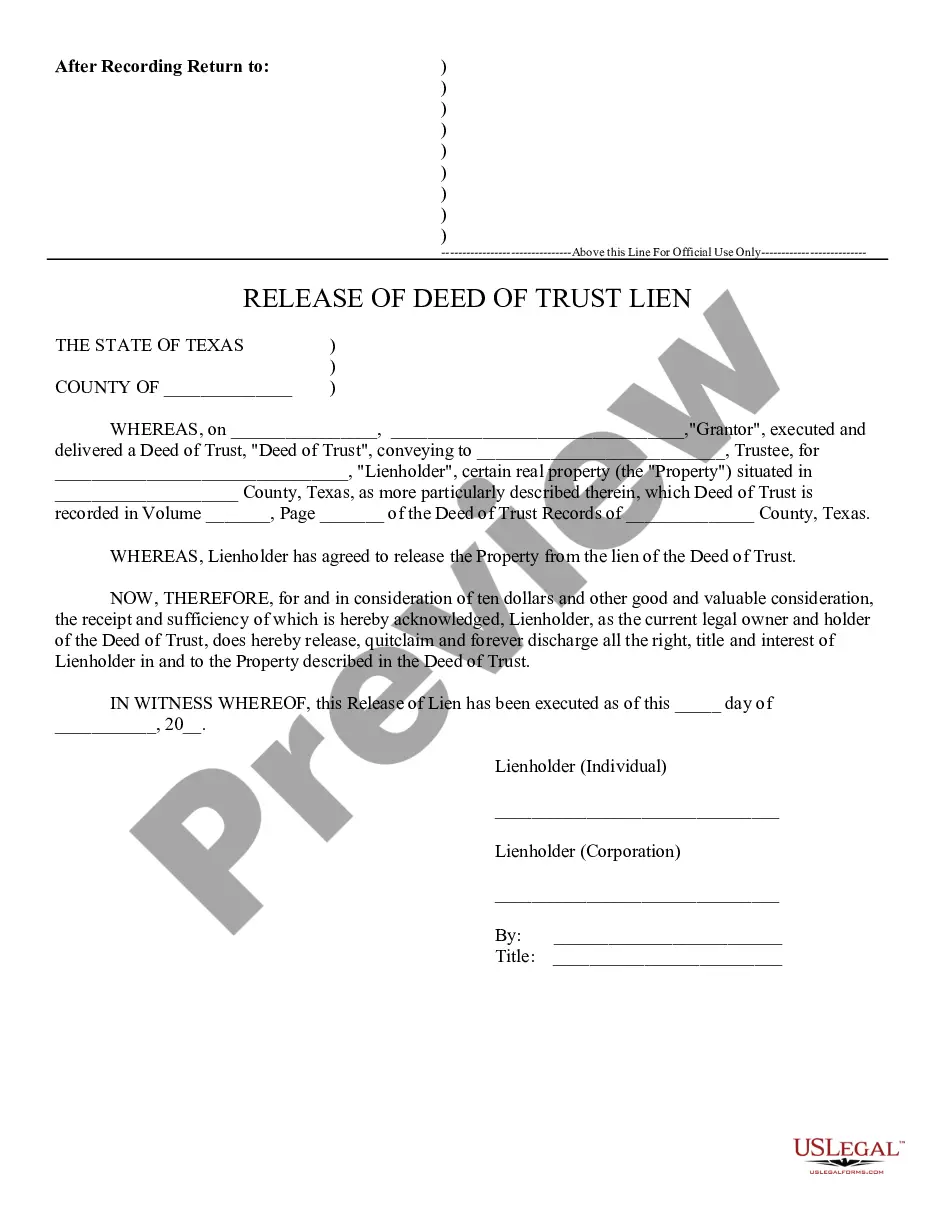
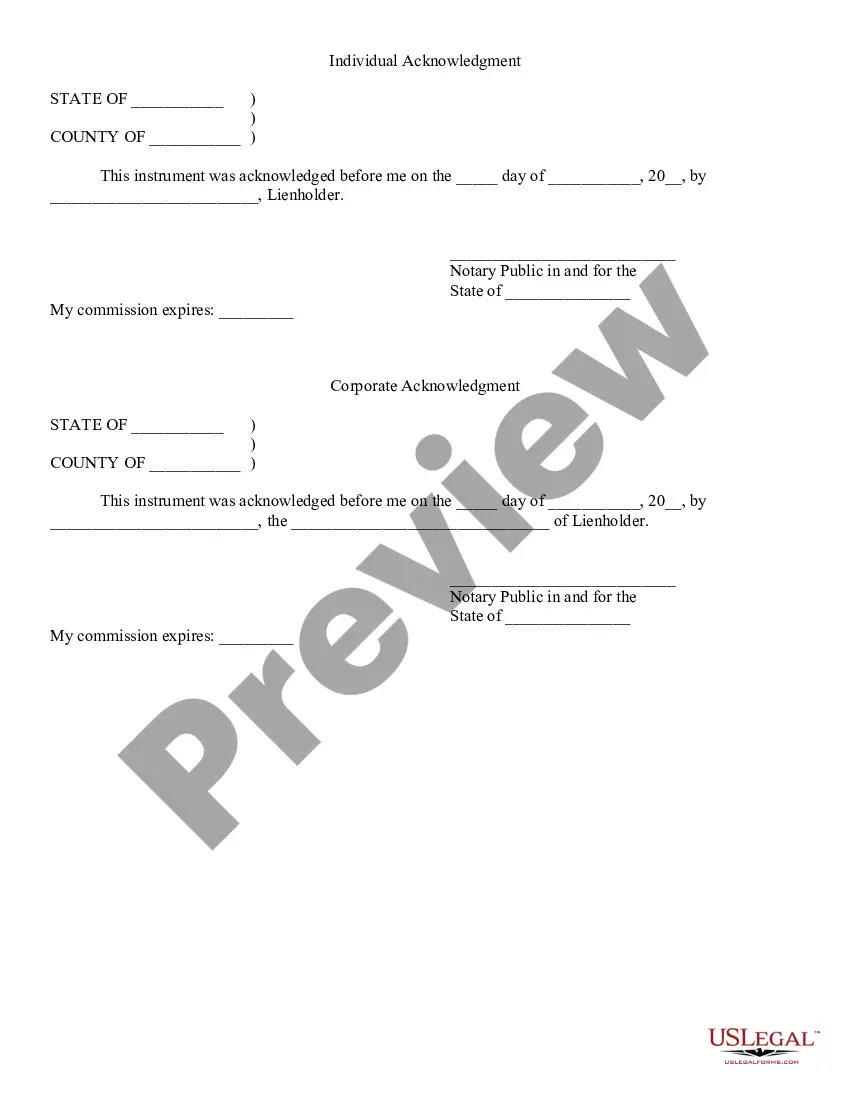
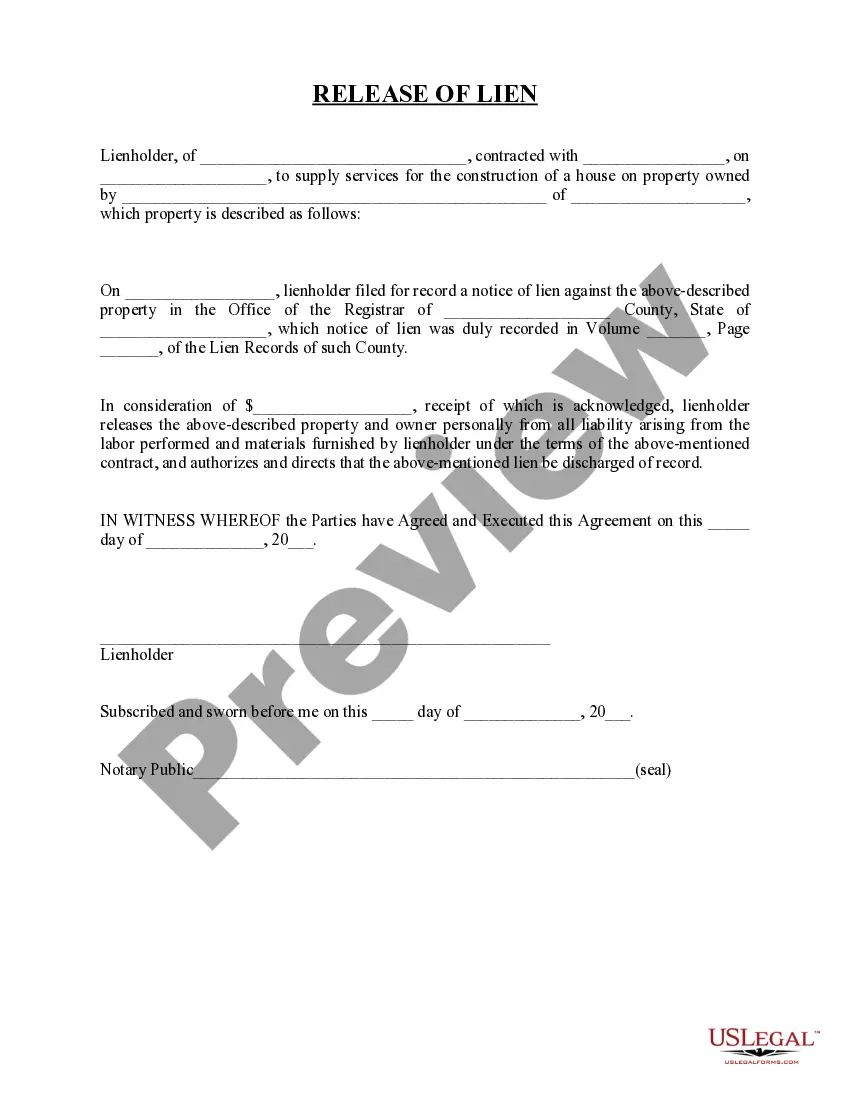
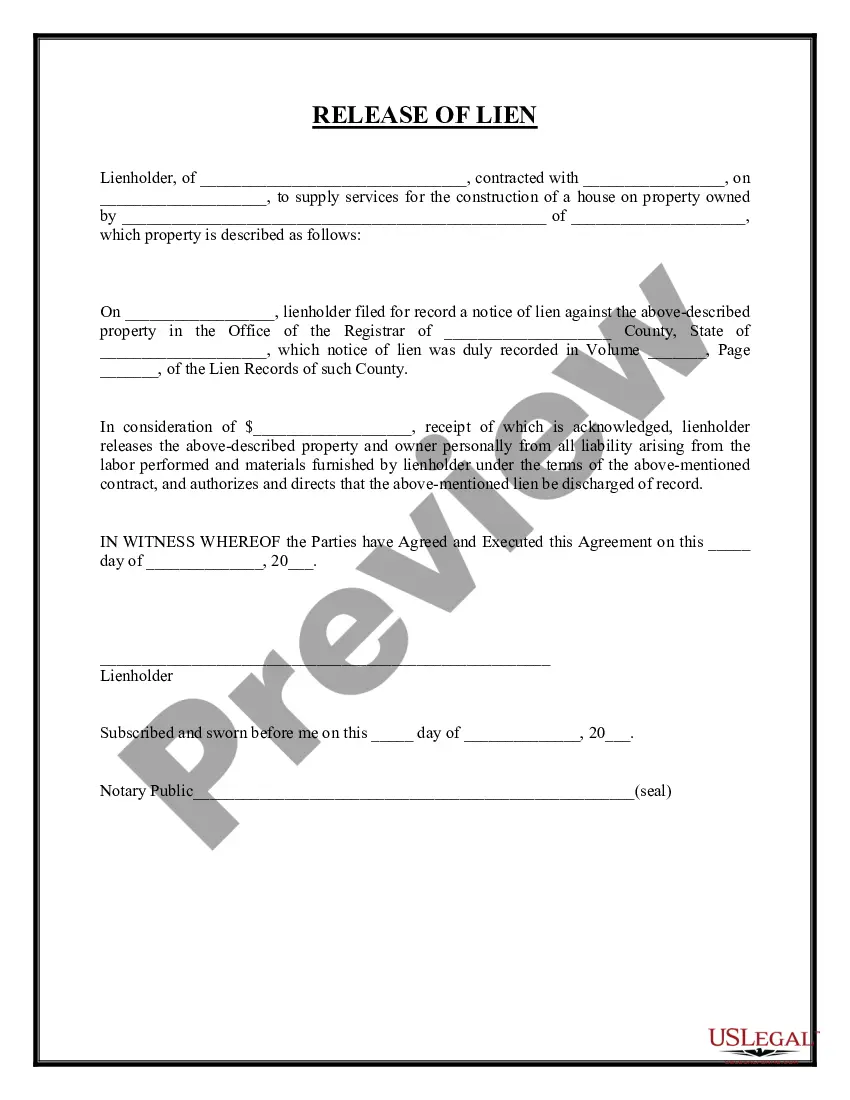
Release Of Lien Texas Pdf
Description
Get your form ready online
Our built-in tools help you complete, sign, share, and store your documents in one place.
Make edits, fill in missing information, and update formatting in US Legal Forms—just like you would in MS Word.
Download a copy, print it, send it by email, or mail it via USPS—whatever works best for your next step.
Sign and collect signatures with our SignNow integration. Send to multiple recipients, set reminders, and more. Go Premium to unlock E-Sign.
If this form requires notarization, complete it online through a secure video call—no need to meet a notary in person or wait for an appointment.
We protect your documents and personal data by following strict security and privacy standards.

Make edits, fill in missing information, and update formatting in US Legal Forms—just like you would in MS Word.

Download a copy, print it, send it by email, or mail it via USPS—whatever works best for your next step.

Sign and collect signatures with our SignNow integration. Send to multiple recipients, set reminders, and more. Go Premium to unlock E-Sign.

If this form requires notarization, complete it online through a secure video call—no need to meet a notary in person or wait for an appointment.

We protect your documents and personal data by following strict security and privacy standards.
Looking for another form?




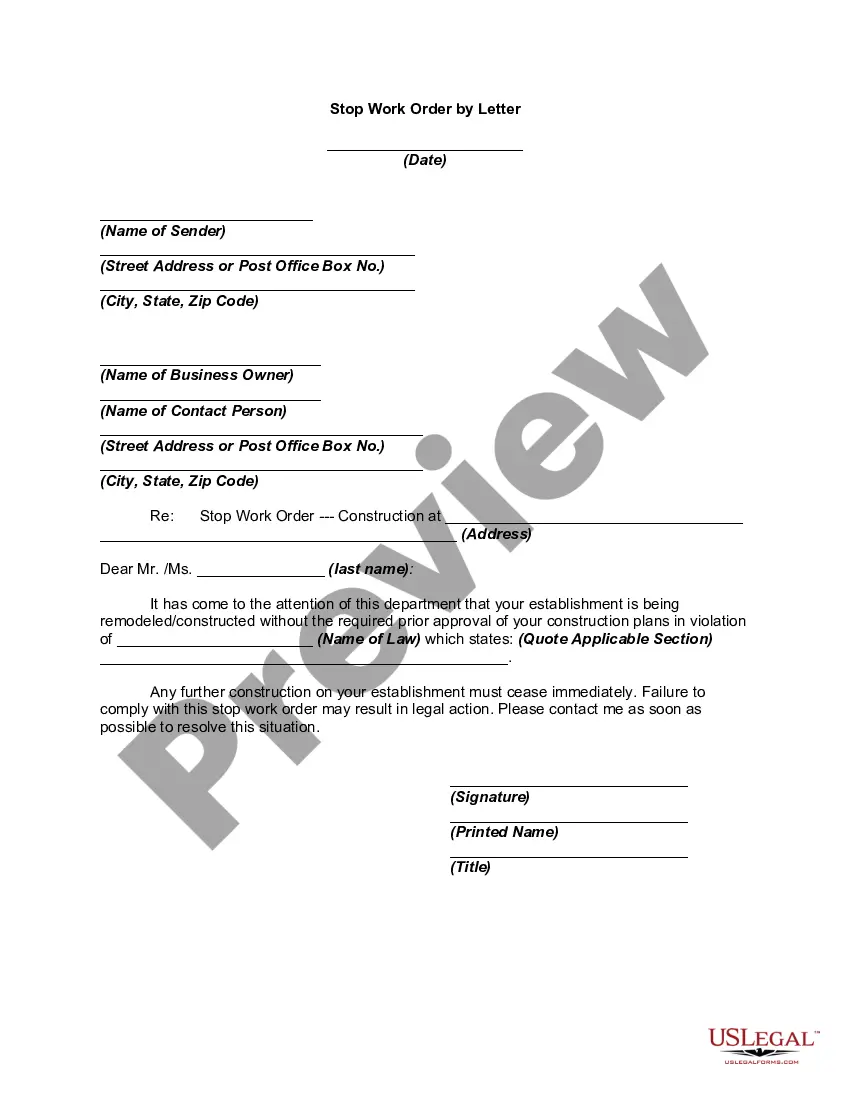





How to fill out Texas Release Of Lien?
Well-structured official documents are one of the essential assurances for preventing issues and lawsuits, but acquiring them without the help of an attorney might require time.
Whether you're looking to promptly locate an updated Release Of Lien Texas Pdf or any other templates for employment, family, or business purposes, US Legal Forms is always available to assist.
The procedure is even more straightforward for current users of the US Legal Forms library. If your subscription is active, you just need to Log In to your account and click the Download button next to the chosen file. Moreover, you can retrieve the Release Of Lien Texas Pdf at any time later, as all documents acquired on the platform are accessible within the My documents tab of your profile. Save time and money on preparing official papers. Experience US Legal Forms today!
- Verify that the form aligns with your circumstances and location by reviewing the description and preview.
- Search for another sample (if necessary) using the Search bar in the page header.
- Click Buy Now once you identify the suitable template.
- Choose a pricing plan, Log In to your account, or create a new one.
- Select your preferred payment method to acquire the subscription plan (via credit card or PayPal).
- Choose PDF or DOCX format for your Release Of Lien Texas Pdf.
- Press Download, then print the template to complete it or incorporate it into an online editor.
Form popularity
FAQ
In Texas, a release must be filed to clear a deed of trust from title to real property after a loan has been repaid or otherwise satisfied. The payment or other satisfaction of the debt extinguishes the encumbrance, but a recorded release is required to remove the lien as a cloud on title (Ellis v. Waldrop, 656 S.W.
Wait 10 business days for the lien holder to release the title after you pay off the loan. You should receive the original title through the mail from the lender if there is a paper title. If the lender recorded the lien electronically, it will send you a letter that confirms that it released the lien.
Under Section 53.171(c) of the Texas Property Code, a mechanic's lien can be discharged with a bond even after the dispute has arisen and the lien has been filed. The bond must be substantially higher than the lien amounts.
To remove a lien recorded on a paper title, you will need:the vehicle title.a release of lien letter and/or other notifications from the lienholder(s) currently named on the vehicle title.a completed Application for Texas Title and/or Registration (Form 130-U)
What is release of lien form texas? This Texas Lien Release form is used to cancel a lien that has already been filed. It's most often used to release a lien claim after a lien claimant receives payment. However, they may also be released based on settlements, legal controversies, because they expired, or more.