Texas Squatters Rights Without
Description
Get your form ready online
Our built-in tools help you complete, sign, share, and store your documents in one place.
Make edits, fill in missing information, and update formatting in US Legal Forms—just like you would in MS Word.
Download a copy, print it, send it by email, or mail it via USPS—whatever works best for your next step.
Sign and collect signatures with our SignNow integration. Send to multiple recipients, set reminders, and more. Go Premium to unlock E-Sign.
If this form requires notarization, complete it online through a secure video call—no need to meet a notary in person or wait for an appointment.
We protect your documents and personal data by following strict security and privacy standards.

Make edits, fill in missing information, and update formatting in US Legal Forms—just like you would in MS Word.

Download a copy, print it, send it by email, or mail it via USPS—whatever works best for your next step.

Sign and collect signatures with our SignNow integration. Send to multiple recipients, set reminders, and more. Go Premium to unlock E-Sign.

If this form requires notarization, complete it online through a secure video call—no need to meet a notary in person or wait for an appointment.

We protect your documents and personal data by following strict security and privacy standards.
Looking for another form?
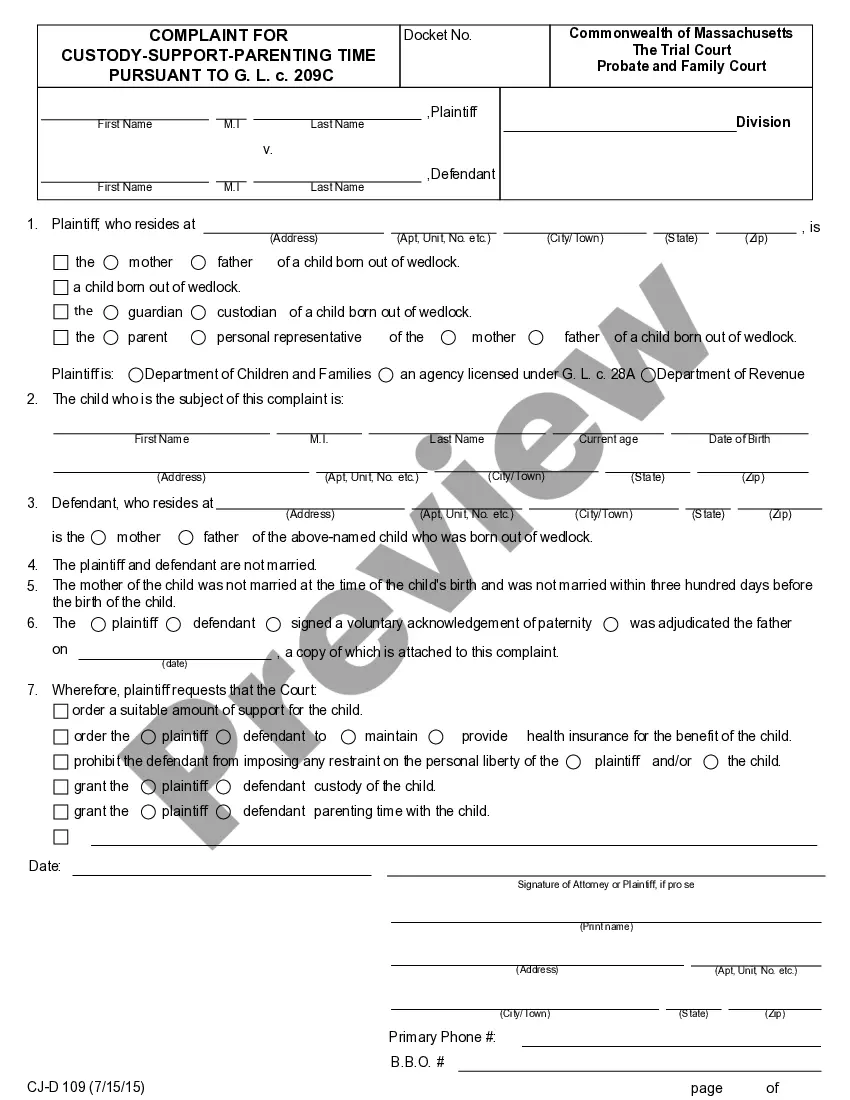
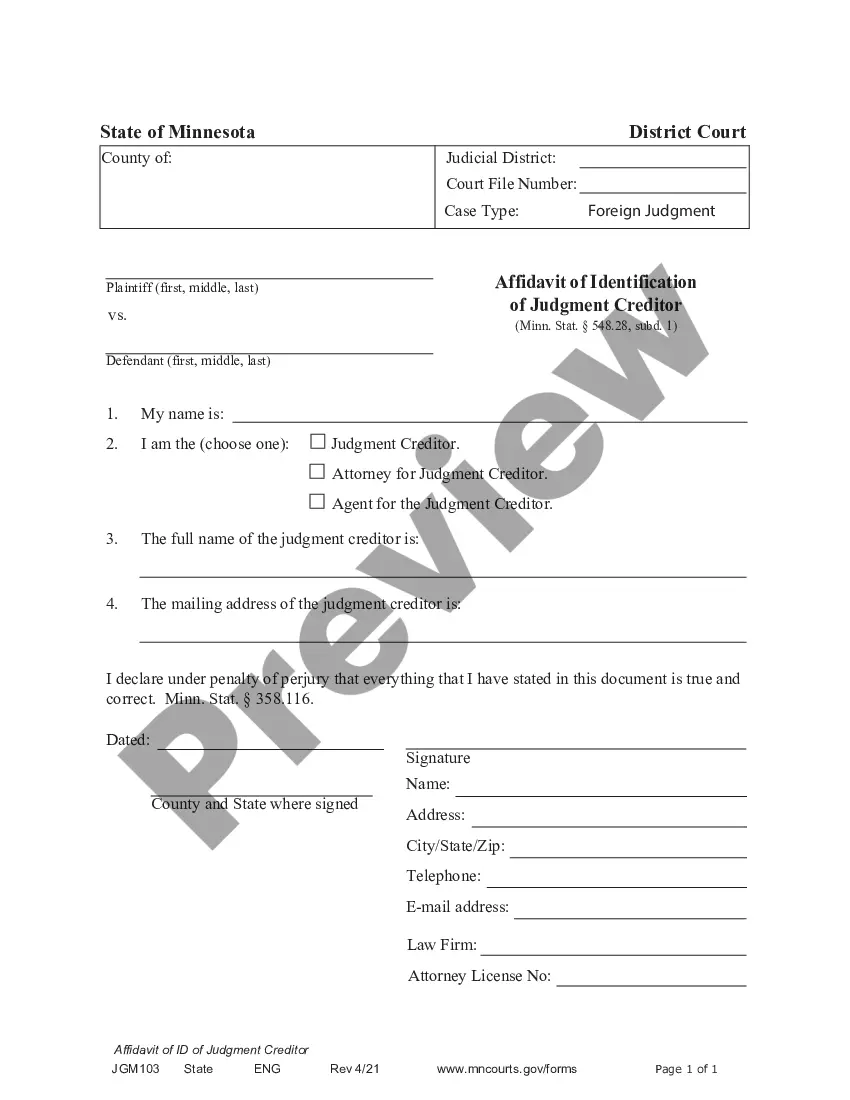
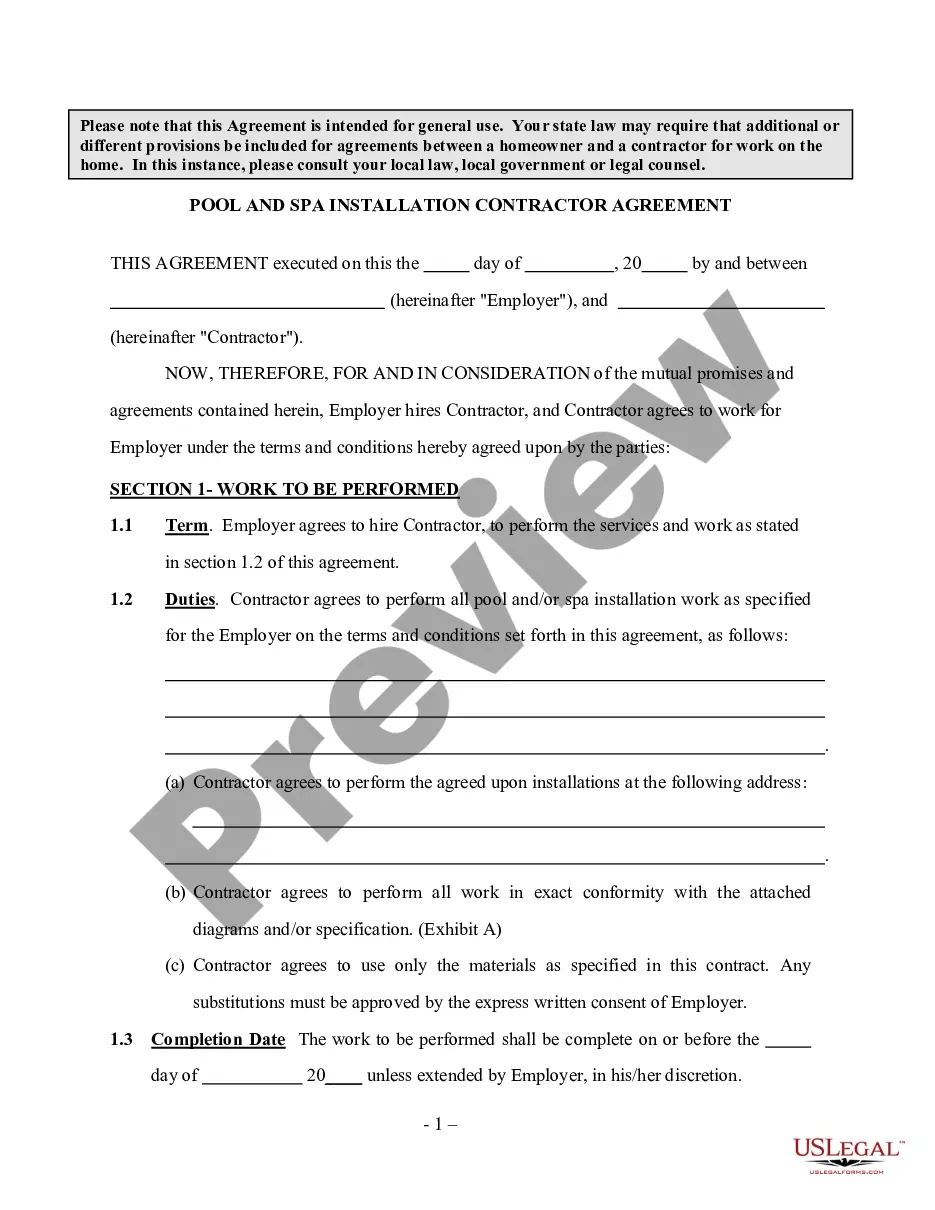
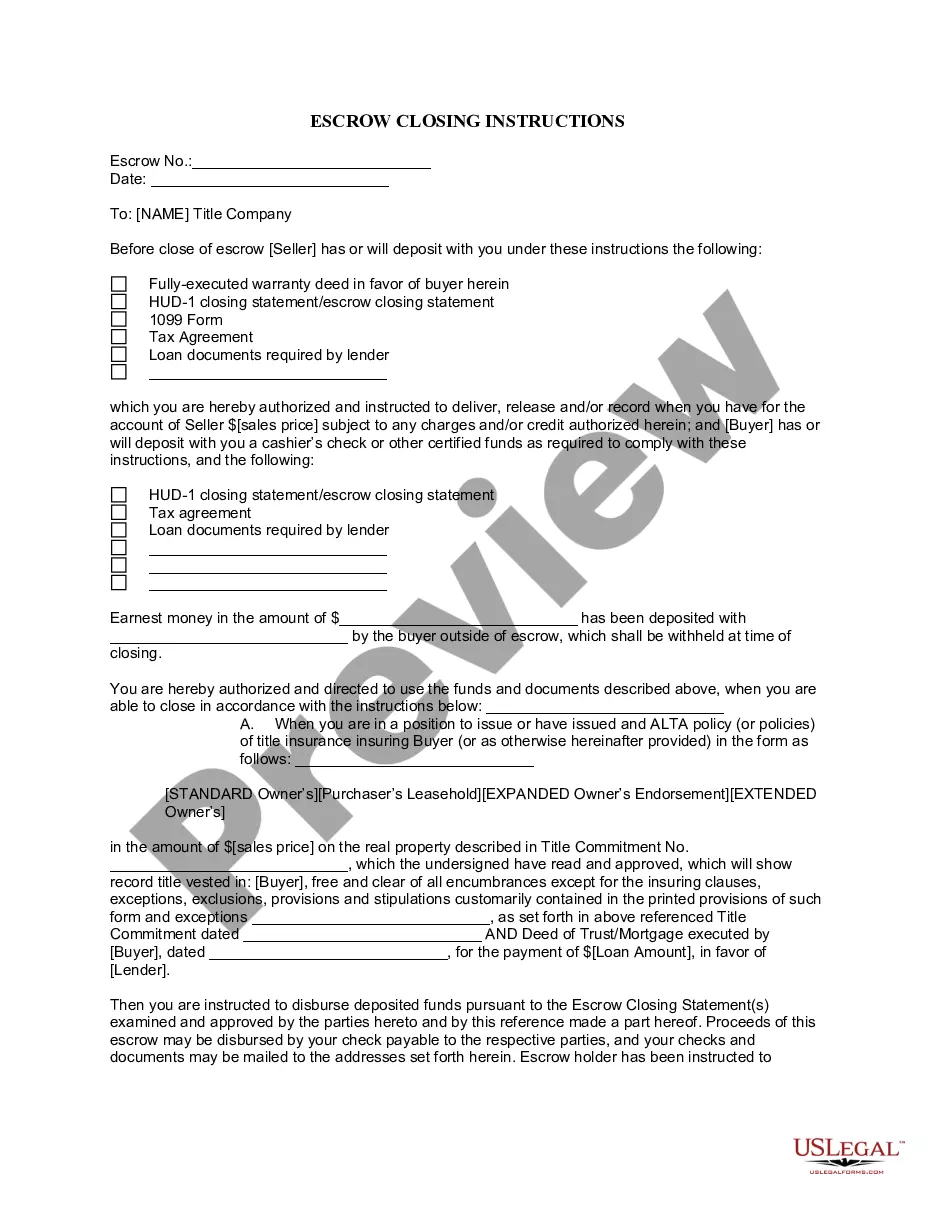

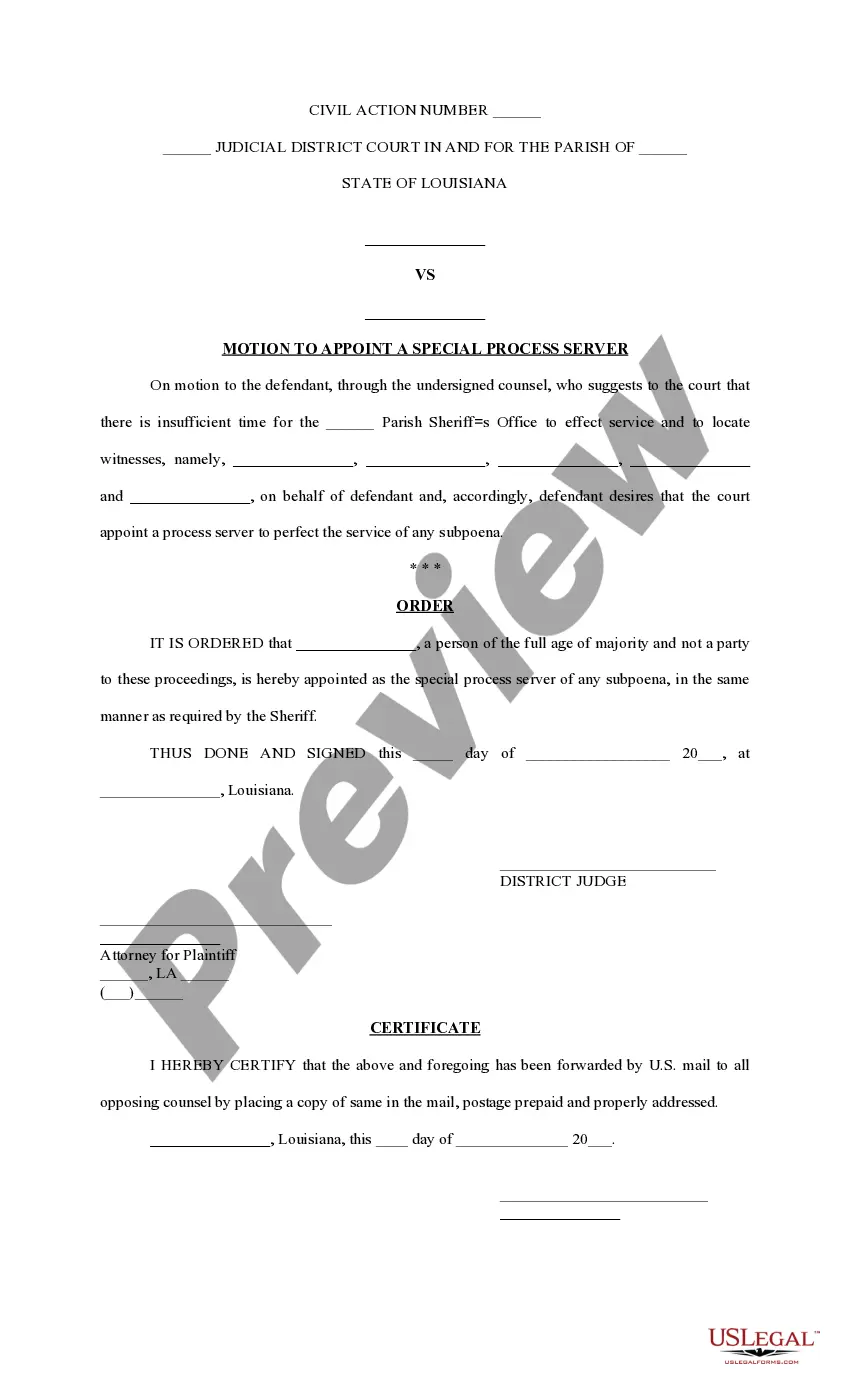
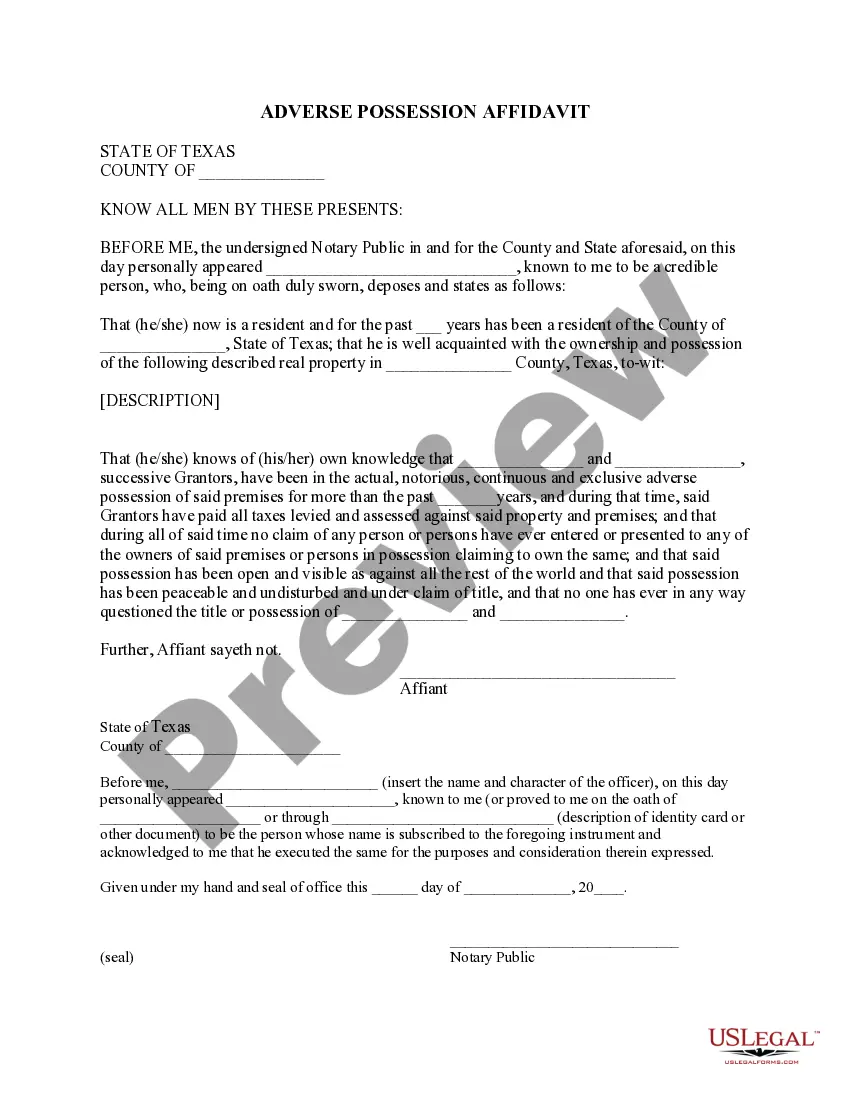
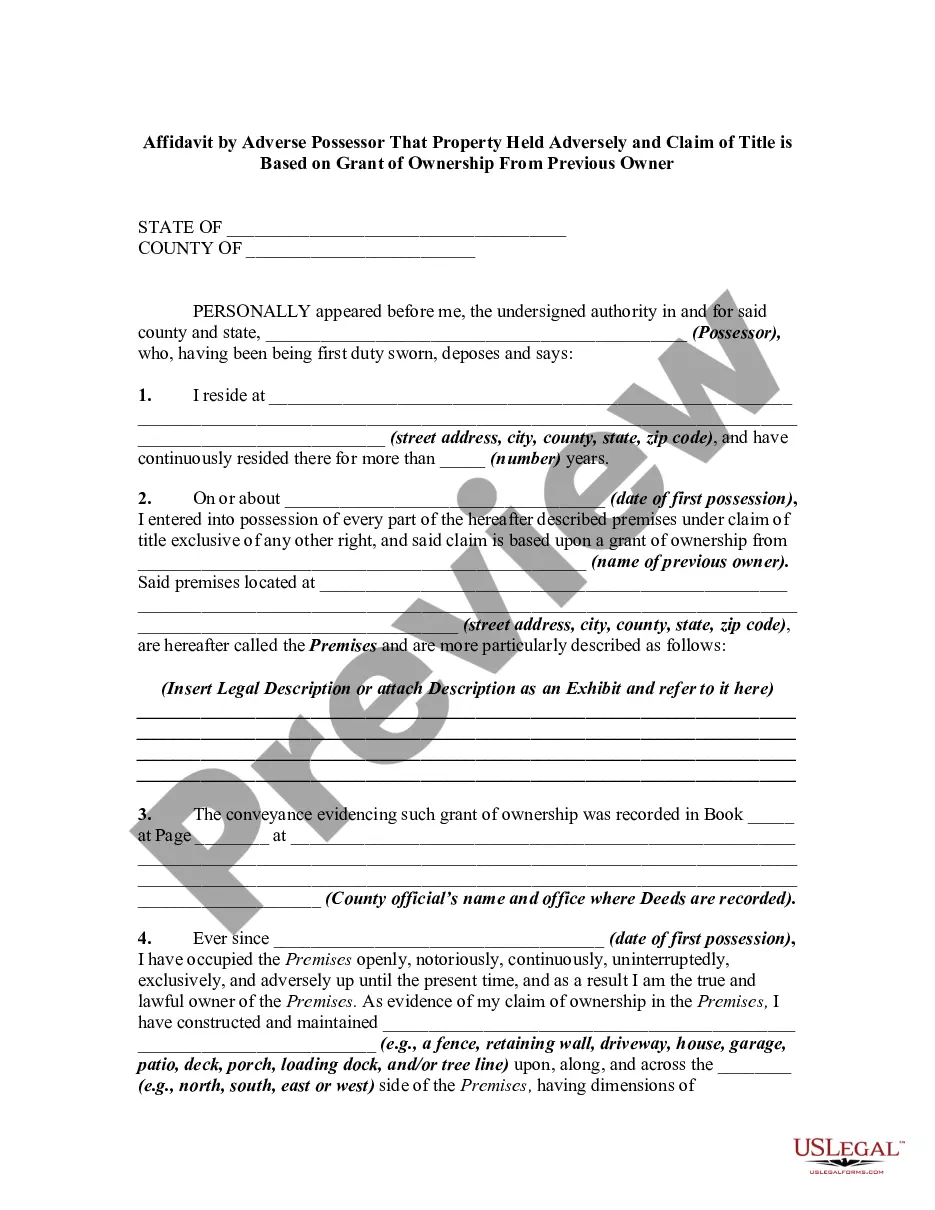
How to fill out Texas Adverse Possession Affidavit - Squatters Rights?
The Texas Squatters Rights Without you observe on this page is a versatile official template composed by qualified attorneys in accordance with federal and state laws.
For over 25 years, US Legal Forms has delivered individuals, companies, and lawyers with over 85,000 validated, state-specific documents for any business and personal occasion. It’s the quickest, simplest, and most dependable means to acquire the paperwork you require, as the service assures bank-level data safety and anti-malware safeguards.
Utilize the same document again whenever necessary. Access the My documents tab in your profile to re-download any previously acquired forms.
- Look for the document you require and verify it.
- Browse through the file you searched and preview it or review the form description to ensure it fulfills your needs. If it doesn’t, utilize the search function to locate the appropriate one. Click Buy Now once you have identified the template you need.
- Select and Log In.
- Choose the pricing plan that fits you and create an account. Use PayPal or a credit card for immediate payment. If you already possess an account, Log In and verify your subscription to continue.
- Download the editable template.
- Choose the format you desire for your Texas Squatters Rights Without (PDF, DOCX, RTF) and save the sample on your device.
- Fill out and sign the document.
- Print the template to complete it by hand. Alternatively, use an online multifunctional PDF editor to quickly and accurately fill out and sign your form with a valid signature.
Form popularity
FAQ
Can You Use Credit Cards After They've Been Consolidated? When you consolidate credit card debt, sometimes creditors will allow you to keep the accounts open. If this is the case, your credit won't be impacted as harshly, but it's still best to stop using them for a while.
Late Payments - 6 years. County Court Judgements - 6 years. Debt Relief Orders - 6 years. Defaulted Debts - 6 years.
Most negative items should automatically fall off your credit reports seven years from the date of your first missed payment, at which point your credit scores may start rising. But if you are otherwise using credit responsibly, your score may rebound to its starting point within three months to six years.
Highlights: Most negative information generally stays on credit reports for 7 years. Bankruptcy stays on your Equifax credit report for 7 to 10 years, depending on the bankruptcy type. Closed accounts paid as agreed stay on your Equifax credit report for up to 10 years.
Similar to Chapter 7 bankruptcy, debt settlement can stay on your credit report for up to seven years. While this may seem like a long time, the impact of this event on your credit report will lessen over time.
Most states or jurisdictions have statutes of limitations between three and six years for debts, but some may be longer. This may also vary depending, for instance, on the: Type of debt. State where you live.
Bankruptcy is your best option for getting rid of debt without paying.
Only negative information disappears from your credit report after seven years. Open positive accounts will stay on your credit report indefinitely. Accounts closed in good standing will stay on your credit report based on the credit bureaus' policy.