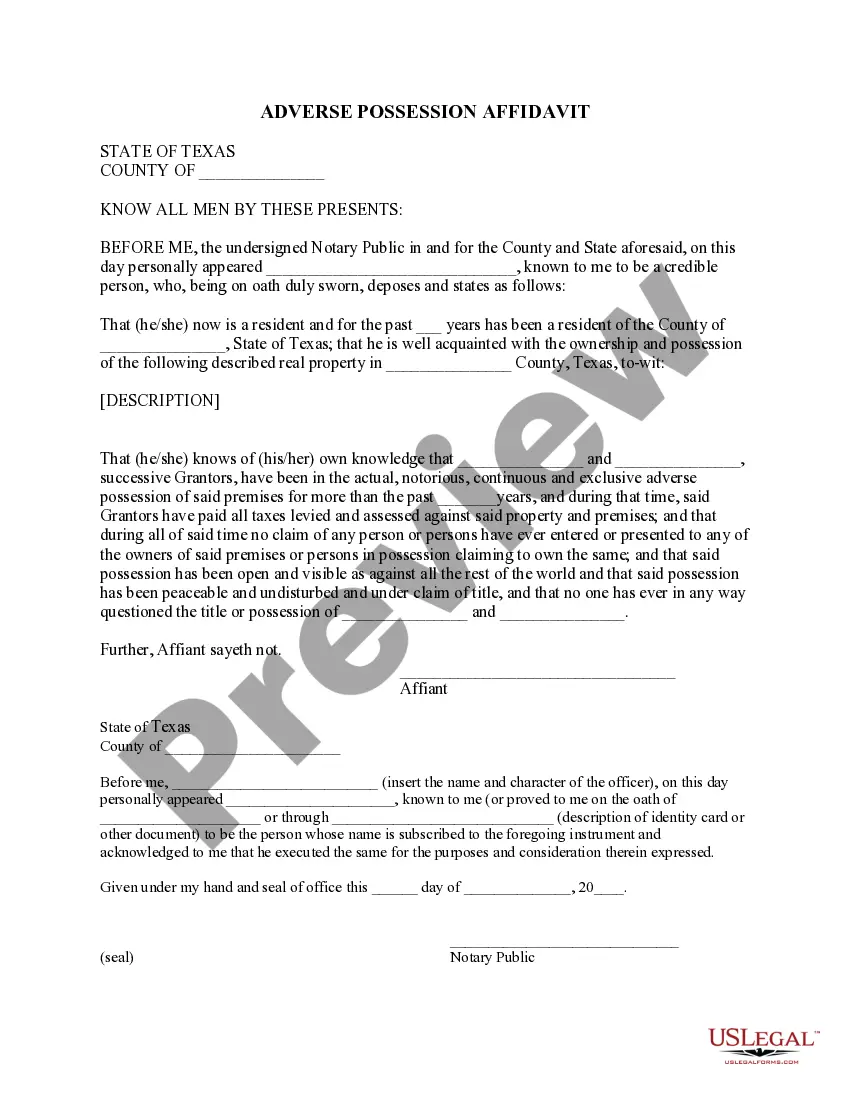
Texas Squatters Rights With A Warrant
Description
Get your form ready online
Our built-in tools help you complete, sign, share, and store your documents in one place.
Make edits, fill in missing information, and update formatting in US Legal Forms—just like you would in MS Word.
Download a copy, print it, send it by email, or mail it via USPS—whatever works best for your next step.
Sign and collect signatures with our SignNow integration. Send to multiple recipients, set reminders, and more. Go Premium to unlock E-Sign.
If this form requires notarization, complete it online through a secure video call—no need to meet a notary in person or wait for an appointment.
We protect your documents and personal data by following strict security and privacy standards.

Make edits, fill in missing information, and update formatting in US Legal Forms—just like you would in MS Word.

Download a copy, print it, send it by email, or mail it via USPS—whatever works best for your next step.

Sign and collect signatures with our SignNow integration. Send to multiple recipients, set reminders, and more. Go Premium to unlock E-Sign.

If this form requires notarization, complete it online through a secure video call—no need to meet a notary in person or wait for an appointment.

We protect your documents and personal data by following strict security and privacy standards.
Looking for another form?





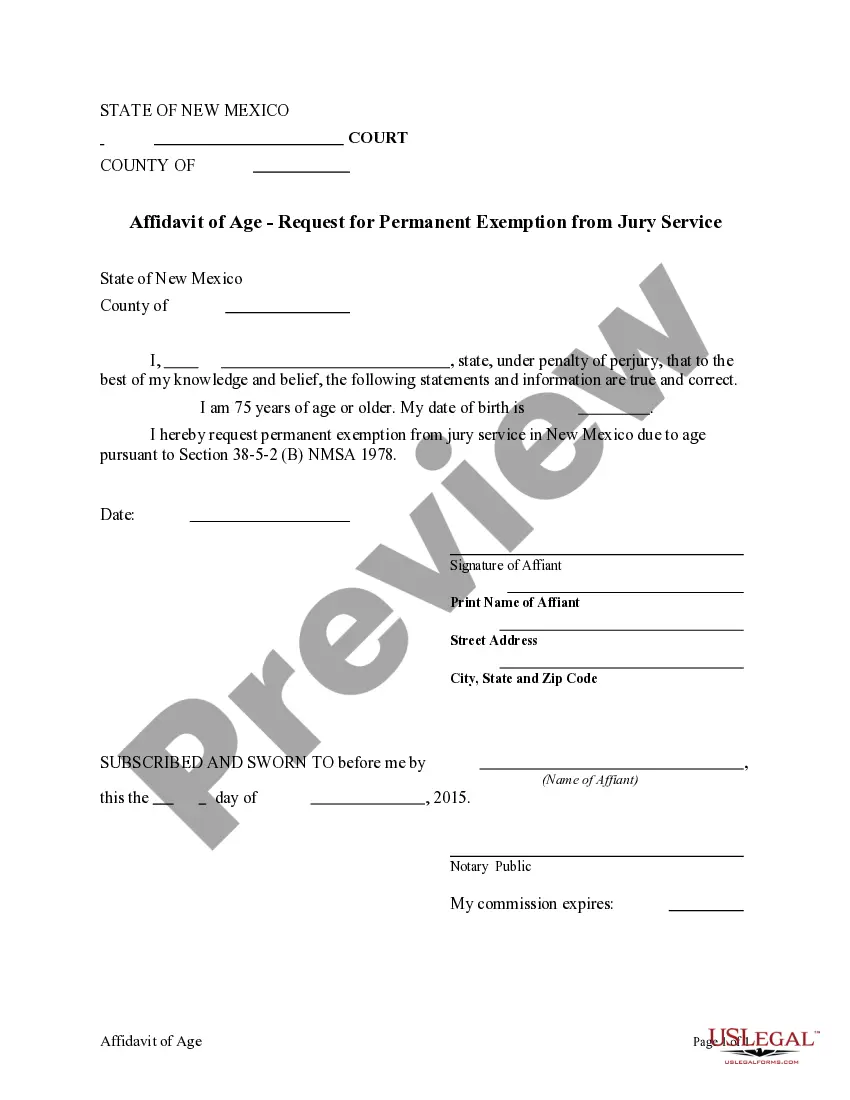
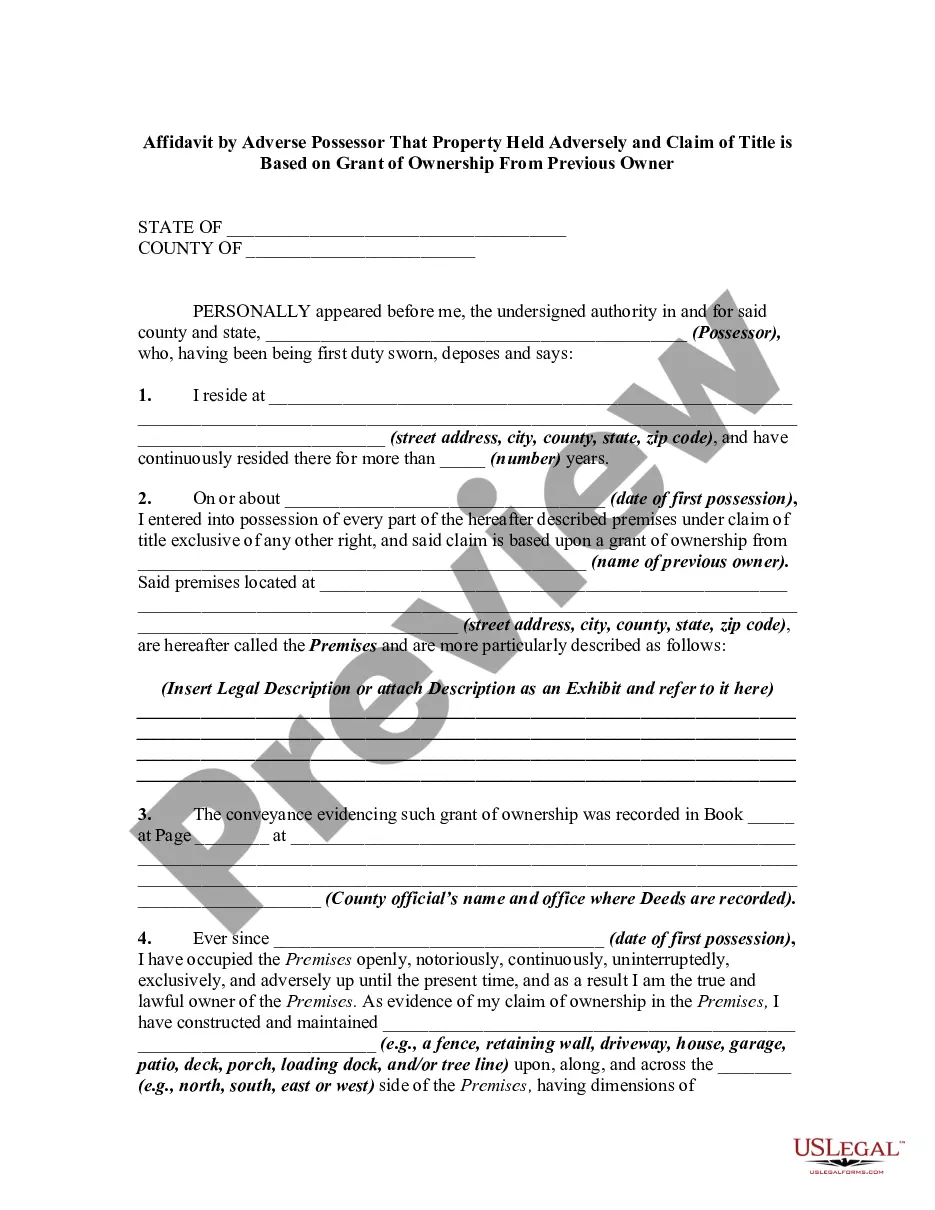
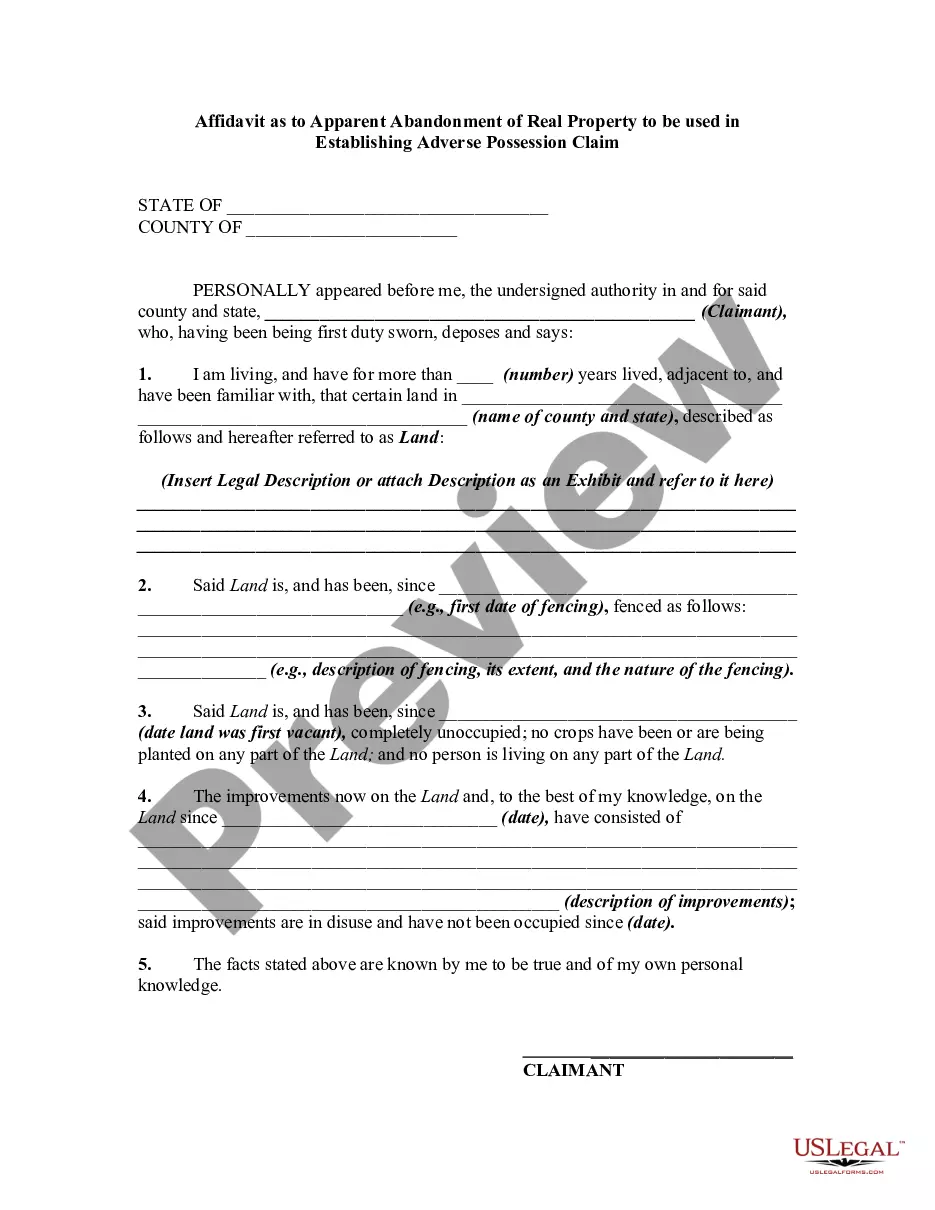
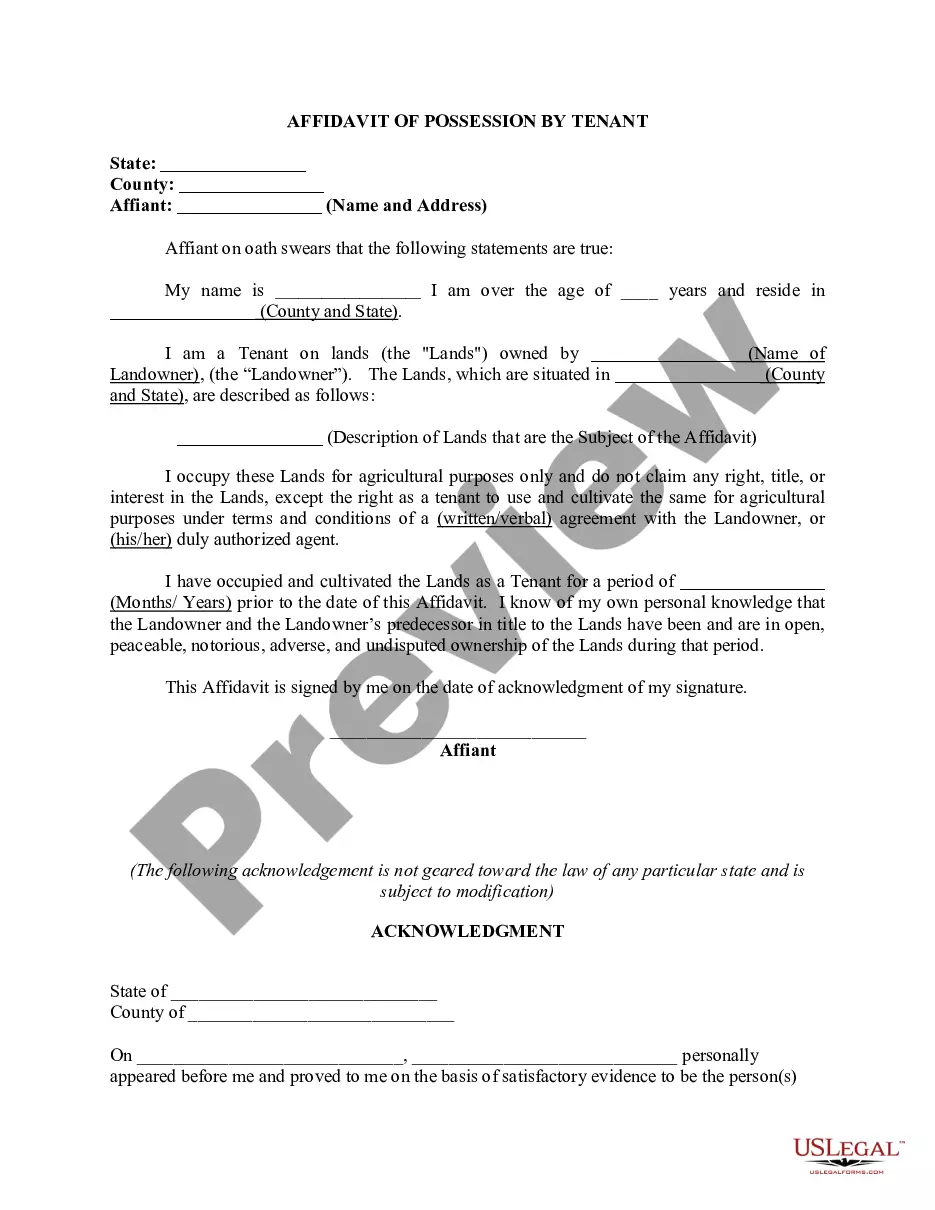
How to fill out Texas Adverse Possession Affidavit - Squatters Rights?
- Visit the US Legal Forms website and log into your existing account. Confirm your subscription is active; otherwise, renew it as per your chosen payment plan.
- Browse the form library by checking the Preview mode to ensure you've selected the appropriate document for your needs and jurisdiction.
- If you need a different template, utilize the Search feature to find a suitable form. Verify its relevance before proceeding.
- Click the Buy Now button corresponding to your chosen document and select a subscription plan that fits your requirements.
- Complete your purchase by entering your payment details, either via credit card or PayPal.
- Download the document directly to your device, making it accessible anytime in your profile's My Forms menu for future reference.
In conclusion, obtaining legal documents through US Legal Forms is a seamless process that equips you with essential tools to navigate legal challenges effectively. Take advantage of their user-friendly platform and extensive resources.
Start your journey to legal clarity today by exploring the vast library of forms available!
Form popularity
FAQ
The best way to remove a squatter from your property in Texas is to file for eviction through the legal system. Start by consulting with a legal expert who understands Texas squatters rights with a warrant to guide you through the process. Attempting to use force may result in complications, so it's always best to rely on legal avenues to regain control of your property.
In Texas, the minimum time for a squatter to establish rights is ten years, known as adverse possession. During this period, the squatter must continuously occupy the property without the owner's permission. Understanding Texas squatters rights with a warrant is crucial because it helps determine the validity of the claim and the eviction process.
Turning off utilities to force a squatter to leave can lead to legal issues in Texas. Generally, you should avoid this approach, as it may violate tenant rights. Instead, consider pursuing legal eviction to ensure you comply with Texas squatters rights with a warrant regulations and safeguard your property effectively.
To claim squatters rights in Texas, you must occupy a property continuously for a specific period, usually ten years. You also need to have open and notorious possession, meaning you must live there without hiding your presence. If your situation involves Texas squatters rights with a warrant, you may need to provide proof of your occupancy to strengthen your claim.
Yes, you can remove squatters from your property in Texas. However, you must follow the legal process for eviction. This usually involves obtaining a court order if the squatter refuses to leave willingly. Remember, Texas squatters rights with a warrant complicate this process, so it's essential to understand your local laws.
In Texas, the process of claiming squatter's rights can vary significantly based on individual circumstances. Typically, a person must occupy a property openly and continuously for a specific period, usually around 10 years, to establish legal rights. However, if you face eviction, understanding Texas squatters rights with a warrant is crucial to defend your position. For those navigating these complex laws, US Legal Forms offers resources that can help clarify your rights and the necessary steps to take.
Forcibly removing a squatter in Texas is not legal and can lead to serious legal repercussions. Instead, follow the official eviction process to ensure compliance with the law. This involves providing proper notice and possibly obtaining a warrant if the situation escalates. To ensure your understanding of Texas squatters rights with a warrant, consider using tools from US Legal Forms, which can simplify the legal process and provide guidance tailored to your situation.
In Texas, the law allows property owners to defend themselves against intruders, but lethal force is only justified in certain extreme circumstances. If you face an imminent threat to your life or physical safety, you may have the right to protect yourself. However, understand that using deadly force can result in serious legal consequences. It's vital to know Texas squatters rights with a warrant, as it can guide you through the appropriate actions without resorting to violence.
To protect against squatters in Texas, property owners should take proactive measures. Regularly inspect your property and maintain clear boundaries to discourage unauthorized access. Utilize security features such as locks, lights, and fencing. Additionally, familiarize yourself with Texas squatters rights with a warrant, and consult legal resources like US Legal Forms for proper eviction procedures.
No, you cannot legally shoot a squatter just for trespassing in Texas. The law requires a reasonable response to protect yourself and your property. However, using deadly force is only permissible in specific situations where you feel severely threatened. It’s vital to understand Texas squatters rights with a warrant before taking any action, as legal ramifications can be significant. Always seek legal advice if you are unsure.