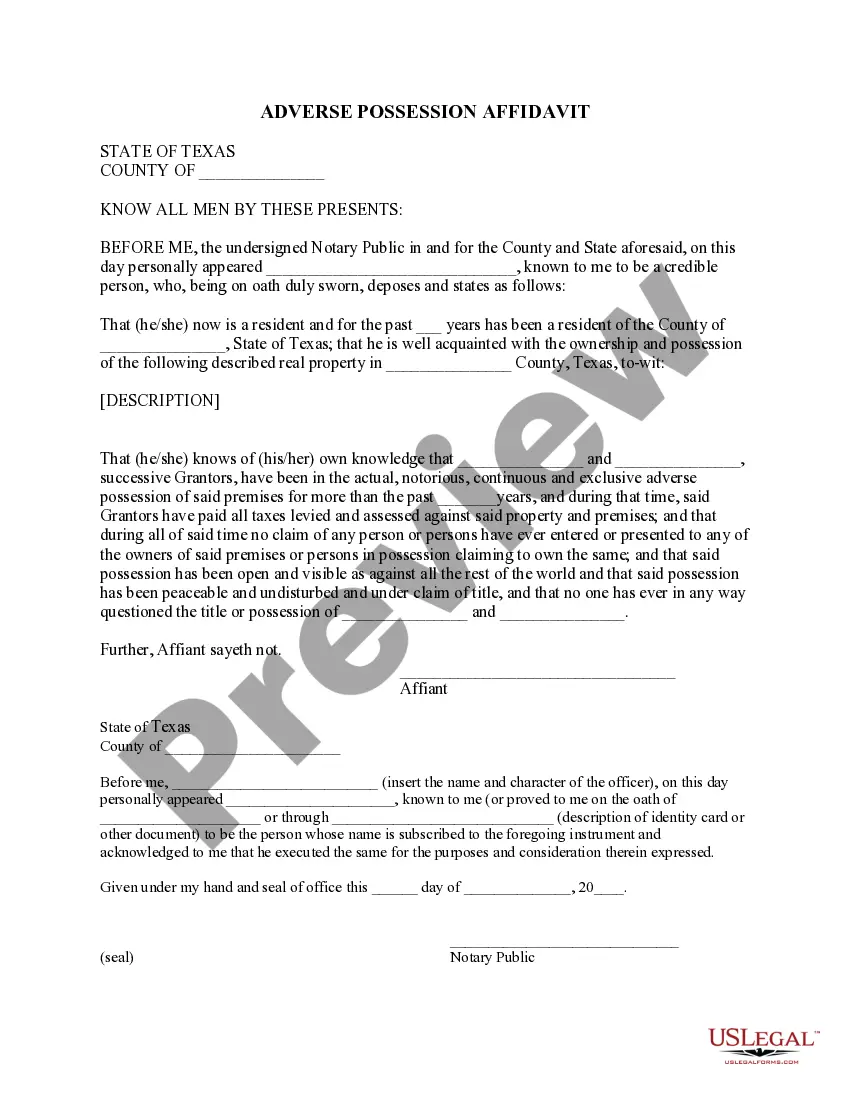
Texas Squatters Rights For Claim
Description
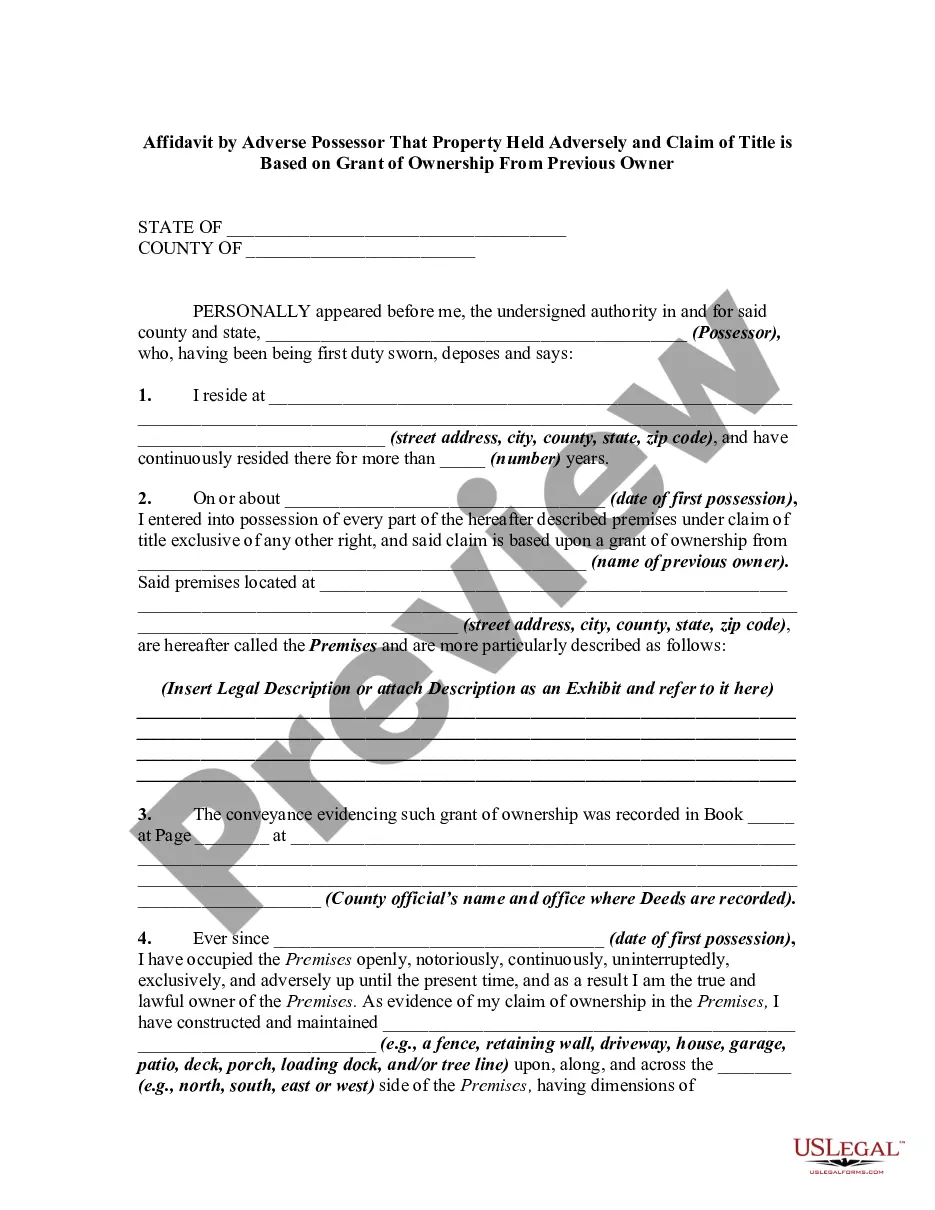
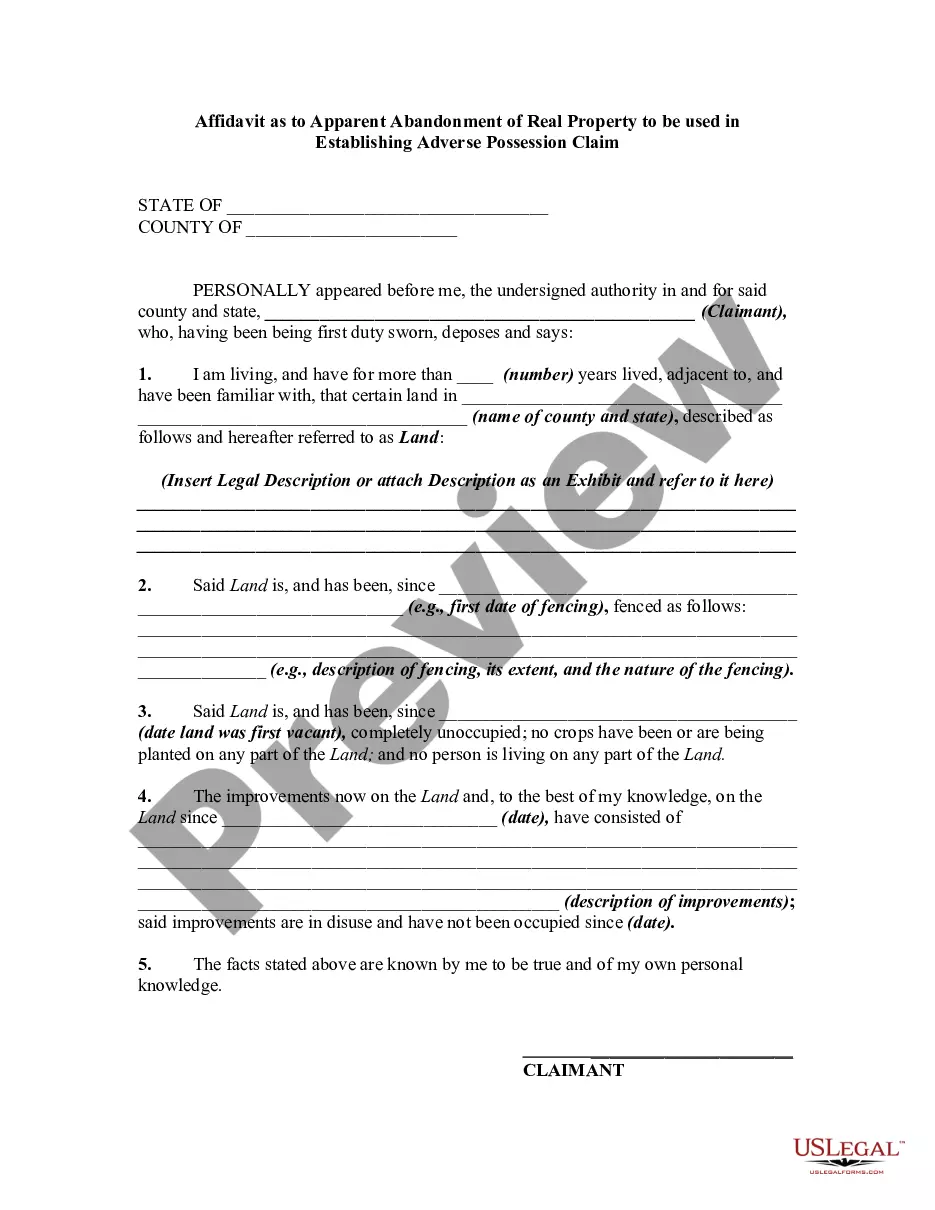
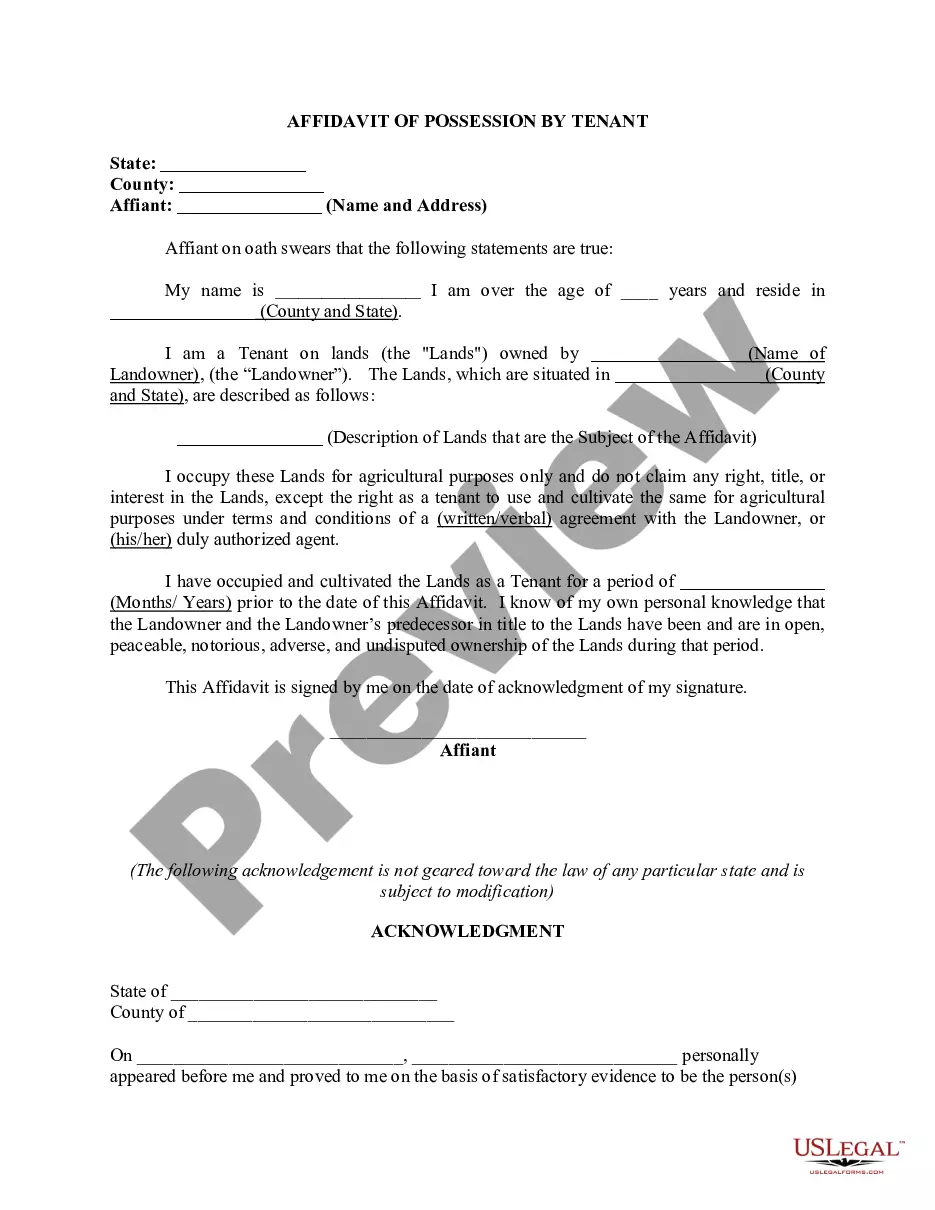
Get your form ready online
Our built-in tools help you complete, sign, share, and store your documents in one place.
Make edits, fill in missing information, and update formatting in US Legal Forms—just like you would in MS Word.
Download a copy, print it, send it by email, or mail it via USPS—whatever works best for your next step.
Sign and collect signatures with our SignNow integration. Send to multiple recipients, set reminders, and more. Go Premium to unlock E-Sign.
If this form requires notarization, complete it online through a secure video call—no need to meet a notary in person or wait for an appointment.
We protect your documents and personal data by following strict security and privacy standards.

Make edits, fill in missing information, and update formatting in US Legal Forms—just like you would in MS Word.

Download a copy, print it, send it by email, or mail it via USPS—whatever works best for your next step.

Sign and collect signatures with our SignNow integration. Send to multiple recipients, set reminders, and more. Go Premium to unlock E-Sign.

If this form requires notarization, complete it online through a secure video call—no need to meet a notary in person or wait for an appointment.

We protect your documents and personal data by following strict security and privacy standards.
Looking for another form?





How to fill out Texas Adverse Possession Affidavit - Squatters Rights?
- Log in to your US Legal Forms account if you're a returning user and click the Download button to access the required template. Check that your subscription is active; renew if needed.
- For new users, start by browsing the Preview mode and form description to ensure you've selected the correct document that meets your jurisdiction's requirements.
- If necessary, use the search function to find additional templates that may be more suitable for your specific situation.
- Purchase the chosen document by clicking the Buy Now button and selecting your subscription plan. You will need to create an account to access the full library.
- Complete your purchase by entering your payment details, either through credit card or PayPal.
- Once the transaction is successful, download the template to your device and find it in the My Forms section of your profile for future access.
US Legal Forms empowers individuals and attorneys by offering a comprehensive library of over 85,000 easily fillable and editable legal forms, ensuring that you're equipped to handle your legal requirements efficiently.
Don't wait any longer to secure your rights. Start your journey with US Legal Forms today and ensure your documents are both precise and legally sound!
Form popularity
FAQ
Yes, a squatter can claim a house in Texas under specific conditions outlined by state law. They must occupy the house openly and continuously for at least ten years, among other requirements. It’s important to be aware of your rights and options when it comes to Texas squatters rights for claim. Utilizing services from USLegalForms can help you understand your situation and offer tools to protect your property effectively.
In Texas, squatters can potentially claim ownership of a property through a legal process known as adverse possession. To do this, they must occupy the property openly, continuously, and without the permission of the legal owner for a specified period. Understanding Texas squatters rights for claim is crucial if you find yourself in such a situation. Legal resources like USLegalForms can provide you with the necessary documentation and guidance to navigate this complex issue.
While the shortest recognized period for squatters rights in Texas is generally around 10 years, nuances exist that can affect your eligibility. Each situation varies, and certain conditions must be met for a claim to be valid. For personalized guidance and a clearer understanding of your rights, consulting US Legal Forms can provide valuable assistance in navigating this complex area of law.
The minimum time required to claim squatters rights in Texas typically starts at 10 years of continuous occupation. During this period, it is essential to openly use and take care of the property without the owner's permission. Utilizing services like US Legal Forms can help you understand the documentation needed for proving your claim.
In Texas, an individual can be considered a squatter if they occupy a property without the owner's consent for a continuous period. While there isn't a specific timeframe that formally defines squatters, long-term occupation is crucial for a potential claim. As such, understanding Texas squatters rights for claim can help clarify these distinctions and lead to greater legal protection.
Yes, you can legally evict a squatter in Texas, but the process requires following specific legal steps. You should file an eviction lawsuit in the appropriate court to initiate the formal eviction procedure. Using the resources from US Legal Forms can guide you through the necessary documentation and processes to ensure your actions comply with Texas law.
In Texas, it may take a minimum of 10 years of continuous occupancy for you to legally establish squatters rights. However, the timeframe can vary based on circumstances and the specifics of the case. It's important to keep detailed records of your stay, as having strong documentation can significantly influence your claim.
To claim squatters rights in Texas, you must occupy the property without the owner's permission for a specific time period. Generally, this requires you to demonstrate your continuous, open, and notorious possession of the property. It’s essential to document your stay, and utilizing resources like US Legal Forms can help you understand the necessary procedures and paperwork required for such claims.
The process of asserting squatters rights in Texas can vary based on several factors, including the length of occupation and legal disputes. Generally, once you have met the occupancy requirements, initiating the claim can take several months due to potential court proceedings. Understanding your rights and responsibilities is essential, and using a service like UsLegalForms can clarify the legal framework. This ensures your claim is handled appropriately and efficiently.
In Texas, to claim squatters rights for a property, you typically need to occupy the home for at least ten years continuously. This extended period helps establish a legal claim to the property. However, specific circumstances, such as the property owner's actions or the type of property, can affect this timeframe. It's advisable to consult a legal expert to navigate the process effectively.