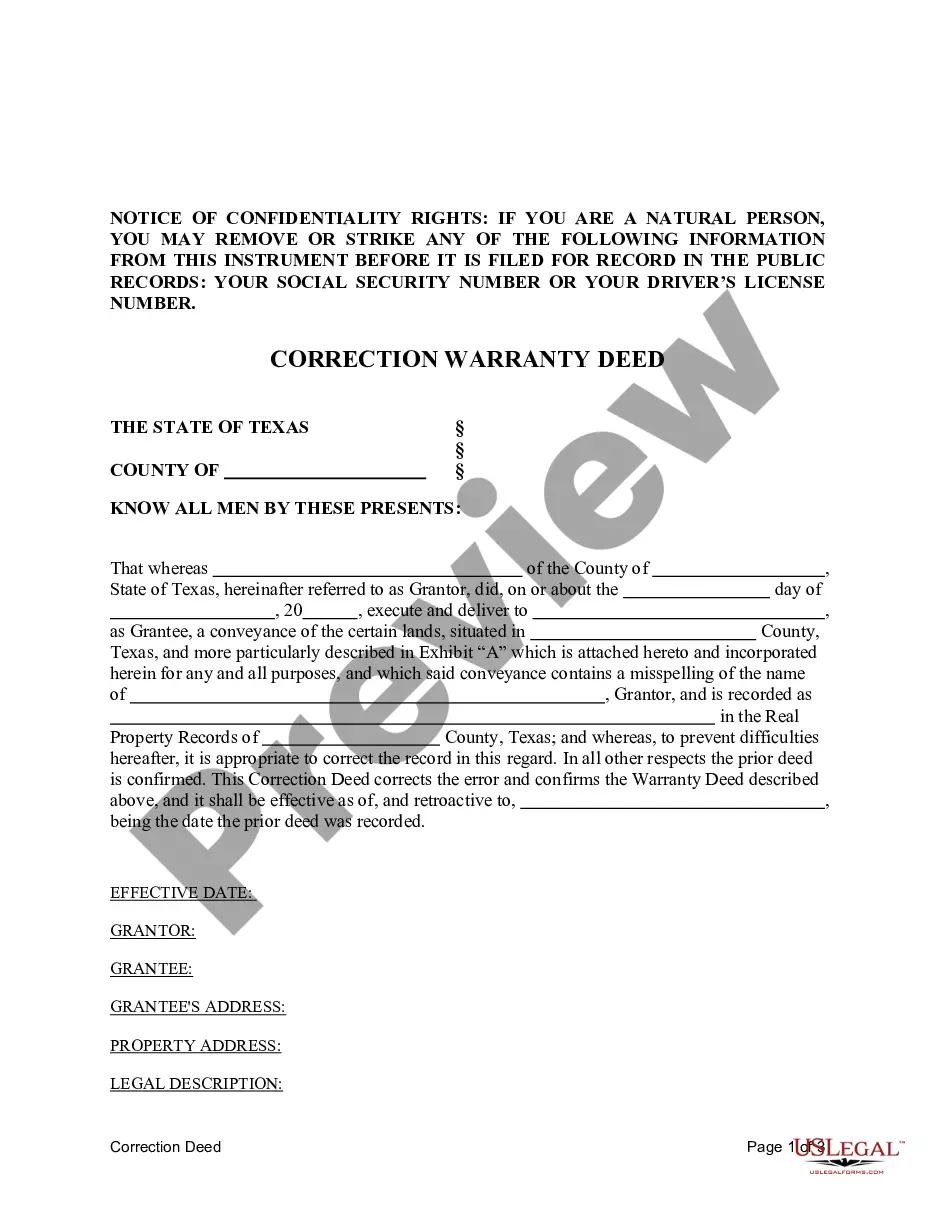
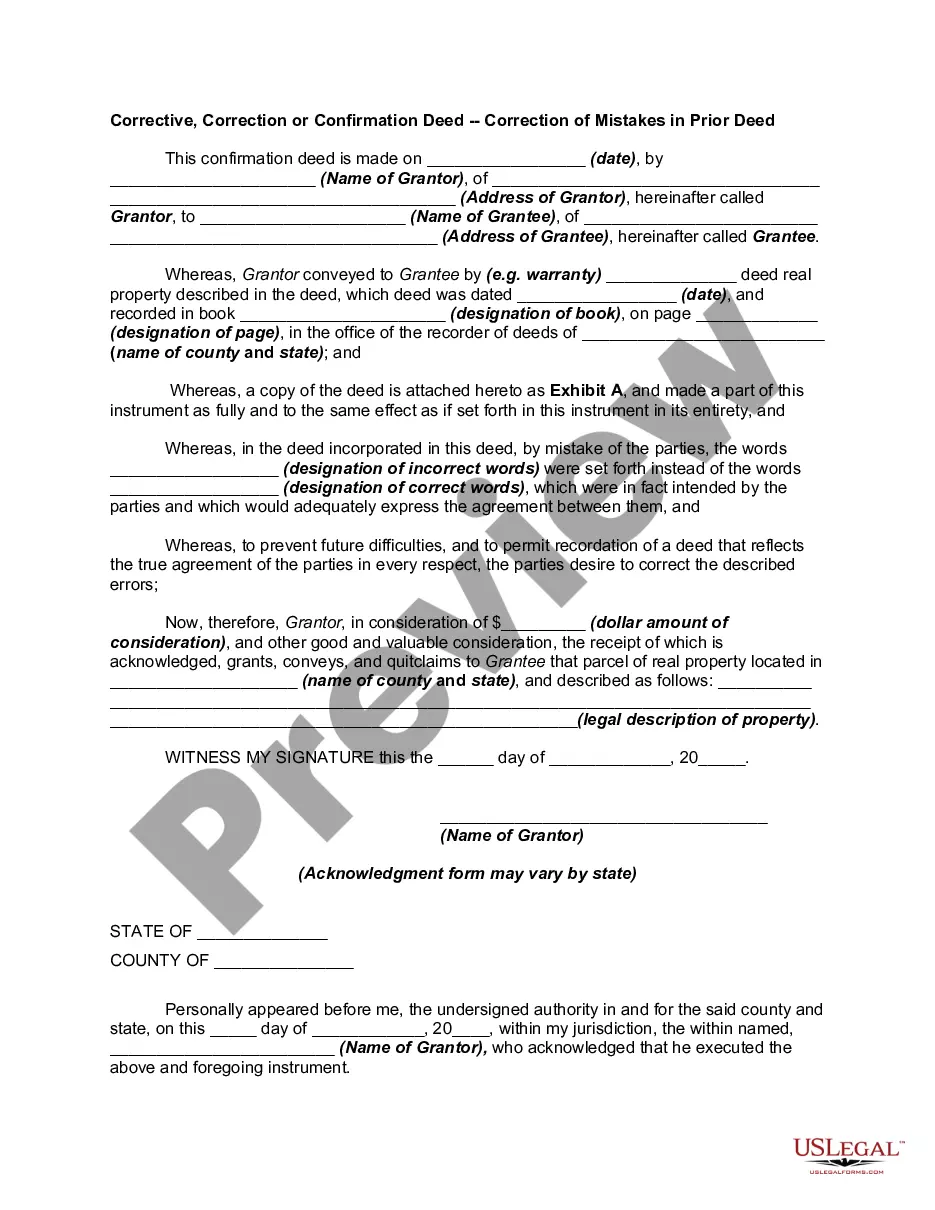
Deed Correction Form With Name
Description

Get your form ready online
Our built-in tools help you complete, sign, share, and store your documents in one place.
Make edits, fill in missing information, and update formatting in US Legal Forms—just like you would in MS Word.
Download a copy, print it, send it by email, or mail it via USPS—whatever works best for your next step.
Sign and collect signatures with our SignNow integration. Send to multiple recipients, set reminders, and more. Go Premium to unlock E-Sign.
If this form requires notarization, complete it online through a secure video call—no need to meet a notary in person or wait for an appointment.
We protect your documents and personal data by following strict security and privacy standards.

Make edits, fill in missing information, and update formatting in US Legal Forms—just like you would in MS Word.

Download a copy, print it, send it by email, or mail it via USPS—whatever works best for your next step.

Sign and collect signatures with our SignNow integration. Send to multiple recipients, set reminders, and more. Go Premium to unlock E-Sign.

If this form requires notarization, complete it online through a secure video call—no need to meet a notary in person or wait for an appointment.

We protect your documents and personal data by following strict security and privacy standards.
Looking for another form?
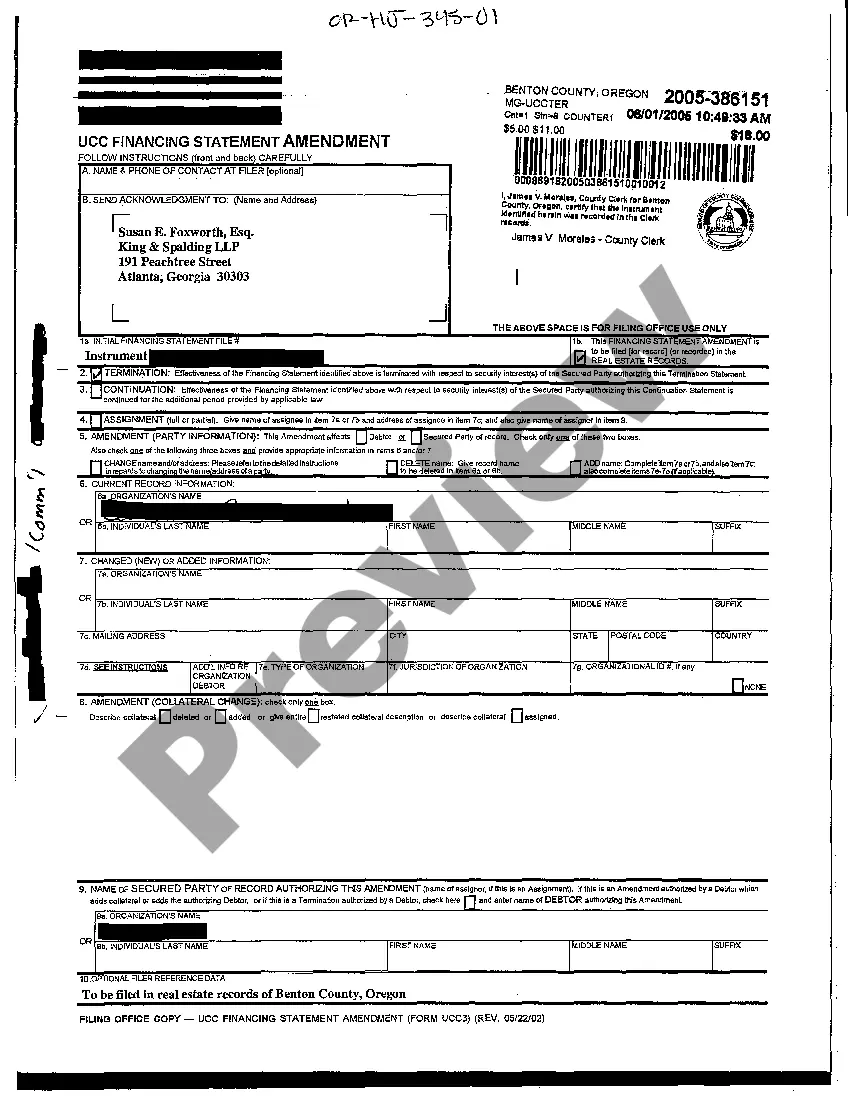




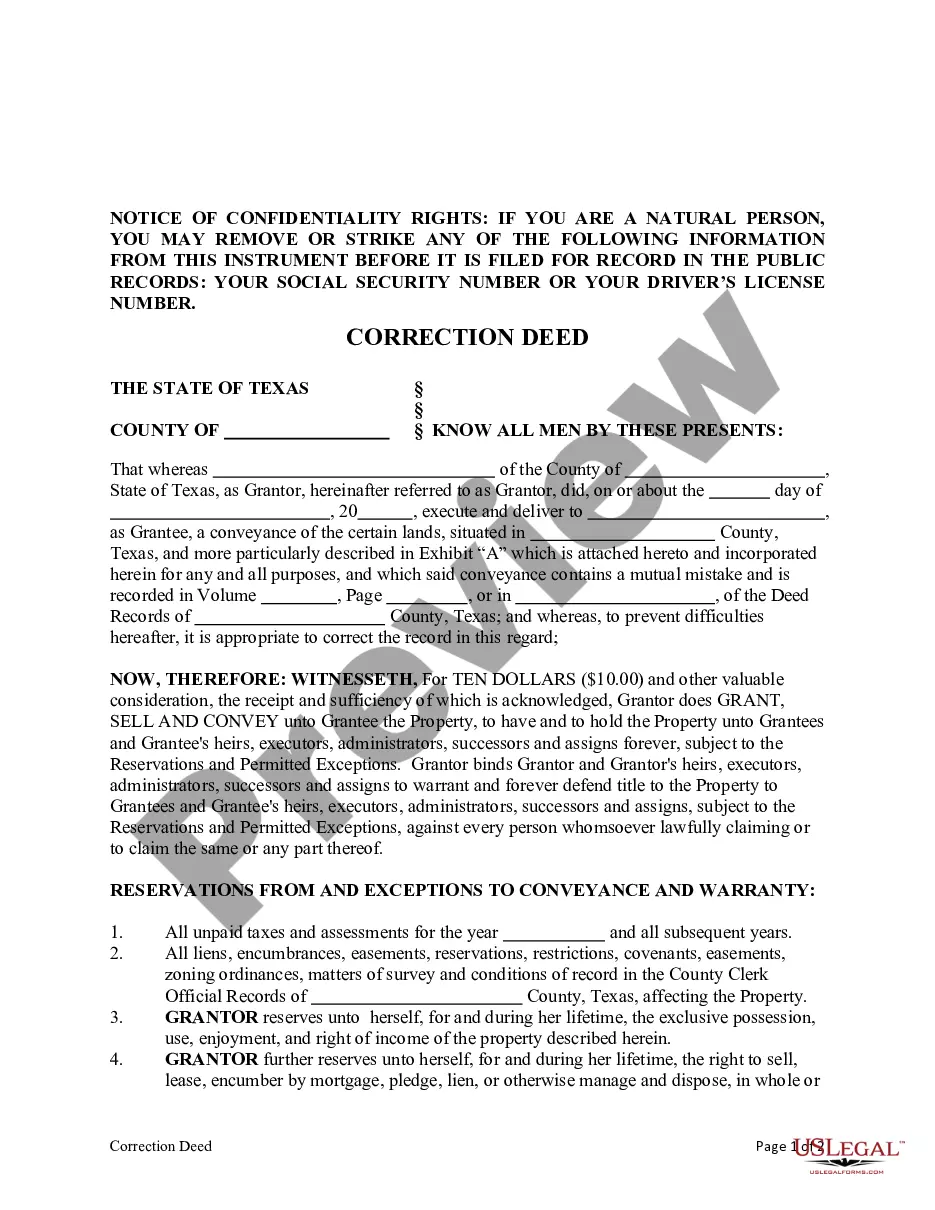
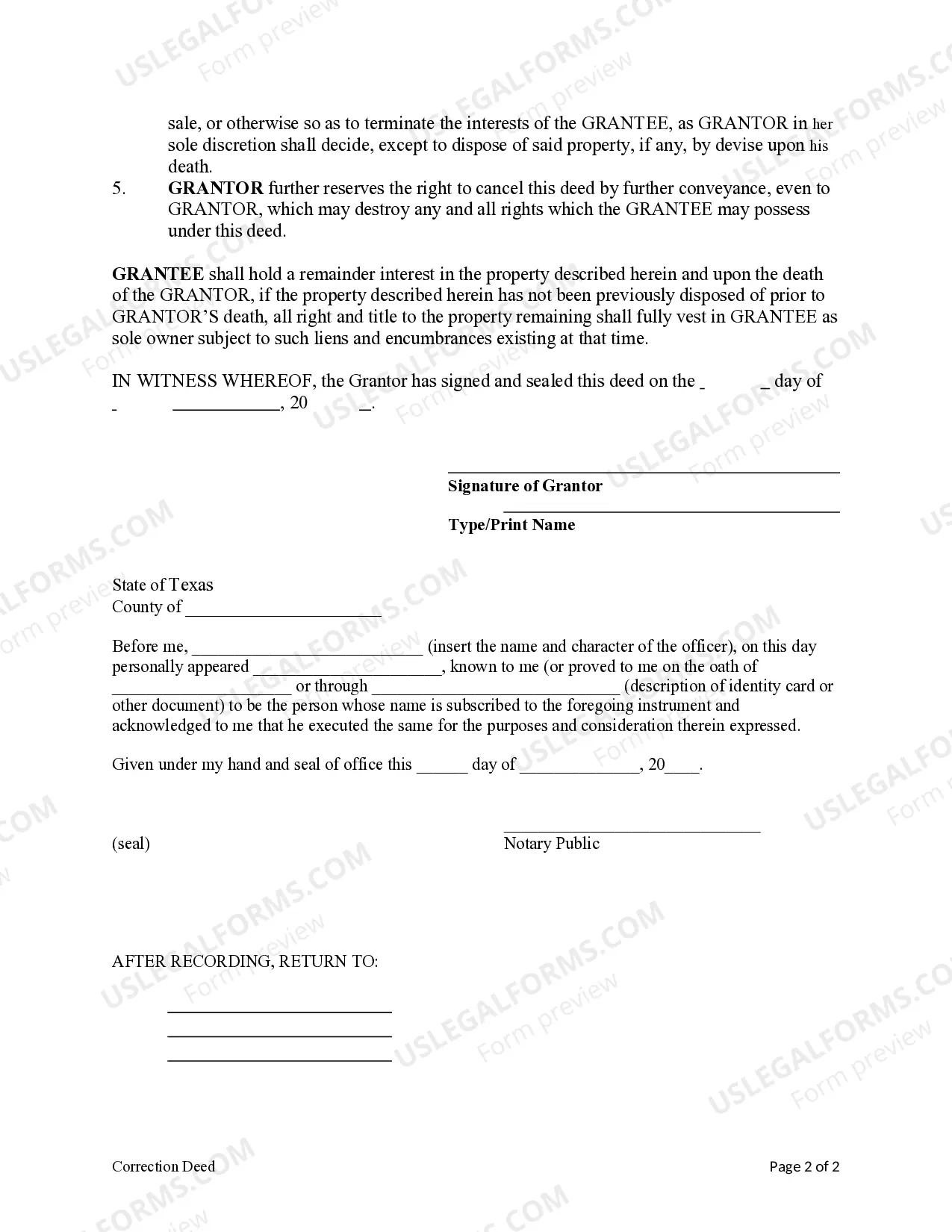
How to fill out Texas Correction Deed - Prior Deed From An Individual To An Individual?
The Deed Correction Form With Name presented on this page is a versatile legal template created by experienced attorneys in alignment with federal and local regulations. For over 25 years, US Legal Forms has supplied individuals, businesses, and lawyers with over 85,000 authenticated, state-specific documents for various business and personal situations. It’s the quickest, simplest, and most reliable way to acquire the paperwork you require, as the service ensures bank-level data security and anti-malware safeguards.
Obtaining this Deed Correction Form With Name will require just a few straightforward steps.
Select the format you desire for your Deed Correction Form With Name (PDF, Word, RTF) and download the sample onto your device. Complete and sign the document. Print the template to fill it out manually. Alternatively, utilize an online multifunctional PDF editor to swiftly and accurately fill out and sign your form with a legally-binding electronic signature. Download your documents again whenever necessary. Reopen the My documents tab in your profile to redownload any previously saved forms. Subscribe to US Legal Forms to have verified legal templates for all of life's situations readily available.
- Search for the document you need and examine it.
- Go through the file you looked for and preview it or check the form description to confirm it meets your needs. If it doesn’t, use the search bar to locate the right one. Click Buy Now when you have identified the template you require.
- Register and Log In.
- Choose the pricing option that works for you and create an account. Use PayPal or a credit card to complete a quick payment. If you already possess an account, Log In and review your subscription to continue.
- Acquire the fillable template.
Form popularity
FAQ
An Affidavit of correction does need to be notarized to be legally effective. Notarization helps to confirm the identity of the signers and the voluntary nature of the signature. After filling out the affidavit, including any necessary deed correction form with name, present it to a notary public for authentication. This ensures that your corrections are recognized and upheld in legal matters.
Yes, a correction deed typically requires notarization to be legally valid. Notarization provides an official verification of the signatures and ensures the document's authenticity. After completing the deed correction form with name, make sure to have it signed in the presence of a notary public. This step is crucial for the document to be accepted by local authorities.
A corrective deed in New Jersey is a legal document used to amend an existing deed that contains errors or inaccuracies. This can involve correcting names, property descriptions, or other essential details. By completing a deed correction form with name, you can ensure that your deed is accurate and legally valid. It’s advisable to consult with legal professionals to ensure compliance with state laws.
Yes, a deed can be amended through a process called a corrective deed. This involves filling out a deed correction form with name and specifying the changes needed. Once you complete the form, file it with your local county recorder's office. This process ensures that the deed accurately reflects the current ownership details.
To make a correction on a legal document, first identify the specific error and gather necessary information. You will often need to fill out a deed correction form with name, detailing the changes. Once completed, submit the form to the appropriate authority, ensuring you follow all required procedures for your state. Resources like US Legal Forms can help you create the correct documents easily.
Changing a name on a deed typically takes a few weeks, depending on your local jurisdiction's processing times. Once you complete the deed correction form with name, you must file it with the county recorder's office. After submission, the office will review and record the change. It's wise to check with your local office for specific timeframes.
To perform a corrective deed in Florida, you must first identify the errors on the original deed. Then, you can complete a deed correction form with name, which outlines the specific changes needed. After filling out the form, you need to file it with the local county clerk’s office. Utilizing US Legal Forms can help you navigate this process seamlessly, offering templates and instructions tailored for Florida residents.
Yes, you can change the deed to your house without hiring a lawyer. However, it is important to understand the legal requirements involved. You will need a deed correction form with name to ensure the changes are properly documented. Using a reliable platform like US Legal Forms can simplify the process, providing you with the necessary forms and guidance.
Transferring a deed in New Jersey does not always require a lawyer, but it is highly recommended to ensure the process goes smoothly. You can use a deed correction form with name to make the transfer official, but legal expertise can help you navigate any complexities. Additionally, a lawyer can assist with understanding local regulations and ensuring that all documents are properly filed. By choosing this route, you can avoid potential legal issues down the road.