Texas Managing Conservator With Joint
Description
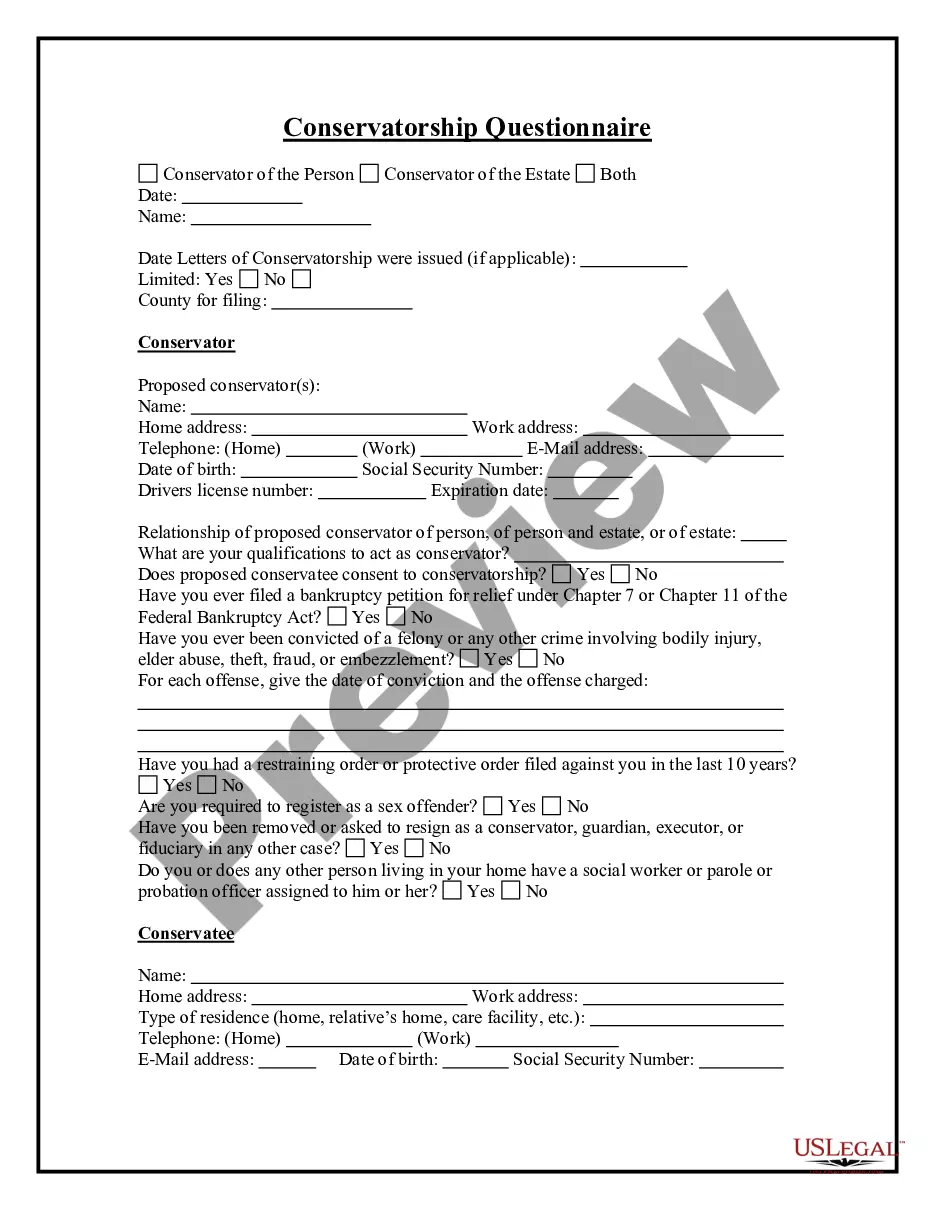
Get your form ready online
Our built-in tools help you complete, sign, share, and store your documents in one place.
Make edits, fill in missing information, and update formatting in US Legal Forms—just like you would in MS Word.
Download a copy, print it, send it by email, or mail it via USPS—whatever works best for your next step.
Sign and collect signatures with our SignNow integration. Send to multiple recipients, set reminders, and more. Go Premium to unlock E-Sign.
If this form requires notarization, complete it online through a secure video call—no need to meet a notary in person or wait for an appointment.
We protect your documents and personal data by following strict security and privacy standards.

Make edits, fill in missing information, and update formatting in US Legal Forms—just like you would in MS Word.

Download a copy, print it, send it by email, or mail it via USPS—whatever works best for your next step.

Sign and collect signatures with our SignNow integration. Send to multiple recipients, set reminders, and more. Go Premium to unlock E-Sign.

If this form requires notarization, complete it online through a secure video call—no need to meet a notary in person or wait for an appointment.

We protect your documents and personal data by following strict security and privacy standards.
Looking for another form?
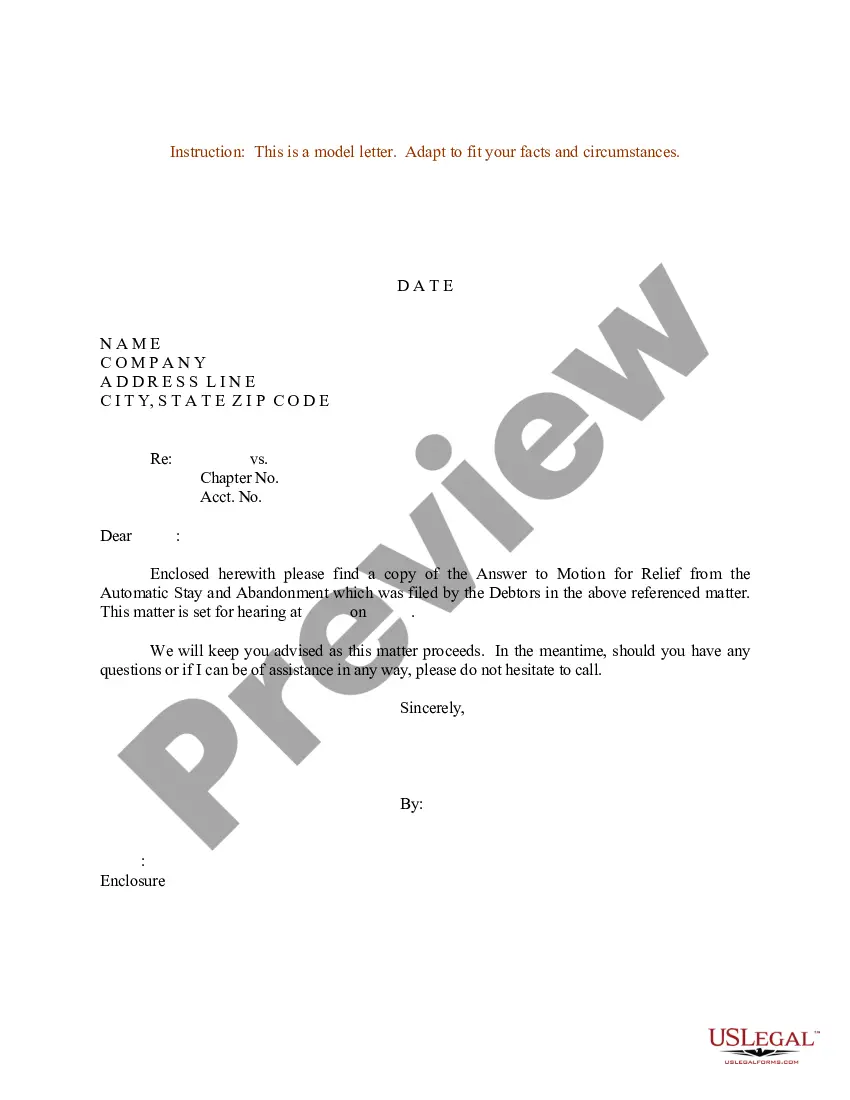
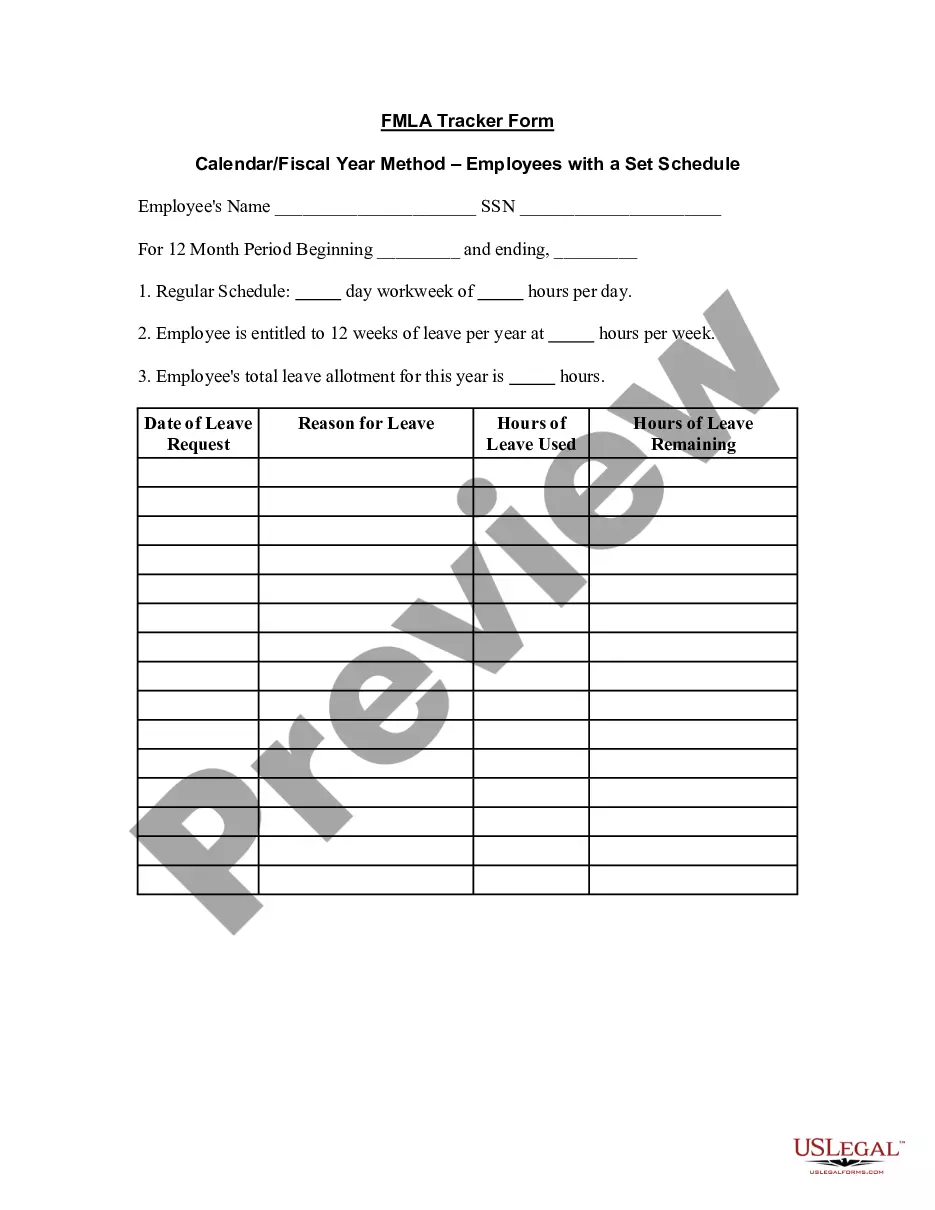
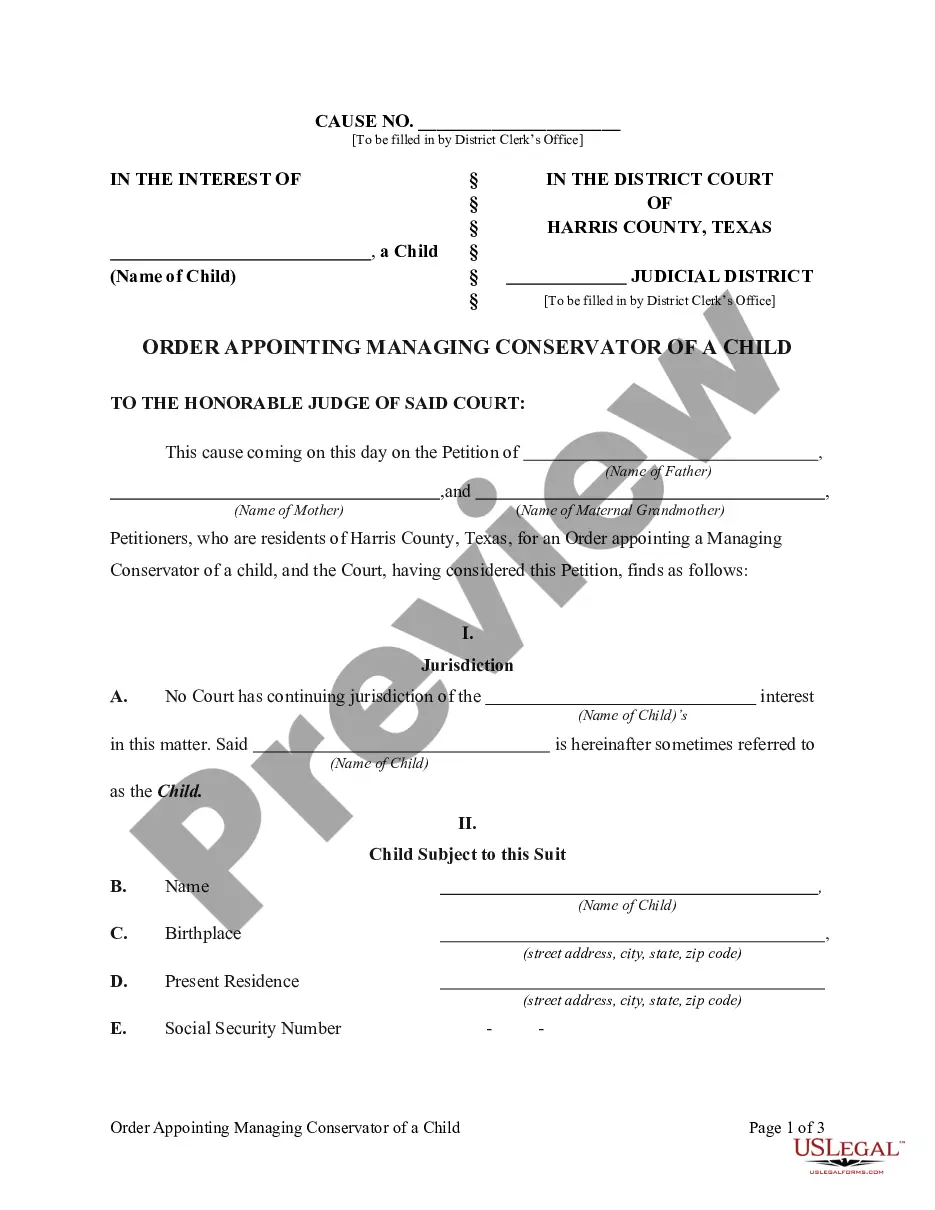
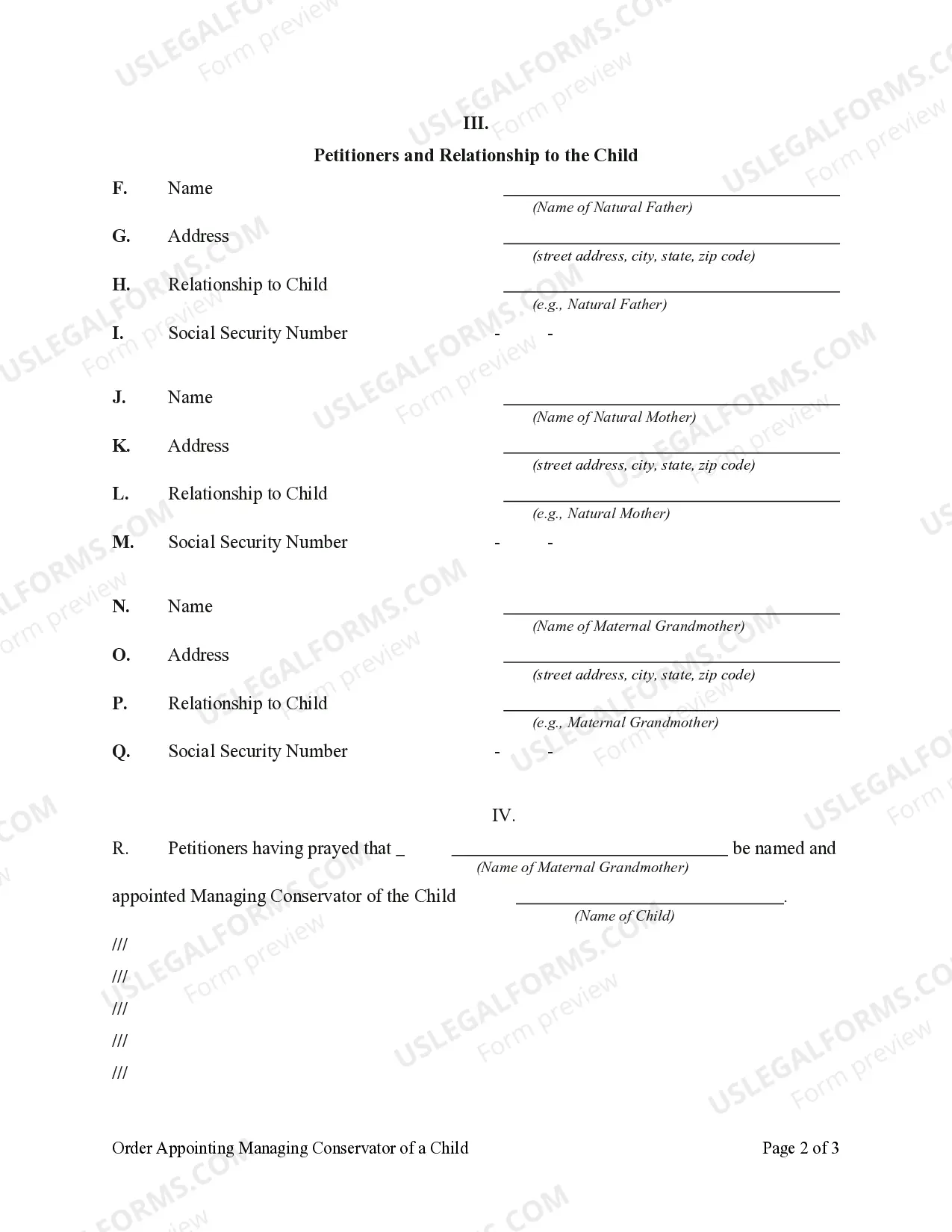
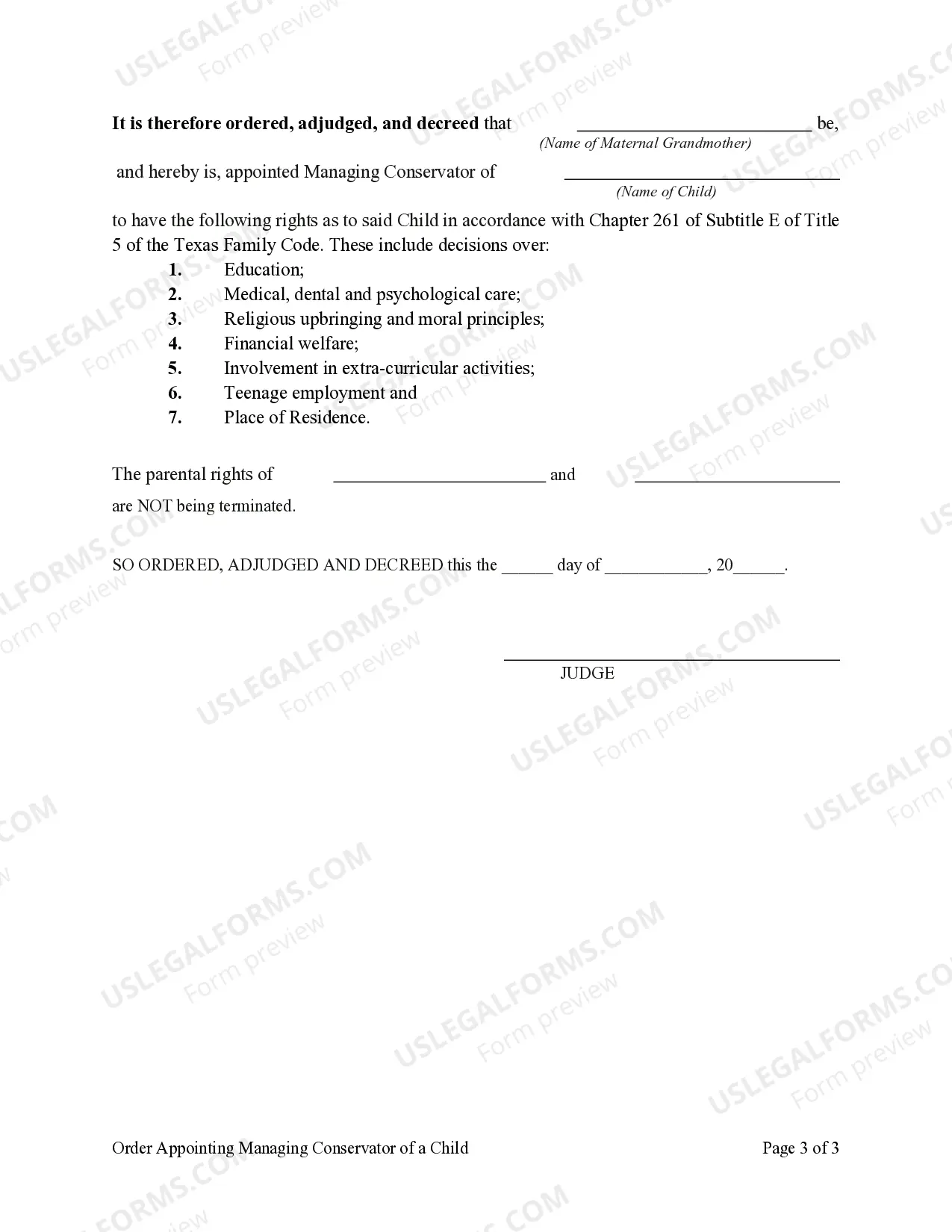
How to fill out Texas Order Appointing Managing Conservator Of A Child?
Obtaining legal document examples that comply with federal and state regulations is crucial, and the web provides numerous alternatives to select from.
However, why spend time searching for the accurately prepared Texas Managing Conservator With Joint template online when the US Legal Forms digital library already has such documents gathered in one location.
US Legal Forms is the premier online legal repository with more than 85,000 fillable templates crafted by attorneys for various business and personal situations.
Utilize the most comprehensive and user-friendly legal documentation service!
- They are straightforward to navigate with all forms organized by state and intended use.
- Our experts keep up with legal revisions, ensuring your documents are always current and compliant when obtaining a Texas Managing Conservator With Joint from our platform.
- Acquiring a Texas Managing Conservator With Joint is quick and easy for both existing and new users.
- If you have an account with an active subscription, Log In and download the necessary document template in your preferred format.
- If you are visiting our site for the first time, follow these steps.
Form popularity
FAQ
Section 153.375 of the Texas Family Code pertains to the factors a court considers when determining joint managing conservatorship. This section aims to provide clarity on the rights and duties of each conservator and to promote the best interest of the child. For those dealing with joint custody issues, reviewing this section can provide valuable insights on being a Texas managing conservator with joint responsibilities.
The Texas Family Code outlines the guidelines for joint managing conservators in Section 153, particularly focusing on parental rights and responsibilities. It establishes the legal framework within which parents must operate when they share custodial duties. Understanding the Texas Family Code can help a Texas managing conservator with joint responsibilities navigate their obligations effectively.
In Texas, 'joint managing conservators' refers to parents or guardians who share custodial rights and responsibilities for a child. This arrangement allows both parties to have a say in important decisions regarding education, healthcare, and other aspects of the child's life. A Texas managing conservator with joint status can ensure that both parents remain involved, fostering a supportive environment for the child.
One disadvantage of a joint custody agreement is the potential for conflict between parents, which can lead to tension and stress for the child. If parents cannot communicate effectively, it may complicate decision-making for a Texas managing conservator with joint responsibilities. Additionally, inconsistent rules and routines may confuse the child, affecting their stability.
A joint managing conservatorship in Texas occurs when both parents share the legal responsibilities and decision-making for their child. This arrangement recognizes the importance of both parents in a child's life while allowing them to cooperate on major decisions. In this setup, a Texas managing conservator with joint responsibilities helps ensure that the child's needs are met collaboratively.
In Texas, a conservator can be added to a joint account, but it may depend on the specific circumstances of the conservatorship. A Texas managing conservator with joint financial responsibilities can manage funds for the benefit of the child or dependent. However, it is important to consult legal advice to ensure compliance with regulations and to protect all parties involved.
Texas law presumes that both parents should be joint managing conservators. When considering restrictions on rights and possession, the judge can consider a history of domestic violence, and the amount of time the parent has spent with the child.
With a joint managing conservatorship in Texas, the parents share rights and duties. However, exclusive rights?such as the right to designate the residence of the child and the right to receive child support?may be awarded to one party.
Examples of some of those rights and duties include, but are not limited to, consent to medical and dental decisions, consent to psychiatric and psychological treatment, access to medical, dental, psychological, and educational records, and the right to confer on decisions about health, education, and welfare.
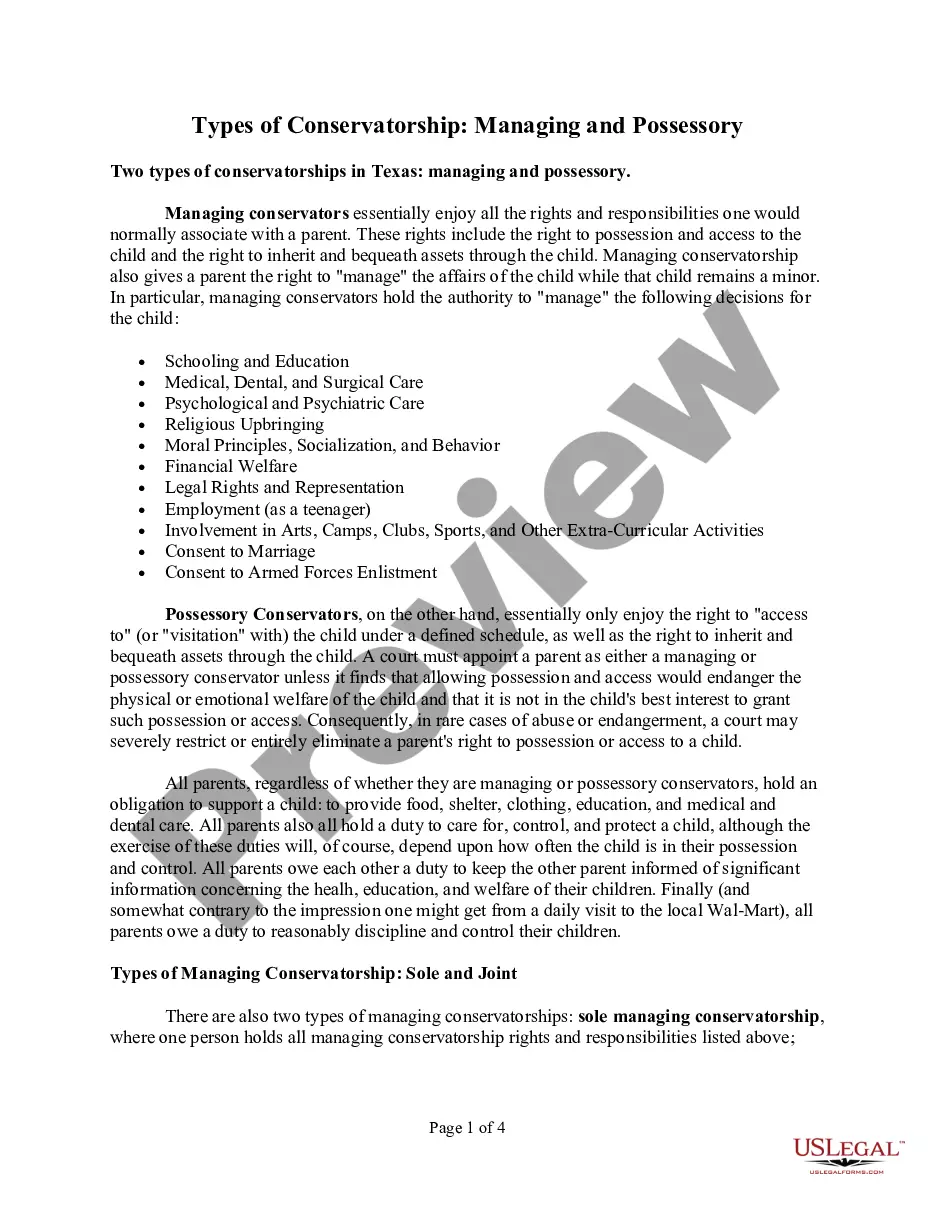
In Texas, conservators are the people in charge of a child. Managing conservators make major decisions about the child and spend time with them, while possessory conservators are only entitled to spend time with the child. Texas courts always name one or two managing conservators.