Texas Deed Form With Title
Description
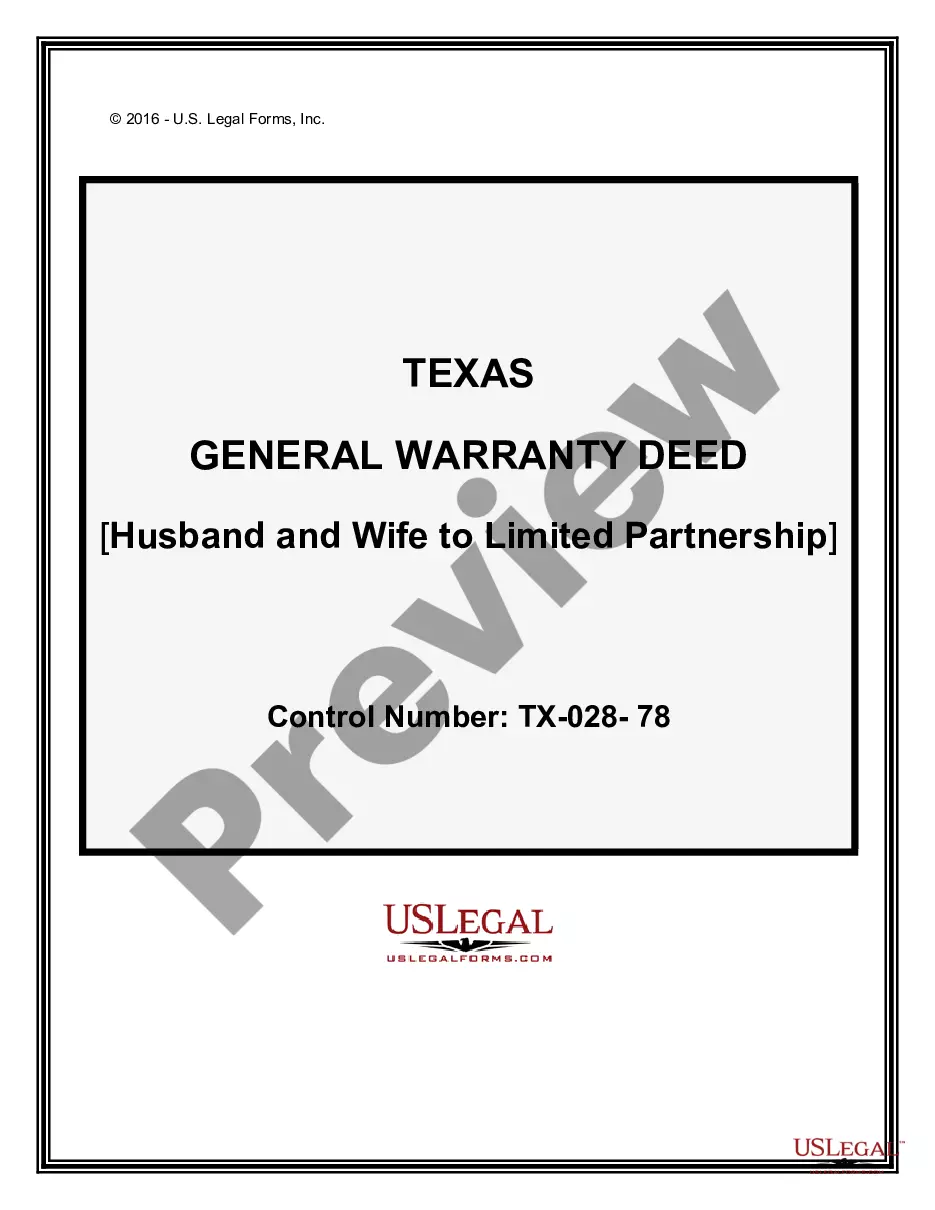
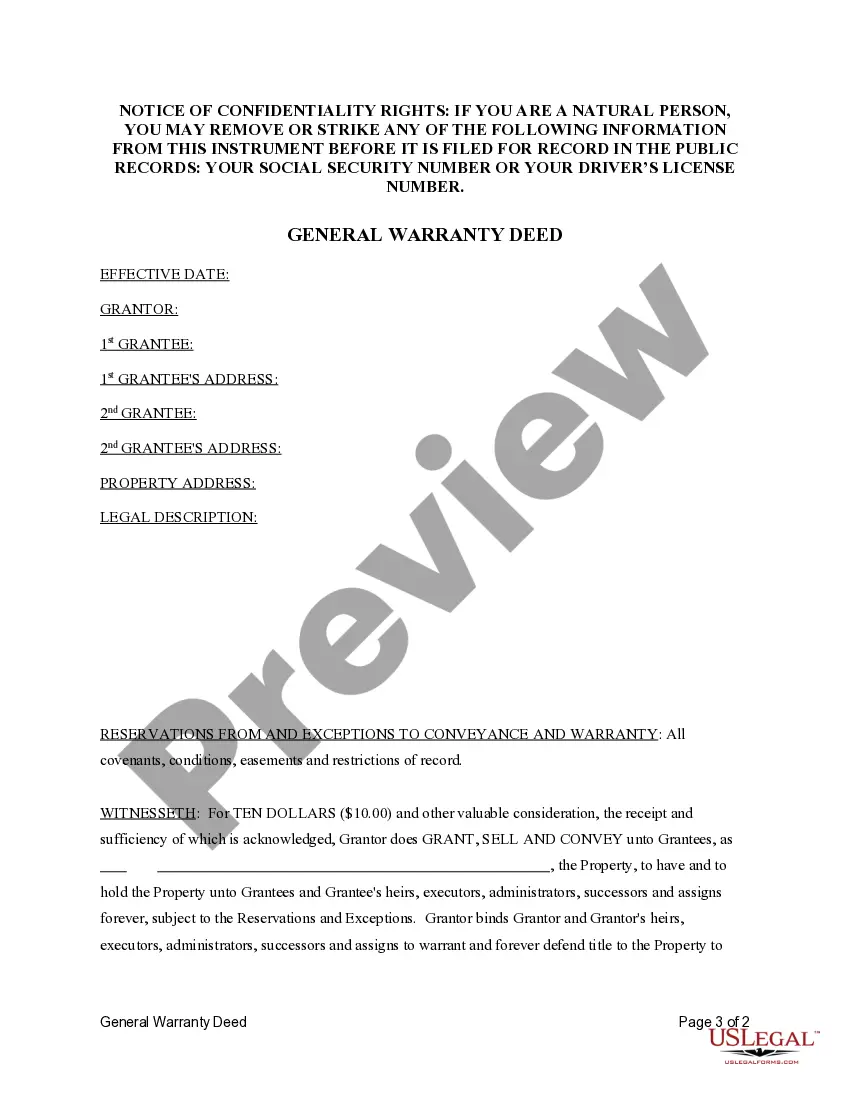
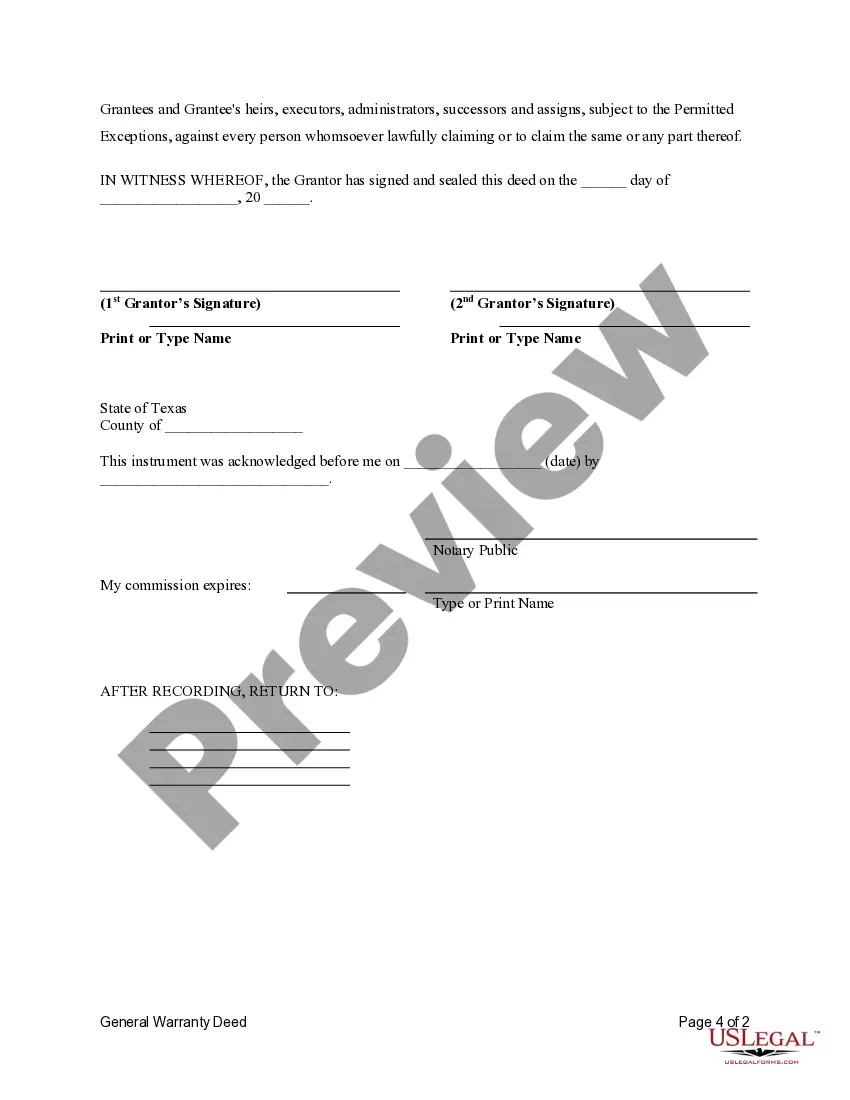
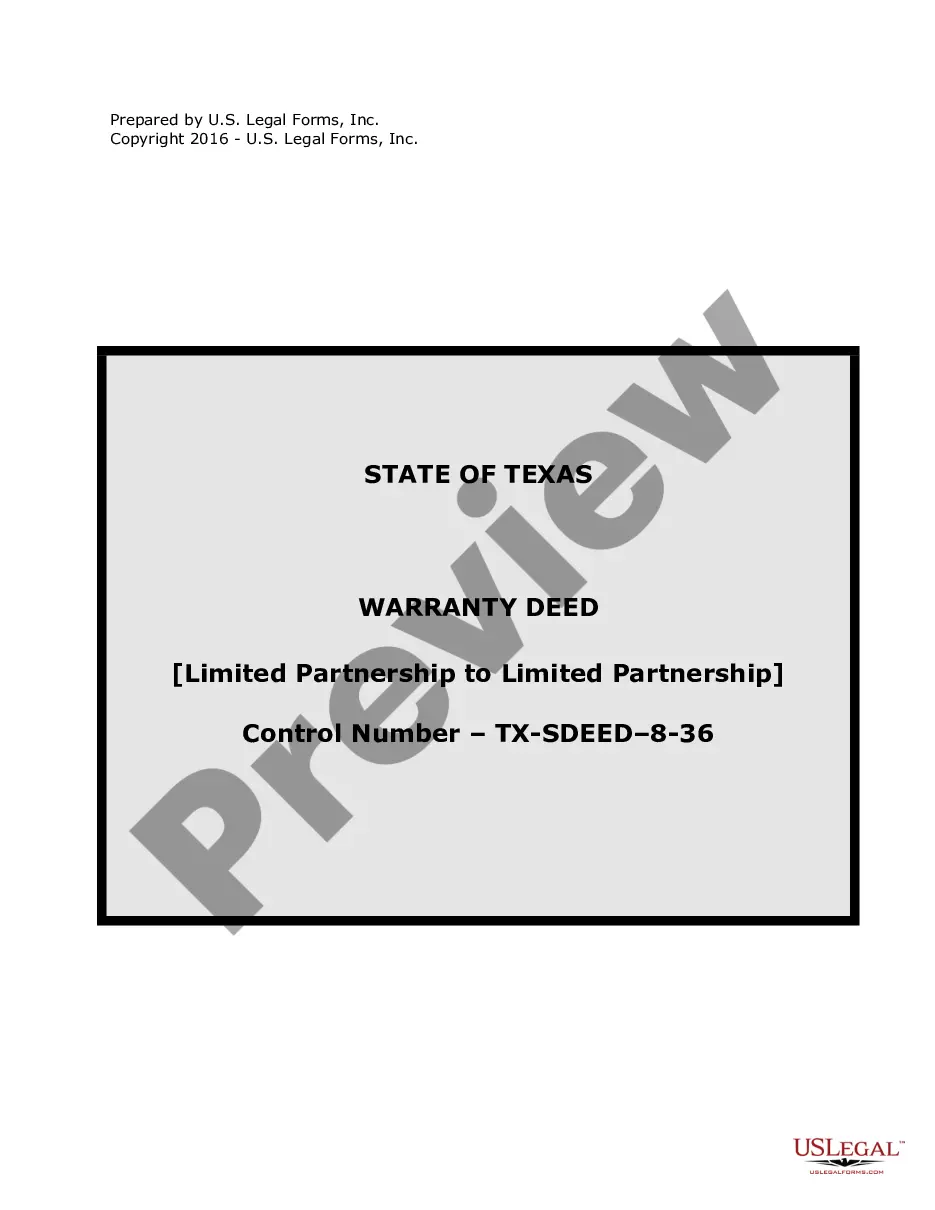
Get your form ready online
Our built-in tools help you complete, sign, share, and store your documents in one place.
Make edits, fill in missing information, and update formatting in US Legal Forms—just like you would in MS Word.
Download a copy, print it, send it by email, or mail it via USPS—whatever works best for your next step.
Sign and collect signatures with our SignNow integration. Send to multiple recipients, set reminders, and more. Go Premium to unlock E-Sign.
If this form requires notarization, complete it online through a secure video call—no need to meet a notary in person or wait for an appointment.
We protect your documents and personal data by following strict security and privacy standards.

Make edits, fill in missing information, and update formatting in US Legal Forms—just like you would in MS Word.

Download a copy, print it, send it by email, or mail it via USPS—whatever works best for your next step.

Sign and collect signatures with our SignNow integration. Send to multiple recipients, set reminders, and more. Go Premium to unlock E-Sign.

If this form requires notarization, complete it online through a secure video call—no need to meet a notary in person or wait for an appointment.

We protect your documents and personal data by following strict security and privacy standards.
Looking for another form?







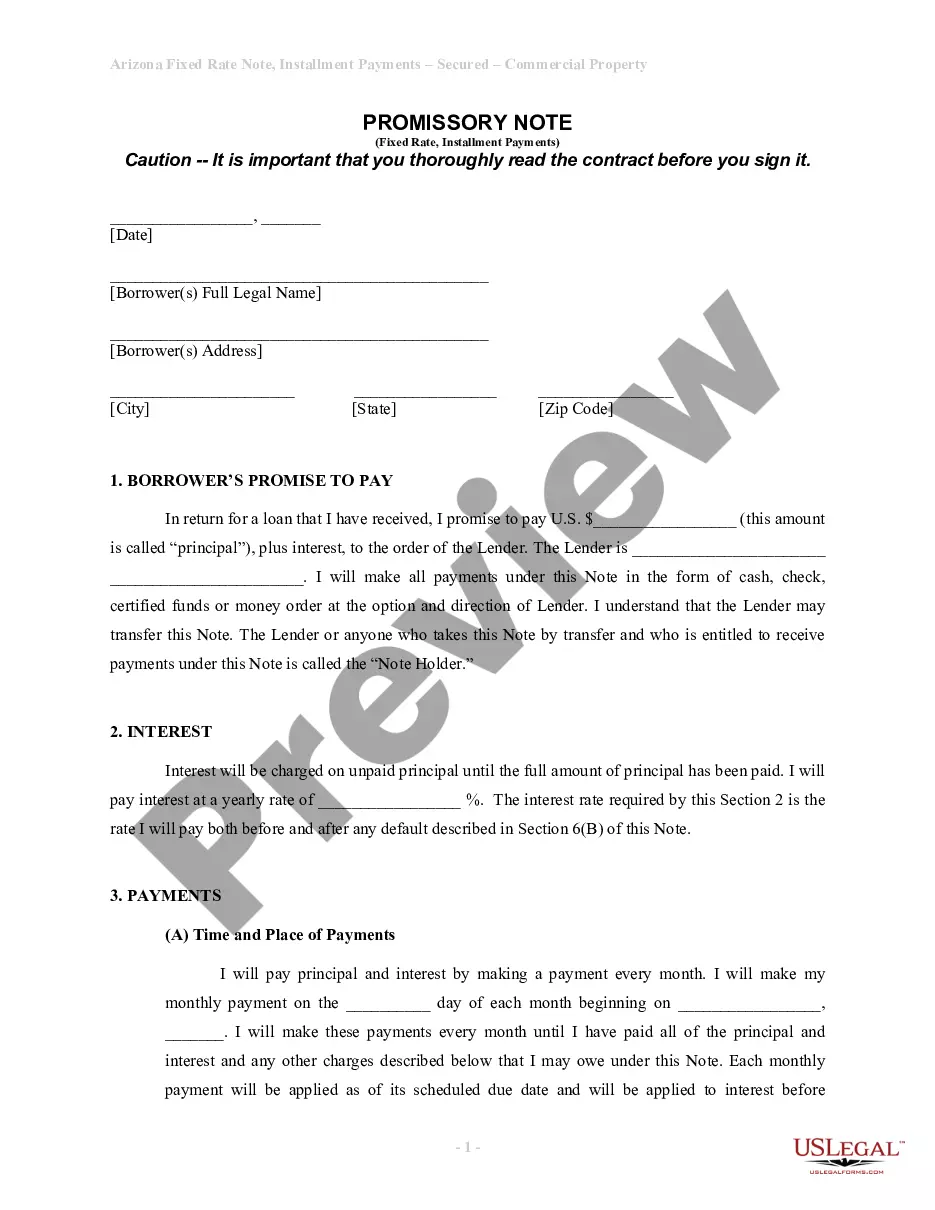
How to fill out Texas General Warranty Deed - Husband And Wife To Limited Partnership?
- Log in to your US Legal Forms account if you're a returning user. Ensure your subscription is valid; renew it if necessary.
- If you're new to the service, start by browsing the extensive library. Utilize the Preview mode to examine form descriptions and confirm you've selected the right Texas deed form.
- Use the Search tab for any additional templates. If you find any inconsistencies or require alternatives, easily look them up.
- Proceed to purchase your chosen document. Click the Buy Now button and select your preferred subscription plan. An account registration is necessary for full access.
- Complete your purchase by entering your payment information via credit card or PayPal.
- Download your form directly to your device. You can access it anytime in the My Forms section of your profile.
US Legal Forms is designed to empower users with an extensive selection of over 85,000 fillable and editable legal documents, more than any competitor at similar costs. Those seeking expert assistance can also access premium support, ensuring their forms are completed accurately and legally sound.
In conclusion, obtaining a Texas deed form with title is simple with US Legal Forms. Take advantage of their robust resources to ensure your legal documents are precise and compliant. Start the process today and streamline your legal needs!
Form popularity
FAQ
Typically, you should receive your Texas deed form with title within a few weeks after closing. The time frame depends on how quickly the title company records the deed with the county. Be sure to follow up if you have not received it within a reasonable time.
You can obtain a copy of your property deed in Texas by visiting the county clerk’s office where the property is located. Additionally, you can access the Texas deed form with title online through platforms like US Legal Forms, making the process quicker and more efficient.
To prove ownership of a house in Texas, you will refer to your deed, which serves as the legal document stating your rights. The Texas deed form with title is crucial in establishing your ownership. You can also check property records through your local county clerk's office or use services like US Legal Forms for easy access.
Generally, the buyer receives the deed after closing, confirming their ownership of the property. The title company will record the Texas deed form with title with the county, ensuring public notice. This process establishes your rights as the property owner.
After closing, the deed to your house is typically recorded with the county clerk's office. You will receive a copy of the Texas deed form with title once it's recorded. To obtain this copy, you can request it directly from the clerk's office or access it through platforms like US Legal Forms for convenience.
One disadvantage of a deed is that it does not guarantee clear title to a property. If there are liens or disputes, having a deed alone does not protect you. Therefore, using a Texas deed form with title is important, as it helps establish both ownership and legal rights, reducing the potential for future issues.
Yes, it is possible to be listed on the deed but not on the title. This situation often occurs with joint ownership, where one individual may have ownership rights without holding the title. Understanding how this works is essential, and using a clear Texas deed form with title can help clarify individual ownership rights.
Both a title and a deed are crucial in real estate transactions, serving different roles. The deed shows who owns the property, while the title confirms the legal rights of the owner. For seamless property ownership, it's important to have both documents organized, often facilitated by using a Texas deed form with title.
To transfer property title in Texas, you will need the appropriate Texas deed form with title, such as a warranty deed or quitclaim deed. The choice depends on your situation and the nature of the transfer. It's advisable to review the options carefully and consider using resources like US Legal Forms to access a variety of deed templates.
While it is not legally required to hire a lawyer to prepare a deed in Texas, it can be beneficial to get professional assistance, especially for complex transactions. A lawyer can help ensure that your Texas deed form with title is correctly completed, which can prevent potential legal issues in the future. Alternatively, platforms like US Legal Forms offer templates to simplify the process.