Texas Intestate Succession Process
Description
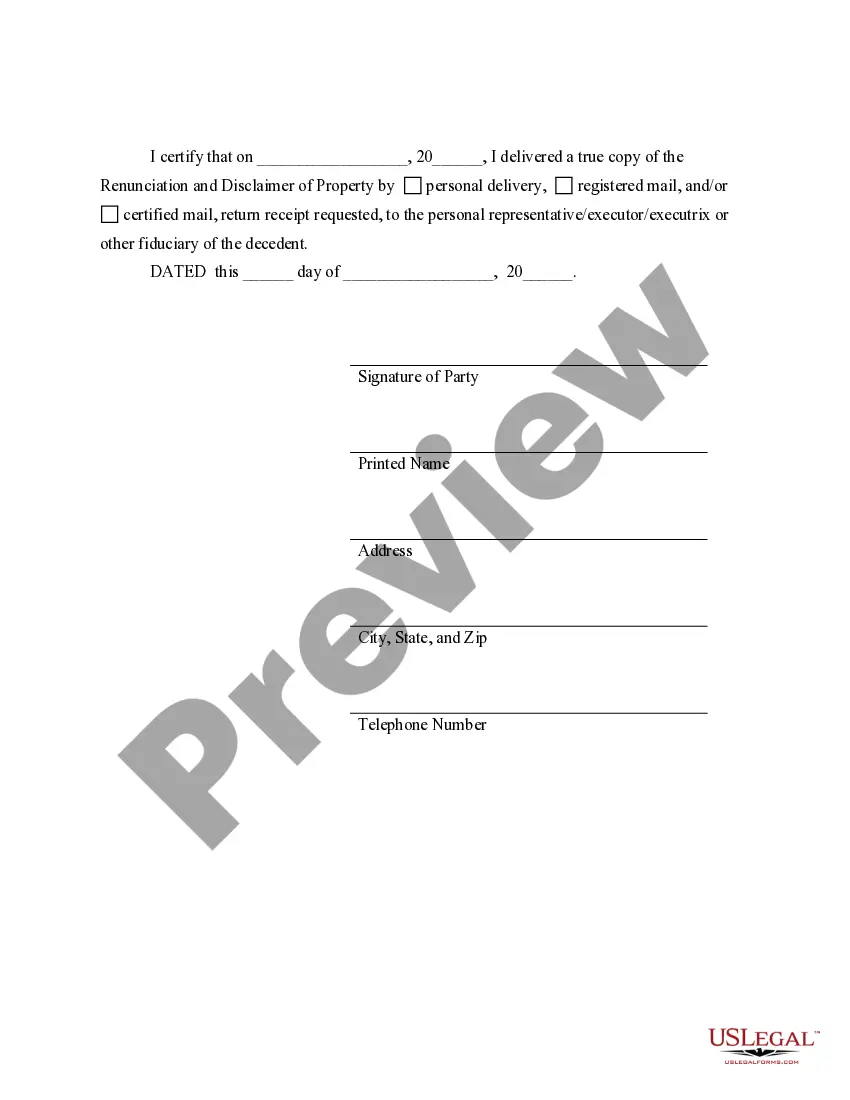
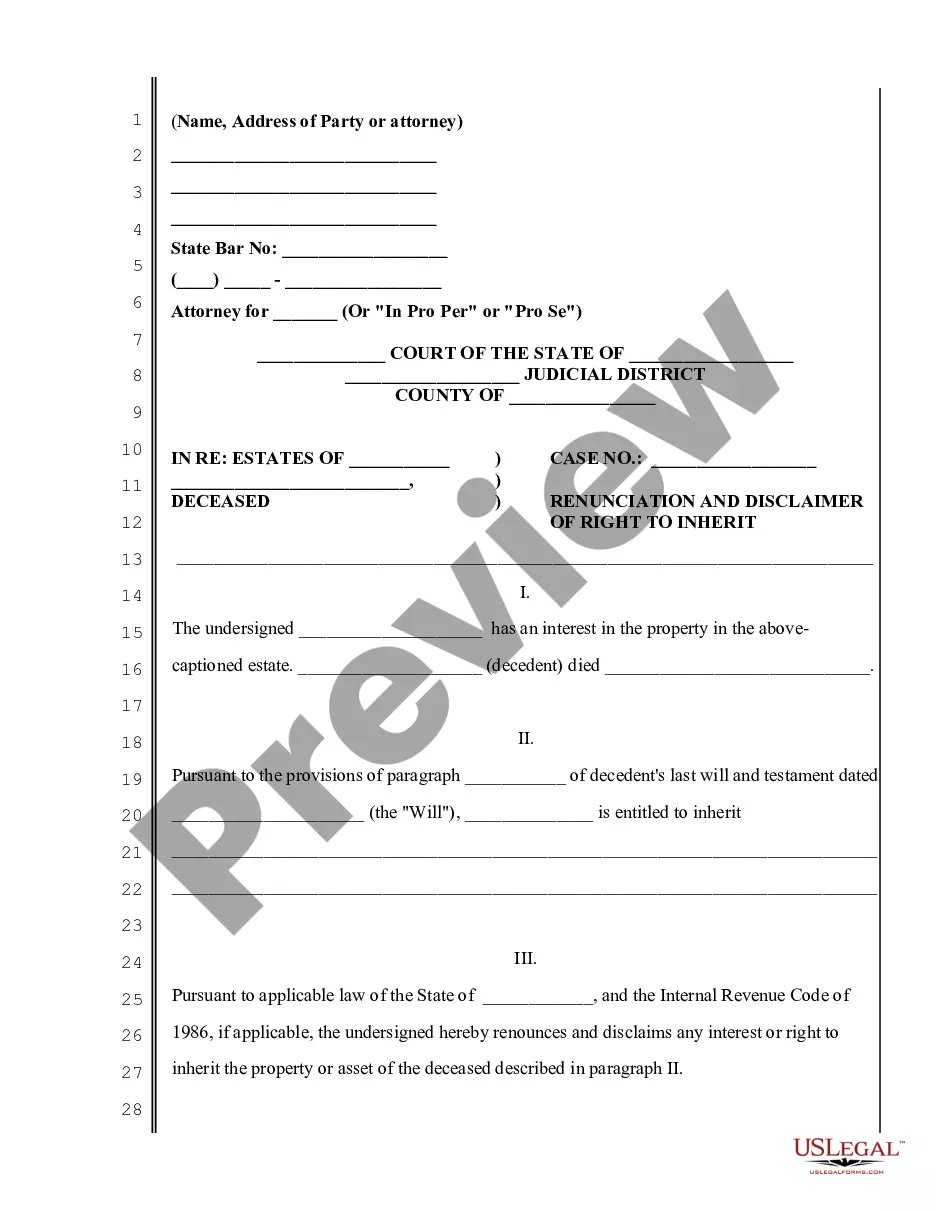
Get your form ready online
Our built-in tools help you complete, sign, share, and store your documents in one place.
Make edits, fill in missing information, and update formatting in US Legal Forms—just like you would in MS Word.
Download a copy, print it, send it by email, or mail it via USPS—whatever works best for your next step.
Sign and collect signatures with our SignNow integration. Send to multiple recipients, set reminders, and more. Go Premium to unlock E-Sign.
If this form requires notarization, complete it online through a secure video call—no need to meet a notary in person or wait for an appointment.
We protect your documents and personal data by following strict security and privacy standards.

Make edits, fill in missing information, and update formatting in US Legal Forms—just like you would in MS Word.

Download a copy, print it, send it by email, or mail it via USPS—whatever works best for your next step.

Sign and collect signatures with our SignNow integration. Send to multiple recipients, set reminders, and more. Go Premium to unlock E-Sign.

If this form requires notarization, complete it online through a secure video call—no need to meet a notary in person or wait for an appointment.

We protect your documents and personal data by following strict security and privacy standards.
Looking for another form?








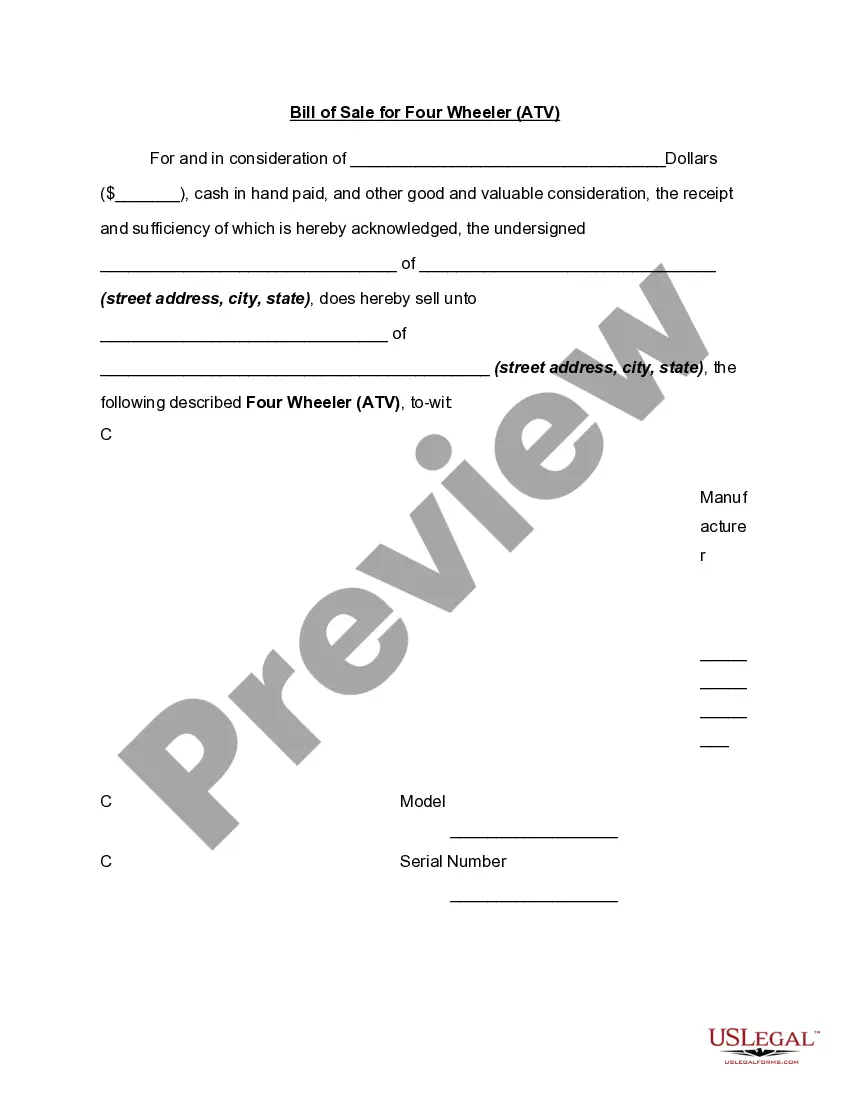

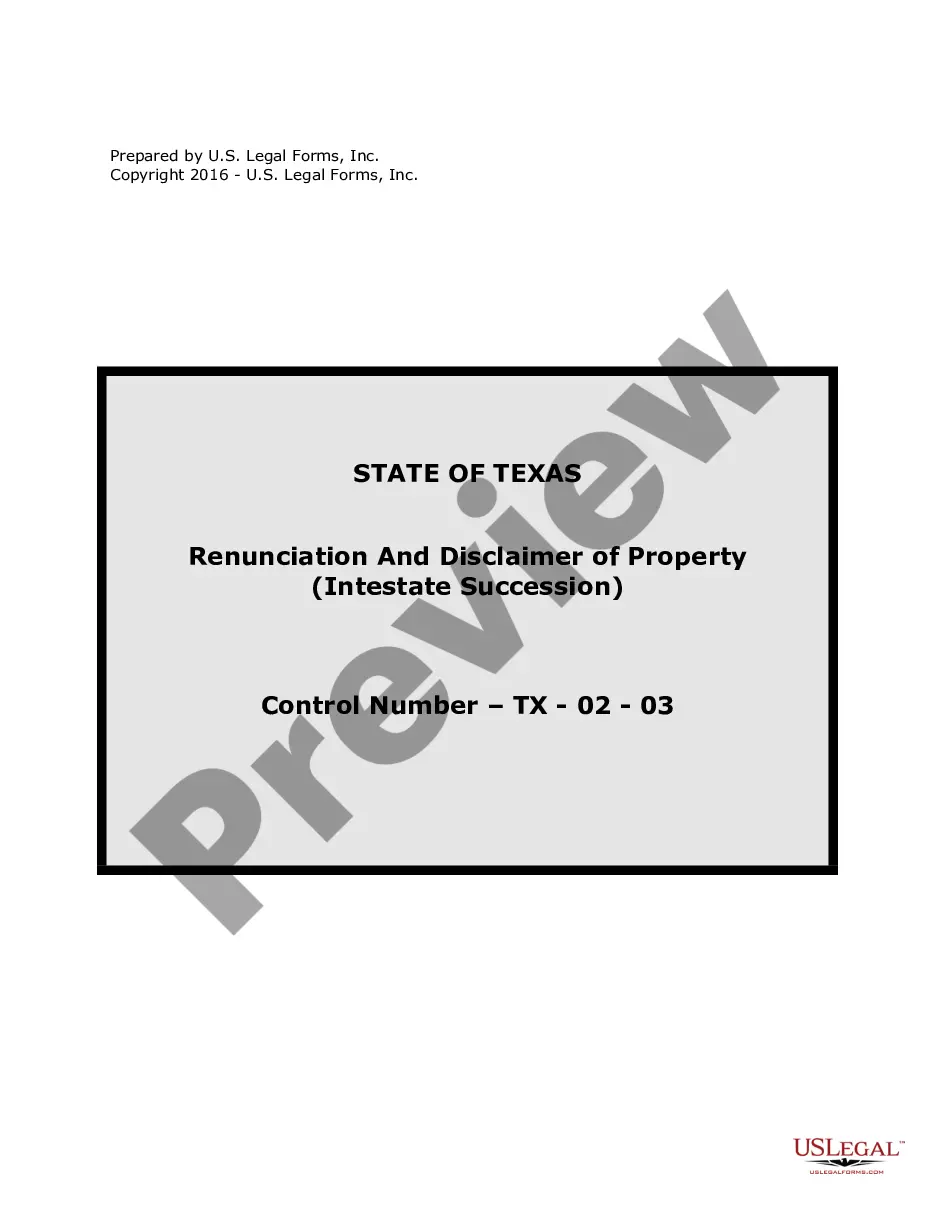
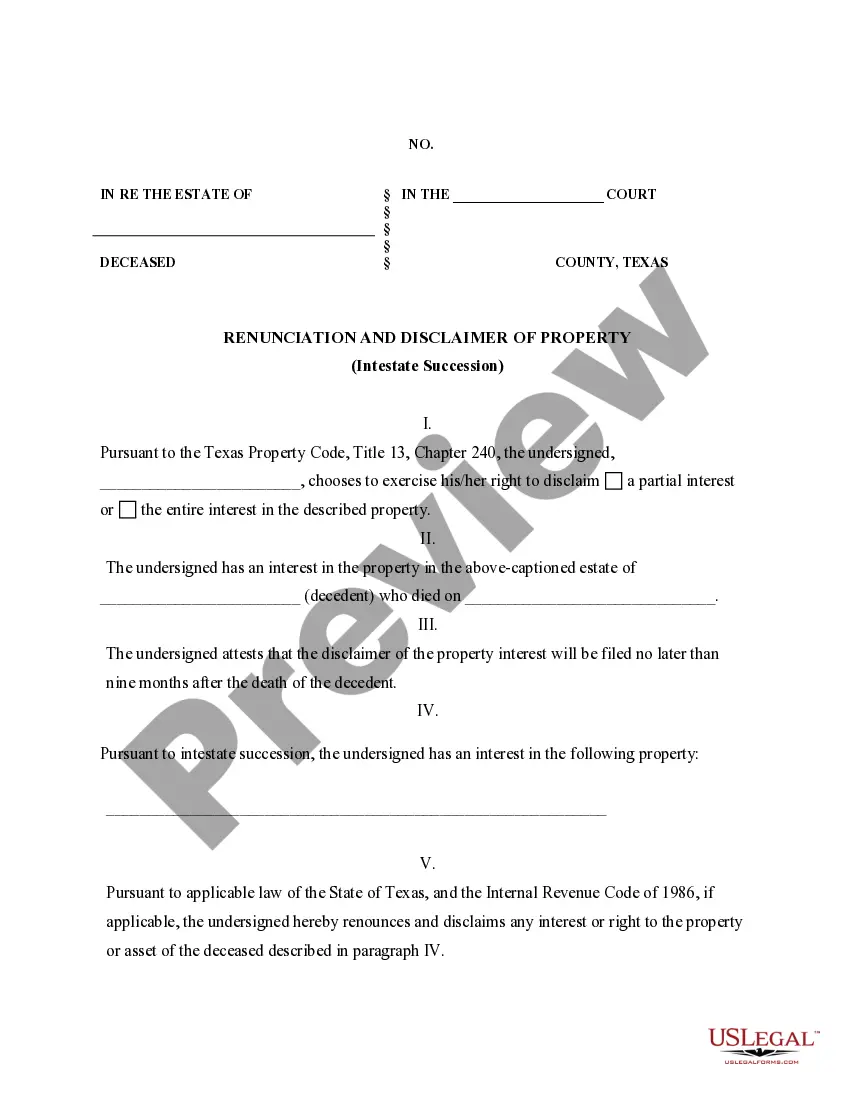
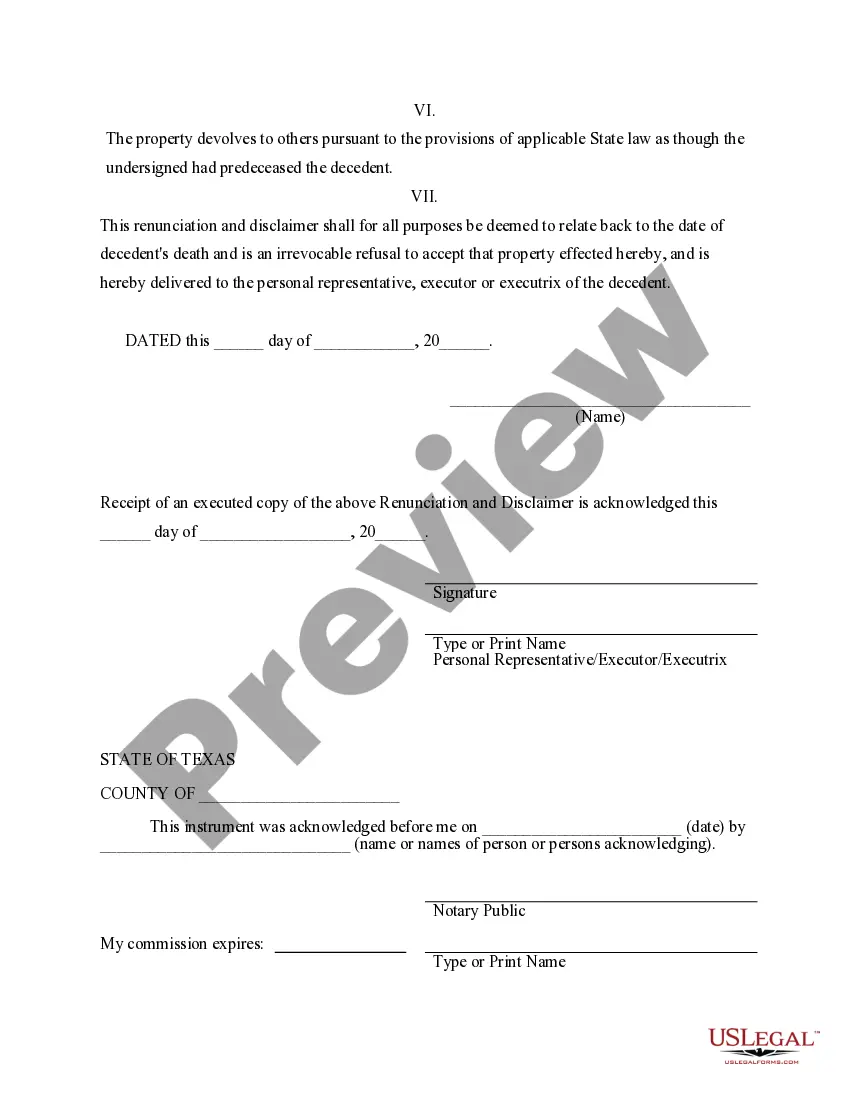
How to fill out Texas Renunciation And Disclaimer Of Property Received By Intestate Succession?
- If you are a returning user, log in to your account and download the required form template by clicking the Download button. Confirm that your subscription is active; renew it if necessary.
- For first-time users, begin by viewing the Preview mode and checking the form description to ensure it meets your needs and complies with local jurisdiction requirements.
- If needed, use the Search tab to find another form that fits your requirements better.
- Once you've identified the correct document, click the Buy Now button and select your preferred subscription plan. Create an account to access the library's extensive resources.
- Complete your purchase using your credit card or PayPal account to finalize your subscription.
- Download your form and save it to your device. You can always access it later through the My Forms menu in your profile.
In conclusion, utilizing US Legal Forms can significantly simplify the Texas intestate succession process. Their robust collection of forms and premium expert assistance ensures that your legal documents are accurate and compliant.
Get started today to streamline your legal needs with US Legal Forms!
Form popularity
FAQ
When there is no will in Texas, the intestate succession process identifies rightful heirs based on kinship. Immediate family members, such as spouses and children, typically inherit first, followed by parents and siblings if there are no direct descendants. For those navigating this complex process, uslegalforms offers valuable resources to help understand and manage the distribution of assets effectively.
In Texas, the intestate succession process generally follows a per stirpe distribution system. This means that if a beneficiary dies before the decedent, their share will pass down to their descendants. Therefore, the process ensures that family lines receive their fair portion, preventing any one branch of the family from being entirely excluded.
If a person dies without a will in Texas, their bank accounts will typically become part of their estate. The Texas intestate succession process will dictate how these accounts are distributed among the heirs. Usually, an administrator is appointed to manage the estate, settle debts, and ensure that the remaining assets, including bank accounts, are distributed lawfully.
When someone dies intestate in Texas, the Texas intestate succession process determines how their assets will be distributed. This process involves identifying the deceased's heirs based on state laws, which generally prioritize spouses, children, and other close relatives. Without a will to direct the distribution, the probate court oversees this process to ensure fair allocation according to Texas statutes.
A person who inherits property through intestate succession in Texas receives their designated share of the deceased's estate according to state laws. This share can consist of real estate, personal belongings, and financial assets. Understanding what you may inherit is important, as it provides clarity on your rights during the Texas intestate succession process. Utilizing platforms like US Legal Forms can help navigate these complexities.
The intestate succession process in Texas determines how a deceased person's assets are distributed when no will exists. Generally, the process follows a specific order, whereby the surviving spouse and children receive certain portions of the estate. If there are no immediate family members, the state will look to more distant relatives. Familiarizing yourself with this process can help ease uncertainties during a challenging time.
In Texas, the next of kin typically refers to the closest living relatives of the deceased. This can include a spouse, children, parents, or siblings, in that order of priority. Understanding your next of kin is crucial, especially during the Texas intestate succession process, as they significantly influence how assets are distributed when someone passes away without a will.
The statute of limitations for intestacy issues in Texas generally is four years from the date of death. This means that you should initiate any claims or actions related to intestate succession within this time frame. Failing to do so can lead to the forfeiture of your rights to inherit.
In Texas, a house cannot remain in a deceased person's name indefinitely. The property must be transferred through the Texas intestate succession process or probate to clear the title. Delaying this process can complicate ownership and might lead to additional legal issues.
If a homeowner dies without a will in Texas, the house will be distributed according to the Texas intestate succession process. Typically, the deceased's closest relatives, such as children or spouse, will inherit the property. It may require legal proceedings to authenticate the heirs before transferring ownership.