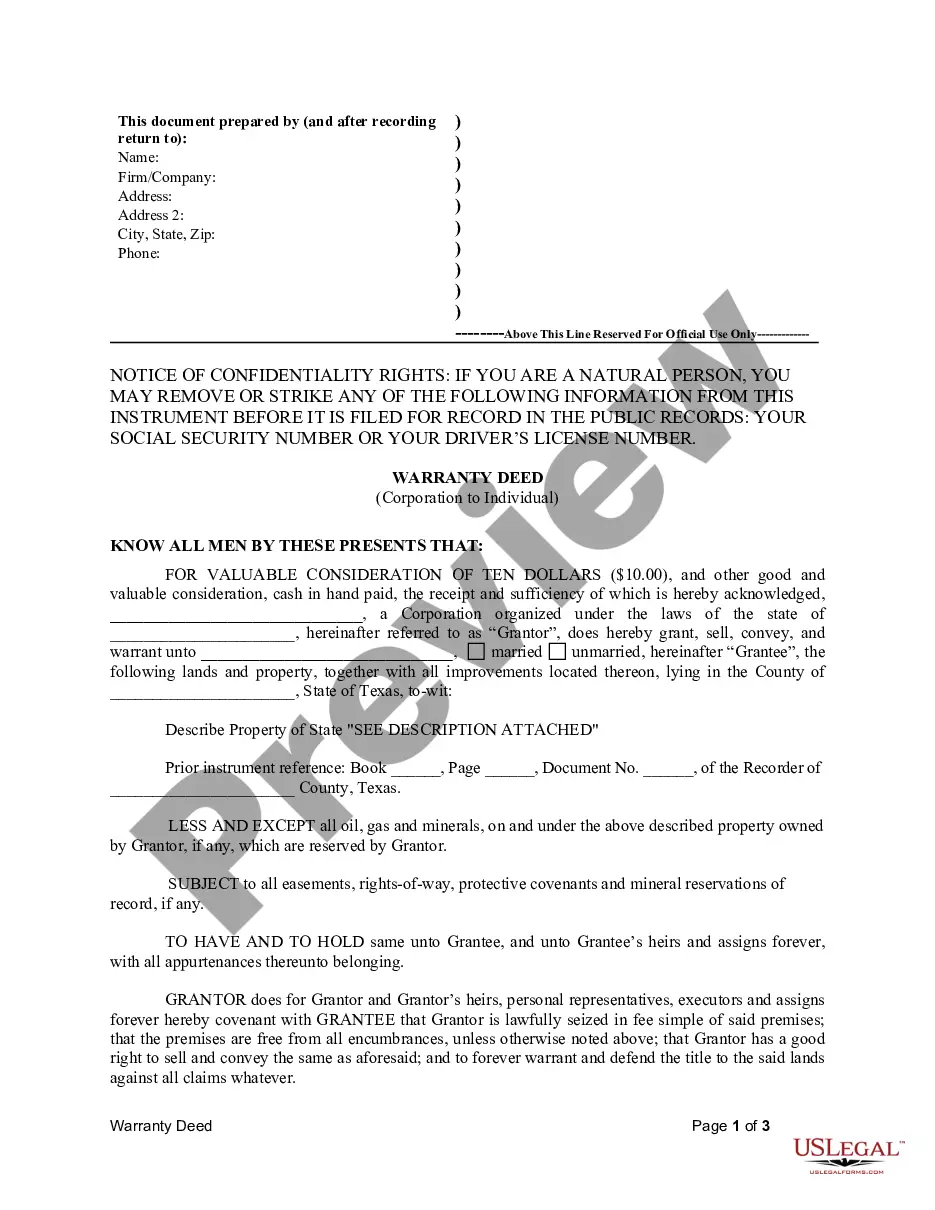
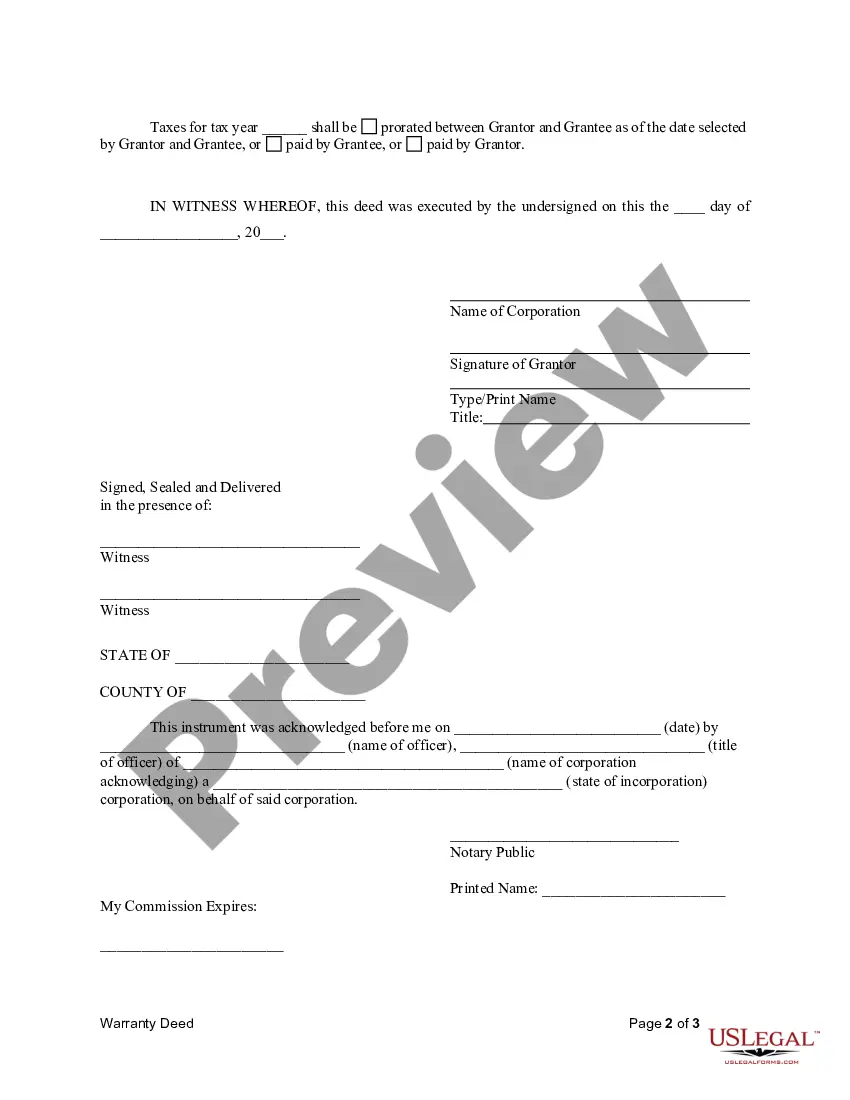
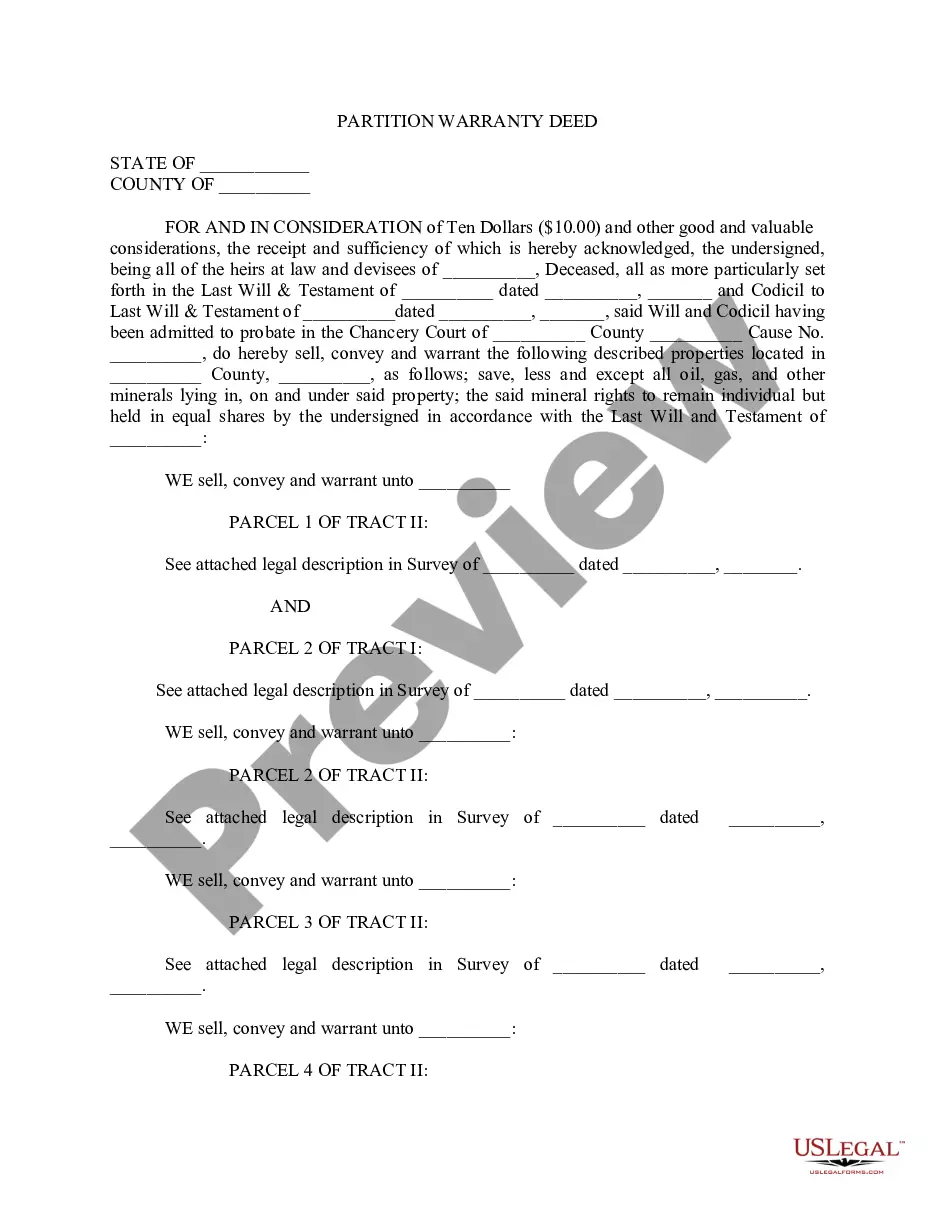
What Does A Deed Look Like Property
Description

Get your form ready online
Our built-in tools help you complete, sign, share, and store your documents in one place.
Make edits, fill in missing information, and update formatting in US Legal Forms—just like you would in MS Word.
Download a copy, print it, send it by email, or mail it via USPS—whatever works best for your next step.
Sign and collect signatures with our SignNow integration. Send to multiple recipients, set reminders, and more. Go Premium to unlock E-Sign.
If this form requires notarization, complete it online through a secure video call—no need to meet a notary in person or wait for an appointment.
We protect your documents and personal data by following strict security and privacy standards.

Make edits, fill in missing information, and update formatting in US Legal Forms—just like you would in MS Word.

Download a copy, print it, send it by email, or mail it via USPS—whatever works best for your next step.

Sign and collect signatures with our SignNow integration. Send to multiple recipients, set reminders, and more. Go Premium to unlock E-Sign.

If this form requires notarization, complete it online through a secure video call—no need to meet a notary in person or wait for an appointment.

We protect your documents and personal data by following strict security and privacy standards.
Looking for another form?

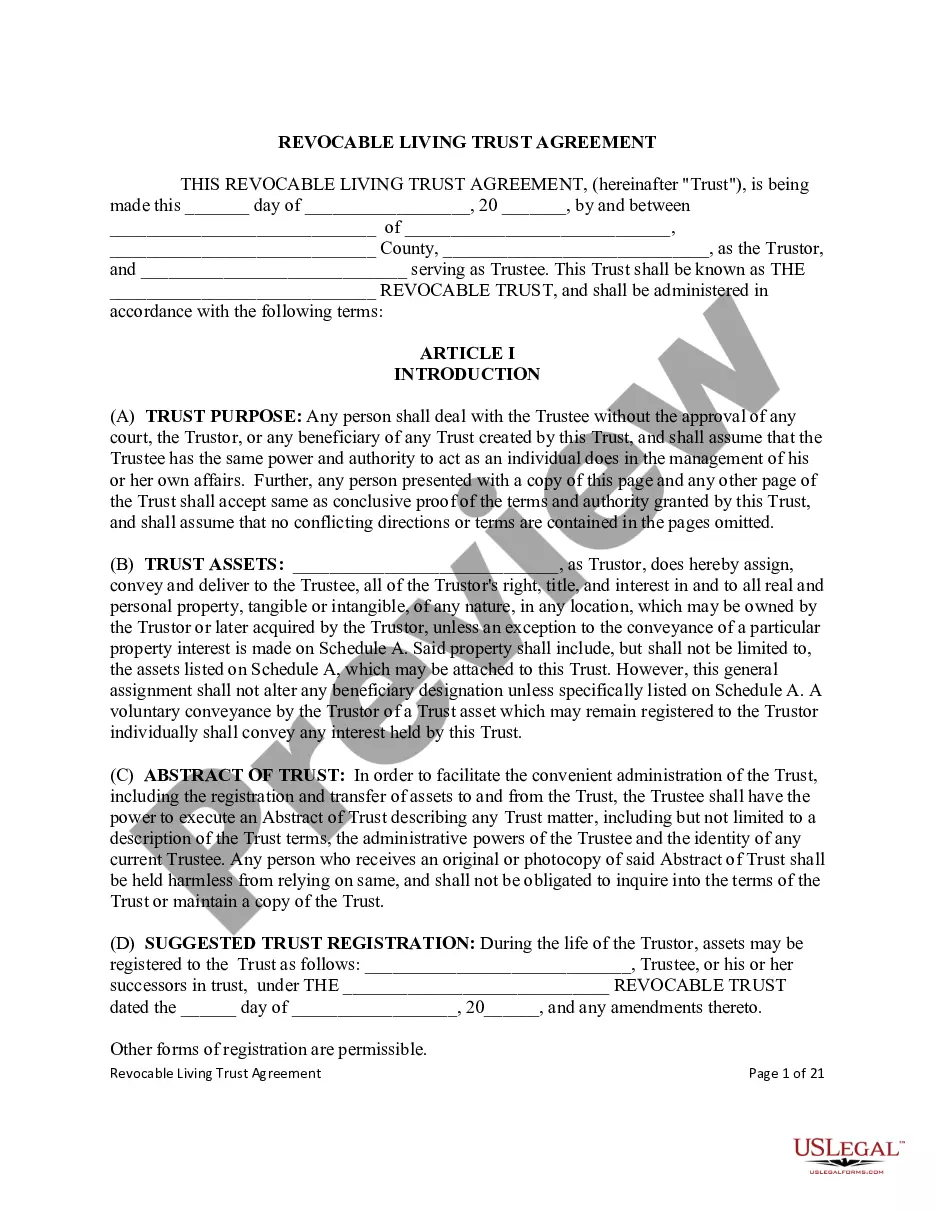
How to fill out Texas Warranty Deed From Corporation To Individual?
- If you're a returning user, simply log in to your account, confirm your subscription's validity, and download the required form template by clicking the Download button.
- For first-time users, begin by exploring the form description and Preview mode. This ensures you select the right document tailored to your local jurisdiction needs.
- If you identify discrepancies, use the Search tab to find an alternate template. Once satisfied, proceed to the next step.
- To purchase the document, click on the Buy Now button, choose your preferred subscription plan, and create an account to gain full access to the library.
- After making your purchase, enter your payment information using a credit card or PayPal to finalize the transaction.
- Download your selected form and save it on your device. You can revisit it anytime through the My Forms section of your profile.
US Legal Forms streamlines the process of obtaining essential legal documents, making it easier for individuals and attorneys alike.
With a vast collection of over 85,000 fillable forms and access to premium experts for additional support, you can ensure your documents are precise and legally sound. Start your journey today!
Form popularity
FAQ
The best proof of ownership of property is typically the original deed, which clearly outlines the transfer of ownership. This document serves as a legal record, indicating who holds the rights to the property. If you are wondering what does a deed look like property, having this document on hand can simplify any disputes regarding ownership. To obtain a proper deed, you can look to the US Legal Forms platform for assistance.
An example of a deed is a warranty deed, which guarantees that the property title is clear and the seller has the right to sell the property. When you receive a warranty deed, it typically outlines the property boundaries, the names of the buyer and seller, and any conditions of the sale. If you're interested in learning more about what does a deed look like property, viewing sample deeds can provide helpful insights. Consider exploring resources on the US Legal Forms platform for detailed examples.
No, a deed is not the same thing as a title, although they are related concepts. A deed is a legal document that transfers ownership of property, while a title refers to the legal right to own that property. When you ask, 'What does a deed look like property?' it’s important to know that a deed provides the evidence of that title. Understanding this distinction is crucial for navigating property ownership.
If you lost your original deed, don't worry; you can obtain a copy through your local county clerk or recorder's office. They maintain public records of property deeds, so you can easily request a replacement. Additionally, online services like USLegalForms can help you navigate this process and provide necessary documents. Understanding what a deed looks like property-wise will help ensure you have the right information for your records.
To access the deed to your house, you can visit your local county clerk or recorder's office. You may also find it online through your state's property records database. Generally, the deed will show important details about ownership, including what a deed looks like property-wise. If you need a certified copy, the clerk's office can assist you with that.
A property's description in a deed is detailed and precise to avoid any confusion. It often includes the legal address, lot number, and metes and bounds, which outline the boundaries of the property. This clarity is crucial when discussing what does a deed look like property, as it helps establish clear ownership rights. Utilizing a platform like US Legal Forms can provide you with templates that ensure accurate descriptions.
To write a property deed, start by including the names of the grantor and grantee, which represent the current owner and the buyer, respectively. Next, clearly state the property description, including its address and any relevant boundaries. Moreover, make sure to include the date of transfer and any conditions or restrictions. For those wondering what does a deed look like property, it’s essential to format it properly and consider using US Legal Forms to simplify the process.
After closing on your home, the closing agent will submit the necessary documents to the local recorder's office. Typically, it takes a few weeks for the office to process the documents and record the sale. You can then request a copy of the deed for your records. Knowing what does a deed look like property will assist you in confirming that the documentation reflects your ownership.
A deed is a legal document that transfers ownership of property from one party to another. It includes critical information, such as the names of the buyer and seller, the property description, and any relevant legal terms. Understanding how to recognize what does a deed look like property helps you verify your rights as a property owner.