What Does A Deed Look Like For Your House
Description

Get your form ready online
Our built-in tools help you complete, sign, share, and store your documents in one place.
Make edits, fill in missing information, and update formatting in US Legal Forms—just like you would in MS Word.
Download a copy, print it, send it by email, or mail it via USPS—whatever works best for your next step.
Sign and collect signatures with our SignNow integration. Send to multiple recipients, set reminders, and more. Go Premium to unlock E-Sign.
If this form requires notarization, complete it online through a secure video call—no need to meet a notary in person or wait for an appointment.
We protect your documents and personal data by following strict security and privacy standards.

Make edits, fill in missing information, and update formatting in US Legal Forms—just like you would in MS Word.

Download a copy, print it, send it by email, or mail it via USPS—whatever works best for your next step.

Sign and collect signatures with our SignNow integration. Send to multiple recipients, set reminders, and more. Go Premium to unlock E-Sign.

If this form requires notarization, complete it online through a secure video call—no need to meet a notary in person or wait for an appointment.

We protect your documents and personal data by following strict security and privacy standards.
Looking for another form?

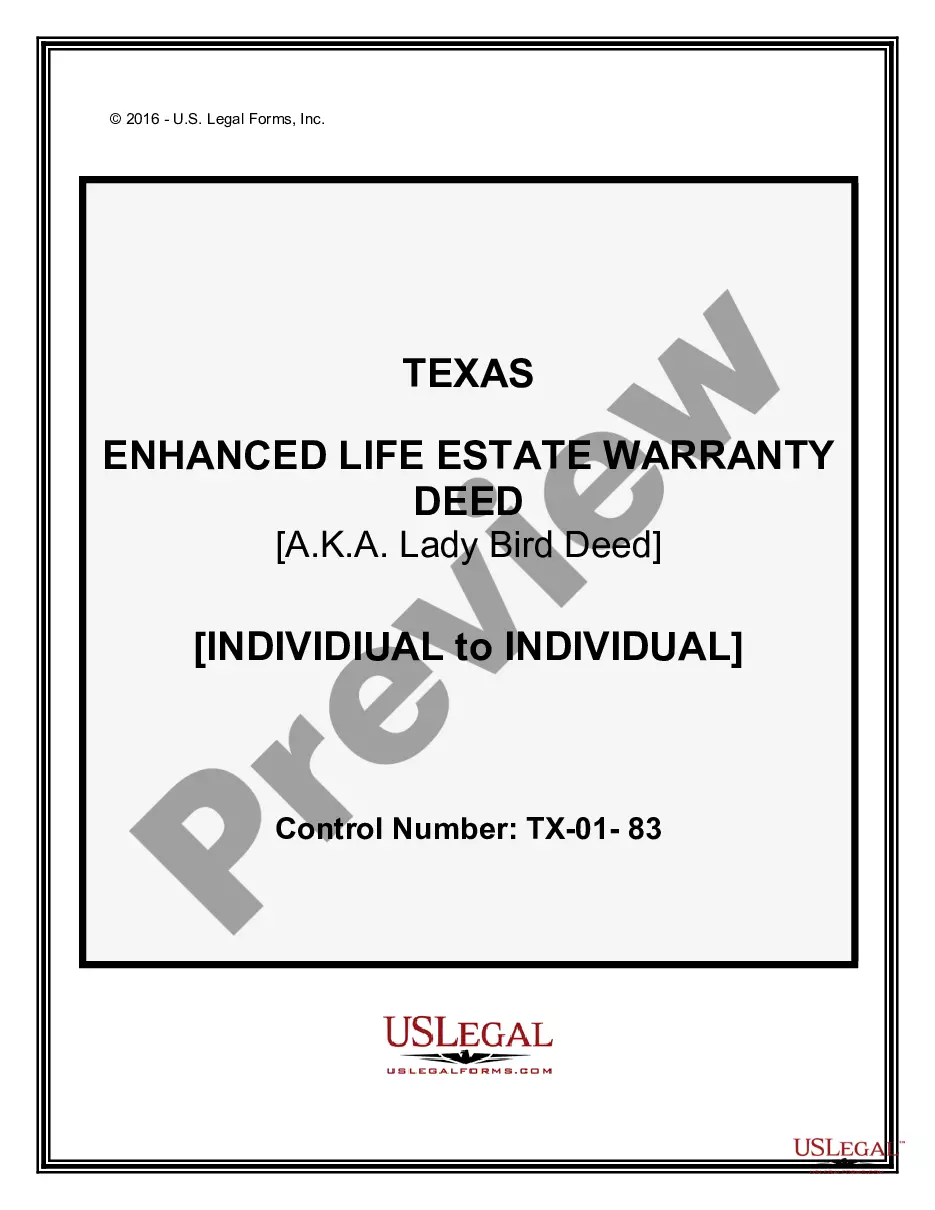
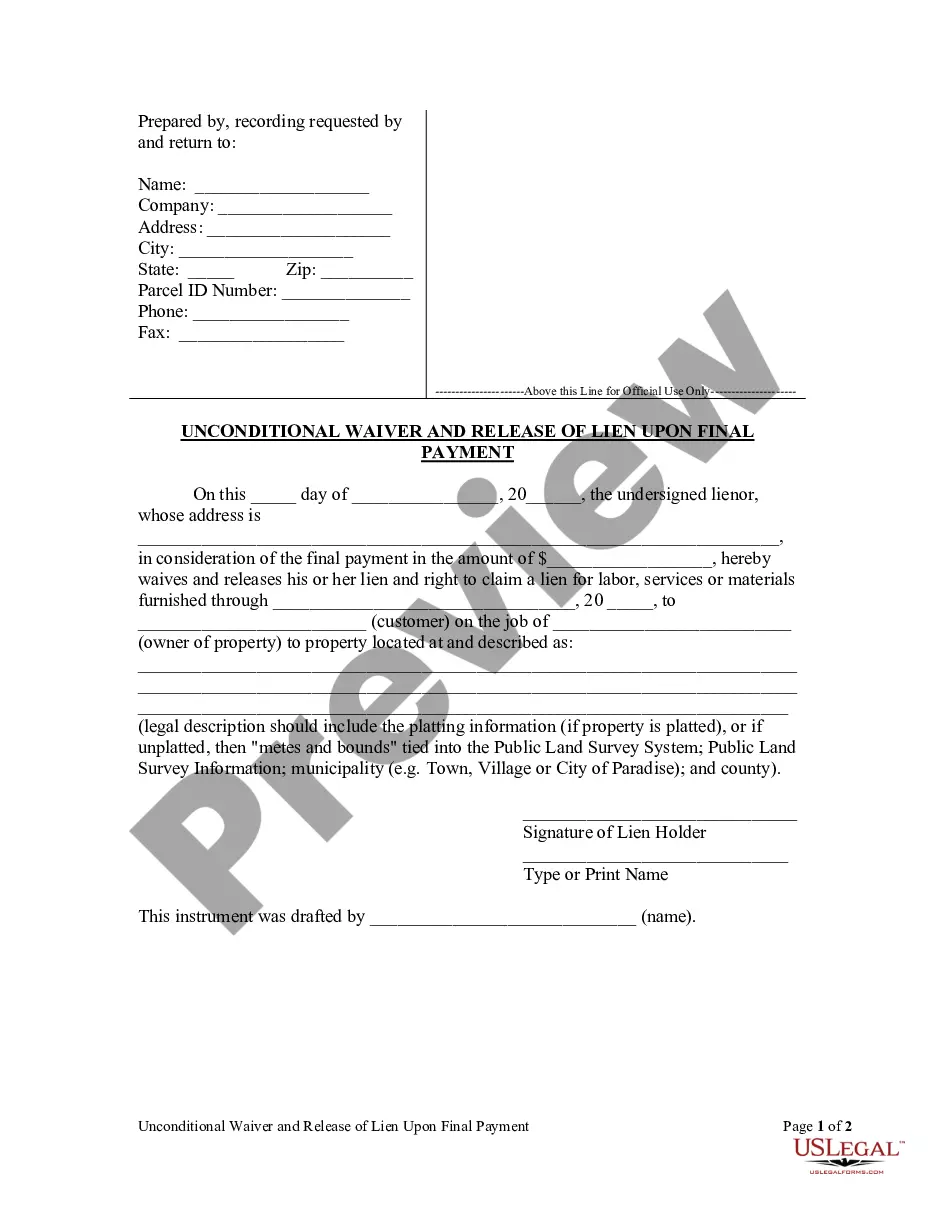
How to fill out Texas Warranty Deed From Corporation To Individual?
- Log in to your US Legal Forms account if you’re a returning user. Ensure your subscription is active or renew it as necessary.
- Browse the extensive library and check the previews of relevant deed templates. Make sure the selected form complies with your jurisdiction’s requirements.
- If you can’t find what you need, use the search functionality to refine your choices.
- Purchase the chosen form by clicking the subscription plan you prefer. You’ll need to create an account if you're a new user.
- Complete your transaction by providing your payment details via credit card or PayPal.
- Download the form to your device and keep it accessible within the 'My Forms' section of your profile for future needs.
In conclusion, obtaining a deed for your house through US Legal Forms is straightforward and efficient. With their comprehensive legal library, you can easily find the document that fits your needs and ensures legal accuracy.
Start your journey to secure property ownership today by visiting US Legal Forms!
Form popularity
FAQ
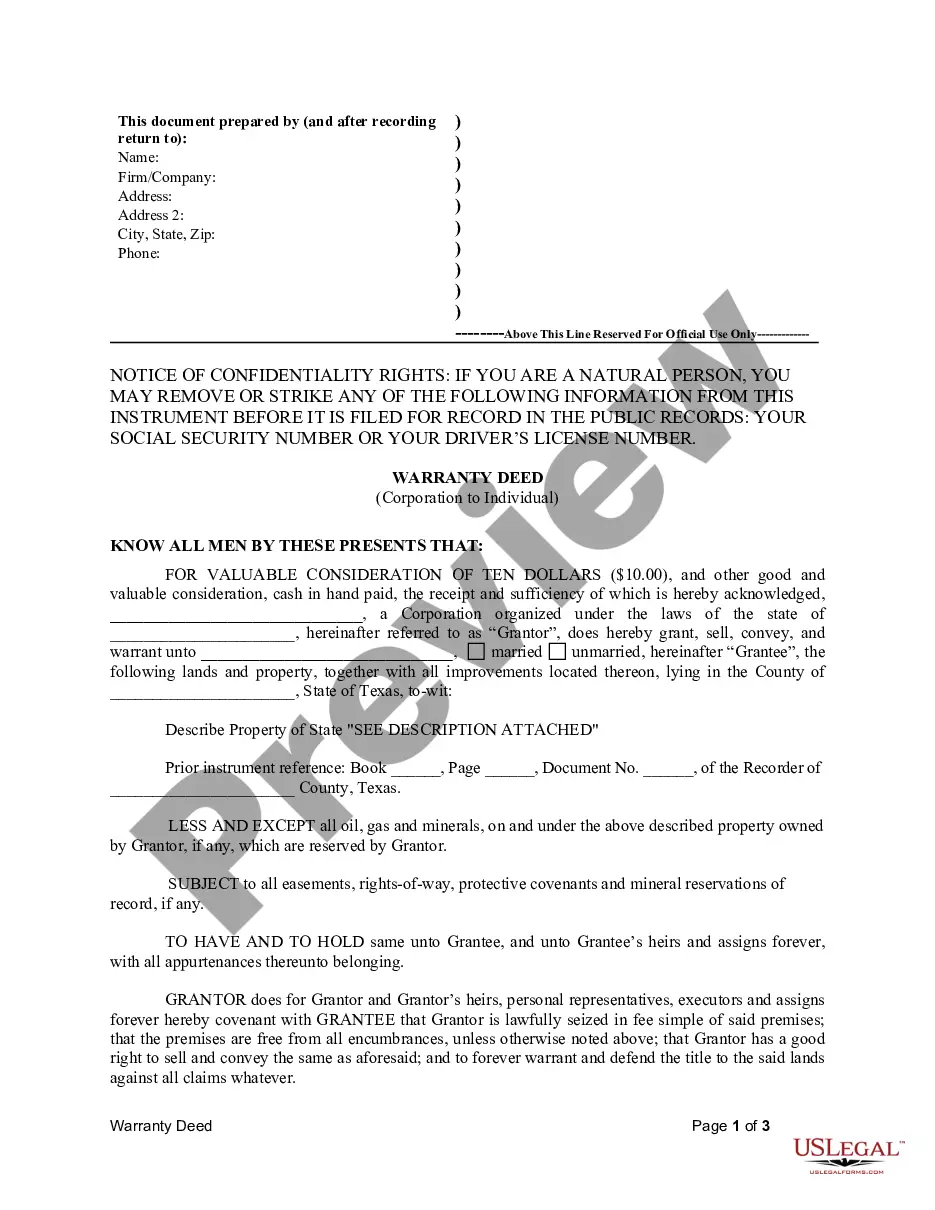
You can still sell a house without the original deed, but it will require some additional steps. You can obtain a certified copy from the county clerk’s office to prove ownership. Having this clarity on what a deed looks like for your house can help streamline the selling process, and platforms like uslegalforms can assist in preparing the necessary documents.
After closing, you, as the new homeowner, typically receive the deed. It confirms your ownership and contains essential details about the property. This process is crucial because knowing what a deed looks like for your house ensures you have all the necessary legal documents for your records.
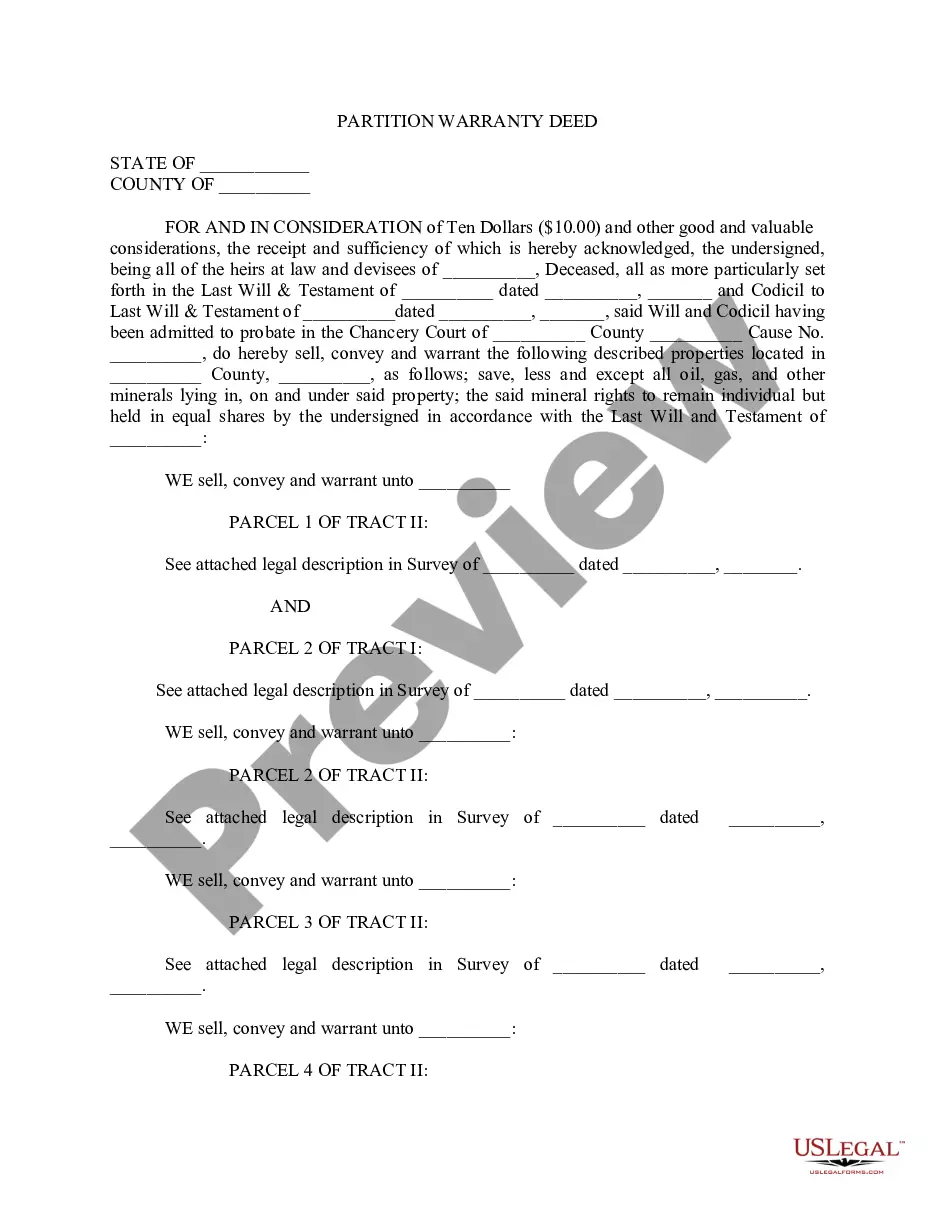
An example of a deed is a warranty deed, which guarantees that the seller holds clear title and can legally transfer ownership to the buyer. Another example is a quitclaim deed, which transfers whatever interest the seller has without guaranteeing that title is clear. Knowing what a deed looks like for your house can help you identify the different types of deeds and their implications.
The deed to your house is usually located in the county records office where your property is situated. Each state has specific regulations about where deeds are filed, so it’s best to check with your local government office. Additionally, digital records may be available online, making it easier for you to see what a deed looks like for your house.
If you lose the original deed to your house, don’t worry too much. You can obtain a certified copy from the county clerk or recorder’s office, where the deed is typically filed. This certified copy serves as legal proof of ownership, similar to the original. Understanding what a deed looks like for your house helps you ensure you have the correct documentation in place.
After closing on your home, the title company will usually handle the recording of your deed with the local recorder's office. You can expect to receive your copy of the deed via mail within a few weeks after the closing. While waiting, be sure to review what does a deed look like for your house, so you know what to look out for when it arrives.
You can access the deed to your house by visiting your local county recorder's office, where all property records are kept. Many counties also provide online access to property records, making it easier for you to view or download your deed. By knowing what does a deed look like for your house, you can be sure you are looking for the right document. If you need help, platforms like US Legal Forms provide resources that can assist you.
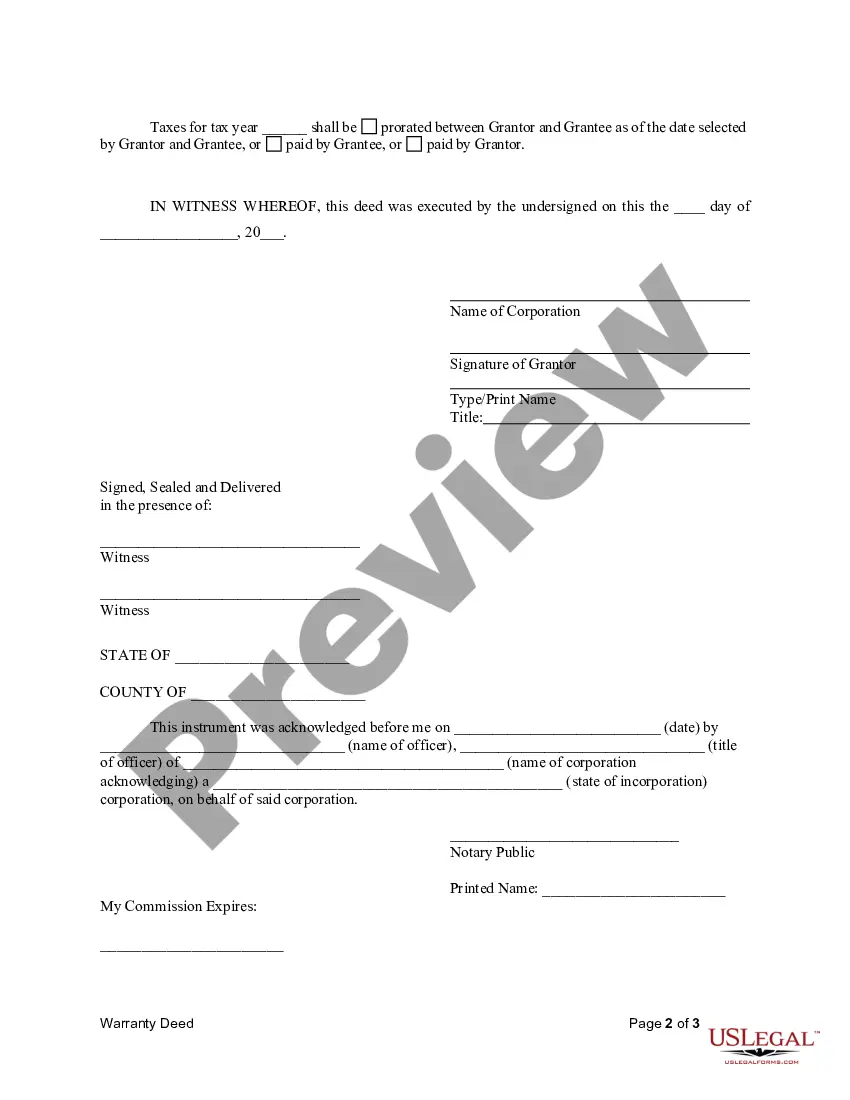
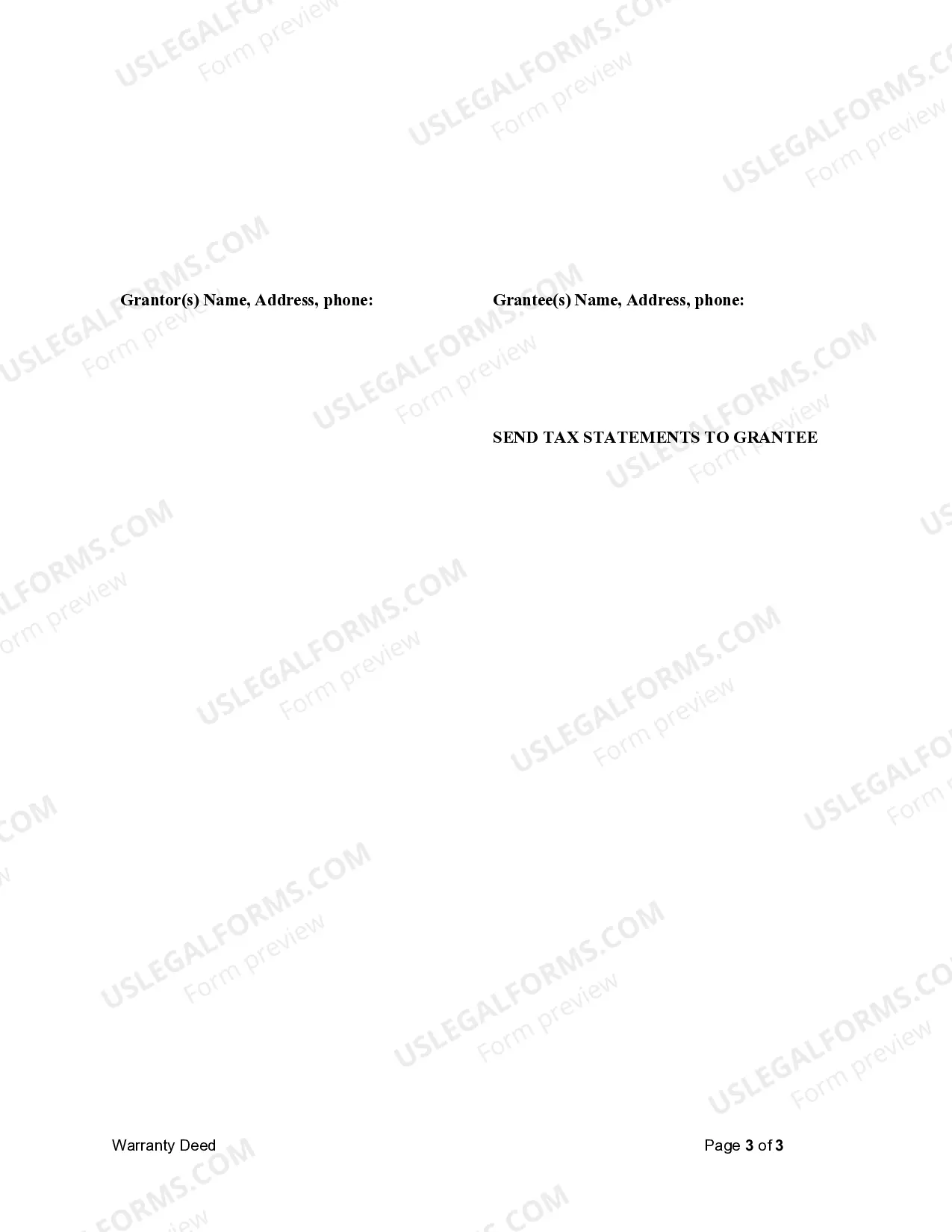
A deed is a legal document that conveys ownership of a property from one party to another. It typically contains the property's details, the names of the buyer and seller, and signatures from both parties. What does a deed look like for your house? It usually features legal language, a description of the property, and the date of the transaction. You can refer to examples online to better understand its structure.
You can typically find the title deed to your house at your local county recorder's office, where property records are maintained. Additionally, you might have received a copy of the deed when you purchased the property or during the mortgage closing. If you cannot locate it, consider reaching out to your real estate agent or legal advisor. For further assistance, platforms like US Legal Forms can help you navigate the process.