Texas Property
Description


Get your form ready online
Our built-in tools help you complete, sign, share, and store your documents in one place.
Make edits, fill in missing information, and update formatting in US Legal Forms—just like you would in MS Word.
Download a copy, print it, send it by email, or mail it via USPS—whatever works best for your next step.
Sign and collect signatures with our SignNow integration. Send to multiple recipients, set reminders, and more. Go Premium to unlock E-Sign.
If this form requires notarization, complete it online through a secure video call—no need to meet a notary in person or wait for an appointment.
We protect your documents and personal data by following strict security and privacy standards.

Make edits, fill in missing information, and update formatting in US Legal Forms—just like you would in MS Word.

Download a copy, print it, send it by email, or mail it via USPS—whatever works best for your next step.

Sign and collect signatures with our SignNow integration. Send to multiple recipients, set reminders, and more. Go Premium to unlock E-Sign.

If this form requires notarization, complete it online through a secure video call—no need to meet a notary in person or wait for an appointment.

We protect your documents and personal data by following strict security and privacy standards.
Looking for another form?


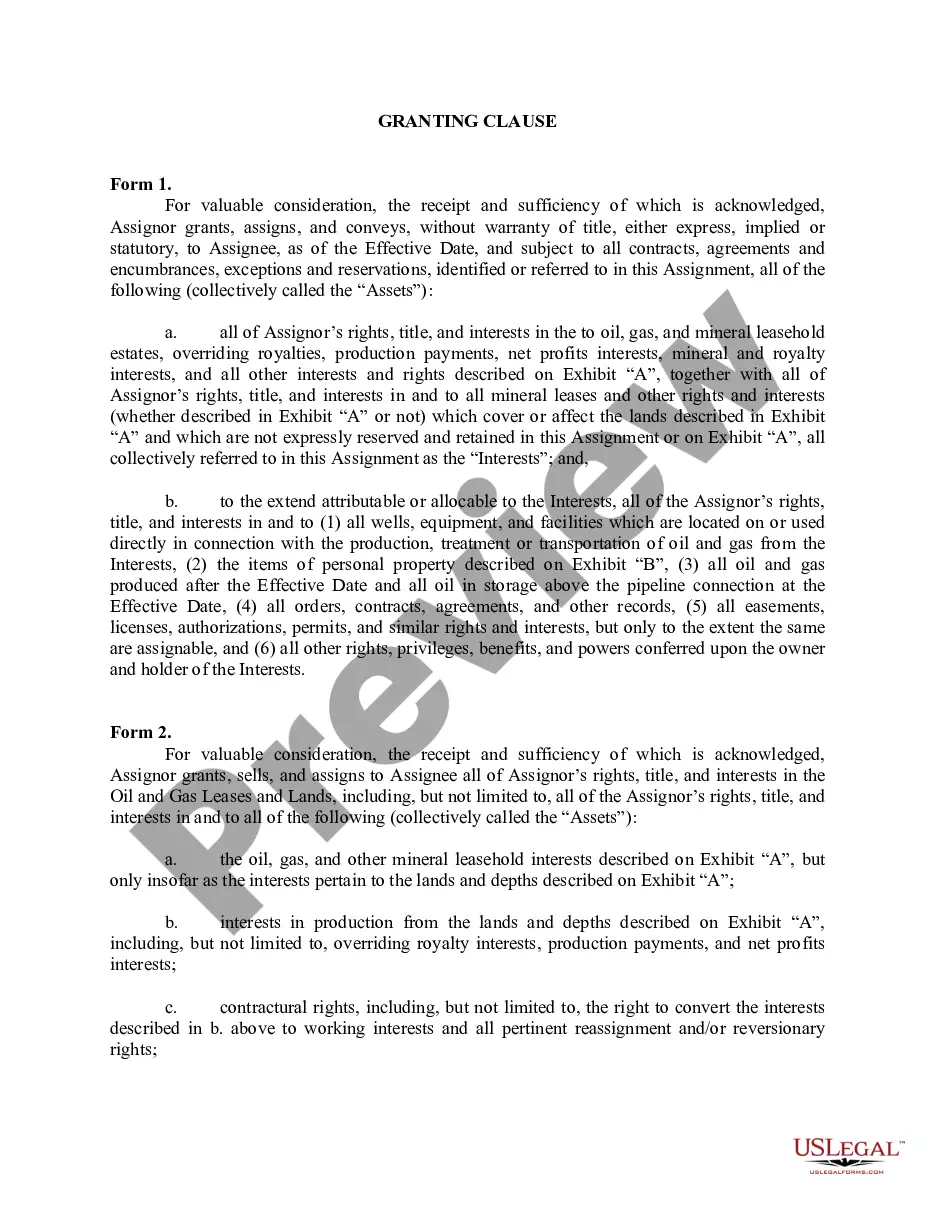
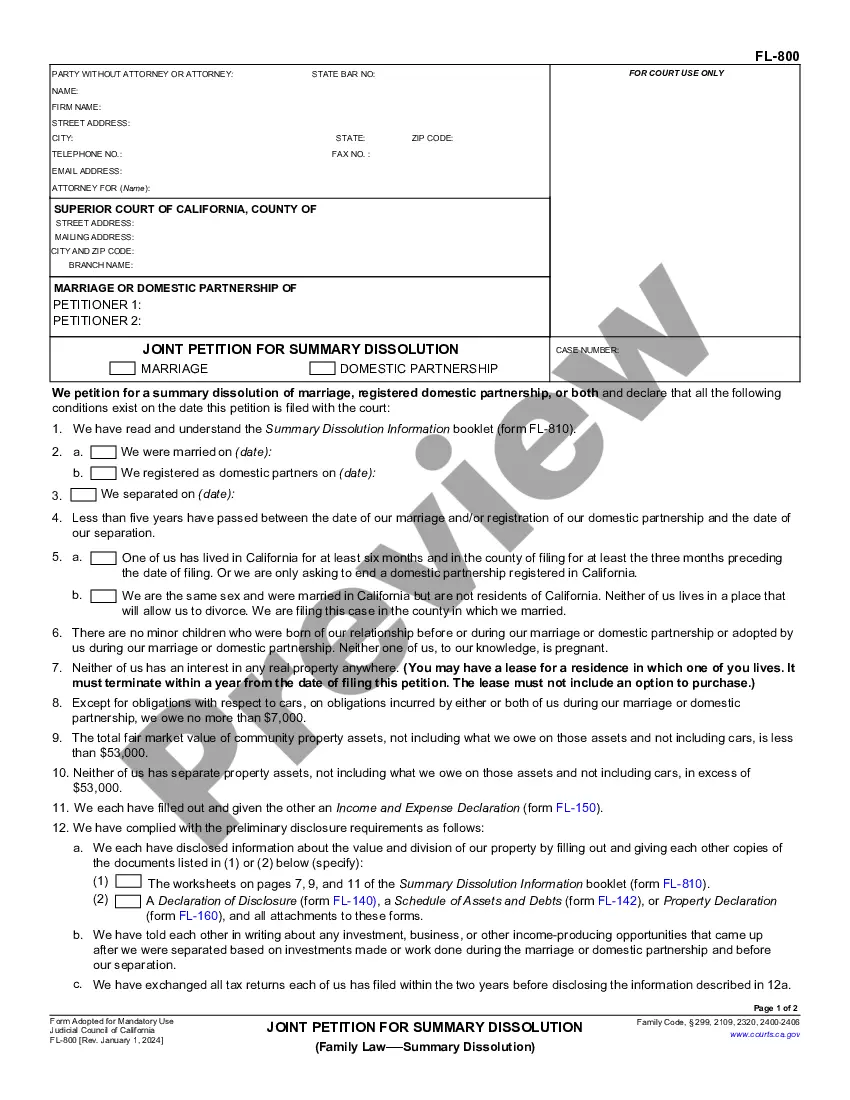
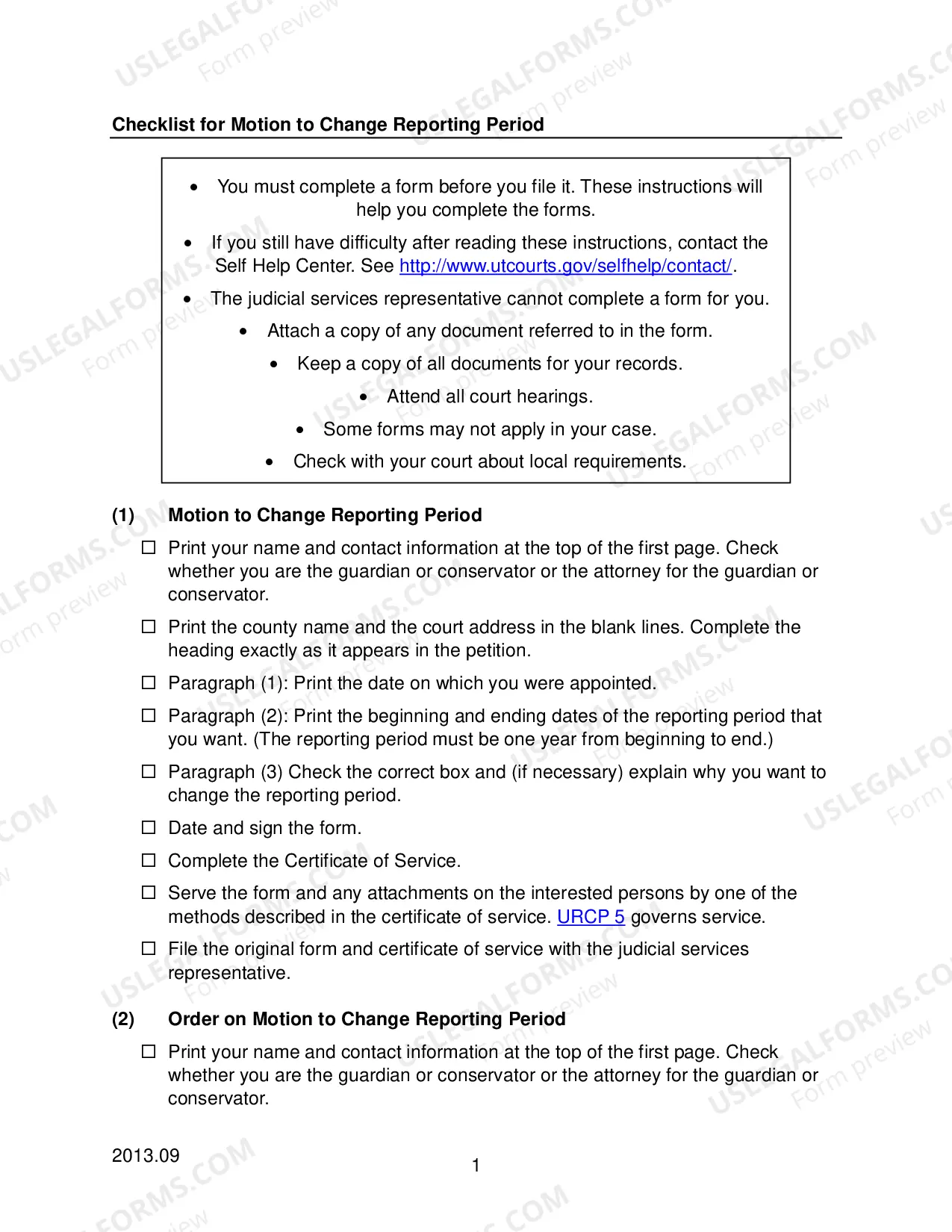


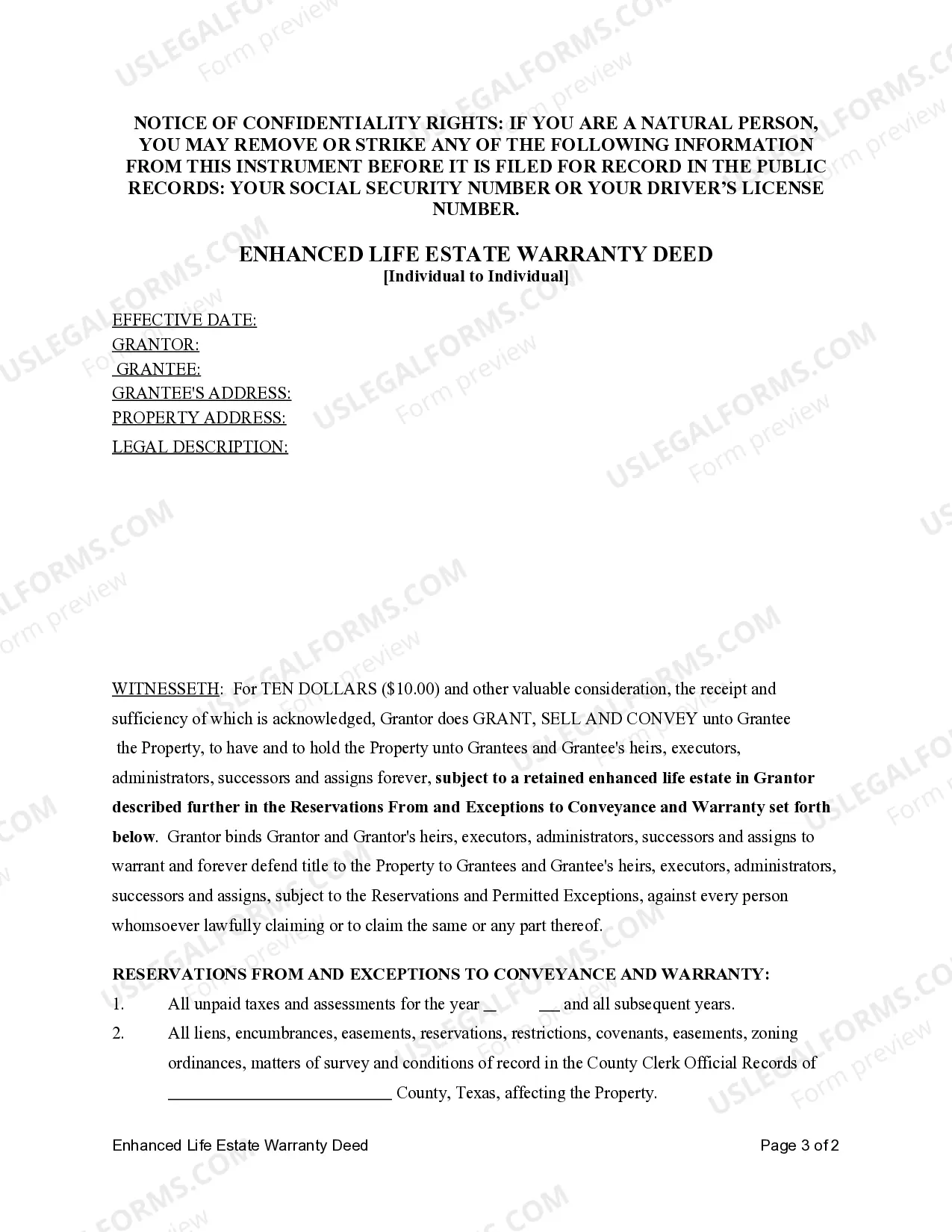
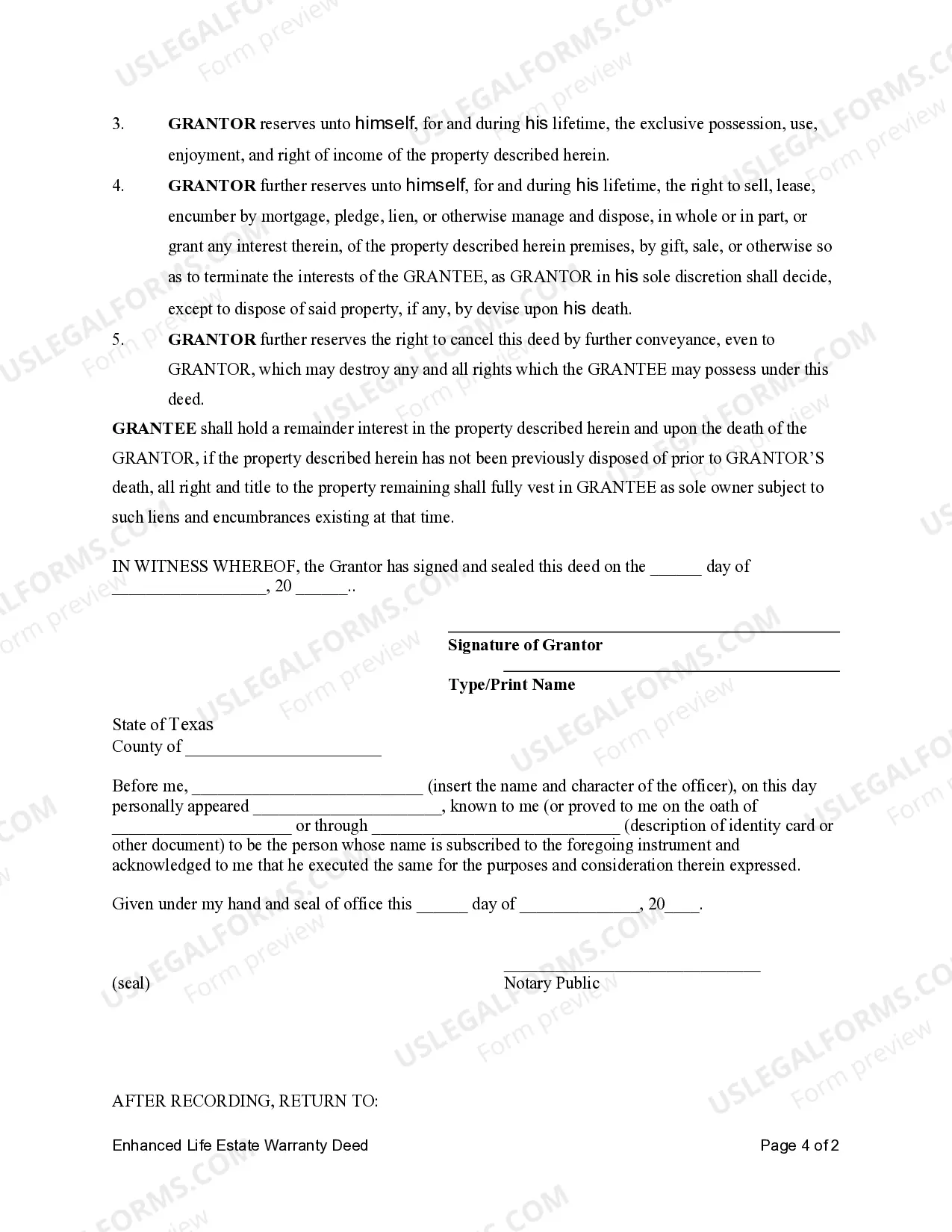
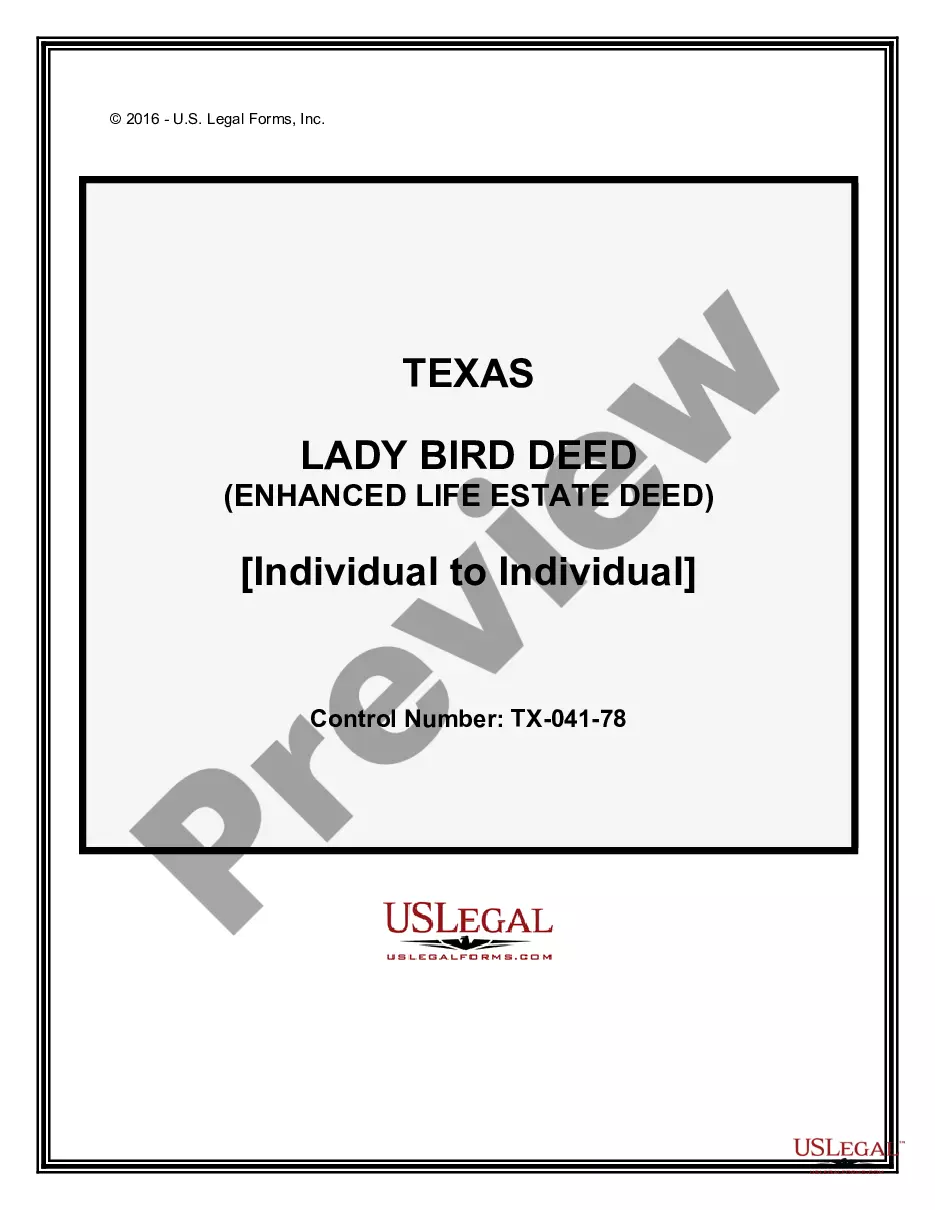
How to fill out Texas Lady Bird Or Enhanced Life Estate Warranty Deed - Individual To Individual?
- Log in to your US Legal Forms account if you're a returning user. Ensure your subscription is active; if not, consider renewing it based on your payment plan.
- For first-time users, begin by browsing the extensive online library. Use the Preview mode to inspect form details and verify it meets Texas jurisdiction requirements.
- If you don’t find the right document, utilize the Search tab to locate alternative forms that suit your needs.
- Once you find the correct form, click the Buy Now button and select your preferred subscription plan. You’ll need to create an account to access the full library.
- Complete your purchase using your credit card or PayPal account to activate your subscription.
- Download the Texas property form to your device, enabling you to fill it out and access it anytime from your profile's My Forms section.
With US Legal Forms, users gain access to a robust collection of over 85,000 legal templates designed for easy customization. The platform not only offers an extensive library but also provides premium expert assistance for form completion.
In conclusion, obtaining Texas property forms is straightforward with US Legal Forms. Take advantage of their comprehensive resources today and ensure your legal documents are accurate and ready for use!
Form popularity
FAQ
To obtain a property title in Texas, you need to request it from your county's appraisal district or local land office. The request typically requires information about your Texas property, including its address or legal description. Additionally, you may want to consider using online platforms like USLegalForms, which can simplify the process and ensure you have the correct documentation. This approach saves time and helps you navigate property ownership more efficiently.
The new homestead rule in Texas allows homeowners to protect a greater portion of their home equity from creditors. This rule aims to secure your asset and provide financial relief during challenging times. It also seeks to encourage stability and homeownership in the state. Understanding how this rule applies to your Texas property can help you make informed financial decisions.
The time it takes to receive a property title in Texas can vary, but typically it takes about 30 to 60 days after closing on your property. Factors such as the complexity of the transaction and local processing times can influence this duration. If you are concerned about delays, consider using specialized services that can expedite the process for your Texas property. Being proactive can help you obtain your title more swiftly.
In Texas, a title and a deed serve different purposes regarding property ownership. A title is a legal document that establishes your right to own and use a Texas property, while a deed is a written document that transfers this ownership from one party to another. Understanding this difference is crucial when engaging in real estate transactions. Always ensure you have the correct documents when buying or selling a Texas property.
To get a copy of your property title in Texas, you need to contact the county clerk or the appraisal district in the county where your property is located. They often provide online services where you can request the title. You may need specific information about your Texas property, such as the property's address or parcel number. It's a straightforward process, and you can typically receive the title through mail or electronically.
Claiming a property in Texas involves several steps, starting with identifying the rightful ownership and verifying all claims related to the property. Once confirmed, you may need to file the appropriate paperwork with local authorities, whether it's for unclaimed property or deed transfers. Complete your forms accurately to avoid complications. US Legal Forms makes this process clearer and more manageable.
In Texas, you can claim unclaimed property at any time; there is no statute of limitations. However, it's crucial to act promptly to ensure you recover your assets efficiently. Unclaimed property can include various items, like forgotten bank accounts or uncashed checks. You can utilize the US Legal Forms platform to help you in the claiming process.
Homeowners in Texas can typically file a claim for damages that occurred within a reasonable time frame, often up to two years. However, some circumstances might allow for different timelines depending on specific situations. To avoid issues, it’s best to file your claim as soon as damage occurs. US Legal Forms can assist you in understanding your situation and filing promptly.
When facing property damage in Texas, you generally have two years from the date of the damage to file your claim. This period is critical for ensuring your eligibility for compensation. If you wait too long, you might lose your right to pursue the claim. Utilizing resources like US Legal Forms can help you navigate the filing process smoothly.
In Texas, individuals aged 65 or older can qualify for a property tax exemption. This allows seniors to reduce their property tax burden significantly. To benefit from this exemption, you’ll need to apply through your local appraisal district. Taking advantage of this opportunity can make a substantial difference in your financial planning.