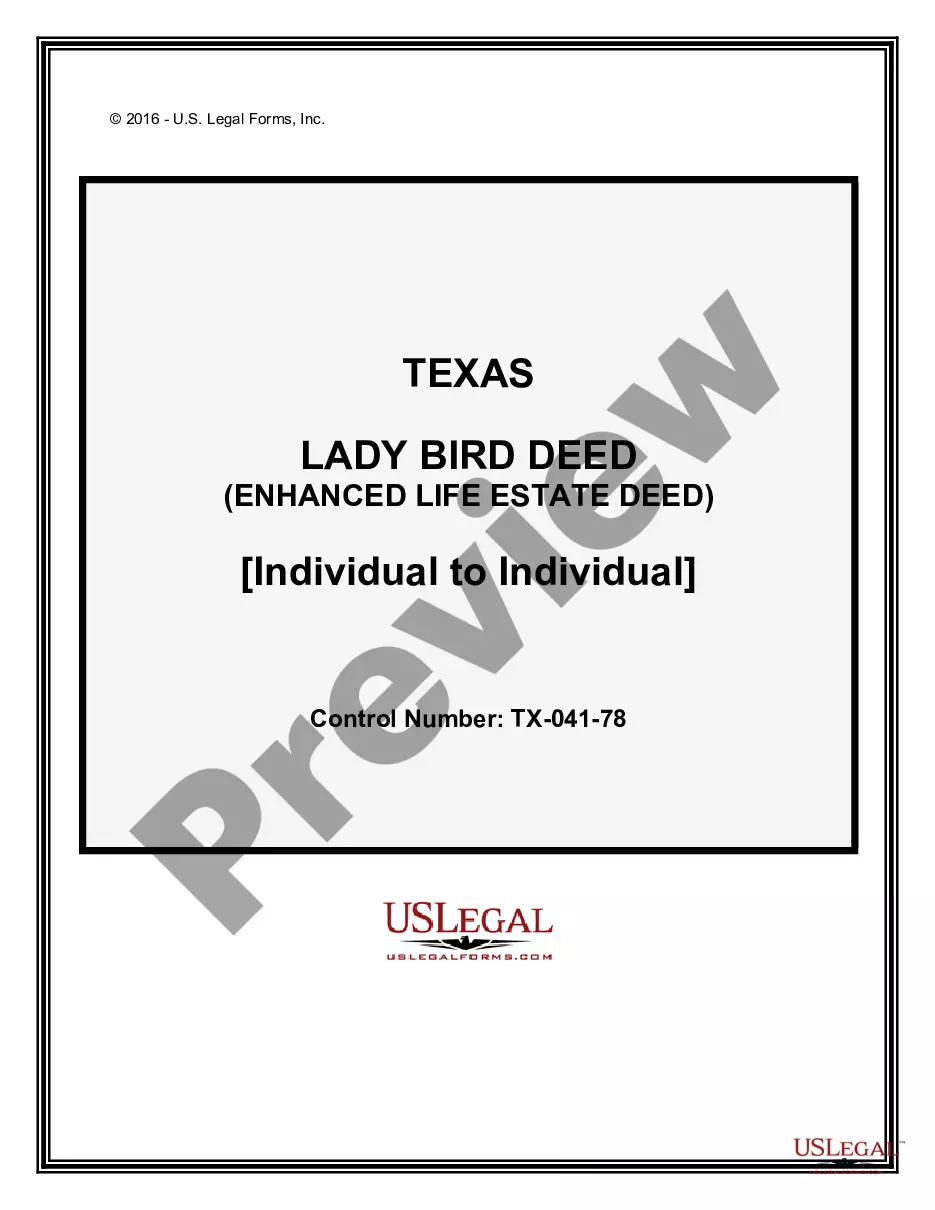
Life Estate Warranty Deed Texas For Property
Description

Get your form ready online
Our built-in tools help you complete, sign, share, and store your documents in one place.
Make edits, fill in missing information, and update formatting in US Legal Forms—just like you would in MS Word.
Download a copy, print it, send it by email, or mail it via USPS—whatever works best for your next step.
Sign and collect signatures with our SignNow integration. Send to multiple recipients, set reminders, and more. Go Premium to unlock E-Sign.
If this form requires notarization, complete it online through a secure video call—no need to meet a notary in person or wait for an appointment.
We protect your documents and personal data by following strict security and privacy standards.

Make edits, fill in missing information, and update formatting in US Legal Forms—just like you would in MS Word.

Download a copy, print it, send it by email, or mail it via USPS—whatever works best for your next step.

Sign and collect signatures with our SignNow integration. Send to multiple recipients, set reminders, and more. Go Premium to unlock E-Sign.

If this form requires notarization, complete it online through a secure video call—no need to meet a notary in person or wait for an appointment.

We protect your documents and personal data by following strict security and privacy standards.
Looking for another form?

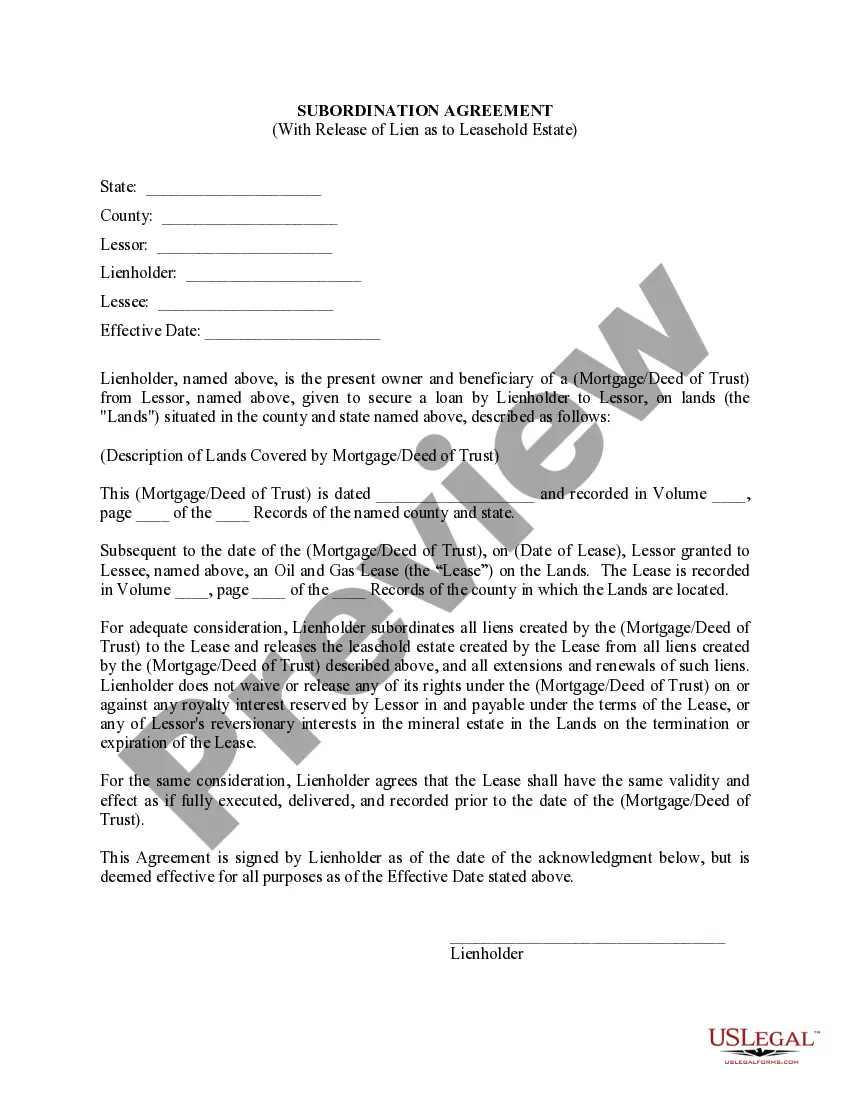
How to fill out Texas Lady Bird Or Enhanced Life Estate Warranty Deed - Individual To Individual?
- Begin by logging into your account on US Legal Forms if you are a returning user. Ensure your subscription is active for seamless access.
- For new users, navigate the library and use the Preview feature to find the correct life estate warranty deed template that complies with local Texas laws.
- If the template doesn’t meet your requirements, utilize the search tool to discover other relevant forms.
- Select 'Buy Now' on your chosen template, then opt for a subscription plan that suits your legal needs.
- Complete your purchase by entering your payment details via credit card or PayPal.
- After payment, download the template directly onto your device and access it later through the 'My Forms' section of your profile.
US Legal Forms enhances the document preparation experience by offering a vast collection of over 85,000 legal forms, more than any competitor at similar prices. Additionally, users have the option to consult premium experts for guidance, ensuring that every document is accurate and legally robust.
In conclusion, utilizing US Legal Forms for your life estate warranty deed needs ensures a smooth and efficient process. Start your journey to secure property rights today!
Form popularity
FAQ
To record a warranty deed in Texas, visit the county clerk's office where the property is located. Bring the completed and notarized deed, along with any required fees. After submission, the clerk will stamp the document, officially recording it. By following this process, you ensure that your life estate warranty deed Texas for property is legally recognized.
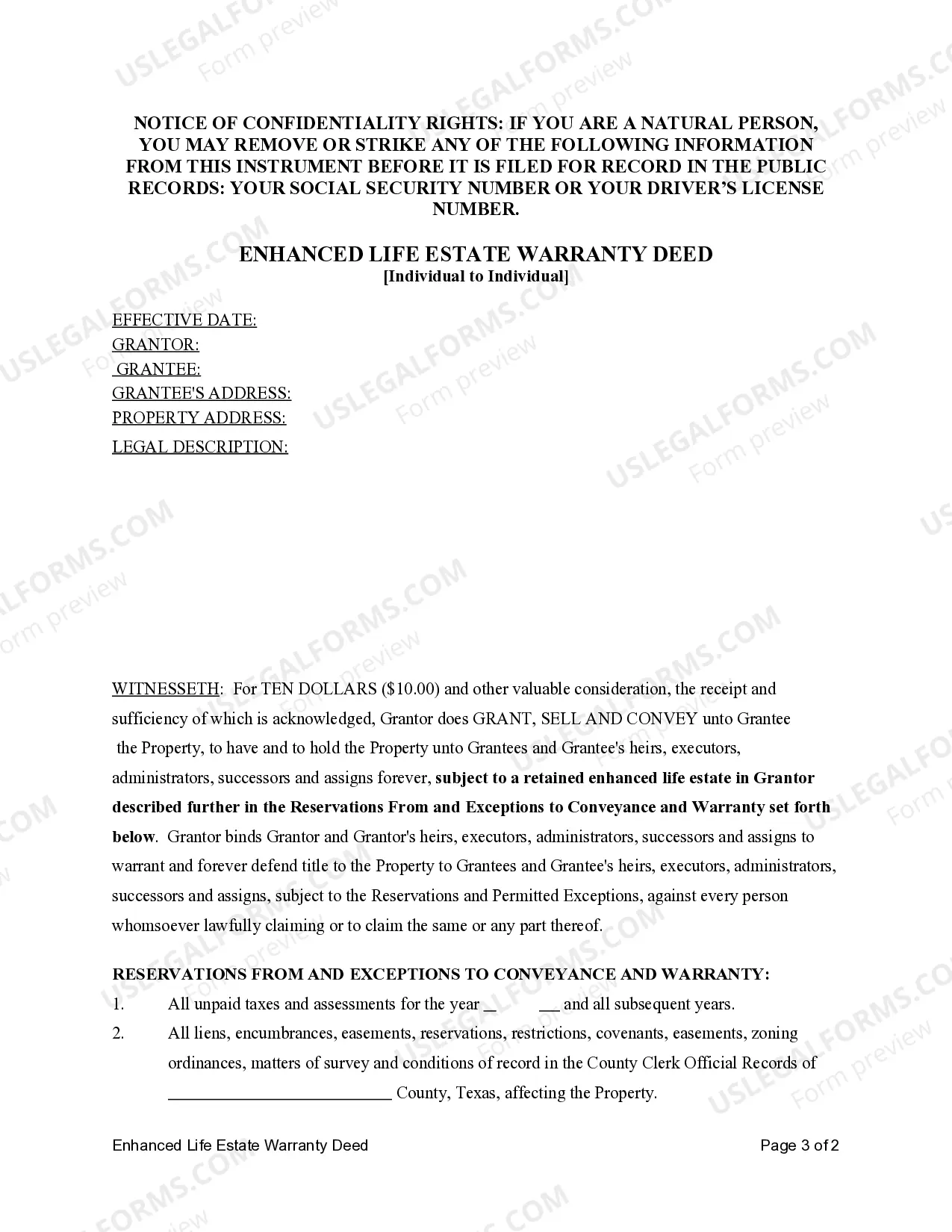
Writing up a warranty deed involves several essential elements. Start by clearly stating the grantor and grantee’s information, followed by a detailed legal description of the property. Additionally, ensure that you include a statement of warranty. For assistance in structuring a life estate warranty deed Texas for property, consider using templates from US Legal Forms.
Yes, you can file a warranty deed yourself, but it requires understanding the necessary steps. Start by ensuring you have a properly signed and notarized deed. Then, proceed to the local county clerk’s office to file the document. Utilizing resources like US Legal Forms can guide you through filing a life estate warranty deed Texas for property correctly.
Typically, the seller pays for recording the warranty deed, particularly in a real estate transaction. However, this can be negotiated between the buyer and seller. It is crucial to clarify this aspect in the sales agreement. Therefore, understanding the life estate warranty deed Texas for property may assist in determining costs during the transaction.
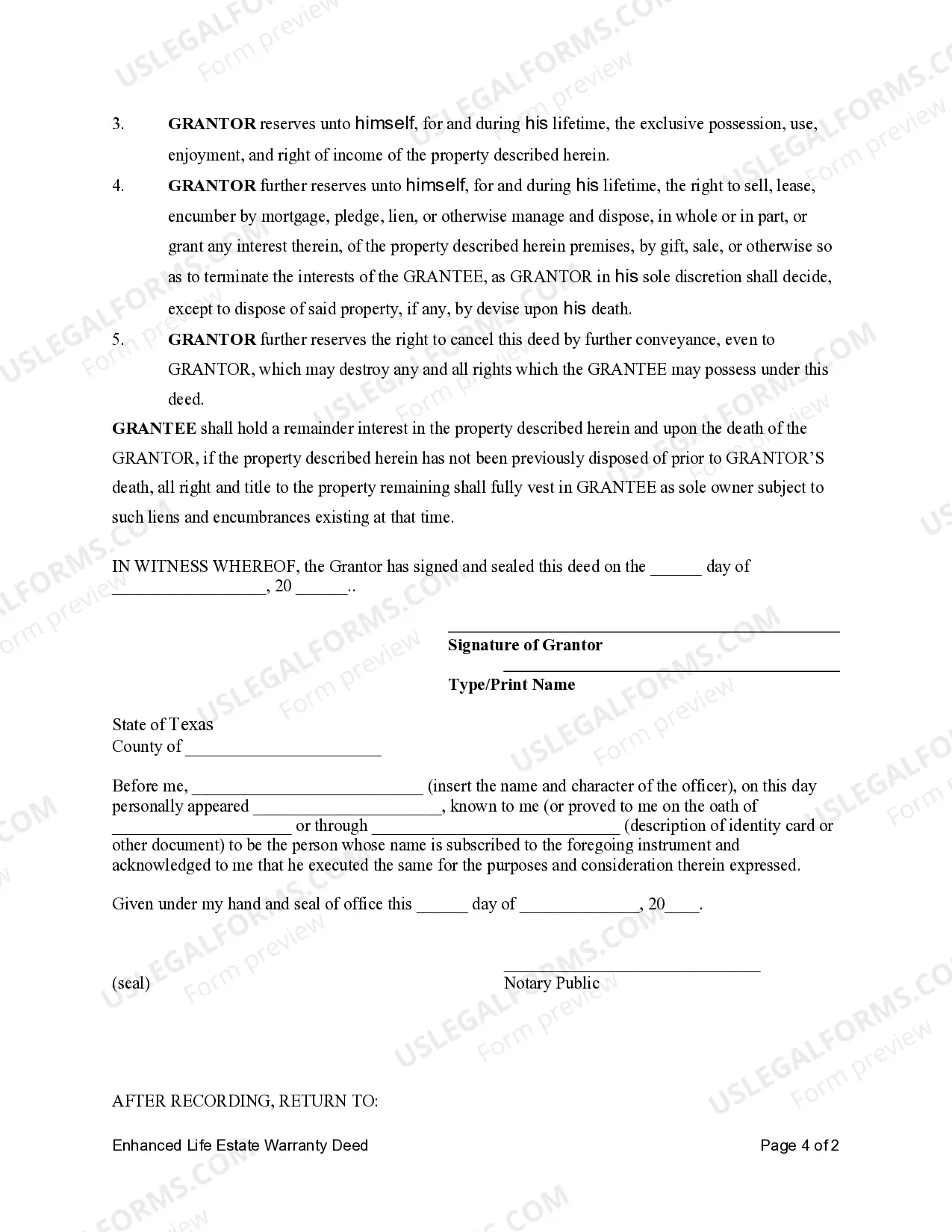
To record a warranty deed, you should first complete the deed and sign it in front of a notary. Next, take it to the county clerk's office where the property is located. There, you will submit the deed along with any required fees. This process officially makes the life estate warranty deed Texas for property part of the public record.
A key downside of a life estate is the potential for conflict with the remainderman. The life estate warranty deed Texas for property may lead to disputes about property upkeep or use. Furthermore, once the life estate ends, the holder loses all rights to the property. Considering these factors is vital before creating a life estate agreement.
The life estate holder in Texas has the right to occupy and use the property during their lifetime. Under the life estate warranty deed Texas for property, they can also maintain the property and collect any rental income from it. However, it is essential to note that the holder cannot encumber the property without the remainderman's approval. Knowing these rights helps ensure a smooth living experience.
One significant disadvantage of a life estate deed is the limited control a life estate holder has over the property. The life estate warranty deed Texas for property restricts the holder from selling or mortgaging the property without the remainderman's consent. Additionally, the property might be subject to creditors' claims. Understanding these limitations is crucial before entering into such an arrangement.
A remainderman does not own the property until the life estate holder passes away. Until then, the life estate warranty deed Texas for property grants the holder the right to live in and use the property. After the life estate ends, the remainderman gains full ownership. It's crucial to understand this distinction when considering property transfers.
The process of getting a warranty deed involves several steps: first, you need to draft the deed, ensuring that it meets Texas legal requirements. After drafting, the deed must be signed by the grantor in the presence of a notary public. Once completed, file the life estate warranty deed Texas for property with your local county clerk's office to record it officially. To simplify this process, consider using US Legal Forms, which provides easy-to-follow templates and instructions.