Bird Life Estate Deed For Sale
Description
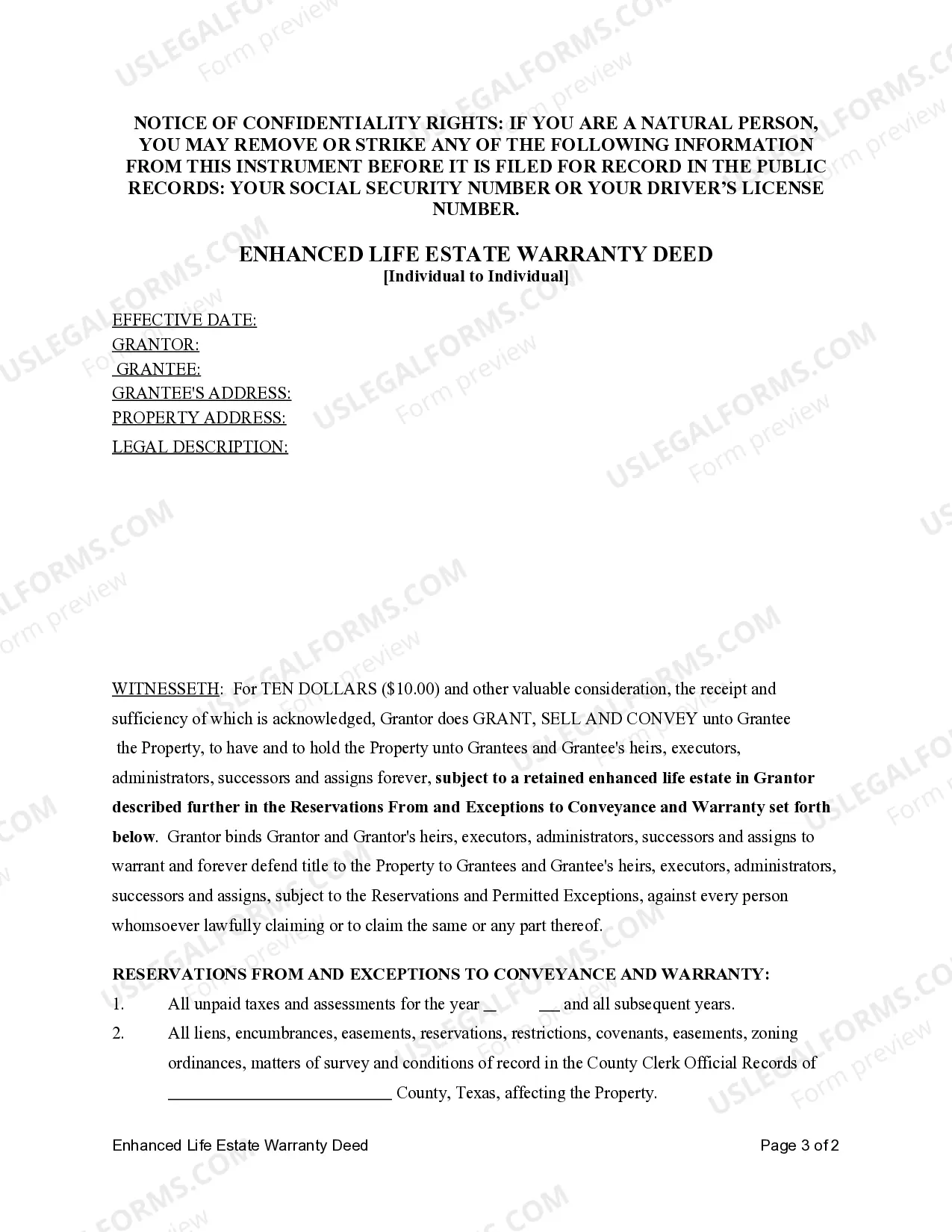
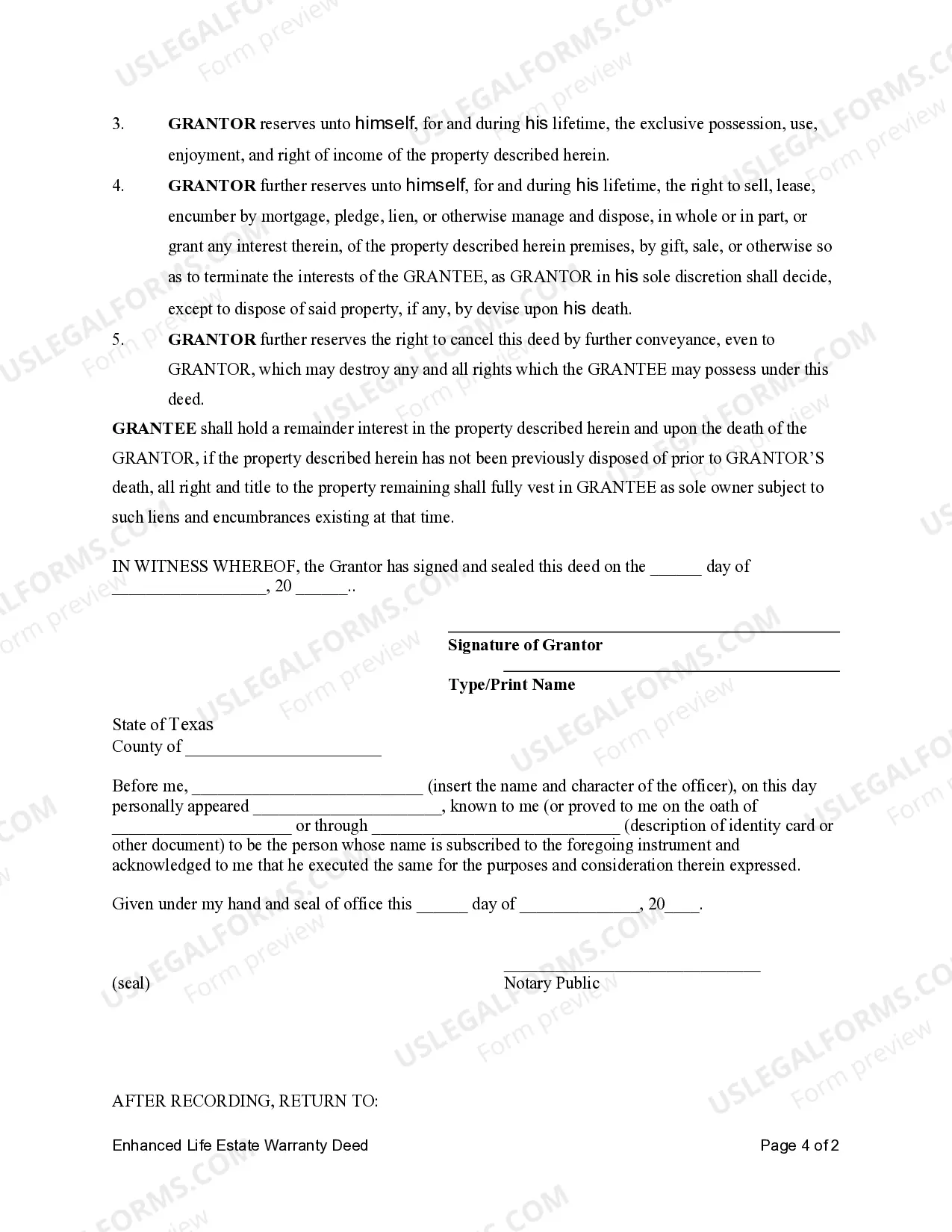




How to fill out Texas Lady Bird Or Enhanced Life Estate Warranty Deed - Individual To Individual?
- Log into your US Legal Forms account if you're a returning user, ensuring your subscription is active.
- If you're new to the service, start by exploring the available forms. Use the Preview mode to verify the form description and ensure it meets your local jurisdiction's requirements.
- If the initial form does not fit your needs, utilize the Search feature to find a suitable alternative.
- Once you find the correct document, hit the Buy Now button and select your desired subscription plan. You'll need to create an account to access the full library.
- Complete your purchase by entering your payment details, using either your credit card or PayPal account.
- After payment, download the form directly to your device and access it later through the My Forms section in your account.
Using US Legal Forms not only ensures a hassle-free experience but also guarantees access to over 85,000 editable legal forms. Plus, you have the option to consult with premium experts for help in form completion.
Ready to navigate your legal needs with ease? Visit US Legal Forms today to explore more!
Form popularity
FAQ
The disadvantages of a Bird life estate deed for sale involve specific legal limitations. For one, while it can simplify transfers, it may not shield your property from lawsuits or debts. Furthermore, if the beneficiary is facing financial troubles, the property could be at risk. Understanding these challenges allows you to make informed decisions about your estate planning.
In most cases, a Bird life estate deed for sale does indeed trump a will. The terms laid out in the deed determine how property is handled, taking precedence over any conflicting statements in the will. This ensures that beneficiaries receive the property per your wishes without delay. Proper planning can make all the difference, so consider seeking guidance on how to integrate these documents.
Yes, a Bird life estate deed for sale generally overrides a will. When both documents exist, the instructions in the ladybird deed will usually take priority. This can lead to a smoother transfer of property, minimizing complications after your death. It's crucial to keep these documents updated and reflective of your current wishes.
In estate planning, typically, a Bird life estate deed for sale takes precedence over a will. If the deed specifies certain arrangements for property transfer, those instructions usually override what the will states. This means that your property will be distributed according to your ladybird deed even if your will indicates otherwise. Always consult with an expert to ensure your estate plans are aligned.
While a Bird life estate deed for sale offers many advantages, there are some disadvantages to consider. One key factor is that it may not protect your assets from creditors, potentially putting your property at risk. Additionally, it limits your ability to sell the property without the consent of the beneficiary. These aspects are essential to evaluate when deciding on this form of estate planning.
Generally, a ladybird deed protects your house from being taken by Medicaid, as it allows you to retain control of the property during your lifetime. With a bird life estate deed for sale, the property transfers to your beneficiaries upon your death, making it less susceptible to Medicaid claims. However, it's wise to consult with an expert to understand the nuances and ensure your assets remain protected.
Filling out a ladybird deed requires specific details about the property and your beneficiaries. To create a bird life estate deed for sale, start by identifying the property, listing yourself as the life tenant, and designating your beneficiaries. It's advisable to consult a legal professional to ensure accuracy and compliance with state laws during this process.
Whether a trust is better than a ladybird deed largely depends on your specific circumstances. A bird life estate deed for sale simplifies the transfer process, while a trust offers more comprehensive tools for managing your estate. If you seek flexibility and broader asset protection, a trust might be the right choice. However, for streamlined inheritance, the ladybird deed remains a strong option.
One issue with a ladybird deed is that it may not protect your property from creditors. While a bird life estate deed for sale offers advantages, it does not guarantee complete asset protection. Additionally, you may face limitations regarding the sale or transfer of the property before your passing, which could impact your estate planning.
Yes, a ladybird deed can help you avoid probate. When you use a bird life estate deed for sale, the property automatically transfers to your chosen beneficiary upon your passing. This means that your loved ones can inherit the property quickly and without the hassle of a lengthy probate process.