Texas Taxes For Corporations
Description


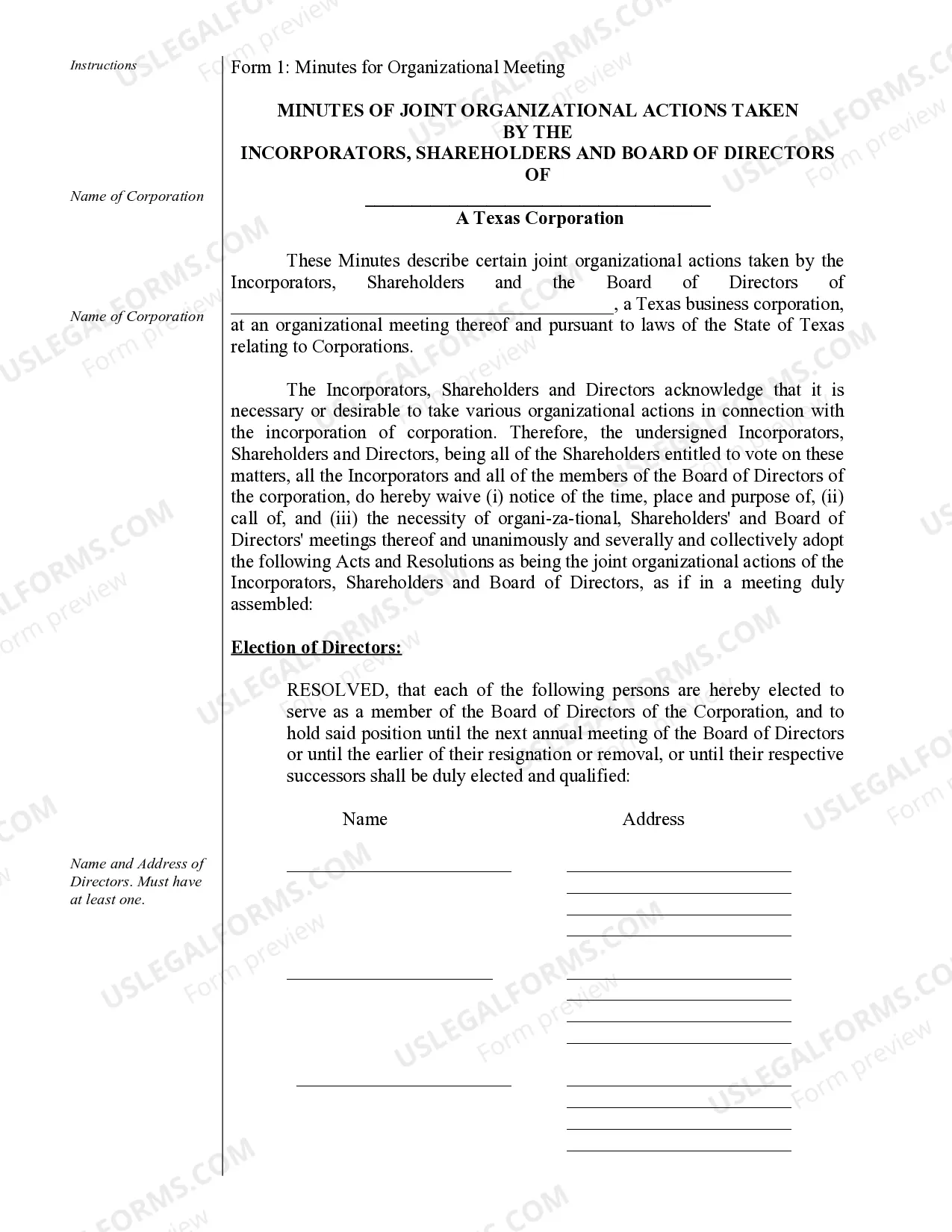
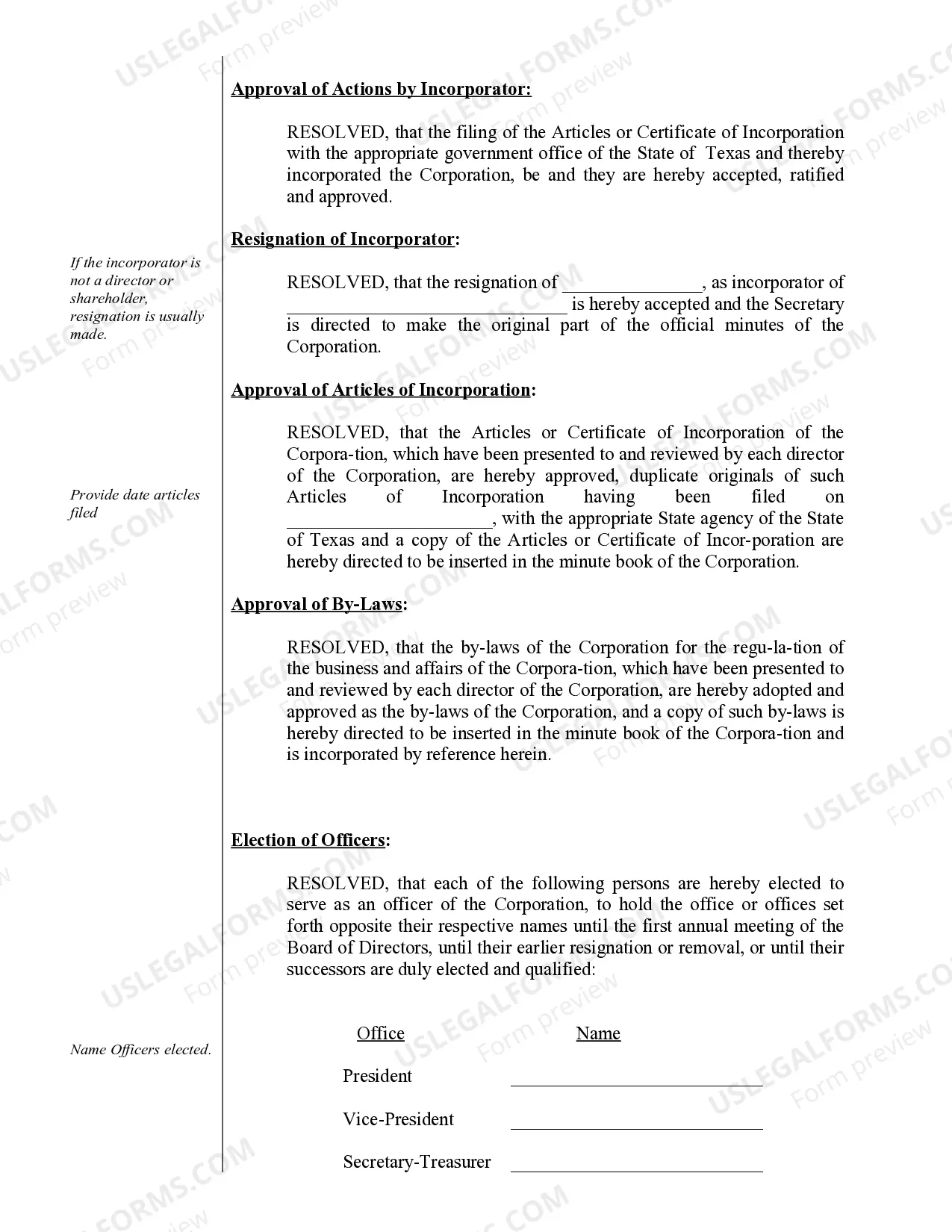
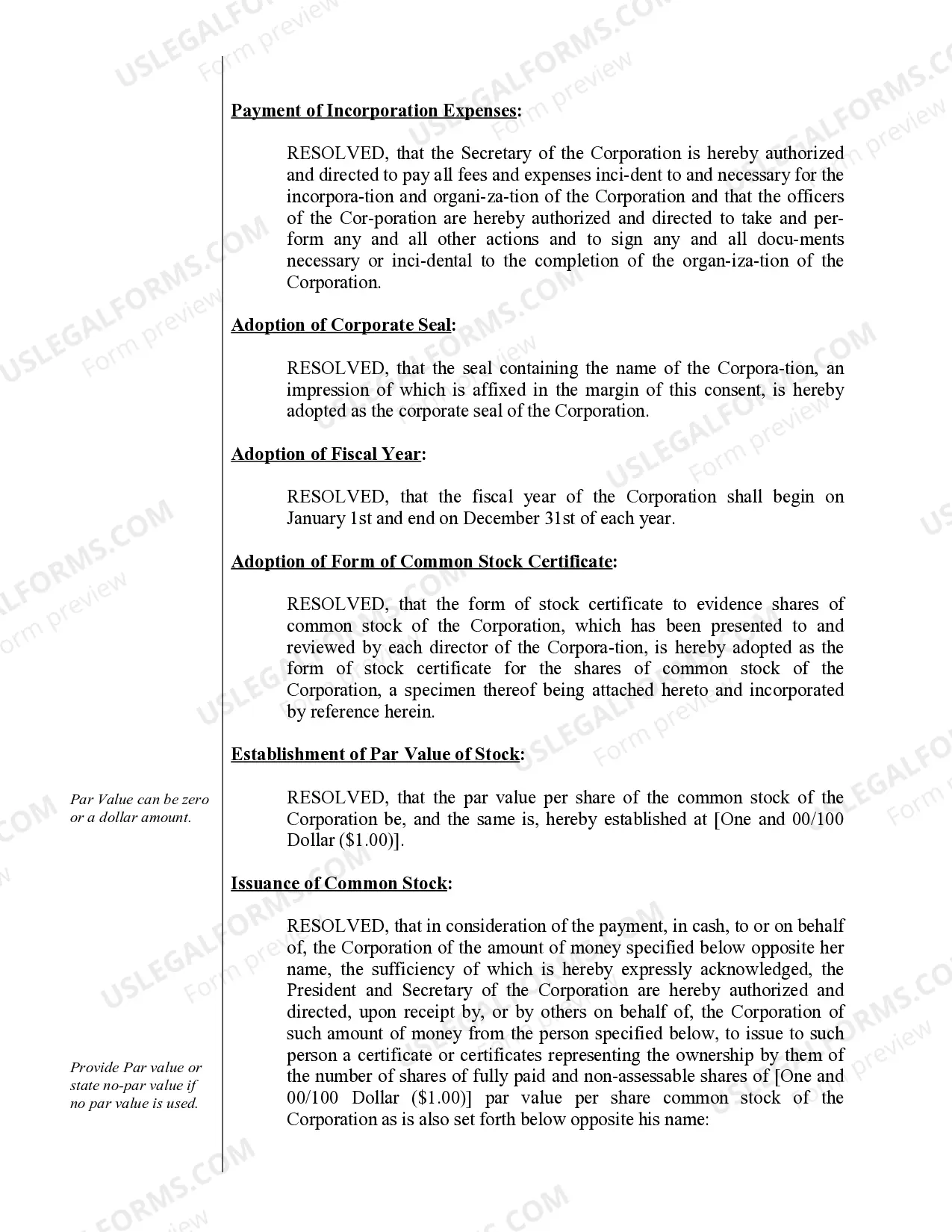
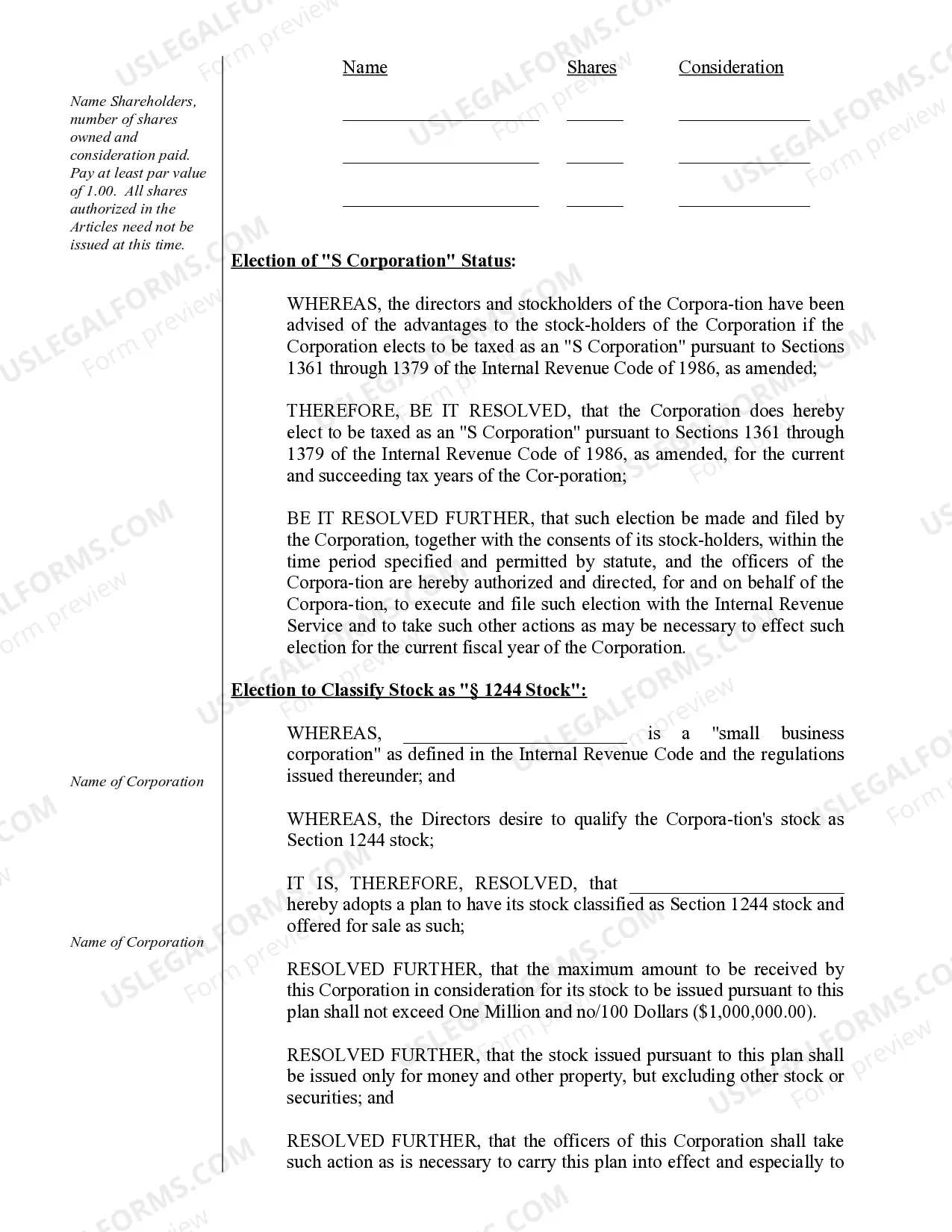
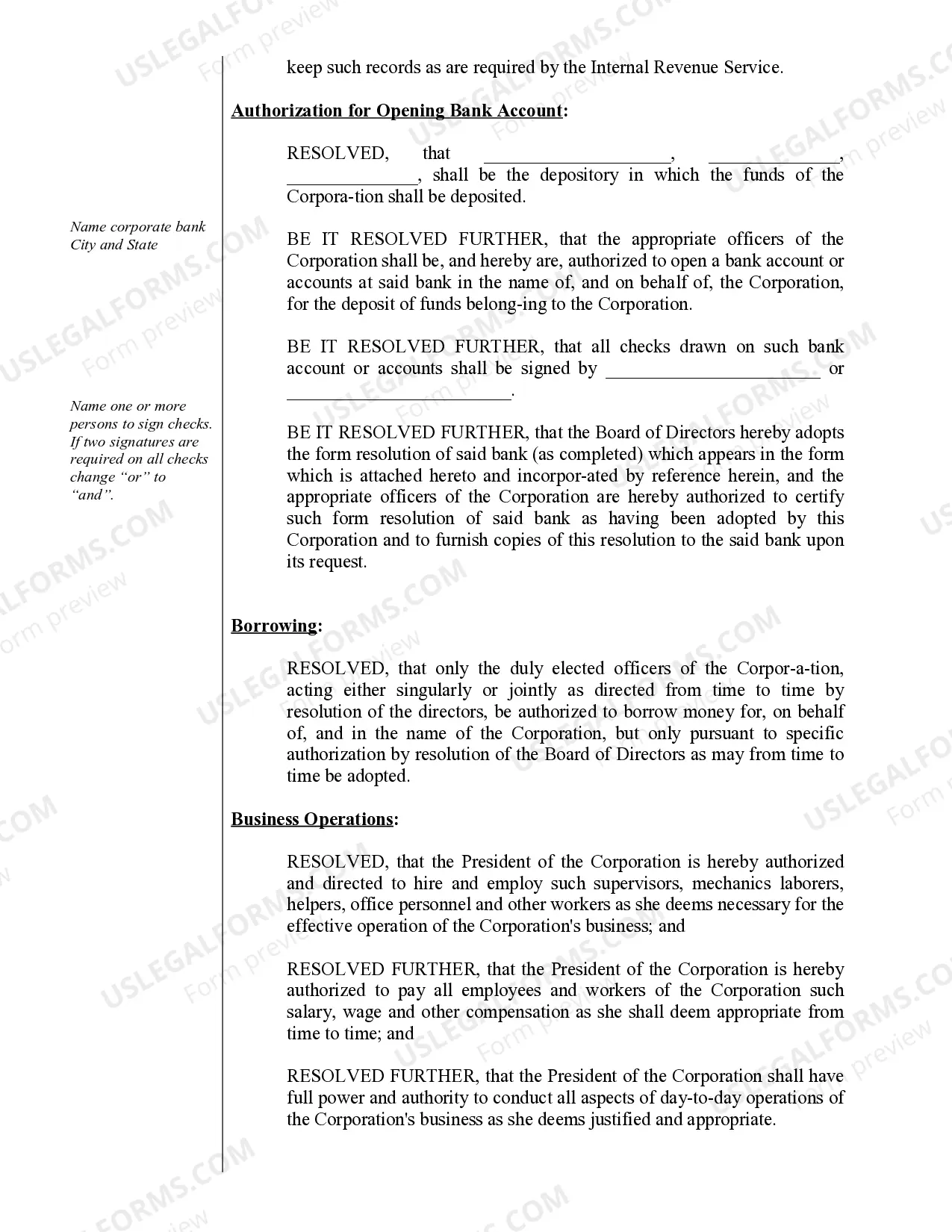
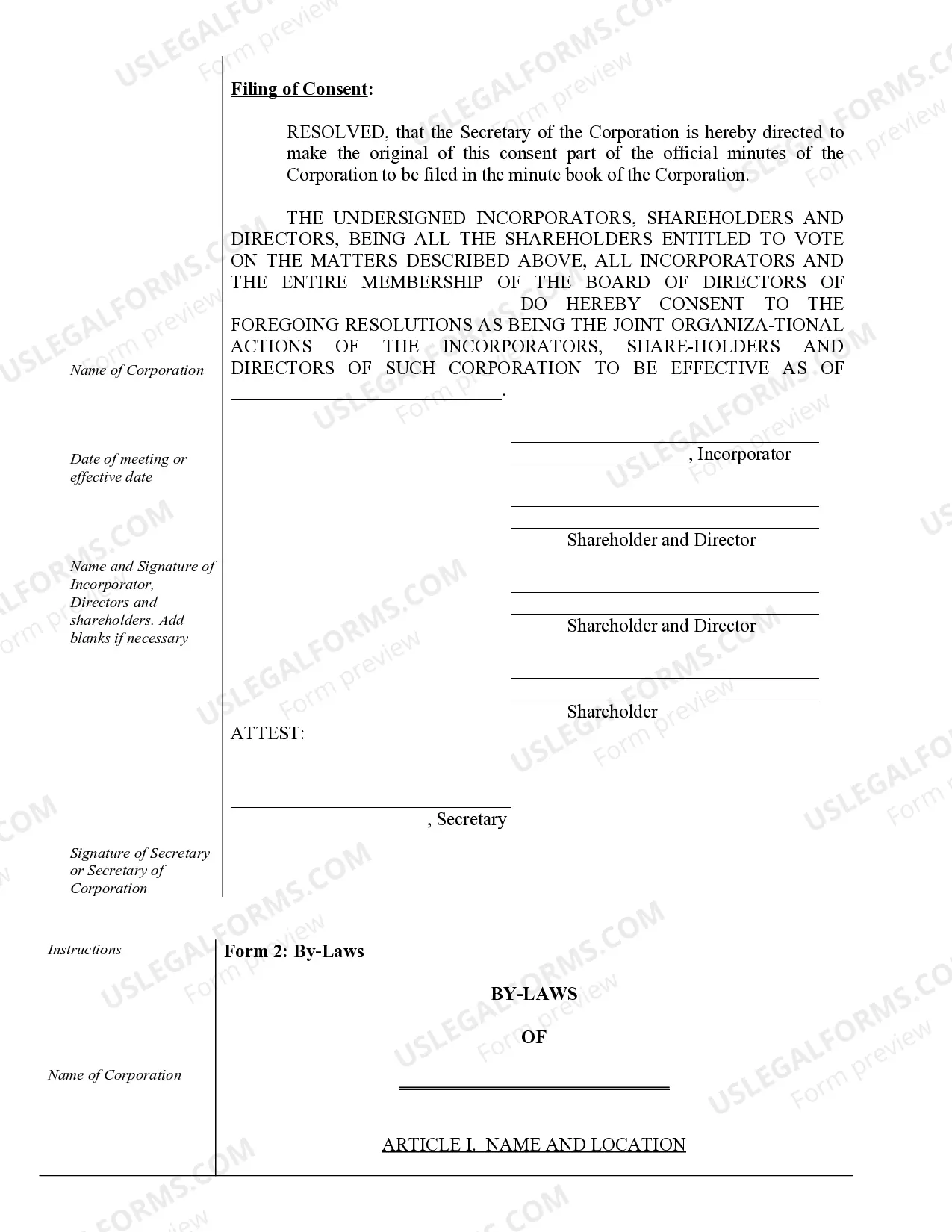
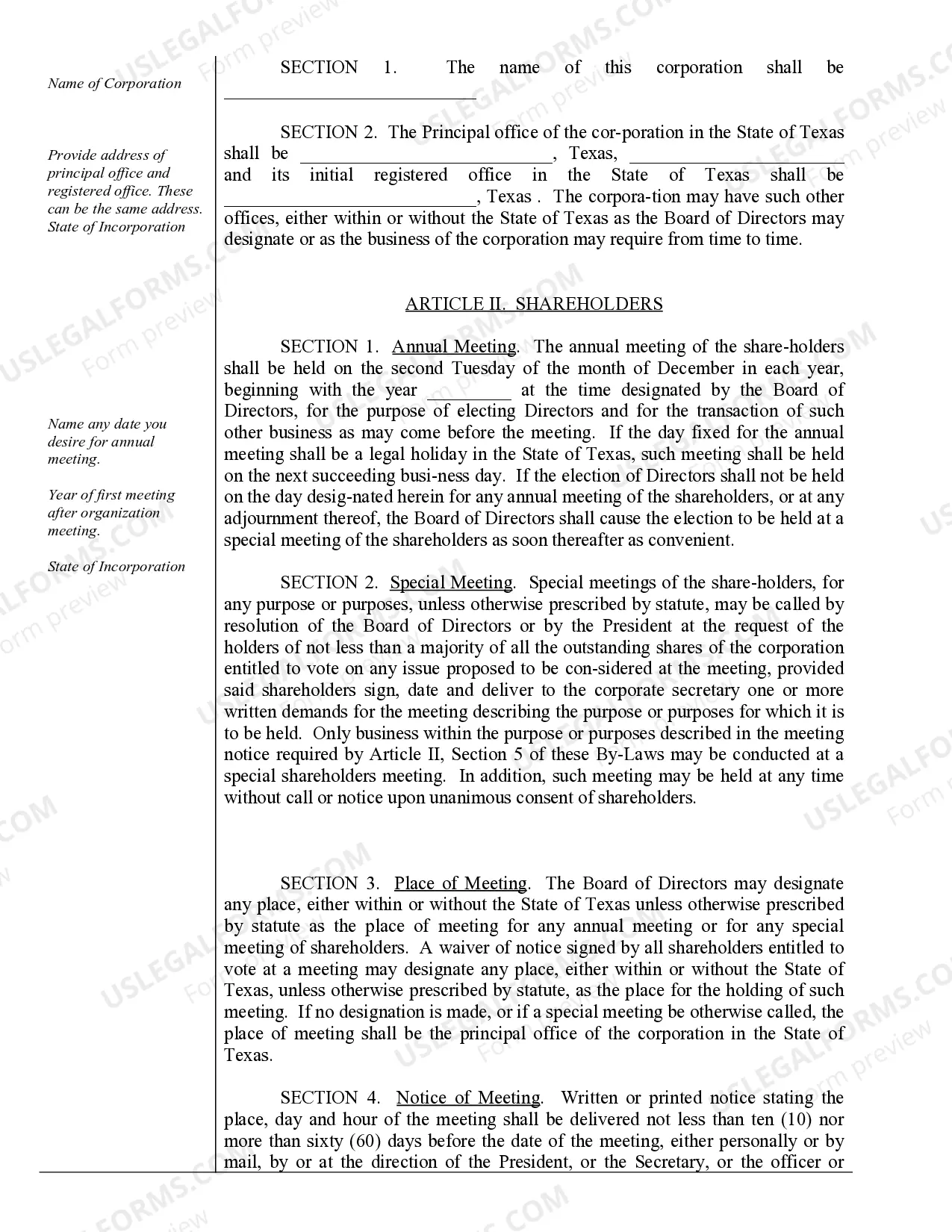
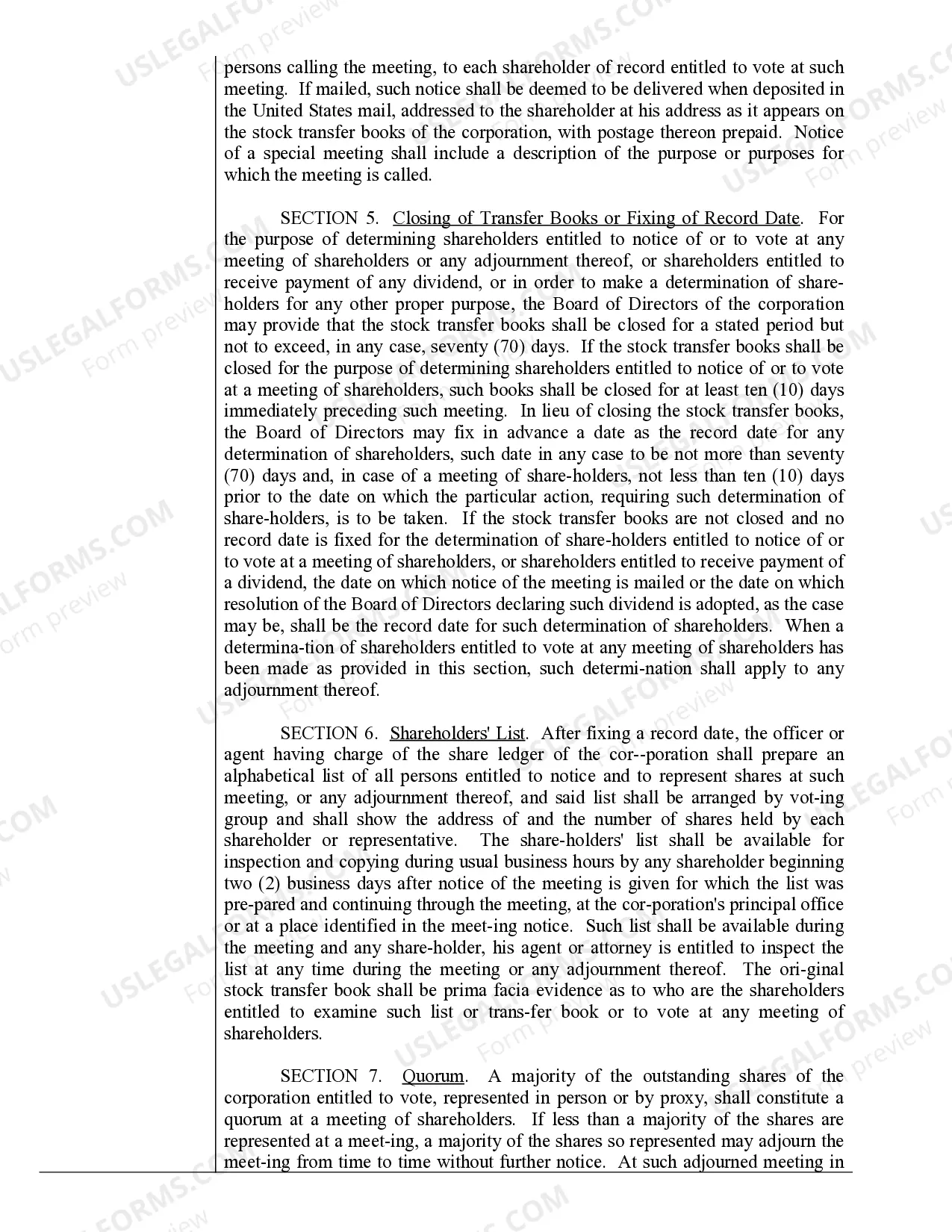


Get your form ready online
Our built-in tools help you complete, sign, share, and store your documents in one place.
Make edits, fill in missing information, and update formatting in US Legal Forms—just like you would in MS Word.
Download a copy, print it, send it by email, or mail it via USPS—whatever works best for your next step.
Sign and collect signatures with our SignNow integration. Send to multiple recipients, set reminders, and more. Go Premium to unlock E-Sign.
If this form requires notarization, complete it online through a secure video call—no need to meet a notary in person or wait for an appointment.
We protect your documents and personal data by following strict security and privacy standards.

Make edits, fill in missing information, and update formatting in US Legal Forms—just like you would in MS Word.

Download a copy, print it, send it by email, or mail it via USPS—whatever works best for your next step.

Sign and collect signatures with our SignNow integration. Send to multiple recipients, set reminders, and more. Go Premium to unlock E-Sign.

If this form requires notarization, complete it online through a secure video call—no need to meet a notary in person or wait for an appointment.

We protect your documents and personal data by following strict security and privacy standards.
Looking for another form?









How to fill out Texas Corporate Records Maintenance Package For Existing Corporations?
- If you are a returning user, simply log in to your account. Ensure your subscription is active to download the needed forms easily.
- For first-time users, start by reviewing the available forms. Make use of the Preview mode to assess if the documentation fits your requirements accurately.
- If you encounter discrepancies, utilize the Search function to find alternative templates relevant to Texas taxes for corporations.
- Once you find the correct form, hit the Buy Now button and select a suitable subscription plan that grants access to the extensive library.
- Proceed to check out by entering your payment details, using either a credit card or a PayPal account for your subscription.
- Finally, download your chosen template. Access it anytime via the My Forms section for quick completion.
In conclusion, US Legal Forms equips you with a robust collection of tools necessary for handling Texas taxes for corporations seamlessly. Their support system, including access to premium experts, ensures that users create accurate legal documents, cutting through the complexities of tax requirements.
Start your journey to hassle-free corporate tax compliance by exploring US Legal Forms today!
Form popularity
FAQ
An S Corp in Texas is generally not subject to the franchise tax, provided certain criteria are met. Instead, it enjoys pass-through taxation, where income flows directly to shareholders and is reported on their personal tax returns. This setup aligns well with Texas taxes for corporations, making it a practical choice for entrepreneurs looking to optimize their tax strategy.
One notable disadvantage of an S Corp in Texas is the restriction on the number and type of shareholders. S Corps can only have a limited number of shareholders, and they must be U.S. citizens or residents. This limitation can pose challenges for raising capital and could impact your company’s growth trajectory compared to other corporate structures.
No, you are not double taxed as an S Corp. In Texas, S Corporations are treated as pass-through entities, meaning that income is only taxed at the individual level and not at the corporate level. This structure significantly reduces the overall tax liability, allowing you to focus on growing your business rather than worrying about complex tax obligations.
Forming an S Corporation in Texas offers several advantages for business owners. Firstly, S Corps allow for pass-through taxation, meaning the profits are taxed only at the shareholder level, effectively minimizing the burden of double taxation. Additionally, Texas taxes for corporations like S Corps are often more favorable than those for larger corporate structures, making it easier to reinvest in your business.
In Texas, LLCs are subject to franchise taxes, similar to corporations. The tax is based on the revenue of the LLC, aligning with Texas taxes for corporations overall. Additionally, LLC owners must consider federal tax obligations as these can also affect overall tax liability.
Yes, corporations operating in Texas must file an annual franchise tax report with the state. This requirement reflects Texas taxes for corporations, which are structured differently than personal income taxes. Failure to comply can lead to penalties, so it’s vital to stay informed and timely with filings.
Texas imposes several taxes that businesses must consider. These include franchise taxes, which are calculated based on revenue, and sales taxes for goods and services sold. Understanding Texas taxes for corporations is crucial to ensure compliance and maintain financial health in your business.
Not all areas in Texas have the same sales tax rate. The state has a base rate of 6.25%, but local jurisdictions can add their own taxes, bringing the total to 8.25% in many areas. Therefore, when you consider Texas taxes for corporations, it's essential to check the local tax rates that may apply to your business operations.
Yes, all corporations operating in Texas, including LLCs taxed as corporations, must file a franchise tax return. This tax is based on the revenue generated and is part of the broader regulations of Texas taxes for corporations. Ensuring timely filings is crucial to maintain your business standing. Uslegalforms provides resources that simplify understanding and managing these obligations.
Yes, a Texas LLC must file a tax return, even if it does not owe taxes. All LLCs in Texas are required to submit a Franchise Tax Report annually. Keeping up with these filings is vital for compliance with Texas taxes for corporations and helps avoid penalties. You can utilize services from uslegalforms to simplify this process.