Statement Claim Form Online With Example
Description
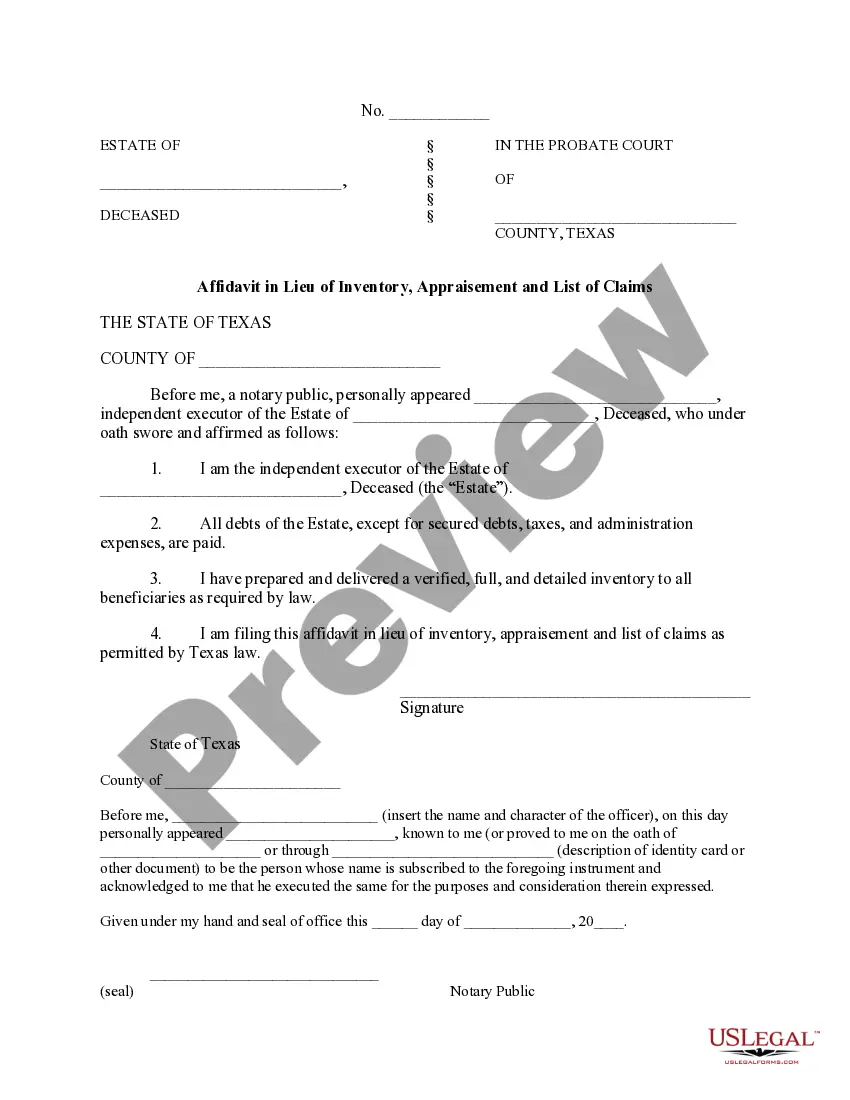
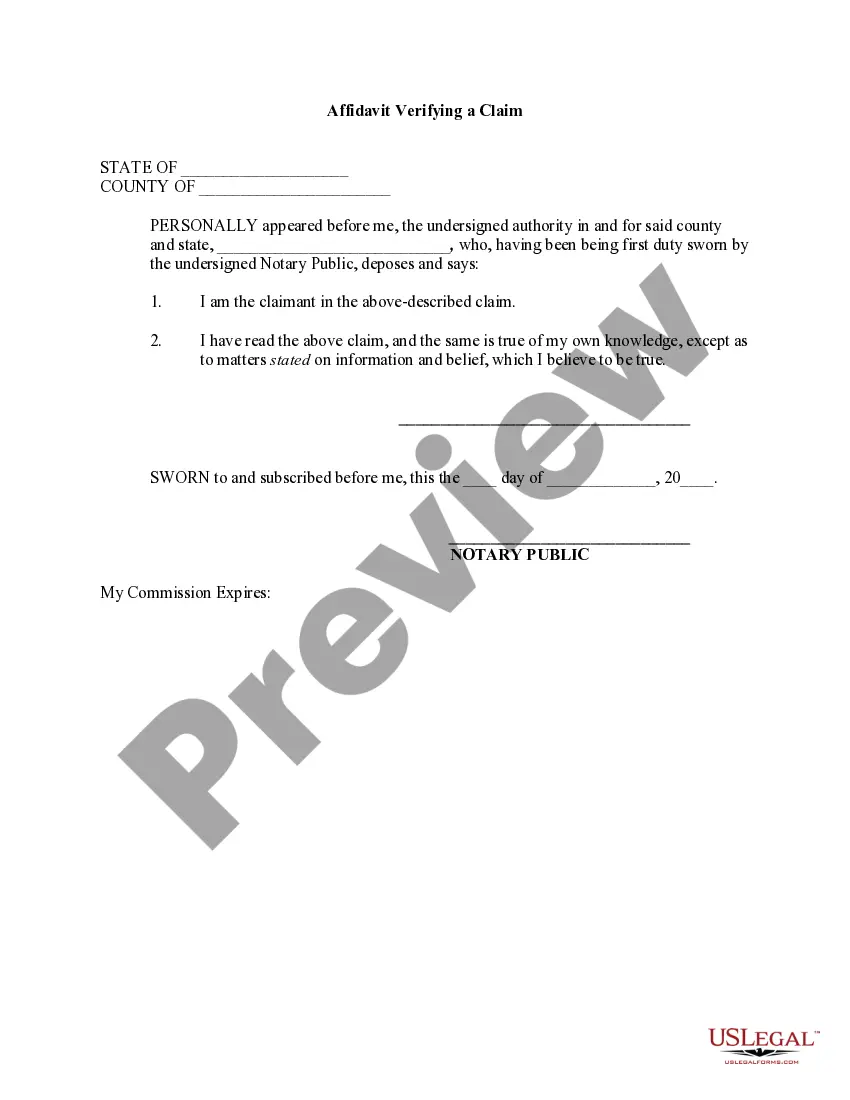
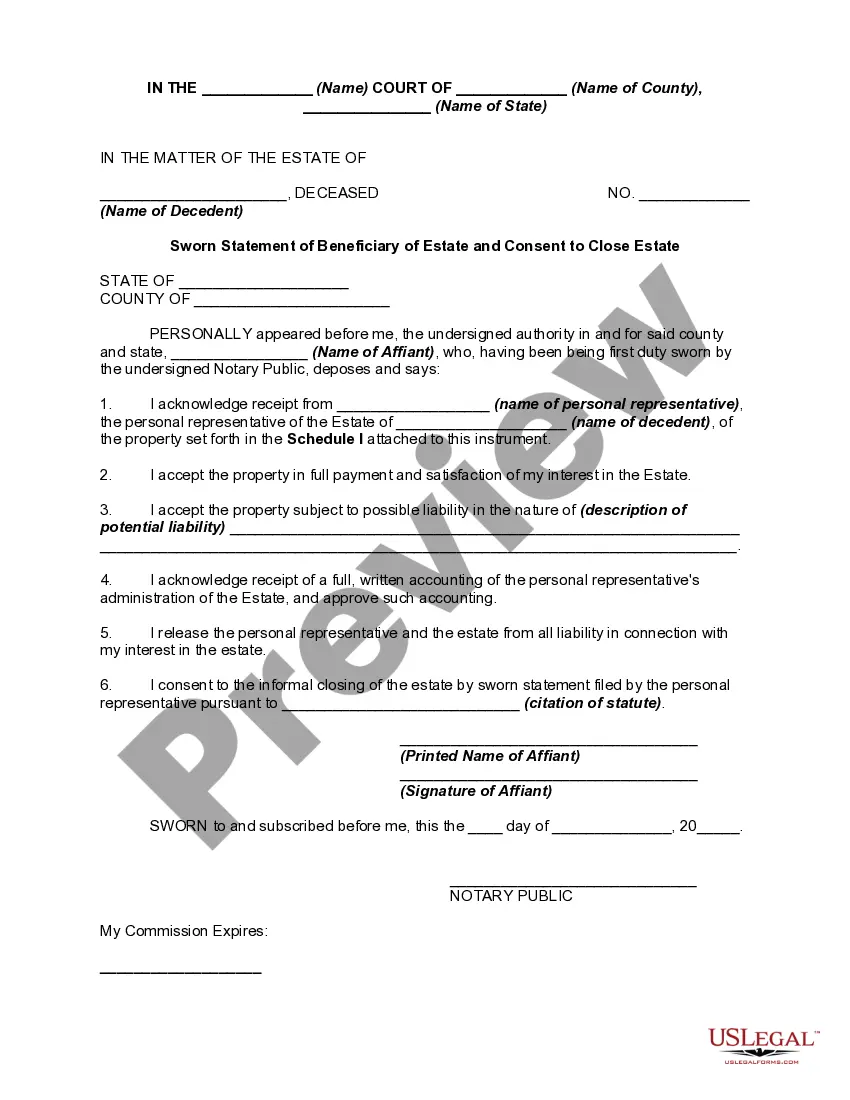
Get your form ready online
Our built-in tools help you complete, sign, share, and store your documents in one place.
Make edits, fill in missing information, and update formatting in US Legal Forms—just like you would in MS Word.
Download a copy, print it, send it by email, or mail it via USPS—whatever works best for your next step.
Sign and collect signatures with our SignNow integration. Send to multiple recipients, set reminders, and more. Go Premium to unlock E-Sign.
If this form requires notarization, complete it online through a secure video call—no need to meet a notary in person or wait for an appointment.
We protect your documents and personal data by following strict security and privacy standards.

Make edits, fill in missing information, and update formatting in US Legal Forms—just like you would in MS Word.

Download a copy, print it, send it by email, or mail it via USPS—whatever works best for your next step.

Sign and collect signatures with our SignNow integration. Send to multiple recipients, set reminders, and more. Go Premium to unlock E-Sign.

If this form requires notarization, complete it online through a secure video call—no need to meet a notary in person or wait for an appointment.

We protect your documents and personal data by following strict security and privacy standards.
Looking for another form?
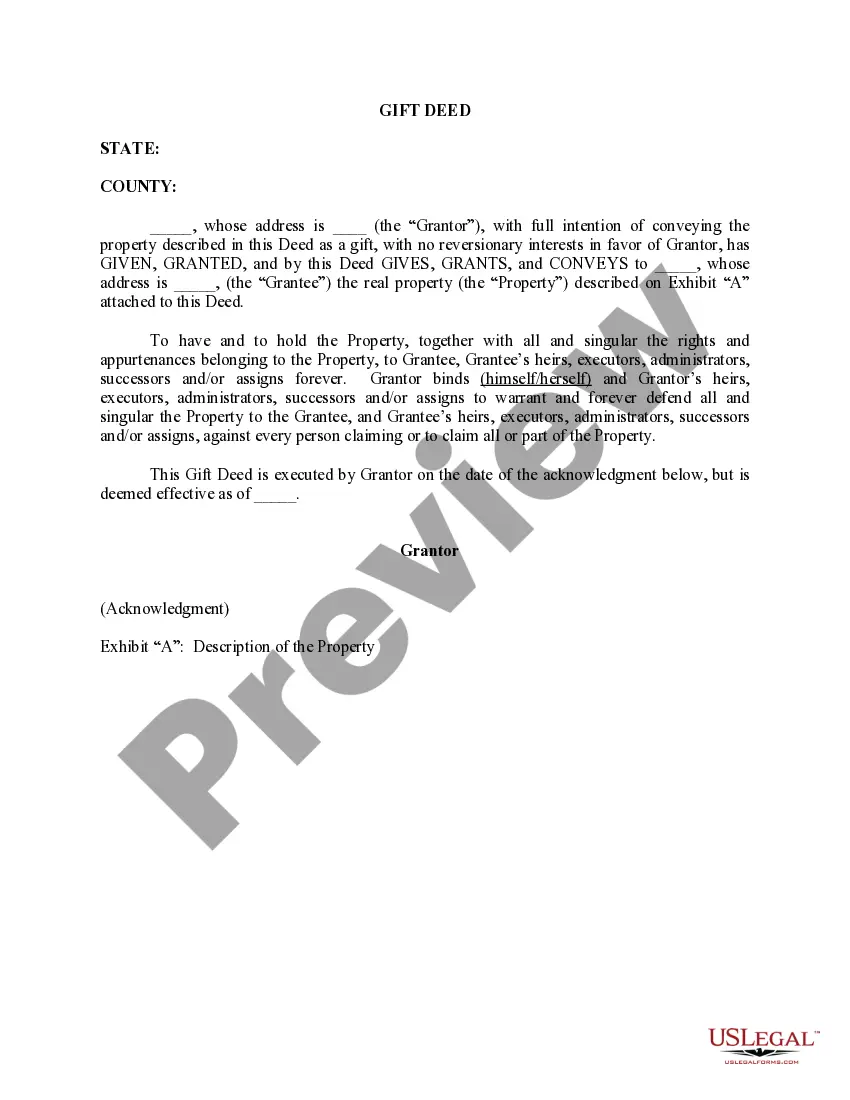
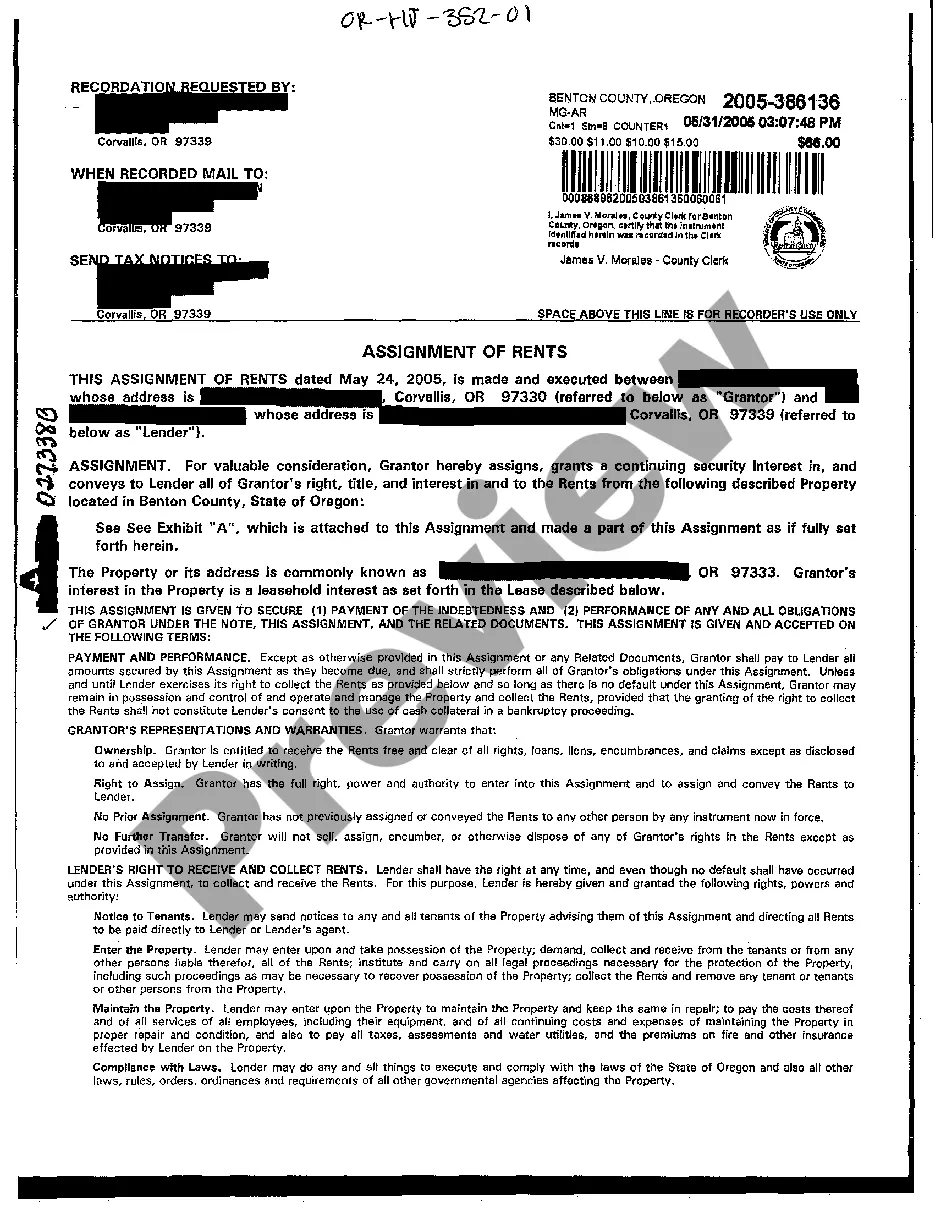
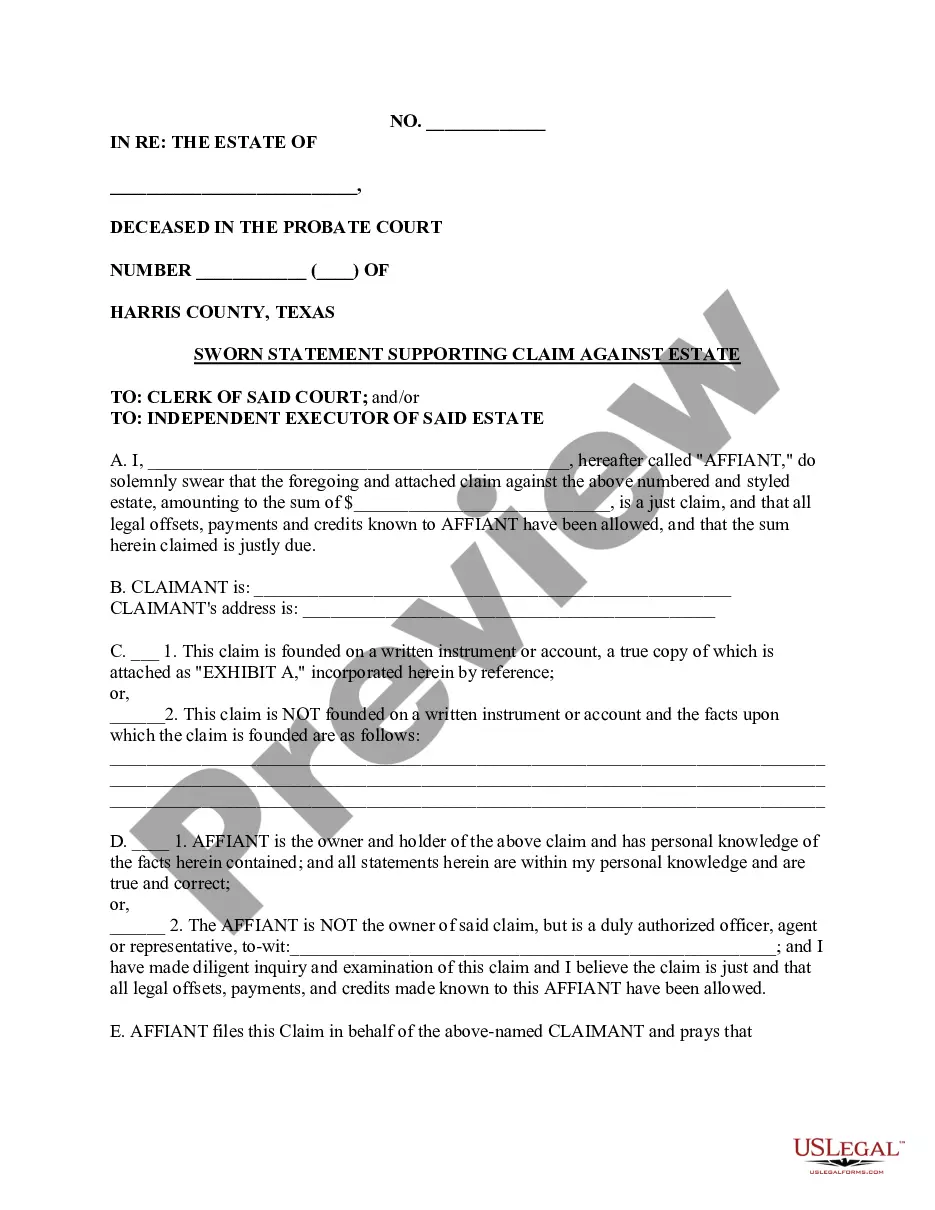
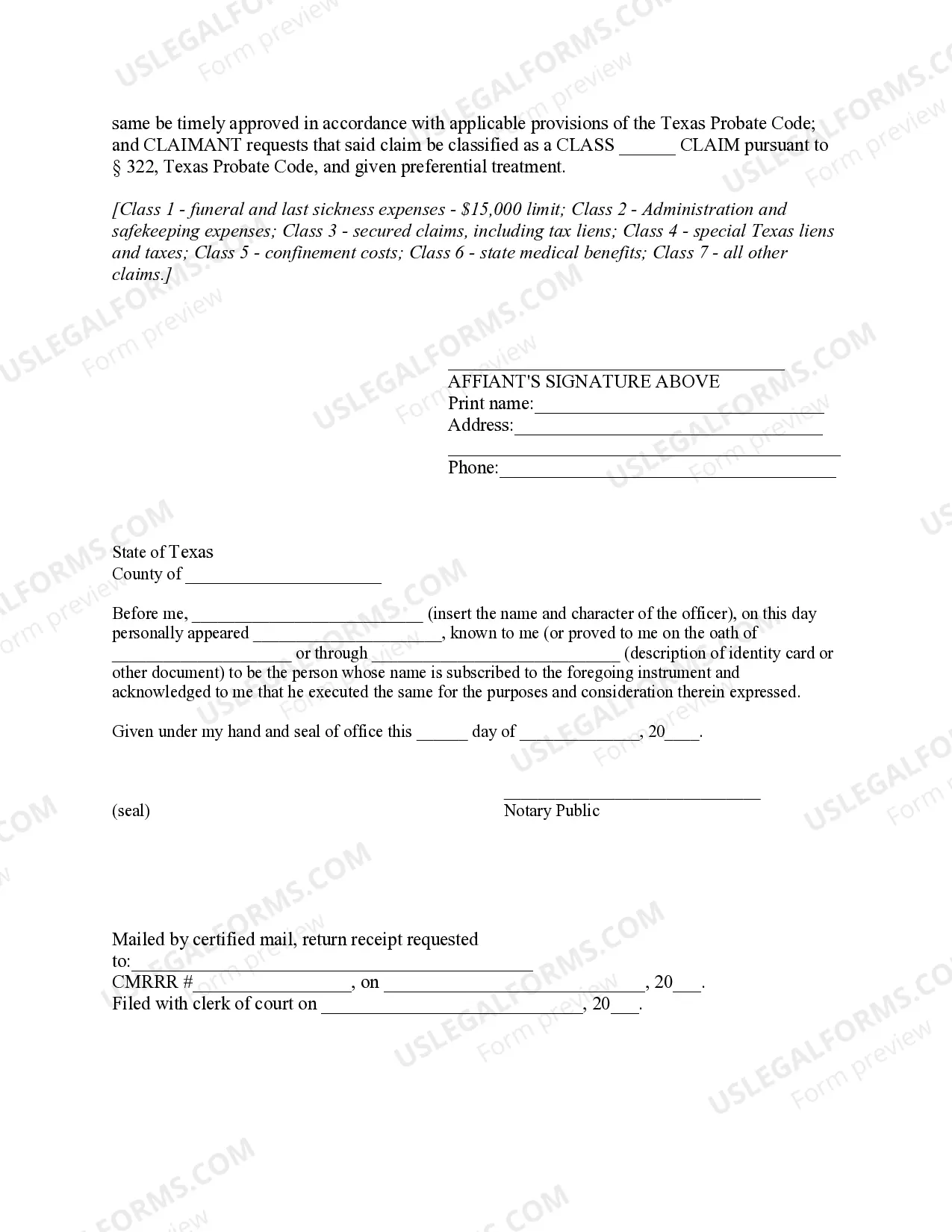
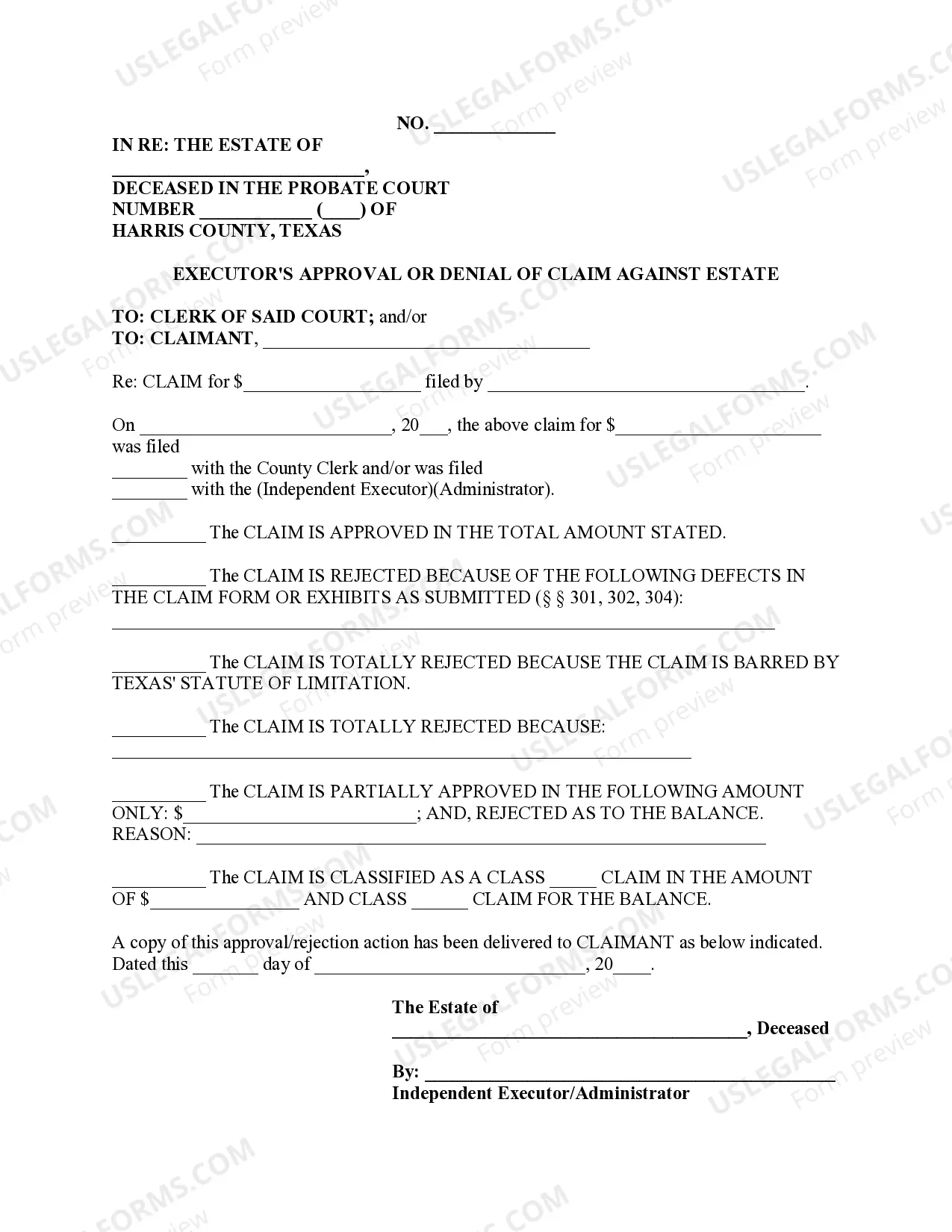
How to fill out Texas Sworn Statement Supporting Claim Against Estate?
Whether for corporate purposes or personal matters, everyone must handle legal situations at some point in their lives.
Completing legal documentation requires meticulous attention, beginning with selecting the correct form template.
With an extensive US Legal Forms catalog available, you do not need to waste time searching for the suitable template online. Use the library’s simple navigation to find the right template for any occasion.
- Locate the template you need using the search bar or catalog navigation.
- Review the form’s details to ensure it aligns with your case, state, and locality.
- Click on the form’s preview to review it.
- If it is the incorrect document, return to the search feature to find the Statement Claim Form Online With Example sample you need.
- Download the template if it satisfies your criteria.
- If you possess a US Legal Forms account, simply click Log in to access previously saved templates in My documents.
- If you do not have an account yet, you may acquire the form by clicking Buy now.
- Choose the appropriate pricing option.
- Fill out the account registration form.
- Select your payment method: use a credit card or PayPal account.
- Choose the document format you prefer and download the Statement Claim Form Online With Example.
- Once it is downloaded, you can complete the form using editing software or print it and finish it manually.
Form popularity
FAQ
Particulars of claim It should include the names of the parties, the court, the claim number and your address for service and also contain a statement of truth. You should keep a copy for yourself, provide one for the court, one for each defendant and one for all other parties in the main claim.
It is not a good idea to ignore a statement of claim. If you do not take action within 28 days the plaintiff may get a default judgment against you without you attending court or being notified. The default judgment can then be enforced. Having a judgment against you may also affect your credit rating.
Your options are: negotiate with the plaintiff. agree to pay the entire debt. agree to pay the debt in instalments. file a defence (asserting that you deny the entire claim or part of the claim) file a statement of cross-claim (asserting that you have a counter-claim against the plaintiff or a third party.
The Civil Procedure Rules (CPR) The rule provides that if serving the claim form by e-mail a solicitor acting for the defendant must previously have indicated in writing to the party serving the claim form that they are willing to accept service by e-mail and provide an e-mail address.
The particulars of claim can be set out on form N1 itself or in a separate document (which must include the title of the proceedings, name of the Court, the claim number and the names of the parties). If the claimant seeks aggravated, exemplary or provisional damages this should be stated, and why.