Purchaser For Value
Description
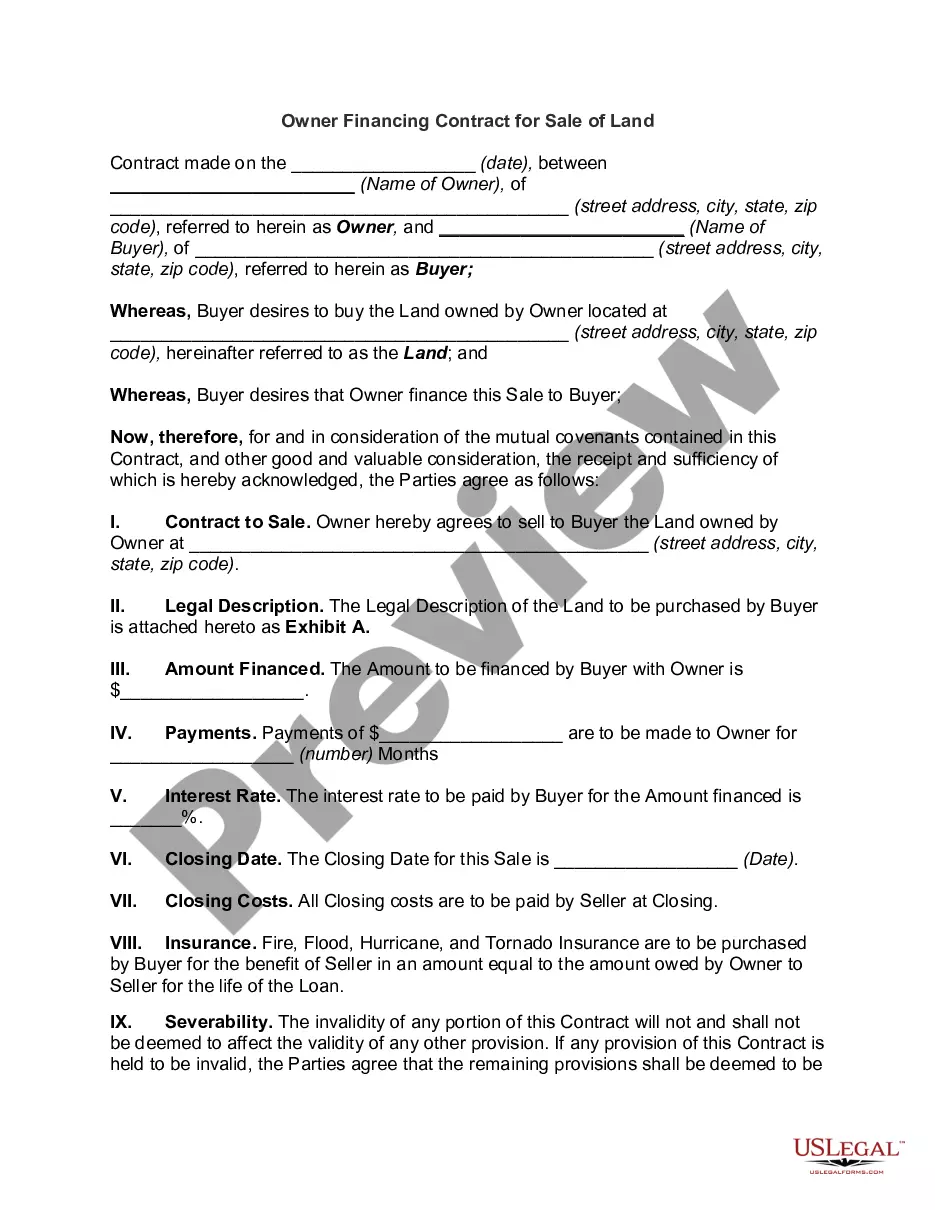
Get your form ready online
Our built-in tools help you complete, sign, share, and store your documents in one place.
Make edits, fill in missing information, and update formatting in US Legal Forms—just like you would in MS Word.
Download a copy, print it, send it by email, or mail it via USPS—whatever works best for your next step.
Sign and collect signatures with our SignNow integration. Send to multiple recipients, set reminders, and more. Go Premium to unlock E-Sign.
If this form requires notarization, complete it online through a secure video call—no need to meet a notary in person or wait for an appointment.
We protect your documents and personal data by following strict security and privacy standards.

Make edits, fill in missing information, and update formatting in US Legal Forms—just like you would in MS Word.

Download a copy, print it, send it by email, or mail it via USPS—whatever works best for your next step.

Sign and collect signatures with our SignNow integration. Send to multiple recipients, set reminders, and more. Go Premium to unlock E-Sign.

If this form requires notarization, complete it online through a secure video call—no need to meet a notary in person or wait for an appointment.

We protect your documents and personal data by following strict security and privacy standards.
Looking for another form?

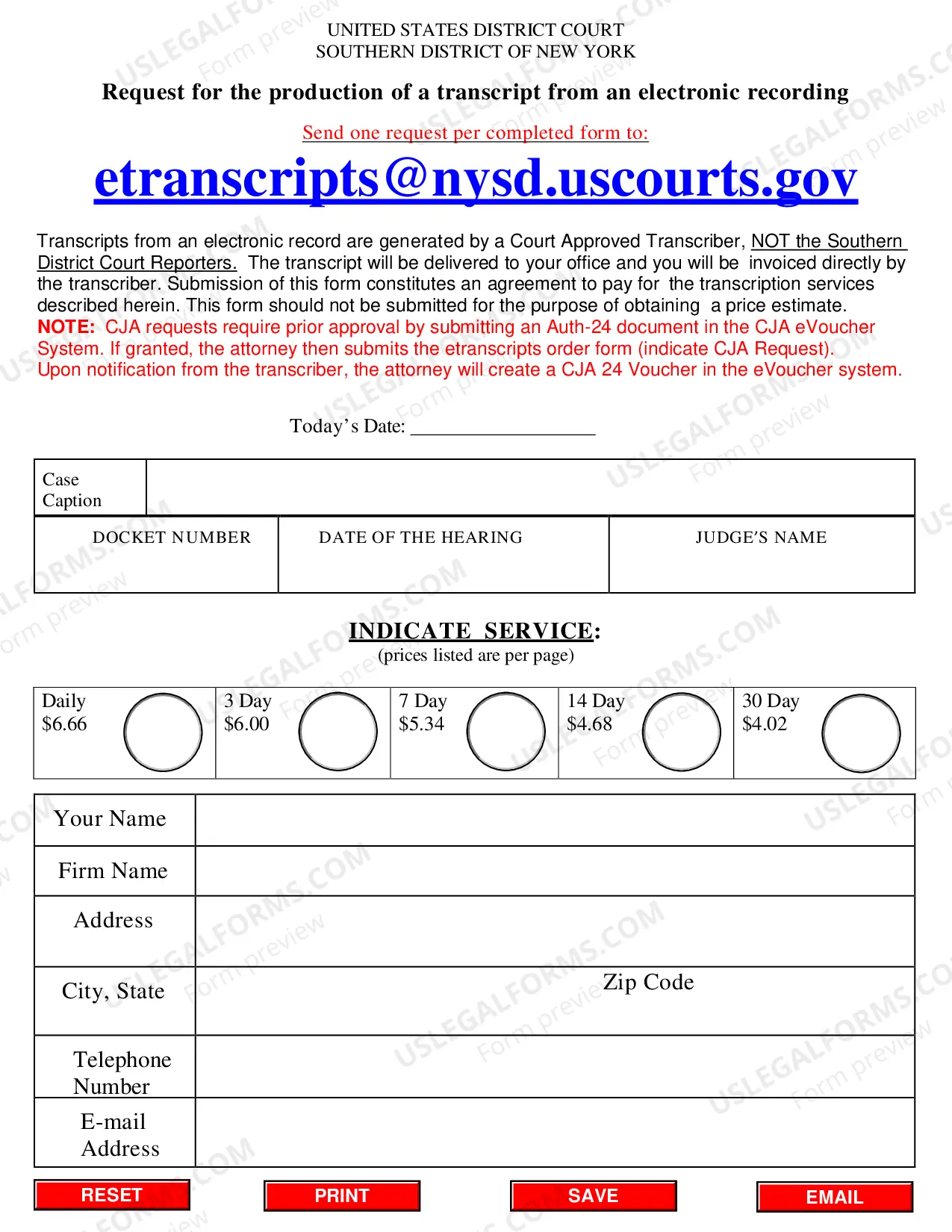
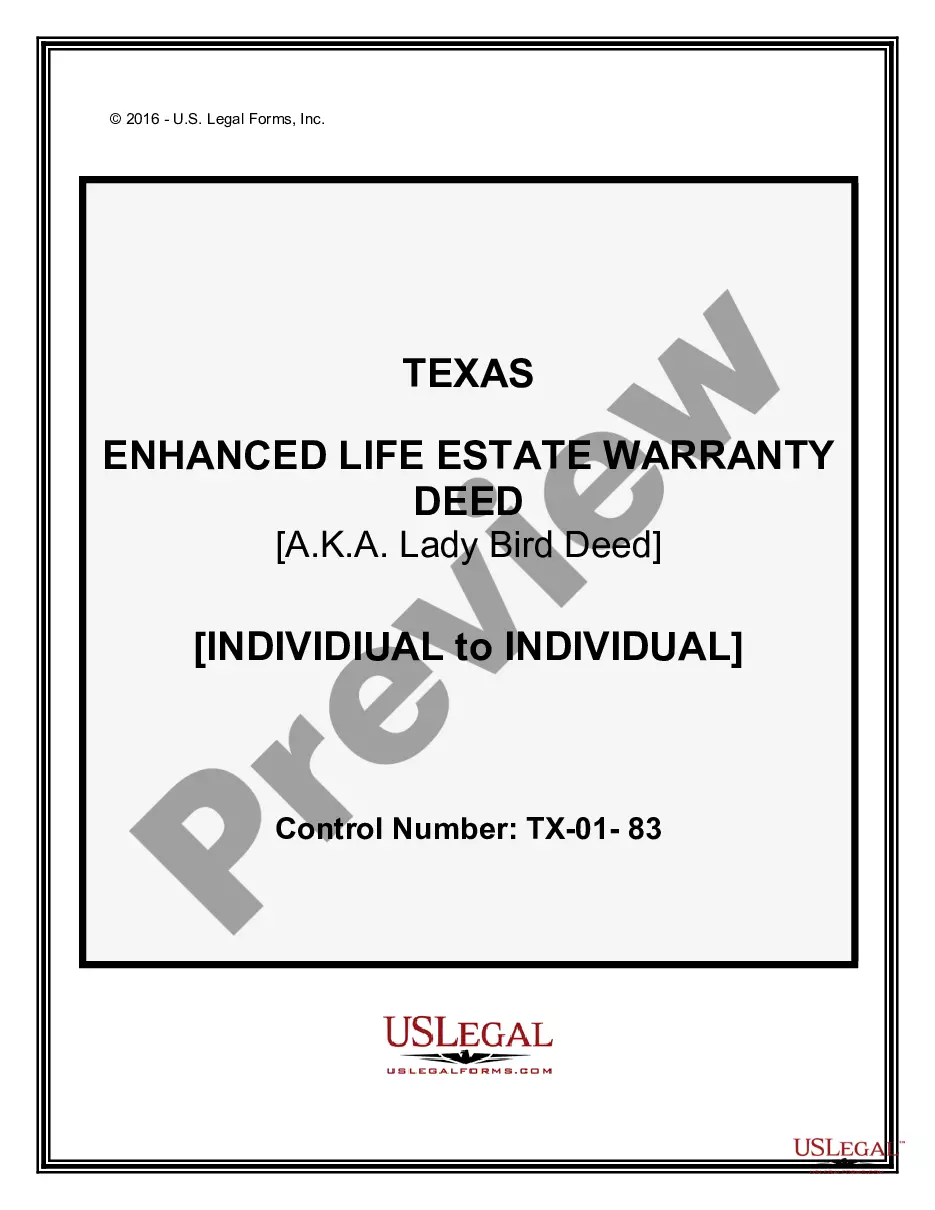





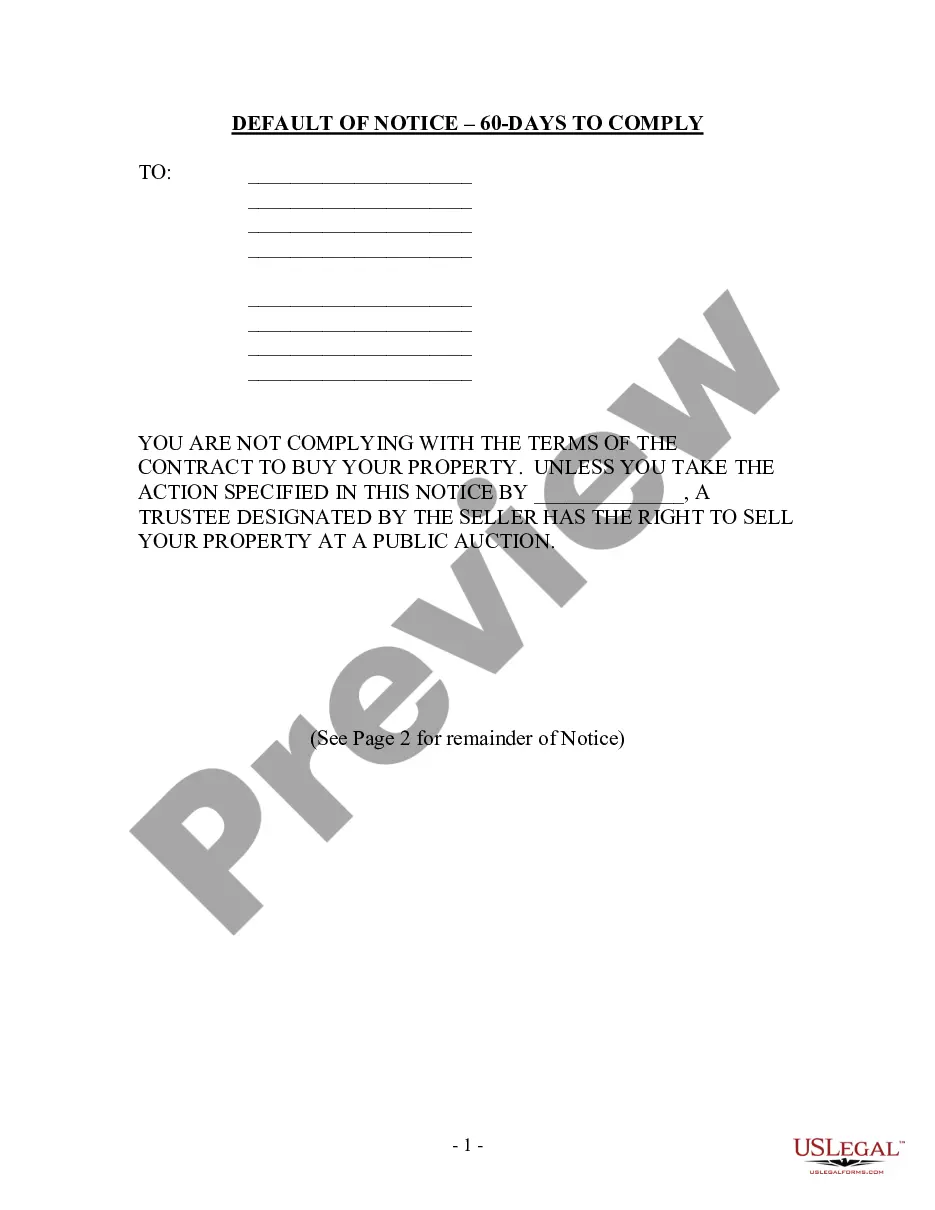
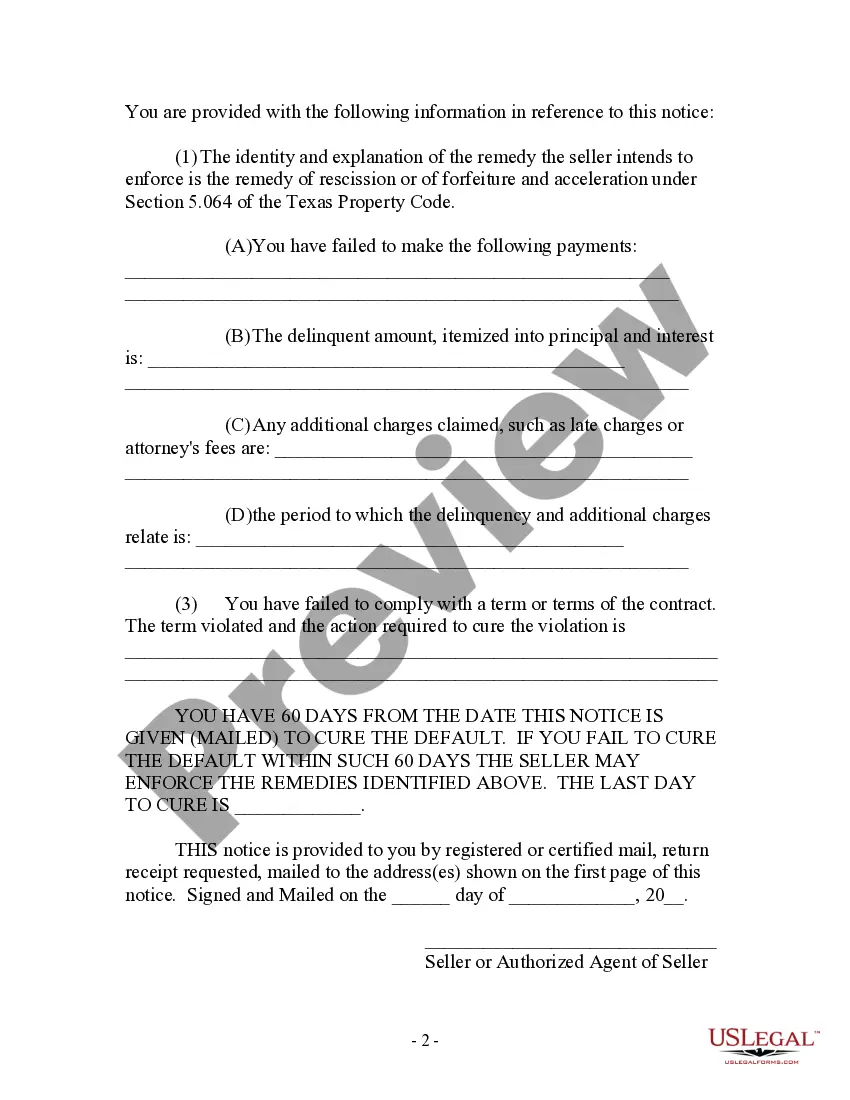
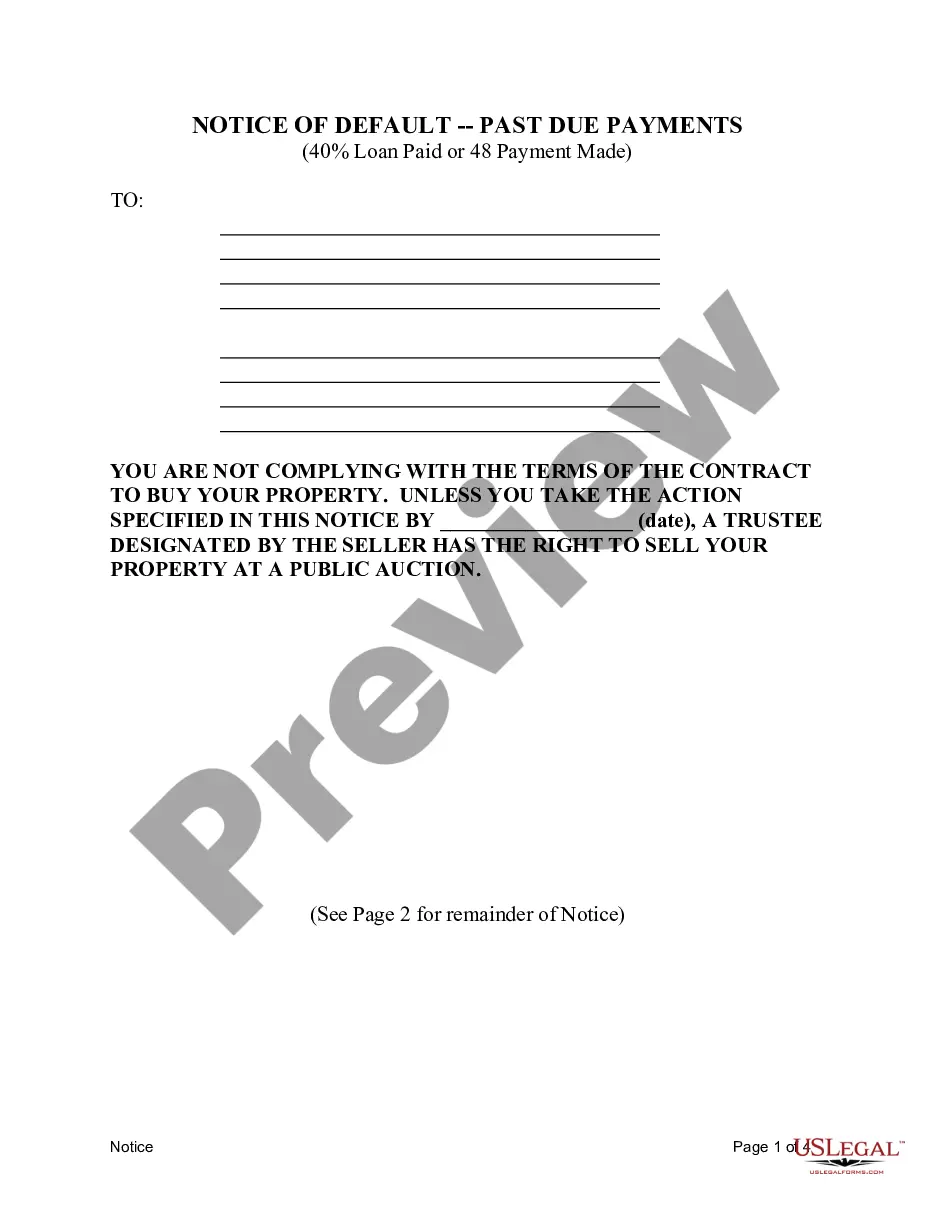
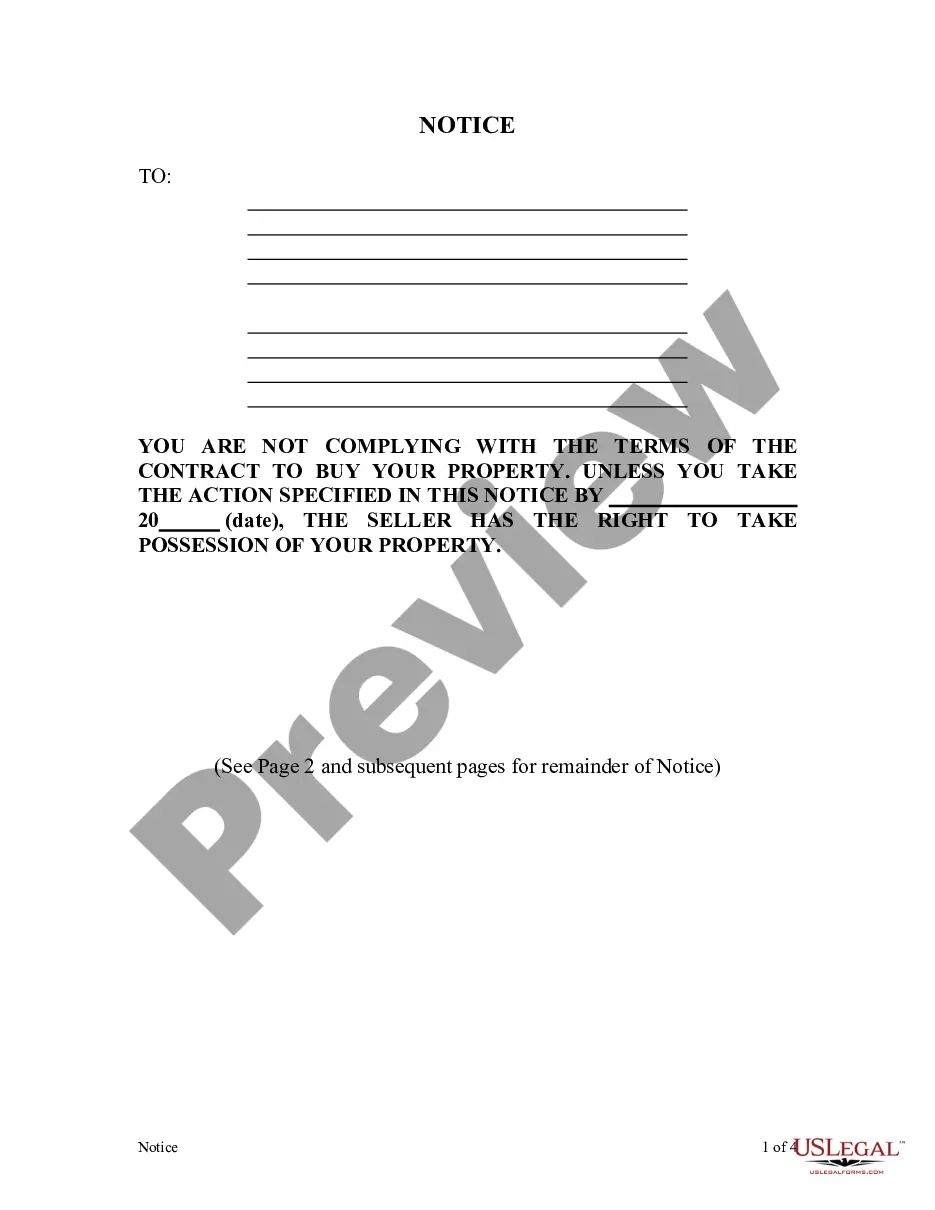
How to fill out Texas Contract For Deed Notice Of Default By Seller To Purchaser Where Purchaser Paid 40 Percent Or Made 48 Payments?
- If you're a returning user, simply log in to your account and download the required form template directly by clicking the Download button. Ensure your subscription is active; if not, renew it based on your selected payment plan.
- For first-time users, start by checking the Preview mode and the form description to confirm it aligns with your needs and complies with your local jurisdiction.
- If adjustments are necessary, utilize the Search tab to locate another template that fits your criteria better. Once satisfied, proceed to the next step.
- Purchase the desired document by clicking the Buy Now button and selecting your preferred subscription plan. Registration is required to access the full library of resources.
- Complete your purchase by providing credit card details or logging into your PayPal account for a seamless transaction.
- Download your selected form to your device and access it anytime from the My Forms section of your profile.
With US Legal Forms, you can empower yourself legally by efficiently obtaining the necessary documentation. Their robust collection of forms surpasses competitors, ensuring you have access to what you need at a competitive cost.
Don’t hesitate—start your journey with US Legal Forms today and enjoy the ease of legal documentation!
Form popularity
FAQ
An example of a good-faith purchaser is someone who purchases a property after conducting reasonable due diligence and ensuring there are no liens or disputes. For instance, if a buyer checks public records and finds no legal claims against a property, they act in good faith. Thus, they qualify as a bona fide purchaser for value, which can safeguard their investment.
Yes, a bona fide purchaser for value can potentially be sued, but they often have legal protections. If a buyer acts in good faith and without knowledge of issues, the law generally shields them from claims related to prior owners. However, it is essential to understand the specifics of each case, as certain circumstances may lead to legal challenges.
Yes, you can sometimes indicate $0 on a title if the transfer is a gift or involved another valid transaction, but this may affect your position as a purchaser for value. It's important to check your state's regulations, as this can vary. Make sure that both parties agree on the transaction details to prevent any misunderstandings. For a smoother experience, consider using USLegalForms to guide you through the process.
When you buy a car, filling out the title correctly is crucial for establishing yourself as the purchaser for value. First, ensure you have the seller's signature in the appropriate area. Next, write your name, address, and the date of sale. Finally, transfer the title to your name by completing all necessary sections to avoid issues during registration.
An example of a purchaser might be someone who buys a piece of land for real estate development, paying upfront without any liens attached. This buyer engages in a transaction that provides them with the distinct rights associated with ownership. Emphasizing the role of a purchaser for value can help clarify your position and rights in such transactions.
The defense of a bona fide purchaser for value arises when a buyer of property acquires it without any notice of defects or claims against it. This defense safeguards the buyer from previous claims or legal challenges related to the property. Knowing the importance of a purchaser for value helps in maintaining rightful ownership and avoiding disputes.
A BFP, or bona fide purchaser, in real estate refers to someone who buys property without knowledge of any existing claims or encumbrances. This status protects the buyer from prior interests in the property, ensuring a clear title. Understanding the role of a purchaser for value is critical, as it establishes rights and security in real estate transactions.
Getting potential buyers involves developing a comprehensive marketing strategy tailored to your business. Use online marketing, networking events, and targeted campaigns to reach interested parties. Resources from US Legal Forms can help ensure all legal documents are ready, increasing your credibility as a seller.
To secure a purchaser for value, leverage your existing contacts and industry networks. Create a well-prepared company profile to showcase its strengths. Additionally, consider entering into discussions on dedicated business sale platforms where you can meet potential buyers actively seeking opportunities.
Finding a buyer for your company starts with a clear understanding of your business value. Engage with professionals in business brokerage or investment firms who specialize in this area. Furthermore, using tools available through US Legal Forms can facilitate transactions and negotiations, helping you attract serious buyers.