Executory Document For The Right
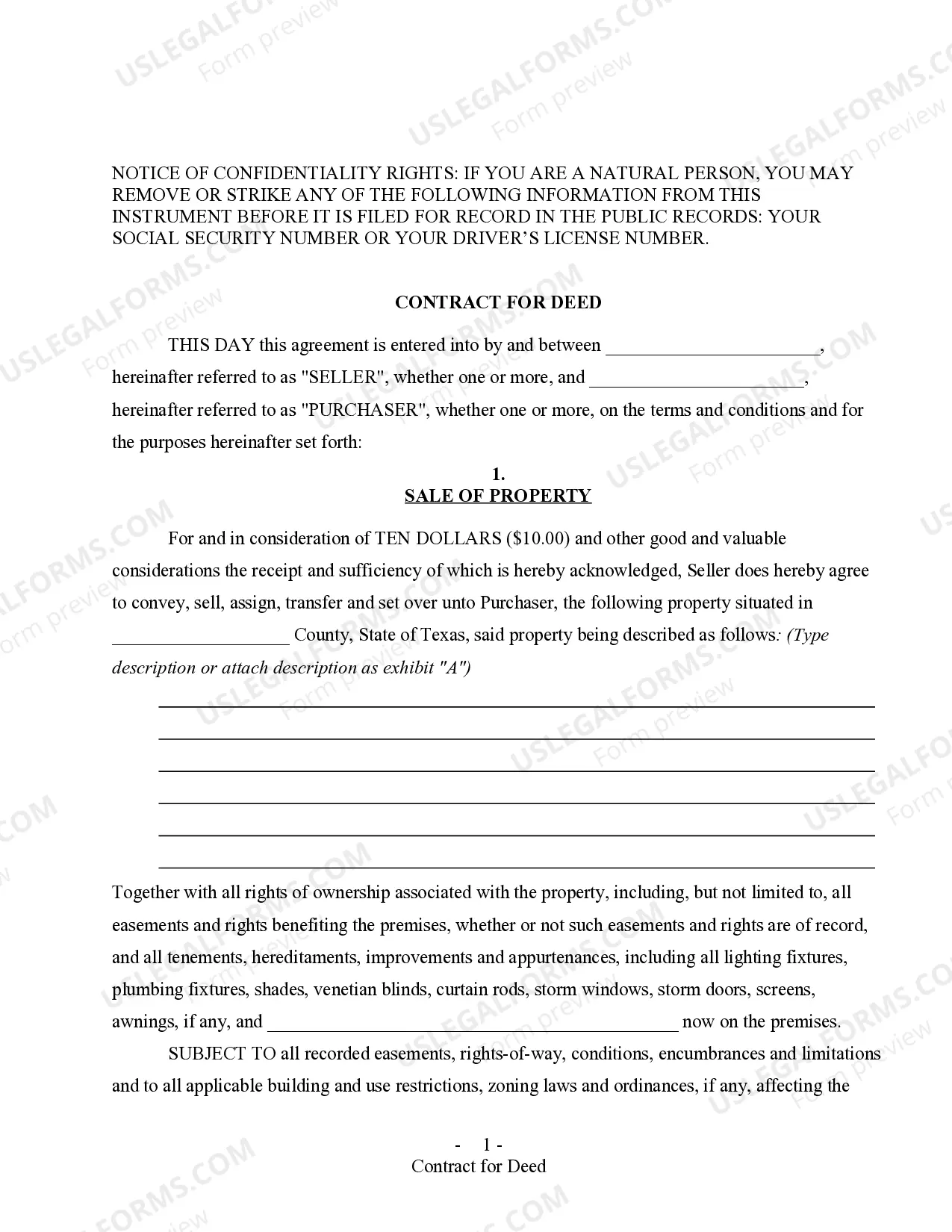
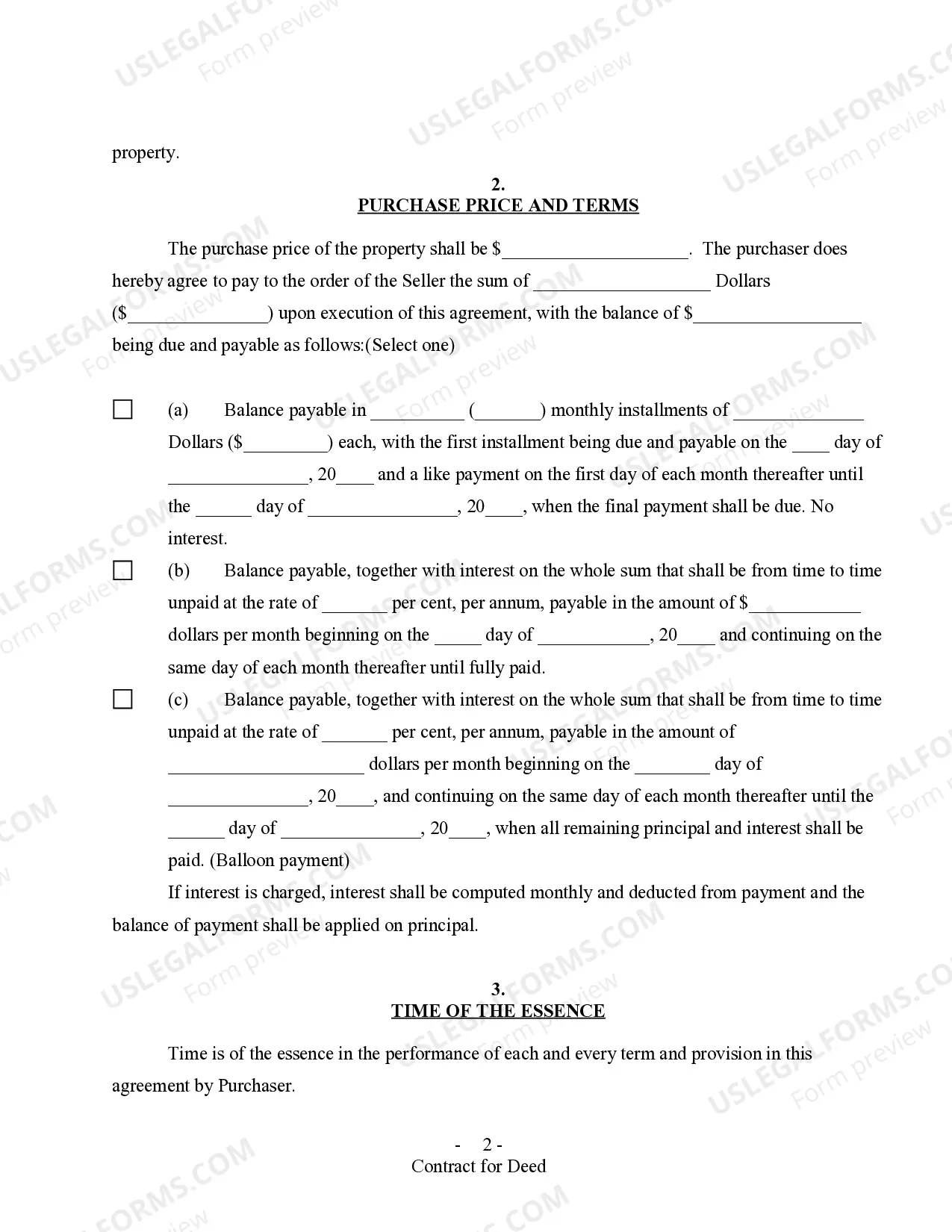
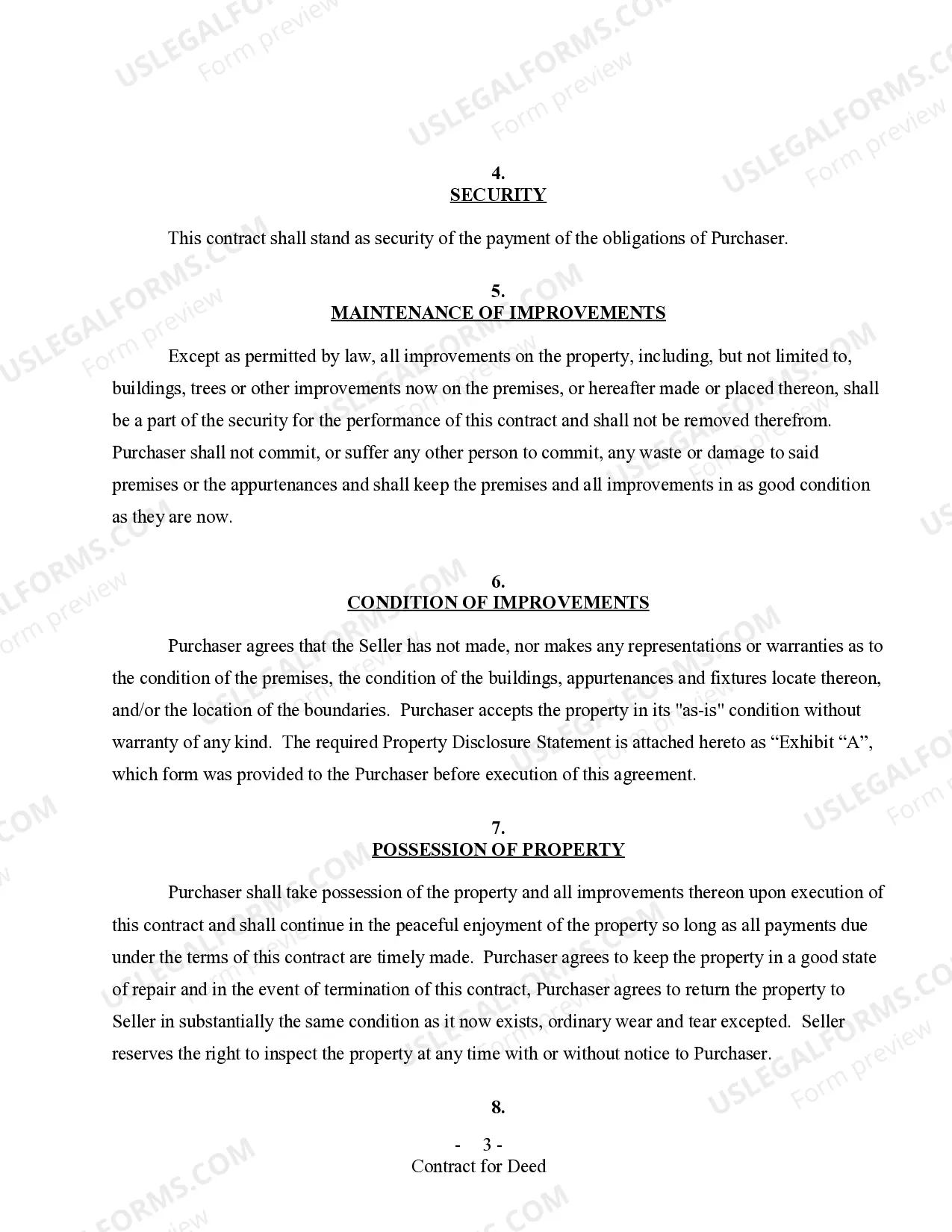
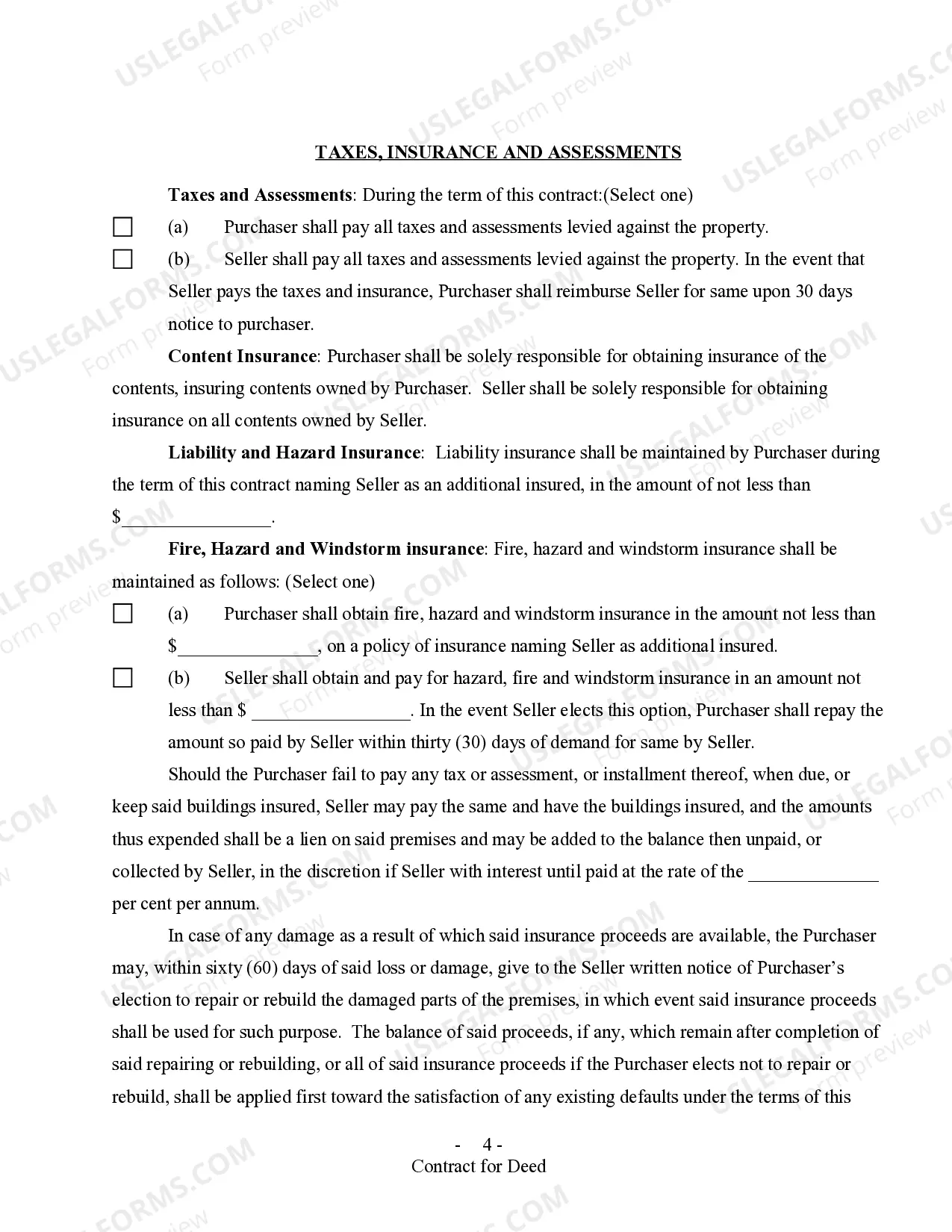
Description

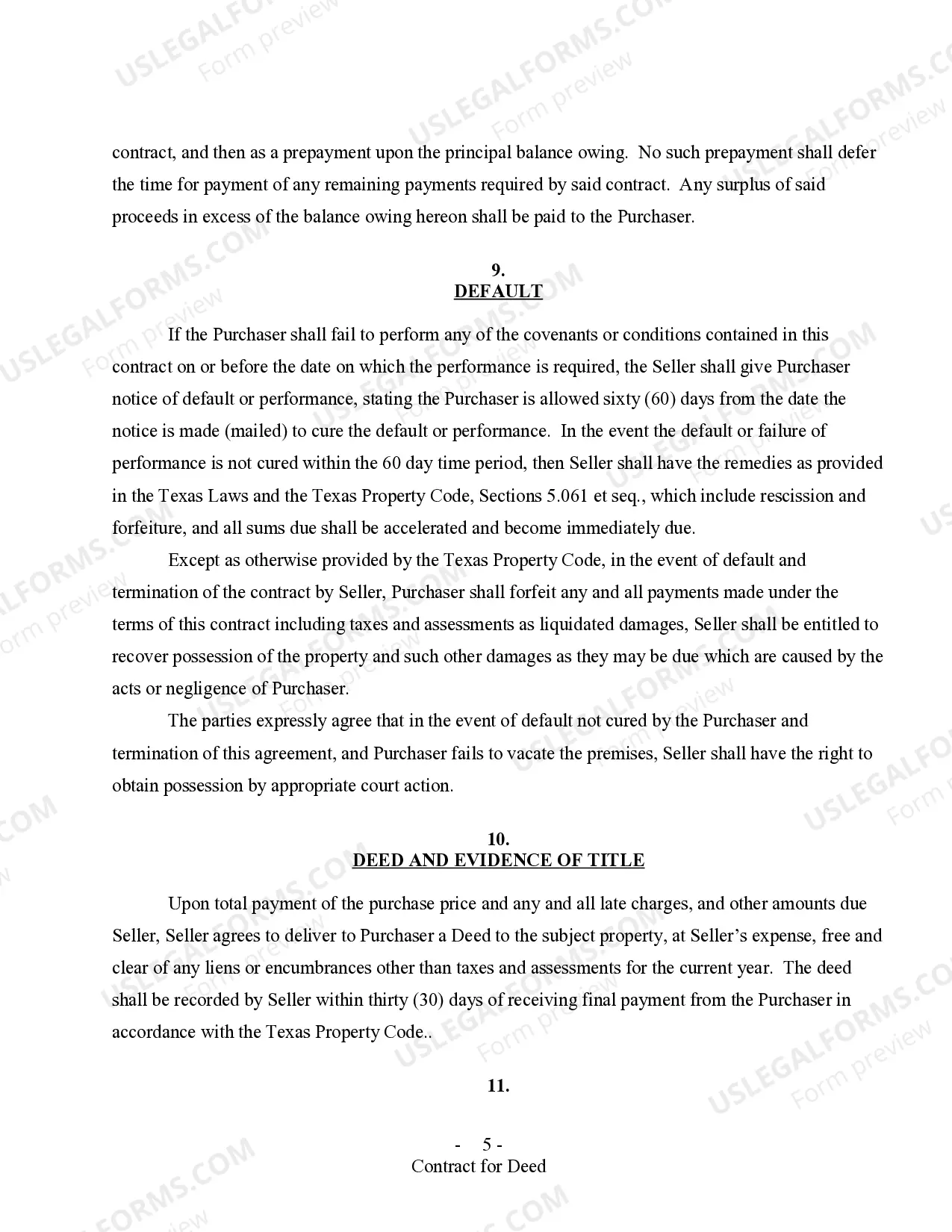
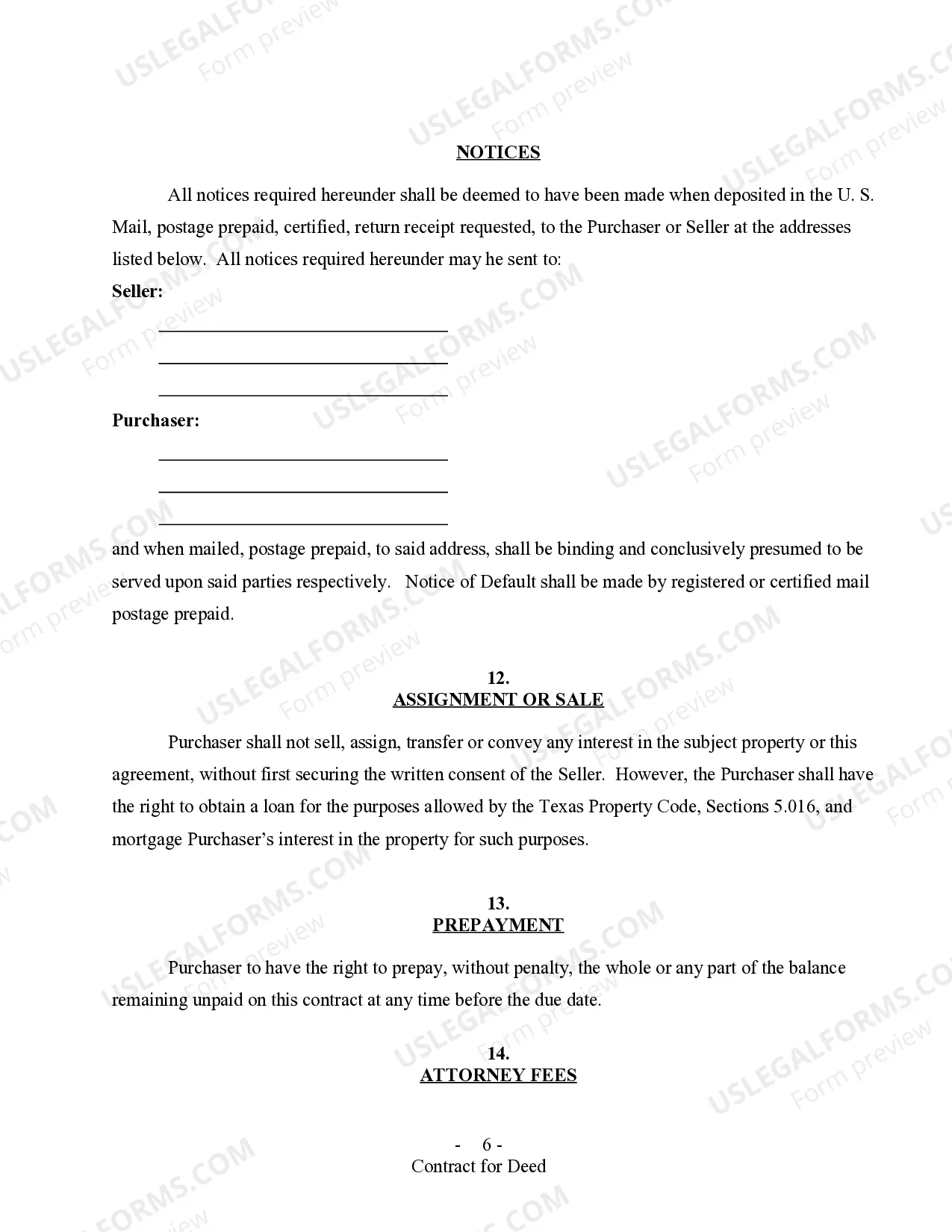
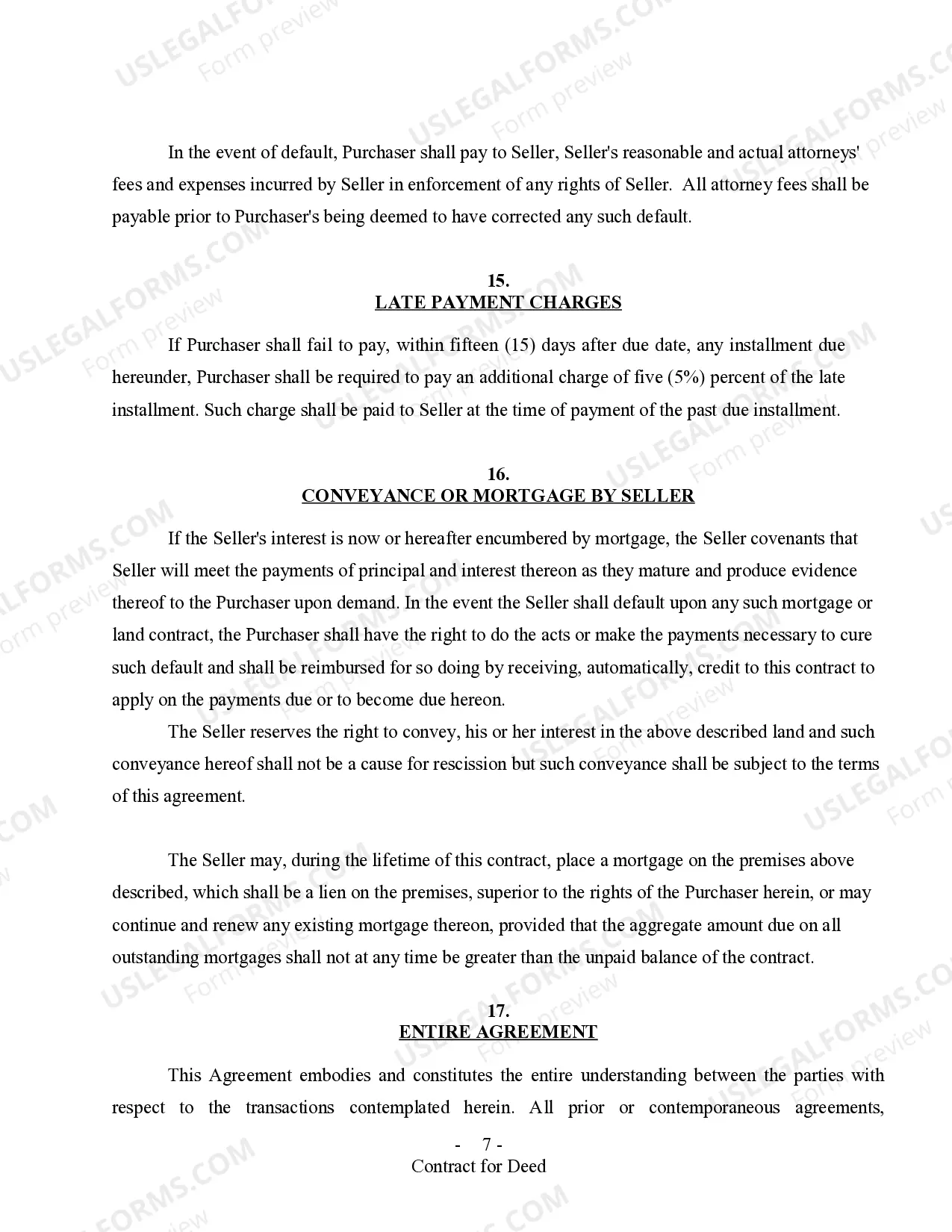
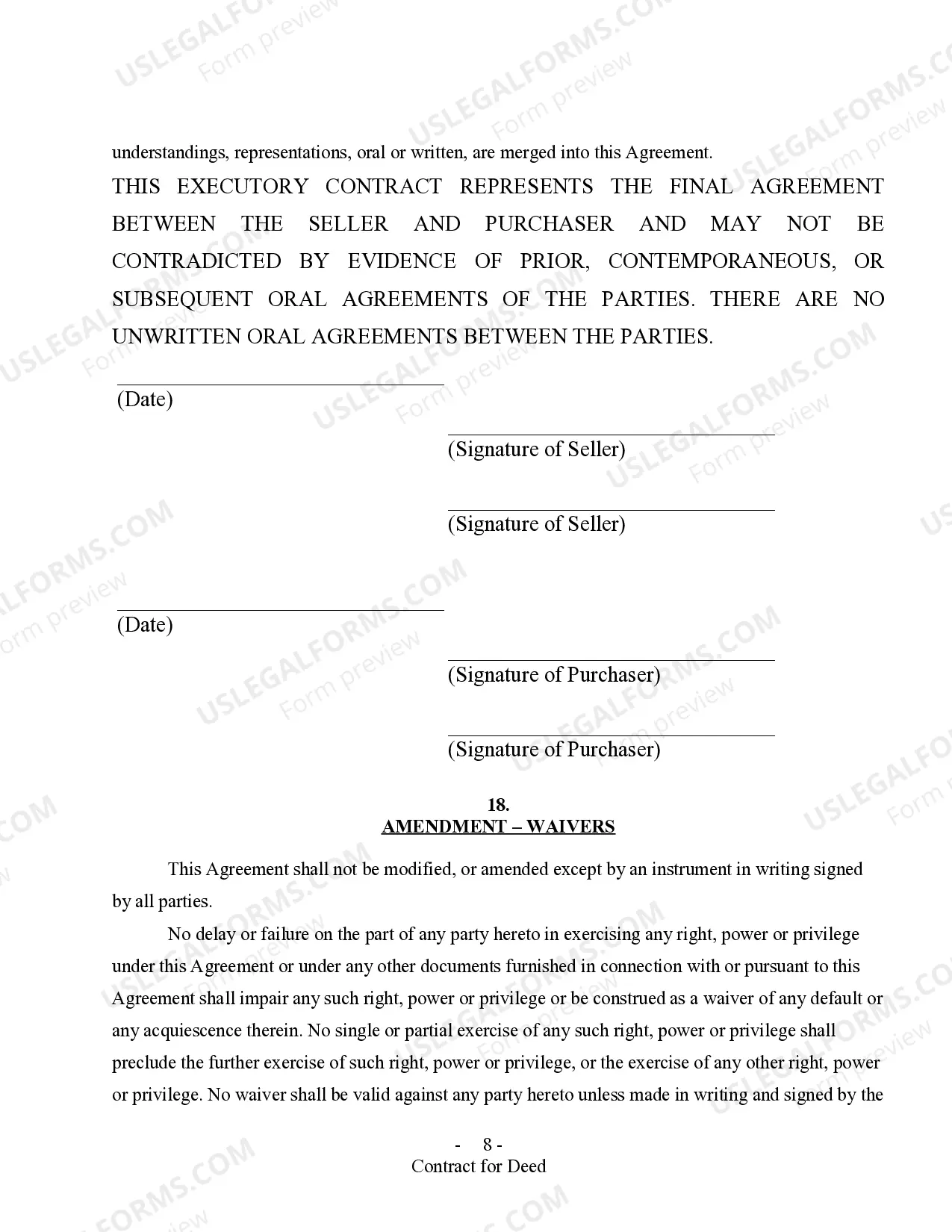


Get your form ready online
Our built-in tools help you complete, sign, share, and store your documents in one place.
Make edits, fill in missing information, and update formatting in US Legal Forms—just like you would in MS Word.
Download a copy, print it, send it by email, or mail it via USPS—whatever works best for your next step.
Sign and collect signatures with our SignNow integration. Send to multiple recipients, set reminders, and more. Go Premium to unlock E-Sign.
If this form requires notarization, complete it online through a secure video call—no need to meet a notary in person or wait for an appointment.
We protect your documents and personal data by following strict security and privacy standards.

Make edits, fill in missing information, and update formatting in US Legal Forms—just like you would in MS Word.

Download a copy, print it, send it by email, or mail it via USPS—whatever works best for your next step.

Sign and collect signatures with our SignNow integration. Send to multiple recipients, set reminders, and more. Go Premium to unlock E-Sign.

If this form requires notarization, complete it online through a secure video call—no need to meet a notary in person or wait for an appointment.

We protect your documents and personal data by following strict security and privacy standards.
Looking for another form?
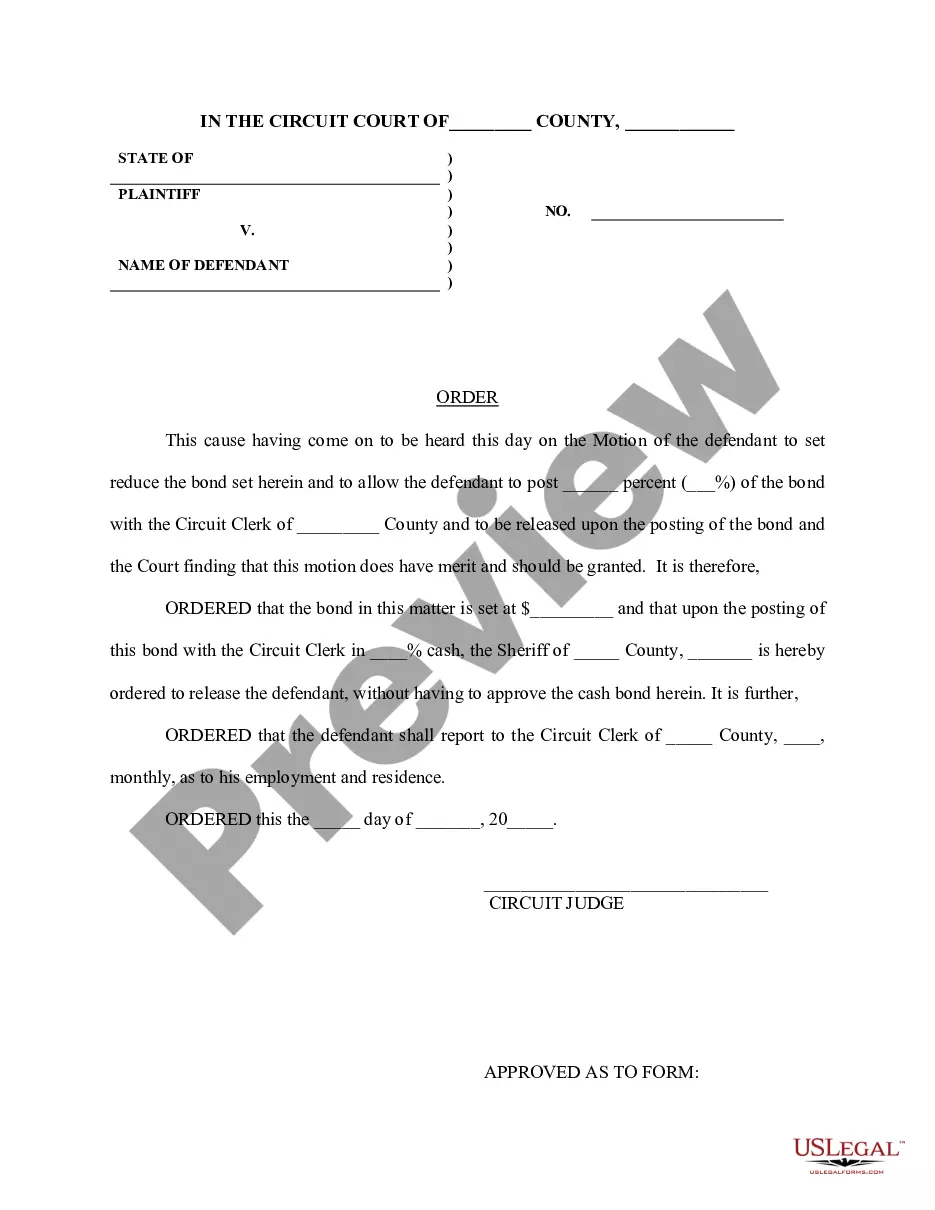






How to fill out All Texas Contract For Deed Forms For Residential Use - Land Contract, Agreement For Deed, Executory Contract?
- Log in to your US Legal Forms account if you're a returning user. Ensure your subscription is active to access and download the document.
- For first-time users, start by checking the Preview mode and form descriptions to select the appropriate executory document that aligns with your local legal requirements.
- Utilize the Search tab to find the right form if the initial selection doesn’t meet your needs.
- Once you find the correct document, click on the Buy Now button and select a suitable subscription plan.
- Complete the purchase by entering your payment information, either through credit card or PayPal.
- Download the form directly to your device for immediate use, and access it anytime via the My Forms section in your profile.
By following these steps, you can efficiently acquire your executory document for the right and ensure you have the right legal support. US Legal Forms not only provides a vast number of forms but also connects users with premium experts who can assist in completing the documents correctly.
Start simplifying your legal process today. Visit US Legal Forms and take the first step towards hassle-free document management!
Form popularity
FAQ
To obtain executor paperwork, you will need to gather essential documents, including the will and a death certificate. Once you have these documents, you can often find the necessary forms online or through your local courthouse. For those not familiar with the paperwork, using platforms like USLegalForms can simplify the process, providing the required executory document for the right and additional resources to guide you.
If there is no will, the timeframe to file for probate typically varies by state, but it is generally within a few months after death. An estate should be settled promptly to prevent complications; therefore, it is vital to file the executory document for the right as soon as possible. If you are uncertain about the process or timelines, consulting a legal service like USLegalForms can provide clarity and ensure compliance with your state's laws.
The best person to serve as an executor of a will is someone who is trustworthy, organized, and knowledgeable about financial matters. Ideally, this individual should have a good relationship with family members and be willing to take on the responsibility. Many people choose a close friend or relative; however, consider appointing a professional if the estate is complex. Using a knowledgeable executor can ensure smooth handling of executory documents for the right and other aspects of the estate.
One disadvantage of being an executor is the significant responsibility it entails. Executors must manage the estate's finances, settle debts, distribute assets, and file necessary legal documents, such as the executory document for the right. This role can be time-consuming and may also expose you to liability if you do not fulfill your duties properly. It’s crucial to assess whether you are prepared to take on this important role.
While a lawyer is not mandatory to become an executor of an estate, enlisting their help can prove beneficial. They can assist you in understanding the legal implications and guiding you through filing the executory document for the right. This support can ease the navigation of legal requirements and help you fulfill your responsibilities efficiently. Ultimately, having legal advice could save you from potential pitfalls.
To become an executor, you must be named in the decedent's will, or you can petition the court if there is no will. The court will require you to file the executory document for the right to officially appoint you as the executor. It is essential to gather relevant documents, including the death certificate and the will, to facilitate this process. Once appointed, you will be responsible for managing the estate faithfully and according to the law.
You do not necessarily need a lawyer to become the executor of an estate, but having one can simplify the process. The tasks involved, such as filing the executory document for the right and handling court procedures, can be complex. A lawyer can provide guidance, help prepare necessary documents, and ensure you follow state laws correctly. This can save you time and prevent mistakes.
An example of executory consideration can be found in a service contract where one party promises to complete a specific task in exchange for payment at a later date. In this case, the consideration is the promise to perform the service, while the payment is deferred to a future date. It is essential to underline that both parties must uphold their end of the bargain for the contract to be valid. Ultimately, an executory document for the right lays the groundwork for equitable exchanges and obligations.
An executory agreement refers to a contract in which one or both parties have yet to fulfill their commitments. This means that certain actions or payments are still pending, creating a mutual obligation. It's crucial to recognize that these agreements can be legally binding, necessitating adherence to the terms outlined. Thus, an executory document for the right not only clarifies responsibilities but also provides a framework for enforcement.
A common example of an executory agreement is a lease contract, where the tenant is obligated to make rent payments over time, while the landlord must provide a livable space. These types of agreements illustrate how certain duties remain pending for both parties involved. Understanding executory agreements is essential for anyone entering into contracts, as they establish the framework for future actions.