Deed Land Form Without Warranty
Description
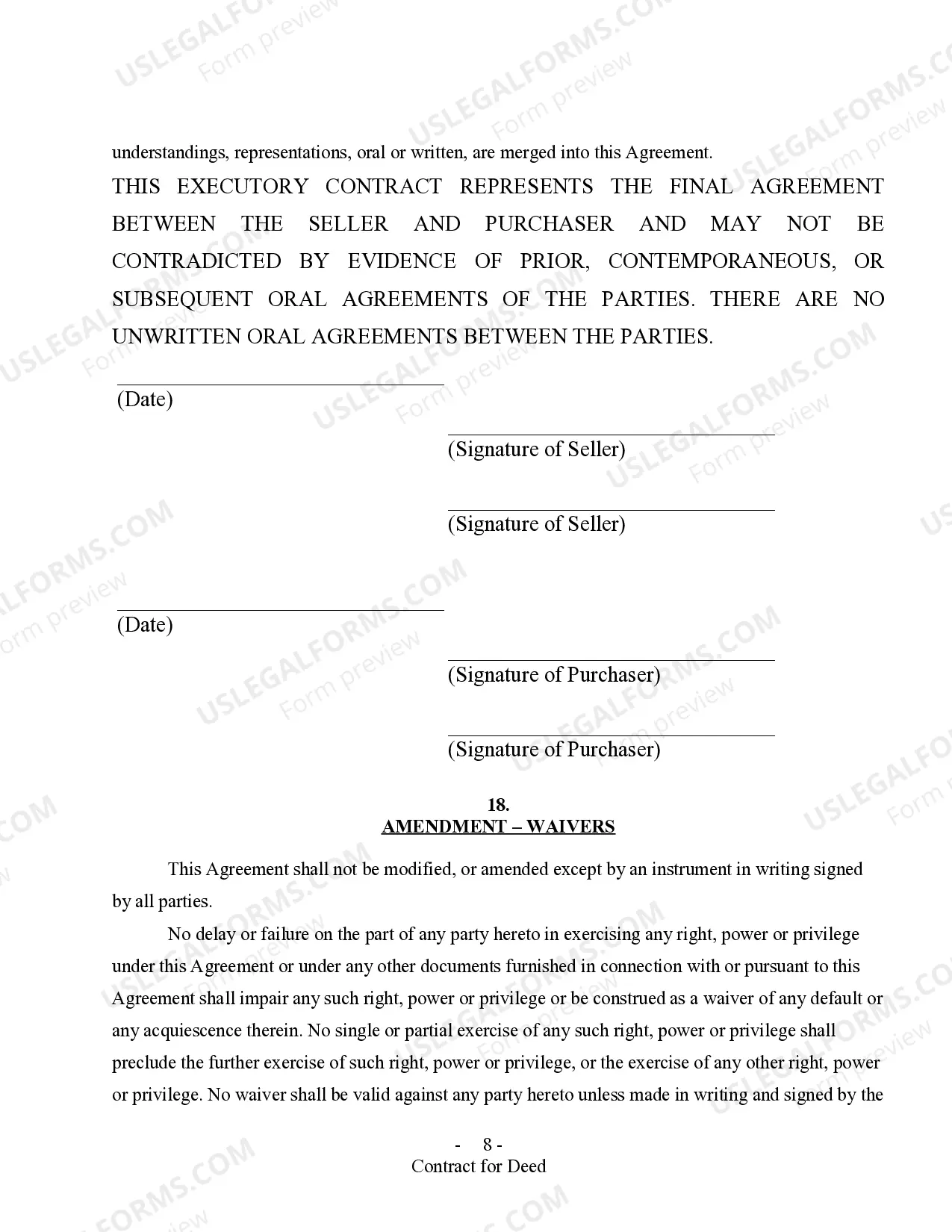
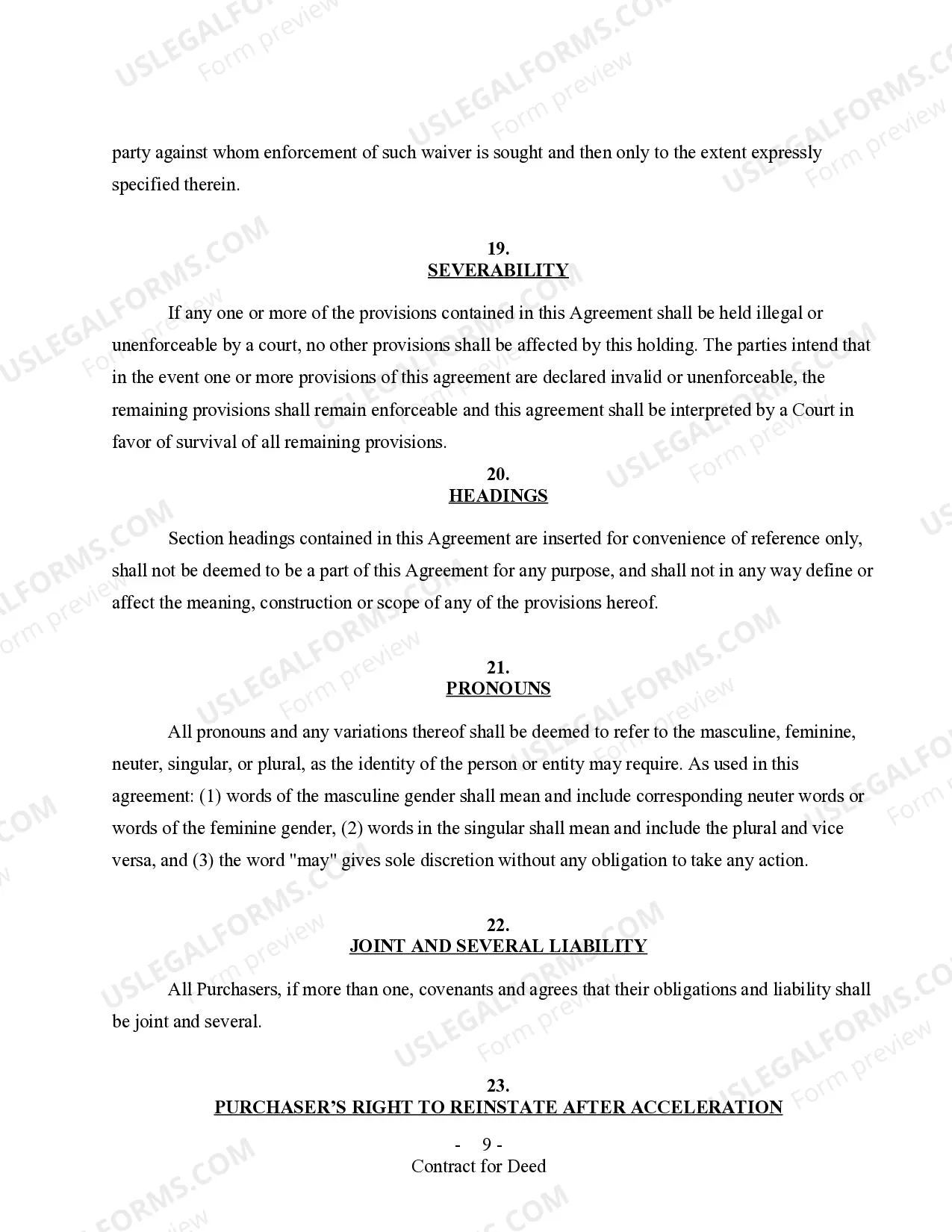

Get your form ready online
Our built-in tools help you complete, sign, share, and store your documents in one place.
Make edits, fill in missing information, and update formatting in US Legal Forms—just like you would in MS Word.
Download a copy, print it, send it by email, or mail it via USPS—whatever works best for your next step.
Sign and collect signatures with our SignNow integration. Send to multiple recipients, set reminders, and more. Go Premium to unlock E-Sign.
If this form requires notarization, complete it online through a secure video call—no need to meet a notary in person or wait for an appointment.
We protect your documents and personal data by following strict security and privacy standards.

Make edits, fill in missing information, and update formatting in US Legal Forms—just like you would in MS Word.

Download a copy, print it, send it by email, or mail it via USPS—whatever works best for your next step.

Sign and collect signatures with our SignNow integration. Send to multiple recipients, set reminders, and more. Go Premium to unlock E-Sign.

If this form requires notarization, complete it online through a secure video call—no need to meet a notary in person or wait for an appointment.

We protect your documents and personal data by following strict security and privacy standards.
Looking for another form?










How to fill out All Texas Contract For Deed Forms For Residential Use - Land Contract, Agreement For Deed, Executory Contract?
Locating a reliable site to acquire the latest and suitable legal templates is a significant part of navigating bureaucracy.
Acquiring the correct legal documents requires accuracy and meticulousness, which is why it is crucial to obtain samples of Deed Land Form Without Warranty solely from trusted providers, such as US Legal Forms. An incorrect template can squander your time and hinder your situation.
Eliminate the hassle involved in your legal documentation. Browse through the extensive US Legal Forms catalog where you can discover legal templates, assess their applicability to your situation, and download them immediately.
- Utilize the library navigation or search function to locate your sample.
- Examine the form’s description to ensure it meets the requirements of your state and county.
- Preview the form, if provided, to confirm that the template is indeed the one you are seeking.
- Return to the search to find the appropriate template if the Deed Land Form Without Warranty does not match your needs.
- If you are confident about the form’s applicability, download it.
- When you are an authorized customer, click Log in to verify and access your selected templates in My documents.
- If you have yet to create an account, click Buy now to acquire the template.
- Choose the pricing plan that fits your preferences.
- Proceed to the registration to finalize your purchase.
- Complete your transaction by selecting a payment method (credit card or PayPal).
- Pick the document format for downloading the Deed Land Form Without Warranty.
- After you have the form on your device, you may edit it using the editor or print it and complete it manually.
Form popularity
FAQ
The best proof of ownership of property is having a clear and accurate title deed. This document serves as legal evidence of your ownership rights. When using a deed land form without warranty, it's crucial to ensure the deed is properly recorded with the local government to protect your interests. Additionally, maintaining accurate records and documentation can further strengthen your claim to ownership.
A deed without warranty is a legal document that transfers ownership of property without guarantees about the title's validity. This means that the seller is not responsible for any claims or disputes that may arise regarding the property. When using a deed land form without warranty, it’s essential to conduct thorough research on the title to ensure it is clear. This form is often used in transactions where the buyer accepts the risks associated with ownership.
A deed that contains no warranties is commonly known as a non-warranty deed. This type of deed does not protect the buyer against any future title claims. If you choose this option, you should feel secure about the transaction and consider using the right deed land form without warranty for your needs.
A quitclaim deed is generally not as robust as a warranty deed since it offers no title guarantees. While both can transfer property ownership, a quitclaim deed simply conveys whatever interest the grantor has without any promises. For buyers wanting strong legal protections, the deed land form without warranty might not suffice.
warranty deed is a legal document that transfers property but does not offer assurances regarding the title's validity. This type of deed often benefits sellers and buyers who prioritize speed in the transaction. It’s important to understand the implications of using a deed land form without warranty, as it reduces legal protections for the buyer.
Whether you need a warranty deed depends on your comfort level with the property's title. If you want full assurance that no liens or claims exist, a warranty deed may be the best choice. However, if you prefer a quicker process and can accept the risks, the deed land form without warranty might be suitable.
warranty deed is used primarily in situations where the buyer accepts the property without guarantees regarding the title. This can happen in transactions like inheritance or when properties are transferred between family members. Users often find this deed land form without warranty a quick and simple solution when formal guarantees are not required.
The three main kinds of deeds include the warranty deed, the quitclaim deed, and the non-warranty deed. Each type serves a different purpose in property transactions. It’s essential to understand the differences to choose the right deed land form without warranty for your specific needs.
A deed that contains no warranties is often referred to as a non-warranty deed. This type of deed does not guarantee the title's validity, meaning the seller is not liable for any claims against the property. This can be particularly useful in situations where buyers are comfortable accepting the property in its existing condition without additional assurances.
In Washington state, a deed must clearly identify the parties involved, including the grantor and grantee, and provide a description of the property being transferred. When dealing with a deed land form without warranty, it is essential to explicitly state the lack of warranty in the document. Additionally, the deed must be signed by the grantor, and it should be notarized to ensure its validity. You may find that using a platform like US Legal Forms simplifies this process, as it provides templates and guidance to meet state requirements effectively.