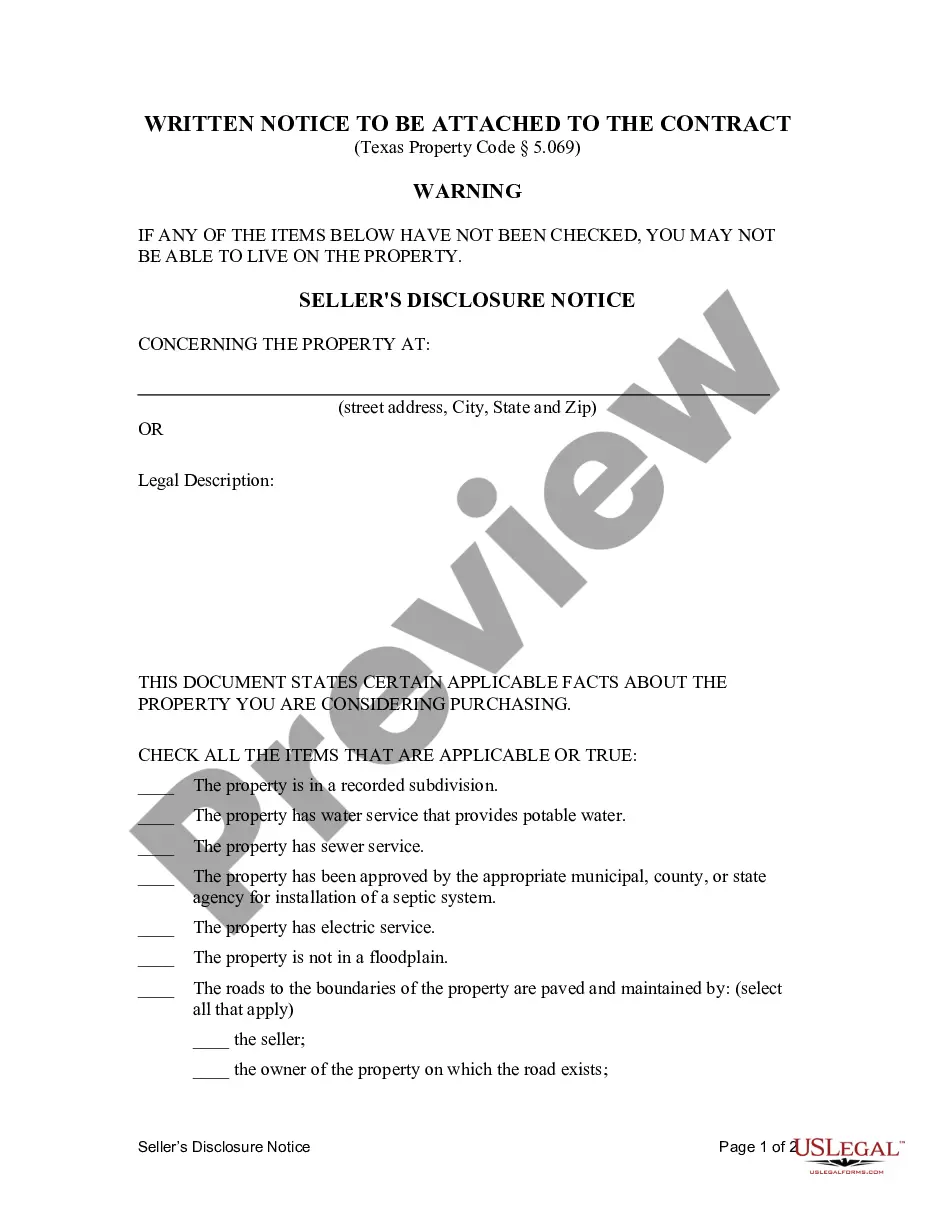
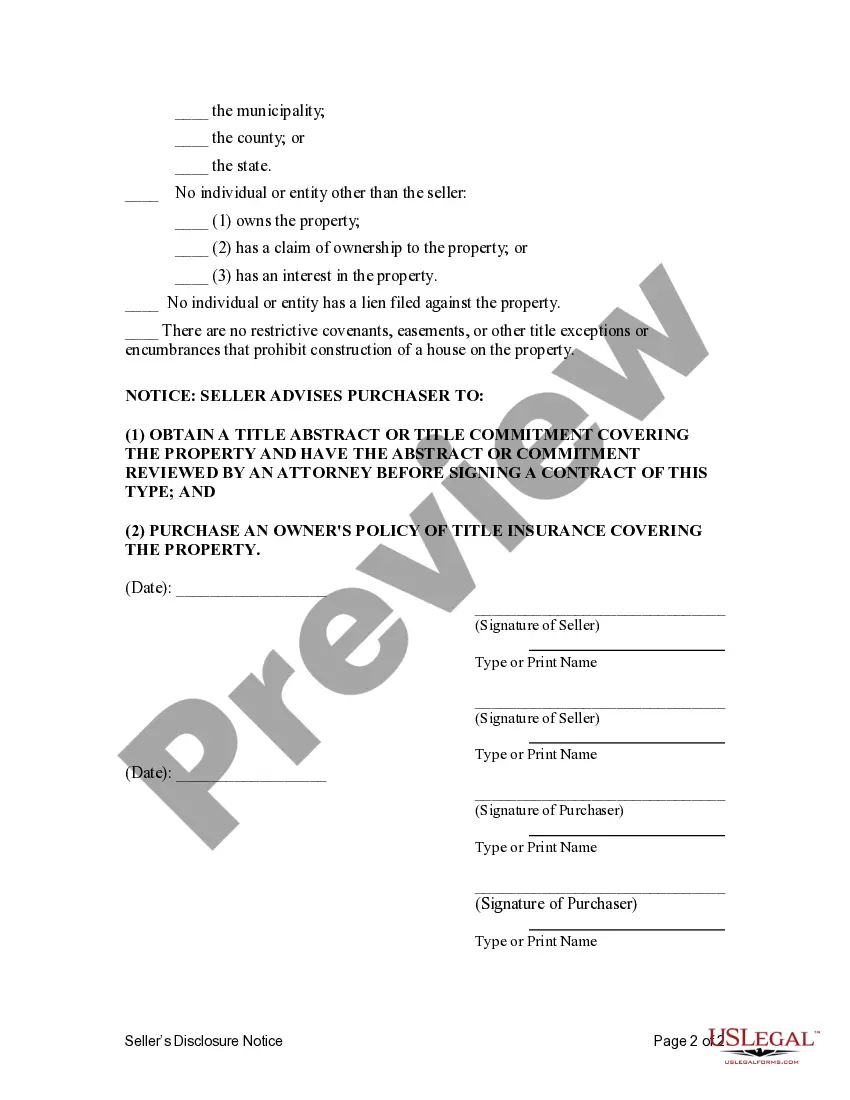
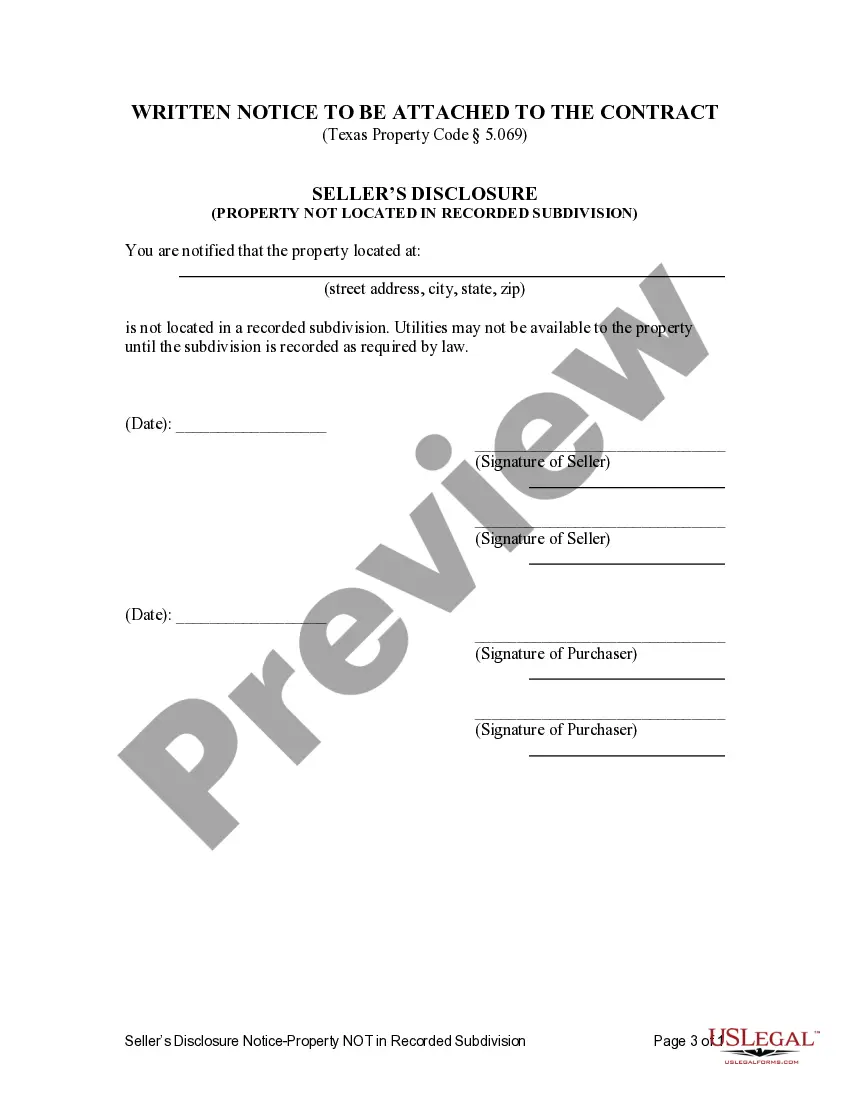
Executory Contract For Deed
Description
Get your form ready online
Our built-in tools help you complete, sign, share, and store your documents in one place.
Make edits, fill in missing information, and update formatting in US Legal Forms—just like you would in MS Word.
Download a copy, print it, send it by email, or mail it via USPS—whatever works best for your next step.
Sign and collect signatures with our SignNow integration. Send to multiple recipients, set reminders, and more. Go Premium to unlock E-Sign.
If this form requires notarization, complete it online through a secure video call—no need to meet a notary in person or wait for an appointment.
We protect your documents and personal data by following strict security and privacy standards.

Make edits, fill in missing information, and update formatting in US Legal Forms—just like you would in MS Word.

Download a copy, print it, send it by email, or mail it via USPS—whatever works best for your next step.

Sign and collect signatures with our SignNow integration. Send to multiple recipients, set reminders, and more. Go Premium to unlock E-Sign.

If this form requires notarization, complete it online through a secure video call—no need to meet a notary in person or wait for an appointment.

We protect your documents and personal data by following strict security and privacy standards.
Looking for another form?
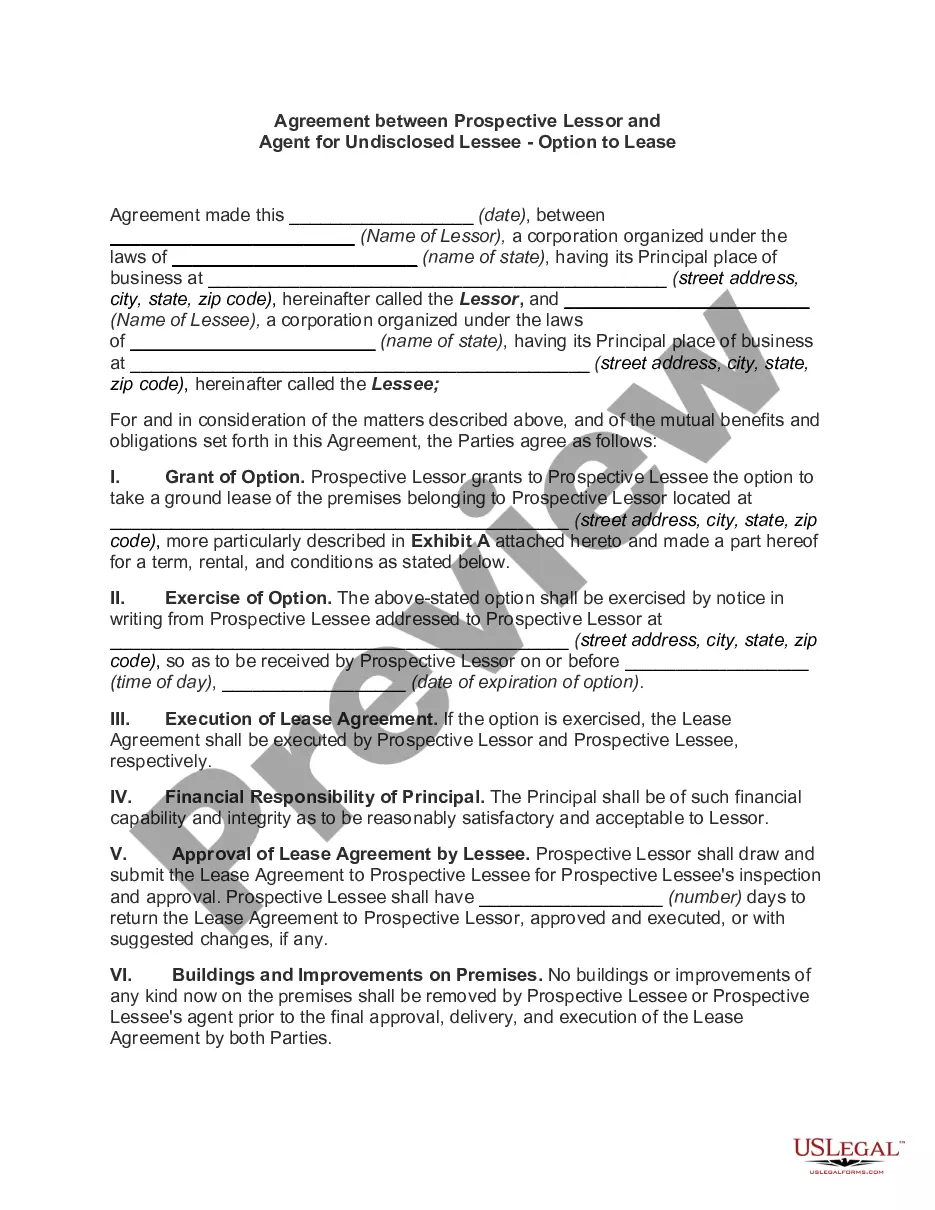
How to fill out Texas Contract For Deed Disclosure Of Property Condition - Residential - Land Contract, Executory Contract?
- If you're a returning user, log into your account to download the required form template by clicking the Download button. Ensure that your subscription is current; if it’s expired, renew it based on your payment plan.
- For first-time users, begin by checking the Preview mode and form description to confirm you’ve selected the right form that fulfills your requirements and adheres to your local jurisdiction.
- If the initial template doesn’t meet your criteria, utilize the Search tab above to look for alternate options. Choose a form that fits and proceed.
- To buy the document, click on the Buy Now button and select your desired subscription plan. Remember, you will need to create an account to gain full access.
- Make your payment by providing your credit card information or using your PayPal account for a smooth transaction.
- After purchasing, download your form and save it on your device. You can also access it anytime through the My Forms section of your profile.
Using US Legal Forms not only simplifies the document acquisition process but also empowers users with access to over 85,000 fillable and editable legal forms. With a robust collection that surpasses competitors, finding the right forms is hassle-free.
In conclusion, US Legal Forms offers a valuable resource for acquiring an executory contract for deed quickly and effectively. Explore the library today to get started on your legal journey!
Form popularity
FAQ
If a contract is executory, it means that the terms have not yet been fully performed by all parties involved. Specifically, in an executory contract for deed, the buyer has not completed the payment schedule, leaving the seller with legal rights to the property until all payments are received. This status highlights a pending obligation, making it crucial for both parties to adhere to the agreed terms.
An executory contract in real estate refers to an agreement where both parties have commitments that are yet to be performed. In terms of a contract for deed, the buyer must fulfill payment obligations while the seller retains ownership until all payments are complete. This arrangement shows how executory contracts facilitate real estate transactions without immediate full ownership transfer.
The difference between executory and executed contracts lies in their status. An executory contract for deed means that obligations are yet to be fulfilled, whereas an executed contract indicates that all terms have been completed. Understanding this distinction helps parties navigate real estate transactions effectively.
An example of an executory contract in real estate is a contract for deed. In this arrangement, the buyer agrees to make payments to the seller over time, while the seller retains the title to the property until full payment is made. This type of contract allows for property purchases without traditional financing, benefiting buyers who may not qualify for loans.
Yes, you can assign an executory contract for deed, but this requires the seller's consent. Assigning the contract means transferring rights and obligations to another party, which should be documented clearly to avoid misunderstandings. Check your specific agreement for any clauses regarding assignment, as these can vary significantly.
As mentioned previously, an executory contract for deed can lead to challenges. One key issue is that the buyer does not hold the title until the contract is fulfilled, limiting their control over the property. Furthermore, if financial issues arise, the buyer could face loss of their investment without the chance of recovery, a situation that should be carefully considered.
While an executory contract for deed can offer advantages, it also has drawbacks. First, the seller retains the title until the buyer completes all payments, which means the buyer cannot freely modify the property. Second, if the buyer defaults, they may lose both their investment and the property without a full refund, making it a risky option.
Determining if a contract for deed is worth it often depends on your unique financial situation and home ownership goals. For those who find traditional financing challenging, this can be a valuable option leading to property ownership. Take time to evaluate the specifics of the executory contract for deed before committing, ensuring it aligns with your long-term plans.
To be regarded as an executory contract, there must be mutual promises from both parties that have not been completed. Essentially, this means that some actions are still required for the completion of the agreement, such as payments or transfers. In an executory contract for deed, this unfulfilled commitment is critical for establishing ownership terms.
For a contract to be considered executory, both parties must have outstanding obligations that they are yet to fulfill. This means that there are still duties to be completed by either the buyer or the seller involved in the agreement. In the case of an executory contract for deed, the buyer is still making payments while the seller retains ownership until the final payment.