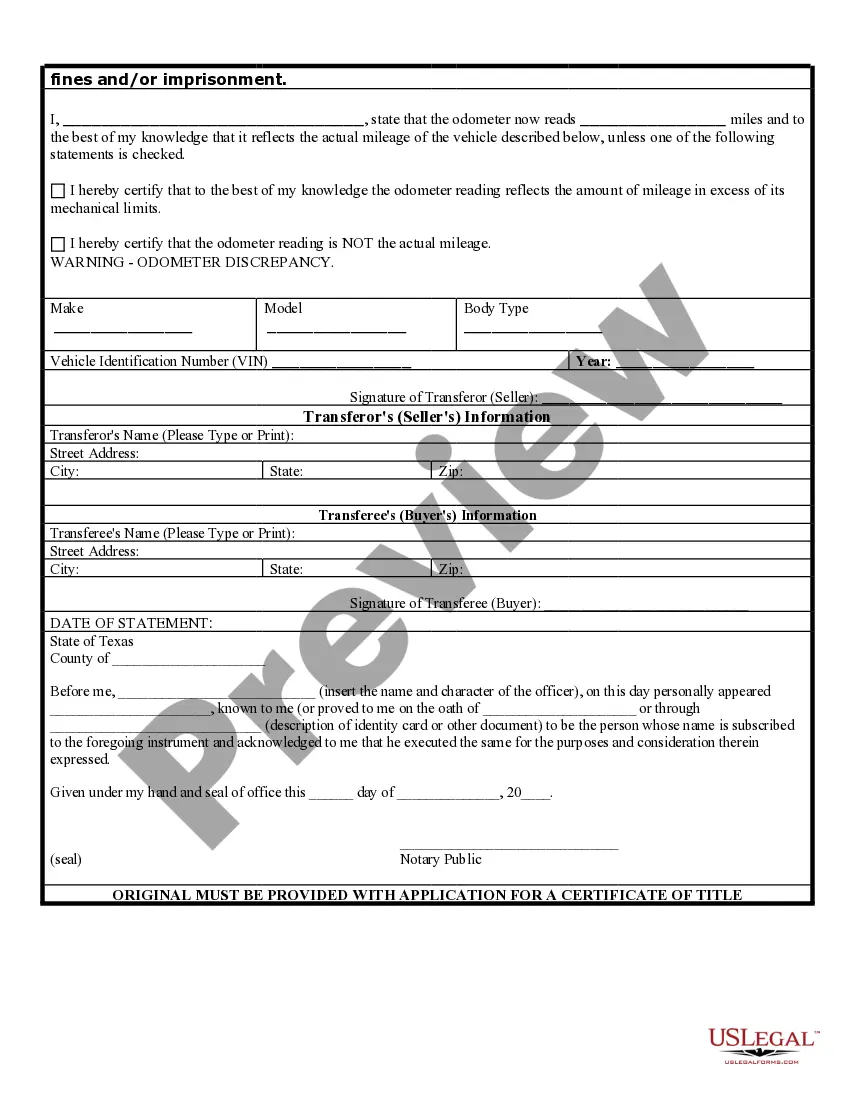
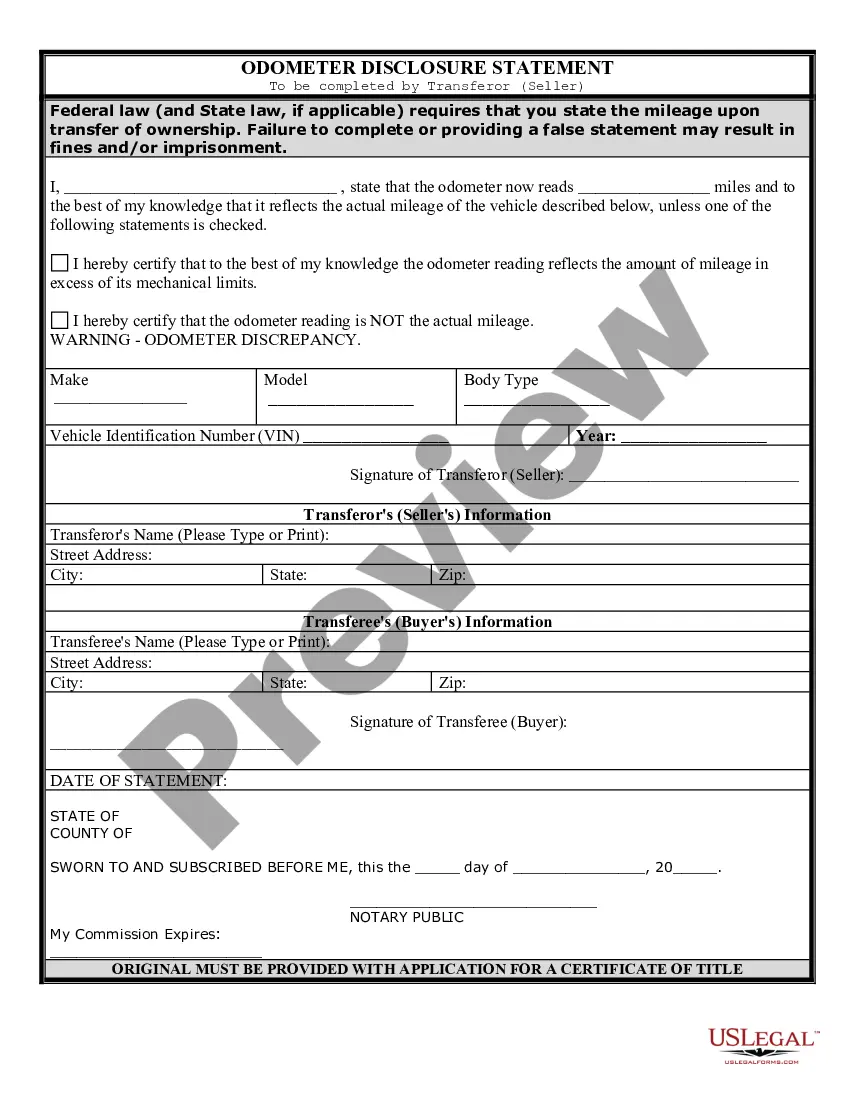
Date Of Odometer Statement
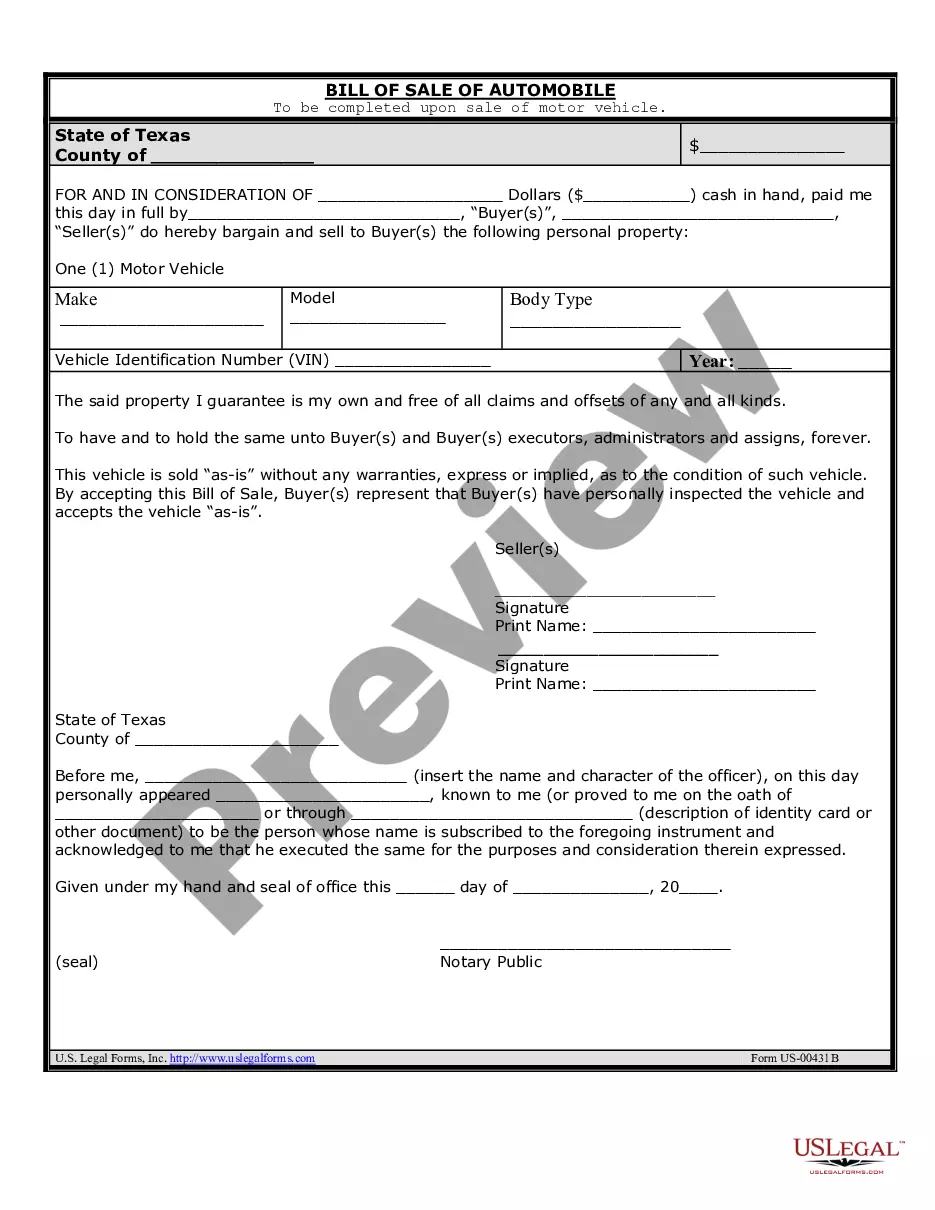
Description
Get your form ready online
Our built-in tools help you complete, sign, share, and store your documents in one place.
Make edits, fill in missing information, and update formatting in US Legal Forms—just like you would in MS Word.
Download a copy, print it, send it by email, or mail it via USPS—whatever works best for your next step.
Sign and collect signatures with our SignNow integration. Send to multiple recipients, set reminders, and more. Go Premium to unlock E-Sign.
If this form requires notarization, complete it online through a secure video call—no need to meet a notary in person or wait for an appointment.
We protect your documents and personal data by following strict security and privacy standards.

Make edits, fill in missing information, and update formatting in US Legal Forms—just like you would in MS Word.

Download a copy, print it, send it by email, or mail it via USPS—whatever works best for your next step.

Sign and collect signatures with our SignNow integration. Send to multiple recipients, set reminders, and more. Go Premium to unlock E-Sign.

If this form requires notarization, complete it online through a secure video call—no need to meet a notary in person or wait for an appointment.

We protect your documents and personal data by following strict security and privacy standards.
Looking for another form?



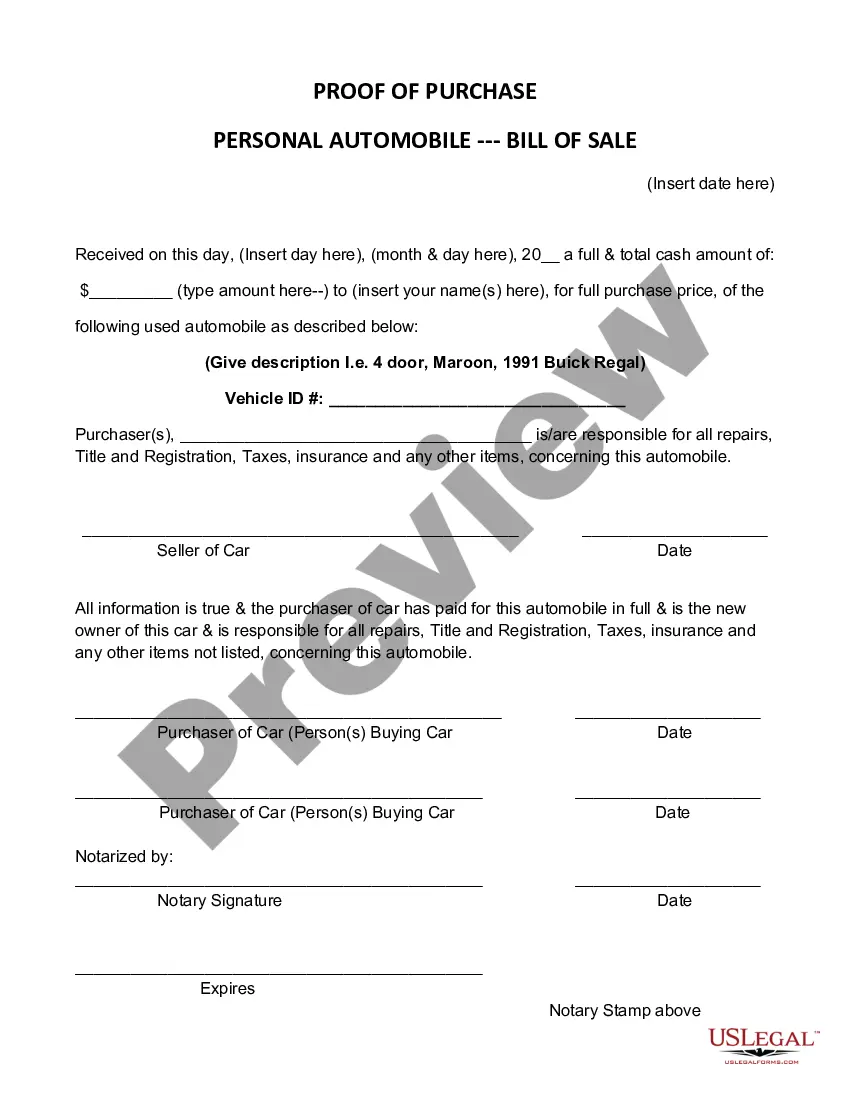
How to fill out Texas Bill Of Sale Of Automobile And Odometer Statement For As-Is Sale?
Managing legal documents can be perplexing, even for seasoned professionals.
When you are looking for a Date Of Odometer Statement and lack the time to search for the correct and updated version, the processes can be taxing.
US Legal Forms meets all your needs, whether for personal or business documents, all in one convenient platform.
Leverage modern tools to fill out and manage your Date Of Odometer Statement.
Here are the steps to follow after downloading the needed form: Validate it is the correct form by previewing it and examining its description.
- Access a wealth of articles, tutorials, and guides relevant to your situation and needs.
- Save time and effort in searching for the documents you require, and make use of US Legal Forms’ enhanced search and Review feature to acquire your Date Of Odometer Statement.
- If you have a membership, Log In to your US Legal Forms account, locate the form, and download it.
- Check your My documents tab to view the documents you have previously downloaded and organize your folders as desired.
- If this is your first encounter with US Legal Forms, create a free account to gain unlimited access to the benefits of the library.
- A comprehensive online form directory can be a transformative resource for anyone aiming to navigate these situations effectively.
- US Legal Forms stands out as a leading provider of online legal documents, offering over 85,000 state-specific forms available at your convenience.
- With US Legal Forms, you can access forms tailored to your state or county.
Form popularity
FAQ
In most cases, a date of odometer statement does not require notarization. However, specific states may have different regulations, so it is essential to check your local requirements. Using the US Legal Forms platform, you can access state-specific templates to ensure compliance with notarization rules. This way, you can navigate the process with confidence and create a valid odometer disclosure statement.
The date of an odometer statement indicates when the mileage was officially recorded and documented. This date is vital because it establishes a timeline of the vehicle's usage and ownership. Knowing the date of the odometer statement can help you assess the accuracy of the reported mileage, especially when reviewing the vehicle’s history. For legal transactions, this date adds credibility to the odometer statement, making it an essential component of vehicle documentation.
An odometer statement is a legal document that records the mileage of a vehicle when it is sold or transferred. It serves to protect both the buyer and seller by providing a clear account of the vehicle's mileage at the time of sale. The inclusion of the date of the odometer statement ensures that all parties understand the mileage's context. This can prevent misunderstandings and disputes regarding the vehicle's usage history.
You can determine if an odometer has been turned back by comparing the odometer statement with previous records, service history, or vehicle history reports. Look for inconsistencies in the reported mileage over time. If the current mileage appears suspiciously low in relation to the vehicle’s age or prior odometer statements, this could indicate tampering. Always note the date of the odometer statement, as it serves as a reference point for mileage verification.
To obtain an odometer reading, you can check your vehicle’s dashboard, where the current reading is displayed. If you need previous odometer readings for verification purposes, consider requesting a date of odometer statement from a trusted provider. This statement can provide documented evidence of mileage history, which is essential for resale or record-keeping.
To obtain a certified odometer statement, contact your local Department of Motor Vehicles (DMV) or equivalent state agency. They typically require specific documentation about your vehicle, including the VIN and proof of ownership. Moreover, services like US Legal Forms can simplify this process by providing templates and guidance to help you acquire a certified date of odometer statement efficiently.
To find your odometer history, start by checking with your vehicle's manufacturer or dealership. They often maintain accurate records tied to your vehicle identification number. Additionally, you can access services that provide a date of odometer statement through vehicle history report providers. This statement details your odometer readings over time, offering you a comprehensive view of your vehicle's mileage.