Tennessee Easement Laws With Parents
Description
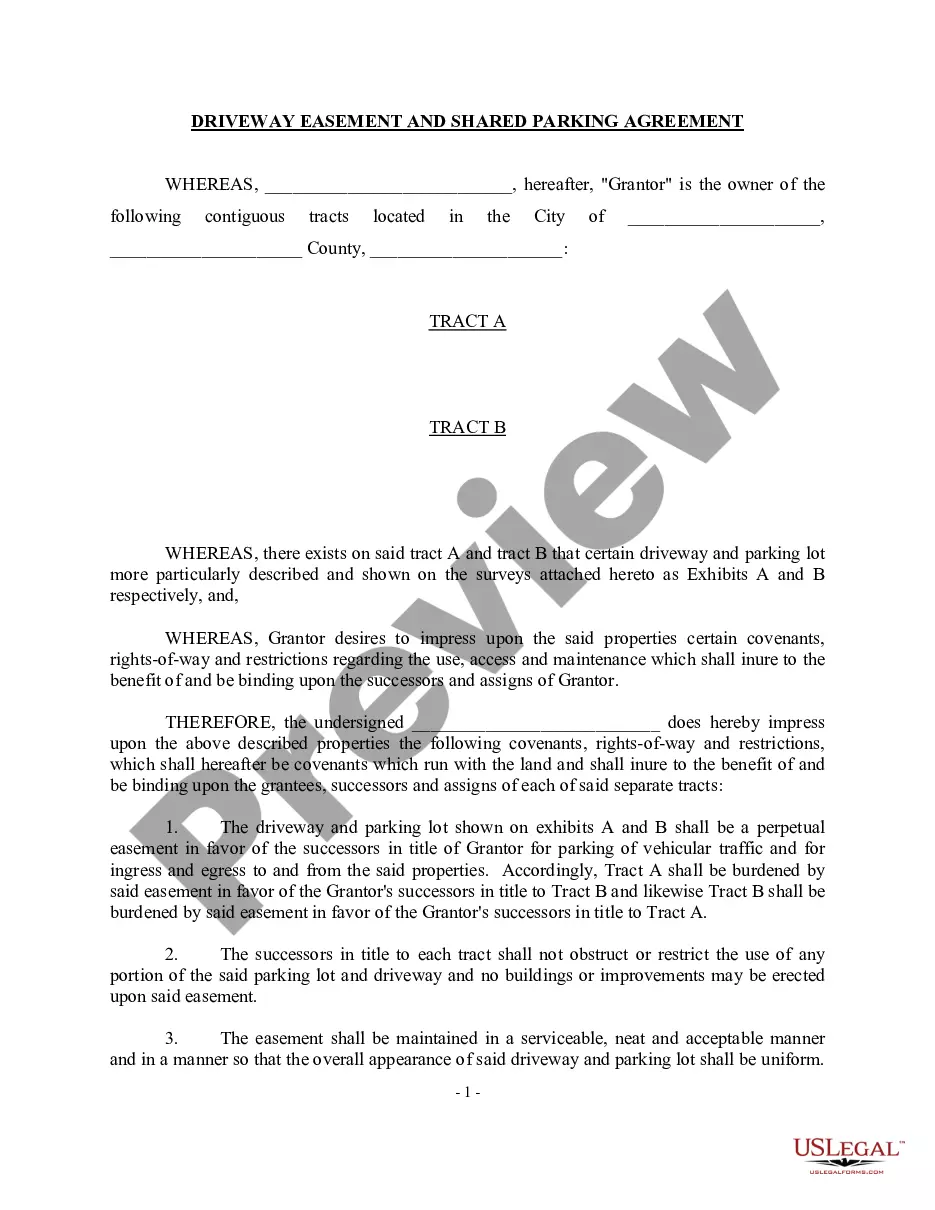






How to fill out Tennessee Driveway Easement?
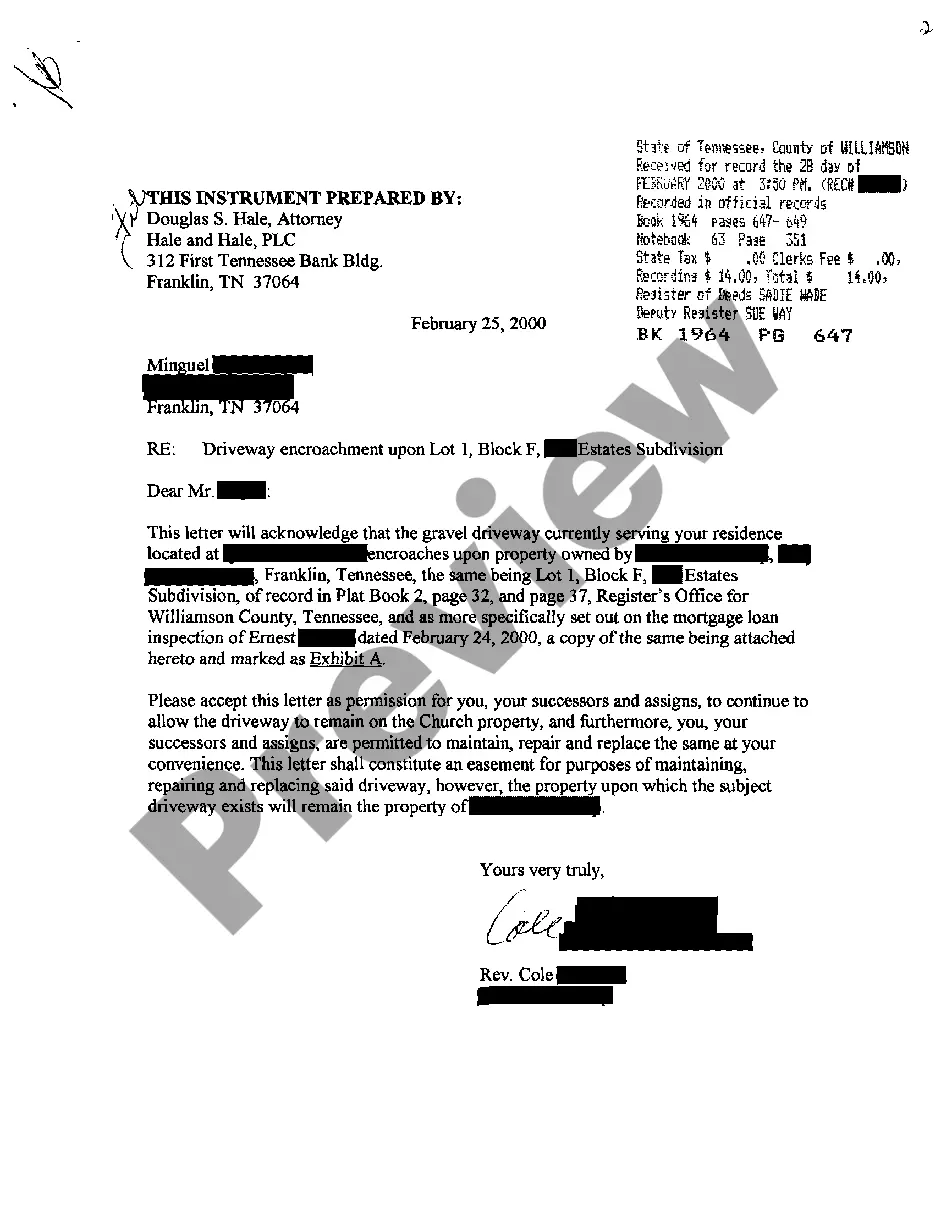
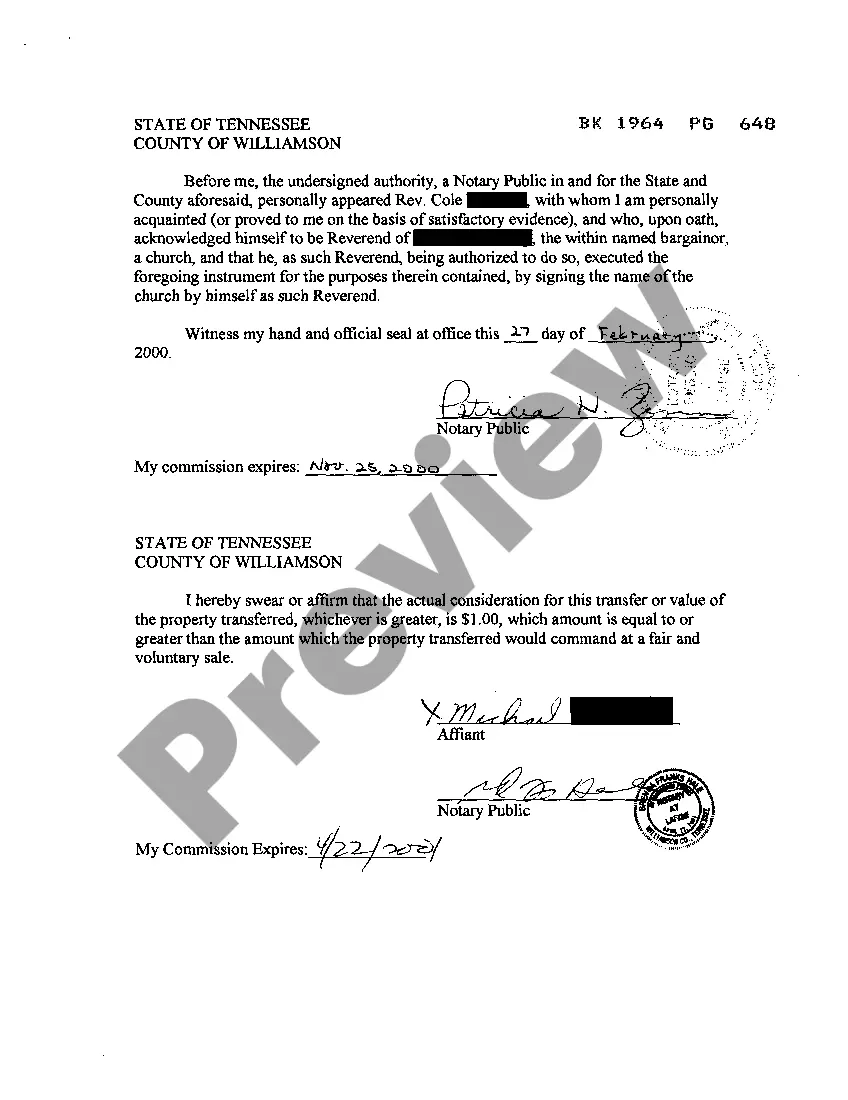
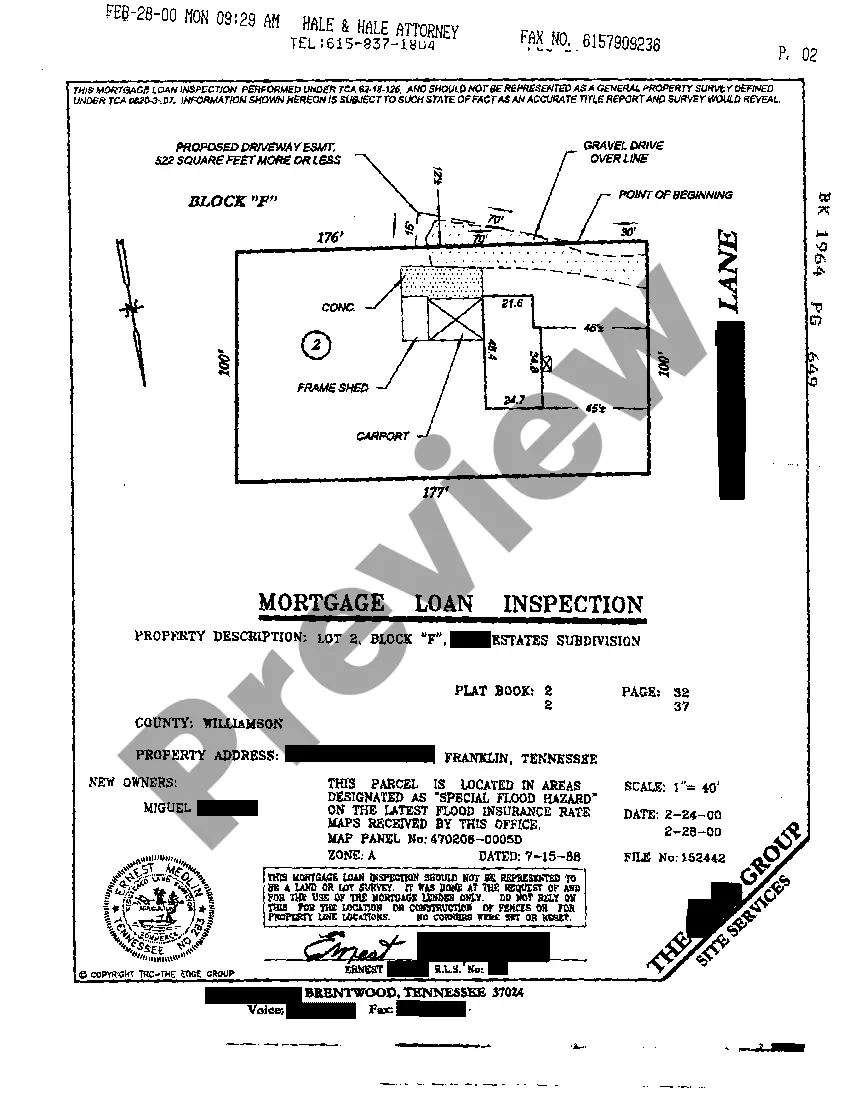
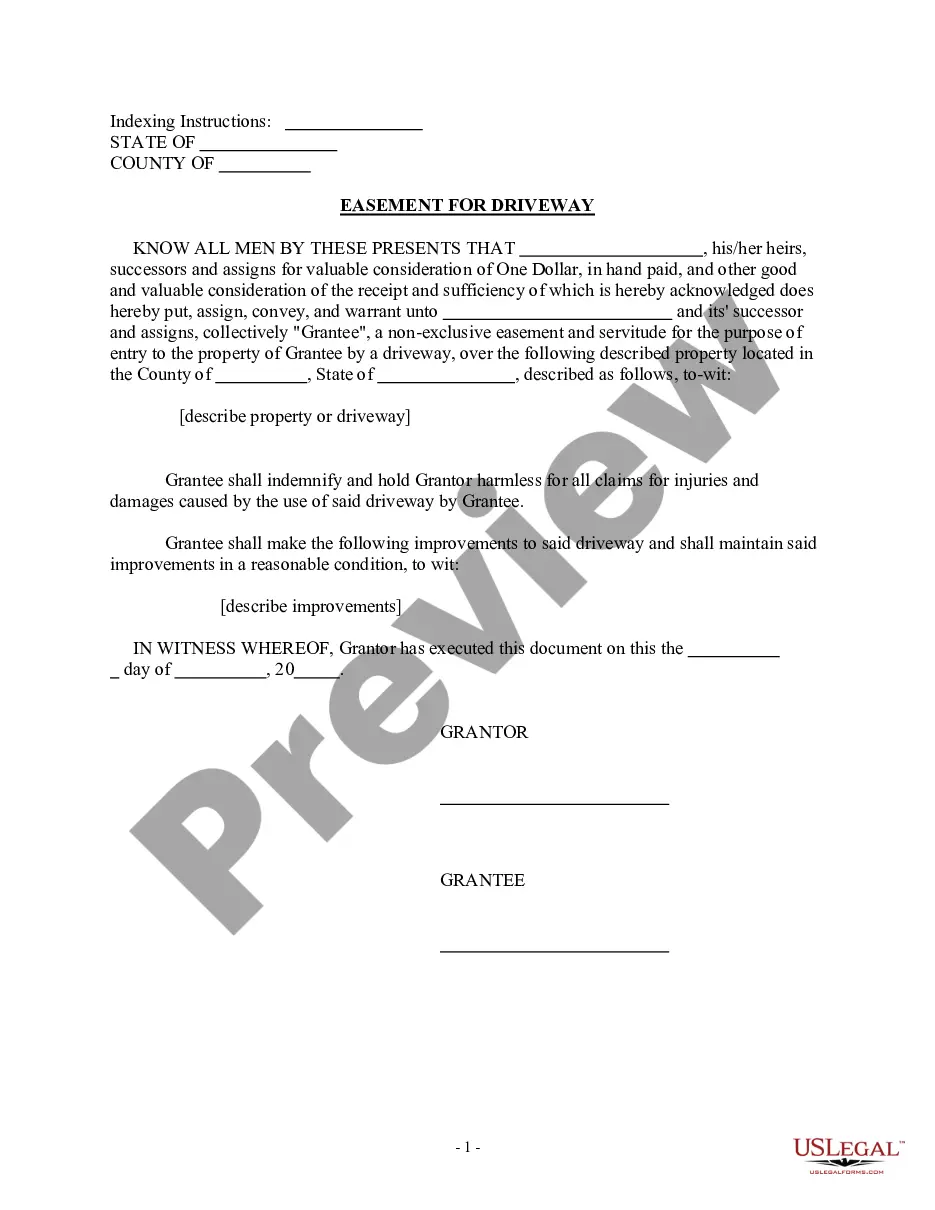
The Tennessee Easement Regulations With Parents viewed on this page is a versatile legal document created by expert attorneys in accordance with national and local laws and guidelines.
For over 25 years, US Legal Forms has offered individuals, enterprises, and legal representatives over 85,000 validated, state-specific forms for any personal and business needs. It’s the fastest, simplest, and most dependable method to acquire the documentation you require, as the service ensures the utmost level of data safety and anti-virus defense.
Select the format you prefer for your Tennessee Easement Regulations With Parents (PDF, Word, RTF) and download the example to your device.
- Examine the document you need and assess it.
- Browse through the file you sought and preview it or review the form description to confirm it meets your criteria. If it doesn’t, use the search bar to find the correct one. Click Buy Now when you've located the template you require.
- Register and Log Into your account.
- Select the pricing plan that works best for you and create an account. Use PayPal or a credit card for a swift payment. If you already have an account, Log In and verify your subscription to continue.
- Acquire the editable template.
Form popularity
FAQ
Property law is notoriously complex, and some of the most complex legal issues in real estate involve easements. Tennessee law defines an easement as a property interest that gives someone a right to use property owned by someone else for a specific purpose.
The purpose of an easement is to safeguard Power and Water's right of access to construct, inspect, operate, repair, replace and maintain assets located on private property and to regulate the activities of others within the easement to ensure the safety of all people and safe and reliable operation of the asset.
Easements are a right to use someone else's land for a specific purpose. Tennessee easements can be created in a few different ways, but the most common is through an express grant, reservation, prescription, estoppel, eminent domain, or implication. Easements also come in two types: appurtenant and in gross.
The short answer is ? the owner of the easement is responsible for maintaining the easement.
To create a prescriptive easement, the use and enjoyment of the property must be adverse, under a claim of right, continuous, uninterrupted, open, visible, exclusive, with the knowledge and acquiescence of the owner of the servient tenement, and must continue for the full prescriptive period.