Tennessee Driveway Laws For Parking
Description
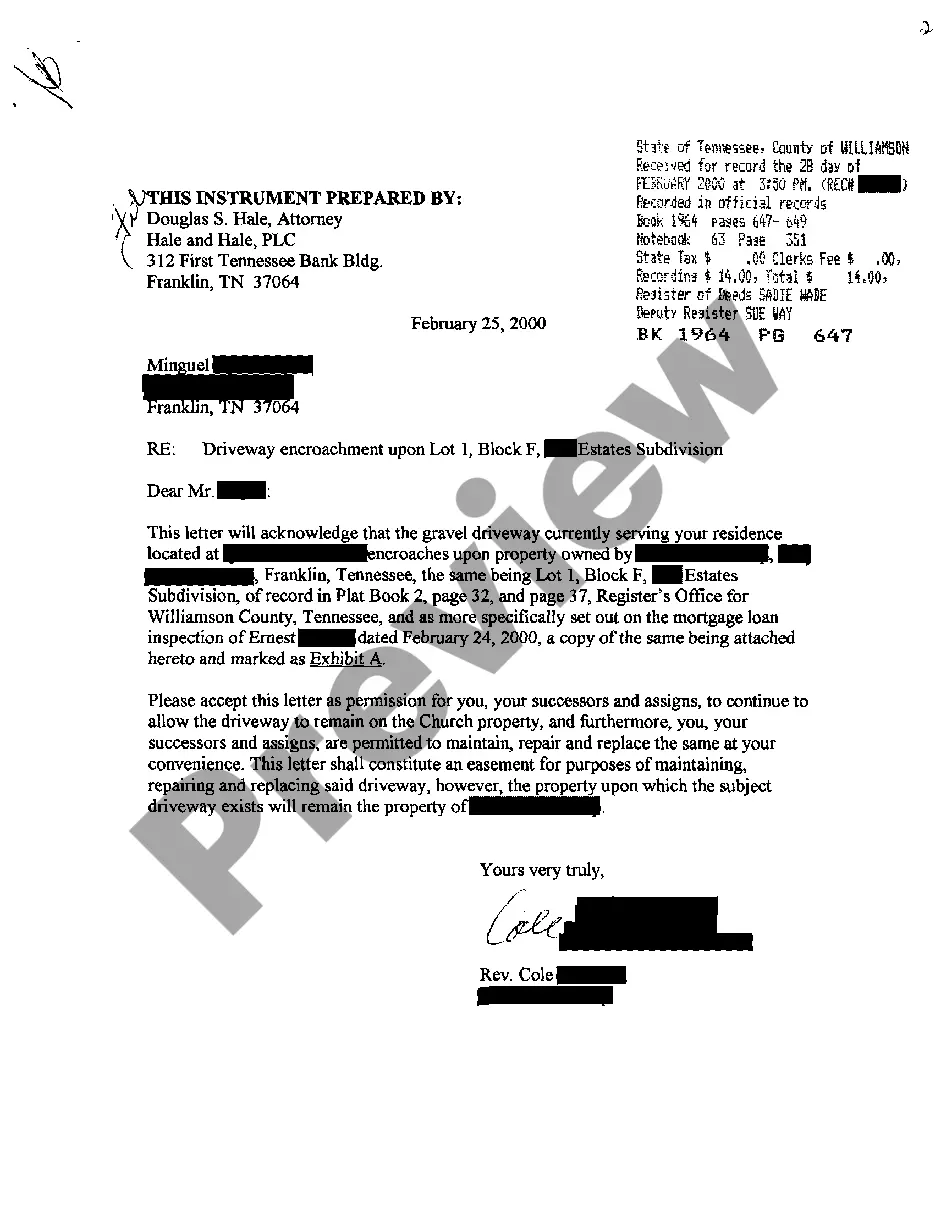
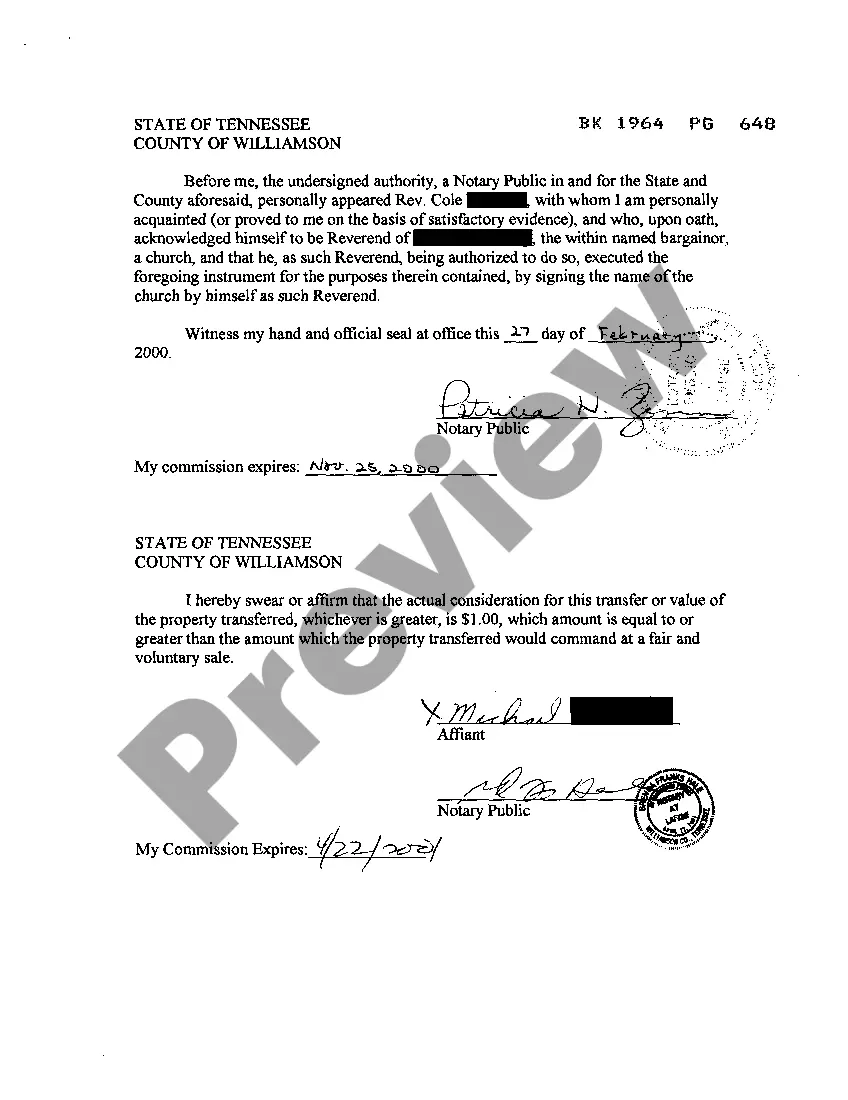
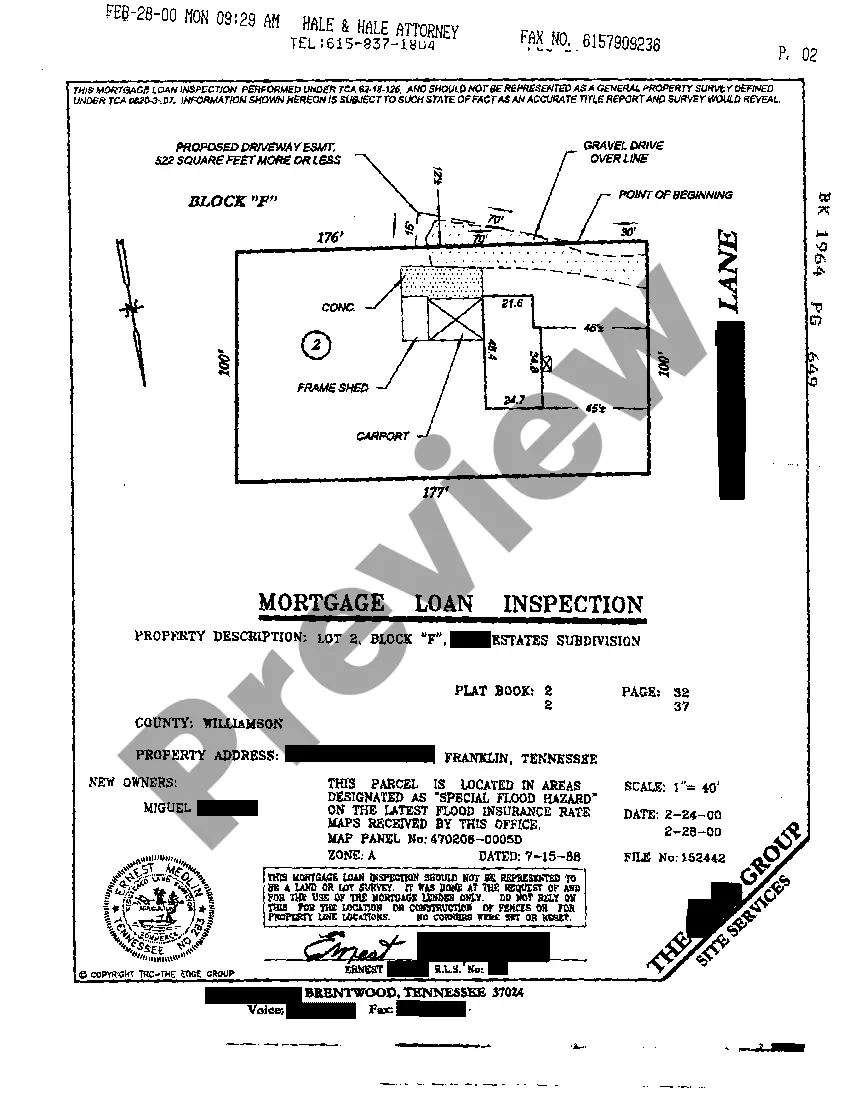
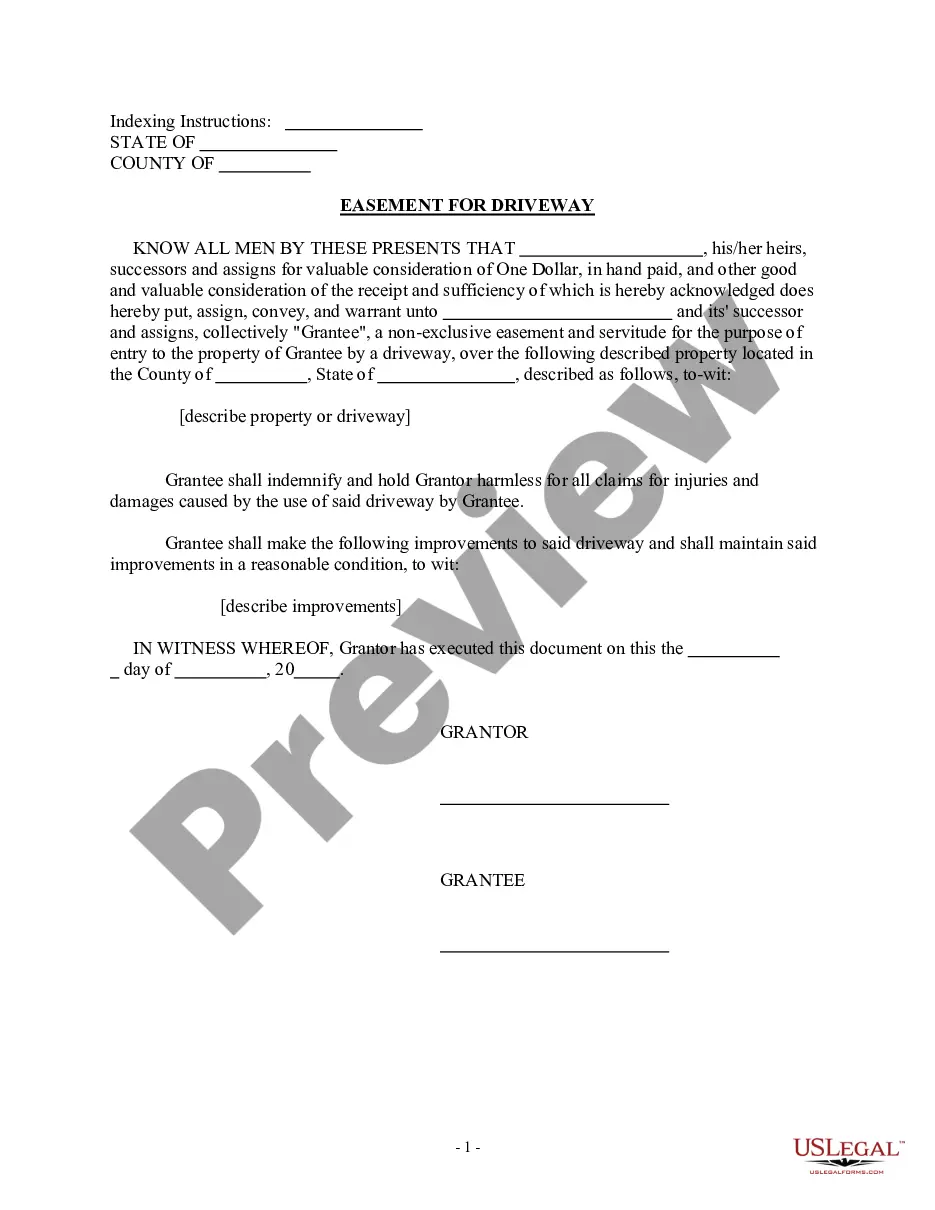
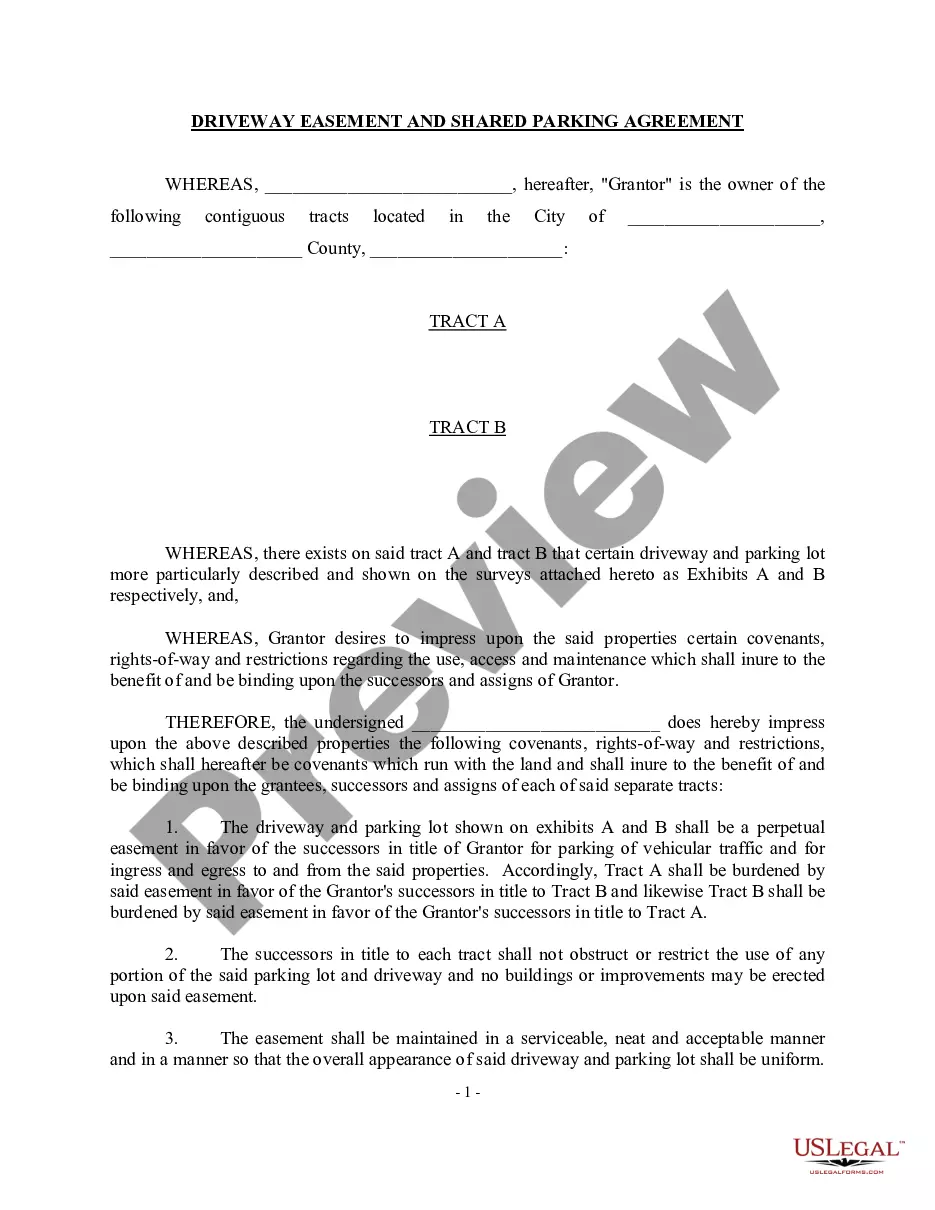
How to fill out Tennessee Driveway Easement?
Identifying a reliable source to obtain the latest and suitable legal templates is a significant part of navigating bureaucracy.
Selecting the appropriate legal documents requires precision and meticulousness, making it crucial to source Tennessee Driveway Laws For Parking solely from trustworthy providers, such as US Legal Forms. An incorrect template can lead to wasted time and delay in your current circumstances.
Once you have the form on your device, you can edit it using the editor or print it for manual completion. Eliminate the hassle associated with your legal documents. Explore the vast US Legal Forms library to find legal templates, assess their applicability to your situation, and download them instantly.
- Utilize the library navigation or search bar to find your template.
- Review the form’s details to ensure it meets the requirements of your state and locality.
- Preview the form, if available, to confirm that the template is indeed what you need.
- Return to the search to find the correct template if the Tennessee Driveway Laws For Parking is not suitable.
- If you are confident about the form’s suitability, download it.
- If you are a registered user, click Log in to verify and access your chosen templates in My documents.
- If you do not have an account, click Buy now to acquire the template.
- Choose the pricing plan that best suits your requirements.
- Continue to the registration process to complete your purchase.
- Finalize your transaction by selecting a payment method (credit card or PayPal).
- Select the document format for downloading Tennessee Driveway Laws For Parking.
Form popularity
FAQ
Tennessee parking rules vary by city, but generally, drivers must park in designated areas and avoid blocking driveways or fire hydrants. Additionally, state laws prohibit parking on sidewalks and in front of public buildings. Understanding these regulations can help you avoid fines and ensure compliance with Tennessee driveway laws for parking. For comprehensive insights and forms related to parking regulations, visit US Legal Forms.
In Tennessee, the law regarding driveway access focuses on ensuring that homeowners can use their driveways for parking without obstruction. Driveways must comply with local zoning ordinances, which may dictate their size, placement, and usage. It's essential to be aware of any restrictions that might affect your access, especially in residential areas. For detailed information on Tennessee driveway laws for parking, consider exploring resources available on the US Legal Forms platform.
The proximity of a driveway to the property line in Tennessee is determined by local zoning laws, which often impose specific setback requirements. These laws ensure that driveways do not interfere with neighboring properties or public spaces. For precise information on these regulations, consider using uslegalforms to navigate Tennessee driveway laws for parking.
Whether you need a permit for a driveway in Tennessee depends on local regulations. Many jurisdictions require a permit for new driveways, while others may not. It’s important to check with local authorities to avoid penalties, and uslegalforms can assist you in navigating Tennessee driveway laws for parking.
Setback requirements in Tennessee vary by municipality and are established to maintain safety and privacy. Typically, these regulations dictate how far structures, including driveways, must be from property lines. To ensure compliance, you should consult your local zoning office or utilize uslegalforms to understand Tennessee driveway laws for parking.
In Tennessee, the distance you can build to a property line is determined by local zoning regulations, which often specify minimum setback distances. These rules ensure that structures do not infringe on neighboring properties. For detailed guidance on these requirements, refer to local planning offices or explore uslegalforms for comprehensive insights into Tennessee driveway laws for parking.
The distance you can extend your driveway to the property line in Tennessee depends on local zoning laws. Typically, there may be a minimum setback requirement that varies by jurisdiction. Understanding these rules is crucial, and using tools from uslegalforms can help you find the necessary information about Tennessee driveway laws for parking.
Driveway requirements in Tennessee often vary by city or county. Generally, a driveway must provide safe access to the property and should not obstruct traffic. To stay informed about specific regulations, you can consult local zoning laws or use resources like uslegalforms to navigate Tennessee driveway laws for parking.
In Tennessee, parking in front of someone's house is generally not illegal, as public streets are open for anyone to use. However, if the vehicle obstructs traffic or violates local ordinances, it could lead to fines or towing. It’s always wise to check local regulations to ensure compliance with Tennessee driveway laws for parking.
Homeowners in Tennessee can often make minor repairs or improvements to their driveways without needing a permit. This may include patching small cracks or resurfacing existing driveways. However, if you plan to expand your driveway or change its structure, you should consult Tennessee driveway laws for parking. Using resources like USLegalForms can help clarify what actions require a permit and guide you through the legal requirements.